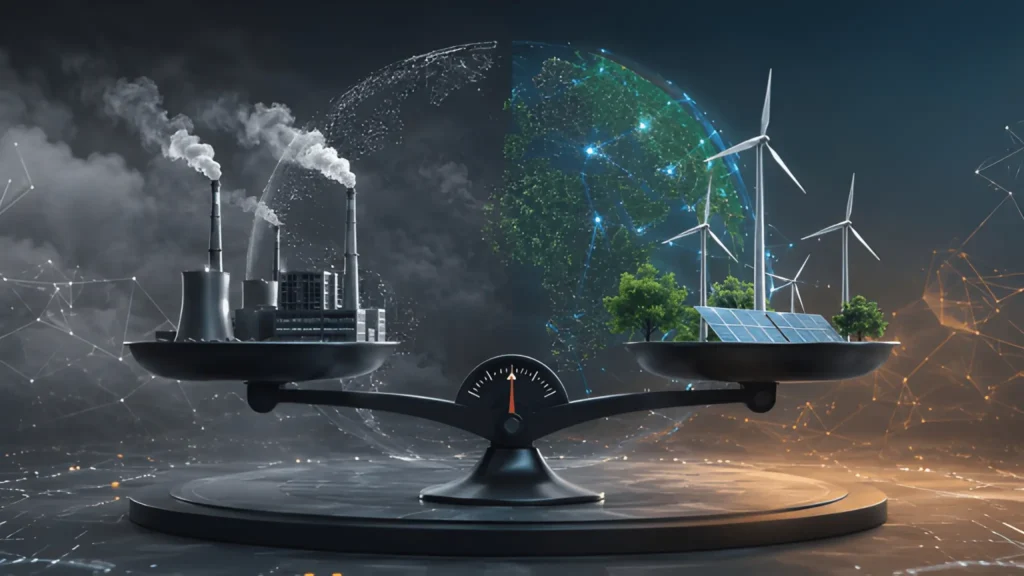
Why “Carbon Neutral” AI Infrastructure Could Soon Become a Legal Liability
The AI infrastructure race no longer hides behind polished sustainability language because regulators, investors, insurers, and courts now examine how […]


The AI infrastructure race no longer hides behind polished sustainability language because regulators, investors, insurers, and courts now examine how […]
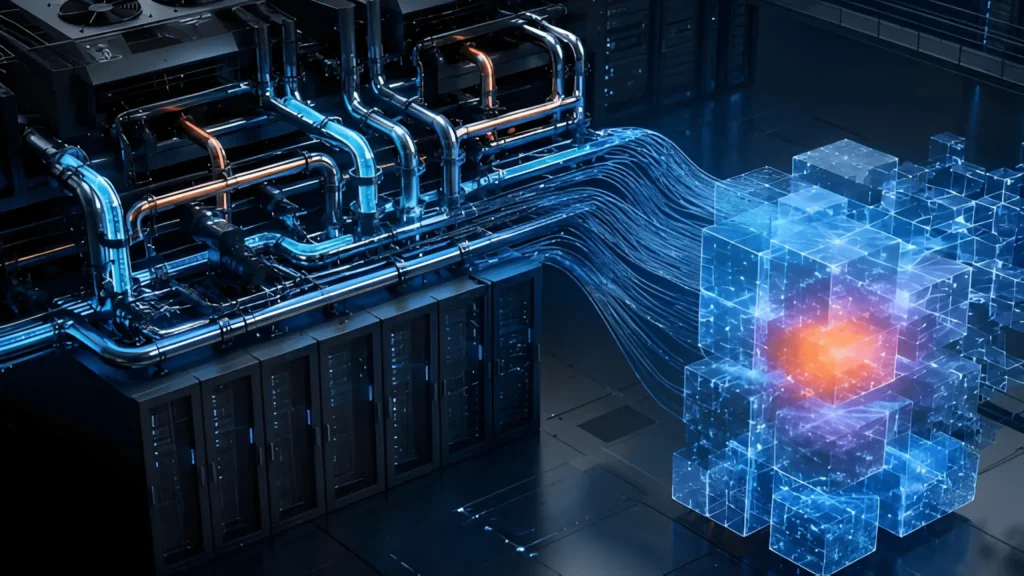
A decade ago, operators treated cooling systems as background machinery that simply kept servers alive while compute platforms handled the
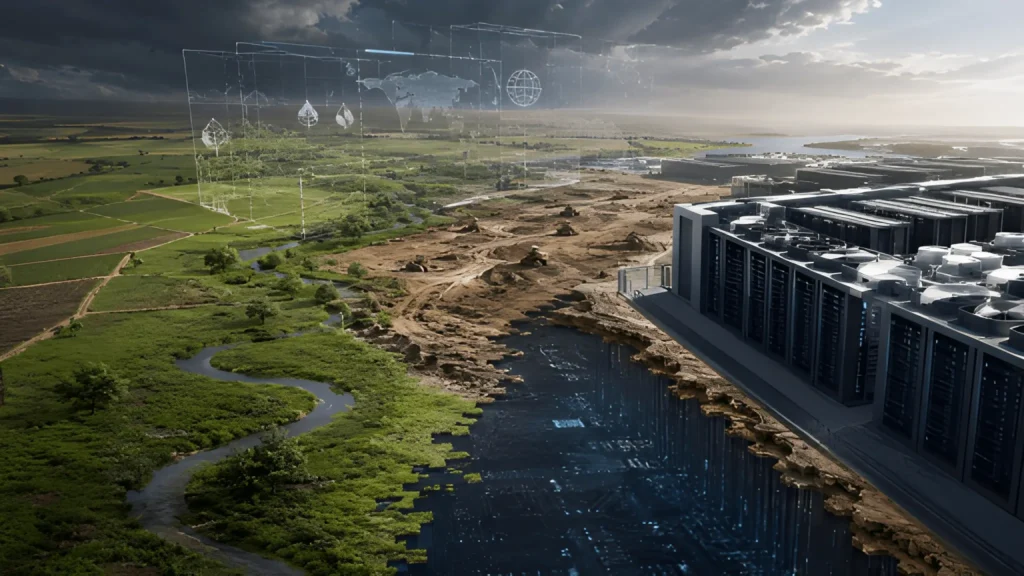
A patch of farmland disappears faster than most infrastructure reports can register it, reflecting the growing scale of land transformation
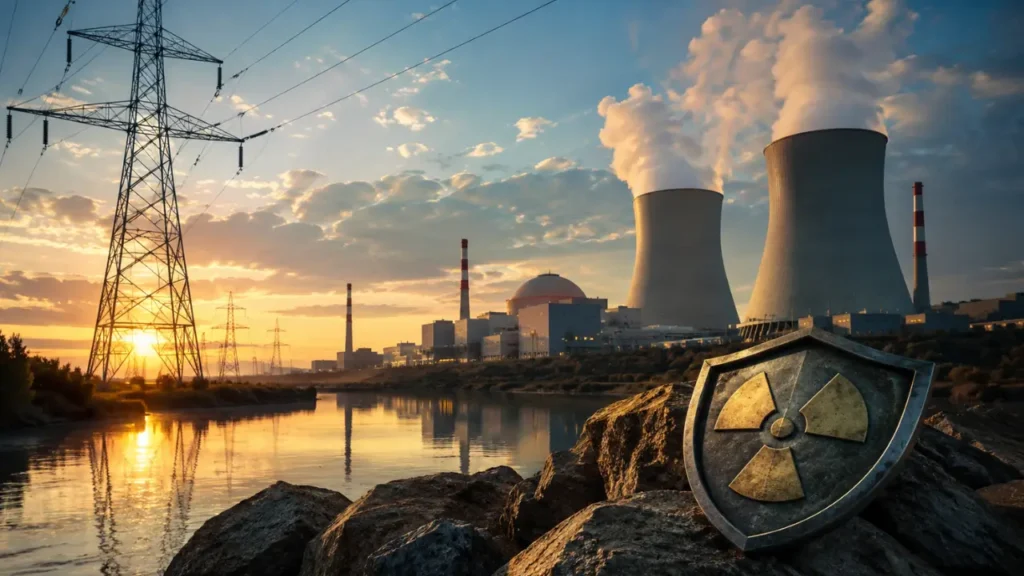
The modern economy spent decades treating infrastructure like a temporary negotiation instead of a civilizational foundation. Governments preferred assets that

Nvidia reports its fiscal Q1 2027 results tonight after the US market close. Consensus expectations place data center revenue near
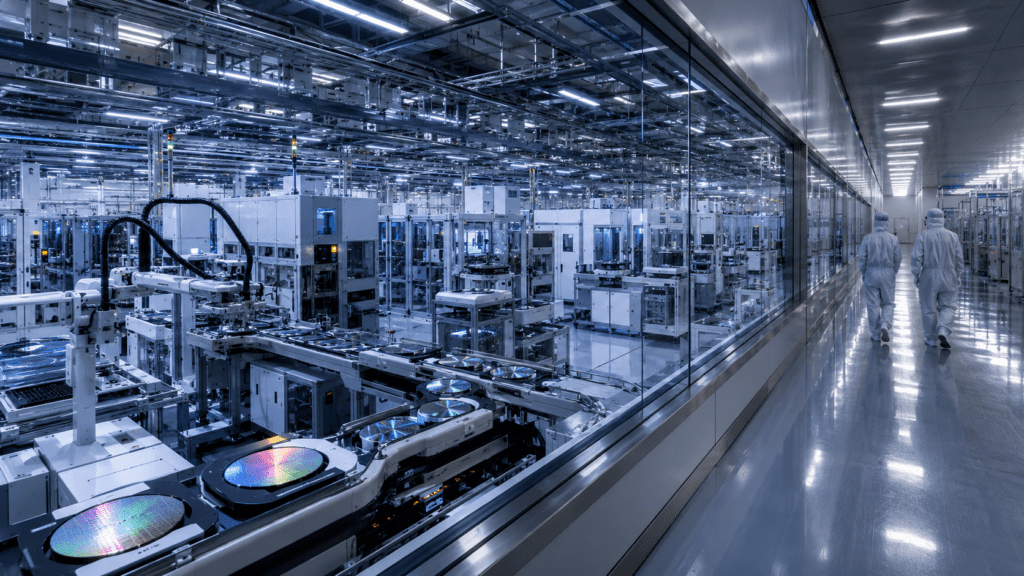
The conversation about AI infrastructure bottlenecks has evolved considerably over the past 18 months. The transformer shortage, the grid interconnection

There is a pattern in how the AI boom is being financed that Bloomberg documented in a detailed investigation in
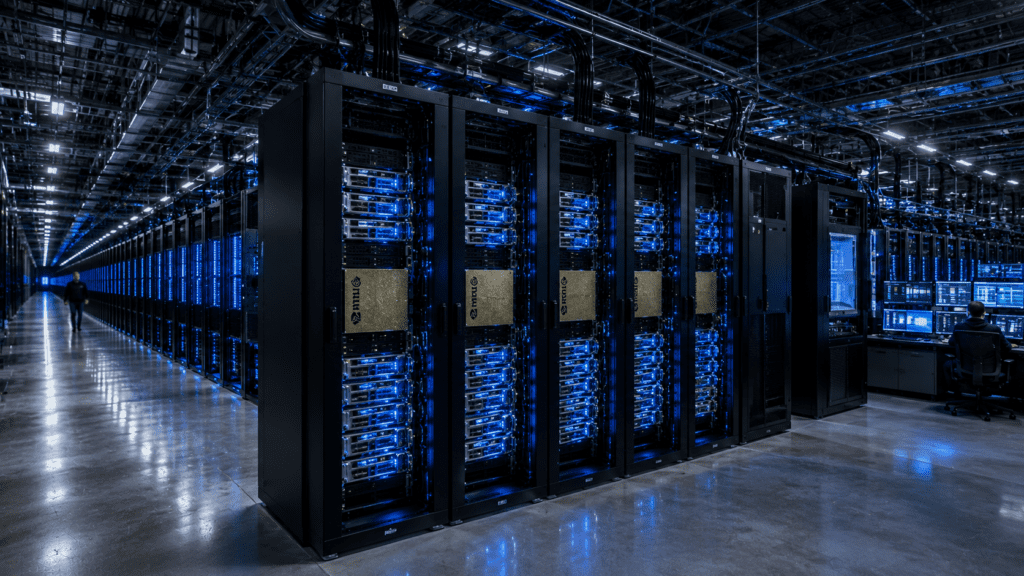
Nvidia reports its fiscal first quarter 2027 results tonight after the US market close, with the press release crossing at
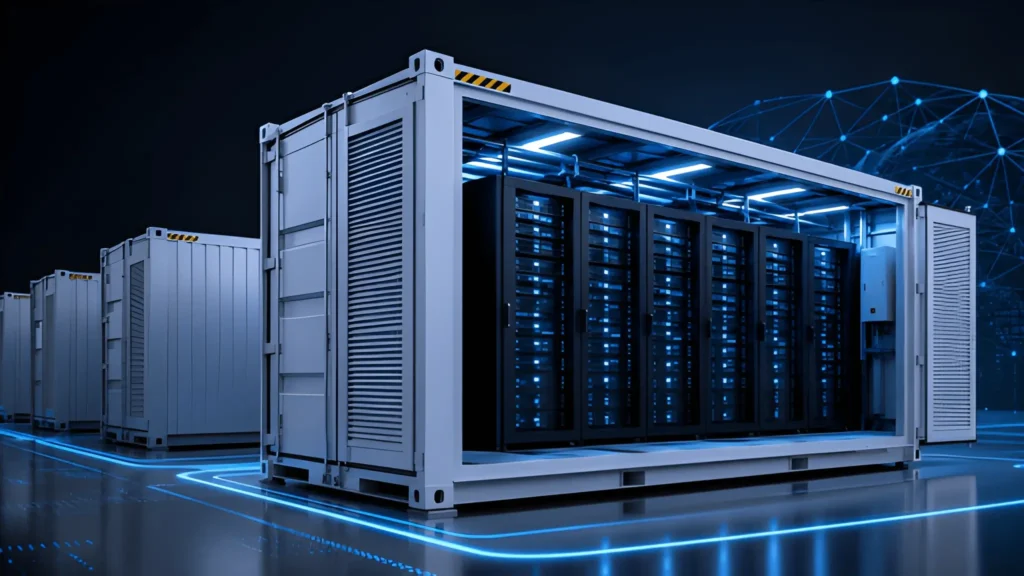
The race to build artificial intelligence infrastructure no longer revolves around who owns the biggest campus or the deepest land

Data centers once scaled through repetition because operators could duplicate halls, expand cooling loops, and install standardized racks without altering

Modern computing spent years celebrating visible layers of technology while quietly depending on invisible physical systems that rarely entered mainstream
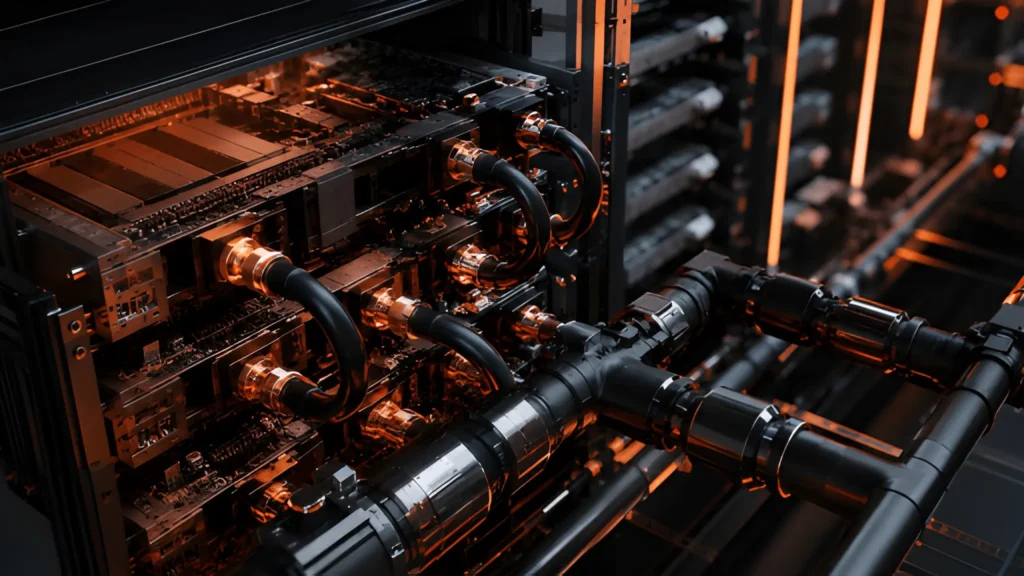
The AI economy didn’t kick off on factory floors, inside turbine rooms, or at mechanical control panels. It started in

The AI infrastructure buildout has drawn financing from hyperscaler balance sheets, public equity markets, and private credit at a pace

The enterprise IT budget conversation of 2024 was dominated by training costs. Which models to build, how much compute to
AI infrastructure is no longer judged only by scale, rack density, or capital expenditure. Operational credibility determines deals. Enterprise buyers

Alphabet and Blackstone announced a joint venture today, May 19, to create a new US-based TPU cloud company that will
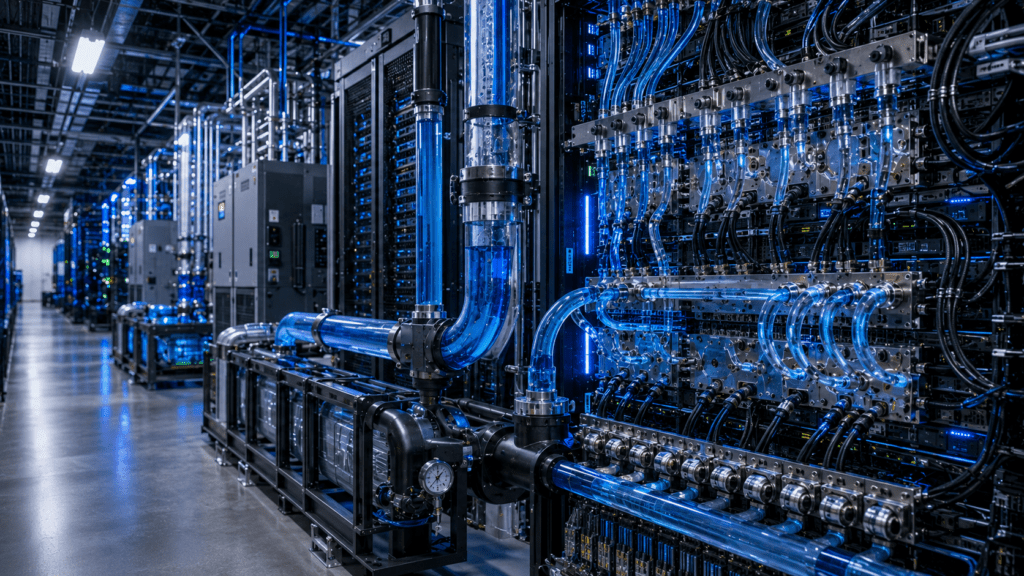
The liquid cooling market has never moved faster or been harder to navigate. In the six months between November 2025
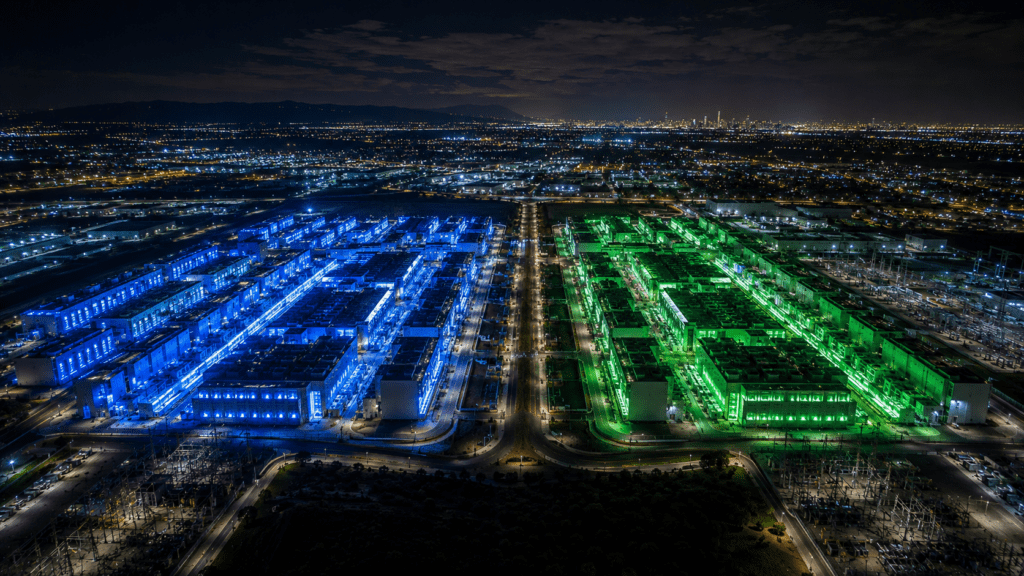
Every few months, the AI infrastructure market produces a new announcement that is described as a challenge to Nvidia. A

Three years ago, CoreWeave was a name that required explanation. Today it has a $99.4 billion revenue backlog, growing 50% quarter on
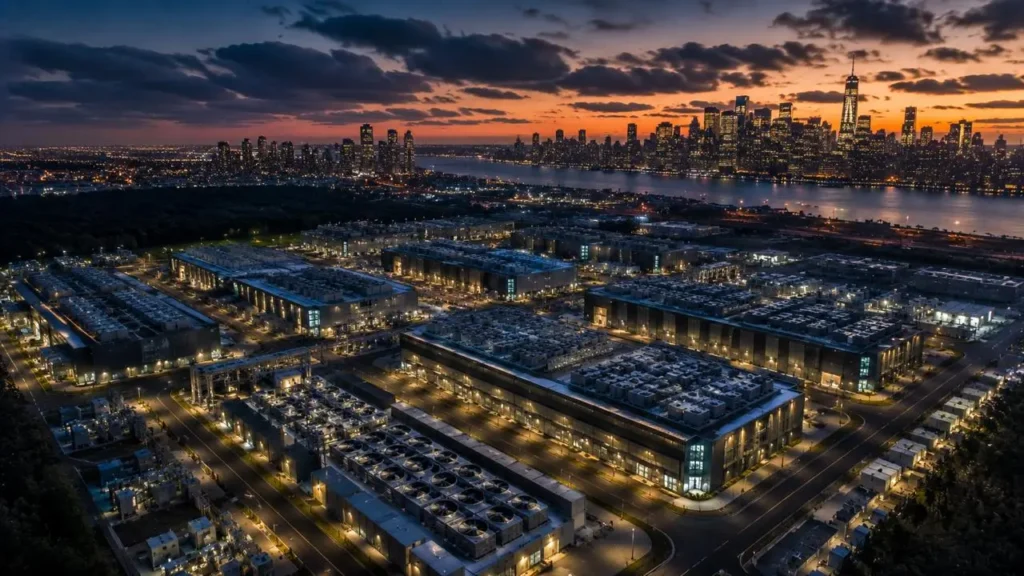
The financial architecture of AI infrastructure is changing faster than the analytical frameworks most investors are using to evaluate it.

Artificial intelligence infrastructure no longer expands according to the same geographic logic that shaped earlier cloud computing eras. Operators once

Artificial intelligence infrastructure rarely fails in dramatic ways anymore because operators have spent years hardening power systems, improving redundancy, and

Enterprise security teams spent decades building defenses around malicious outsiders, compromised employees, and sophisticated ransomware groups. Autonomous software agents now

The Next Data Center You Build Has to Serve Two Fundamentally Different Workloads The data center industry spent the past

AI demand miscalculation is becoming a growing concern as artificial intelligence infrastructure absorbs capital at a pace that reflects one

Environments that were off the radar in data center discussions a decade ago are now front and center for infrastructure

The AI infrastructure investment narrative has been constructed around a story of scarcity. GPUs were scarce. Data center power was
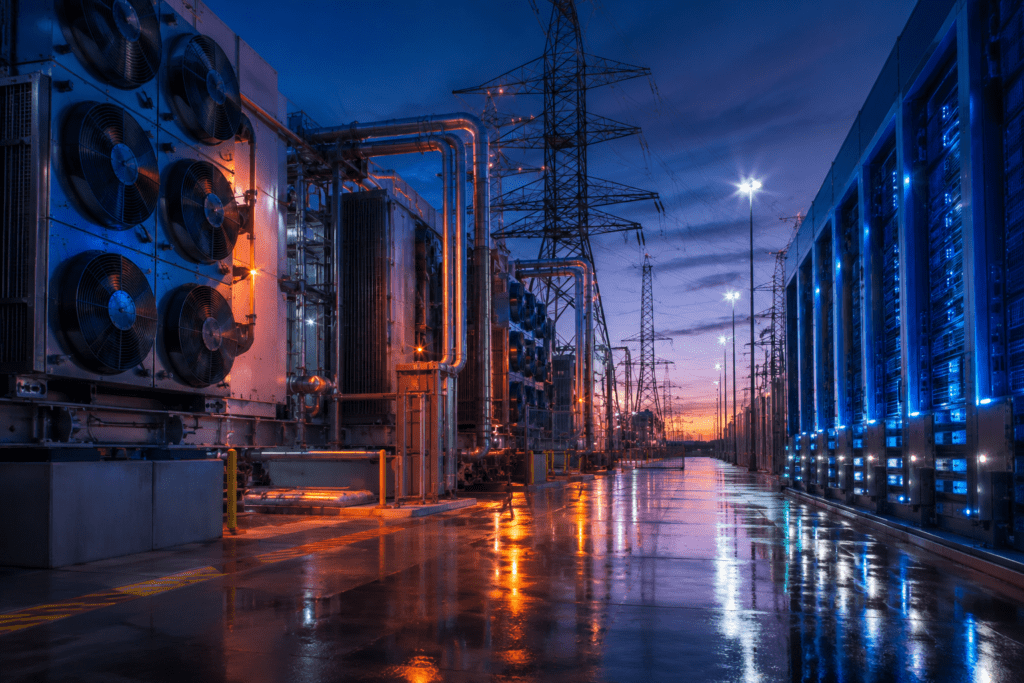
The investment narrative around AI has been constructed almost entirely around software and silicon. The companies that design the best

Goldman Sachs published a research note in May 2026 that landed differently from most AI infrastructure commentary. Not because the

The AI infrastructure conversation has focused on the supply side for three years. Which GPU clusters companies are deploying. How

The Quiet Crisis Behind Every AI Expansion AI growth is exposing a structural reality that many organizations underestimated. Scaling compute
AI infrastructure economics now revolve around something far more physical, scarce, and geographically concentrated than traditional cloud resources ever were.
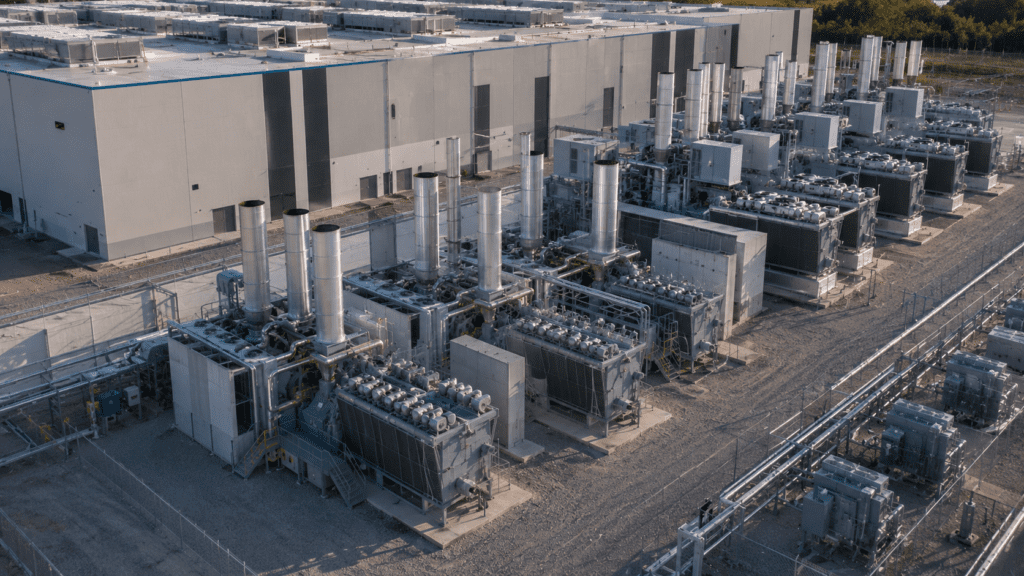
Data center site selection used to start with a relatively short checklist. Grid capacity. Land availability. Fiber connectivity. Labour market.

Artificial intelligence infrastructure no longer struggles at the same locations that once defined data center risk. Operators spent years preparing

The neocloud narrative has always been about GPUs. Who has the most H100s. Who landed the first GB200 cluster. Which

Enterprise AI deployments have a cost problem that is, specifically, not the one that most organisations planned for. The problem

The modern AI economy projects an image of limitless scalability, invisible automation, and uninterrupted computational abundance. Massive language models answer

The neocloud sector was built on a single bet: that enterprises, researchers, and AI developers would pay a premium for

When AI Facilities Stop Sounding Like Airports Anyone stepping inside a modern AI facility for the first time usually notices

AI infrastructure doesn’t slow down just because a maintenance window shows up on the calendar. Training clusters keep pulling power,

AI growth doesn’t usually look like smokestacks or giant factory campuses. Most of it happens behind the scene in secure
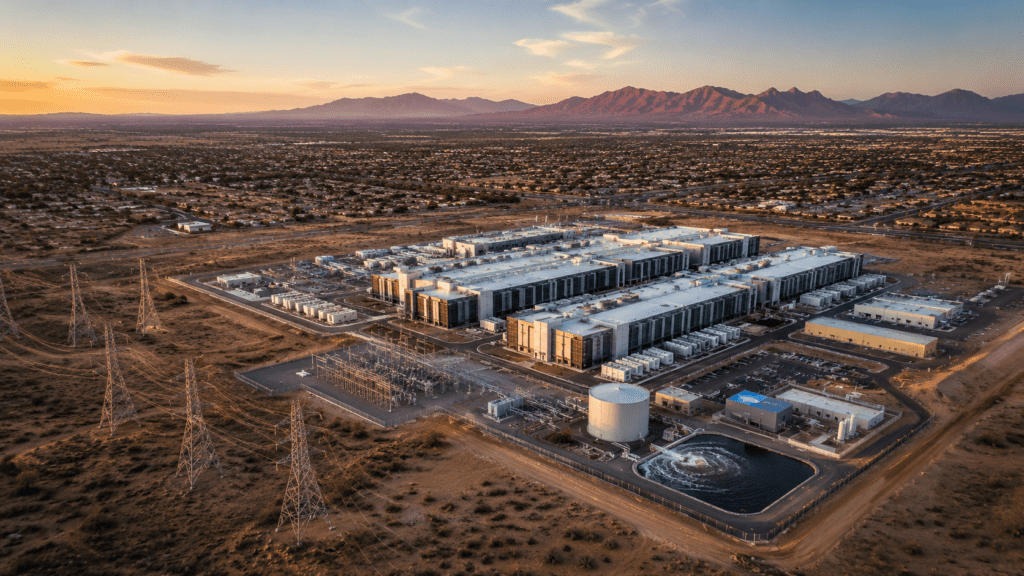
The location playbook that governed data center site selection through 2022 relied on four primary criteria: land cost, fiber connectivity,

The AI infrastructure investment analysis has a GPU problem. Not the shortage itself, but the analytical fixation on GPUs as

The AI infrastructure conversation has been dominated by power. Grid connection queues, transformer shortages, utility rate disputes, and behind-the-meter generation

The AI infrastructure buildout has a hardware problem that is not about chips. It is about the industrial equipment that

The history of data center rack density is a history of predictions that turned out to be underestimates. In 2012,

Artificial intelligence infrastructure no longer expands according to software ambition alone. Power systems now shape the geography of compute growth

A sustainability executive at a major technology company recently described a recurring pattern inside quarterly planning meetings. Product leaders arrived

Today’s facilities can no longer rely on predictable thermal behavior. Rising compute density, intensive AI processing cycles, and highly variable

The five largest US hyperscalers — Microsoft, Alphabet, Amazon, Meta, and Oracle — will collectively spend between $660 billion and

Amazon, Google, Microsoft, and Meta are engaged in a coordinated and accelerating effort to reduce their dependency on external suppliers

Large AI systems rarely fail because processors stop working. Infrastructure now struggles more often when traffic arrives at the wrong

Modern servers no longer evolve around processors alone because thermal management has moved directly into the center of hardware architecture
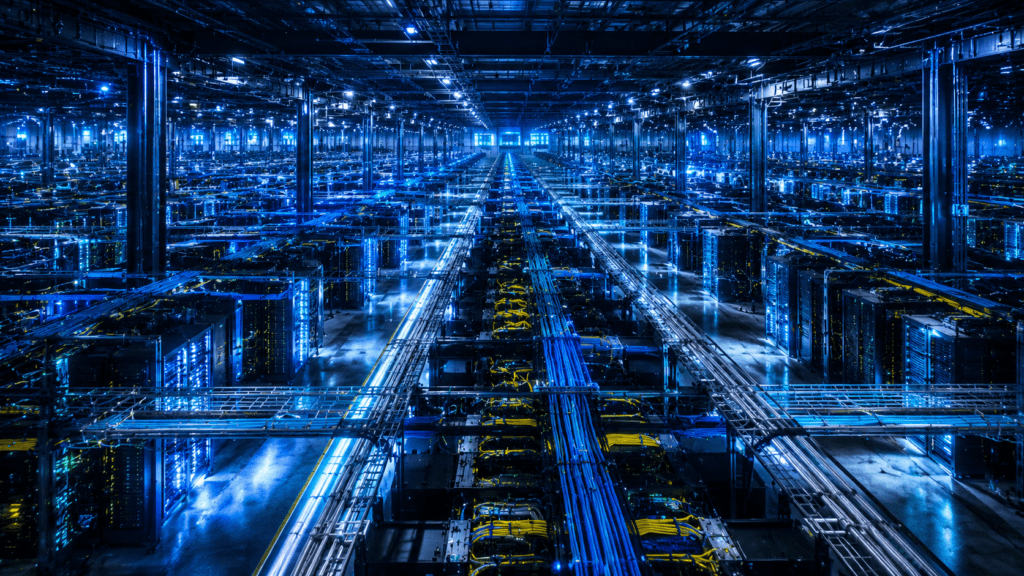
Google’s Virgo Network, introduced at Google Cloud Next 2026, is a megascale AI data center fabric that Google describes as

Artificial intelligence investment has started reshaping infrastructure markets long before many facilities break ground. Capital groups, industrial developers, utility-linked investors,

The AI infrastructure conversation has a hardware bias. GPUs, custom silicon, transformers, and power capacity dominate the analytical framework that
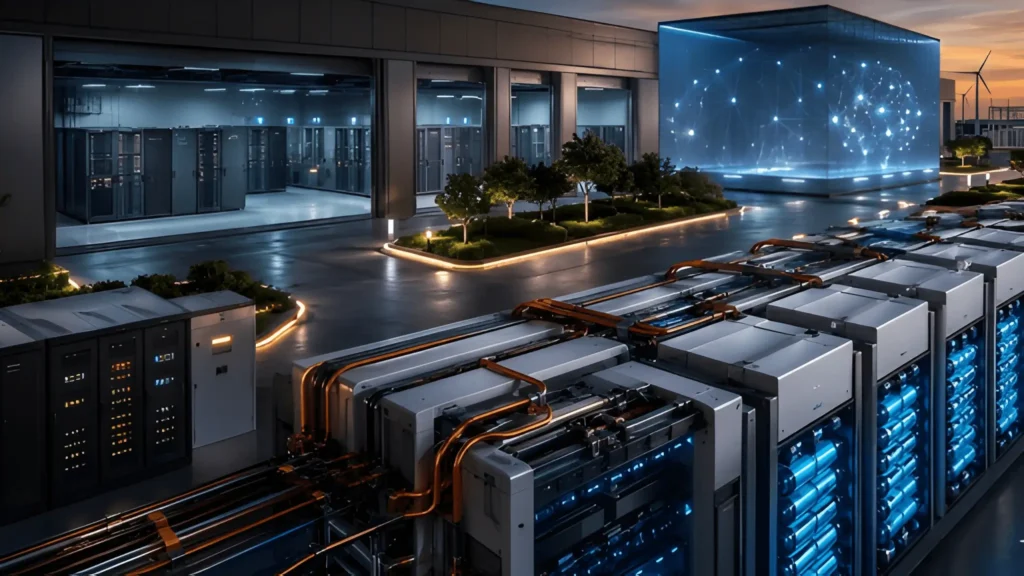
Electricity has moved from operational necessity to strategic leverage inside modern AI infrastructure. Training clusters, inference facilities, and high-density accelerator

The data center network was designed for a specific traffic pattern, and that pattern shaped every design decision that followed,

Nvidia has committed more than $40 billion in equity stakes and investment agreements across the AI infrastructure stack in 2026,

Modern digital infrastructure rarely appears physical to the outside world because cloud computing hides its industrial footprint behind software interfaces

Nobody notices digital infrastructure when systems work normally, which is exactly why the sector spent years operating outside mainstream economic

Industrial decline left visible physical marks across manufacturing regions that once powered national economic growth through steel production, assembly operations,

Eighteen months ago, the Model Context Protocol was a 47-page technical specification that Anthropic published on a Tuesday afternoon with

When Anthropic quietly released the Model Context Protocol in November 2024 as an open standard for connecting AI systems to

For most of the past two decades, battery storage in data centers meant one thing: uninterruptible power supply systems that
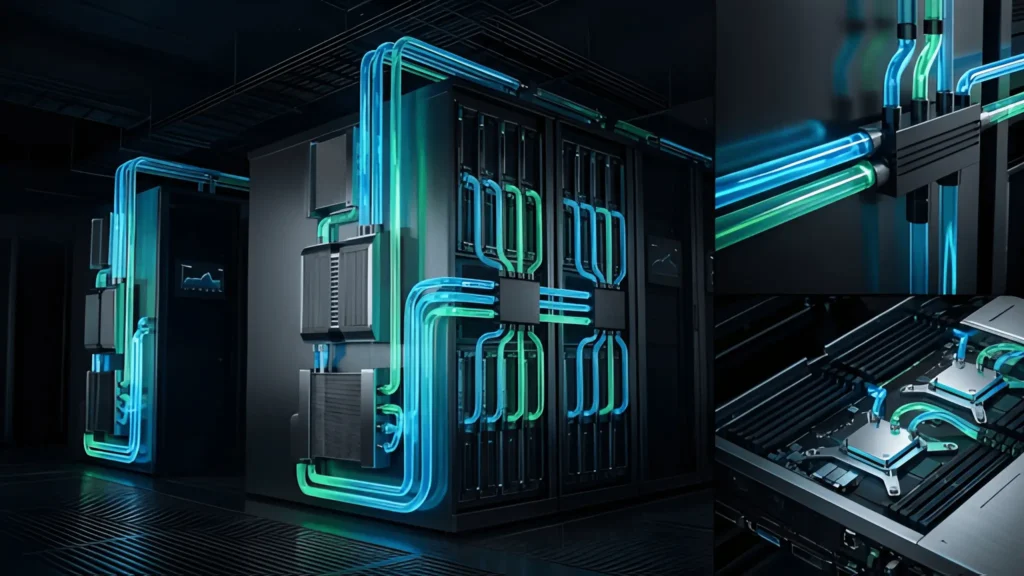
The artificial intelligence boom changed the public conversation around technology, yet most attention still circles around graphics processors, semiconductor foundries,

Modern computing hardware no longer struggles with performance first because thermal behavior now dictates how systems age, how operators maintain

The AI infrastructure race no longer stops at accelerator density, switching capacity, or training scale because physical infrastructure has entered

The global race for artificial intelligence dominance no longer revolves around software talent alone because the center of gravity has

Every major technology revolution eventually collides with the physical world, and artificial intelligence has now reached that point. Behind the
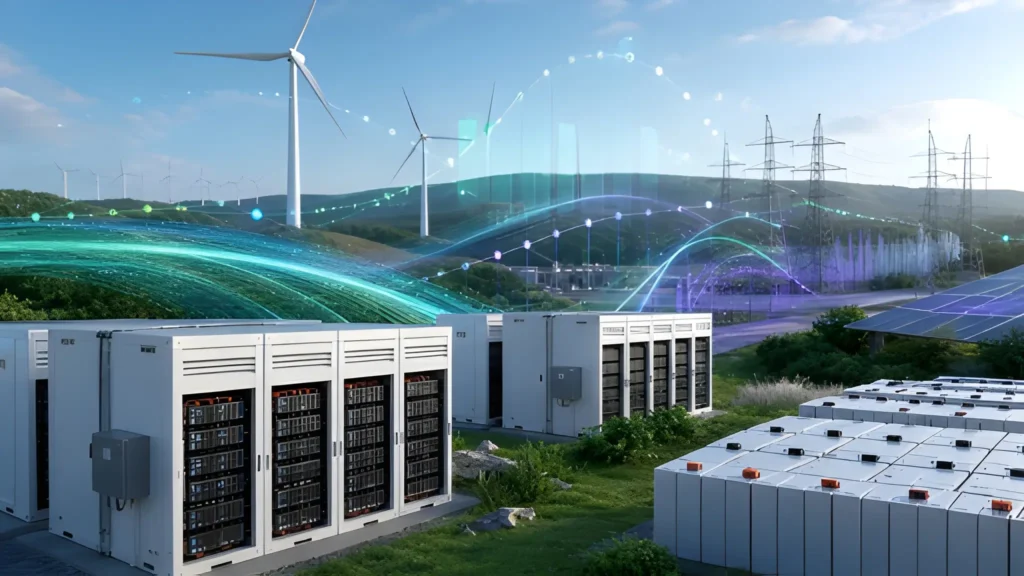
Electricity networks were originally designed to support economies built around manufacturing growth, urban expansion, and steady industrial consumption patterns that

The conversation about global AI infrastructure investment tends to focus on the billions being committed across the Gulf, India, Southeast

Twelve months ago, the global AI infrastructure investment map was simple. The United States dominated overwhelmingly. Europe was a secondary

Cloud computing once promised abstraction so complete that infrastructure itself would disappear from strategic conversations. Developers deployed workloads without thinking

The data center industry once treated infrastructure relevance as a slow-moving curve that aligned with long depreciation schedules and predictable
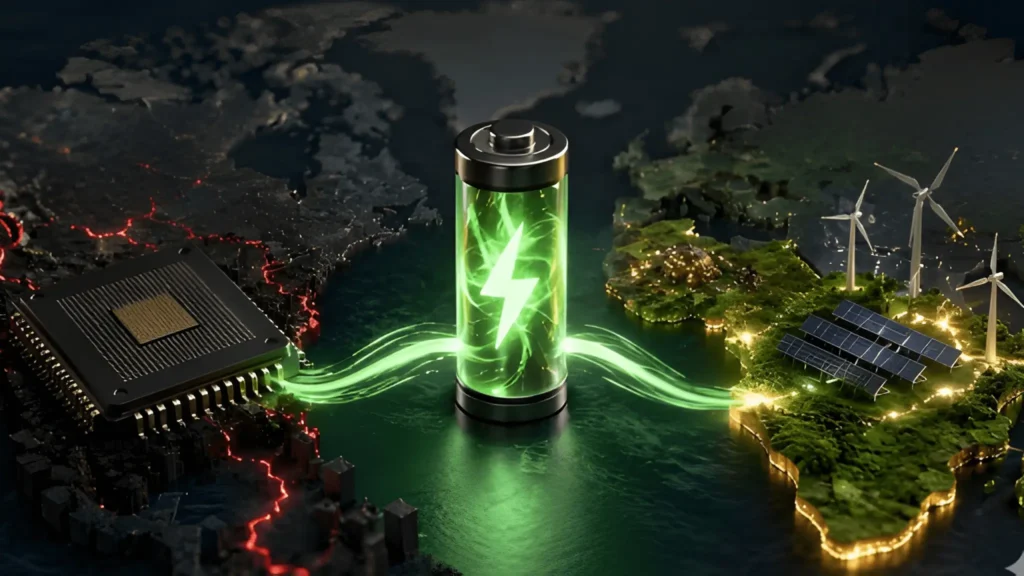
The next phase of artificial intelligence expansion may not emerge from semiconductor fabs in California, Taiwan, or South Korea. A
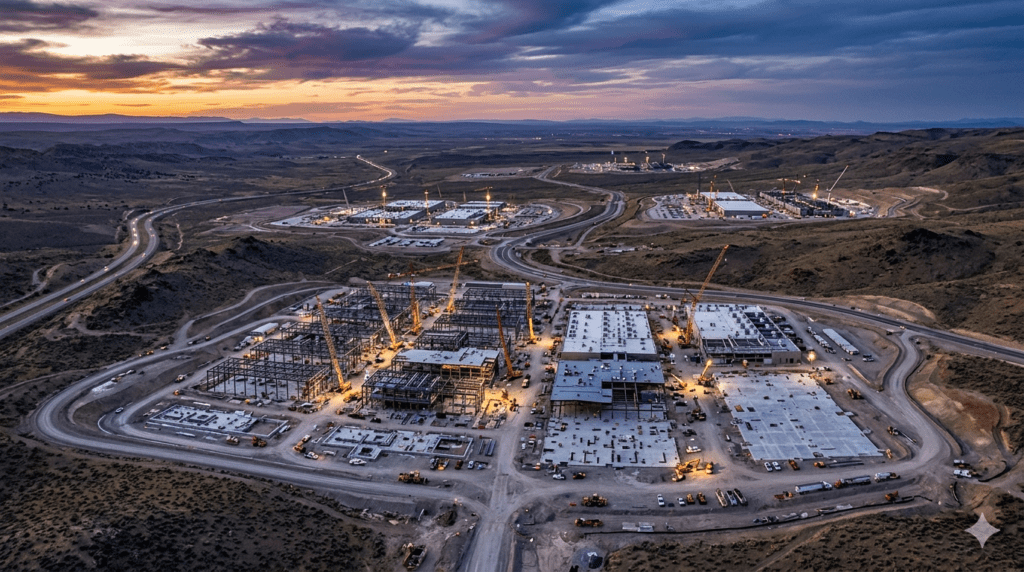
TrendForce revised its combined capital expenditure forecast for the world’s top nine cloud service providers upward to approximately $830 billion

For most of the past decade, the global AI infrastructure market operated on a unified foundation. A data center in

The AI infrastructure buildout has generated enormous analysis about capital, power, GPUs, and land. Every constraint that has emerged —

The conversation around AI infrastructure has focused heavily on processing clusters, specialized chips, and energy capacity, yet a quieter constraint

Why SOCs Are Starting to Think Like Markets Security operations no longer resemble quiet monitoring environments where analysts wait for

Modern AI infrastructure no longer struggles with raw processing capability; it struggles with heat. Thermal constraints now dictate how far

ESG Starts Before the First Blueprint Infrastructure planning for AI data centers no longer begins with land scouting or cost
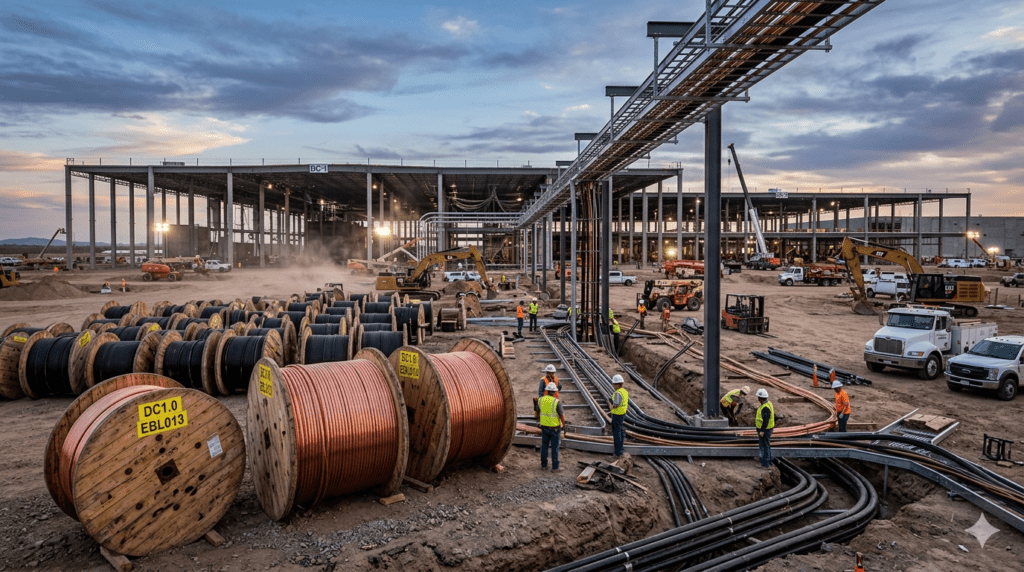
Copper is not a material the AI infrastructure industry talks about very much. The conversation around data center supply chains

Goldman Sachs published a report this week projecting $7.6 trillion in cumulative AI infrastructure capital expenditure between 2026 and 2031.

The standard data center lease was designed for a stable world. A tenant signs a 10 to 20-year agreement to

Annual sustainability reporting is now standard practice among hyperscalers. Net zero commitments from data center operators typically target the 2030

The Ocean Becomes the New Backplane The internet once felt abstract, something that existed in cloud diagrams and data centers,

The data center industry has started to treat immersion cooling as a decisive response to escalating thermal densities driven by
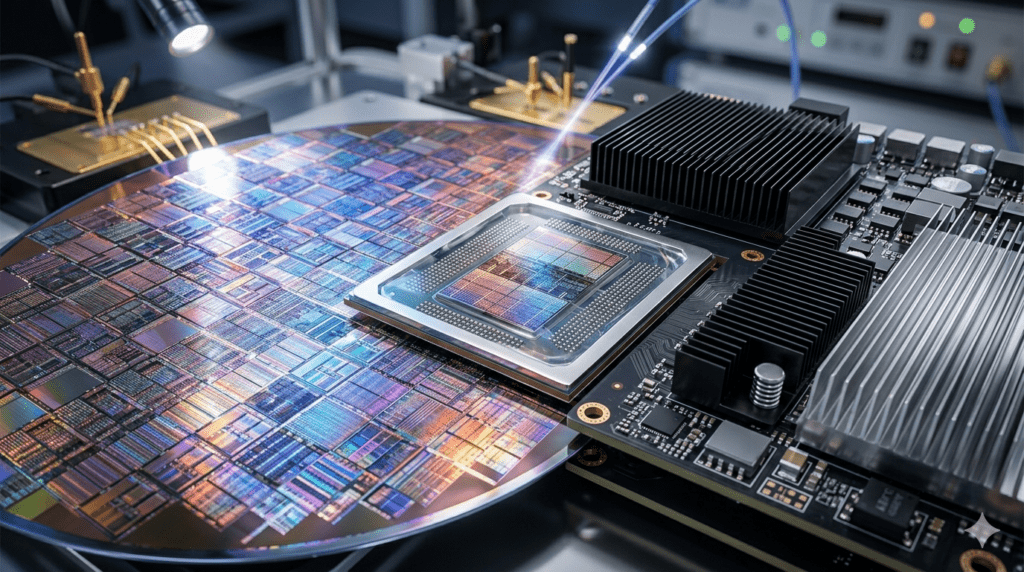
For most of the past decade, custom AI silicon was a Google story. The company began developing its Tensor Processing

The Google-Anthropic deal that landed last week has been covered primarily as a financial story. Google investing up to $40

The competition for data center investment has become one of the defining economic development contests of the 2020s. Every level

The Q1 2026 hyperscaler earnings cycle produced two very different market reactions to the same set of facts. Alphabet and
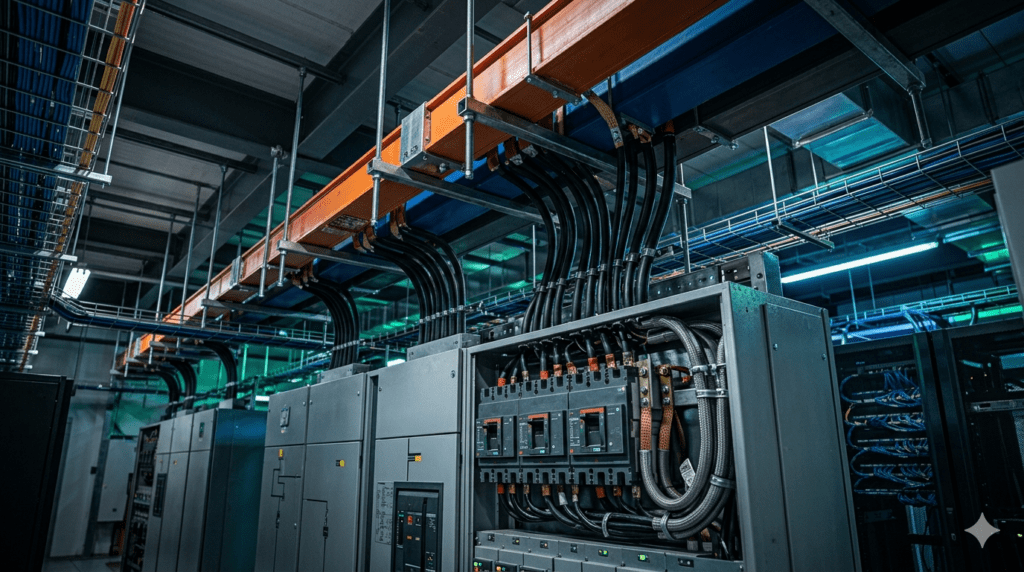
For the past two years, 800 VDC power architecture has been the most talked-about infrastructure concept that nobody was actually

Alphabet, Amazon, Meta, and Microsoft collectively reported more than $130 billion in capital expenditure during the first quarter of 2026

Carrier Global Corporation is tightening its grip on the future of AI infrastructure with a deeper financial and strategic commitment

Electrical systems quietly define spatial decisions, equipment density, and even operational philosophy, yet they rarely take center stage in design

The first signs rarely look dramatic. A quiet patch of land gets fenced, surveyors appear, and heavy equipment begins to

For decades, the semiconductor roadmap delivered a predictable rhythm of performance gains that shaped every layer of digital infrastructure. Engineering

The CO₂ Tunnel Vision Problem Most hyperscale reporting frameworks prioritize Scope 1 and Scope 2 emissions because they align with

Quantum computing has entered an unusual phase of its lifecycle, one where capital, ambition and geopolitical urgency are expanding faster

A new partnership between Nexalus and TuffTek signals a deeper shift in how defence infrastructure approaches high-performance compute at the

The five largest AI infrastructure operators in the world are each pursuing a fundamentally different power strategy. Microsoft has bet

The five largest technology companies in the world have, collectively, committed more than $650 billion to AI infrastructure in 2026.

The wrong question is dominating the conversation about Big Tech’s 2026 AI infrastructure commitments. Meta’s stock fell 6% yesterday when

When Infrastructure Starts Demanding Reactor-Level Protection The first time a system fails at scale, it rarely fails quietly. It cascades,

The race to scale artificial intelligence infrastructure no longer unfolds inside silicon roadmaps or software stacks alone, as thermal constraints

The AI infrastructure buildout has been designed, almost exclusively, around training. That focus made sense in 2023. It does not
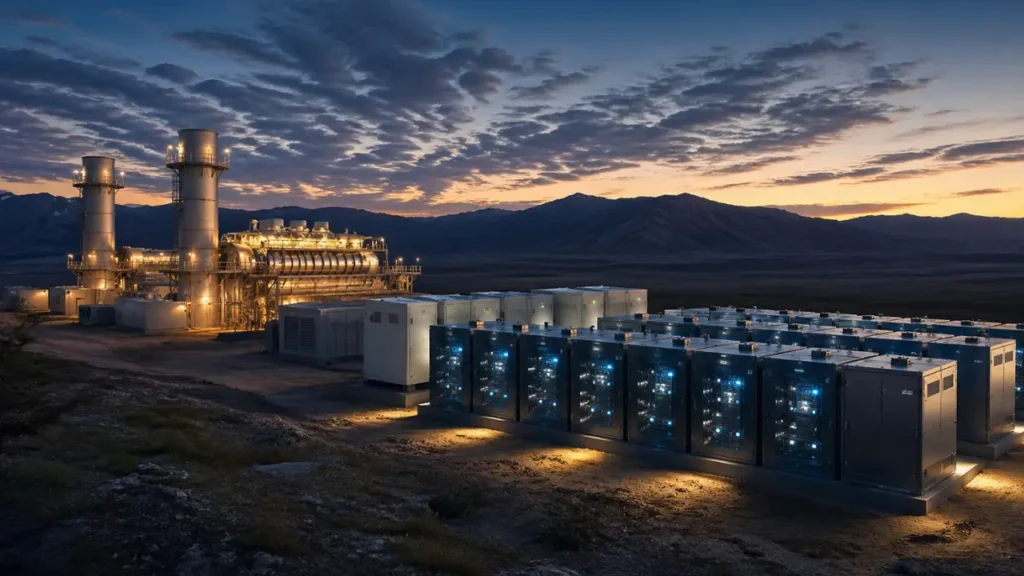
The narrative around energy storage has taken on a tone of inevitability, as if batteries alone can accelerate a clean

The Efficiency Breakthrough That Reframes the Industry’s Limits The next phase of artificial intelligence is no longer being defined solely
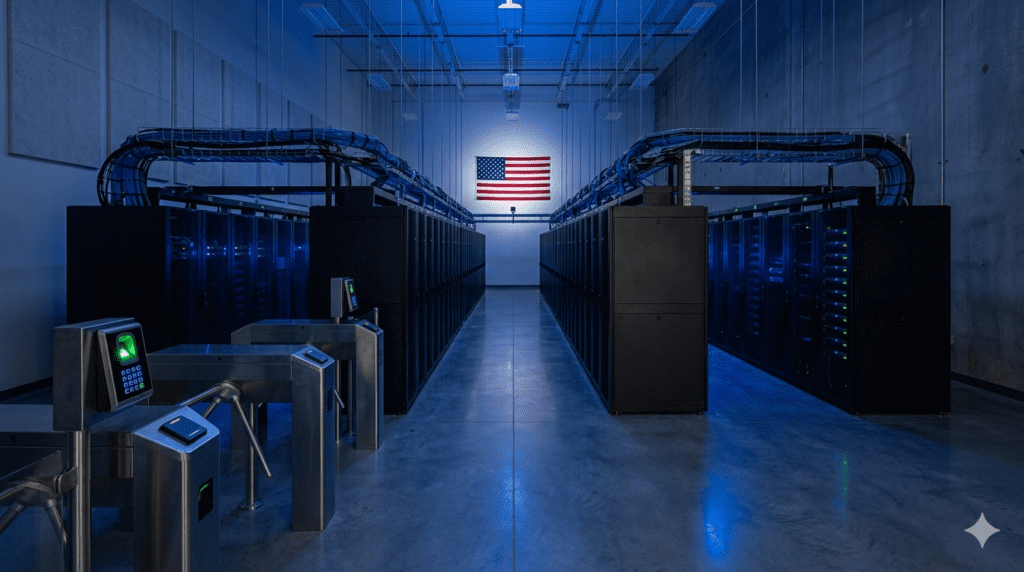
The Google Pentagon discussions over classified AI compute infrastructure have moved into serious territory. Google and the United States Department
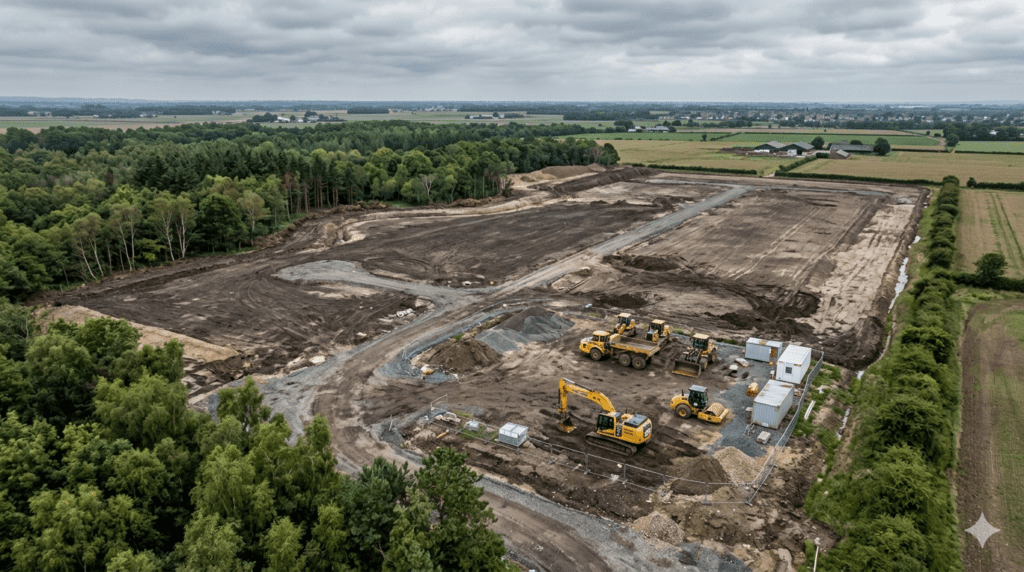
Analysts at Bloomberg and Sightline Climate published findings in April 2026 that the industry has been slow to absorb. Approximately
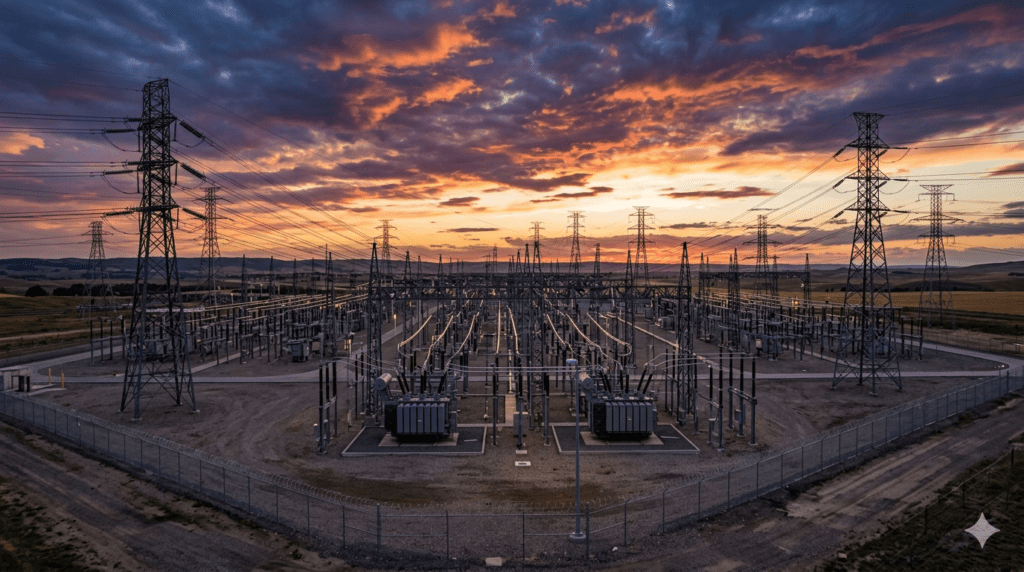
On April 21, the North American Electric Reliability Corporation (NERC) published an alert on data center load stability that has
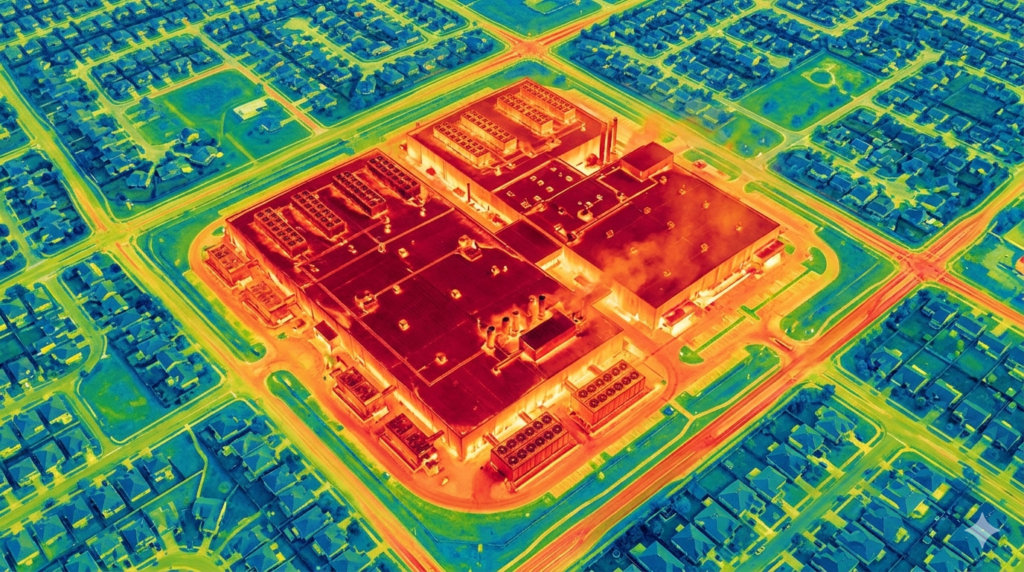
A preprint study published in March 2026 by researchers at the University of Cambridge, Singapore, and Hong Kong has put

The promise of clean infrastructure feels reassuring when seen through glossy sustainability reports and carbon-neutral claims. Engineers speak in terms
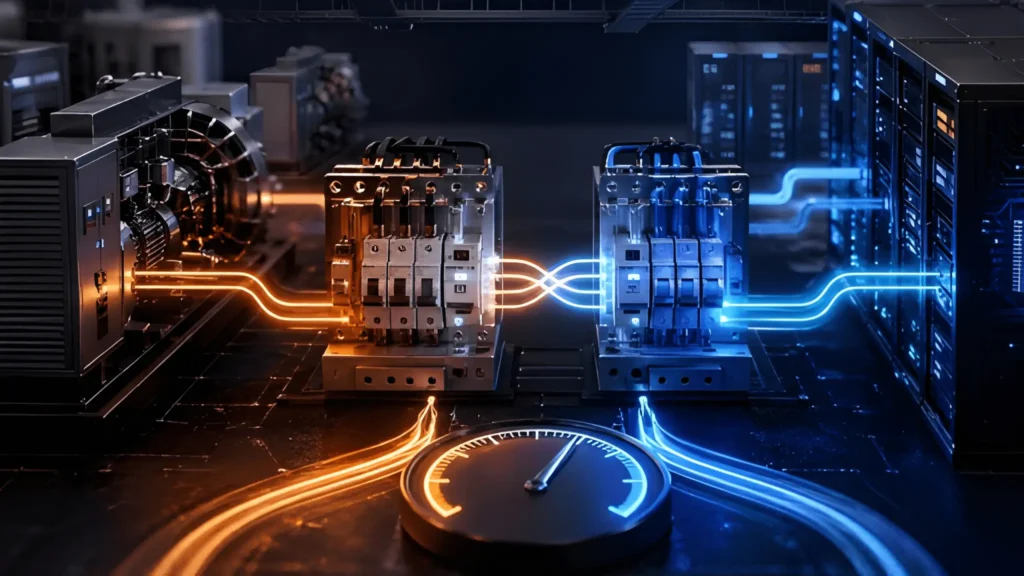
Infrastructure has evolved toward higher density and tighter operational tolerances without equivalent evolution in switching expectations. Legacy assumptions treated short
The modern AI facility no longer resembles a passive warehouse of servers waiting for isolated tasks. It behaves more like

The ground beneath the digital economy has shifted, and the change did not start with land scarcity or capital constraints.

The first phase of AI infrastructure geography was determined by power and connectivity. Data centers concentrated in markets with access

Turning Up the Heat: Why Cooler Isn’t Always Better Thermal systems evolved around a simple premise that colder always meant

The colocation data center model has been remarkably durable. For three decades, the business logic was simple and consistently proven.

The Map Has Flipped: Energy Now Picks the Winners The first shift does not announce itself loudly, yet it reshapes

The conversation around artificial intelligence infrastructure no longer sits inside engineering teams or policy rooms, as it now unfolds in

The AI infrastructure investment cycle of 2023 and 2024 was built around a specific assumption about hardware. Nvidia GPU clusters

The neocloud sector has enjoyed an extraordinary two years. GPU scarcity created pricing power that no previous cloud infrastructure business

The global race to build digital infrastructure no longer depends only on technology roadmaps or capital availability. Energy systems are

The AI infrastructure industry sold liquid cooling as a performance solution. Denser GPU clusters. Lower operating temperatures. Better power usage

Layers have multiplied, abstractions have deepened, and operational visibility has thinned to the point where even experienced teams struggle to

The AI data center industry has a sustainability reporting problem that sits in plain sight. Operators announce renewable energy commitments.

The grid has started to behave less like a utility pipeline and more like a dynamic system with its own

The way investors evaluate data centers has changed quietly but fundamentally. Capacity once acted as the shorthand for value, with

Data center power design has always been built around predictability. Training workloads consume power at a known rate for a

Modern digital systems no longer operate within the clean boundaries that once defined enterprise architecture, as the convergence of classical

Amazon is tightening its grip on the AI infrastructure stack, this time through a strategic collaboration with Cerebras aimed squarely

There is a version of the AI infrastructure story that the industry tells publicly, and there is a version visible

The Optics Economy of Energy Deals A new layer of signaling now defines how large technology operators present their energy

Reframing Infrastructure: From Burden to Strategic Asset Public discourse around data centers has hardened into a familiar storyline: high energy

The AI infrastructure buildout has produced a category of project that did not exist five years ago: the gigawatt campus.

Maine’s governor faces a deadline this week on the nation’s first statewide data center ban. The legislation is temporary, includes

Insurance has always lagged the assets it covers. New technologies create new risk profiles, and the actuarial models that underwriters

The AI infrastructure market entered 2026 with a widely held assumption. Capital would remain broadly distributed. Neoclouds would carve out

The narrative around GPU infrastructure has focused almost entirely on scarcity. Chips are in short supply. Power availability constrains every

Data center developers once treated capacity reservation as a straightforward operational activity. They identified a site, secured a grid connection

VAST Data has closed a $1 billion Series F financing round at a $30 billion valuation, more than tripling its

The acceleration of artificial intelligence has shifted the competitive landscape from model capability to deployment readiness, where the ability to

The global infrastructure narrative has started to shift in a way that does not announce itself loudly, yet its impact
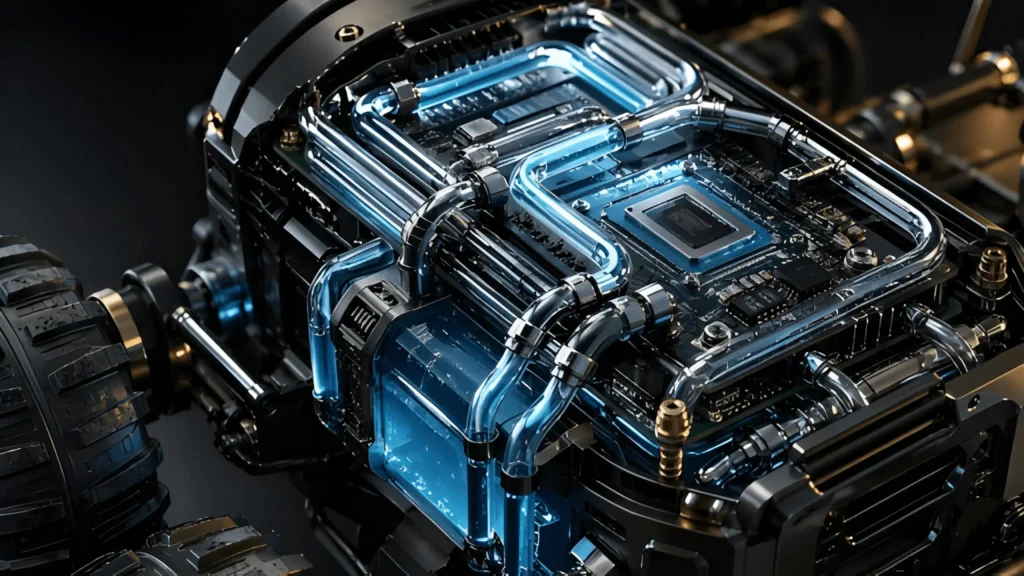
Edge systems now operate in environments that refuse to stay predictable, forcing engineers to confront thermal behavior as a dynamic

The current wave of artificial intelligence feels decisive, yet it rests on a narrow interpretation of intelligence. Systems generate text,

The industry often treats intelligence as a property that emerges directly from scale, as if larger models automatically produce deeper

The infrastructure industry has long measured progress through efficiency gains, density improvements, and incremental cost reductions that rarely challenged the

For most of the past decade, AI infrastructure was a private sector story. Hyperscalers built it. Venture capital funded the

For the past two years, every major conference in the AI infrastructure space has featured the same set of panels.

The original neocloud proposition was simple. Hyperscalers could not build GPU capacity fast enough to meet the demand that generative

The logic behind where digital infrastructure gets built has shifted in a way that most outside the industry still underestimate,

The clean energy conversation in AI infrastructure has spent three years circling the same two technologies. Solar and wind dominate

The global energy transition is entering a decisive phase, where ambition is no longer the defining variable. Execution is. Across

Artificial intelligence is no longer just a computational shift, it is a resource shift. As enterprises accelerate AI deployment, water

The shift did not begin with a headline moment or a disruptive announcement. It emerged quietly through design decisions, route

Physical limitations remain deeply embedded in every cloud interaction, even when abstracted through software-defined interfaces. Latency, throughput, and hardware contention

Data center infrastructure has been designed around a specific mental model of how AI works. A user submits a request.
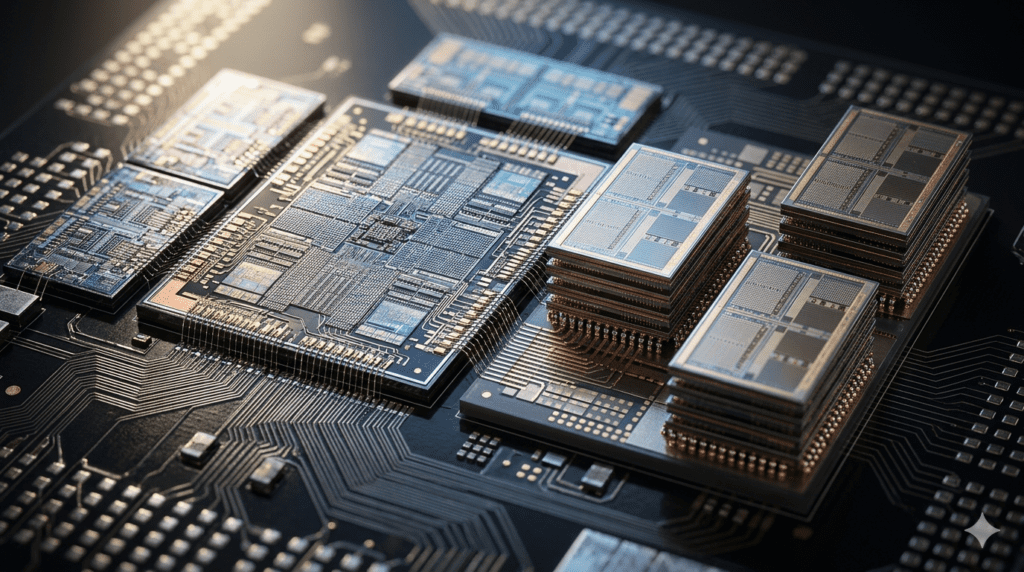
The semiconductor industry built its dominance on a single assumption: that shrinking transistors onto ever-larger monolithic dies would deliver the

Air cooling built the data center industry. For decades it worked well enough. Operators pushed cold air under raised floors,

The rack was never the bottleneck. For most of data center history, the limiting factor was floor space, fiber, or

The expansion of artificial intelligence systems has moved beyond a simple scaling problem and into a structural constraint defined by

The physical limits of electricity infrastructure rarely enter conversations about artificial intelligence, yet they increasingly dictate where and how compute

Direct-to-chip liquid cooling has moved from a niche solution for specialised high-performance computing environments into one of the most consequential

Nothing appears broken from the outside, yet a large share of data center expansion never even reaches the stage where

Scale Breaks Before It Sustains The promise of large-scale energy systems has always rested on efficiency through size, yet real-world

Every incident exposes the same friction point: the procedure exists, yet the system behaves differently. Engineers rely on runbooks to

The neocloud sector entered 2026 carrying a narrative that had sustained it through two years of aggressive growth: that purpose-built

The neocloud value proposition has been tested hard in 2026. Hyperscalers have closed the gap on GPU availability. Spot pricing

The infrastructure conversation has expanded from scale to include placement, and that added dimension introduces a more difficult question than

The AI infrastructure conversation in 2026 focuses on GPU generations, power density, and cooling architectures. Those priorities make sense. However,

Token costs have fallen by something close to 280-fold over the past two years. That number gets cited frequently, usually
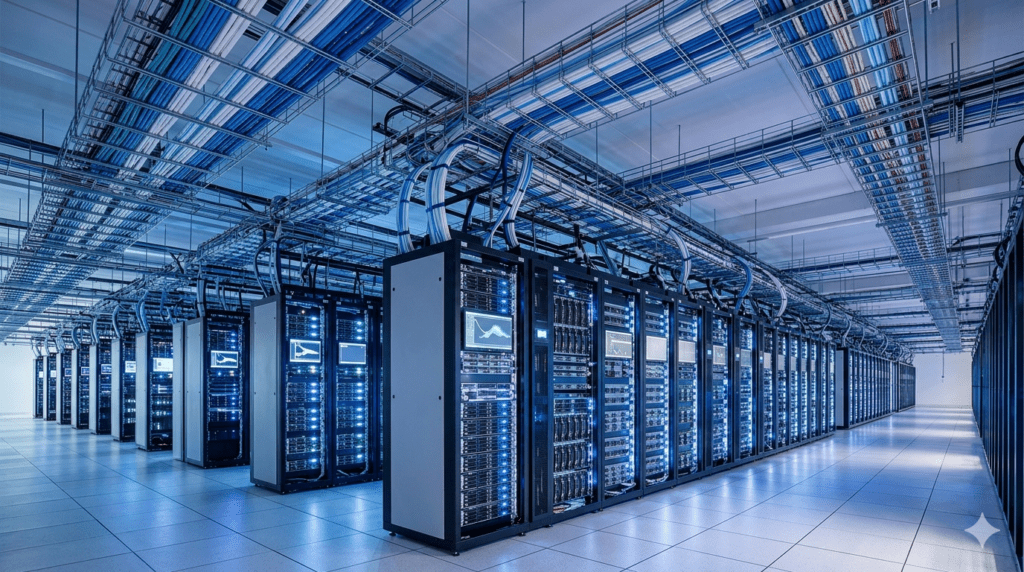
The infrastructure conversation around AI has, until recently, revolved almost entirely around training and inference as distinct workload categories. Training

Modern data centers rarely fail in dramatic ways, yet they consistently lose efficiency in subtle, compounding increments that escape immediate

Anthropic has announced a $50 billion investment in American computing infrastructure, partnering with AI infrastructure provider Fluidstack to build custom

The architecture of modern computing rests on an assumption that no longer holds steady under pressure. Silicon arrives fixed, optimized

Modern AI infrastructure no longer struggles with compute density; it struggles with keeping that density stable under sustained operational stress.

The expansion of artificial intelligence infrastructure no longer follows a simple supply-demand curve; it behaves more like a financial system

The architecture of modern cloud environments has shifted faster than the systems designed to control them, creating a gap that

The conversation about AI hardware almost always focuses on the wrong thing. Benchmark scores, teraflops, memory bandwidth, rack power requirements:
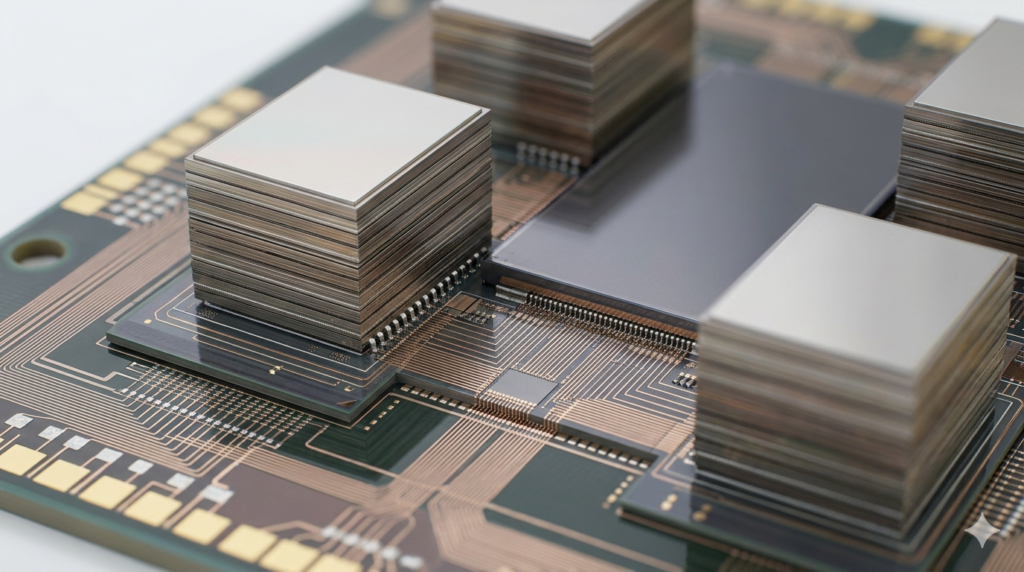
Three years ago, the conversation about AI infrastructure constraints was almost entirely about compute. Get enough GPUs, connect them fast

The GPU shortage supply chain problem runs deeper than the quarterly earnings narrative suggests. Every quarter, TSMC reports record revenue.
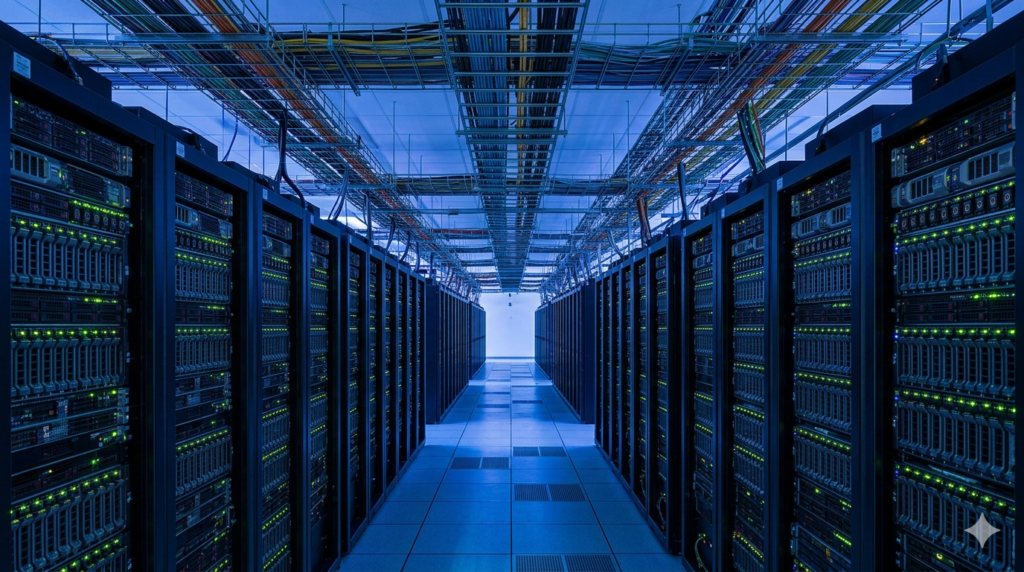
The neocloud story has been one of the most compelling infrastructure investment narratives of the past three years. Specialised GPU
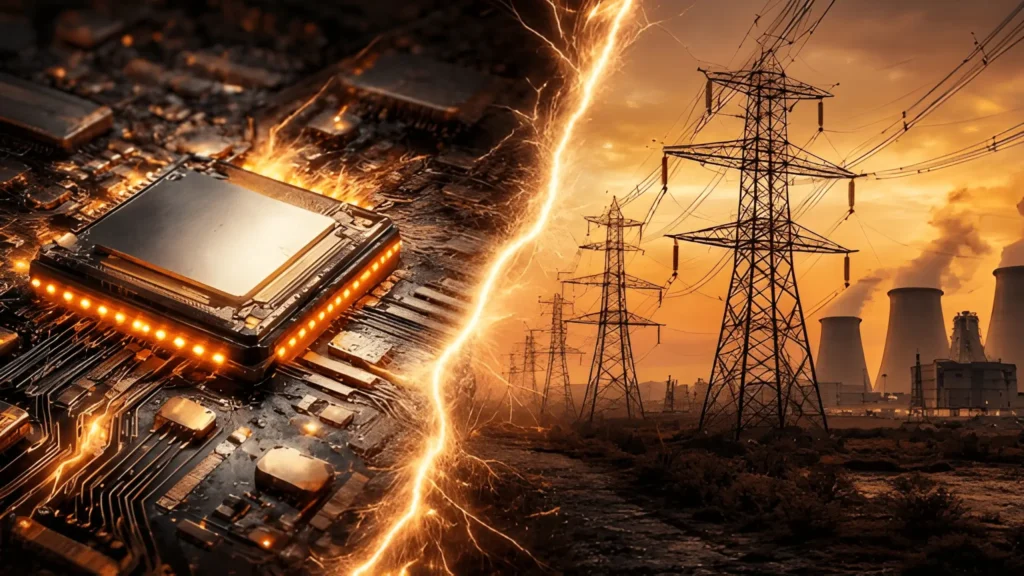
Silicon innovation has reached a stage where advanced accelerators can move from fabrication to deployment pipelines in a matter of

For most of the past decade, immersion cooling occupied a peculiar position in data center planning conversations. Everyone agreed the

The term “data center” describes a building. It carries connotations of storage, retrieval, and general-purpose computing that no longer capture

Racks once served as inert structures that merely held servers, switches, and cables in predictable arrangements. That model collapses under

Modern AI systems embed cryptographic assumptions deep within their architecture, long before security teams evaluate exposure. Model pipelines, data routing

The narrative around hyperscale infrastructure often leans on a simple assumption that bigger systems naturally deliver better sustainability outcomes, yet

Power has replaced compute as the primary constraint on AI infrastructure expansion. The hyperscalers understood this shift before most of

The AI infrastructure buildout has dominated the industry conversation for three years. New campuses, new power agreements, new cooling architectures,
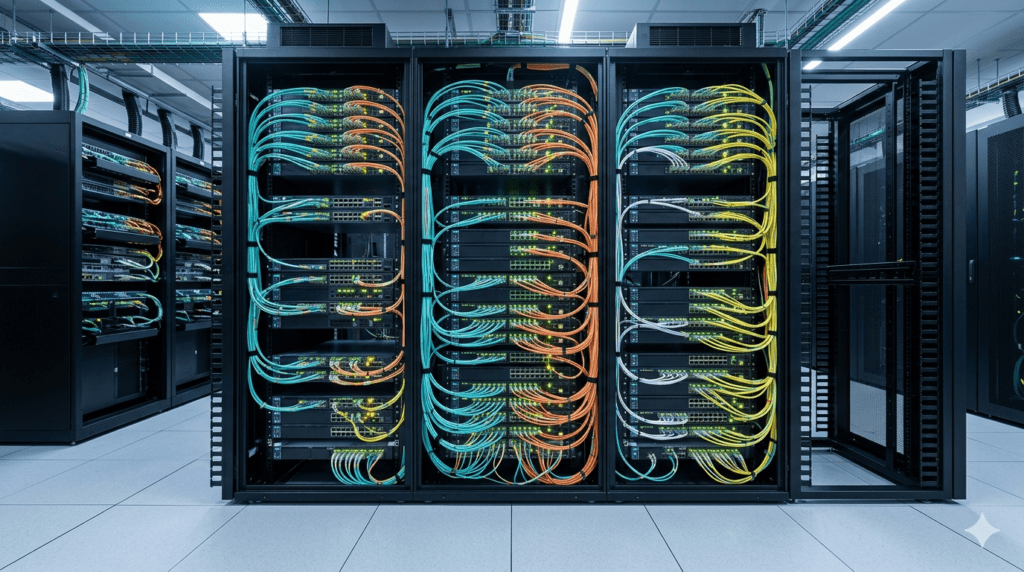
The networking infrastructure inside AI data centers was designed around a specific workload profile: large-scale model training that moves enormous

Water used to be an afterthought in data center site selection. Power availability, land cost, connectivity, and tax incentives dominated

The sequence of decisions in data center design used to follow a predictable order: site, power, cooling, structure, hardware. Each

Modern AI systems no longer end their lifecycle at the moment they generate an output, because that output often triggers

Sovereignty has increasingly extended from policy language into infrastructure design considerations, influencing how data centres operate in a fragmented digital

Spain’s data center land acquisition controversy is escalating as the government’s €90 billion AI infrastructure expansion draws commitments from Amazon

The performance narrative in AI infrastructure has shifted in a way that fundamentally alters how systems behave under real workloads,