The AI economy didn’t kick off on factory floors, inside turbine rooms, or at mechanical control panels. It started in software labs, on cloud platforms, through semiconductor roadmaps, and with algorithmic breakthroughs that felt miles away from industrial ops. Yet the physical reality supporting large-scale AI deployment now depends on infrastructure disciplines that dominated earlier industrial eras before software captured the center of technology investment. Massive GPU clusters generate thermal density, vibration pressure, cooling complexity, and electrical coordination problems that software alone cannot solve efficiently at hyperscale. Mechanical stability has started shaping uptime strategy alongside model optimization and compute acceleration priorities inside large-scale AI infrastructure planning. The result is a surprising shift where industrial engineering principles are moving back into strategic discussions across AI infrastructure development.
Inside many newly planned AI campuses, executives increasingly discuss coolant flow behavior, structural load tolerances, thermal circulation patterns, and power distribution reliability with unusual urgency. Facilities designed for traditional enterprise workloads often struggle to support the density requirements associated with modern AI training clusters and inference environments. Operators now treat mechanical systems as active performance infrastructure rather than secondary support utilities hidden behind server racks. Design conversations increasingly involve industrial engineers, systems integrators, process planners, and thermal specialists who previously operated outside mainstream software conversations. High-density compute environments behave more like synchronized industrial ecosystems than conventional data processing facilities under sustained operational stress. That operational transformation is quietly reshaping how the technology sector values physical engineering disciplines again.
The Server Floor Is Bringing Industrial Talent Back
AI infrastructure growth has increasingly created workforce demand patterns that align with infrastructure-heavy industrial expansion across many regions. Hyperscale operators increasingly require mechanical operators, electrical maintenance crews, pipe fabricators, cooling system specialists, industrial welders, and facility technicians capable of maintaining continuous operational stability. Data center construction already depended on skilled industrial labor for decades, although AI density requirements are expanding the complexity of those workforce needs significantly. Thermal management systems now operate under pressure levels that require advanced operational calibration rather than routine facility maintenance approaches. Companies deploying large AI clusters increasingly compete for industrial workforce talent that manufacturing plants, utility operators, and energy infrastructure firms also require. Silicon Valley hiring culture once centered heavily around software expertise, yet infrastructure growth is pulling operational engineering disciplines back into strategic staffing priorities.
Large AI campuses also require continuous operational supervision that resembles industrial plant management rather than traditional enterprise IT administration in many respects. Mechanical reliability teams monitor airflow behavior, coolant circulation efficiency, pump stability, acoustic performance, and thermal variance patterns across high-density computing environments every day. Equipment downtime can trigger severe operational disruptions because AI clusters operate under synchronized workloads that depend on stable environmental conditions throughout the facility. Plant technicians with experience in industrial systems increasingly adapt their expertise toward AI facility operations because the infrastructure logic shares many overlapping characteristics. Meanwhile, systems fabricators and mechanical assembly specialists are becoming essential contributors during facility deployment phases involving liquid cooling retrofits and high-capacity infrastructure expansion. The server floor has increasingly become an environment where industrial operational discipline strongly influences the operational efficiency and stability of advanced compute infrastructure.
The AI Race Is Suddenly Obsessed With Moving Parts
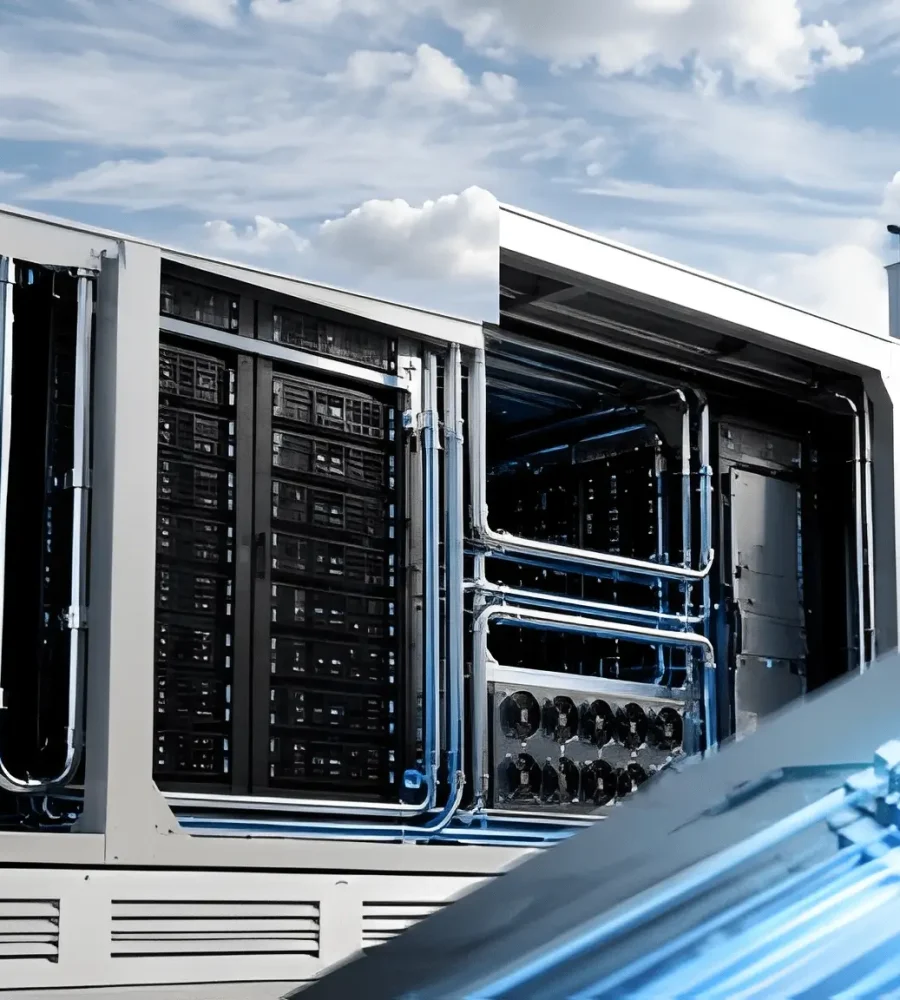
Mechanical reliability rarely occupied headline discussions during earlier phases of cloud computing expansion because most workloads generated lower thermal concentration across server environments. AI acceleration hardware changed that operational equation by creating unprecedented heat density inside tightly packed infrastructure deployments running continuously at high utilization levels. Bearings inside cooling systems, valves controlling liquid circulation, actuators regulating airflow systems, and manifolds distributing coolant pathways now influence infrastructure resilience directly. A malfunctioning mechanical component can compromise entire compute clusters because thermal imbalance spreads rapidly across interconnected systems operating under heavy computational demand. Hardware reliability discussions increasingly extend beyond processors and networking equipment toward the physical mechanisms supporting environmental stability inside the facility. AI operators now study mechanical wear patterns with greater urgency because cooling system failure represents a significant operational risk at hyperscale.
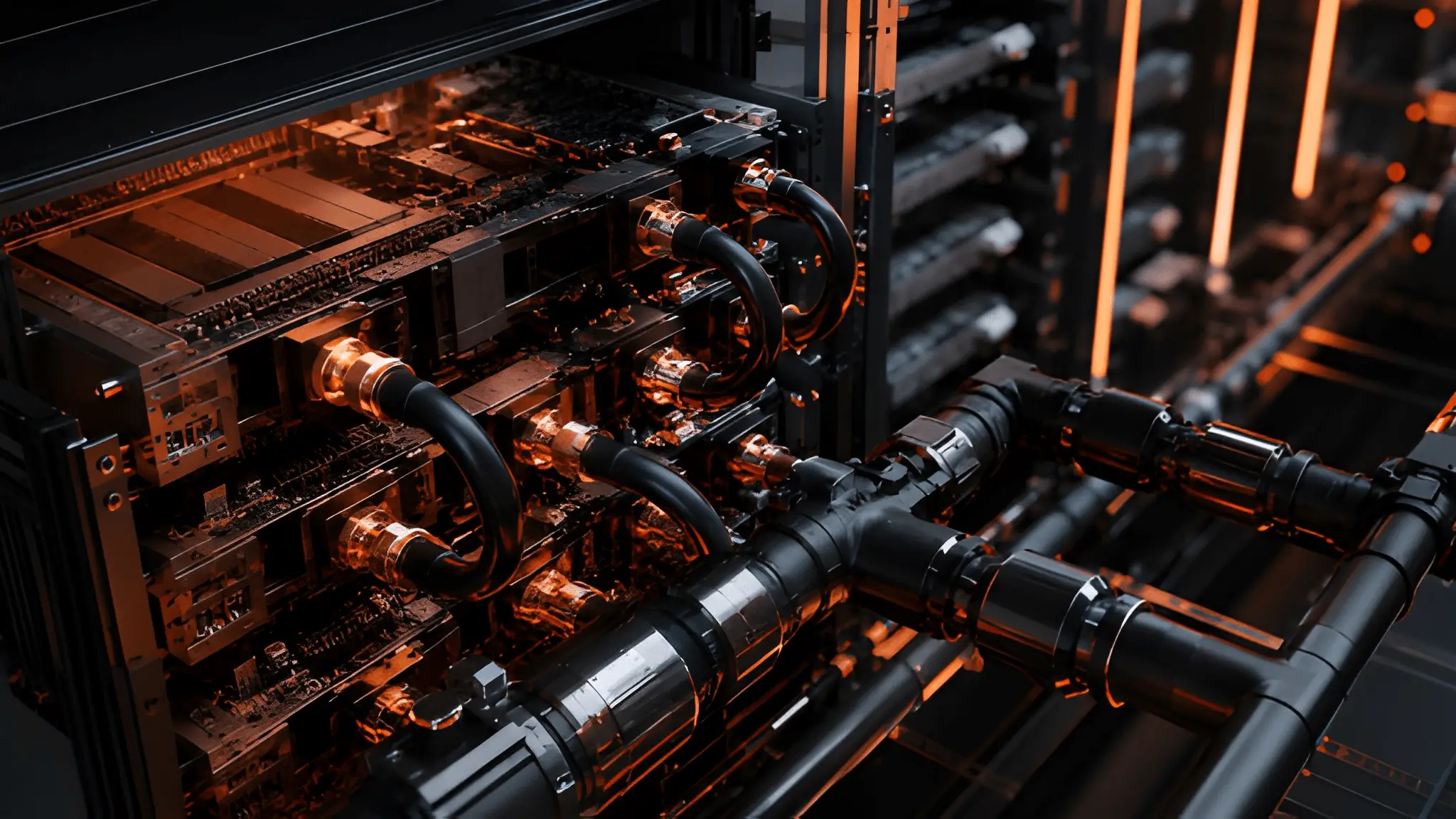
The growing importance of liquid cooling systems has intensified attention toward industrial-grade mechanical precision throughout AI infrastructure design strategies globally. Direct-to-chip cooling technologies require coordinated pressure management, leak prevention systems, fluid distribution controls, and advanced monitoring frameworks capable of operating continuously under demanding conditions. Mechanical tolerances that once belonged mainly to industrial production facilities now influence the operational stability of advanced compute environments supporting AI development. Equipment vendors increasingly market durability metrics and mechanical resilience specifications alongside compute efficiency benchmarks because operators prioritize long-term reliability under sustained load conditions. Consequently, industrial supply chains supporting pumps, connectors, fluid control assemblies, and thermal transfer components are becoming strategically relevant to AI expansion planning. The AI race increasingly depends on moving parts that few software executives discussed seriously during earlier generations of digital infrastructure growth.
Why AI Campuses Are Starting To Feel Like Advanced Manufacturing Zones
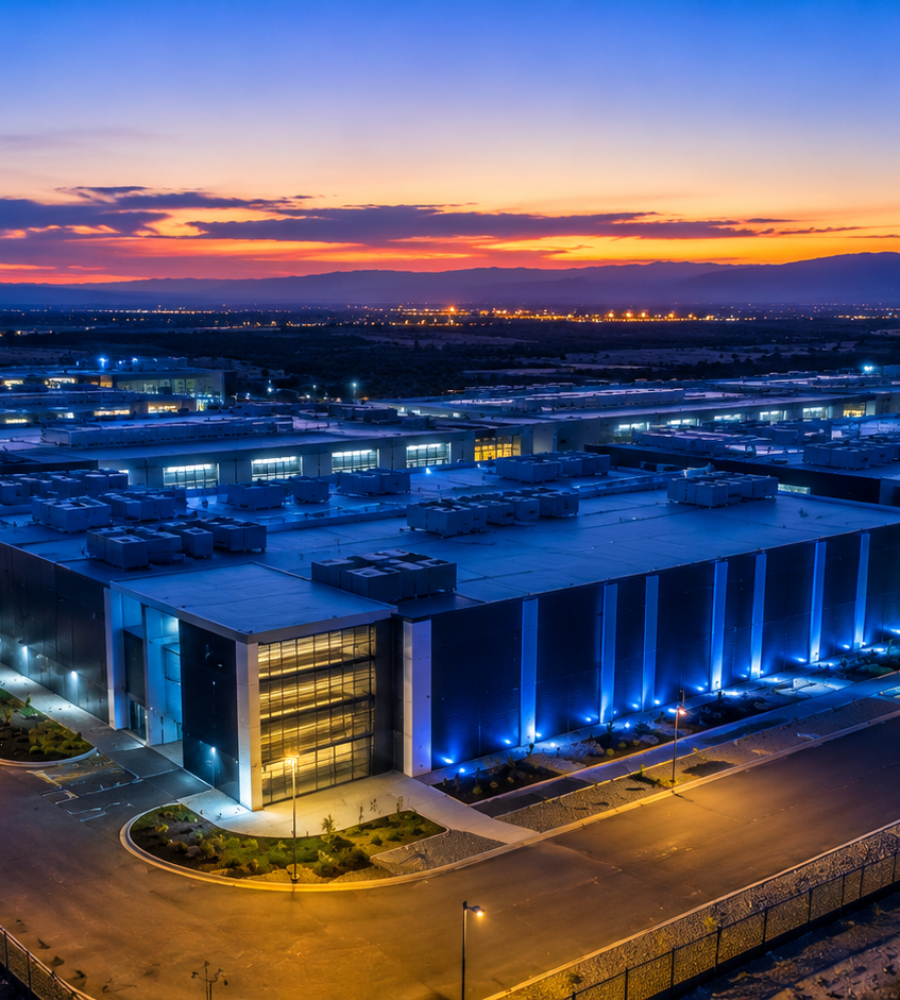
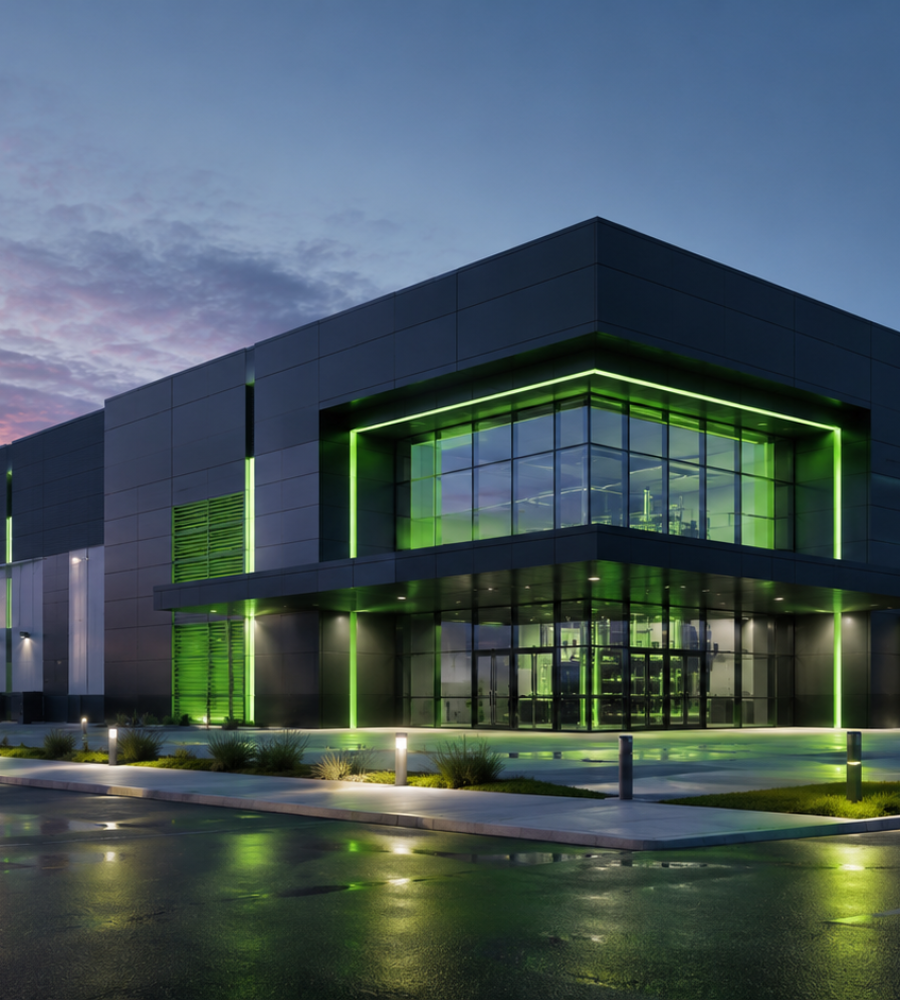
GenAI infrastructure campuses increasingly operate through synchronized infrastructure coordination patterns that share operational similarities with advanced manufacturing facilities rather than passive digital real estate environments. Power systems, thermal circulation networks, backup generation infrastructure, networking layers, and compute clusters interact continuously under tightly managed operational conditions throughout the campus. Facility managers increasingly rely on predictive maintenance scheduling, operational sequencing models, and infrastructure synchronization techniques common within industrial production ecosystems. High-density AI environments cannot tolerate extended instability because compute interruptions disrupt expensive workloads operating across interconnected hardware clusters simultaneously. Operational planning now prioritizes environmental continuity with the same seriousness that manufacturing plants apply toward production line consistency and equipment uptime management. AI infrastructure has evolved into an operational ecosystem where mechanical coordination directly affects economic efficiency across the facility.
AI campuses also require spatial planning strategies that resemble industrial logistics operations due to their growing infrastructure intensity and operational interdependence. Cooling corridors, electrical distribution pathways, maintenance accessibility zones, and vibration control systems now shape facility architecture alongside compute deployment objectives. Physical infrastructure sequencing matters because maintenance interruptions within one system can affect neighboring operational layers supporting large AI clusters. Engineering teams increasingly coordinate around workflow integration principles commonly associated with advanced manufacturing environments handling precision operations under continuous demand pressure. Additionally, facility expansion strategies often resemble modular industrial production scaling rather than conventional office-oriented data center development patterns from earlier decades. The AI campus increasingly behaves like a highly coordinated production ecosystem where infrastructure orchestration determines operational competitiveness.
The Quiet Return of “Heavy Infrastructure Thinking”
Infrastructure planning inside AI development increasingly reflects operational philosophies associated with heavy industrial systems built for resilience and long-term continuity. Engineers now emphasize redundancy zoning, physical isolation strategies, structural resilience, and operational failover sequencing because AI workloads impose intense stress across facility infrastructure layers. Traditional enterprise facilities are often optimized for flexibility and rapid deployment speed, although hyperscale AI environments require infrastructure stability under sustained computational pressure. Mechanical resilience planning now influences investment decisions because thermal instability or electrical disruption can compromise extremely expensive compute assets within minutes. Facility operators increasingly evaluate infrastructure through industrial risk management frameworks focused on continuity, fault containment, and operational durability. That mindset reflects a noticeable return toward large-scale infrastructure thinking rarely associated with mainstream software culture during previous technology cycles.
Operational sequencing has also become more significant because AI facilities depend on interconnected systems functioning in coordinated synchronization across multiple infrastructure layers simultaneously. Cooling systems cannot scale independently from power distribution networks because each operational adjustment influences broader environmental conditions across the campus. Mechanical tolerances now shape deployment strategy because infrastructure instability affects hardware lifespan, thermal efficiency, and maintenance scheduling under continuous operational load. Engineering teams increasingly adopt industrial planning methodologies involving staged deployment sequencing, operational modeling, and stress simulation frameworks before infrastructure activation begins. Furthermore, resilience planning now extends beyond cybersecurity or software redundancy into the physical reliability characteristics of infrastructure components throughout the facility ecosystem. Heavy infrastructure thinking has regained visibility as AI expansion continues to highlight the operational importance of physical infrastructure constraints alongside software-centered planning.
AI Growth Is Pulling Forgotten Engineering Disciplines Back Into Relevance
Several engineering disciplines that received limited visibility during earlier software-centric growth cycles are regaining strategic relevance through AI infrastructure expansion worldwide. Acoustic engineering considerations are becoming more relevant in facility planning because high-density cooling environments can generate operational noise profiles that affect maintenance conditions and workforce environments. Materials engineers help evaluate thermal conductivity, corrosion resistance, and structural durability characteristics inside advanced liquid cooling deployments operating continuously under heavy demand. Process engineers increasingly optimize infrastructure workflows involving thermal transfer efficiency, maintenance scheduling, and operational continuity across synchronized systems. Industrial mechanics specialists contribute expertise involving vibration management, mechanical wear analysis, and reliability optimization across infrastructure environments handling extreme computational loads. These disciplines rarely occupied central positions within mainstream technology narratives, although AI infrastructure growth is steadily changing that perception.
Systems integration expertise has also become increasingly valuable because AI campuses require coordination between mechanical systems, electrical infrastructure, networking frameworks, and compute operations functioning together continuously. Infrastructure operators increasingly seek engineers capable of understanding cross-disciplinary operational relationships instead of focusing exclusively on isolated technical domains. Mechanical design choices now influence power efficiency outcomes, hardware reliability, maintenance accessibility, and facility scalability throughout AI infrastructure environments. Similarly, industrial process knowledge helps operators reduce operational inefficiencies that emerge when infrastructure systems operate under persistent high-density computational stress conditions. Workforce demand patterns suggest that AI expansion may gradually broaden the technology sector’s understanding of which engineering disciplines create long-term operational advantage. Several infrastructure-oriented engineering specialties are regaining relevance as the AI economy increasingly depends on physical systems expertise alongside software capability.
The Server Floor Is Becoming Tech’s New Control Room
Technology leadership inside infrastructure-intensive AI environments increasingly reflects the growing importance of operational engineering competence alongside software development capability. Facilities supporting advanced AI workloads require constant coordination between thermal systems, electrical networks, mechanical infrastructure, and compute orchestration operating simultaneously at large scale. The server floor now functions as an active operational control environment where physical infrastructure behavior directly shapes compute performance, uptime stability, and deployment economics. Infrastructure operators increasingly monitor pressure distribution, coolant dynamics, airflow stability, and environmental variance with the same attention previously directed toward software optimization metrics. Mechanical intelligence is becoming strategically valuable because AI expansion exposed how physical infrastructure limitations constrain computational growth potential under real-world operating conditions. The technology sector is increasingly recognizing how digital systems rely on stable industrial reliability principles operating beneath the software layer.
Future AI competitiveness may increasingly favor organizations capable of integrating operational engineering discipline into infrastructure strategy with high precision and long-term resilience planning. Companies building hyperscale AI environments already face rising pressure involving energy coordination, thermal management complexity, mechanical maintenance reliability, and infrastructure scalability across expanding deployment footprints. Software capability remains central to AI development, although operational execution increasingly determines whether infrastructure can sustain advanced computational demand efficiently over time. Physical systems intelligence now influences deployment economics because infrastructure instability creates cascading operational risks across interconnected compute ecosystems. The modern server floor has evolved into a technologically dense industrial environment where mechanical reliability, systems coordination, and infrastructure resilience shape strategic advantage quietly but consistently. AI may have accelerated through algorithms and chips initially, yet its future increasingly depends on the industrial engineering foundations supporting the machines underneath them.