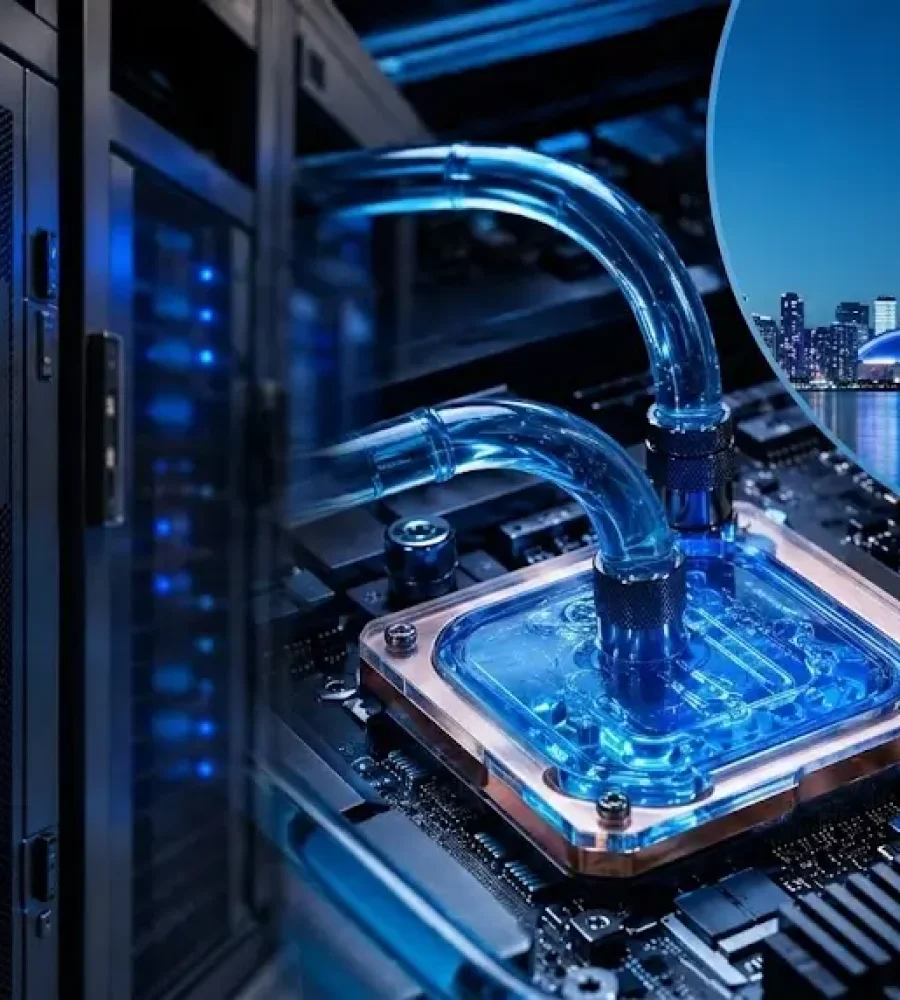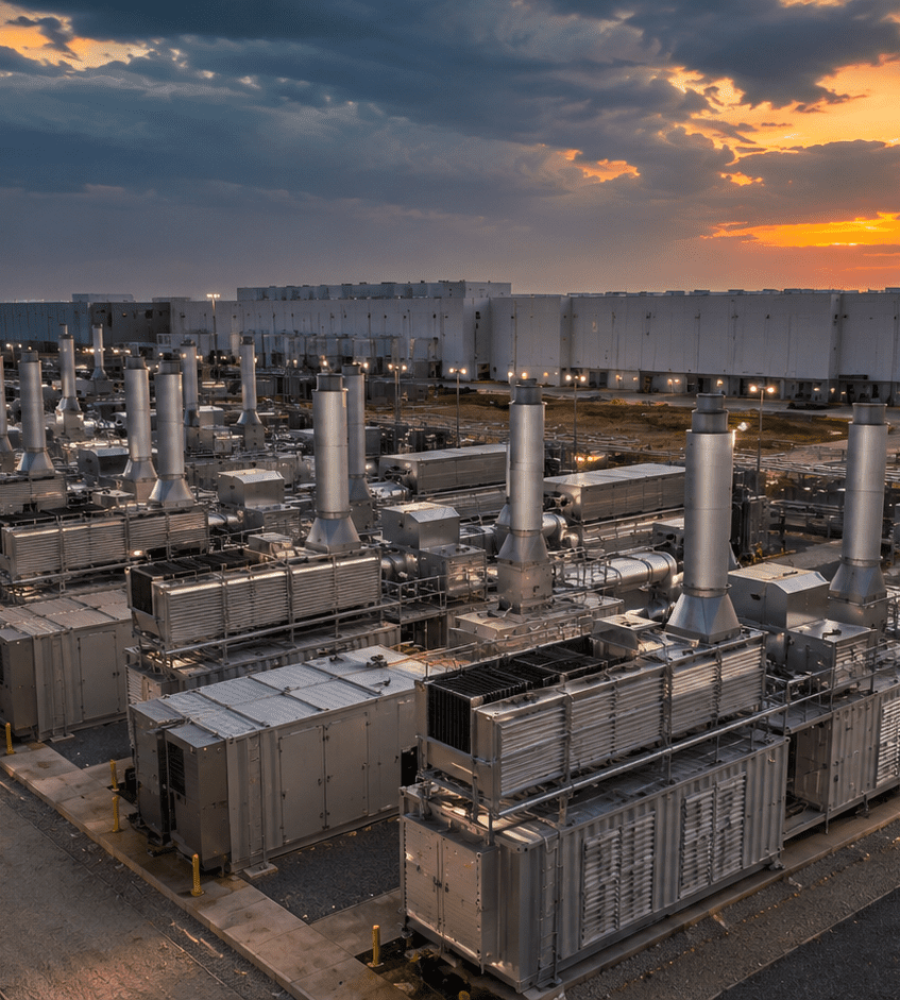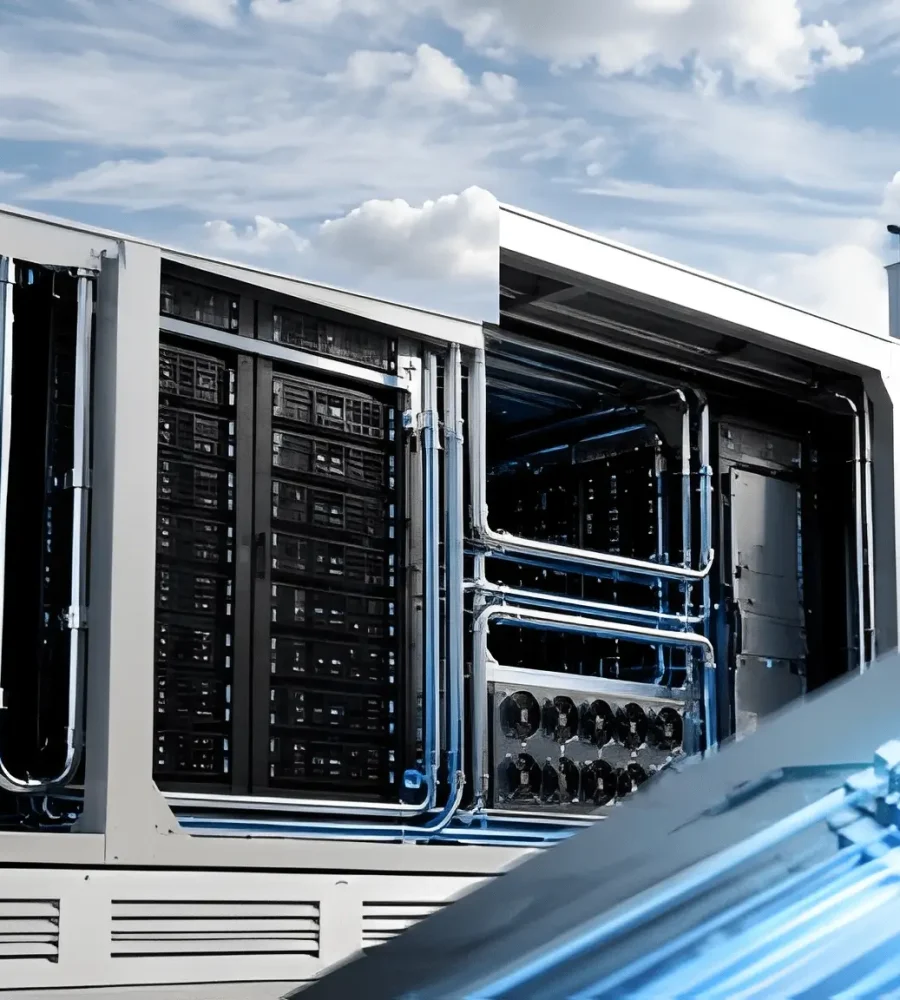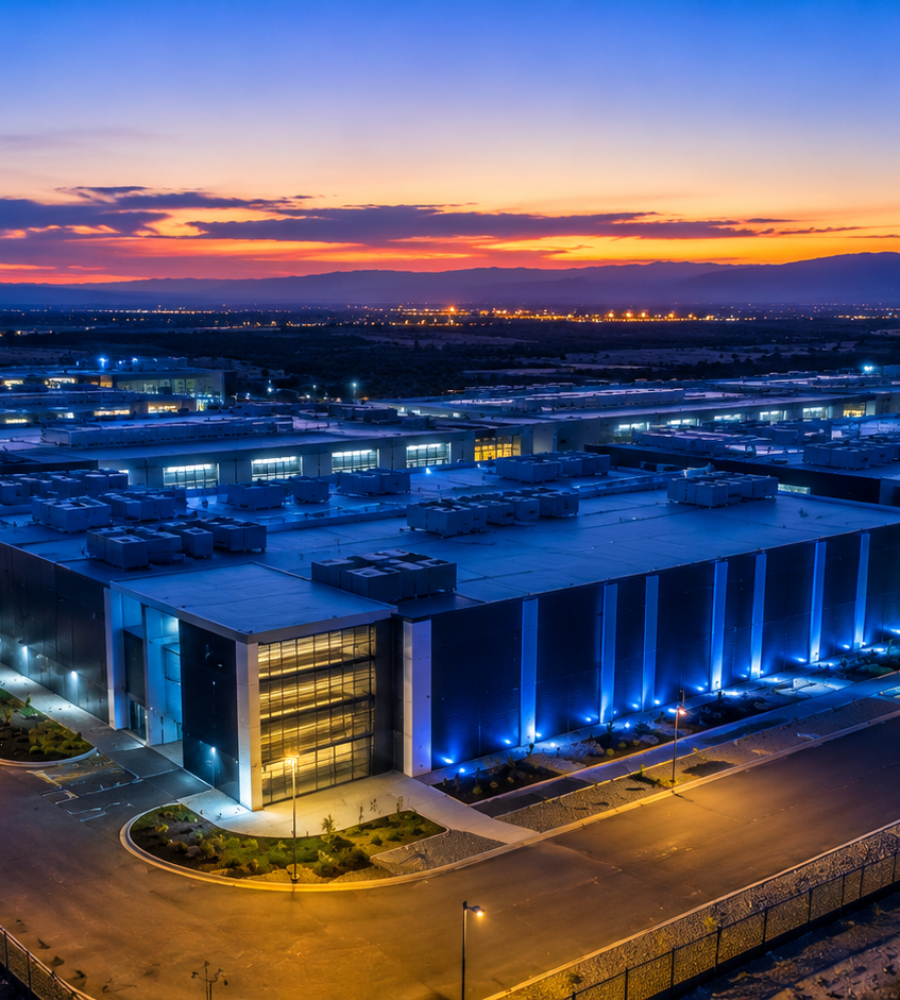
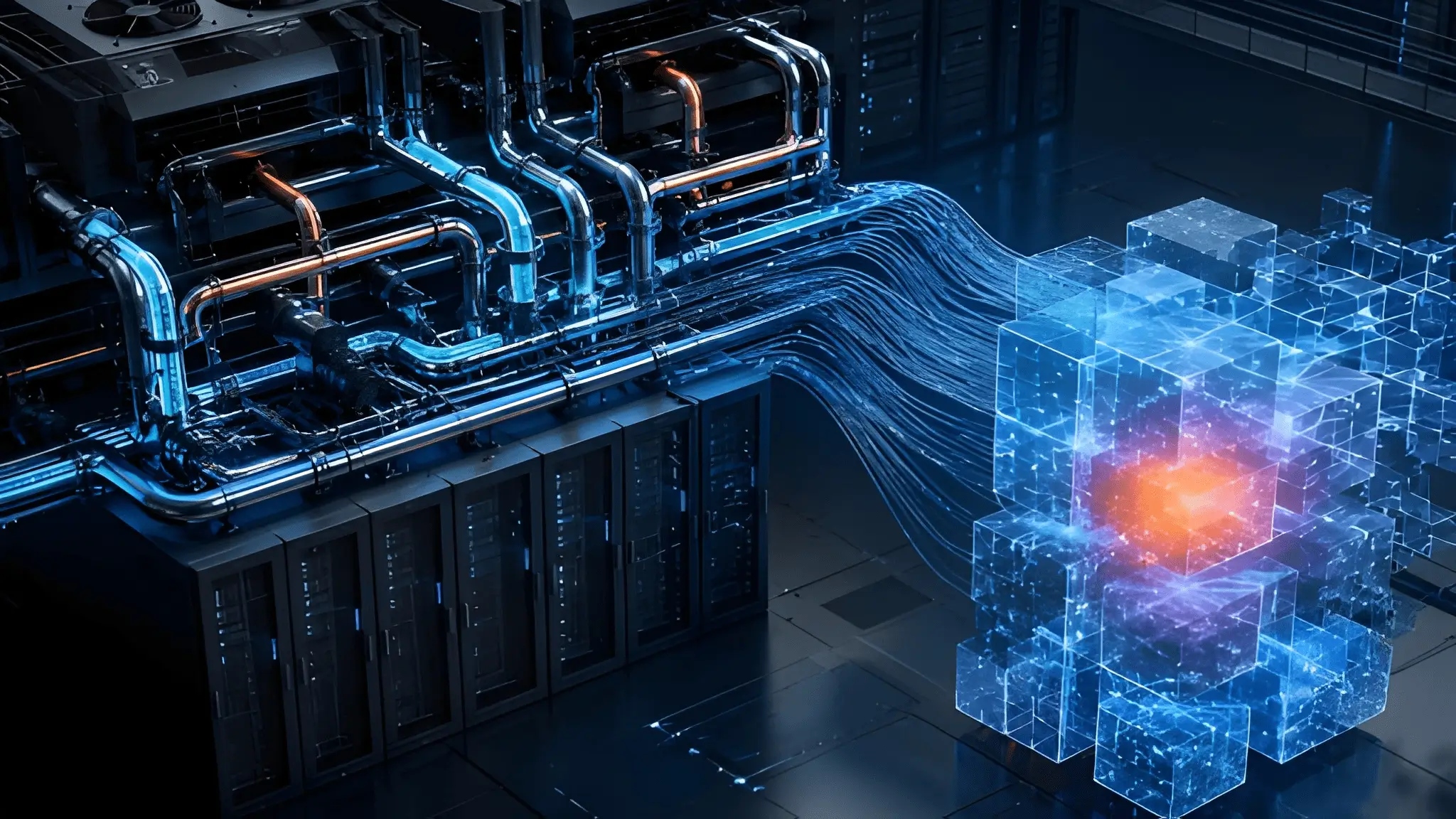
A decade ago, operators treated cooling systems as background machinery that simply kept servers alive while compute platforms handled the real work. That assumption no longer survives inside modern AI facilities where thermal behavior now dictates how much revenue-producing compute can actually stay online at sustained performance levels. Dense accelerator clusters generate heat patterns that shift minute by minute, forcing infrastructure teams to rethink cooling as an active orchestration layer instead of a fixed utility system. Large language model training environments push rack power levels beyond traditional enterprise expectations, which means airflow coordination, liquid distribution, and workload placement now influence usable capacity as much as electrical supply does. Modern orchestration platforms therefore turn cooling intelligence into a mechanism for extracting additional compute growth without waiting years for new construction projects to finish.
AI infrastructure economics have also changed the timeline for operational decision-making across hyperscale environments. Procurement cycles for GPUs, networking hardware, and power equipment continue stretching longer as global demand intensifies across cloud and enterprise sectors. Construction pipelines meanwhile face permitting delays, utility interconnection bottlenecks, and land acquisition constraints that slow expansion schedules in many regional markets. Cooling orchestration increasingly helps operators manage the gap between rising AI demand and delayed physical expansion by improving rack density utilization through coordinated thermal management. Real-time telemetry platforms increasingly combine computational fluid dynamics models with machine learning systems that continuously adjust airflow patterns and cooling distribution. The result creates a structural shift where cooling orchestration becomes directly tied to compute monetization, deployment velocity, and infrastructure lifespan inside AI-driven facilities.
The Cooling Stack Is Learning to Negotiate
Traditional cooling systems relied on rigid operational rules that treated every rack row, airflow corridor, and workload cluster as relatively predictable thermal entities. AI environments broke that assumption because accelerator-intensive workloads create rapidly changing thermal spikes across interconnected clusters that rarely behave uniformly throughout the day. Modern orchestration platforms now negotiate between cooling systems, workload schedulers, and infrastructure telemetry layers to balance thermal conditions in real time. Software platforms ingest data from temperature sensors, pressure monitors, liquid flow meters, and workload utilization engines before redistributing workloads or adjusting cooling delivery automatically. Operators increasingly use closed-loop orchestration frameworks that coordinate CRAH units, liquid cooling loops, and server fan speeds based on predictive analytics rather than static thresholds. Facilities therefore recover unused rack capacity that previously remained inaccessible because localized hotspots forced conservative operational limits across entire cooling zones.
Thermal negotiation also changes how facilities interpret infrastructure efficiency under AI-scale demand conditions. Legacy facilities often maintained broad environmental safety margins because operators lacked granular visibility into localized airflow dynamics and workload-specific thermal behavior. Sensor-rich orchestration environments now reveal that many facilities contain isolated inefficiencies rather than systemic thermal shortages across the entire data hall. Workload placement engines increasingly shift inference jobs, training clusters, or burst-intensive applications toward racks with temporarily available thermal headroom. Cooling platforms simultaneously modify airflow velocity, chilled water distribution, and containment pressure conditions to stabilize temperatures before hotspots begin constraining performance. This orchestration approach transforms cooling from a static environmental control system into an adaptive coordination layer that directly expands operational compute density inside existing infrastructure footprints.
AI Data Centers Are Starting to Chase Thermal Headroom
Operators once reacted to overheating events after thermal alarms identified problematic zones inside the facility. AI-scale infrastructure increasingly abandons that reactive model because modern accelerator clusters can escalate thermal stress faster than manual intervention cycles allow. Predictive thermal forecasting platforms now analyze workload trajectories, utilization trends, environmental conditions, and cooling system behavior to estimate future heat distribution patterns before instability emerges. Infrastructure orchestration software creates thermal headroom proactively by redistributing workloads or modifying cooling conditions ahead of expected demand spikes. These predictive systems continuously model the relationship between compute utilization and cooling responsiveness across thousands of interconnected hardware components. Facilities can therefore often sustain higher average rack densities while reducing the likelihood of thermal operating instability that may affect hardware reliability or performance consistency.
Thermal forecasting also influences financial planning decisions across hyperscale operators pursuing aggressive AI expansion strategies. Infrastructure teams increasingly calculate thermal reserve availability alongside electrical reserve capacity when evaluating deployment opportunities for new GPU clusters. Predictive cooling intelligence helps operators determine whether facilities can absorb incremental compute demand without triggering expensive retrofits or emergency cooling upgrades. Facilities equipped with orchestration-driven thermal forecasting often maintain tighter operational ranges because software visibility reduces the need for excessive environmental safety buffers. Real-time thermal simulations additionally allow operators to test deployment scenarios digitally before physically installing new hardware inside production environments. This operational visibility improves infrastructure utilization rates while reducing the likelihood of stranded compute assets sitting idle due to avoidable thermal limitations.
The Real Capacity Crunch Is Happening Between Cooling Zones
Many facilities still operate with fragmented thermal architectures where airflow systems, liquid cooling loops, containment structures, and workload schedulers function independently rather than cooperatively. These disconnected systems create invisible thermal bottlenecks between cooling zones that restrict infrastructure scalability long before facilities reach electrical or spatial capacity limits. AI clusters intensify this fragmentation because dense compute deployments produce highly uneven thermal loads across neighboring racks and interconnected hardware islands. Operators increasingly discover that localized thermal imbalances between cooling domains reduce the usable performance envelope across entire sections of the data hall. Cooling orchestration platforms therefore focus on synchronizing thermal systems across facility boundaries instead of optimizing isolated cooling components independently. This ecosystem-level coordination helps operators eliminate thermal fragmentation that quietly constrains AI expansion inside otherwise capable infrastructure environments.
Synchronized cooling ecosystems now depend heavily on integrated telemetry frameworks that consolidate operational visibility across multiple infrastructure layers. Facilities deploy distributed sensor networks that monitor temperature gradients, humidity fluctuations, pressure differentials, and liquid cooling efficiency across interconnected thermal zones continuously. Orchestration software correlates these measurements with workload activity to identify how heat migrates through adjacent cooling environments under changing computational demand conditions. Infrastructure teams use this intelligence to coordinate thermal responses across the facility instead of reacting to isolated hotspot alerts independently. Cooling systems therefore behave more like interconnected traffic management networks that redirect thermal pressure dynamically across available infrastructure pathways. This synchronized approach supports denser AI deployments because facilities can stabilize broader thermal conditions rather than overcool individual zones defensively.
Cooling Efficiency Is Becoming a Construction Alternative
Hyperscale operators increasingly view cooling optimization as a strategic alternative to immediate physical expansion because construction timelines rarely align with accelerating AI demand curves. New AI facilities often require years of permitting, utility coordination, equipment procurement, and commissioning before operators can activate meaningful compute capacity. Existing facilities meanwhile contain operational inefficiencies that advanced orchestration platforms can convert into additional rack density through better thermal coordination. Infrastructure teams therefore prioritize cooling intelligence upgrades because software-driven optimization delivers capacity improvements much faster than new construction projects. AI-driven orchestration platforms help facilities raise average compute utilization while maintaining stable environmental operating conditions across high-density accelerator clusters. Operators effectively create virtual expansion capacity by extracting additional performance from infrastructure that already exists inside active production environments.
Cooling efficiency strategies also reshape capital allocation priorities inside enterprise and hyperscale infrastructure planning models. Operators increasingly direct investment toward telemetry platforms, predictive orchestration software, and adaptive cooling architectures before committing immediately to large-scale construction programs. Financial teams recognize that thermal optimization can delay substantial capital expenditures while still supporting near-term compute growth requirements across AI deployments. Efficient cooling orchestration additionally improves hardware longevity because stable thermal environments reduce stress on accelerators, networking systems, and power distribution equipment. Facilities that sustain lower thermal volatility often experience fewer hardware interruptions and more predictable operational performance under continuous AI workloads. Consequently, cooling intelligence is increasingly being incorporated into broader infrastructure scaling strategies that influence both technical and financial planning decisions.
Thermal Resilience Is Quietly Replacing Redundancy Thinking
Traditional redundancy models focused heavily on duplicating cooling equipment so facilities could survive hardware failures through spare capacity and backup infrastructure availability. AI environments increasingly challenge that philosophy because static redundancy alone cannot respond fast enough to dynamic thermal fluctuations generated by dense accelerator workloads. Operators now emphasize thermal resilience strategies that prioritize adaptive recovery, predictive coordination, and automated workload redistribution during cooling disruptions. Orchestration platforms continuously model failure scenarios and preemptively adjust thermal conditions before instability spreads across adjacent infrastructure zones. Facilities therefore maintain operational continuity through intelligent adaptation rather than relying exclusively on oversized backup cooling reserves. This resilience-oriented approach aligns more effectively with AI infrastructure environments where thermal conditions change continuously instead of remaining relatively stable throughout operational cycles.
Predictive recovery systems now represent a growing priority across advanced AI facility designs because operators require faster infrastructure response times under fluctuating thermal conditions. Machine learning models analyze historical cooling behavior, workload distribution trends, and equipment reliability metrics to identify early indicators of potential thermal instability. Automated orchestration systems then trigger mitigation actions such as airflow redistribution, cooling loop adjustments, or workload migration before temperatures approach operational risk thresholds. Infrastructure teams increasingly design facilities around adaptability because fixed thermal architectures struggle to support rapidly evolving AI deployment patterns. Resilient cooling ecosystems also improve operational flexibility by allowing facilities to accommodate changing hardware generations without extensive physical redesigns. Thermal resilience therefore emerges as a foundational operational principle for future AI infrastructure environments that must scale continuously under unpredictable computational demand.
Cooling Has Entered Its Capacity Era
Cooling infrastructure no longer operates as a passive utility layer hidden beneath the visible economics of AI compute expansion. Operators now treat thermal orchestration as a direct capacity multiplier because cooling intelligence determines how much compute density facilities can sustain reliably over time. Real-time coordination platforms increasingly synchronize airflow systems, liquid cooling architectures, workload placement engines, and predictive analytics into unified operational ecosystems. Facilities that once appeared constrained by physical limitations often uncover additional growth potential through adaptive thermal optimization strategies that stabilize high-density AI deployments. Cooling efficiency initiatives consequently evolve into infrastructure scaling mechanisms capable of delaying construction costs while extending operational lifespan across existing facilities. Operators increasingly evaluate cooling systems not only through efficiency metrics but also through their impact on usable computational output within fixed infrastructure footprints.
AI infrastructure growth will continue placing extraordinary pressure on power delivery, networking scalability, and facility expansion timelines across global markets. Cooling orchestration nonetheless plays an increasingly important role in determining whether deployed compute hardware can sustain stable performance levels under dense AI workloads. Infrastructure strategies increasingly revolve around thermal visibility, predictive coordination, and adaptive resilience rather than relying solely on brute-force expansion through additional facilities. Operators that integrate orchestration-driven cooling intelligence into long-term infrastructure planning gain greater flexibility when balancing deployment speed, operational efficiency, and capital expenditure management. The emerging competitive advantage increasingly comes from improving thermal adaptability alongside expanding physical space and electrical supply capacity. Cooling is increasingly being treated as a capacity-focused infrastructure layer because thermal intelligence now plays a significant role in shaping the practical limits of AI infrastructure growth across the modern data center landscape.