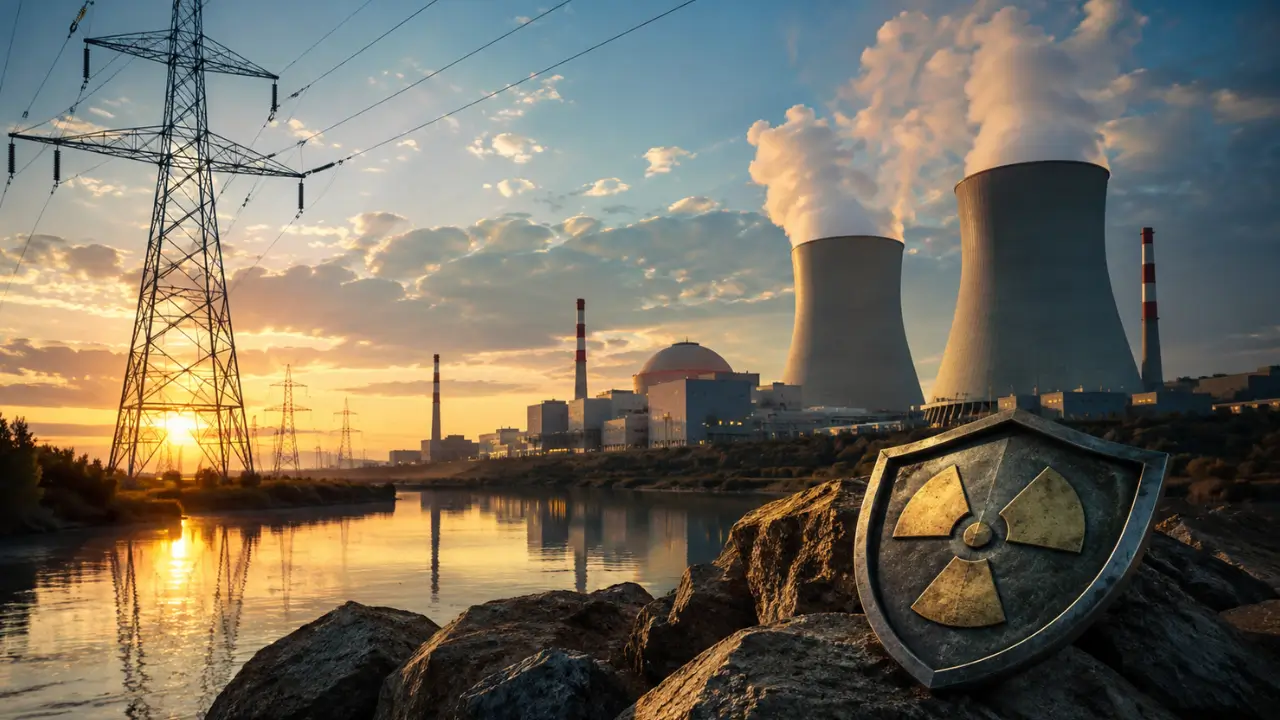
The modern economy spent decades treating infrastructure like a temporary negotiation instead of a civilizational foundation. Governments preferred assets that could enter political cycles quickly, generate immediate electoral visibility, and avoid the friction attached to projects stretching across generations. Energy systems slowly absorbed that mentality as grids became increasingly dependent on fragmented additions, short-duration planning, imported components, and policy structures built around near-term flexibility rather than industrial permanence. Financial markets reinforced the pattern because capital moved toward assets capable of producing accelerated returns without requiring patience from either institutions or voters. Large industrial projects consequently lost cultural legitimacy long before they lost technical relevance because societies stopped believing long-duration construction represented economic confidence. Nuclear energy now sits at the center of a reversal that extends far beyond electricity production because nations have started rediscovering the strategic value of infrastructure designed to outlive political moods.
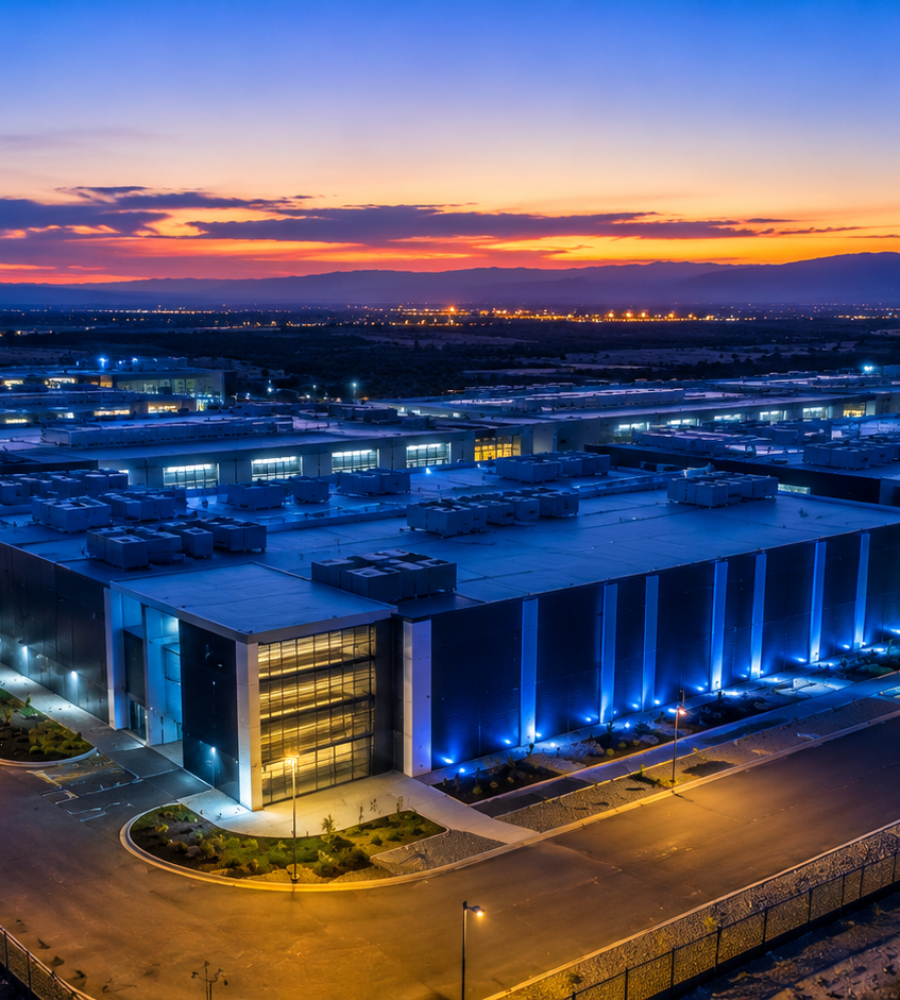
Artificial intelligence accelerated that psychological shift as governments confronted rapidly rising electricity demand from large-scale computational infrastructure. Massive computational systems created electricity demand patterns that exposed weaknesses inside modern grid planning, particularly in economies dependent on unstable supply diversification and delayed transmission expansion. Data center expansion forced governments to confront uncomfortable realities surrounding industrial continuity because advanced computing infrastructure cannot tolerate unstable baseload conditions or unpredictable power economics. Political narratives centered entirely around transition optimism started colliding with physical infrastructure limitations that required durable generation rather than temporary balancing mechanisms. Nuclear energy returned to strategic discussions precisely when governments recognized that industrial competitiveness increasingly depends on uninterrupted energy density delivered across multi-decade horizons. The nuclear conversation therefore stopped functioning as a purely environmental or ideological debate because energy reliability became inseparable from economic sovereignty itself.
The Nuclear Taboo Is Quietly Dying
The resistance surrounding nuclear energy historically emerged from fear tied to catastrophic association, regulatory mistrust, and public discomfort with highly centralized industrial systems. Energy insecurity gradually altered that emotional framework because populations began comparing nuclear risks against the visible instability of volatile fuel pricing, stressed grids, and industrial dependency on external suppliers. Public debate increasingly shifted toward questions of controllability, continuity, and strategic autonomy instead of remaining locked entirely around historical accidents. Citizens across advanced economies experienced periods where energy systems appeared politically fragile, economically unpredictable, and operationally exposed to international disruption. Those experiences quietly changed the psychological baseline through which nuclear infrastructure gets evaluated by voters and institutions alike. Nuclear no longer enters public discourse as an isolated technological anomaly because societies now compare it against the instability attached to fragmented energy dependence.
Technology infrastructure unexpectedly accelerated this cultural normalization around nuclear energy as well. Artificial intelligence facilities exposed the physical limits attached to high-density electricity demand because modern computational systems require uninterrupted power conditions at scales many regional grids struggle to absorb. Technology firms therefore started pursuing nuclear partnerships not merely for emissions targets but for operational certainty across decades of infrastructure growth. Public perception shifted further once large technology companies openly aligned themselves with long-horizon nuclear agreements connected to data center expansion and industrial compute infrastructure. Nuclear energy consequently stopped appearing politically isolated because influential industrial sectors began treating reactors as ordinary infrastructure requirements rather than controversial exceptions. The taboo weakened partly because advanced economies started viewing energy density as a prerequisite for digital competitiveness itself.
Nuclear Opposition Lost Its Monopoly on Public Anxiety
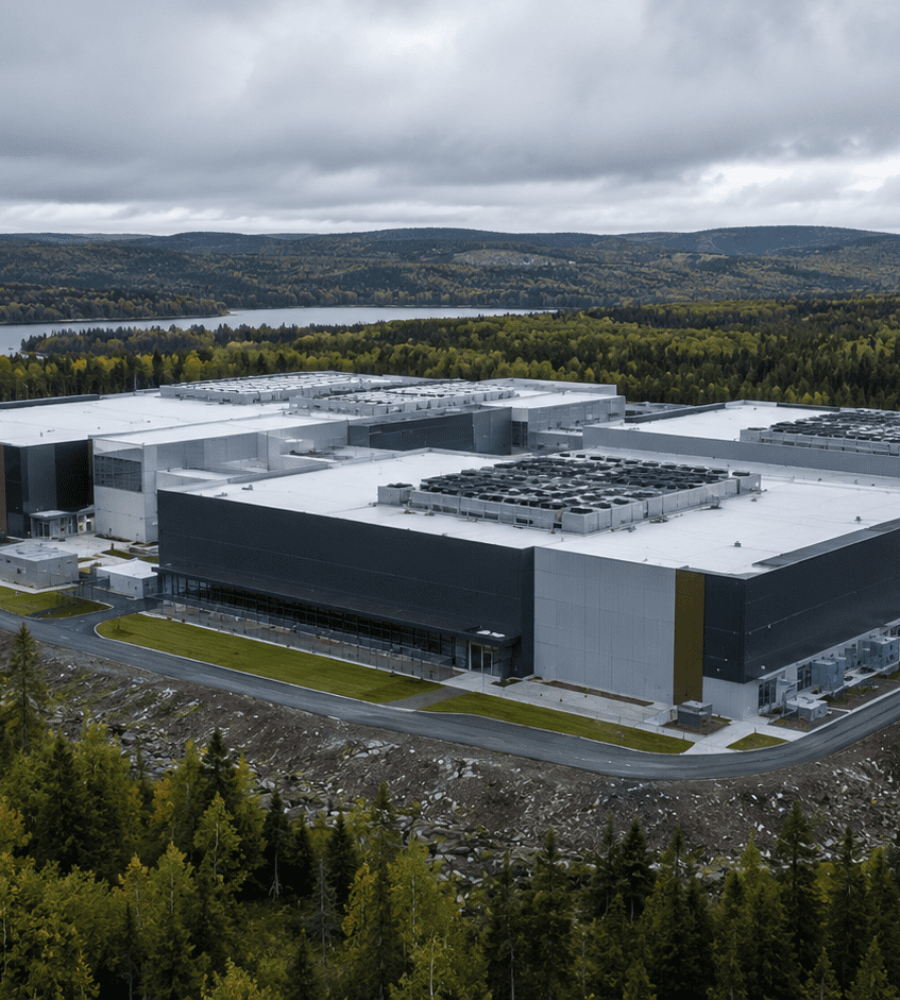
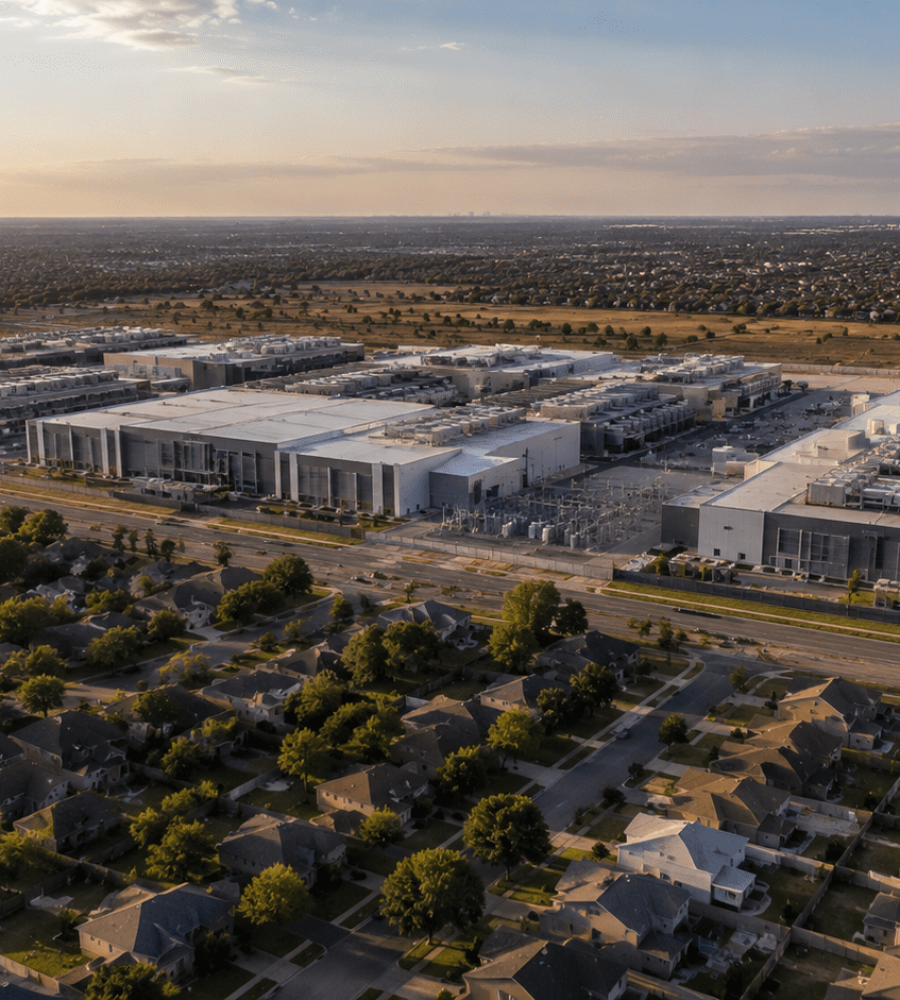
Opposition toward nuclear infrastructure once occupied a dominant position within public imagination because reactor projects symbolized concentrated technological risk across modern energy systems. That monopoly weakened when citizens started confronting broader infrastructure anxieties connected to data centers, grid expansion, water stress, and industrial land use conflicts. Recent public polling demonstrates a remarkable inversion where communities increasingly express stronger resistance toward AI data centers than toward nearby nuclear facilities. The comparison matters because it reveals how societies now perceive infrastructure burdens through resource intensity, noise, land consumption, and local economic disruption rather than through older ideological categories alone. Nuclear energy benefits from that recalibration because reactors occupy relatively compact footprints while providing highly concentrated energy output over long operational durations. Infrastructure debates therefore increasingly revolve around controllability and strategic utility rather than purely symbolic environmental narratives.
Investors previously treated nuclear exposure as politically radioactive because long construction cycles, regulatory unpredictability, and public opposition created difficult financing environments for decades. Market attitudes now look markedly different because energy security concerns and artificial intelligence infrastructure demand altered long-term electricity expectations across multiple economies. Nuclear projects increasingly attract discussion through infrastructure financing frameworks rather than purely speculative technological narratives. That evolution matters because institutional capital often reflects broader confidence regarding societal direction and regulatory durability. Nuclear infrastructure therefore benefits not merely from engineering advances but from renewed belief that long-duration national projects can once again achieve political legitimacy within advanced economies.
Countries Are Thinking in 40-Year Timelines Again
Modern infrastructure policy spent years trapped inside compressed political horizons that rewarded visibility over durability and immediate deployment over structural resilience. Governments frequently prioritized projects capable of generating rapid economic headlines even when those systems lacked long-term strategic depth or operational continuity. Nuclear infrastructure challenges that short-cycle logic because reactor development requires planning frameworks extending across generations rather than election cycles. Nations pursuing new nuclear capacity therefore signal something larger than energy diversification because they demonstrate renewed willingness to think beyond immediate political returns. Industrial strategy increasingly depends on continuity planning that spans workforce development, supply chain localization, fuel security, and grid stability over extended operational periods. Long-duration infrastructure consequently regained legitimacy precisely when economic volatility exposed the weaknesses attached to perpetual short-term optimization.
Large-scale infrastructure planning also returned because governments increasingly fear industrial erosion caused by prolonged underinvestment in foundational systems. Many advanced economies discovered that fragmented infrastructure strategies weakened domestic manufacturing capability, reduced engineering depth, and increased dependency on external supply networks. Nuclear development requires extensive industrial coordination involving fabrication, heavy manufacturing, skilled labor expansion, regulatory modernization, and long-term engineering ecosystems. Countries pursuing reactors therefore rebuild institutional habits associated with large-scale national coordination rather than isolated project management alone. That process carries economic significance beyond electricity production because it strengthens industrial capabilities transferable across transportation, defense, advanced manufacturing, and critical infrastructure sectors. Long-term planning increasingly functions as an industrial recovery mechanism rather than merely an energy policy adjustment.
Infrastructure Patience Became Economically Valuable Again
Global markets increasingly reward infrastructure systems capable of delivering predictable operational continuity across volatile economic environments. Energy instability exposed how fragile many modern industrial models became after decades of prioritizing flexibility without equivalent investment in durable backbone systems. Nuclear infrastructure benefits from that reassessment because reactors offer unusually long operational lifecycles relative to most contemporary energy assets. Governments consequently view reactor development as infrastructure capable of stabilizing industrial expectations across multiple generations instead of functioning merely as another addition within fragmented energy portfolios. Long-horizon infrastructure planning regained economic importance because increasingly complex economies depend heavily on reliable and durable operational systems. Nuclear projects embody that philosophical reversal through their emphasis on continuity, longevity, and operational permanence.
Industrial investors similarly began valuing long-duration infrastructure exposure because advanced economies entered periods characterized by supply volatility, geopolitical fragmentation, and rising energy competition. Infrastructure once dismissed as excessively slow now appears strategically prudent when viewed against recurring disruption across global logistics and power systems. Nuclear development therefore attracts renewed financial attention not despite its long timelines but increasingly because of them. Institutional capital recognizes that durable infrastructure creates strategic insulation against instability that shorter-duration systems often struggle to provide during stressed economic conditions. Markets consequently reward assets associated with continuity planning and sovereign resilience more aggressively than during previous decades dominated by hyper-globalized efficiency models. Nuclear energy now sits directly within that broader reorientation toward infrastructure permanence.
Nuclear Is Becoming a National Stability Asset
Governments increasingly treat electricity infrastructure as a direct component of sovereign resilience because economic continuity now depends on uninterrupted energy availability across every major industrial sector. Digital infrastructure, semiconductor fabrication, advanced logistics, and automated manufacturing systems require dependable baseload conditions that fragmented energy systems often struggle to provide during periods of geopolitical or climatic stress. Nuclear reactors entered this conversation as stability assets because they offer operational continuity across decades while remaining insulated from many volatility pressures affecting imported fuel networks. Policymakers consequently frame reactor expansion through national security language rather than exclusively through environmental planning terminology. Energy systems today play a central role in strategic autonomy, much like transportation corridors and industrial ports historically shaped economic power. Nuclear infrastructure therefore increasingly functions as a foundation for state durability rather than simply another electricity source inside diversified grids.
Heavy industry cannot continuously recalibrate production planning around uncertain electricity pricing or intermittent supply concerns without sacrificing competitiveness and operational reliability. Nuclear energy offers a form of infrastructural predictability that appeals strongly to governments attempting to preserve domestic industrial continuity amid increasingly fragmented global trade conditions. Reactor projects consequently support broader strategies aimed at retaining advanced manufacturing capacity, engineering talent, and strategic industrial depth within national borders. That role extends beyond electricity generation because stable energy availability directly shapes investment decisions across sectors tied to industrial modernization. Nations increasingly perceive nuclear capacity as a structural economic stabilizer capable of reducing vulnerability during prolonged periods of geopolitical disruption.
Economic Predictability Matters More Than Pure Efficiency
Modern economies spent decades optimizing infrastructure around efficiency models that prioritized lean supply chains, rapid scaling, and short-cycle flexibility over systemic redundancy or operational permanence. Recent instability exposed how vulnerable those systems become when external disruptions interrupt fuel access, industrial logistics, or electricity reliability across interconnected sectors. Governments consequently shifted attention toward predictability because stable operating conditions increasingly matter more than maximizing theoretical efficiency under ideal circumstances. Nuclear infrastructure aligns naturally with that shift because reactors deliver long-duration generation profiles capable of supporting industrial continuity across highly volatile economic environments. Energy planning therefore increasingly prioritizes controllability and resilience rather than solely focusing on immediate cost minimization. The economic value of stability rose precisely when volatility became structurally embedded inside global infrastructure systems.
Large computational industries accelerated this transition toward predictability-focused energy planning because artificial intelligence infrastructure requires uninterrupted operational conditions over extended timelines. Data centers cannot tolerate persistent uncertainty regarding electricity access, grid congestion, or supply instability without compromising investment viability and long-term infrastructure scaling. Technology firms therefore started treating nuclear partnerships as strategic infrastructure arrangements designed to secure continuous power availability across future expansion cycles. Governments noticed that relationship because digital competitiveness increasingly depends on stable electricity architectures rather than temporary energy balancing mechanisms alone. Nuclear energy consequently became associated with future economic capacity instead of remaining limited to legacy industrial planning discussions. Predictable energy systems now underpin the viability of increasingly electricity-intensive economic models tied to automation, computation, and advanced manufacturing.
The Era of “Temporary Energy” Is Starting To Crack
Energy systems across many advanced economies gradually evolved into highly layered structures built around temporary additions, reactive interventions, and fragmented planning strategies designed to satisfy immediate pressures rather than long-term durability. Many governments expanded grids incrementally because political systems often favored faster deployment over deeply integrated long-term infrastructure planning. That approach functioned adequately during periods of relative stability, yet repeated disruptions exposed the structural weakness attached to continuously improvising around foundational energy requirements. Policymakers increasingly recognize that patchwork systems create compounding complexity, regulatory friction, and operational fragility as electricity demand intensifies across industrial sectors. Nuclear infrastructure regained relevance partly because reactors represent the opposite philosophy through their emphasis on continuity, standardization, and multi-generational operational planning. Energy debates consequently shifted toward questions surrounding permanence and strategic durability rather than solely focusing on deployment speed or political convenience.
Grid instability, transmission bottlenecks, industrial slowdowns, and infrastructure dependency concerns gradually eroded trust in systems perceived as permanently unfinished or structurally reactive. Nuclear projects benefit from that frustration because reactors symbolize institutional willingness to commit toward durable national infrastructure rather than perpetual transitional management. Governments now face growing pressure to demonstrate that critical systems can operate reliably across generations instead of requiring continuous emergency adjustment. Energy infrastructure therefore became culturally linked to state competence and long-term strategic seriousness in ways rarely acknowledged during earlier decades dominated by rapid globalization narratives. Nuclear resurgence reflects that broader appetite for infrastructural permanence and coordinated industrial planning.
Durable Infrastructure Regained Political Credibility
Large infrastructure projects lost political legitimacy for many years because governments increasingly feared public backlash surrounding cost overruns, construction delays, and institutional complexity attached to long-duration development cycles. Political culture gradually favored smaller projects capable of generating faster visible outcomes even when those systems lacked enduring structural impact. Nuclear development now signals a reversal because governments increasingly accept that durable infrastructure inherently requires extended timelines, substantial coordination, and institutional persistence across multiple administrations. Political leaders appear more willing to defend complexity when infrastructure projects strengthen energy security and industrial resilience simultaneously. That cultural change matters because long-term infrastructure cannot exist without public acceptance of prolonged construction horizons and strategic patience. Nuclear projects therefore reflect renewed confidence in the legitimacy of ambitious state-led industrial development itself.
The construction sector itself also experienced renewed strategic relevance as governments rediscovered the importance of physical infrastructure capability within national economic planning. Countries pursuing nuclear expansion must rebuild expertise tied to engineering coordination, heavy manufacturing, modular fabrication, and long-duration project management that weakened during decades of fragmented development patterns. Reactor programs consequently stimulate institutional rebuilding far beyond electricity generation because they require coherent industrial ecosystems capable of sustaining complex infrastructure delivery. That process revives broader confidence surrounding national construction capacity and state coordination competence. Nuclear development therefore operates simultaneously as an energy strategy and an industrial confidence exercise tied to rebuilding long-term infrastructural capability. The return of durable infrastructure reflects a deeper realization that advanced economies cannot indefinitely outsource physical resilience while expecting strategic autonomy to remain intact.
Industrial Megaprojects Are Back in Fashion
Modern economies spent years celebrating decentralized flexibility and digitally accelerated business models while gradually neglecting the symbolic power attached to large physical infrastructure systems. Industrial megaprojects slowly disappeared from public imagination because many governments lost confidence in their ability to coordinate ambitious construction across extended timelines. Nuclear development now represents part of a broader return toward visible national capability projects that communicate engineering seriousness and long-term strategic intent. Reactor construction requires industrial coordination on a scale capable of demonstrating institutional competence across manufacturing, logistics, regulation, and workforce development simultaneously. Governments increasingly recognize that large infrastructure projects shape international perceptions of national capacity as much as they shape domestic energy supply. Nuclear megaprojects increasingly function as demonstrations of industrial confidence rather than merely technical additions to electricity grids.
Global competition intensified this return toward industrial ambition because nations increasingly compare strategic capacity through infrastructure execution rather than financial scale alone. Countries capable of deploying reactors, expanding grids, modernizing manufacturing corridors, and coordinating long-term industrial ecosystems gain reputational advantages within emerging geopolitical environments shaped by technological competition and energy security concerns. Nuclear megaprojects therefore occupy a strategic role inside broader national positioning strategies tied to industrial relevance and sovereign capability. Governments pursuing reactors communicate that they intend to remain serious industrial powers capable of sustaining complex infrastructure across multiple decades. Megaprojects consequently regained political value because physical capability once again influences perceptions of economic strength and geopolitical resilience. Nuclear development fits naturally inside that environment because reactors symbolize concentrated technical ambition and institutional endurance simultaneously.
The Return of Nuclear Could Rebuild Forgotten Economies
Nuclear development rarely operates as an isolated construction activity because reactor programs require interconnected industrial ecosystems extending across fabrication, engineering services, advanced materials production, transportation logistics, precision manufacturing, and long-term maintenance operations. Regions that lost industrial depth during previous decades increasingly view reactor investment as a mechanism capable of rebuilding complex economic activity around durable production networks. Governments recognize that nuclear supply chains generate industrial gravity because reactor systems depend on domestic coordination across multiple specialized sectors rather than purely imported turnkey components. That structure encourages sustained regional manufacturing growth tied to infrastructure continuity instead of temporary construction surges alone. Economic planners consequently treat nuclear expansion as a catalyst for industrial re-densification inside areas affected by deindustrialization and long-term employment erosion. Reactor programs therefore influence regional recovery through ecosystem formation rather than through isolated project spending alone.
Communities surrounding large industrial corridors also increasingly support nuclear-linked investment because reactors create long-duration economic activity tied to skilled labor retention and technical workforce expansion. Traditional manufacturing regions often struggle to attract stable infrastructure investment capable of supporting generational employment continuity across engineering, fabrication, and operational disciplines. Nuclear development changes that dynamic because facilities operate across extremely long timelines while requiring persistent technical staffing and industrial maintenance capacity. Governments therefore frame reactor programs as anchors for regional economic stabilization instead of presenting them solely through national energy planning narratives. Housing markets, transportation networks, vocational training systems, and local manufacturing ecosystems often expand around large infrastructure commitments that communicate enduring institutional presence. Nuclear investment consequently creates economic confidence effects extending far beyond electricity generation itself.
Long-Cycle Infrastructure Rebuilds Workforce Confidence
Modern labor markets increasingly suffer from instability created by short-cycle economic activity where temporary contracts, fragmented project structures, and rapid industrial turnover weakened confidence in long-term career pathways. Nuclear infrastructure offers a different model because reactor programs require workforce continuity extending across decades of planning, construction, operation, maintenance, and technical oversight. Skilled workers consequently view nuclear-linked industries as environments capable of supporting durable professional development rather than temporary employment volatility. Governments increasingly promote reactor expansion through workforce stabilization narratives because infrastructure continuity directly influences regional economic confidence and demographic retention. Industrial communities that experienced prolonged economic decline often respond positively to projects associated with long-term institutional commitment and technical employment growth. Nuclear development therefore carries social significance tied to rebuilding trust in industrial permanence itself.
Energy Security Is Replacing Energy Optimism
Energy policy debates during earlier decades often emphasized optimistic transition narratives centered around technological acceleration, rapid diversification, and increasingly globalized supply integration. Many governments assumed international energy systems would remain relatively stable while new infrastructure categories expanded smoothly across interconnected markets. Repeated geopolitical disruptions weakened that confidence because energy dependency quickly transformed into a strategic vulnerability capable of affecting industrial continuity, inflation stability, and national security simultaneously. Policymakers consequently shifted toward frameworks emphasizing controllability, domestic resilience, and operational reliability over purely aspirational transition language. Nuclear energy gained strategic relevance inside that environment because reactors provide concentrated domestic generation capacity capable of operating across extremely long timelines. Energy security therefore increasingly shapes infrastructure planning more strongly than idealized assumptions surrounding frictionless global energy evolution.
Governments also discovered that advanced industrial systems require highly dependable electricity environments to support manufacturing modernization, digital infrastructure expansion, and automated production networks. Economic competitiveness increasingly depends on continuous energy availability because artificial intelligence systems, semiconductor fabrication facilities, and industrial automation platforms cannot operate effectively under unstable power conditions. Nuclear infrastructure aligns naturally with those priorities because reactors deliver durable baseload generation insulated from many external supply disruptions affecting imported fuel systems. Policymakers consequently frame reactor development through national resilience and industrial continuity narratives instead of focusing exclusively on environmental transition objectives. That rhetorical change reflects broader recognition that energy systems underpin strategic sovereignty across every major economic sector. Security considerations now play a central role in energy planning because instability exposed vulnerabilities embedded within overly optimistic infrastructure assumptions.
Domestic Infrastructure Matters More Than Narrative Alignment
Economic globalization encouraged many governments to prioritize policy narratives and market coordination mechanisms over direct investment in domestic industrial infrastructure capability. That approach gradually weakened confidence in national self-sufficiency because critical energy systems became increasingly dependent on external manufacturing networks, imported components, and vulnerable logistics chains. Recent disruptions forced policymakers to reconsider the strategic importance of maintaining durable domestic infrastructure ecosystems capable of supporting independent operational continuity. Nuclear energy fits directly within that reassessment because reactor development requires substantial local coordination across engineering, manufacturing, fuel management, and long-term maintenance systems. Governments pursuing nuclear expansion therefore simultaneously strengthen broader industrial sovereignty alongside electricity generation capacity. Domestic infrastructure regained political importance precisely because external dependency increasingly appears economically risky and strategically unstable.
Domestic production capability also matters more today because modern industrial competition increasingly revolves around physical infrastructure execution rather than purely financial or software-driven advantages. Countries capable of building reliable grids, advanced manufacturing ecosystems, and stable energy systems gain structural advantages within economies shaped by automation, electrification, and computational expansion. Nuclear infrastructure supports those objectives because reactors provide concentrated baseload power while stimulating domestic industrial ecosystems connected to fabrication, engineering, and systems integration. Policymakers consequently treat reactor programs as strategic industrial platforms rather than isolated energy projects detached from broader economic planning. Public institutions increasingly emphasize national capability retention because prolonged infrastructure outsourcing weakened resilience across critical sectors. Energy security therefore became inseparable from domestic infrastructure competence itself. https://www.iaea.org/topics/energy-security-and-nuclear-power
The New Nuclear Push Is Also a Construction Story
Nuclear construction historically struggled with inconsistent project execution because many reactor programs relied on highly customized designs, fragmented supply coordination, and irregular development cycles that complicated institutional learning across projects. Governments and industrial planners increasingly recognize that scalable reactor deployment requires manufacturing-style standardization rather than repeated reinvention at every construction site. Modern nuclear strategies therefore emphasize repeatable designs, modular fabrication systems, and coordinated industrial workflows intended to reduce complexity while improving execution reliability. Standardization matters because infrastructure confidence depends heavily on predictable delivery rather than purely technical feasibility. Reactor programs built around repeatable industrial processes consequently attract stronger political and financial support than earlier development models shaped by bespoke construction practices. Nuclear resurgence therefore reflects substantial changes in construction philosophy alongside changing energy priorities.
Shipyard manufacturing concepts further strengthened confidence in reactor scalability because maritime industrial models demonstrate how large complex systems can be assembled efficiently through modular production sequences and standardized engineering frameworks. Several countries increasingly explore whether lessons from naval construction and offshore energy infrastructure can accelerate civilian reactor deployment while improving cost predictability and project coordination. That approach reframes nuclear construction as a logistics and manufacturing optimization challenge instead of treating every facility as a uniquely difficult engineering exception. Industrial ecosystems supporting modular fabrication consequently become strategically important because scalable deployment depends on stable manufacturing continuity across multiple reactor programs. Governments therefore invest not only in reactors themselves but also in the industrial infrastructure required to sustain repeatable production capacity. Nuclear expansion increasingly resembles industrial systems engineering rather than isolated infrastructure experimentation.
Construction Capacity Became a Strategic Asset Again
Several advanced economies experienced erosion in large-scale industrial construction capacity as globalization and financialization shifted economic focus away from domestic infrastructure execution. Recent infrastructure pressures exposed how difficult it became for many countries to coordinate complex projects requiring long-duration engineering, fabrication, and workforce continuity. Nuclear development forced governments to confront those weaknesses directly because reactor construction demands sophisticated industrial coordination across multiple technical disciplines over extended periods. Countries pursuing nuclear expansion consequently prioritize rebuilding domestic construction ecosystems capable of sustaining complex infrastructure programs consistently. Construction capacity therefore regained strategic relevance because nations increasingly understand that physical infrastructure resilience depends on execution competence as much as on technological design. Nuclear programs now function partly as tests of broader national industrial coordination capability.
Infrastructure financing also increasingly rewards construction competence because investors prefer environments where governments and industrial partners demonstrate repeatable execution capability across large coordinated projects. Nuclear programs built around standardized deployment and modular fabrication models reduce perceived uncertainty compared with earlier reactor development approaches shaped by irregular execution patterns. Financial institutions consequently evaluate construction ecosystems as critical indicators of long-term infrastructure viability rather than treating engineering delivery as a secondary technical detail. Countries capable of sustaining reliable industrial execution attract stronger infrastructure investment because markets increasingly value operational competence under volatile global conditions. Nuclear construction therefore became part of a broader competition surrounding industrial credibility and national coordination capacity. The new nuclear push reflects recognition that future economic resilience depends not only on technological innovation but also on the practical ability to build complex systems reliably at scale.
Nuclear’s Return Signals a Bigger Civilizational Shift
The return of nuclear energy reflects a deeper cultural transformation unfolding across industrial societies that increasingly question whether perpetual short-term optimization can sustain stable economies or durable national infrastructure. Governments, investors, and citizens collectively experienced years of volatility that exposed the fragility attached to systems designed primarily around flexibility without equivalent emphasis on permanence or continuity. Nuclear infrastructure regained legitimacy partly because reactors symbolize commitment to long-duration planning, industrial patience, and institutional endurance across multiple generations. Energy policy therefore became inseparable from broader questions surrounding whether advanced societies still possess the confidence required to build systems intended to outlive immediate political cycles. Public attitudes shifted because infrastructure permanence increasingly appears reassuring rather than burdensome during periods characterized by accelerating instability and fragmented governance. Nuclear resurgence consequently signals renewed belief that durable physical systems remain essential foundations for modern civilization itself.
The broader significance of nuclear resurgence ultimately lies in what it reveals about changing societal priorities during an era defined by volatility, fragmentation, and strategic uncertainty. Nations increasingly prefer infrastructure capable of delivering continuity over systems optimized exclusively for rapid adaptation or temporary political convenience. Reactor development embodies that preference because nuclear facilities require patience, institutional confidence, industrial coordination, and belief in long-term national capability. Economies rebuilding around resilience naturally gravitate toward infrastructure categories associated with durability, controllability, and strategic permanence across generations. Nuclear energy therefore returned not because societies suddenly became nostalgic for earlier industrial eras, but because modern instability restored appreciation for infrastructure designed to last. The return of nuclear is ultimately the return of industrial confidence itself.