
The Second-Order Effects of Data Centers Nobody Budgets For
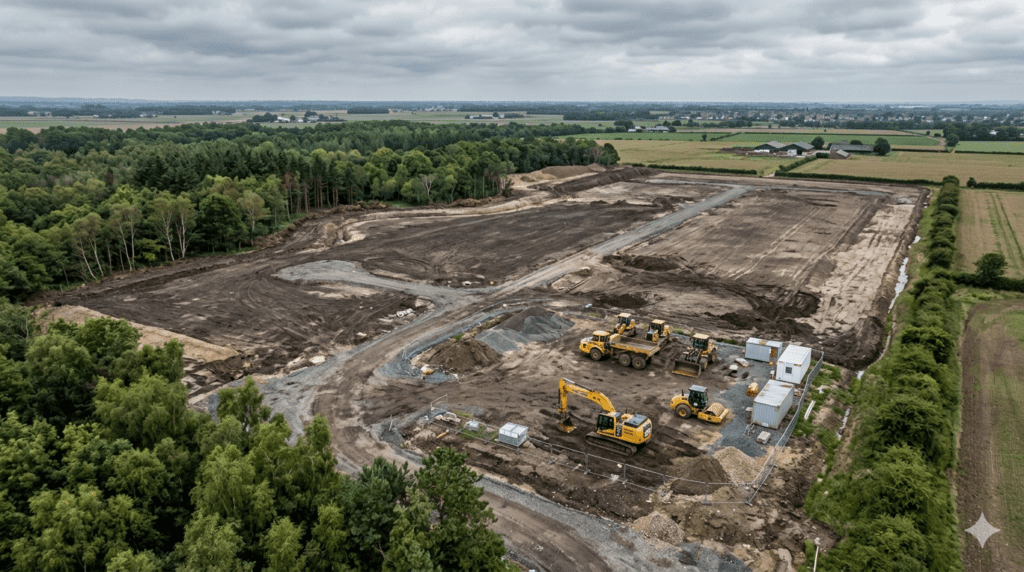
The first signs rarely look dramatic. A quiet patch of land gets fenced, surveyors appear, and heavy equipment begins to […]


The first signs rarely look dramatic. A quiet patch of land gets fenced, surveyors appear, and heavy equipment begins to […]

For decades, the semiconductor roadmap delivered a predictable rhythm of performance gains that shaped every layer of digital infrastructure. Engineering

The CO₂ Tunnel Vision Problem Most hyperscale reporting frameworks prioritize Scope 1 and Scope 2 emissions because they align with

Quantum computing has entered an unusual phase of its lifecycle, one where capital, ambition and geopolitical urgency are expanding faster

A new partnership between Nexalus and TuffTek signals a deeper shift in how defence infrastructure approaches high-performance compute at the

The five largest AI infrastructure operators in the world are each pursuing a fundamentally different power strategy. Microsoft has bet

The five largest technology companies in the world have, collectively, committed more than $650 billion to AI infrastructure in 2026.

The wrong question is dominating the conversation about Big Tech’s 2026 AI infrastructure commitments. Meta’s stock fell 6% yesterday when

When Infrastructure Starts Demanding Reactor-Level Protection The first time a system fails at scale, it rarely fails quietly. It cascades,

The race to scale artificial intelligence infrastructure no longer unfolds inside silicon roadmaps or software stacks alone, as thermal constraints

The AI infrastructure buildout has been designed, almost exclusively, around training. That focus made sense in 2023. It does not
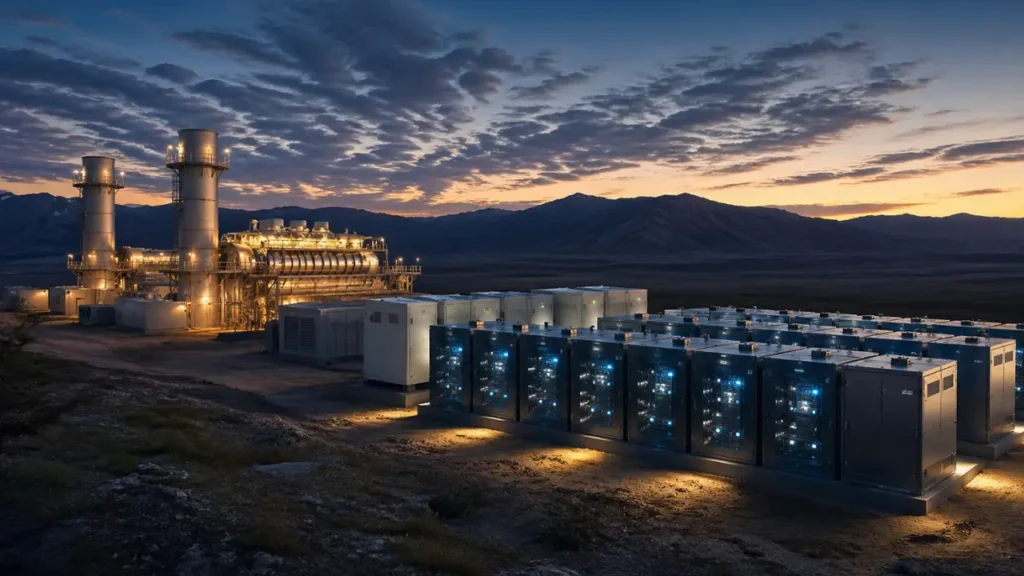
The narrative around energy storage has taken on a tone of inevitability, as if batteries alone can accelerate a clean

The Efficiency Breakthrough That Reframes the Industry’s Limits The next phase of artificial intelligence is no longer being defined solely
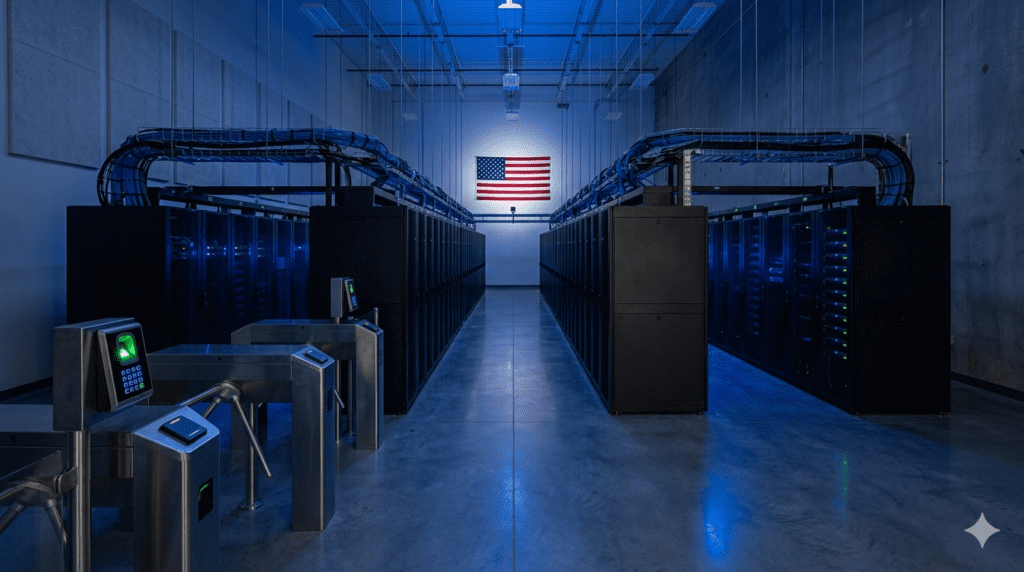
The Google Pentagon discussions over classified AI compute infrastructure have moved into serious territory. Google and the United States Department
Analysts at Bloomberg and Sightline Climate published findings in April 2026 that the industry has been slow to absorb. Approximately
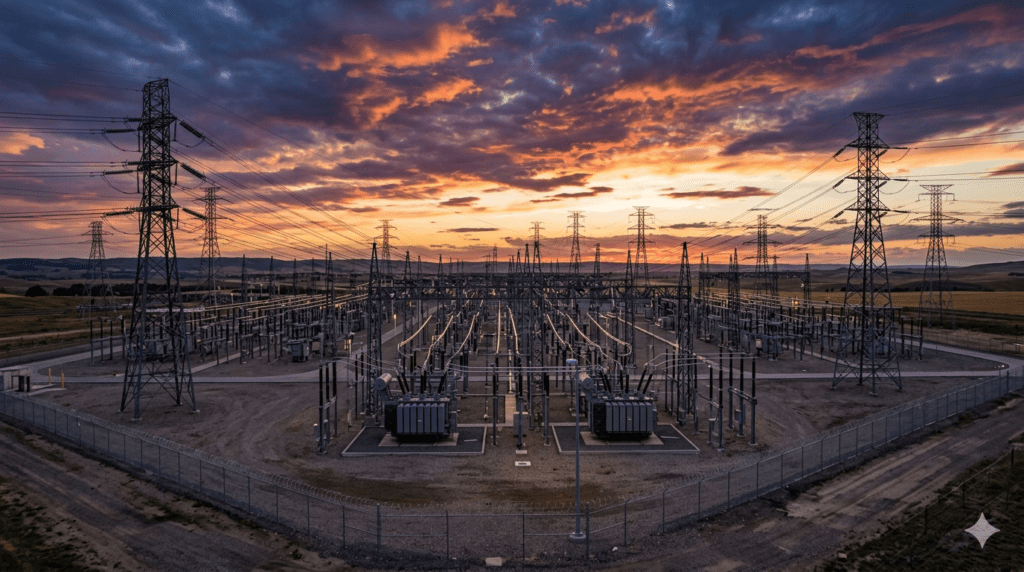
On April 21, the North American Electric Reliability Corporation (NERC) published an alert on data center load stability that has
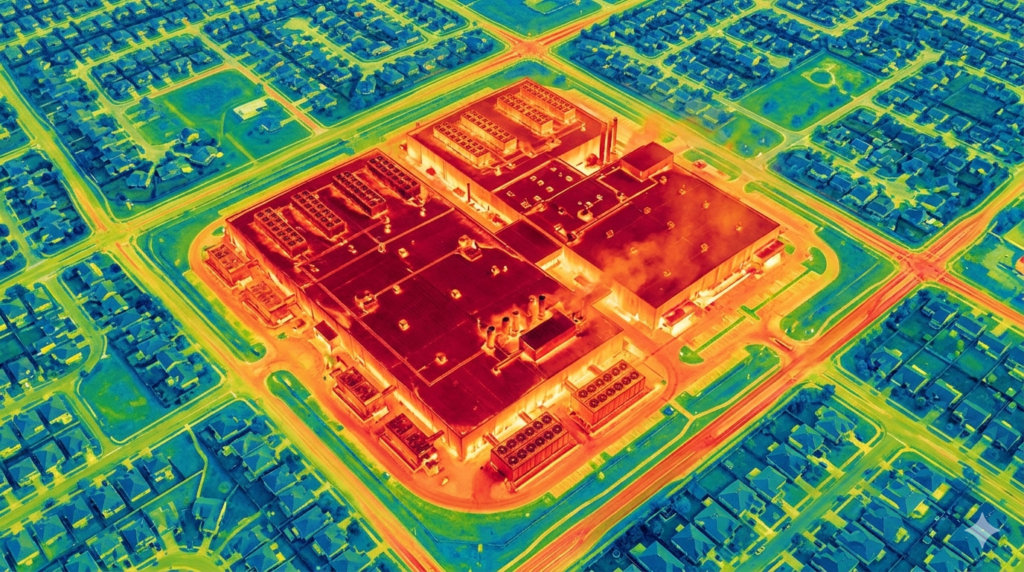
A preprint study published in March 2026 by researchers at the University of Cambridge, Singapore, and Hong Kong has put

The promise of clean infrastructure feels reassuring when seen through glossy sustainability reports and carbon-neutral claims. Engineers speak in terms
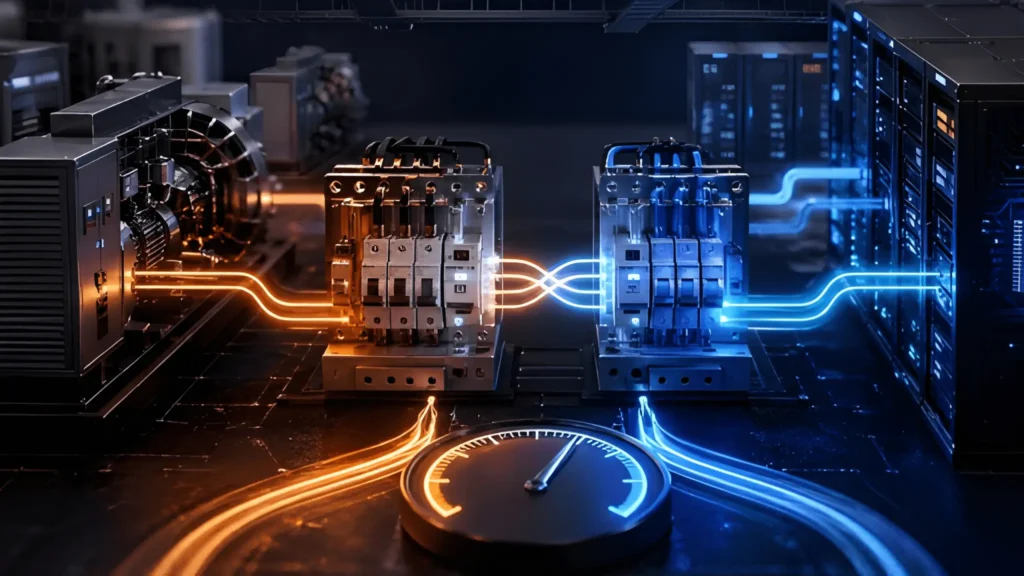
Infrastructure has evolved toward higher density and tighter operational tolerances without equivalent evolution in switching expectations. Legacy assumptions treated short
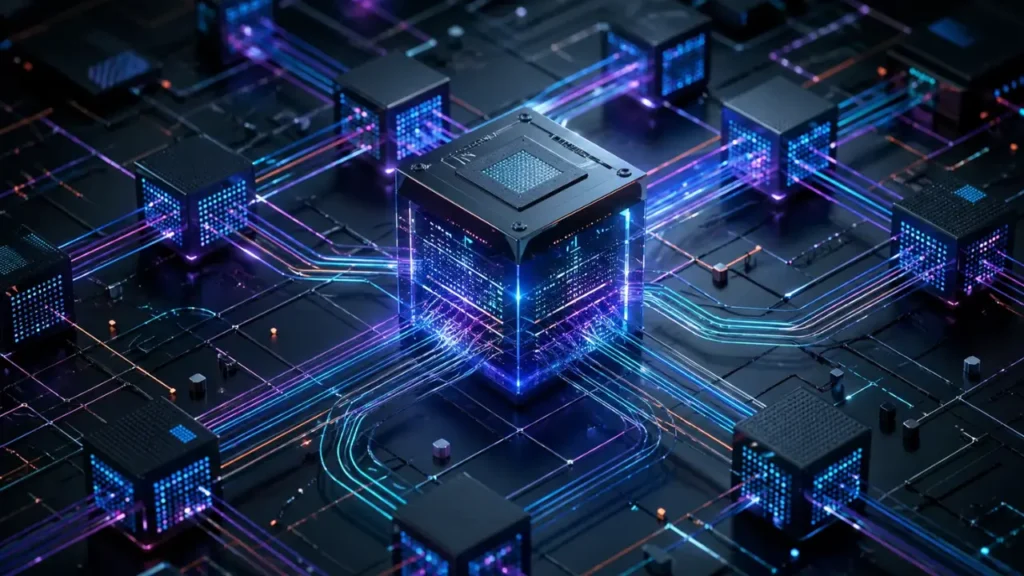
The modern AI facility no longer resembles a passive warehouse of servers waiting for isolated tasks. It behaves more like
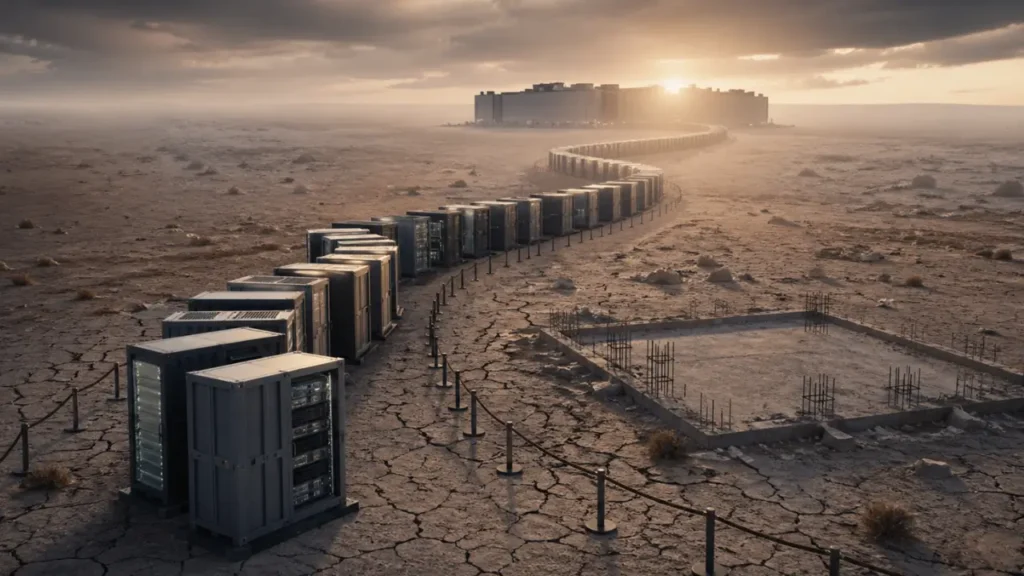
The ground beneath the digital economy has shifted, and the change did not start with land scarcity or capital constraints.

The first phase of AI infrastructure geography was determined by power and connectivity. Data centers concentrated in markets with access

Turning Up the Heat: Why Cooler Isn’t Always Better Thermal systems evolved around a simple premise that colder always meant

The colocation data center model has been remarkably durable. For three decades, the business logic was simple and consistently proven.

The Map Has Flipped: Energy Now Picks the Winners The first shift does not announce itself loudly, yet it reshapes

The conversation around artificial intelligence infrastructure no longer sits inside engineering teams or policy rooms, as it now unfolds in

The AI infrastructure investment cycle of 2023 and 2024 was built around a specific assumption about hardware. Nvidia GPU clusters

The neocloud sector has enjoyed an extraordinary two years. GPU scarcity created pricing power that no previous cloud infrastructure business

The global race to build digital infrastructure no longer depends only on technology roadmaps or capital availability. Energy systems are

The AI infrastructure industry sold liquid cooling as a performance solution. Denser GPU clusters. Lower operating temperatures. Better power usage
Layers have multiplied, abstractions have deepened, and operational visibility has thinned to the point where even experienced teams struggle to

The AI data center industry has a sustainability reporting problem that sits in plain sight. Operators announce renewable energy commitments.

The grid has started to behave less like a utility pipeline and more like a dynamic system with its own

The way investors evaluate data centers has changed quietly but fundamentally. Capacity once acted as the shorthand for value, with

Data center power design has always been built around predictability. Training workloads consume power at a known rate for a

Modern digital systems no longer operate within the clean boundaries that once defined enterprise architecture, as the convergence of classical

Amazon is tightening its grip on the AI infrastructure stack, this time through a strategic collaboration with Cerebras aimed squarely

There is a version of the AI infrastructure story that the industry tells publicly, and there is a version visible

The Optics Economy of Energy Deals A new layer of signaling now defines how large technology operators present their energy

Reframing Infrastructure: From Burden to Strategic Asset Public discourse around data centers has hardened into a familiar storyline: high energy

The AI infrastructure buildout has produced a category of project that did not exist five years ago: the gigawatt campus.

Maine’s governor faces a deadline this week on the nation’s first statewide data center ban. The legislation is temporary, includes

Insurance has always lagged the assets it covers. New technologies create new risk profiles, and the actuarial models that underwriters

The AI infrastructure market entered 2026 with a widely held assumption. Capital would remain broadly distributed. Neoclouds would carve out

The narrative around GPU infrastructure has focused almost entirely on scarcity. Chips are in short supply. Power availability constrains every

Data center developers once treated capacity reservation as a straightforward operational activity. They identified a site, secured a grid connection

VAST Data has closed a $1 billion Series F financing round at a $30 billion valuation, more than tripling its

The acceleration of artificial intelligence has shifted the competitive landscape from model capability to deployment readiness, where the ability to

The global infrastructure narrative has started to shift in a way that does not announce itself loudly, yet its impact
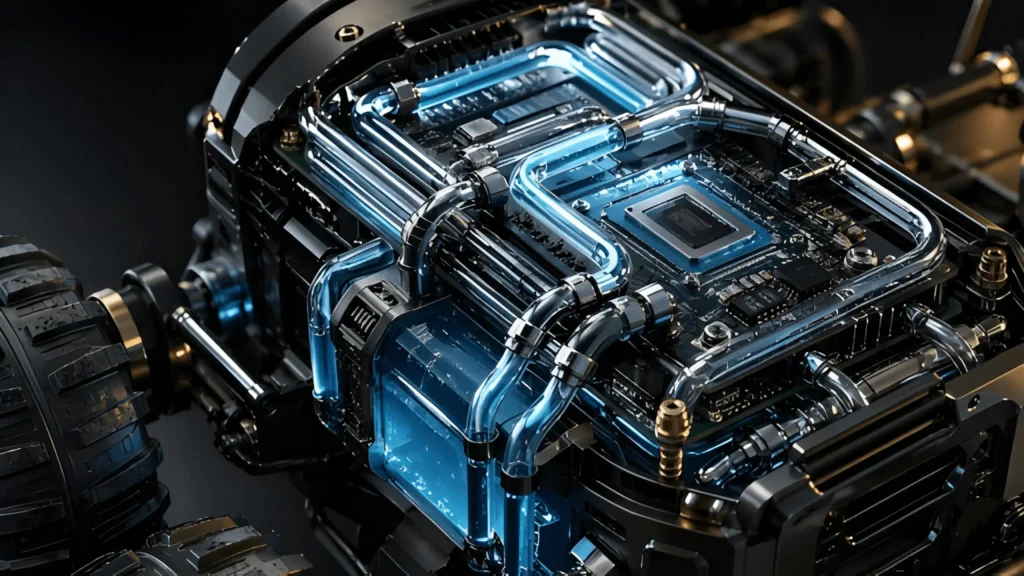
Edge systems now operate in environments that refuse to stay predictable, forcing engineers to confront thermal behavior as a dynamic

The current wave of artificial intelligence feels decisive, yet it rests on a narrow interpretation of intelligence. Systems generate text,

The industry often treats intelligence as a property that emerges directly from scale, as if larger models automatically produce deeper

The infrastructure industry has long measured progress through efficiency gains, density improvements, and incremental cost reductions that rarely challenged the

For most of the past decade, AI infrastructure was a private sector story. Hyperscalers built it. Venture capital funded the

For the past two years, every major conference in the AI infrastructure space has featured the same set of panels.

The original neocloud proposition was simple. Hyperscalers could not build GPU capacity fast enough to meet the demand that generative

The logic behind where digital infrastructure gets built has shifted in a way that most outside the industry still underestimate,

The clean energy conversation in AI infrastructure has spent three years circling the same two technologies. Solar and wind dominate

The global energy transition is entering a decisive phase, where ambition is no longer the defining variable. Execution is. Across

Artificial intelligence is no longer just a computational shift, it is a resource shift. As enterprises accelerate AI deployment, water

The shift did not begin with a headline moment or a disruptive announcement. It emerged quietly through design decisions, route

Physical limitations remain deeply embedded in every cloud interaction, even when abstracted through software-defined interfaces. Latency, throughput, and hardware contention

Data center infrastructure has been designed around a specific mental model of how AI works. A user submits a request.
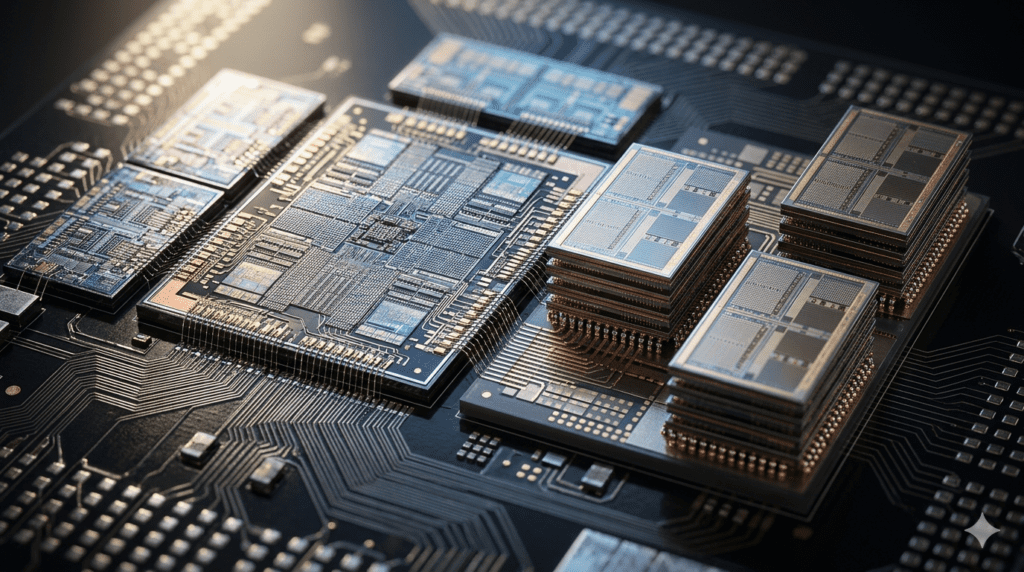
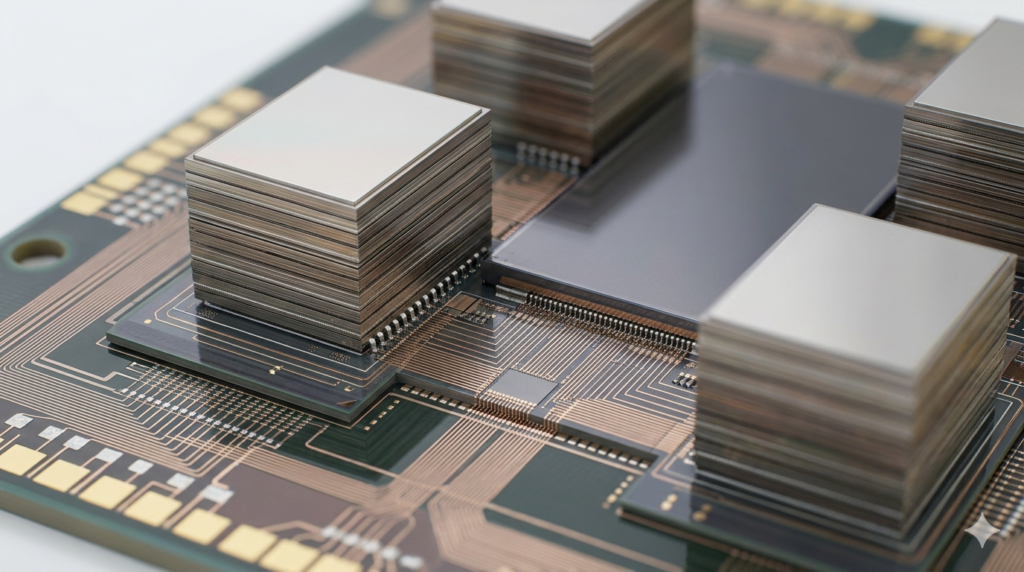
The semiconductor industry built its dominance on a single assumption: that shrinking transistors onto ever-larger monolithic dies would deliver the

Air cooling built the data center industry. For decades it worked well enough. Operators pushed cold air under raised floors,

The rack was never the bottleneck. For most of data center history, the limiting factor was floor space, fiber, or

The expansion of artificial intelligence systems has moved beyond a simple scaling problem and into a structural constraint defined by

The physical limits of electricity infrastructure rarely enter conversations about artificial intelligence, yet they increasingly dictate where and how compute

Direct-to-chip liquid cooling has moved from a niche solution for specialised high-performance computing environments into one of the most consequential

Nothing appears broken from the outside, yet a large share of data center expansion never even reaches the stage where

Scale Breaks Before It Sustains The promise of large-scale energy systems has always rested on efficiency through size, yet real-world

Every incident exposes the same friction point: the procedure exists, yet the system behaves differently. Engineers rely on runbooks to

The neocloud sector entered 2026 carrying a narrative that had sustained it through two years of aggressive growth: that purpose-built

The neocloud value proposition has been tested hard in 2026. Hyperscalers have closed the gap on GPU availability. Spot pricing

The infrastructure conversation has expanded from scale to include placement, and that added dimension introduces a more difficult question than

The AI infrastructure conversation in 2026 focuses on GPU generations, power density, and cooling architectures. Those priorities make sense. However,

Token costs have fallen by something close to 280-fold over the past two years. That number gets cited frequently, usually
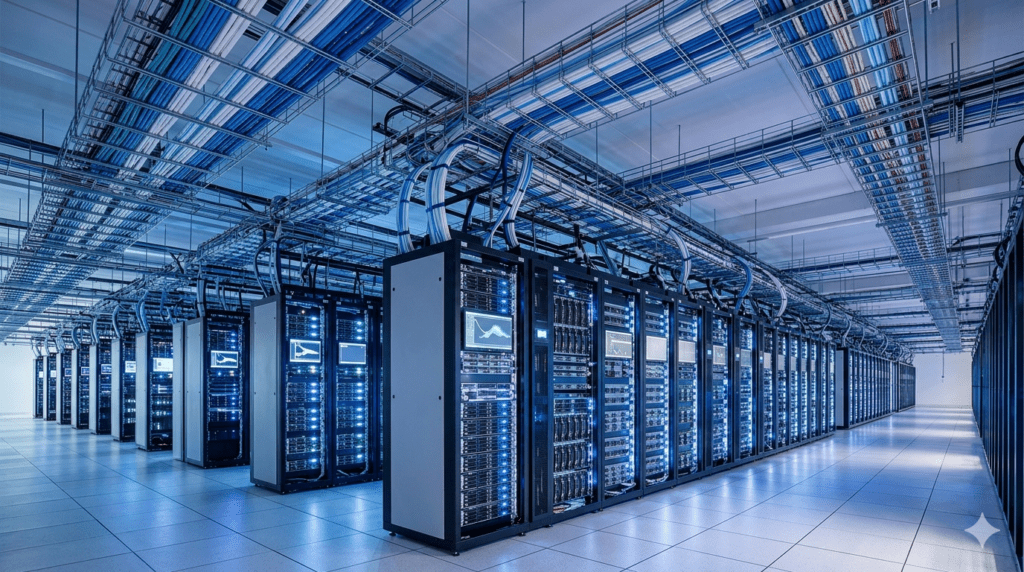
The infrastructure conversation around AI has, until recently, revolved almost entirely around training and inference as distinct workload categories. Training

Modern data centers rarely fail in dramatic ways, yet they consistently lose efficiency in subtle, compounding increments that escape immediate

Anthropic has announced a $50 billion investment in American computing infrastructure, partnering with AI infrastructure provider Fluidstack to build custom

The architecture of modern computing rests on an assumption that no longer holds steady under pressure. Silicon arrives fixed, optimized

Modern AI infrastructure no longer struggles with compute density; it struggles with keeping that density stable under sustained operational stress.

The expansion of artificial intelligence infrastructure no longer follows a simple supply-demand curve; it behaves more like a financial system

The architecture of modern cloud environments has shifted faster than the systems designed to control them, creating a gap that

The conversation about AI hardware almost always focuses on the wrong thing. Benchmark scores, teraflops, memory bandwidth, rack power requirements:
Three years ago, the conversation about AI infrastructure constraints was almost entirely about compute. Get enough GPUs, connect them fast

The GPU shortage supply chain problem runs deeper than the quarterly earnings narrative suggests. Every quarter, TSMC reports record revenue.
The neocloud story has been one of the most compelling infrastructure investment narratives of the past three years. Specialised GPU
Silicon innovation has reached a stage where advanced accelerators can move from fabrication to deployment pipelines in a matter of

For most of the past decade, immersion cooling occupied a peculiar position in data center planning conversations. Everyone agreed the

The term “data center” describes a building. It carries connotations of storage, retrieval, and general-purpose computing that no longer capture

Racks once served as inert structures that merely held servers, switches, and cables in predictable arrangements. That model collapses under

Modern AI systems embed cryptographic assumptions deep within their architecture, long before security teams evaluate exposure. Model pipelines, data routing

The narrative around hyperscale infrastructure often leans on a simple assumption that bigger systems naturally deliver better sustainability outcomes, yet

Power has replaced compute as the primary constraint on AI infrastructure expansion. The hyperscalers understood this shift before most of

The AI infrastructure buildout has dominated the industry conversation for three years. New campuses, new power agreements, new cooling architectures,
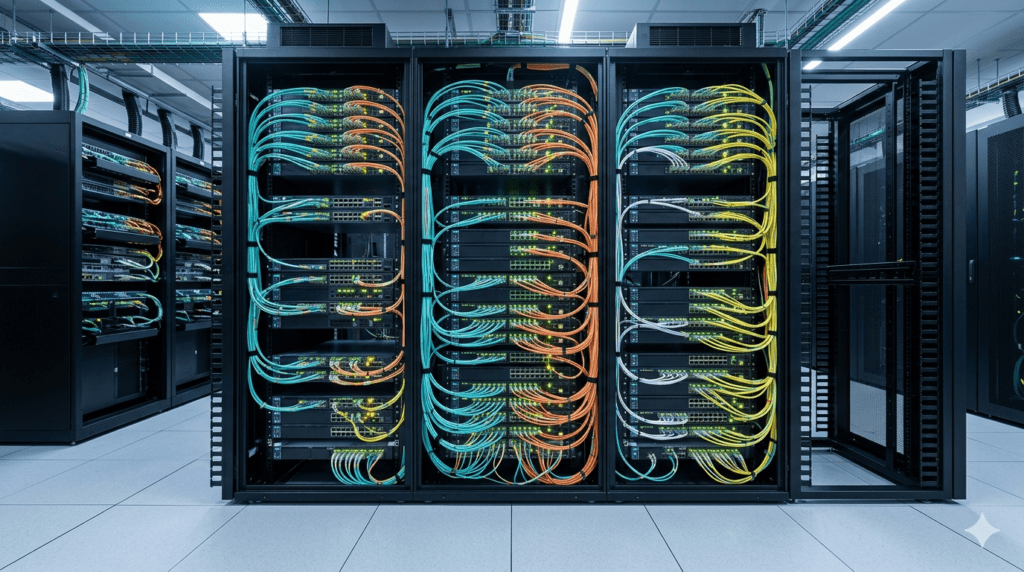
The networking infrastructure inside AI data centers was designed around a specific workload profile: large-scale model training that moves enormous

Water used to be an afterthought in data center site selection. Power availability, land cost, connectivity, and tax incentives dominated

The sequence of decisions in data center design used to follow a predictable order: site, power, cooling, structure, hardware. Each

Modern AI systems no longer end their lifecycle at the moment they generate an output, because that output often triggers

Sovereignty has increasingly extended from policy language into infrastructure design considerations, influencing how data centres operate in a fragmented digital

Spain’s data center land acquisition controversy is escalating as the government’s €90 billion AI infrastructure expansion draws commitments from Amazon

The performance narrative in AI infrastructure has shifted in a way that fundamentally alters how systems behave under real workloads,

The semiconductor industry long equated scale with transistor density, pushing monolithic chips toward their physical and economic limits. That model

AI demand looks explosive on paper, but the revenue behind it tells a narrower story. A small group of hyperscalers

The AI infrastructure buildout is routinely described as a story about technology companies and their capital expenditure commitments. Amazon, Microsoft,
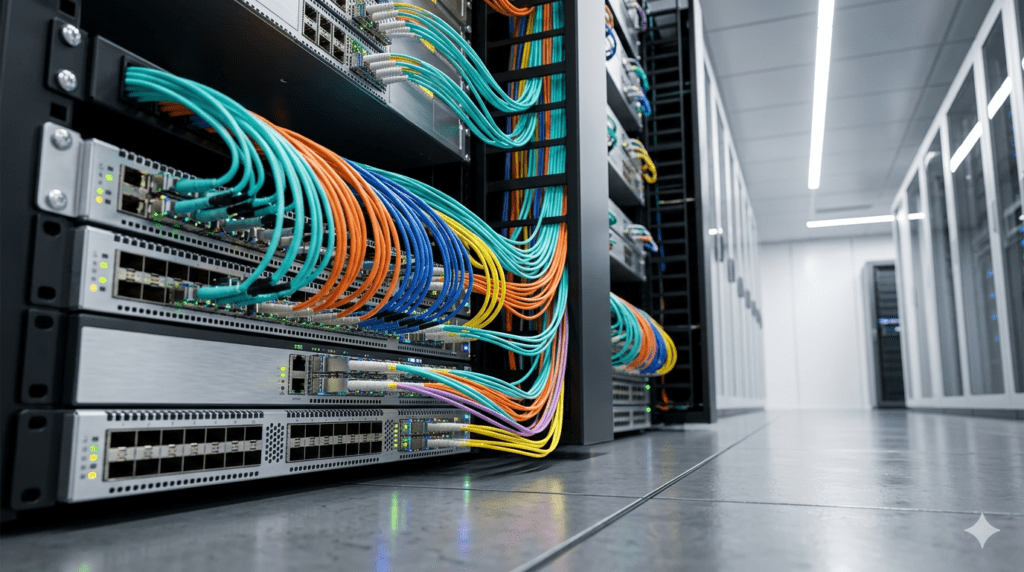
The networking layer of AI data centers has historically attracted less attention than compute and cooling. GPUs generate the headlines.

The conversation about AI hardware almost always focuses on the wrong thing. Benchmark scores, teraflops, memory bandwidth, rack power requirements:

Three years ago, the conversation about AI infrastructure constraints was almost entirely about compute. Get enough GPUs, get them connected

The United States has dominated AI infrastructure investment since the current buildout cycle began. Northern Virginia remains the largest data

Credo Technology Group (NASDAQ: CRDO) has agreed to acquire Israeli silicon photonics startup DustPhotonics for $750 million in cash plus

NeoCloud, as an emerging architectural pattern rather than a formally standardized industry category, has moved beyond the era where training

Built to Deploy, Not to Last The design philosophy of segments of modern data center infrastructure, particularly modular and edge

Something changed in enterprise AI budgets in 2025 and the change has accelerated into 2026. The monthly cloud bill arrived,

The numbers are so large they have become almost abstract. Amazon plans to spend $200 billion in capital expenditure in
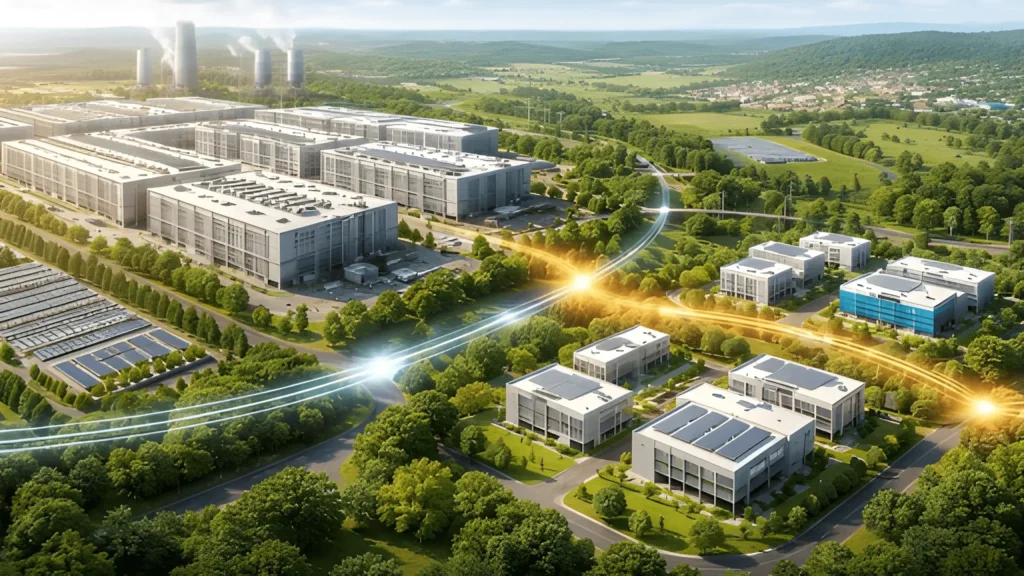
When Bigger Stops Being Better The data center industry has long equated scale with efficiency, driven by economies of procurement,
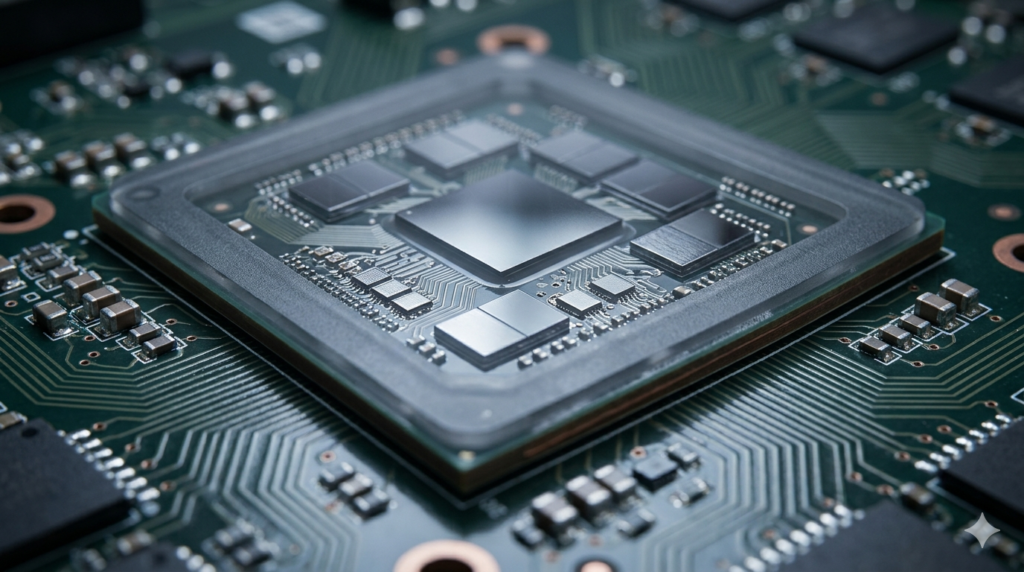
The monolithic chip, a single die performing all compute functions, dominated semiconductor design for decades. It was a workable model

The data center cooling conversation has been heading in one direction for several years. Air cooling, the default for most

The data center industry spent a decade getting comfortable with high-density compute. What was once a specialist challenge for supercomputing

Aon plc has expanded its proprietary Data Center Lifecycle Insurance Program (DCLP) by an additional $1 billion, taking total capacity

The prevailing constraint in advanced AI systems is increasingly shifting from hardware scarcity toward execution latency, as some organizations mitigate

The Telecommunications Industry Association has moved to formalize how data centers adapt to artificial intelligence, unveiling a coordinated strategy spanning

When Infrastructure Started Following Borders, Not Traffic The global cloud evolved on the assumption that geography would gradually lose relevance

When Climate Stops Being the Deciding Factor The geography of compute once followed temperature maps with near mechanical predictability, as

The ESG Illusion: When “Green” Stops at the Brochure Sustainability messaging in the data center industry has grown increasingly sophisticated,

The Shift No One Saw Coming The global data center landscape has entered a phase where traditional metro hubs no

The infrastructure beneath AI systems is being significantly strained by increasing legal and compliance requirements, not the weight of data

The money that is building the AI infrastructure of the next decade does not come from a single source. Hyperscalers

Transformers: The Missing Link in AI’s Power Chain AI infrastructure discussions often concentrate on compute density, semiconductor performance, and power

Scale Is Easy. Clean Paths Aren’t. Modern AI infrastructure expands rapidly because compute, storage, and networking resources can scale horizontally

Go-Live Is Where AI Becomes Unpredictable Deployment does not extend training conditions, it replaces them with an environment that behaves
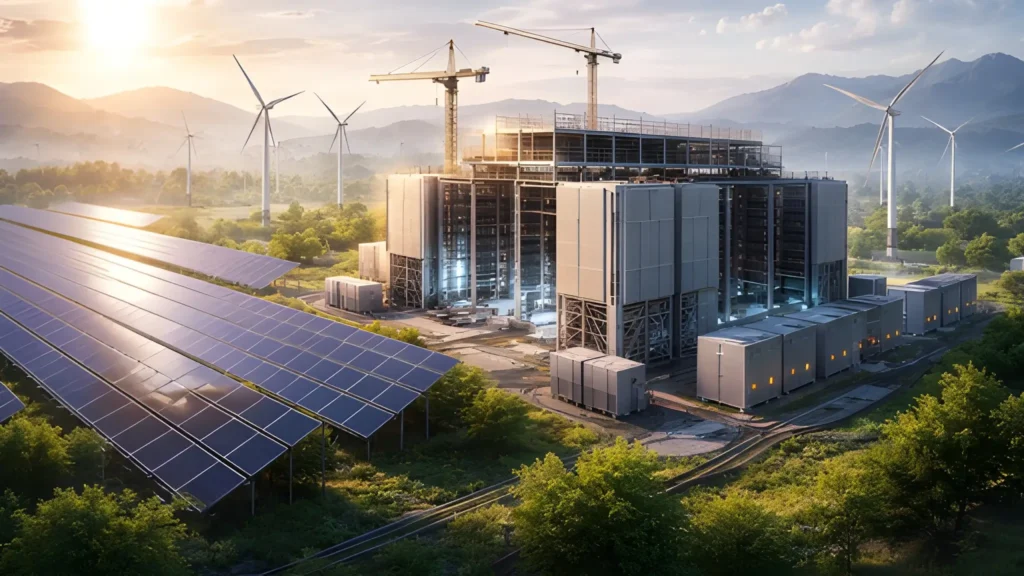
Power Before Compute: The New Deployment Bottleneck Infrastructure deployment cycles have shifted in a way that places energy availability ahead

The colocation market spent the past three years watching hyperscalers self-build at a scale that left limited room for optimism.

The neocloud infrastructure commoditisation debate has moved from theoretical to operational. GPU-as-a-service providers that barely existed before 2022 are now

Google and Intel announced an expanded multiyear partnership on April 9 for Google Cloud to continue using Intel AI infrastructure

GPU density inside modern data center racks has increased at a pace that outstrips the evolution of supporting thermal systems.

Capital deployment in data center infrastructure often begins generating financial exposure long before it produces any measurable output. Power capacity

For the past three years, the data center industry organised itself around a single dominant workload profile. AI training defined
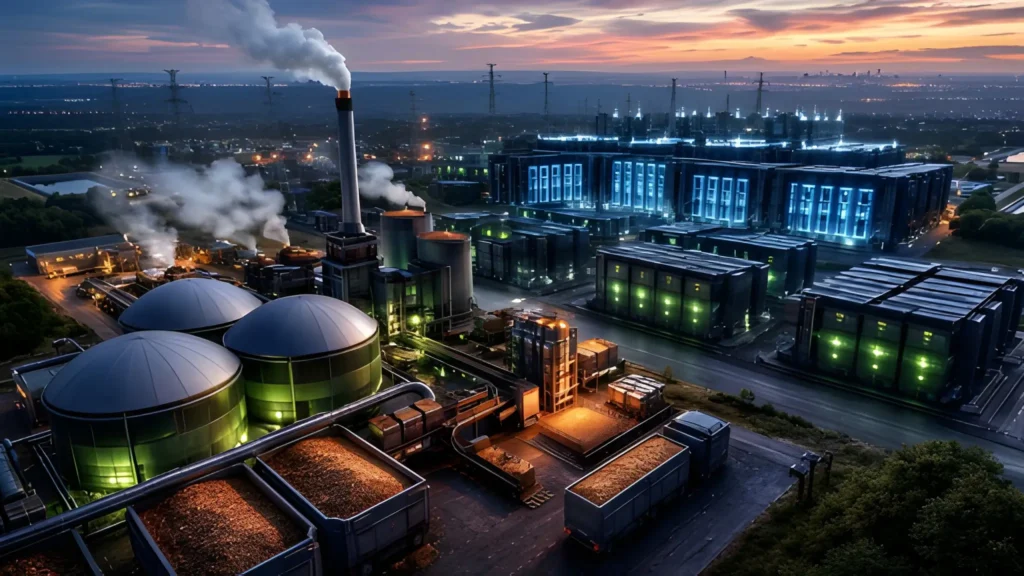
AI Can’t Run on Intermittent Power AI infrastructure operates on continuous execution cycles that demand uninterrupted electrical supply across training,

The AI infrastructure buildout is the largest peacetime investment project in human history. That phrase is not a headline. It
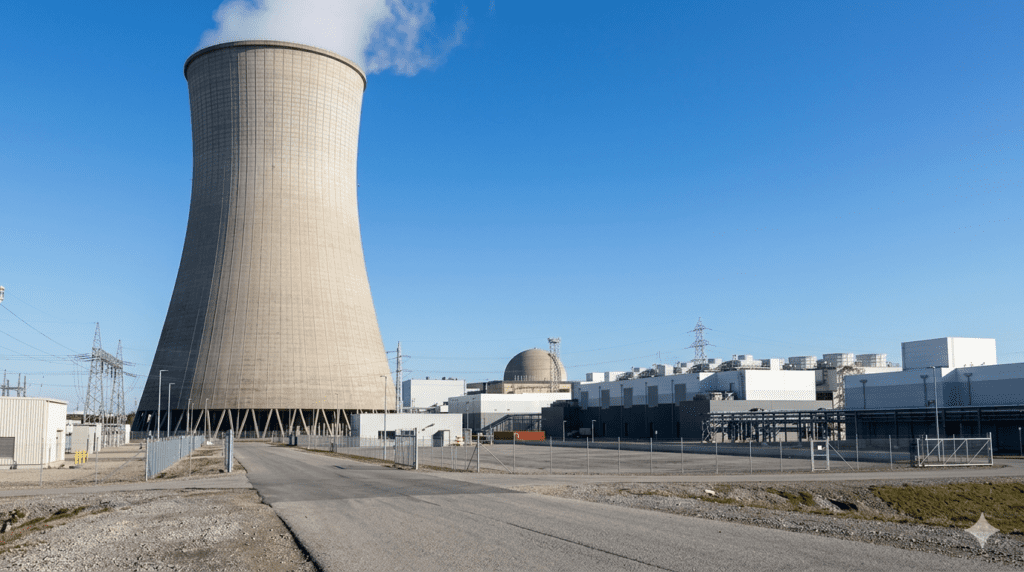
The nuclear narrative in AI infrastructure has never been louder. Microsoft restarted a reactor at the former Three Mile Island

The default assumption in AI infrastructure has always favoured greenfield. Build new, build big, build for the future. When hyperscalers

For the past three years, AI training dominated the infrastructure conversation. Building the model was the hard part. Compute clusters

Colocation once operated as a clearly bounded layer where infrastructure ownership and workload intent aligned with high visibility and operational

For most of the past decade, the global data center map looked predictable. North America dominated. Western Europe followed. Singapore

The Queue That Doesn’t Show Up in Capacity Numbers Capacity metrics in AI infrastructure often present a misleading snapshot because

Stability Is a Design Parameter Infrastructure deployment decisions in the data centre sector rely heavily on long-term predictability rather than

For most of the past two decades, sovereign wealth funds occupied a predictable position in the global infrastructure investment landscape.
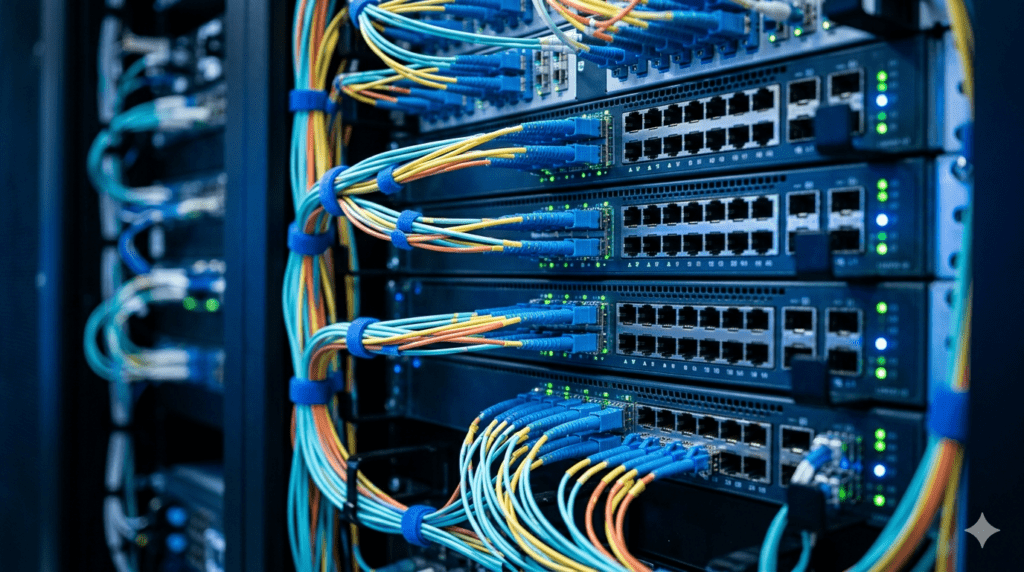
For most of data center history, the network was the least interesting part of the infrastructure stack. It moved packets.

The data center industry has a story it tells about itself. It creates jobs, brings investment and, puts struggling municipalities

Telecom operators spent the last decade watching hyperscalers build the infrastructure that runs the internet. They provided the pipes. Someone

The uninterruptible power supply has not changed much in thirty years. It bridges the gap between a power outage and

As AI accelerates infrastructure demand, power delivery is becoming the defining constraint of scale. The conversation around data infrastructure is

For most of the commercial internet era, data center site selection followed a logic that the industry understood well and

A new constraint has quietly taken control of AI infrastructure, and it does not come from compute scarcity or capital
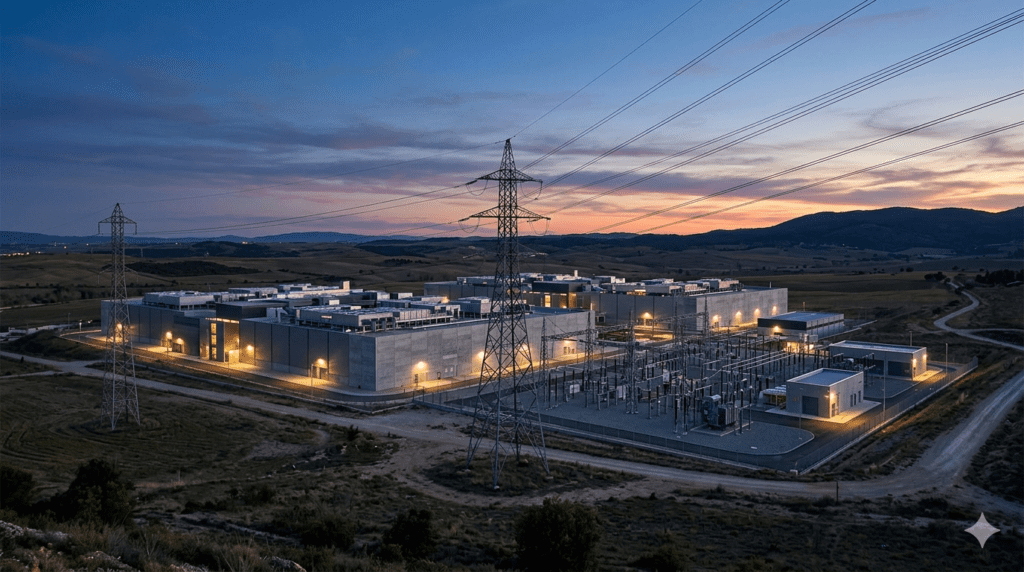
The power procurement strategies that hyperscalers pursued during the first decade of cloud infrastructure buildout treated electricity as a commodity

The announcements come in waves now. Another hyperscaler commits tens of billions to data center expansion. Another sovereign wealth fund

The Myth of “Zero-Cost Cooling” The narrative around ambient cooling often positions it as a near-zero cost solution, yet operational

Water has never featured prominently in the public conversation about data center sustainability, but that is changing. The industry’s rapid

AI infrastructure expansion has triggered an unprecedented surge in power interconnection requests across global grids, yet not all signals reflect

The operational boundary between human oversight and machine execution has dissolved under the weight of modern AI infrastructure demands. Engineers

The architectural center of gravity in modern data centers has shifted from the perimeter to the deep interior where massive

Grid connectivity has long been treated as a proxy for stability in large-scale infrastructure, yet that assumption begins to fracture

Colocation has operated for three decades as a relatively stable business model built around a straightforward value proposition. Operators build

The relationship between data centers and the electricity grid has always involved a degree of financial complexity that site selection
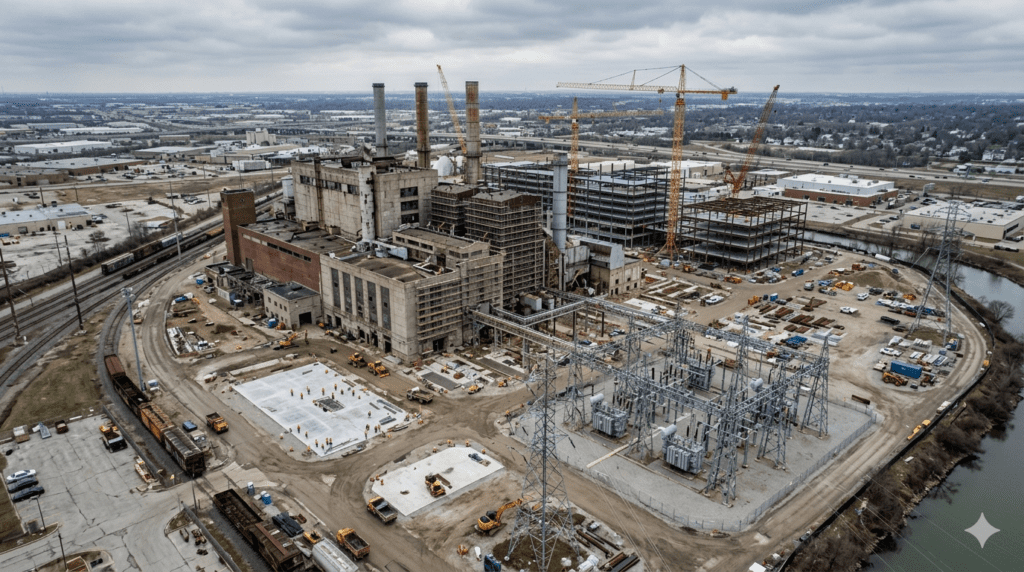
The power infrastructure that industrial economies built over the past century to serve demand patterns that no longer exist represents

The sustainability conversation around data centers concentrates almost entirely on operational energy consumption. Power usage effectiveness, renewable energy certificates, water

Data center network topology has historically been designed around predictable traffic patterns. Enterprise applications generated relatively stable flows between clients
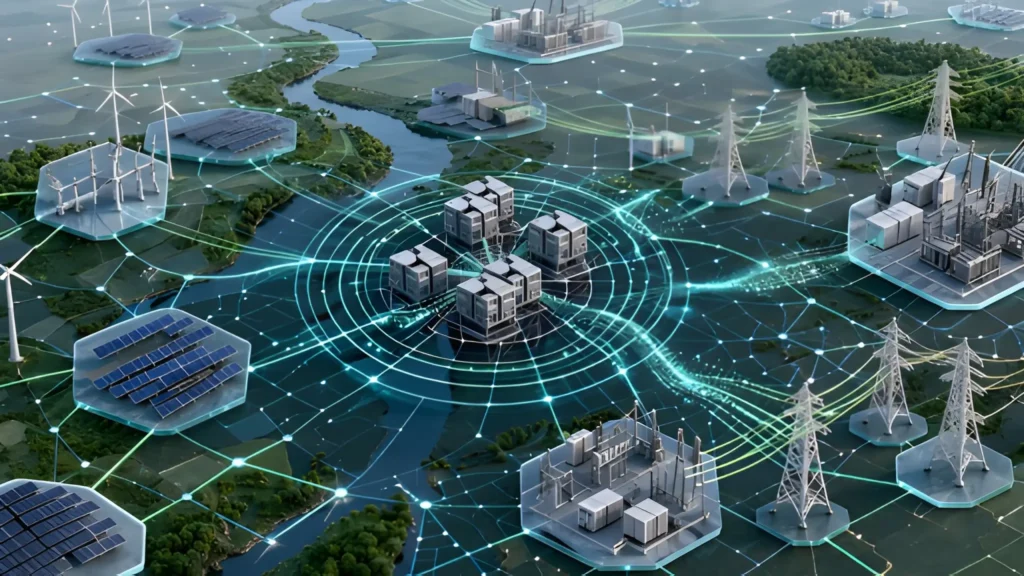
The next phase of digital infrastructure growth is no longer constrained by compute capability but by the physical limits of

Artificial intelligence infrastructure has become a focal point of global policy debate, but the diagnosis guiding that scrutiny is increasingly

Modern metropolises no longer define their silhouettes solely by residential high-rises or commercial centers. Windowless, monolithic structures of hyperscale data
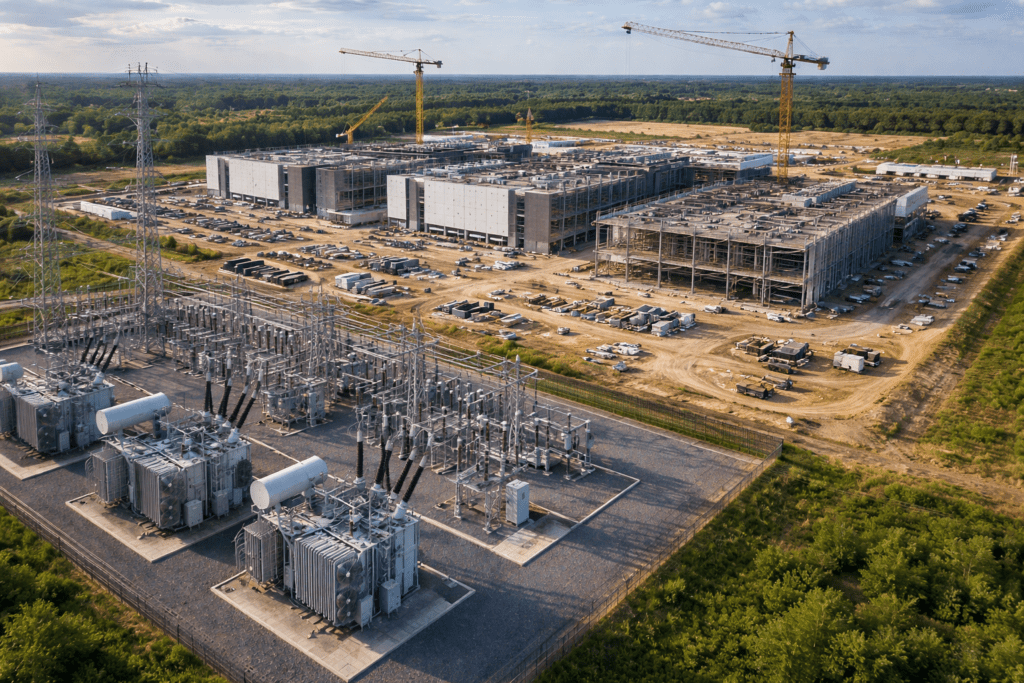
Data center site selection once followed a familiar logic. Developers sought locations with strong fiber connectivity, low latency to end

The relationship between AI infrastructure and the power grid is undergoing a structural transformation. For decades, data center developers treated

The global transition toward sustainable digital infrastructure has reached a critical inflection point where simple procurement of renewable energy is

Submarine cables carry more than ninety-five percent of international internet traffic. Yet they rarely feature in mainstream discussions about digital

AI data centers once expanded based on available power capacity, but the equation has shifted toward thermal constraints that now

When JPMorgan Chase brought a $3.8 billion junk bond offering to market on behalf of an entity backed by Tract

Thermal management in data centers has never been a static discipline. Each generation of compute hardware has introduced new heat

Immersion cooling has spent the better part of a decade proving itself inside hyperscale data centers, where operators building at

For decades, data center infrastructure planning began and ended with one question: how many megawatts can this facility draw? Capacity

Grid interconnection has historically occupied a narrow corner of data center development planning. Facilities engineers and energy consultants managed it

The modern data center no longer exists as a passive consumer of electricity but increasingly operates as an active participant

Power delivery in data center design has long been approached as a fixed boundary condition, shaping decisions without being actively

Beyond the Site Boundary Sustainability strategies in digital infrastructure have historically centered on optimizing individual facilities, where operators focused on

The expansion of cloud infrastructure begins long before a server reaches a data center floor, as emissions accumulate during chip

Speed has become the defining currency of the AI era. But in the race to deploy faster, scale bigger, and

The idea of a single, unified data center has started to dissolve under the pressure of modern compute demands, where

Legacy data centers were designed around predictable, low-density compute patterns that rarely exceeded 10–15 kW per rack, which now contrasts

Edge computing architectures promised consistent low-latency performance by placing compute closer to end users and devices, yet real-world deployments reveal

The narrative around AI infrastructure once revolved almost entirely around compute, where GPUs defined the ceiling of innovation and scale.

AI infrastructure no longer scales along a single axis of compute or power, as the constraint landscape has shifted toward

Modern data centers no longer treat thermal conditions as a downstream concern because heat patterns now influence compute decisions directly.

The rapid expansion of artificial intelligence workloads has elevated uptime requirements to near-continuous operational thresholds, often aligning with Tier IV-level

Cloud computing established its dominance by separating software from hardware through layers of abstraction that simplified deployment and scaling. Developers

AI-scale datasets introduce new constraints that traditional compute-centric models cannot absorb efficiently. Large training corpora, continuously updated embeddings, and high-frequency

The emergence of ultra-large AI campuses has shifted infrastructure planning toward modular expansion strategies that prioritize adaptability over immediate scale.
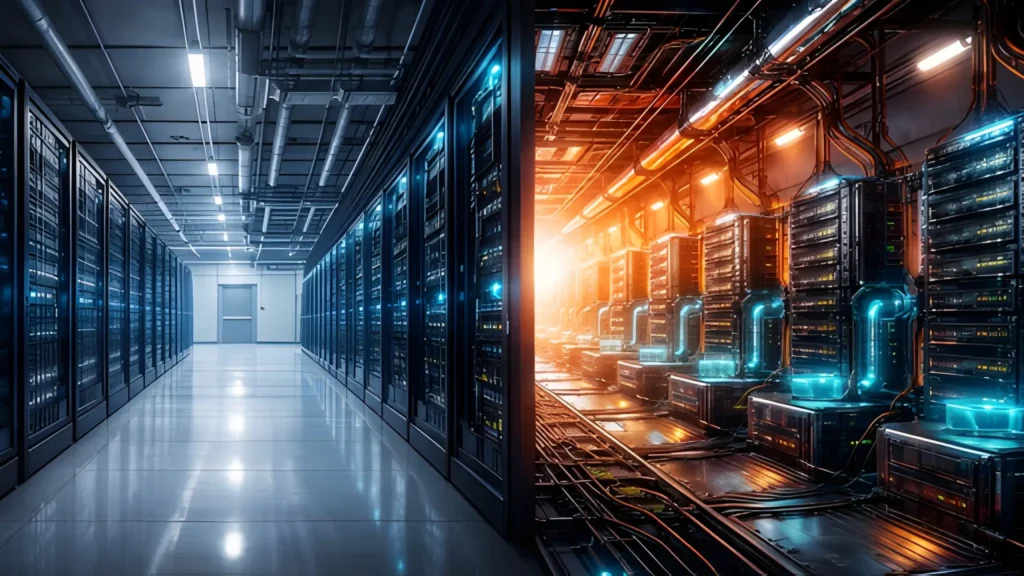
From Facilities to Production Systems Traditional data centers emerged as environments optimized for uptime, redundancy, and service continuity, where reliability

As AI infrastructure scales beyond conventional thermal limits, Danfoss has introduced a modular subsystem designed to remove one of liquid

The race to scale artificial intelligence infrastructure has triggered a wave of innovation across compute architectures and cooling systems, yet

Site selection for digital infrastructure has entered a phase where power availability defines the initial feasibility of any project. Developers