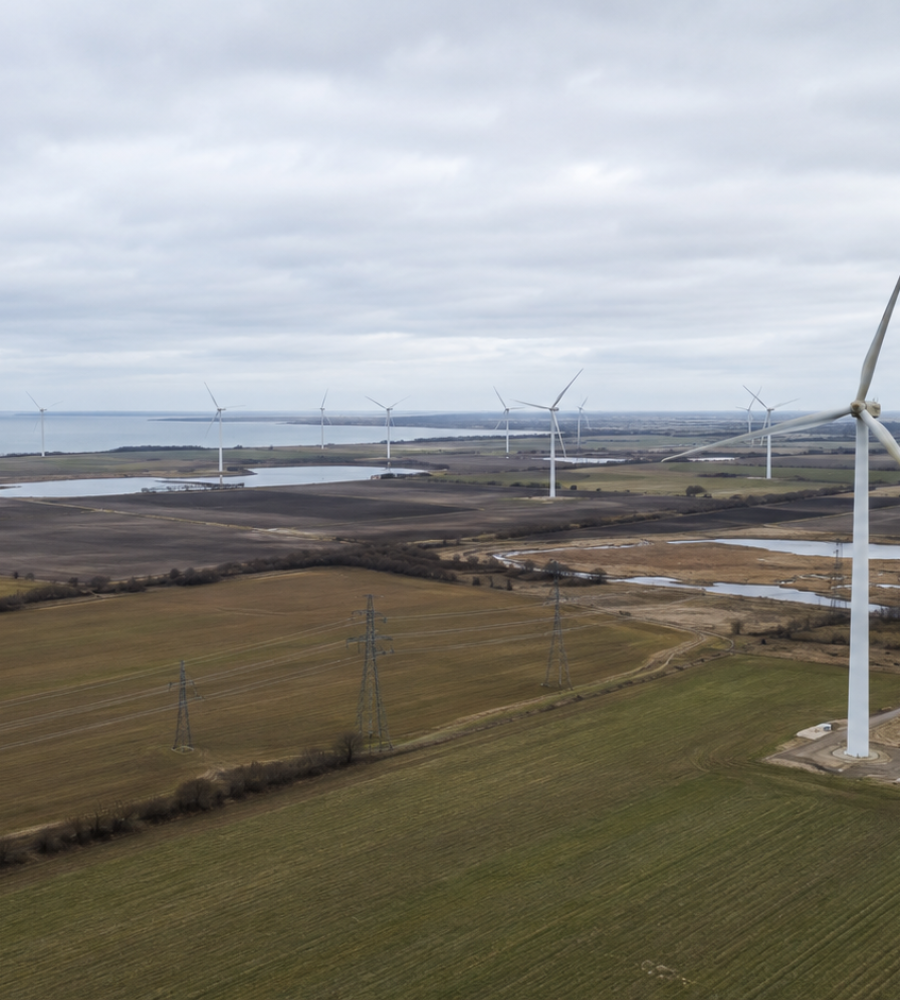

The first signs rarely look dramatic. A quiet patch of land gets fenced, surveyors appear, and heavy equipment begins to arrive before most residents understand what is being built. Over time, the change accelerates without announcing itself, as traffic patterns shift, construction crews rotate in waves, and local services begin to stretch under unfamiliar demand. A data center does not introduce itself through noise or visibility alone, but through the subtle reconfiguration of systems that surround it. Power lines get reinforced, roads get widened, and land that once held modest value starts attracting speculative attention. These shifts rarely appear in initial project briefs, yet they define the long-term footprint more than the facility itself. The real story begins long before servers power on and continues long after the first workloads go live.
What makes these effects difficult to track lies in their indirect nature. Planning frameworks often isolate the facility as a discrete unit, focusing on construction costs, energy consumption, and employment figures. That narrow lens misses the cascading consequences that ripple outward into housing markets, transportation systems, and municipal services. Each new facility behaves less like a standalone building and more like a gravitational force that reshapes its surroundings. Local economies begin to reorganize around infrastructure needs rather than human activity patterns. These dynamics create pressure points that do not appear in conventional budgeting models. The result is a growing gap between projected benefits and lived realities.
Data Center Demand Is Rewriting Local Housing Math
Land acquisition for data centers introduces a structural imbalance into local housing supply that evolves over multiple development cycles. Developers target parcels with proximity to substations and high-capacity fiber routes, which frequently overlap with zones that municipalities previously earmarked for residential expansion. This overlap does not trigger immediate displacement, yet it gradually removes viable housing land from circulation in planning pipelines. Local authorities often approve these transitions because infrastructure investment appears economically attractive in the short term. Over time, housing developers face a constrained land inventory that limits their ability to scale supply in response to demand. This constraint emerges quietly and becomes visible only when housing availability tightens across multiple segments.
Market behavior begins to shift once landowners recognize the premium attached to infrastructure-adjacent parcels. Sellers delay transactions while evaluating future price trajectories tied to data center expansion. This behavior reduces liquidity in land markets, which slows down residential development cycles even when demand remains consistent. Developers must compete not only with each other but also with infrastructure buyers who operate under different valuation frameworks. Pricing expectations adjust upward without corresponding increases in housing output. This divergence distorts traditional supply-demand relationships that housing models rely on. The result is a slower, more constrained pipeline that struggles to meet local needs.
Municipal zoning frameworks often lag behind these shifts, creating regulatory friction that compounds supply constraints. Planning authorities may not immediately revise land-use classifications to reflect emerging infrastructure priorities. This delay creates uncertainty for both residential and infrastructure developers, leading to fragmented development patterns. Some parcels remain underutilized while others transition rapidly, creating uneven spatial distribution of housing opportunities. The absence of synchronized planning amplifies inefficiencies in land allocation. Over time, the housing system reflects these inconsistencies through uneven growth and localized shortages. These patterns persist even after regulatory frameworks adjust.
Workforce Influx Creates Temporary Demand Spikes
Construction phases introduce a workforce dynamic that operates outside traditional housing demand models. Large-scale data center builds require specialized contractors, engineers, and technical crews who rotate in phases aligned with project milestones. These workers seek short-term accommodation, often preferring flexible rental arrangements that can adapt to uncertain project timelines. Local housing markets respond by reallocating inventory toward short-duration leases, which reduces availability for long-term residents. This shift occurs rapidly because property owners react to immediate revenue opportunities. The impact extends beyond pricing into the structure of rental agreements themselves. Housing systems adapt to transient demand without fully reverting afterward.
Short-term demand spikes create ripple effects across multiple housing segments. Hotels, serviced apartments, and informal rental markets absorb overflow demand when conventional housing reaches capacity. This redistribution affects pricing across tiers, as higher-end accommodations become occupied by temporary workers. Local residents encounter reduced availability even in segments not directly targeted by incoming workers. The pressure diffuses across the housing ecosystem rather than remaining isolated. Property owners adjust strategies to capture value from transient demand, reinforcing the shift toward flexibility. These changes persist beyond the construction phase, altering long-term market behavior.
Post-construction phases do not fully restore equilibrium because the market adapts structurally during the build cycle. Property owners who transition to short-term leasing often continue operating under that model due to its profitability. Housing supply becomes segmented between flexible and stable inventory, reducing the pool available for permanent residents. This segmentation introduces volatility into pricing and availability. Local planning frameworks rarely account for this transition because it emerges from market behavior rather than policy decisions. The housing system evolves in response to infrastructure timelines rather than demographic stability. This misalignment creates persistent tension in supply dynamics.
Infrastructure Clustering Amplifies Price Signals
Infrastructure clustering magnifies housing market responses by reinforcing long-term demand expectations. Once a region establishes a reputation for hosting data centers, additional projects tend to follow due to shared access to power and connectivity. This clustering effect creates a perception of sustained economic activity, even when direct employment remains limited. Housing markets respond to perception as much as to actual demand, adjusting pricing based on anticipated growth. Developers reposition projects toward higher price points to align with expected future value. This repositioning shifts affordability dynamics without expanding access. Housing becomes a reflection of infrastructure momentum rather than population needs.
Speculative investment accelerates within clustered regions as external investors seek to capitalize on rising land values. These investors operate with longer time horizons and different risk tolerances compared to local developers. Their presence increases competition for land, driving prices upward even before development occurs. Residential projects must absorb higher input costs, which translate into elevated pricing for end users. This dynamic introduces a disconnect between local income levels and housing affordability. The market begins to price in infrastructure potential rather than current economic conditions. Over time, this gap widens as clustering intensifies.
Local governments often encourage clustering due to perceived economic benefits, which further amplifies its impact. Incentive structures attract additional projects, reinforcing the region’s status as an infrastructure hub. These policies do not always integrate housing considerations into their design. As a result, residential supply lags behind infrastructure expansion, creating imbalances that persist over time. Housing systems struggle to adapt because they operate on longer development cycles compared to infrastructure projects. The cumulative effect reshapes the local economy around compute-driven demand. This transformation becomes self-reinforcing as more projects enter the pipeline.
Logistics, Not Users, Are Driving Traffic Surges
Construction fleets introduce a transport dynamic that differs fundamentally from typical urban traffic patterns. Heavy-duty vehicles operate on schedules dictated by construction timelines rather than daily commuting cycles. These vehicles carry materials that require specific handling, which often limits route flexibility and increases concentration on certain corridors. Road networks that previously supported light or moderate traffic begin to experience sustained industrial load. This shift accelerates wear and reduces the effective lifespan of infrastructure. Maintenance requirements increase, placing additional strain on public budgets. The impact extends beyond congestion into long-term infrastructure degradation.
Local transport planning frameworks often underestimate the duration of construction-related traffic intensity. Data center projects progress through phases that each require distinct logistics profiles, from groundwork to equipment installation. These phases overlap in complex ways, creating continuous demand on transport networks. Authorities may anticipate peak periods but fail to account for sustained baseline activity. This miscalculation leads to reactive management strategies rather than proactive planning. Traffic systems adapt under pressure rather than through design. The result is a prolonged period of strain that exceeds initial expectations.
Community-level impacts emerge as residential areas adjacent to construction routes experience increased disruption. Noise, vibration, and reduced accessibility affect daily routines for local residents. Businesses along these routes encounter operational challenges due to inconsistent traffic flow. These effects accumulate over time, shaping perceptions of infrastructure development. Public response often focuses on immediate inconvenience rather than underlying structural causes. This disconnect complicates policy responses and mitigation strategies. Transport systems bear the burden of adjustments without corresponding systemic changes.
Equipment Movement Introduces Irregular Peaks
The delivery of specialized equipment introduces a layer of complexity that standard traffic models struggle to capture. Components such as cooling systems and electrical infrastructure require coordinated transport that often involves oversized loads. These deliveries occur in sequences that depend on project readiness rather than predictable schedules. Traffic management must adapt in real time, implementing temporary measures to accommodate each movement. These measures disrupt normal flow and create localized congestion. The irregularity of these events prevents long-term adaptation within the transport system. Each event operates as an isolated disruption with cumulative effects.
Route planning for oversized equipment often prioritizes feasibility over efficiency. Vehicles may take longer paths to avoid physical constraints such as low bridges or narrow roads. This rerouting spreads the impact across wider areas, affecting communities that are not directly adjacent to the construction site. Local authorities must coordinate across jurisdictions to manage these movements effectively. Coordination challenges introduce delays and inconsistencies in traffic management. The system operates under constraints that limit optimization. These limitations amplify the perceived impact of each delivery cycle.
Public communication around these events often remains limited, which increases disruption at the community level. Residents and businesses receive minimal advance notice, reducing their ability to adjust schedules. This lack of visibility contributes to frustration and perceived inefficiency. Traffic systems respond to each event as it occurs rather than integrating them into broader planning frameworks. The cumulative effect becomes apparent only after multiple cycles have occurred. By that point, adaptation becomes more difficult. The system absorbs disruption without achieving stability.
Service Operations Sustain Baseline Traffic
Operational data centers maintain a steady flow of service-related traffic that persists over long periods. Maintenance activities require regular site visits by specialized personnel who ensure system reliability. Equipment upgrades and replacements introduce additional movement that does not align with user demand patterns. This traffic remains consistent regardless of fluctuations in data usage. Local transport systems must accommodate this baseline activity as a permanent feature. The impact accumulates gradually, influencing road performance and maintenance cycles. Over time, this steady demand reshapes transport planning priorities.
Supply chains supporting data center operations contribute to sustained traffic levels. Deliveries of components, consumables, and support equipment occur on schedules designed for operational efficiency. These schedules may not align with local traffic patterns, creating friction within the system. The cumulative effect of these movements becomes significant when multiple facilities operate within the same region. Transport networks experience continuous demand rather than periodic peaks. This demand profile differs from traditional commercial activity. Planning frameworks must adapt to a new baseline that lacks clear boundaries.
Emergency response and contingency planning introduce additional traffic considerations. Backup systems and rapid-response teams must remain accessible at all times, which influences routing and infrastructure design. These requirements extend beyond normal operations into preparedness scenarios. Local authorities must integrate these needs into transport planning without compromising broader system performance. The complexity of these interactions increases as infrastructure density grows. Traffic systems evolve to support reliability rather than convenience. This shift reflects the operational priorities of always-on infrastructure.
Infrastructure Buildouts Increase Input Costs
Large-scale infrastructure projects introduce cost pressures that extend beyond their immediate scope. Data center construction requires specialized materials, equipment, and labor that operate within constrained supply chains. Increased demand for these inputs raises their cost locally, affecting other sectors that rely on similar resources. Contractors adjust pricing to reflect higher demand and limited availability. These adjustments propagate through the local economy, influencing construction costs across residential and commercial projects. The effect emerges gradually but becomes embedded in pricing structures. Local inflation reflects infrastructure activity rather than consumer demand.
Supply chain dynamics amplify these effects as materials get sourced through regional networks. Transportation costs increase when demand concentrates in specific locations, adding another layer of price pressure. Suppliers prioritize large infrastructure projects due to their scale and reliability, which reduces availability for smaller buyers. This prioritization shifts market dynamics in favor of high-volume consumers. Smaller projects must absorb higher costs or face delays in procurement. The imbalance introduces inefficiencies into the broader construction ecosystem. Over time, pricing adjusts to reflect these structural changes.
Local businesses that depend on construction inputs experience indirect impacts as costs rise. Renovation projects, small-scale developments, and maintenance activities become more expensive. These increases affect both commercial operations and residential affordability. The link between infrastructure buildouts and local pricing remains indirect, which makes it difficult to attribute causation. Despite this complexity, the cumulative effect becomes visible in cost structures across sectors. These cost pressures can contribute to localized price increases, though broader inflation dynamics typically involve multiple overlapping factors. The local economy adapts to a new baseline of higher input costs.
Contractor Demand Reshapes Labor Markets
Labor markets respond quickly to increased demand from infrastructure projects. Data center construction requires skilled workers who often command higher wages due to specialized expertise. Contractors compete for this talent, which drives compensation upward across related sectors. This competition affects availability for other projects, creating bottlenecks in local labor supply. Smaller employers struggle to match compensation levels offered by large infrastructure projects. The imbalance shifts labor allocation toward high-value construction activities. Over time, the labor market reorganizes around these priorities.
Workforce mobility introduces additional complexity into local labor dynamics. Skilled workers may relocate temporarily to participate in large projects, reducing availability in their original locations. This movement creates gaps in other sectors that rely on similar expertise. Employers must adjust hiring strategies to account for these shifts. Training and development pipelines may not keep pace with demand, prolonging labor shortages. The system operates under continuous adjustment as supply and demand fluctuate. Labor markets become more volatile in response to infrastructure cycles.
Wage increases within construction sectors influence broader economic conditions. Higher earnings translate into increased spending, which affects local pricing across goods and services. Businesses adjust pricing to reflect changes in consumer behavior and cost structures. This interaction creates a feedback loop that reinforces inflationary trends. The impact extends beyond construction into retail, hospitality, and service sectors. Local economies experience shifts that reflect infrastructure-driven demand. These effects can contribute to price adjustments across multiple layers of the local economy, alongside other prevailing economic conditions.
Supply Chain Pressure Extends Beyond Construction
Supply chain pressure originating from data center projects extends into adjacent industries. Equipment manufacturing, logistics, and support services experience increased demand that affects pricing and availability. These pressures propagate through networks that connect local economies to global supply chains. Delays in one segment can influence timelines and costs in others. Businesses must navigate these complexities while maintaining operational stability. The interconnected nature of supply chains amplifies the reach of infrastructure-driven demand. Local impacts reflect global dynamics in subtle ways.
Inventory management strategies shift in response to increased uncertainty. Suppliers may hold higher inventory levels to manage demand fluctuations, which ties up capital and affects pricing. These adjustments influence cost structures across industries. Smaller businesses face challenges in adapting to these changes due to limited resources. The imbalance between large and small players becomes more pronounced. Market dynamics evolve to favor entities that can absorb volatility. Supply chains adapt, but not without introducing new inefficiencies.
Long-term effects emerge as supply chains recalibrate to sustained infrastructure demand. Production capacity may expand in response to consistent demand signals, altering industry structure. These changes influence pricing and availability over extended periods. Local economies become integrated into broader networks shaped by infrastructure activity. The distinction between local and global dynamics becomes less clear. Supply chain pressure transforms into a persistent feature rather than a temporary condition. Economic systems adjust to accommodate this new reality.
Site Selection Is Reshaping Land Economics
Access to high-capacity power infrastructure has become one of the most decisive variables in land valuation. Data center developers prioritize locations near substations and transmission corridors, which elevates the strategic importance of these areas. Land that previously held moderate value due to limited commercial use now attracts attention based on its electrical connectivity. This shift introduces a new pricing logic that operates independently of traditional real estate drivers such as proximity to population centers. Sellers adjust expectations based on infrastructure adjacency rather than existing land use patterns. The result is a redefinition of value anchored in energy access.
Utility infrastructure upgrades reinforce this trend by expanding the footprint of high-value zones. When substations receive enhancements to support large-scale demand, surrounding land inherits increased strategic relevance. This process does not occur uniformly, which creates pockets of elevated value within broader regions. Developers compete for these parcels, which intensifies pricing dynamics and reduces availability. Residential and small commercial buyers find it increasingly difficult to access these areas. The market evolves to reflect infrastructure-driven priorities. Land economics begin to align with energy distribution networks rather than conventional urban planning.
Speculative behavior accelerates once patterns of infrastructure investment become visible. Investors acquire land near existing or planned power assets in anticipation of future demand. This activity introduces volatility into land markets, as pricing reflects expectations rather than current use. Transactions slow as owners reassess the timing of sales, which reduces liquidity. Development timelines extend due to uncertainty around acquisition costs. The cumulative effect reshapes how land markets function within affected regions. Value becomes tied to potential infrastructure alignment rather than immediate utility.
Fiber Connectivity Creates Strategic Corridors
High-capacity fiber networks introduce another layer of spatial differentiation in land economics. Data centers require low-latency connectivity, which concentrates demand along existing fiber routes. Land located within these corridors gains strategic significance due to its connectivity advantage. This advantage influences site selection decisions, which in turn affects pricing patterns. Areas outside these corridors experience relatively lower demand, creating uneven development across regions. The spatial distribution of value reflects digital infrastructure rather than physical accessibility. Land markets begin to mirror network topology.
Expansion of fiber infrastructure amplifies these effects by extending connectivity into new areas. As networks grow, previously peripheral regions may transition into high-demand zones. This transition triggers rapid changes in land valuation that outpace traditional planning frameworks. Developers move quickly to secure positions within emerging corridors, which intensifies competition. Local authorities may struggle to manage these shifts due to limited visibility into network expansion plans. The pace of change introduces uncertainty into land use decisions. Markets respond faster than regulatory systems can adapt.
Interdependence between power and connectivity further complicates site selection dynamics. Optimal locations require alignment between electrical capacity and fiber access, which narrows the pool of viable sites. This constraint increases competition for parcels that meet both criteria. Pricing reflects this scarcity, driving values higher than in areas that meet only one requirement. Developers must balance tradeoffs between these factors when selecting sites. The resulting decisions shape regional development patterns in subtle ways. Land economics become a function of infrastructure convergence.
Low-Headcount Facilities, High-Impact Ecosystems
Data centers operate with relatively small on-site teams, which creates the impression of limited local impact. This perception overlooks the broader ecosystem required to support continuous operations. Maintenance, security, logistics, and specialized services extend beyond the facility boundary. These functions generate demand across multiple sectors, including transportation, utilities, and professional services. The cumulative effect exceeds what staffing numbers alone would suggest. Local systems experience pressure that does not correlate directly with employment figures. Impact emerges through interconnected activities rather than direct presence.
Service providers adapt to meet the needs of these facilities, which introduces new demand patterns into local economies. Companies specializing in technical maintenance, cooling systems, and electrical infrastructure expand operations in response to data center growth. This expansion requires additional workforce, equipment, and logistics support. The ecosystem grows in layers, each contributing to overall demand on local resources. These layers remain partially visible, which complicates assessment of total impact. Economic activity becomes distributed across sectors rather than concentrated within the facility. The system evolves in response to infrastructure requirements.
Indirect employment effects influence local labor markets even when direct hiring remains limited. Service providers compete for skilled workers, which affects availability across related industries. Wage structures adjust to reflect increased demand for specialized expertise. These adjustments propagate through the economy, influencing broader employment conditions. The relationship between infrastructure and employment becomes complex and multi-layered. Local economies experience shifts that extend beyond direct job creation. Impact becomes embedded within interconnected systems.
Service Networks Expand Around Facilities
Service networks form around data centers to support continuous operations. These networks include contractors, suppliers, and technical specialists who operate across multiple sites. Their presence introduces sustained demand on local infrastructure, including roads, utilities, and communication systems. Unlike construction phases, this demand remains consistent over time. Local planning frameworks must accommodate these networks as permanent features. The cumulative effect reshapes how services are distributed within the region. Infrastructure supports not only the facility but also its extended ecosystem.
Coordination between service providers becomes critical as infrastructure density increases. Multiple facilities within a region share resources and service networks, which amplifies demand. This sharing introduces efficiencies but also concentrates pressure on specific systems. Utilities, transport networks, and communication systems must scale accordingly. Planning challenges emerge as these networks grow beyond initial expectations. Authorities must adapt to evolving demand profiles. The system becomes more interconnected and complex.
Local businesses integrate into these networks, which influences their operations and growth strategies. Companies may pivot toward services aligned with data center needs, reshaping the local economic landscape. This pivot introduces specialization that can limit diversification. Economic resilience becomes tied to infrastructure demand cycles. Businesses must balance opportunity with risk in adapting to these changes. The local economy evolves in response to infrastructure-driven demand. Service networks become defining features of the region.
Ecosystem Demand Extends Into Daily Services
Daily services experience indirect demand as infrastructure ecosystems expand. Food services, accommodation, and retail sectors adjust to support workers and service providers associated with data centers. This demand may not appear significant at any single point, yet it accumulates across the system. Local businesses respond by adjusting inventory, staffing, and pricing strategies. These adjustments influence availability and affordability for residents. The impact remains distributed, which makes it less visible but no less significant. Economic patterns shift gradually in response to sustained demand.
Public services encounter similar pressures as infrastructure ecosystems grow. Emergency services, waste management, and utilities must accommodate increased activity levels. These services operate under capacity constraints that may not align with new demand patterns. Authorities must allocate resources to maintain service quality. The process introduces tradeoffs in budgeting and planning. Public systems adapt, but often with limited flexibility. Demand extends beyond what initial projections captured.
Community dynamics evolve as local systems respond to infrastructure-driven demand. Residents experience changes in service availability and cost structures. These changes influence perceptions of development and its benefits. The relationship between infrastructure and community becomes complex and multifaceted. Local economies reflect these interactions through subtle shifts rather than abrupt transitions. The ecosystem effect becomes a defining characteristic of data center regions. Impact emerges through accumulation rather than direct intervention.
Build Cycles Are Overloading Civic Capacity
Data center construction unfolds in concentrated phases that compress demand into short timeframes. These phases introduce simultaneous pressure on housing, transport, utilities, and permitting systems that were designed for gradual growth. Municipal capacity often aligns with steady-state conditions rather than surge scenarios, which creates immediate strain. Authorities must process permits, inspections, and compliance requirements at accelerated rates without proportional resource expansion. This imbalance leads to delays, backlogs, and reduced oversight precision. Systems operate beyond their intended thresholds during peak construction periods. The impact emerges as operational stress rather than structural failure.
Local infrastructure absorbs the physical consequences of intensified activity. Roads experience accelerated wear, public utilities face higher temporary demand, and waste management systems process increased volumes. These effects occur simultaneously, which compounds their impact on municipal operations. Maintenance cycles shorten as assets degrade faster under sustained load. Budget allocations must adjust to address these pressures, often without prior planning. The financial burden extends beyond the project timeline into long-term maintenance requirements. Civic systems adapt reactively rather than through anticipatory design.
Administrative capacity becomes a limiting factor as multiple projects progress concurrently within the same region. Staff shortages and procedural bottlenecks slow down decision-making processes. Developers face uncertainty due to delays, which can affect project timelines and costs. Municipalities must balance efficiency with compliance, which introduces complexity into governance frameworks. The strain on administrative systems reflects the scale and speed of infrastructure expansion. These challenges persist even after construction phases conclude. Civic capacity evolves under pressure rather than through deliberate scaling.
Compute-Driven Land Value Is Displacing Local Commerce
Land value escalation tied to data center demand introduces direct pressure on existing commercial ecosystems. Small businesses operate within tight margin structures that depend on predictable rent and stable property costs. As land values rise, landlords adjust lease expectations to reflect new market conditions linked to infrastructure demand. These adjustments increase occupancy costs beyond what many local businesses can sustain. Retail, workshops, and service-oriented enterprises face decisions that involve relocation or closure. The shift occurs gradually but accumulates into visible changes in commercial composition. In some cases, local economies begin to reflect infrastructure-aligned valuation alongside existing community-serving activity, depending on market conditions.
Commercial real estate markets respond to rising land values by prioritizing tenants with higher revenue potential. Property owners may reposition assets toward uses that align with infrastructure ecosystems, including logistics, technical services, and support functions. This repositioning reduces diversity within local business environments. Neighborhoods that once supported varied commercial activity become more specialized over time. The transition alters the character of local economies and affects accessibility for residents. Small enterprises lose ground not through direct displacement but through pricing dynamics. Market signals favor scale and specialization over diversity.
Secondary effects emerge as displaced businesses seek alternative locations within the region. Demand shifts toward peripheral areas, which introduces pressure on previously stable markets. These areas experience rising rents and increased competition for space. The displacement effect propagates outward, extending the impact beyond immediate infrastructure zones. Local economies adapt through redistribution rather than expansion. This redistribution creates uneven development patterns across regions. Commercial viability becomes tied to proximity and pricing influenced by infrastructure demand.
Small Businesses Face Structural Disadvantages
Small businesses encounter structural challenges when competing within markets influenced by infrastructure-driven demand. Their financial flexibility remains limited compared to larger entities that can absorb higher costs. Access to capital becomes a critical factor in sustaining operations under changing conditions. Many small enterprises lack the resources to adapt quickly to rising expenses. This limitation reduces their ability to remain competitive in evolving markets. The disadvantage emerges from structural factors rather than operational inefficiency. Economic shifts expose these vulnerabilities over time.
Supply chain adjustments further complicate the position of small businesses. Increased demand from infrastructure projects can redirect resources toward larger buyers, affecting availability and pricing for smaller entities. This redirection introduces delays and cost increases that impact operations. Businesses must navigate these challenges while maintaining service quality and customer relationships. The cumulative effect reduces resilience within the small business sector. Market dynamics favor entities with scale and purchasing power. Structural imbalance becomes more pronounced as infrastructure demand grows.
Community impact becomes visible as small businesses exit or relocate. These enterprises often provide services that contribute to local identity and accessibility. Their displacement can affect both economic activity and social dynamics within neighborhoods, particularly in areas experiencing sustained cost pressures. Residents encounter reduced diversity in available services and increased travel requirements. The shift alters how communities interact with their local environments. Economic change translates into broader societal effects. Local commerce evolves in response to external pressures.
Commercial Landscapes Shift Toward Infrastructure Support
Commercial landscapes adapt to align with the needs of data center ecosystems. Businesses that support infrastructure operations, such as equipment suppliers and technical service providers, expand their presence. This expansion introduces new demand patterns that reshape local markets. Retail and service sectors adjust to accommodate these changes, often at the expense of traditional offerings. The composition of commercial areas reflects infrastructure priorities rather than consumer diversity. Economic activity becomes more specialized over time. Local markets evolve to support system requirements.
Zoning and land-use policies influence how these transitions unfold. Authorities may adjust regulations to facilitate infrastructure-related development, which accelerates shifts in commercial composition. These adjustments can create opportunities for certain sectors while limiting others. Policy decisions shape the direction of economic change within affected regions. Implementation challenges may arise as stakeholders navigate competing interests. The outcome reflects a balance between development objectives and community needs. Commercial landscapes transform through policy and market interaction.
Long-term implications include reduced economic diversity and increased dependence on infrastructure-related activity. Regions may become specialized in supporting data center ecosystems, which introduces both opportunities and risks. Economic resilience depends on the ability to adapt to changes in infrastructure demand. Over-reliance on a single sector can create vulnerability to shifts in technology or market conditions. Local economies must navigate these dynamics carefully. Commercial landscapes reflect the cumulative impact of these factors. Change becomes a defining feature of infrastructure-driven regions.
Incentive Structures Focus on Direct Benefits
Tax incentives play a central role in attracting data center investments to specific regions. Governments offer benefits such as property tax reductions and exemptions on equipment to encourage development. These incentives focus on direct economic gains, including capital investment and limited job creation. Indirect costs associated with supporting infrastructure often remain outside the scope of these models. Public resources get allocated to enable projects without fully accounting for long-term obligations. The gap between incentives and actual costs introduces fiscal complexity. Budgeting frameworks may not capture the full extent of infrastructure support required.
Evaluation of incentive effectiveness tends to emphasize immediate outcomes rather than systemic impact. Authorities assess projects based on investment value and perceived economic activity. This approach may underrepresent second-order effects that emerge over time, depending on the scope of evaluation frameworks used. These costs accumulate gradually, making them less visible in early assessments. Fiscal planning must adapt to incorporate these considerations. The challenge lies in aligning short-term incentives with long-term sustainability.
Transparency in incentive structures influences public understanding of infrastructure investments. Limited visibility into cost-benefit dynamics can affect trust and policy acceptance. Stakeholders require access to comprehensive information to evaluate the impact of development decisions. Communication challenges arise due to the complexity of these interactions. Authorities must balance technical detail with clarity in public discourse. Effective governance depends on informed decision-making. Tax models play a critical role in shaping these outcomes.
Public Infrastructure Costs Extend Beyond Budgets
Supporting data center operations requires investment in public infrastructure that extends beyond project boundaries. Roads, power systems, water networks, and communication infrastructure must scale to meet increased demand. These investments involve significant capital and ongoing maintenance costs. Budget allocations must account for these requirements, which may compete with other public priorities. The financial burden spreads across multiple sectors and timeframes. Public systems absorb costs that are not always directly attributed to specific projects. Infrastructure support becomes a shared responsibility.
Maintenance obligations introduce long-term fiscal commitments that persist after initial construction phases. Infrastructure assets require regular upkeep to maintain performance and safety standards. Increased usage accelerates wear and necessitates more frequent maintenance cycles. These requirements translate into sustained expenditure over time. Budget planning must incorporate lifecycle costs rather than focusing solely on initial investment. The challenge lies in balancing immediate needs with future obligations. Fiscal sustainability depends on comprehensive planning.
Interdependencies between infrastructure systems amplify cost considerations. Upgrades in one sector may necessitate changes in others to maintain compatibility and performance. For example, enhancements to power systems may require corresponding adjustments in transport or communication networks. These interconnections increase complexity in budgeting and planning. Authorities must coordinate across departments to manage these dynamics effectively. The cumulative effect shapes public expenditure patterns. Infrastructure costs extend beyond isolated projects into systemic investment.
Fiscal Tradeoffs Affect Long-Term Planning
Fiscal decisions related to infrastructure support involve tradeoffs that influence long-term planning. Resources allocated to support data center development may limit funding available for other public services. Authorities must prioritize investments based on strategic objectives and community needs. These decisions shape the trajectory of regional development. Tradeoffs become more pronounced as infrastructure demand increases. Fiscal policy must balance competing priorities within constrained budgets. The outcome reflects policy choices and economic conditions.
Revenue generation from data centers may not always fully offset the costs associated with infrastructure support, with outcomes varying across regions and policy structures. Tax incentives and exemptions reduce direct fiscal returns, while indirect costs accumulate over time. This imbalance requires careful evaluation to ensure sustainable outcomes. Authorities must consider both immediate and long-term financial implications. Fiscal models must evolve to capture these complexities. The challenge lies in aligning incentives with actual cost structures. Sustainable development depends on accurate assessment of tradeoffs.
Long-term planning frameworks must integrate fiscal considerations with infrastructure development strategies. Coordination between financial and planning authorities becomes essential to manage these dynamics. Data-driven approaches can improve decision-making and resource allocation. Implementation requires institutional capacity and political will. The process involves continuous evaluation and adjustment. Fiscal tradeoffs remain central to infrastructure-driven development. Policy decisions shape the balance between growth and sustainability.
Data Centers Are Creating Long-Term Infrastructure Liabilities
Infrastructure built to support data centers often persists far beyond the lifecycle of the facilities themselves. Utilities expand substations, reinforce transmission lines, and upgrade distribution networks to meet projected demand. These upgrades require capital that municipalities and utilities allocate based on long-term expectations. If demand projections shift or facilities reduce operations, the infrastructure remains in place without proportional utilization. This mismatch can introduce inefficiencies that affect system-wide performance and cost recovery in cases where demand projections do not materialize as expected. Public systems must absorb the consequences of overbuilt capacity. The liability emerges from timing differences between infrastructure investment and actual usage patterns.
Planning assumptions play a critical role in shaping these outcomes. Forecasts rely on expected growth trajectories that may not account for technological or market changes. Data center efficiency improvements or shifts in deployment strategies can alter demand profiles over time. Infrastructure designed for peak scenarios may operate below capacity under evolving conditions. Utilities must manage these discrepancies while maintaining financial stability. Cost recovery mechanisms distribute the burden across ratepayers. The system reflects historical decisions that may not align with current realities. Long-term liabilities become embedded within infrastructure networks.
Decommissioning scenarios introduce additional complexity into infrastructure planning. Facilities may reach the end of their operational life or transition to different uses, leaving supporting infrastructure underutilized. Repurposing these assets requires investment and coordination that may not align with existing planning frameworks. Authorities must evaluate options for reuse or maintenance under reduced demand. These decisions influence long-term system efficiency and cost structures. Infrastructure does not disappear when demand declines. The legacy of investment continues to shape regional systems.
Maintenance Obligations Persist Over Time
Infrastructure supporting data centers requires ongoing maintenance regardless of utilization levels. Transmission lines, substations, and associated systems must meet safety and reliability standards at all times. Maintenance schedules do not adjust proportionally to usage, which creates fixed cost structures. These costs persist even when demand fluctuates or declines. Utilities must allocate resources to ensure system integrity. The financial burden spreads across the network rather than remaining localized. Maintenance becomes a continuous obligation tied to infrastructure presence.
Operational complexity increases as infrastructure networks expand to accommodate large-scale demand. Additional assets introduce more points of potential failure, which requires enhanced monitoring and management. Utilities must invest in systems and personnel to maintain performance standards. These investments add to long-term operational costs. The system evolves toward greater complexity as capacity grows. Maintenance strategies must adapt to changing network configurations. The cumulative effect influences cost structures and service delivery. Infrastructure liabilities extend beyond initial investment into ongoing operations.
Environmental and regulatory requirements further shape maintenance obligations. Infrastructure must comply with evolving standards related to safety, emissions, and resource usage. Compliance introduces additional costs and operational considerations. Authorities must balance regulatory objectives with financial constraints. These requirements persist over the lifespan of infrastructure assets. Maintenance becomes intertwined with policy and environmental considerations. The system reflects a combination of technical and regulatory influences. Long-term liabilities incorporate these multiple dimensions.
Risk Exposure Expands With Infrastructure Scale
As infrastructure networks expand to support data centers, risk exposure increases across multiple dimensions. Larger systems introduce more potential points of disruption, which can affect reliability and resilience. Utilities must manage these risks through redundancy, monitoring, and contingency planning. These measures require investment and ongoing attention. The scale of infrastructure influences the magnitude of potential impacts. Risk management becomes a central component of system operation. Exposure can grow alongside capacity expansion, depending on system design and risk management practices.
Financial risk accompanies physical infrastructure expansion. Investments must be recovered over time, which depends on stable demand and pricing structures. Changes in market conditions can affect revenue streams and cost recovery mechanisms. Utilities must navigate uncertainty while maintaining service obligations. Financial exposure extends to both public and private stakeholders. The system reflects interconnected risks that span multiple domains. Managing these risks requires coordination and adaptability. Infrastructure liabilities include financial dimensions alongside physical assets.
Systemic risk emerges from the interdependence of infrastructure components. Power, water, transport, and communication systems interact in ways that amplify the impact of disruptions. Failures in one area can propagate across networks, affecting multiple services simultaneously. This interconnectedness increases complexity in risk management. Authorities must consider cross-sector dependencies in planning and operations. The challenge lies in maintaining resilience within an integrated system. Infrastructure scale influences the scope of potential disruptions. Long-term liabilities encompass systemic considerations.
Indirect Emissions Start Before Servers Go Live
The environmental footprint of data centers begins at the material extraction stage, long before any operational energy use occurs. Steel, concrete, and specialized components require energy-intensive processes that generate emissions across global supply chains. These materials move through multiple stages of production, each adding to the cumulative carbon burden. Local construction activity reflects only a fraction of the total impact embedded within these materials. Developers often account for operational efficiency while underestimating upstream emissions. This gap creates an incomplete picture of environmental cost. Carbon accounting must extend beyond the facility boundary to capture full lifecycle impact.
Material sourcing decisions influence the scale and distribution of embedded emissions. Suppliers operate under different regulatory and energy conditions, which affects carbon intensity. Projects that rely on global supply chains inherit emissions from regions with varying standards. This variability complicates efforts to measure and manage environmental impact. Procurement strategies can mitigate some effects, yet constraints related to cost and availability limit options. The interaction between supply chains and project requirements shapes outcomes. Embedded carbon becomes a function of both design and sourcing decisions.
Construction timelines amplify these effects by concentrating material demand within short periods. High-volume procurement increases production activity upstream, which raises emissions intensity during peak phases. These emissions do not appear in operational metrics, yet they contribute significantly to overall impact. Local environmental assessments may not fully capture these dynamics. The disconnect between construction activity and carbon accounting persists across projects. Lifecycle analysis provides a more comprehensive framework for evaluation. Indirect emissions remain an integral part of infrastructure development.
Infrastructure Impact Extends Beyond Facility Boundaries
Data centers represent more than physical structures; they function as catalysts that reshape surrounding systems. Housing markets, transport networks, energy distribution, and public services all respond to the presence of infrastructure demand. These responses occur through indirect mechanisms that extend beyond the immediate footprint of facilities. Planning frameworks often focus on direct impacts, leaving systemic effects underexamined. The result is a gap between projected outcomes and actual experience within affected regions. Infrastructure influence spreads through interconnected systems. The true footprint emerges through these interactions rather than through physical size alone.
Economic patterns evolve as infrastructure demand influences multiple sectors simultaneously. Land values, labor markets, and supply chains adjust to reflect new priorities. These adjustments create feedback loops that reinforce infrastructure-driven dynamics. Local economies become shaped by compute demand rather than traditional growth drivers. The transformation occurs gradually, making it difficult to attribute change to a single factor. Over time, the cumulative effect becomes visible across systems. Economic structure reflects the presence of infrastructure ecosystems. The footprint of compute becomes embedded within regional dynamics.
Environmental and resource considerations add further complexity to this footprint. Water usage, energy demand, and emissions interact in ways that extend beyond operational boundaries. Lifecycle impacts encompass construction, operation, and upstream processes. These interactions require comprehensive assessment to understand their full scope. Policy and planning must adapt to capture these dimensions effectively. The challenge lies in integrating multiple factors into coherent frameworks. Environmental impact becomes a system-level phenomenon. Compute infrastructure influences resource allocation across scales.
Second-Order Effects Define Long-Term Outcomes
Second-order effects shape the long-term trajectory of regions hosting data centers. These effects emerge through indirect pathways that influence housing, infrastructure, and economic systems. Their impact often exceeds that of direct effects in terms of duration and scope. Planning and budgeting processes may not fully account for these dynamics. This gap introduces challenges in managing growth and sustainability. Authorities must consider systemic interactions to address these issues effectively. Long-term outcomes depend on understanding these relationships. Second-order effects become central to infrastructure impact.
Adaptive strategies can help mitigate some of these challenges by aligning planning with emerging trends. Integrated approaches that consider housing, transport, energy, and environmental factors can improve outcomes. Coordination across sectors becomes essential to manage interconnected impacts. Data-driven analysis supports more informed decision-making. Implementation requires institutional capacity and collaboration. The process involves continuous learning and adjustment. Strategies must evolve alongside infrastructure development. Effective management depends on recognizing complexity.
Future development will likely intensify these dynamics as demand for digital infrastructure continues to grow. Regions must prepare for sustained interaction between infrastructure and local systems. This preparation involves balancing economic opportunity with social and environmental considerations. Policies must reflect the multifaceted nature of infrastructure impact. Long-term planning frameworks play a critical role in shaping outcomes. The challenge lies in aligning incentives with systemic realities. Second-order effects will remain a defining feature of data center expansion. The footprint of compute will continue to extend beyond its physical boundaries.