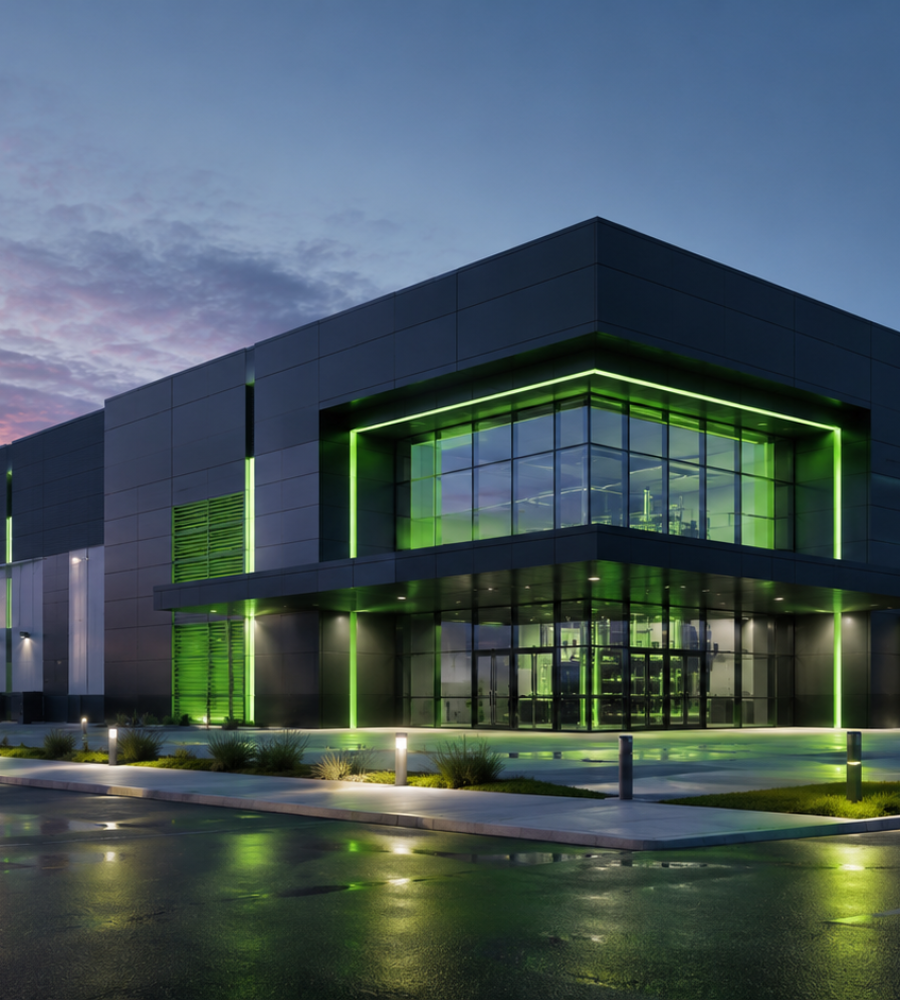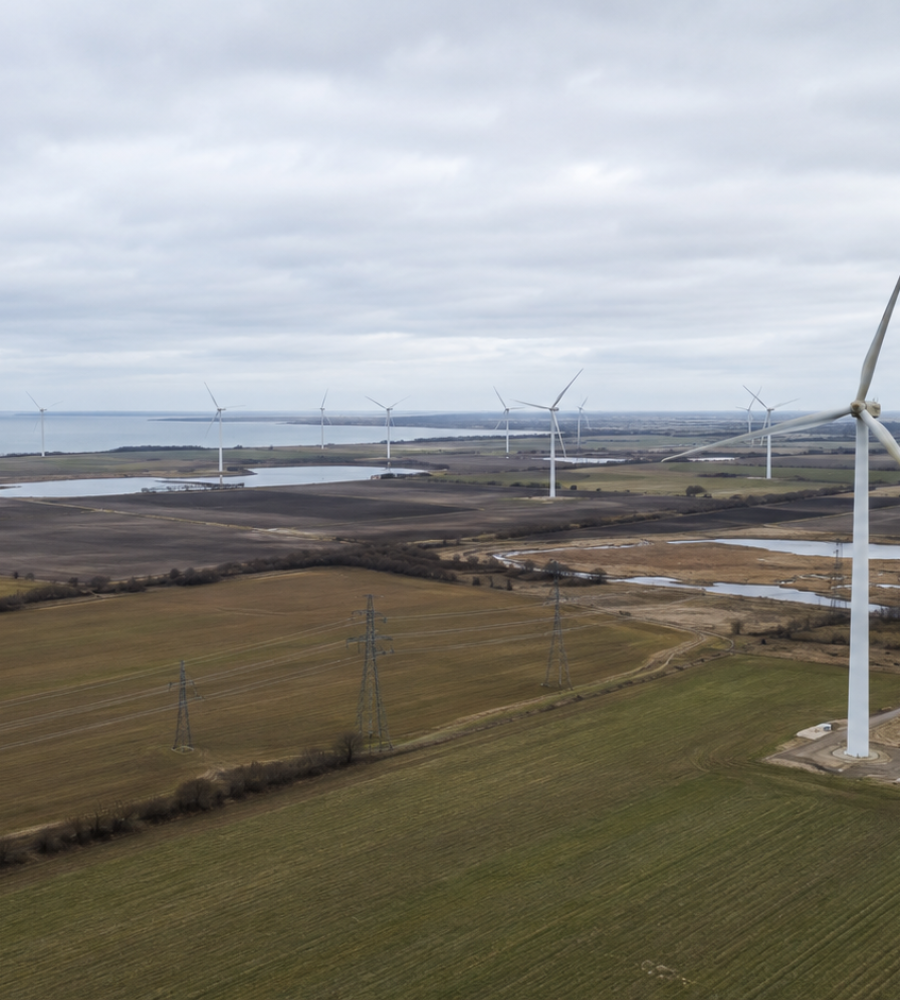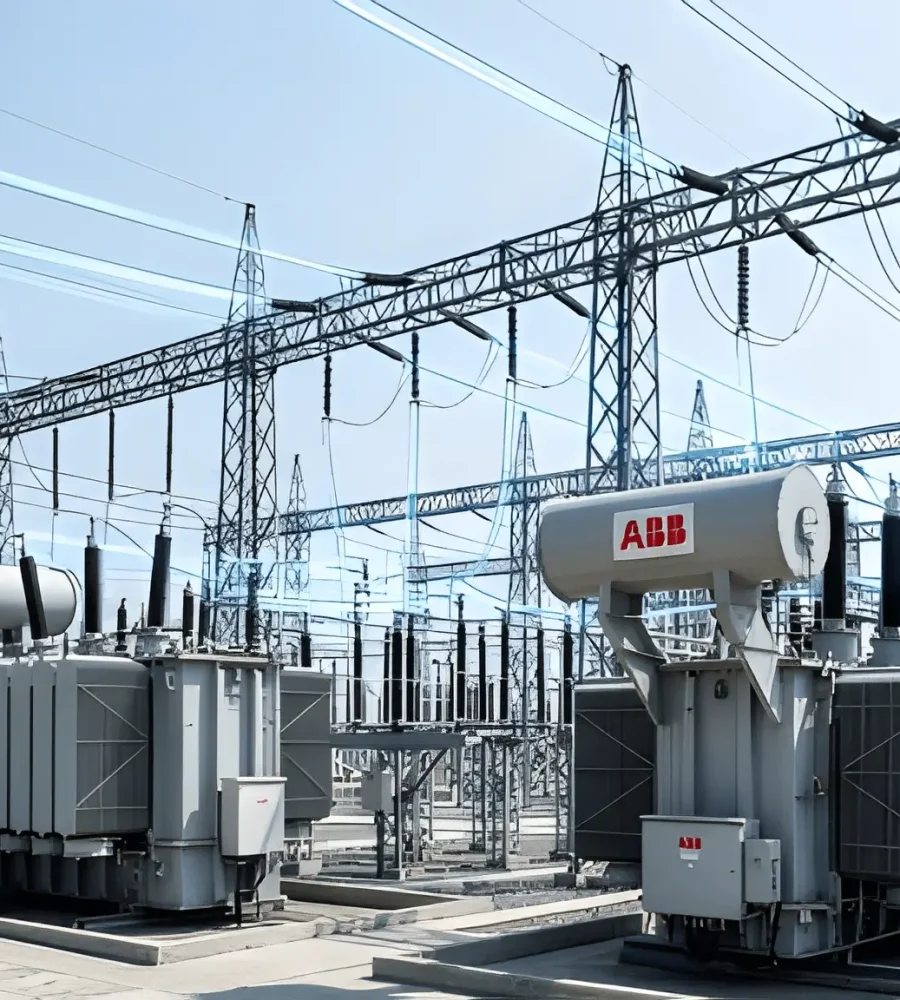

Box Elder County commissioners in Utah approved a 9-gigawatt AI data center development on May 4 despite hundreds of protesters who packed the county commission meeting to oppose the project, according to CNN. The project, backed by Shark Tank investor Kevin O’Leary and supported by Utah’s Military Installation Development Authority, would consume more than double the electricity the entire state of Utah currently uses in a year. Opponents are now pursuing a November ballot measure that would give county residents a direct vote on whether to overturn the commission’s approval. Developers say the project will create approximately 10,000 construction jobs and 2,000 permanent positions, generate significant tax revenue, and serve clients doing national defense-related AI work. Construction of early site preparation work is expected to begin in autumn 2026.
The central concern driving community opposition is the Great Salt Lake, which has already been substantially reduced by decades of water diversion and drought. Residents fear that water required to cool the data center campus, combined with the increased population and industrial activity that a project of this scale attracts, could further deplete a lake already at crisis levels. The project area comprises privately owned land alongside military and state-owned parcels, and developers have committed to investing in water conservation technologies and on-site power generation to avoid straining the local grid. Those commitments have not satisfied opponents, who note that a 9-gigawatt campus represents infrastructure at a scale that no amount of incremental conservation technology can make environmentally neutral in an already water-stressed ecosystem.
The Broader Pattern of Community AI Infrastructure Opposition
The Utah dispute is the latest in a series of community-level confrontations over AI data center development that are intensifying as projects scale from hundreds of megawatts toward single-digit gigawatt proposals that fundamentally alter the resource economics of the communities hosting them. Virginia voter support for data centers fell from 69% to 35% between 2023 and 2026 according to a Washington Post-Schar School poll. Two developers withdrew data center proposals in Seattle amid public outcry. Maine’s legislature passed an 18-month data center moratorium with bipartisan support before the governor vetoed it, and the veto override came just short of the required two-thirds majority. The Utah ballot initiative, if successful, would represent the first community-level reversal of a data center approval through direct democratic action in the current AI infrastructure cycle.
What the Opposition Signals for AI Infrastructure Site Selection
The growing pattern of community opposition is creating site selection pressure on AI infrastructure developers that was not a significant factor in development decisions two years ago. Projects in markets with engaged communities and contested public opinion now carry permitting and political risk that greenfield developments in markets with less established opposition infrastructure do not. As covered in our analysis of the AI industry’s community relations problem, the industry’s approach to community engagement has not kept pace with the scale of its development ambitions, and the consequence is a growing body of organised opposition that is learning from each confrontation how to be more effective in the next one. The Utah ballot initiative, whatever its outcome, will provide a strategic playbook for community groups across the United States who are watching the result.