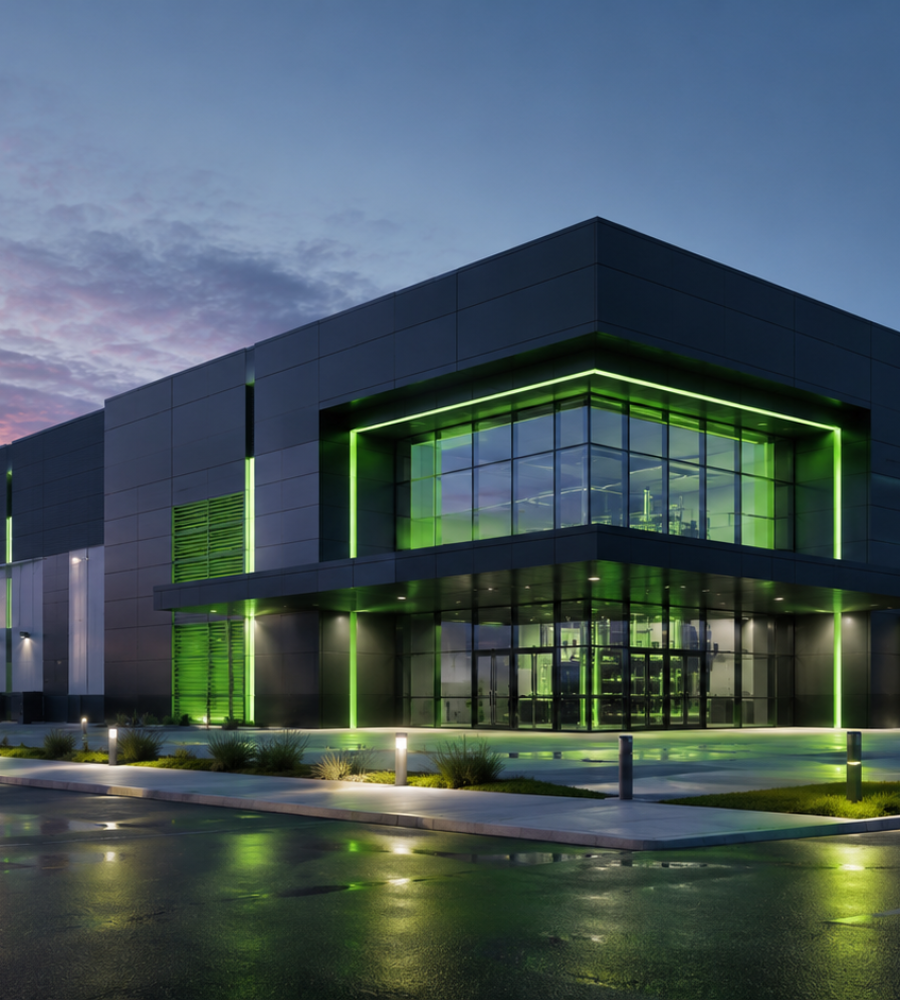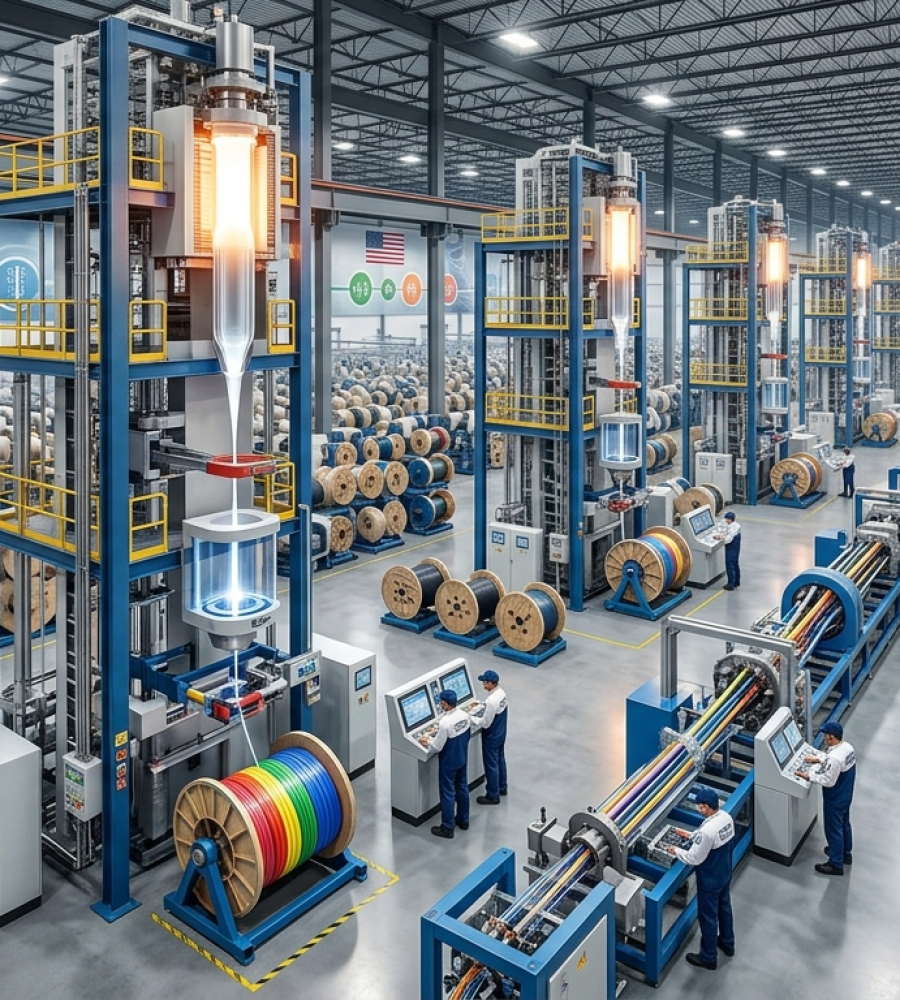
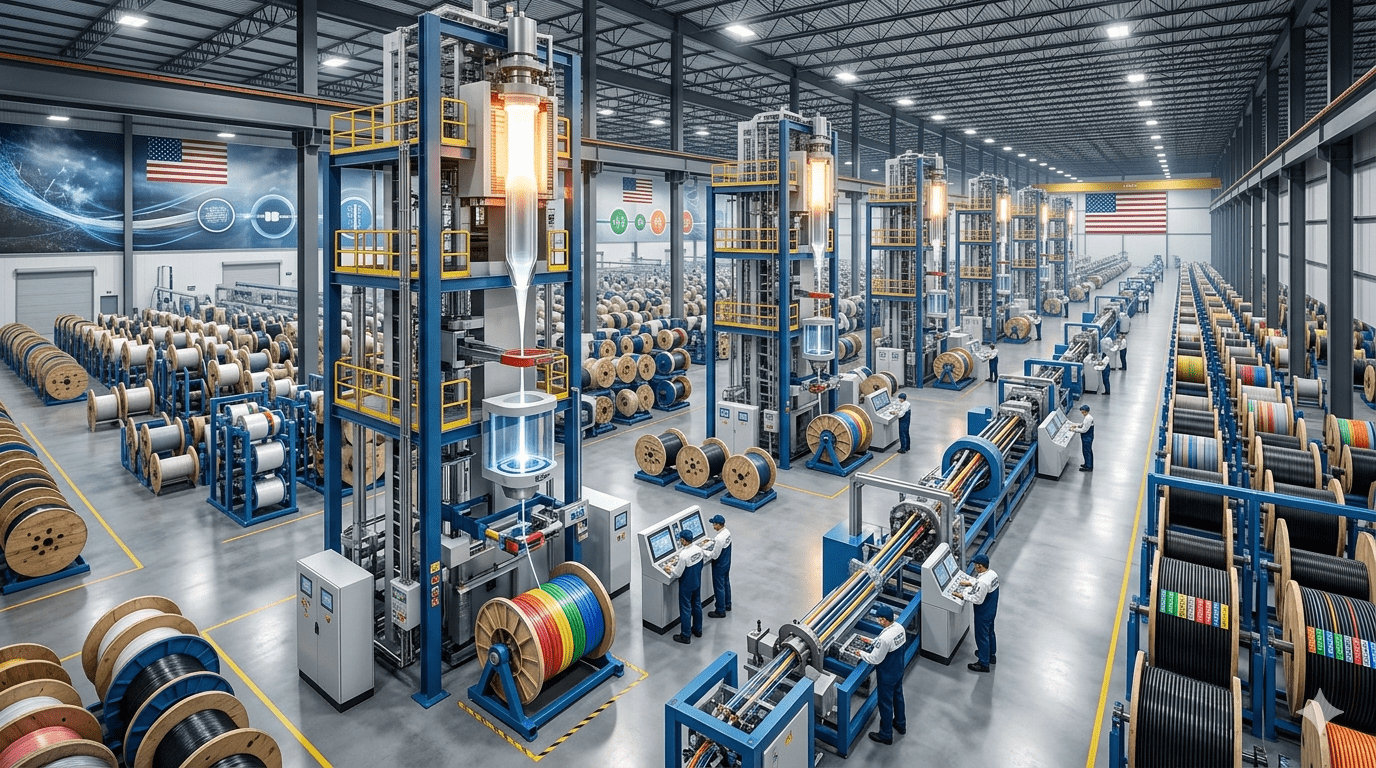
Nvidia and Corning announced a multiyear commercial and technology partnership on May 6 to dramatically expand US-based manufacturing of optical connectivity solutions for next-generation AI infrastructure. Under the agreement, Corning will increase its US optical connectivity manufacturing capacity by 10 times and expand US fiber production capacity by more than 50%, driven by accelerating demand from AI factory buildouts across North America. The expansion includes construction of three new advanced manufacturing facilities in North Carolina and Texas and the creation of more than 3,000 high-paying American jobs. As part of the deal, Nvidia received the right to invest up to $3.2 billion in Corning, including rights to purchase up to 15 million shares at $180 per share and a pre-funded warrant to purchase up to 3 million additional shares. Corning shares surged more than 12% following the announcement while Nvidia shares rose 6%.
Jensen Huang, founder and CEO of Nvidia, described the partnership as part of what he called “the single largest infrastructure buildout in human history,” noting that AI infrastructure requires unprecedented volumes of high-performance optical fiber, connectivity, and photonics to move data at the speed and scale that modern GPU clusters demand. Huang explained that copper wires cannot keep pace with the bandwidth requirements of AI factories deploying tens of thousands of GPUs, making optical connectivity an increasingly critical component of AI infrastructure design rather than a peripheral element. Wendell Weeks, chairman, CEO, and president of Corning, described the partnership as evidence that AI is “not just a technology story” but “a manufacturing story” happening in the United States, with Nvidia’s commitment directly fueling the expansion of Corning’s US manufacturing footprint.
Why Optical Connectivity Has Become a Supply Chain Priority
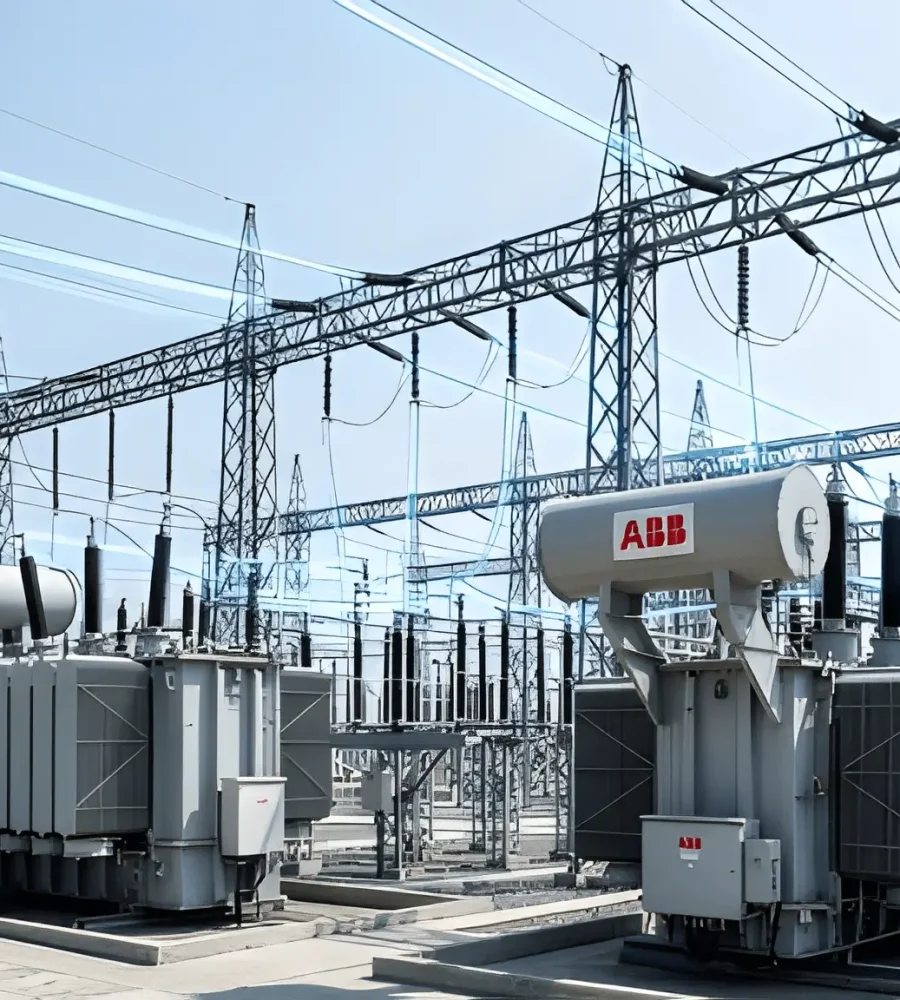
The Nvidia-Corning partnership reflects a structural shift in how the AI infrastructure industry thinks about its supply chain vulnerabilities. The transformer and electrical equipment shortages that have dominated supply chain analysis over the past two years now coincide with optical connectivity constraints, as demand outpaces manufacturing capacity. A single AI factory deploying 100,000 Nvidia GPUs requires orders of magnitude more optical fiber than a conventional data center with equivalent compute density, because the tightly synchronised GPU clusters used for AI training generate internal network traffic volumes that exceed the latency and bandwidth limits of copper interconnects.
What It Signals for the Broader AI Supply Chain
The equity warrant structure of the Nvidia-Corning deal mirrors the approach Nvidia used in its IREN partnership announced May 7, where Nvidia received a right to invest up to $2.1 billion in IREN stock in exchange for a commitment to deploy Nvidia DSX-aligned infrastructure at gigawatt scale. The pattern suggests Nvidia is using equity participation to deepen its relationships with critical supply chain partners, aligning its financial interests with the success of the companies whose manufacturing capacity determines how quickly Nvidia’s hardware can be deployed at scale. As covered in our analysis of the transformer substation supply chain as an AI bottleneck, the supply chain for AI infrastructure extends well beyond semiconductors and data center construction into industrial manufacturing categories whose lead times and production constraints are equally binding. Optical connectivity is now visibly joining that list.