
Nvidia Secures Limited US License for H200 Shipments to China
Nvidia Corp has secured a restricted US government licence to export a limited volume of its H200 artificial intelligence accelerators […]


Nvidia Corp has secured a restricted US government licence to export a limited volume of its H200 artificial intelligence accelerators […]

The term ‘AI supercycle‘ reflects a structural, multi-year investment trend driven by unprecedented global spending on artificial intelligence infrastructure, hardware,

The era of climate volatility has exposed the vulnerability of energy infrastructure once designed primarily for efficiency and cost optimization;

Modern efforts to decarbonize electricity systems depend on how efficiently renewable energy and storage can deliver usable power to the

Data centers rank among the world’s most critical infrastructure assets. They power digital economies, cloud computing, artificial intelligence, and enterprise

The modern data hall no longer whispers beneath raised floors and humming fans; instead, it pulses with concentrated energy as
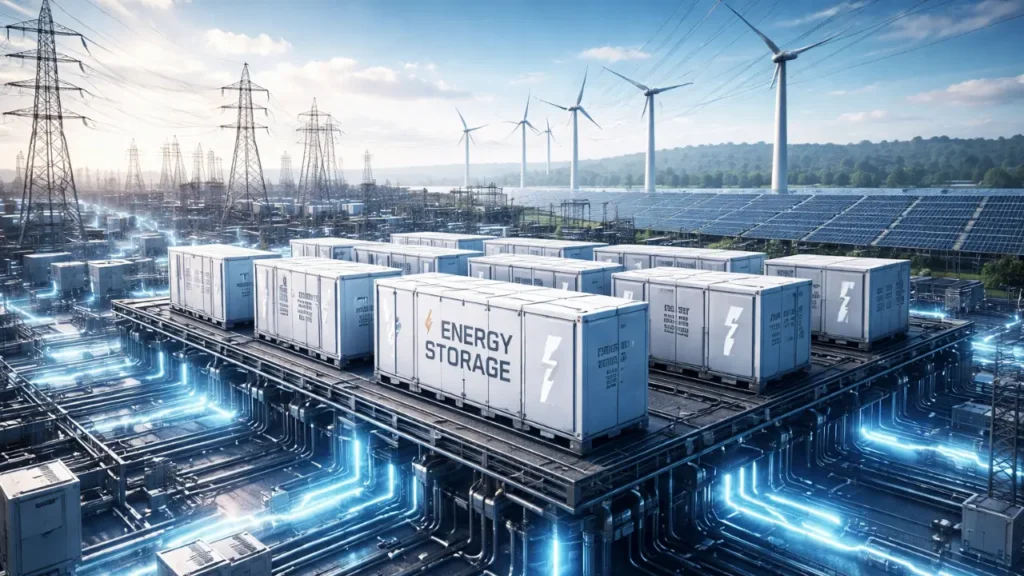
The modern power grid is undergoing transformation at a pace that was once considered radical only in theory, where the
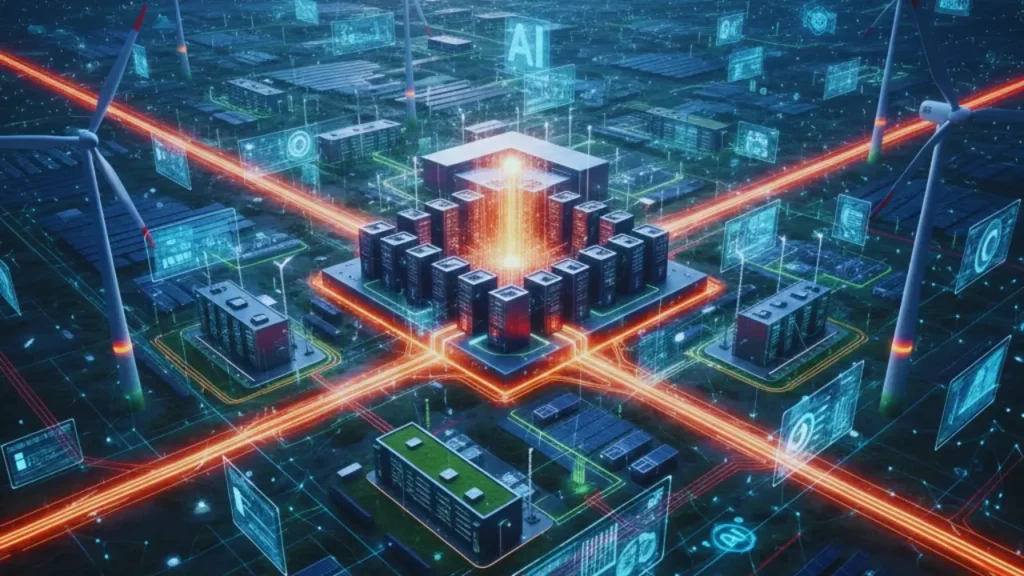
AI compute clusters and data centers are viewed as massive, inflexible electricity consumers. The dominant narrative has been straightforward: AI

I. Rethinking the Bigger-Is-Better Narrative Over the past decade, artificial intelligence has advanced under a dominant narrative of bigger, faster,

The next transformation is unfolding inside the world’s most advanced computing environments, and it does not begin with new hardware
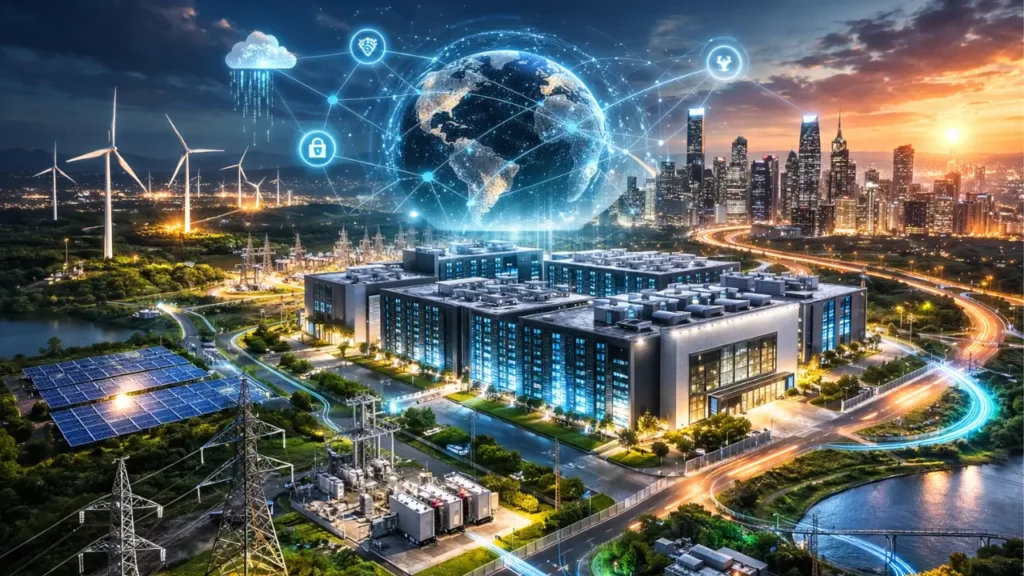
The modern economy operates with quiet intensity, driven not only by factories, ports, and highways, but also by expansive server

Armada has joined the VAST Cosmos Community through a partnership with VAST Data. The companies aim to accelerate the rollout
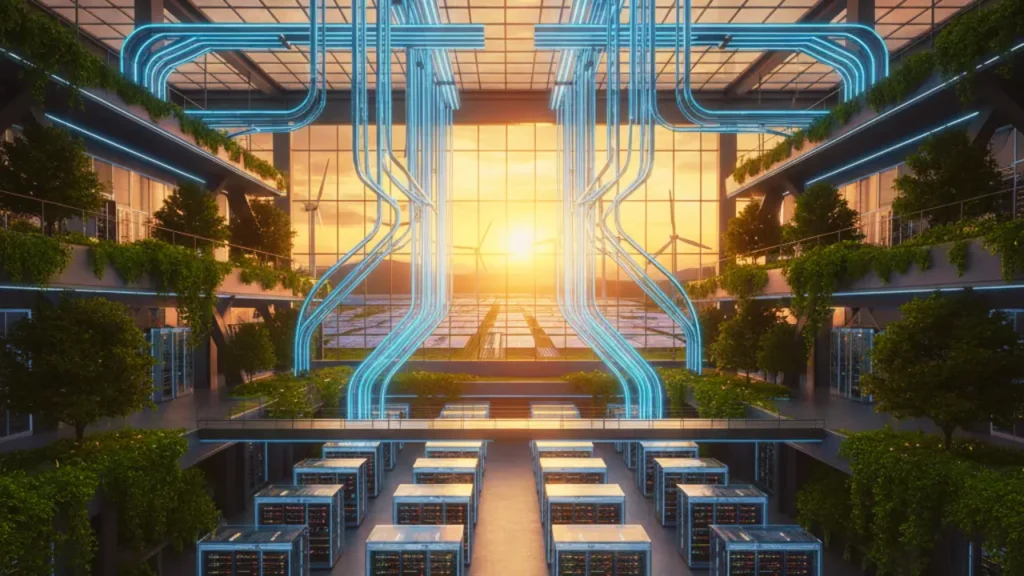
Colocation data centers are central to the global digital economy, and the shift toward clean energy colocation data centers is

As artificial intelligence workloads scale exponentially, the energy demands of large AI clusters are becoming a major challenge for electric

As data centers evolve to support generative artificial intelligence and high-performance computing, the thermal management challenge is moving beyond incremental

In 2026, the global map is changing through “compute corridors”. Artificial intelligence has evolved from a Silicon Valley novelty into

The recent expansion of the Agentic AI Foundation under the umbrella of the Linux Foundation has generated headlines about collaboration,

Companies can secure funding, land, construction crews, and multibillion-dollar commitments for new data centers. However, a new reality has emerged:
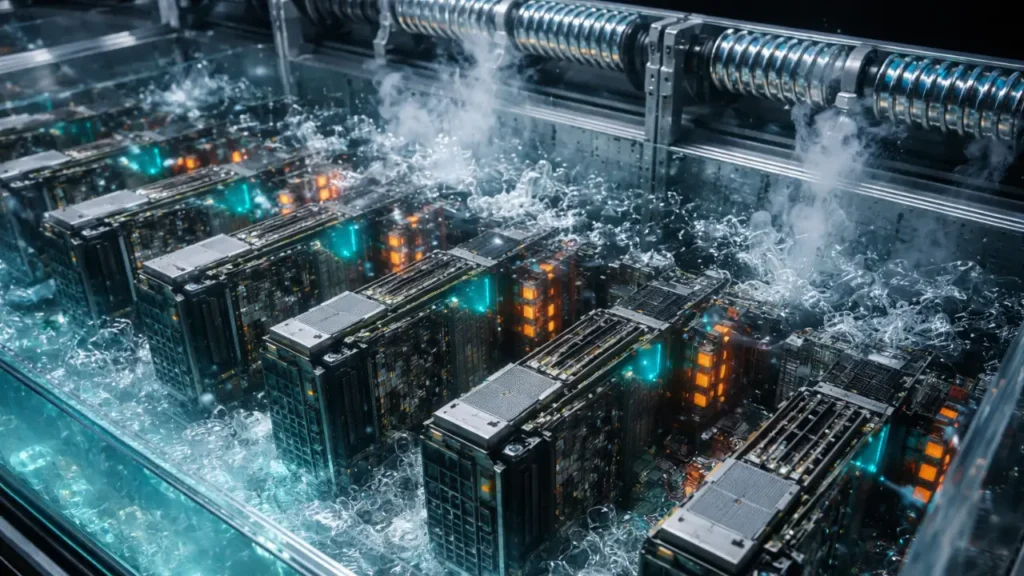
Modern compute systems confront a rising imperative: neither chips nor racks willingly endure the heat generated by escalating workload complexity
The Myth of the Infinite Cloud Grounded Cloud Computing challenges the notion of cloud as a limitless, abstract resource, emphasizing

Major technology companies have set ambitious renewable energy goals and often claim to operate with “100 percent renewable energy.” On

Cities rarely notice the invisible exchange taking place inside their digital backbone, yet every search, simulation, and streamed interaction generates

As models grow larger and training cycles intensify, the physical limits of infrastructure are becoming impossible to ignore. High-density GPU

Engineers exploring physics-inspired computing for AI observe nanoscale materials as electrical currents reshape internal states in ways that resemble learning.
The inner workings of AI infrastructure seldom headline board meetings, though their environmental consequences reach far beyond the server racks.
Artificial intelligence is reshaping nearly every industry. However, the compute power required to train and run complex models carries the

AI is exploding economies worldwide, but its hidden hunger: for energy, water, and raw compute power, is devouring the planet.

We are building artificial intelligence systems that demand exponential growth in processing power, yet we rely on silicon-based hardware that
As the world’s power systems face rapidly growing demand from the electrification of transport and the rise of AI-driven data

Neocloud reframes what cloud should be by stripping away the traditional gravity that pins workloads to fixed infrastructures. In this

A hyperscale campus powers up in one region while a micro-edge cluster activates inside a dense urban exchange across the

Cloud computing once meant elastic, global infrastructure that could support workloads anywhere on the planet. Organizations assumed data and systems
Behind the scenes of every digital breakthrough, infrastructure now determines whether artificial intelligence scales smoothly or stalls under pressure. Enterprises

The next wave of artificial intelligence will not be limited by silicon or software, but by something far more fundamental
Artificial intelligence is moving beyond centralized cloud hubs and closer to where data is created and used. Increasingly, applications in

When a commercial facility begins to operate like a miniature utility, it signals something important about the future of the

The data center of 2035 will not resemble the rigid, manually supervised facilities that defined the early cloud era, because

Inside every data center, an invisible exchange unfolds as electricity fuels computation and leaves behind concentrated warmth. That warmth, once

The rise of digital infrastructure, especially hyperscale and AI-intensive data centers, has coincided with an increasingly acute global water crisis,

There are moments in technology when capital stops following innovation and begins attempting to define it. The scale of financing

The modern data center no longer competes on raw capacity alone; it competes on how intelligently it consumes power.Across global

The Physical AI Inflection Point The global technological landscape is moving from a digital-centric paradigm to one defined by Physical

Executive Summary The rapid maturation of generative artificial intelligence and the rise of large language models have transformed the physical

Edge computing and distributed infrastructure are rewriting the rules of modern compute deployment, forcing engineers to rethink every assumption about

The first sign that infrastructure has matured is not scale, but patience. In the world of neoclouds, architects no longer

The Burgeoning Carbon Cost of Everyday AI Artificial intelligence is no longer a niche research tool used for isolated research.

Enterprise infrastructure strategy has entered a decisive new chapter, and it no longer revolves solely around performance or cost optimization.
AI compute used to be measured in terms of teraflops, die size, and transistor count, but today the fiercest debates

Artificial intelligence no longer operates as a peripheral digital utility; it now defines the trajectory of modern infrastructure expansion. Hyperscale

South Africa’s private power market is moving from ambition to execution. Lyra Energy has signed power purchase agreements with three

The Thermal Crisis of the Artificial Intelligence Era The rapid transition from traditional cloud computing to the era of generative

The Dawn of Purpose-Built Clouds The digital landscape of the 21st century has transformed how nations perceive sovereignty, not just

The era of passive power infrastructure is giving way to AI driven autonomous electrical grid decision making, a shift that

The future of digital infrastructure will not be defined by compute density alone, but by how responsibly it engages with

Executive Summary The year 2026 marks a critical point for data center Real Estate Investment Trusts (REITs). The industry is
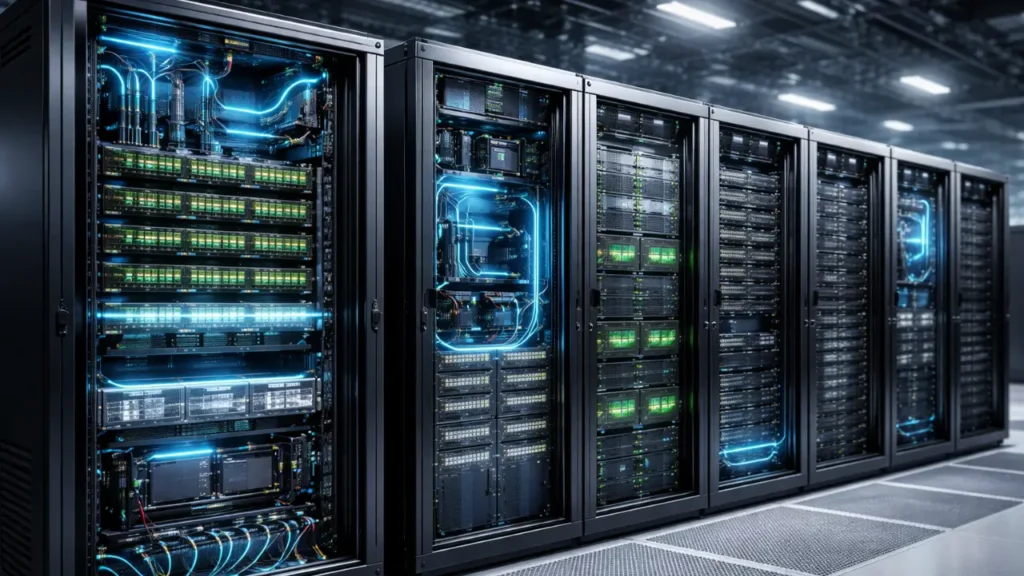
The landscape of modern data centers is changing with an intensity that mirrors the rapid evolution of artificial intelligence workloads,

A French startup recently announced plans to deploy 1,000 sovereign AI micro-data centers worldwide by 2030, combining distributed computing with

The intelligence people attribute to an algorithm actually depends on an orchestrated environment of servers, accelerators, networks, and storage operating
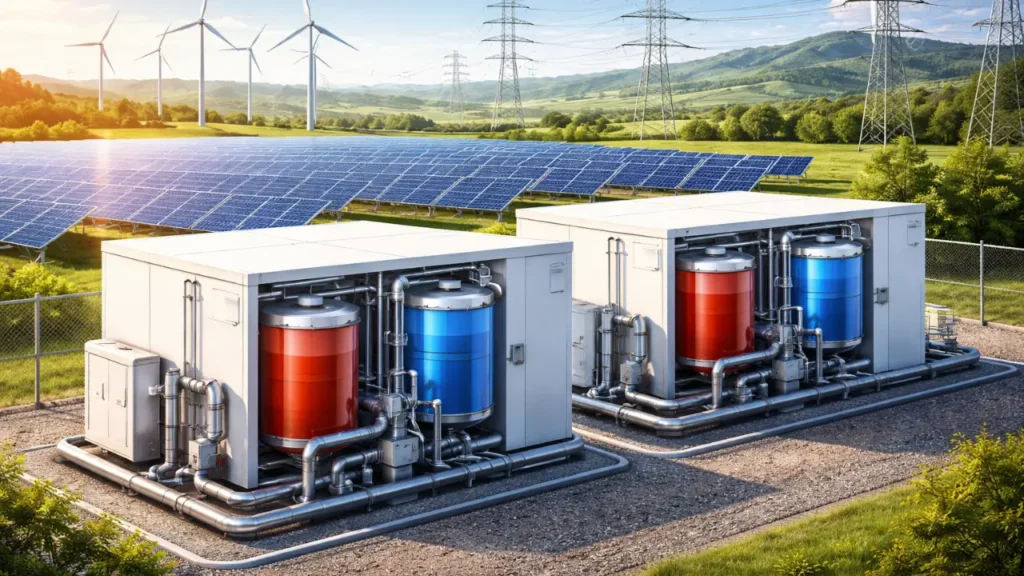
As power grids shift rapidly from fossil fuels to renewable energy, one stubborn challenge remains: how to store electricity reliably

The AI market has entered its first serious test of discipline. Capital continues to flow, yet scrutiny has intensified. Executives

Reimagining Data Center Operations Modern digital environments have grown far more complex than in earlier decades. Hybrid clouds, containerized workloads,

The pace of AI workload expansion is remarkable. This exponential growth places unprecedented demands on global electricity systems. In 2024,

As AI workloads grow, data center operators are adopting liquid-based cooling systems to handle rising heat densities and energy demand.

Data centers once symbolized order, symmetry, and predictability, yet the next generation of compute already bends those assumptions at the

Artificial intelligence has transformed the data center from a digital facility into a high-demand energy node that requires sustained electrical
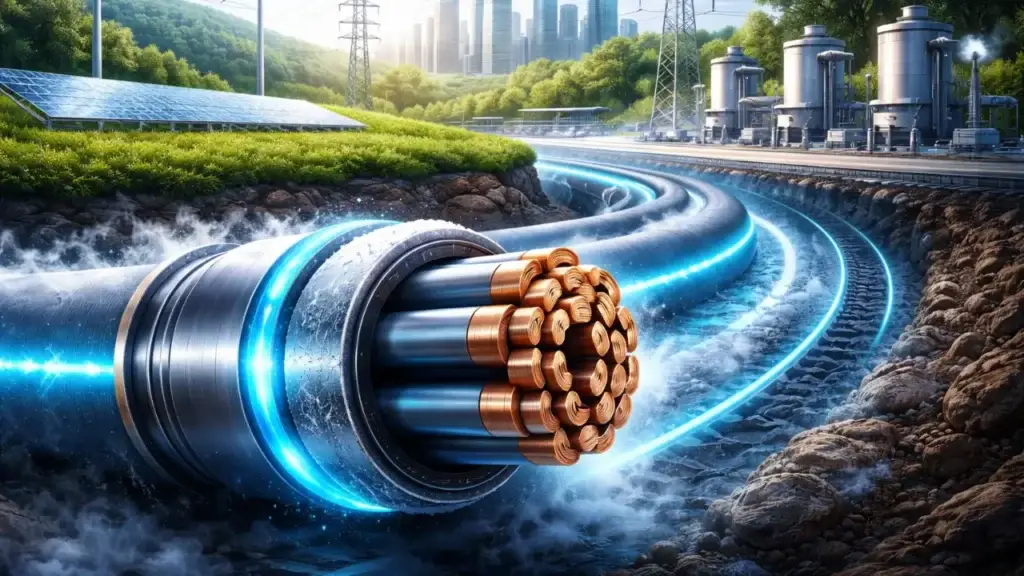
Electricity rarely draws attention until a blackout reminds cities how fragile modern life can become. Energy moves silently across landscapes
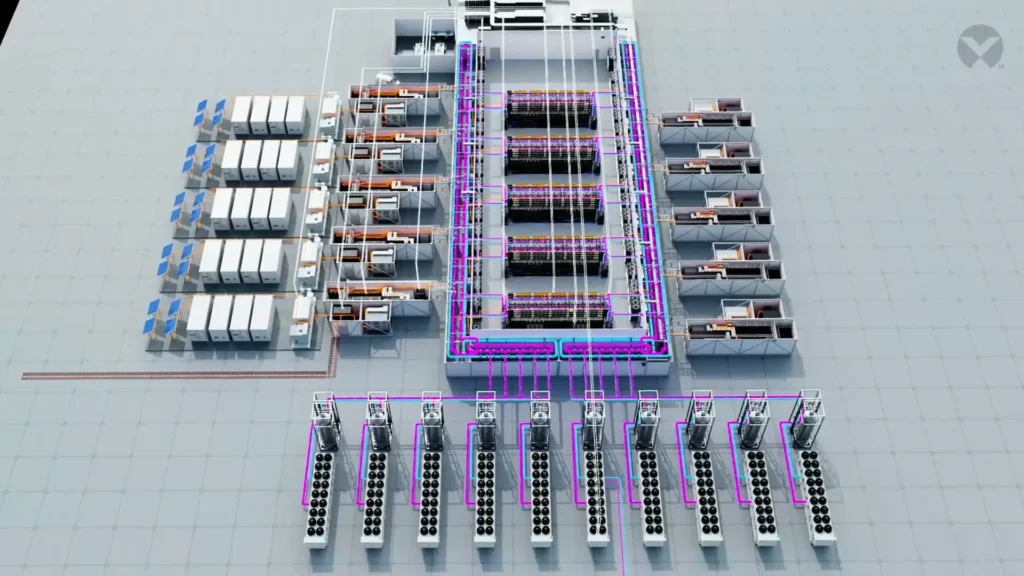
Artificial intelligence (AI) workloads are surging, environmental regulations are changing, and the continued use of traditional diesel backup generators is

Artificial intelligence has reshaped the global technology landscape faster than almost any previous capital cycle in modern history. Hyperscale data

Capital is no longer chasing AI hype. It is consolidating around infrastructure-grade platforms that enterprises already depend on. Anthropic has
For decades, data centers operated as stable, predictable infrastructure supporting cloud computing, enterprise software, and streaming services. Their power demands

A decade ago, showcasing a low carbon footprint could elevate a facility into industry headlines and conference keynotes. Today, that

Infrastructure used to sit quietly in the background, drawing power, rejecting heat, and fulfilling its function without question. Today, however,

The future of AI infrastructure no longer echoes only with the mechanical rush of air coursing through rigid server aisles,

Spokesperson: Maurizio Frizziero – Vice President, Chilled Water Systems at Vertiv Q: Why has thermal chain efficiency become such a

The future of infrastructure rarely unfolds inside server racks; it takes shape inside conference rooms, sprint rituals, and strategic offsites

Artificial intelligence does not sleep, and neither does the electricity that feeds it. AI clusters train models through the night,

Carbon Has a Clock: Why Timing Matters in AI Compute Right at the threshold of tomorrow’s compute ecosystem lies a

The concept of sustainable intelligence goes beyond building high-performance algorithms. It signals a structural shift in global technology. Artificial intelligence

It’s only early 2026 and hyperscale cloud and AI infrastructure spending is surging to unprecedented levels. But, markets are signaling

The economics of cloud computing are being rewritten by custom silicon. Hyperscale cloud providers such as Amazon Web Services, Google

The robotics conversation has shifted. Headlines exalt humanoid prototypes and generative models that can plan a grasp in simulation; venture
The explosive growth of AI, cloud computing, and digital services is reshaping the power demands of modern infrastructure. Facilities that

The era when central processing units stood at the unquestioned center of data center growth has passed. Today, infrastructure expansion

The steady pulse of data centres now blends into urban life like passing trains and illuminated skylines, yet their hidden

AI’s rapid expansion has triggered an unprecedented infrastructure investment supercycle. Analysts estimate up to $3 trillion in capital expenditure will

The emergence of the neocloud ecosystem represents the most significant structural shift in digital infrastructure since the commercialization of public

The ground beneath our cities tells a quiet story of extraction, exhaustion, and relentless expansion, yet it also holds the

A major shift is underway in the hardware that powers artificial intelligence. Recent research from Counterpoint shows that AI ASIC

Silicon once carried the drama of acceleration, but today the real tension hides in the pathways that shuttle data across

The future of national security lies not just in advanced weaponry but in the hidden digital foundations that drive decision‑making,

AI has been associated with vast cloud data centers filled with powerful GPUs processing billions of parameters. That image still

Artificial intelligence has become shorthand for the future of productivity, automation and geopolitical competition. Yet beneath the algorithms lies a
Silicon Valley once operated on a simple principle that shaped reputations and fortunes alike. Investors chose one company in a

The era of data center design where cooling was an afterthought has ended; cooling now drives the very blueprint of

A city wakes before its people do, and beneath the silence its systems begin their quiet work. Steel contracts in

The global technological landscape is currently defined by a profound dichotomy. Artificial intelligence demonstrates an unprecedented ability to optimize human

A server rack hums in a quiet room, and inside its metal enclosure billions of calculations unfold in silence. What

We are entering what is often called the “Age of Electricity.” This era is defined not only by the decarbonisation

The moment a data center crosses a certain threshold of compute density, it stops behaving like a traditional digital facility

In today’s data centers, traditional electrical interconnects built on copper wiring are reaching hard physical limits. As AI accelerators and

A recent study published in Sustainable Carbon Materials highlights how carbon-infused nanofluids could significantly improve heat transfer under complex physical

Oxide Computer’s recent announcement of a $200 million Series C funding round led by Thomas Tull’s US Innovative Technology Fund

The hum of servers rarely reaches human ears, yet their thirst increasingly touches human lives across regions where digital growth

The era of AI data centers has transformed thermal management into a critical design decision. Engineers and operators now evaluate

The first time an AI workload failed because of power instability, the incident looked like a technical anomaly rather than

The global expansion of digital infrastructure is now colliding with physical limits. Land scarcity is intensifying. Power grids are reaching
The moment modern infrastructure stopped being invisible marked the beginning of a new data center era that few anticipated yet
The cloud infrastructure market has entered a new era of growth, fueled by unprecedented enterprise demand for generative AI workloads.

The industrialization of artificial intelligence marks a major turning point in global computing history. This transition moves the industry from

Artificial intelligence now supports much of our global economic infrastructure. Consequently, the electricity requirements of hyperscale data centers are undergoing

In early 2026, Voyager Technologies CEO Dylan Taylor delivered a sobering assessment for advocates of orbital data centers. According to

The gold rush of the generative AI era has so far been defined by a scramble for two scarce resources:

The data center industry is undergoing a fundamental shift in how development logic is conceptualized as infrastructure-driven data center expansion

At the start of the 2020s, competitive advantage in cloud infrastructure followed a clear and widely accepted rule. The providers
The Paradigm Shift: Power Trumps Geography in Strategic Site Selection In the past, proximity to transportation hubs, workforce accessibility, and
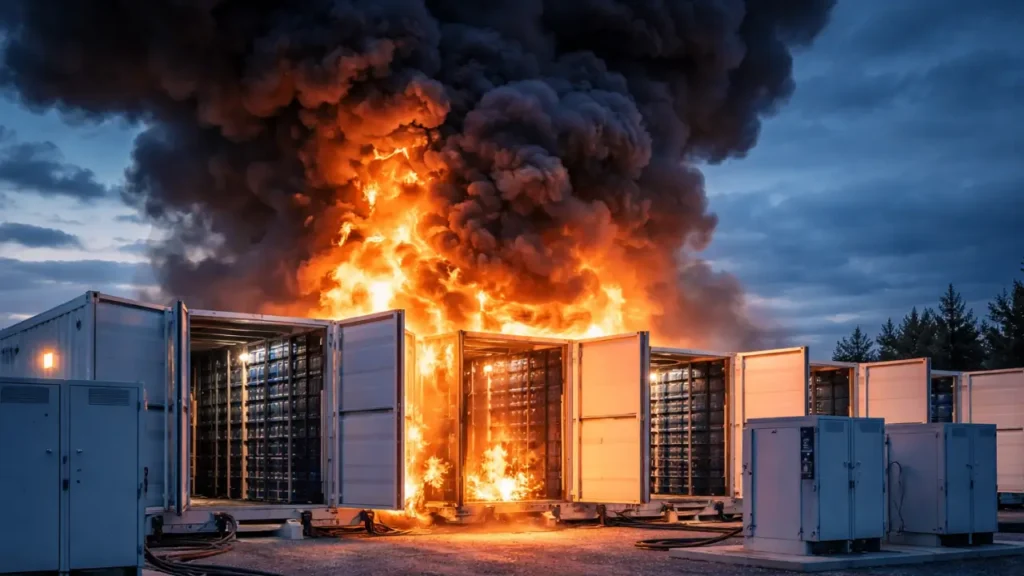
As long-duration energy storage systems scale beyond traditional capacity thresholds, safety validation has become a strategic priority rather than a

Infrastructure no longer sits quietly beneath enterprise strategy because it now defines how organizations compete, innovate, and defend their digital
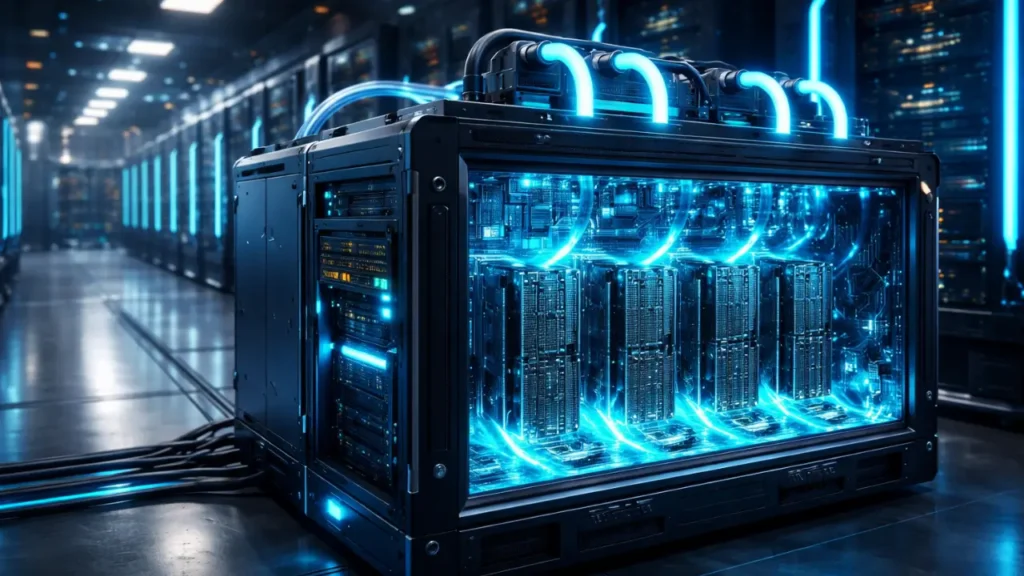
Shaping the New World of Liquid Cooling The modern AI era no longer revolves around raw compute alone because infrastructure
The idea that Nvidia could be replaced has become a convenient storyline in the artificial intelligence boom. It appeals to
Modular data centers once offered only a faster way to build infrastructure. Now they are becoming more intelligent in how
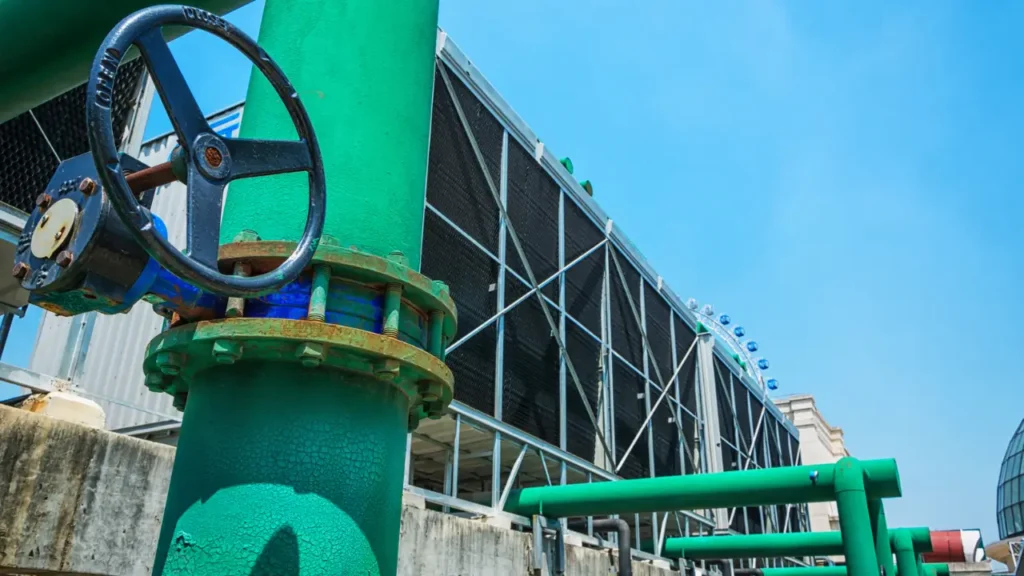
1. Executive Summary The transition toward water-neutral thermal management is fundamentally changing how the industry handles global server heat. As
Artificial intelligence is no longer confined to centralized hyperscale clouds or distributed edge environments, because enterprises increasingly require architectures that
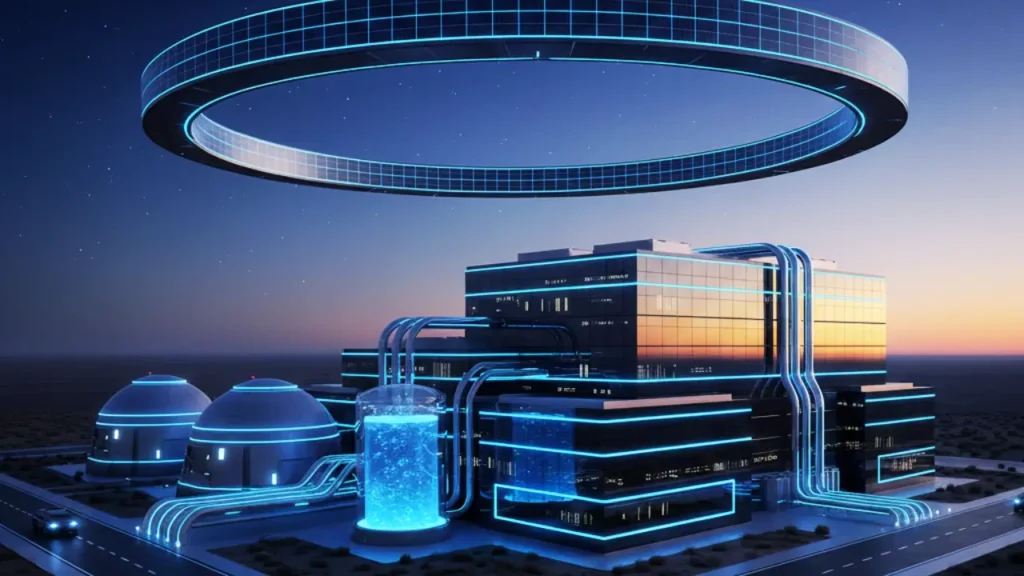
Across the United States and Europe, utilities report massive backlogs of interconnection requests that far exceed available capacity. As a

The modern supply chain has entered a period of structural transformation shaped by technological intelligence and ecological accountability. AI-driven sustainable

In enterprise IT strategy discussions, the Monolithic Architectures vs. Modular Futures debate has come to define choices about scalability, resilience
Since the 1970s, valve regulated lead acid batteries have been the default choice for uninterruptible power supply systems. Their low

The idea sounds provocative at first. What if the wastewater flowing beneath cities became critical infrastructure for artificial intelligence? Waste2Nano’s

Armada and Nscale have signed a letter of intent to scale sovereign AI infrastructure across global markets, targeting both centralized

Immersion cooling in enterprise infrastructure is rapidly evolving from a specialized thermal management niche into a strategic pillar for top-tier

In the modern era, digital systems no longer rest; society relies on their infrastructure to operate continuously for instantaneous access,

The rapid expansion of large-scale model training and inference has transformed data centers into some of the most energy-intensive industrial

Energy flow control is redefining global power structures, ushering in a transformation as profound as any in industrial history. Today,

The advent of corporate hierarchy and AI marks a profound shift in how organizations conceive authority and operational control. Once

Emerging cloud-native platforms, including NeoCloud, are shaping the way modern enterprises approach organizational design, operational workflows, and strategic decision-making. Organizations

Summary The transition in global infrastructure from 2025 into 2026 marks a definitive shift in how capital and engineering teams
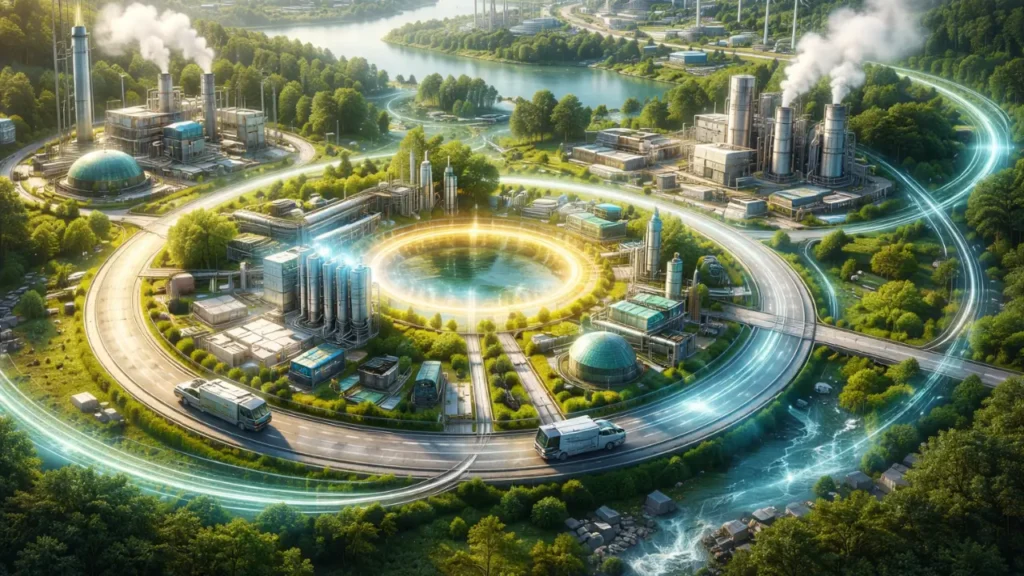
Circular energy systems no longer function as optional environmental gestures within modern infrastructure design. They increasingly shape the foundational logic

Electrification grid vulnerability is no longer a theoretical concern or a policy debate. Across transportation, industry, buildings, and digital infrastructure,

Artificial intelligence has reshaped the power profile of data centers, but not simply by increasing demand. The deeper disruption lies
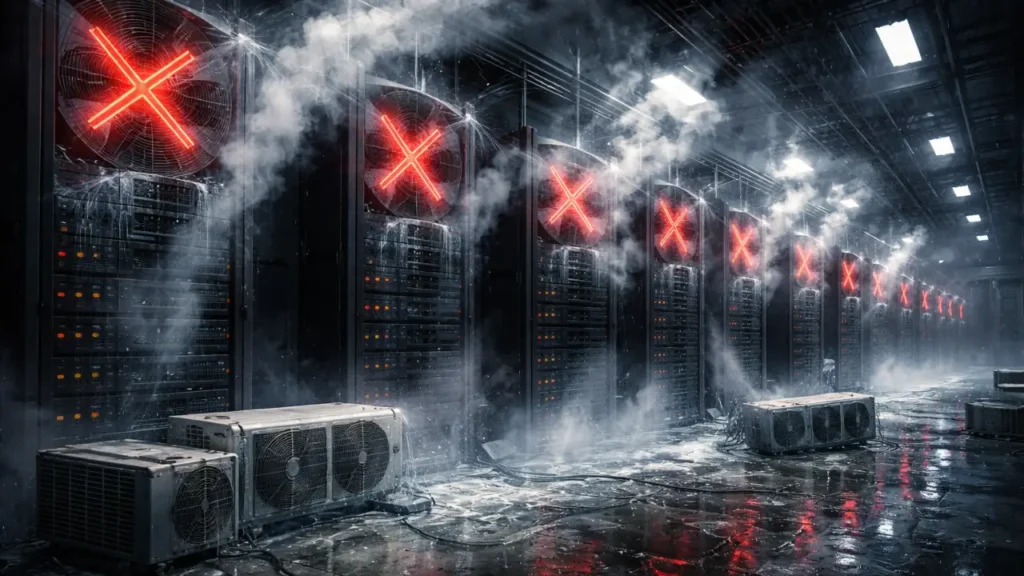
For the past three years, this conversation has sounded like an obituary. As the generative AI boom pushed demand for

When Intel CEO Lip-Bu Tan said the company plans to build its own data center GPUs, backed by a newly

The global cloud infrastructure market is currently undergoing a structural inversion that challenges the fundamental assumptions of “Cloud 1.0” dominance.

The human-robot interface has emerged as a defining frontier of modern organizational leadership, reshaping how authority, trust, and accountability function

In 2026, the cloud is shrinking. For decades, massive centralized data centers in remote regions carried the weight of our

The shift from energy optimization to systemic sustainability marks a decisive change in how industries frame responsibility and resilience. Across

Washington’s decision last year to classify copper as a Critical Mineral marked a strategic inflection point. We have moved deeper

Heat no longer registers as a secondary byproduct of industrial activity, because it now shapes how modern infrastructure operates and

Data center design has entered a phase where silicon decisions shape long-term infrastructure strategy rather than incremental upgrades. Operators now

Global digital infrastructure is entering its most volatile phase since the birth of the World Wide Web. In 2026, unprecedented

The debate around neoCloud competition with hyperscalers is shifting away from the usual winner-takes-all framing that has long defined cloud

The conversation around emissions has moved far beyond electricity consumption and operational efficiency in digital infrastructure. Industry leaders increasingly recognize

Modern data centers are entering an era defined by hybrid thermal architectures that integrate air, liquid, and immersion cooling within

Energy optionality infrastructure resilience has emerged as a defining concept in contemporary infrastructure design discourse. The term reflects a shift

Oracle has pushed its entire stack of chips into the center of the table. The technology giant announced a plan
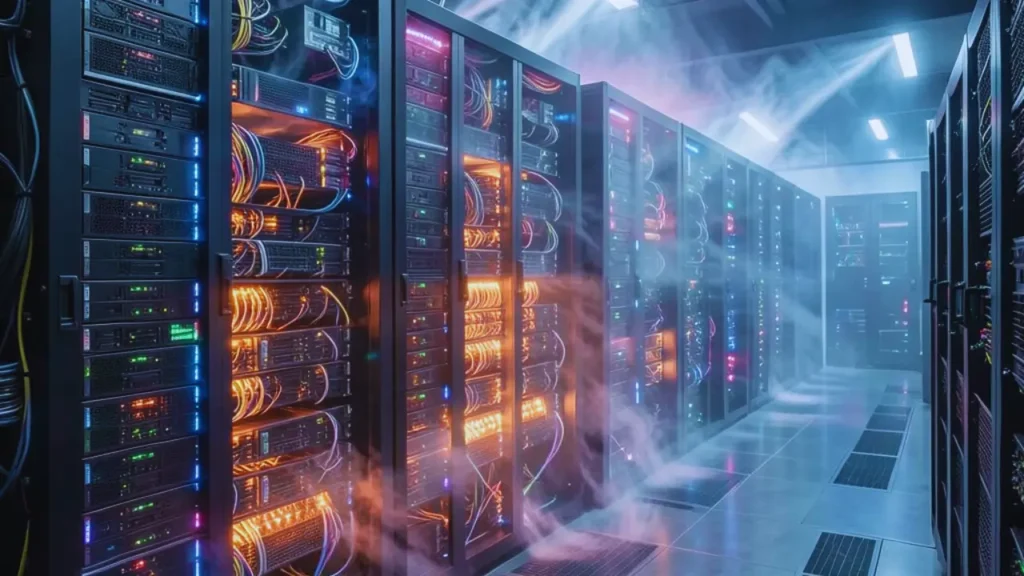
AI has changed the physical reality of data centers and the shift is structural. Training and running large-scale models now
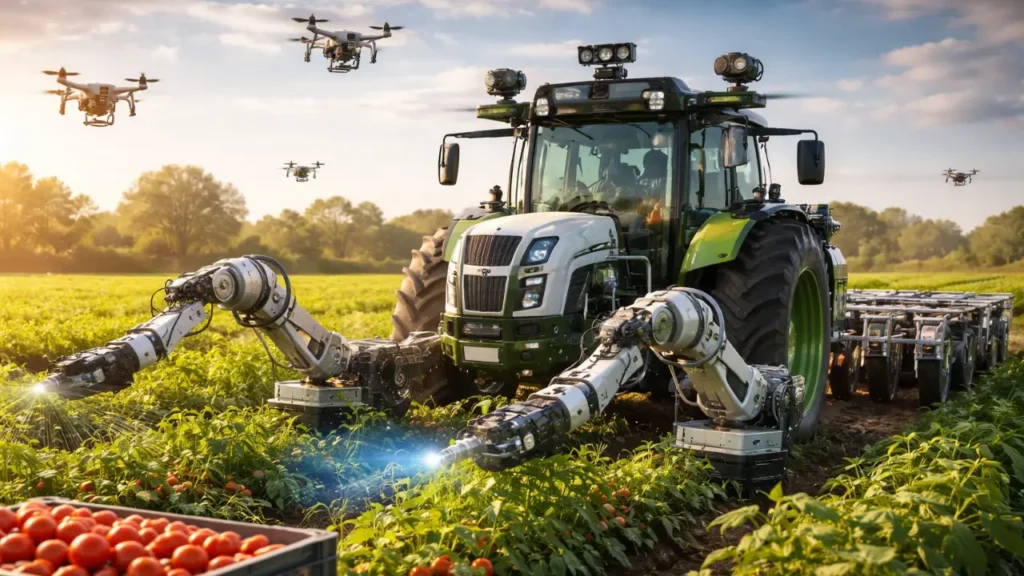
Autonomous farming is entering a phase defined more by perception capability than mechanical automation. Computer vision systems now interpret agricultural

The DCFlex program is expanding its footprint as the Electric Power Research Institute adds six new demonstration sites across the

The low-carbon transition has reoriented strategic priorities in the tech sector. Consequently, environmental sustainability has moved from the periphery to

For more than a decade, cloud-native architecture has been shaped by the principle of abstraction as a deliberate design choice.

The physical limits defining modern data center growth have become central to infrastructure discourse across the digital economy. Power density,

When most people discuss large language model performance, the conversation usually centers on parameter counts, token throughput, or specialized model

Digital infrastructure development has entered a phase where scale alone no longer determines success. Instead, the coordination of systems now
Cloud and edge computing were once treated as separate layers of the digital stack. Clouds focused on scale, while edges
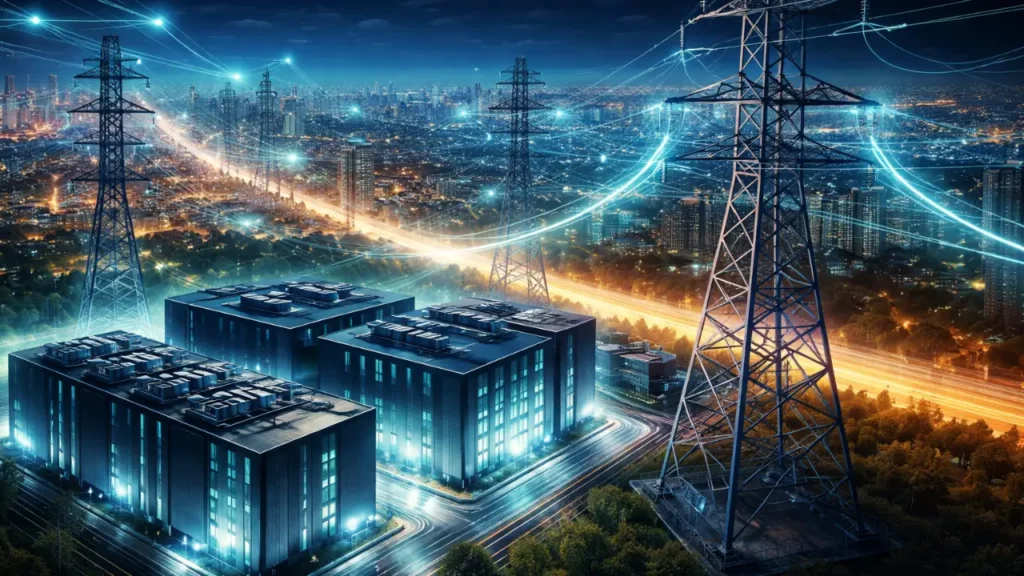
For much of its early development, digital infrastructure grew around network geography instead of electrical constraints. Data centers concentrated near

Vertiv (NYSE: VRT), a global leader in critical digital infrastructure, today introduced a new generation of compact uninterruptible power supply

Neocloud companies are increasingly defined by the neocloud operational mindset rather than traditional software-centric logic. Instead of prioritizing abstraction layers,

The trajectory of human civilization follows two primary forces. These forces are energy and information. Historically, the ability to harness

The historical development of artificial intelligence follows a paradigm of computational expansionism. In this model, the pursuit of intelligence couples

Immersion cooling is attracting serious attention for hyperscale systems, as AI accelerators and high-performance clusters push data center racks beyond

The global expansion of artificial intelligence has introduced a new class of industrial electricity demand, one where baseload power returns

The global landscape of digital architecture reached a definitive inflection point as 2026 commenced, marking the transition from static hardware

Poetiq emerged from stealth with measurable technical results and a clear strategic narrative, positioning its platform as an AI meta-system

The global industrial narrative regarding sustainability has converged almost exclusively on the concept of circularity, emphasizing the endless recycling and
In an era of rapid electrification, rising electricity demand and increasing renewable penetration are pushing traditional power systems to their
The physical architecture of the modern data center is undergoing a profound transformation that prioritizes localized autonomy over the traditional

Technologists are moving away from the era of general-purpose central processing units. Instead, they are embracing a new paradigm of

The rapid expansion of artificial intelligence infrastructure necessitates a fundamental shift toward carbon-aware data center design. Global technology firms must

The Return of Forgotten Systems The re-emergence of fuel infrastructure inside digital campuses marks a subtle but consequential shift in

As the industry moves toward carbon-neutral data center design by 2030, incremental efficiency gains and renewable energy credits no longer
Artificial intelligence is quietly changing where decisions happen, and the shift is becoming harder to ignore. What began as an

Across enterprise automation environments, intelligence is no longer treated as a contained attribute of individual machines. Traditional assumptions that cognition

Corporate sustainability has entered a more cautious phase. After years of bold pledges, glossy net-zero roadmaps and sweeping ESG claims,

The tech world’s shift toward artificial intelligence has transformed data centers into massive consumers of electricity, and that transformation is

Robo.ai has formed a strategic joint venture with U.S.-based data center infrastructure firm Tachyon9, marking a significant step in global

The technological ascent of generative artificial intelligence has fundamentally shifted the trajectory of global energy consumption. Earlier periods of digital

The current state of artificial intelligence development demands insatiable computational throughput. This requirement places unprecedented stress on the physical limits

AI Is Stress-Testing the Rack Cloud computing has always promised simplicity: hide complexity, let users focus on applications, and treat

Generative AI has quickly become one of technology’s most scrutinized innovations. For instance, headlines often highlight user prompts, chat experiences,

Today’s AI revolution is remarkable for its speed and breadth, powering innovations from personalized healthcare to predictive logistics. Yet as
AI’s hunger for performance has pushed silicon design to new extremes, but by 2026, AI interconnect challenges are emerging. Co-packaged

In the accelerating arms race of AI infrastructure, a seemingly mundane material is quietly shaping the trajectory of AI scaling:

In the early 2020s, cloud computing discussions focused on scalability, efficiency, and digital transformation. Over time, this framing shifted. Today,

Ask almost any executive whether they fear an AI “CEO,” and they usually respond with a nervous chuckle. Yet this

At first glance, artificial intelligence is often framed as a trajectory toward inevitability rather than limitation. Popular narratives portray intelligence as software-like, infinitely replicable once initial development hurdles fade. This framing borrows language from digital distribution, where marginal costs appear negligible. However, intelligence operates as a system, not a file, and systems resist frictionless scaling. Each layer of artificial cognition remains bound to dependencies that do not disappear with abstraction. As a result, the assumption of costless intelligence rests on conceptual oversimplification.

Sustainability narratives once functioned primarily as reputational signals rather than regulated commitments. That framing has steadily eroded as authorities reframed

The modern data center entered a decisive design phase when airflow to fluid dynamics emerged as a necessary framing rather than a metaphorical shift. Early architectural strategies relied on directional air management, where cooling performance followed linear assumptions about movement and containment. Over time, however, airflow behavior revealed interactions that could not be reduced to simple paths or pressure gradients. As a result, thermal behavior began to express itself as a system phenomenon rather than an operational adjustment. In this context, the thermodynamic threshold did not arrive suddenly but appeared through accumulated design friction. Consequently, the language of engineering expanded from ducts and aisles toward circulation, flow fields, and spatial coupling.
Containment strategies once represented the pinnacle of efficiency thinking, yet these dynamics reframed the limits of that paradigm. Hot-aisle and cold-aisle containment assumed predictability, even as density and heat flux quietly altered physical responses. Designers increasingly observed that air no longer behaved as an obedient medium within constrained envelopes. Instead, turbulence, recirculation, and localized thermal stratification asserted influence beyond containment boundaries. Therefore, optimization efforts shifted away from isolation toward holistic spatial awareness. This transition marked a structural realization that airflow alone could not scale indefinitely within complex environments.

The modern data center is undergoing a structural transformation driven by accelerated computing requirements. Facilities once designed for generalized workloads now increasingly resemble specialized industrial environments. This shift reflects how AI workloads impose physical constraints that traditional enterprise infrastructure never anticipated. Consequently, building design, equipment placement, and operational logic are changing together rather than independently. The industry discussion has moved from abstract performance metrics toward tangible spatial and mechanical realities. At the center of this transition lies AI workloads are redesigning the physical data center.

There is a point at which operational complexity ceases to be merely difficult and becomes fundamentally unmanageable by human cognition alone. Modern data centers increasingly exist beyond that threshold. Decisions unfold at speeds and scales that resist continuous human oversight, prompting systems to intervene by design. Over time, management adapts to this reality, not through replacement, but through redistribution. What appears is not a loss of control, but a redefinition of how control is exercised. The shift is subtle, rational, and largely unspoken. Data centers as the first enterprises managed by machines now operate in ways that challenge traditional assumptions about how organizations are run.

Airedale by Modine has introduced a new high-capacity cooling system aimed squarely at air-cooled data center environments, reinforcing the company’s view that refrigerant-based cooling will remain central to digital infrastructure operations. The Modine-owned cooling specialist this week announced the TurboChill 3+MW chiller, expanding its TurboChill portfolio as operators navigate rising compute densities and increasingly volatile thermal conditions.
The new system targets large-scale and high-performance data centers that rely on air-cooled infrastructure but still need operational flexibility. According to the company, the TurboChill 3+MW unit combines free-cooling capability with air-cooled chiller heat rejection, allowing facilities to reduce reliance on mechanical cooling when ambient conditions permit.

Vertiv has introduced a new AI-driven managed service aimed at redefining how modern data centers and AI factories approach maintenance. The company announced Vertiv™ Next Predict as a shift away from time-based servicing toward continuous, intelligence-led operations that anticipate risks before they surface.
As AI workloads intensify and infrastructure grows more complex, operators increasingly seek deeper visibility across power, cooling, and IT systems. Against this backdrop, Vertiv positions Next Predict as a core element of its broader AI infrastructure portfolio, designed to unify monitoring and decision-making across critical assets. Rather than reacting to failures, the service focuses on understanding asset behavior in real time and acting before disruptions occur.

Initially, digital twins developed within industrial engineering as virtual counterparts to physical systems such as turbines, assembly lines, and electrical