Micron Technology crossed $1 trillion in market capitalisation for the first time on May 26, after shares surged as much as 19.3% in a single session, the company’s biggest one-day gain since 2011. The Micron $1 trillion AI memory milestone followed a dramatic analyst upgrade from UBS, which tripled its price target from $535 to $1,625, the highest among the 46 brokerages covering the stock. The underlying driver is straightforward: the high-bandwidth memory chips that power AI data centers are in critically short supply, and Micron is one of only three companies in the world that makes them.
Micron has confirmed its entire 2026 HBM supply is already sold out. Its next-generation HBM4 products are now in production, but analysts at Counterpoint Research do not expect meaningful supply relief until Q4 2027. UBS analyst Timothy Arcuri argued the upgrade reflects a structural reassessment of Micron’s position: the company is no longer a cyclical chipmaker subject to boom-and-bust memory pricing. It is a critical supplier to the AI infrastructure stack with multi-year demand visibility that the market had not fully priced.
What the Milestone Signals About Where the AI Trade Is Moving
The $1 trillion valuation makes Micron the 11th-largest US company by market capitalisation. More importantly, it marks a clear shift in how investors are reading the AI infrastructure buildout. The first phase of the AI trade was dominated by Nvidia, whose GPU monopoly on frontier training hardware made it the obvious primary beneficiary. The second phase has been a power and grid story, with transformer manufacturers, electrical equipment companies, and utility operators commanding premium valuations as the grid constraint became the dominant narrative.
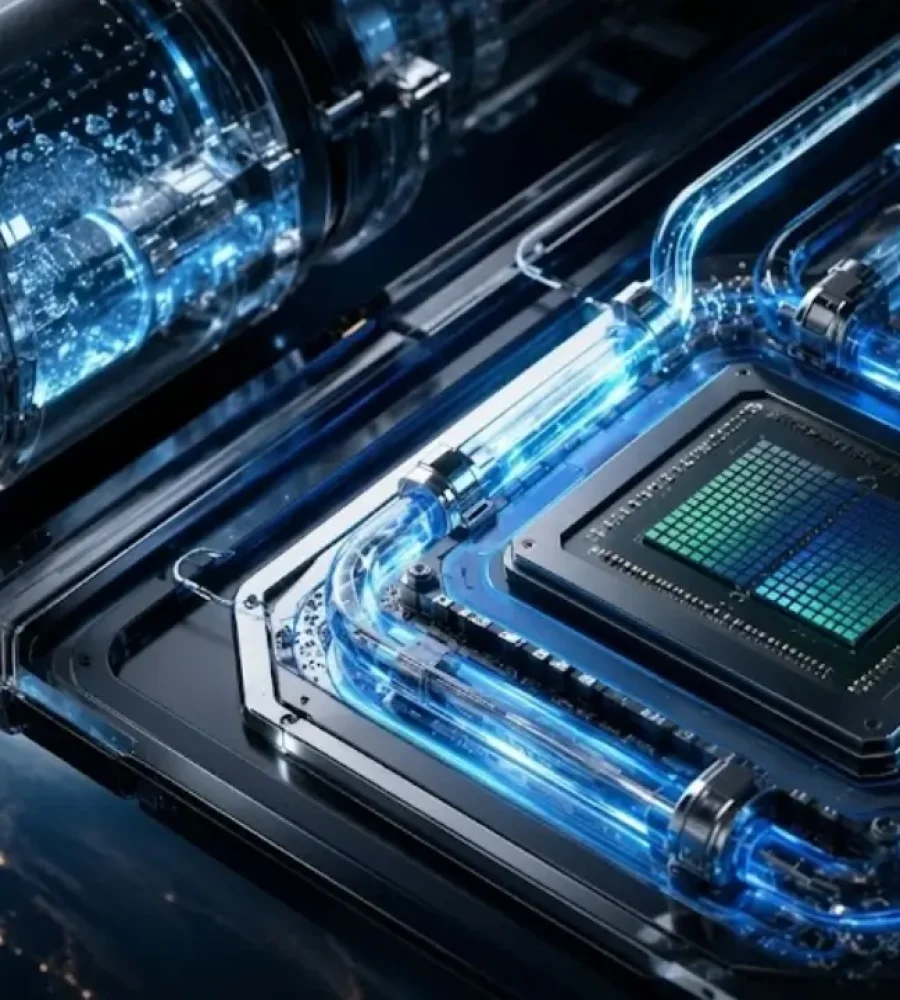
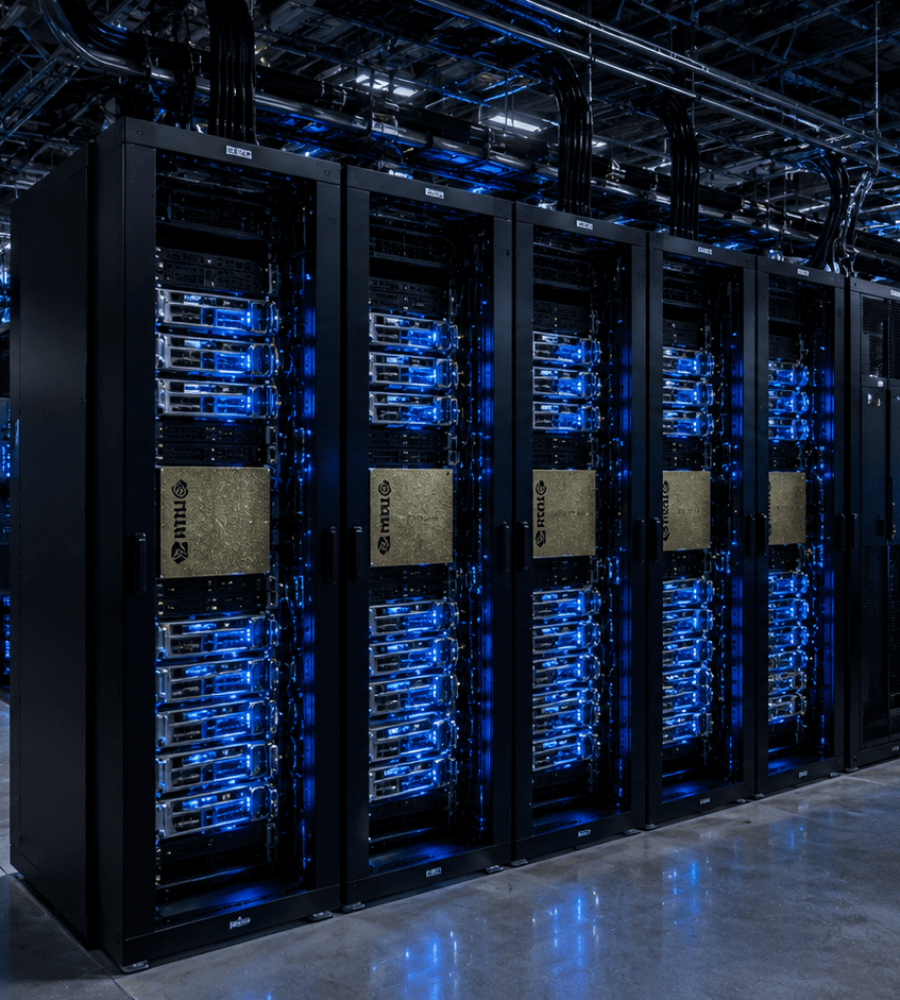
The Micron rally signals the third phase: memory. HBM revenue will likely account for roughly 25% of Micron Technology’s total sales in fiscal 2026, rising from negligible contributions two years earlier. The same supply dynamics are playing out at SK Hynix and Samsung, which together with Micron control the entire global HBM market. SK Hynix is also approaching $1 trillion in market cap. The Blackwell supply constraint remaining the most important variable in AI infrastructure delivery runs directly through HBM availability: every Blackwell GPU requires HBM3e stacked directly on the package, and every GB300 Ultra rack requires substantially more HBM per GPU than its predecessor.
The Supply Gap That Will Not Close Quickly
The structural tightness in HBM supply is not simply a production capacity problem. It is a yield and packaging complexity problem. Stacking memory dies at the tolerances HBM architecture requires produces lower yields than conventional DRAM production, which means building new HBM capacity does not translate linearly into new HBM supply. Micron’s CEO has confirmed the company can only fulfil 50 to 65% of medium-term customer demand at current production rates. Intel’s CEO and warnings from Samsung and SK Hynix both point to meaningful relief no earlier than 2028 under most demand scenarios.
That supply gap is the reason UBS’s price target revision was so dramatic. A memory chipmaker with multi-year sold-out capacity and a customer base that cannot substitute its product is not the cyclical business that traditional memory sector analysis assumes. It is closer to a utility supplier for the AI infrastructure buildout, with pricing power and demand visibility that bear no resemblance to the commodity memory markets of the 2010s. The rally also lifted the broader semiconductor infrastructure sector, underscoring how far the AI trade has spread from its GPU origins into every layer of the hardware stack that AI data centers depend on.