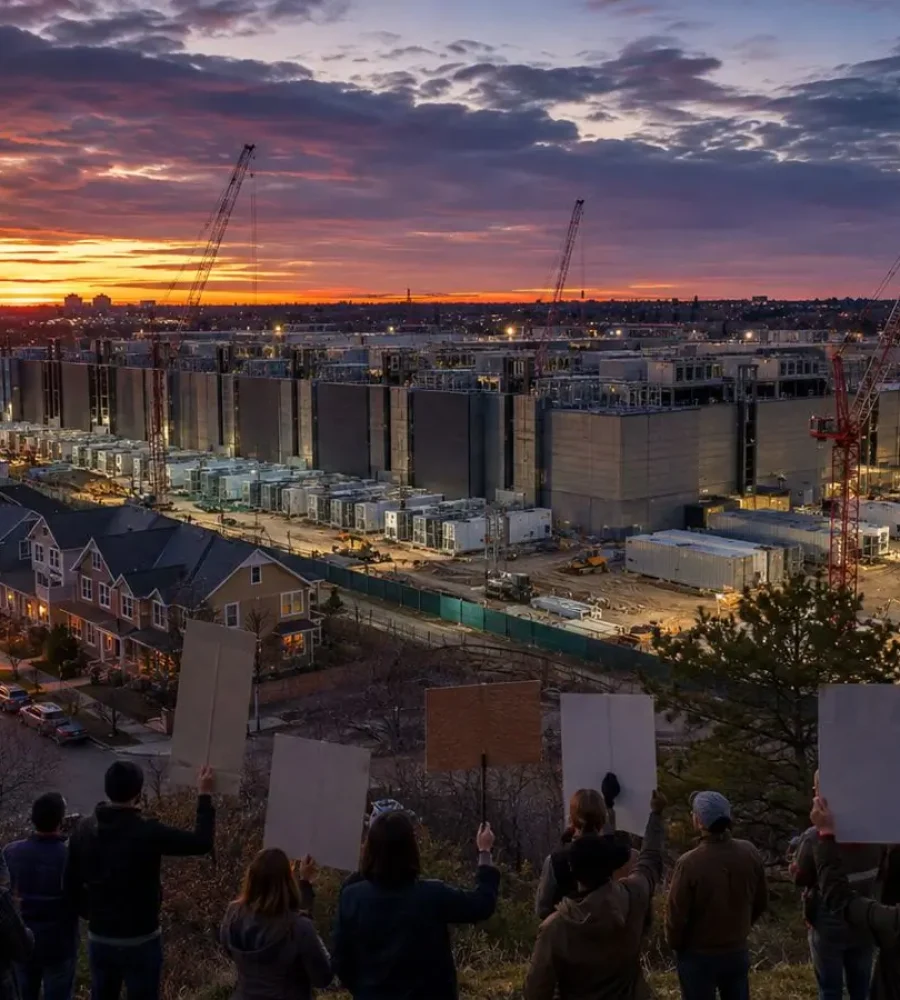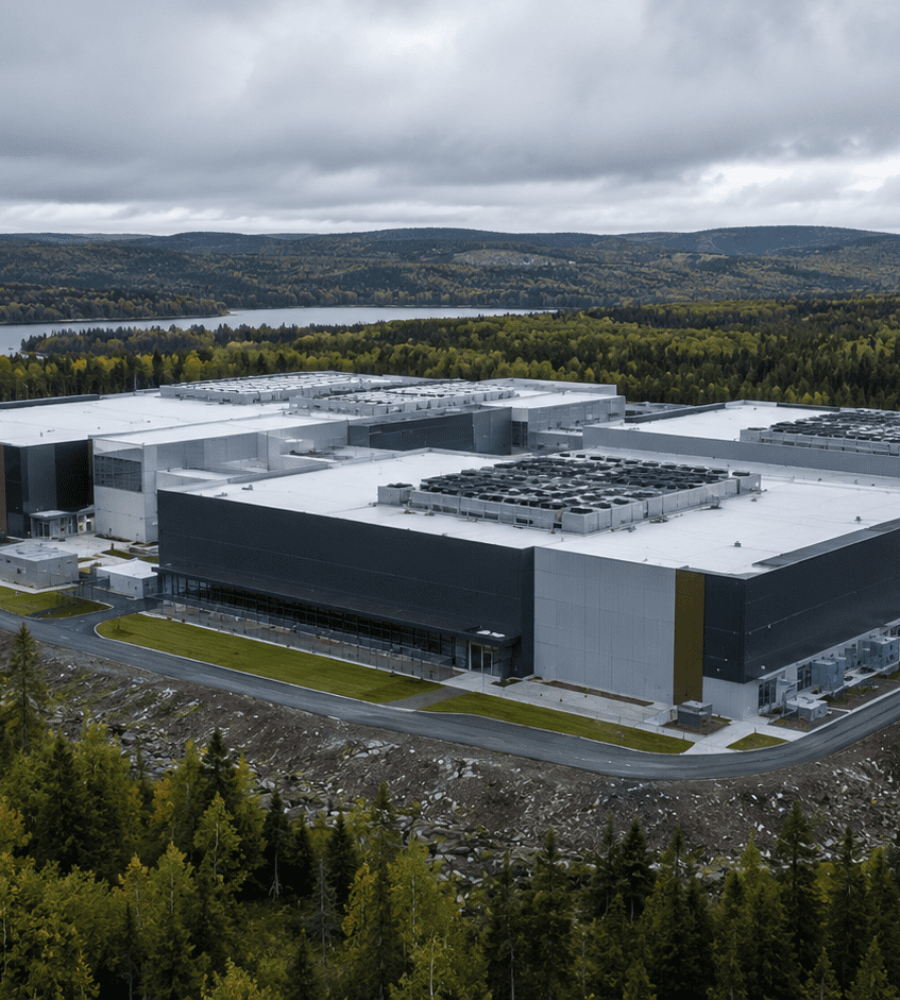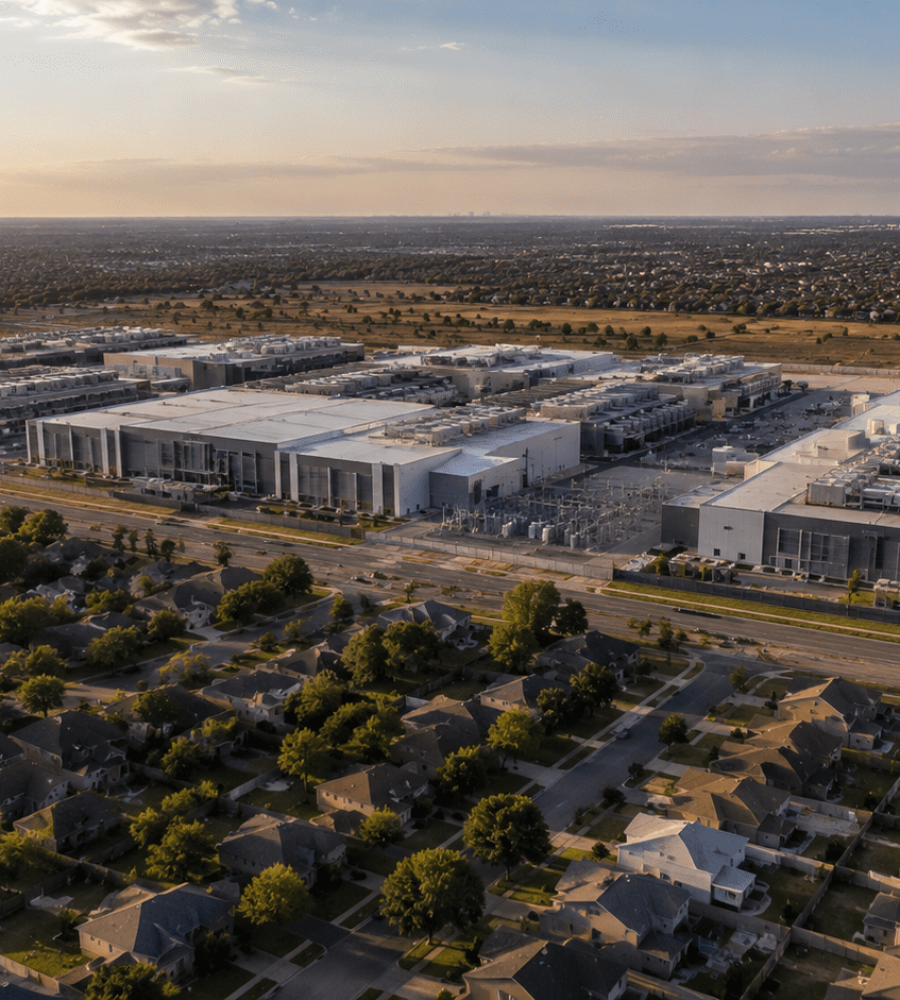
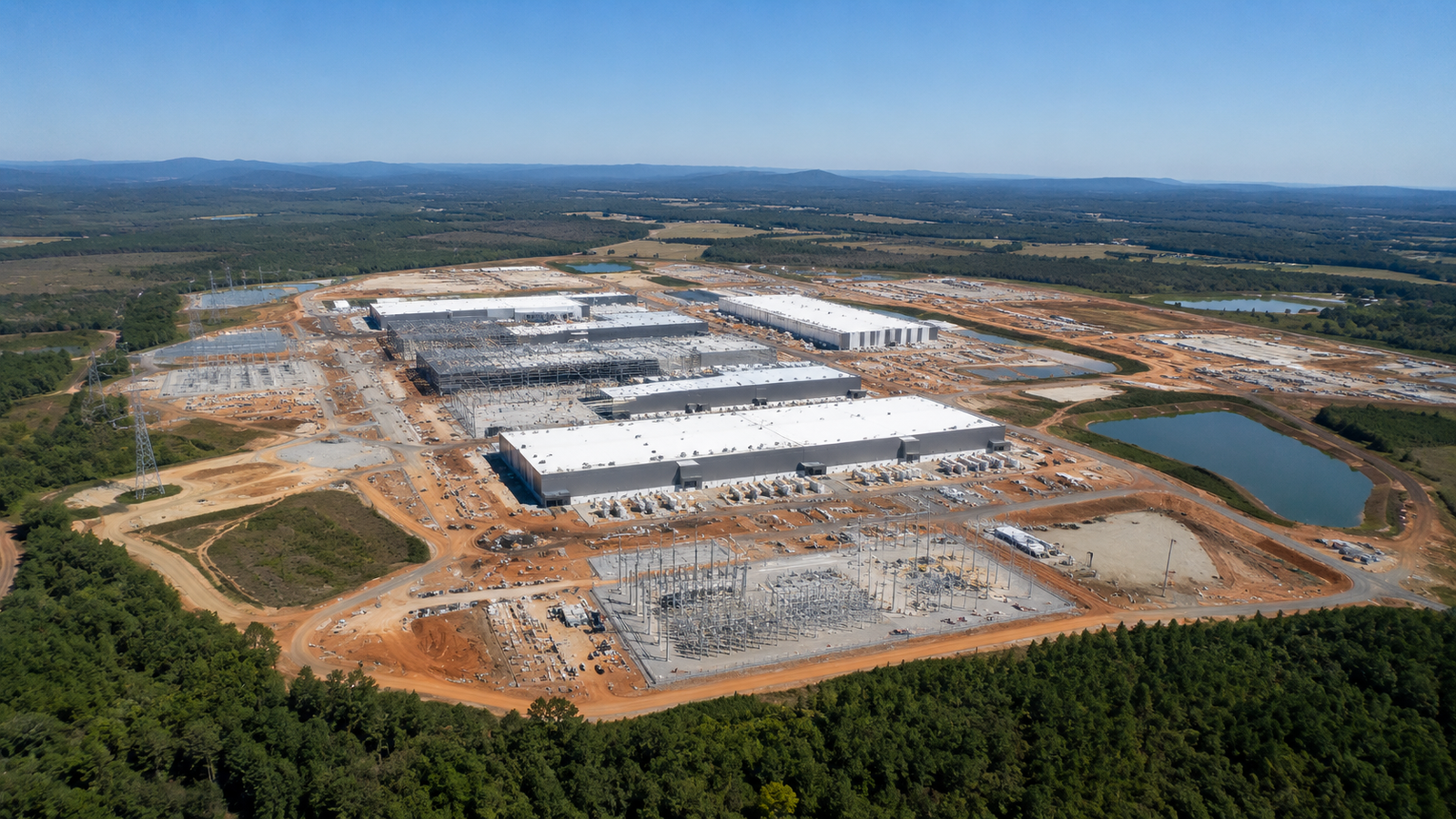
The Federal Permitting Improvement Steering Council confirmed in April 2026 that FAST-41 data center permitting is now live, with the QTS Richmond Technology Park Data Center 5 in Virginia becoming the first AI campus to gain covered project status. The designation follows President Trump’s July 2025 executive order directing federal agencies to extend the same coordinated, accelerated review process historically reserved for energy and transportation infrastructure to qualifying AI data center projects. Projects operating under FAST-41 reach a record of decision nearly 18 months faster than comparable projects outside the program.
FAST-41 Data Center Permitting: What Actually Changes on the Ground
FAST-41 does not override environmental requirements or guarantee approvals. What it does is force coordination. A single lead federal agency is designated for each covered project, required to publish a permitting timetable on the public Permitting Dashboard, and held accountable for keeping interagency reviews on schedule. EPA, the Army Corps of Engineers, the Department of Energy, and other relevant agencies must complete their reviews concurrently rather than sequentially, eliminating the serial delays that have historically pushed federal permitting timelines past four to seven years for large infrastructure projects.
For AI data centers, the bottleneck has rarely been any single permit. It has been the absence of coordination across multiple agencies reviewing the same project on independent schedules with no mechanism to synchronise timelines. FAST-41 creates that mechanism. The QTS Richmond designation puts the first test case on the public dashboard, with construction targeted to begin by January 2028 if approvals proceed on schedule. The permitting reform AI infrastructure actually needs has long centred on exactly this kind of interagency coordination — and the QTS designation is the first real-world test of whether the framework delivers.
The Supply Chain Connection Behind the Expansion
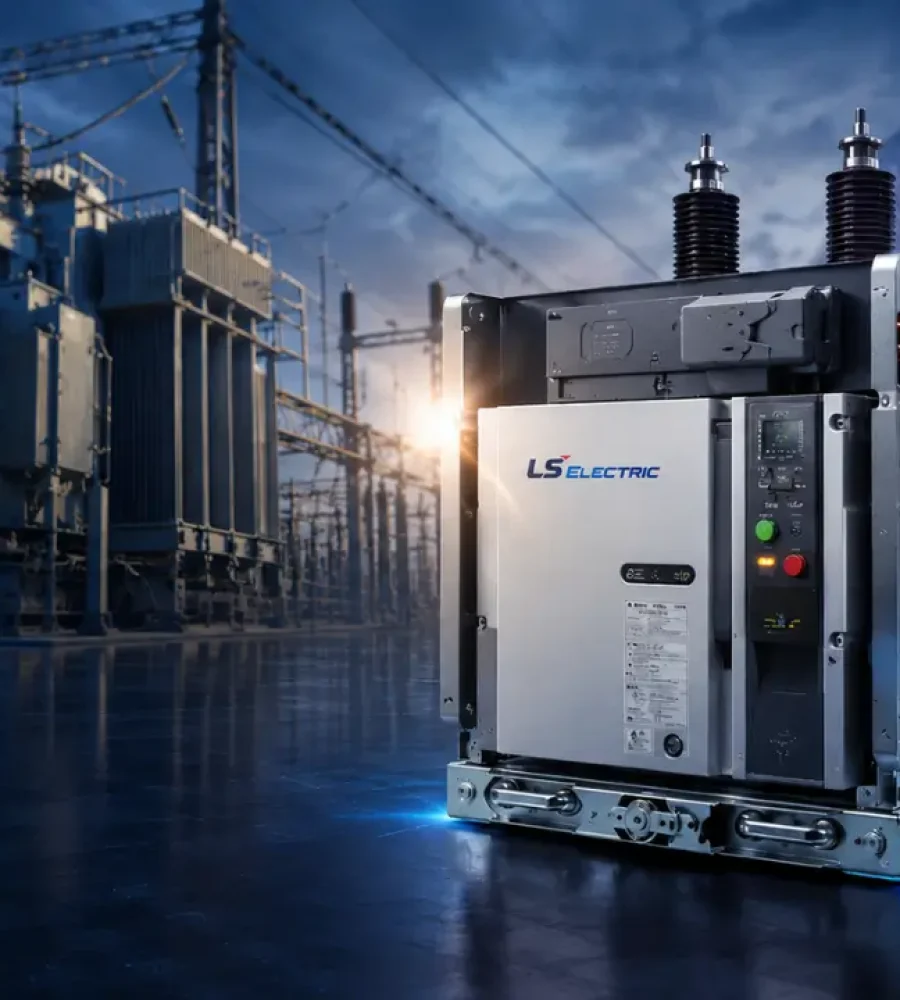
The May 2026 expansion of FAST-41 coverage to include copper supply chain and transmission infrastructure alongside data centers reflects how the federal government has reframed the AI buildout. Transformers are running 18 to 24-month lead times, copper wire and cable prices have risen 152 percent since 2019, and switchgear costs are up 77 percent. Nearly half of US data center projects planned for 2026 are facing delays or cancellations due to electrical equipment shortfalls.
By folding copper extraction, transmission permitting, and data center construction into a single coordinated federal framework, the executive order treats these supply chain constraints as a system-level problem rather than isolated regulatory bottlenecks. The Permitting Dashboard now tracks milestones publicly across all three categories, creating visibility into where federal review delays are actually occurring.
What Comes Next for Qualifying Projects
The QTS Richmond designation is explicitly framed as the first of many. Emily Domenech, Permitting Council Executive Director, described it as advancing the administration’s vision for US leadership in AI and indicated the program would expand to additional qualifying projects. The executive order’s financial support provisions — allowing Commerce to offer loans, grants, and tax incentives to qualifying projects committing at least $500 million in capex — run in parallel, making FAST-41 coverage one component of a broader federal toolkit now deployed to accelerate AI infrastructure development at national scale.