
Google and Blackstone have entered the next phase of the AI infrastructure race with a new company designed to supply large-scale compute capacity for enterprise AI workloads. The joint venture combines Google’s tensor processing technology with Blackstone’s capital and infrastructure strategy at a moment when hyperscale demand continues to outpace available capacity.
Blackstone committed an initial $5 billion equity investment into the venture, signaling how aggressively private capital now views AI infrastructure as a long-term growth market. The new company plans to operate as a compute-as-a-service platform that offers customers access to advanced AI infrastructure outside Google Cloud’s traditional environment.
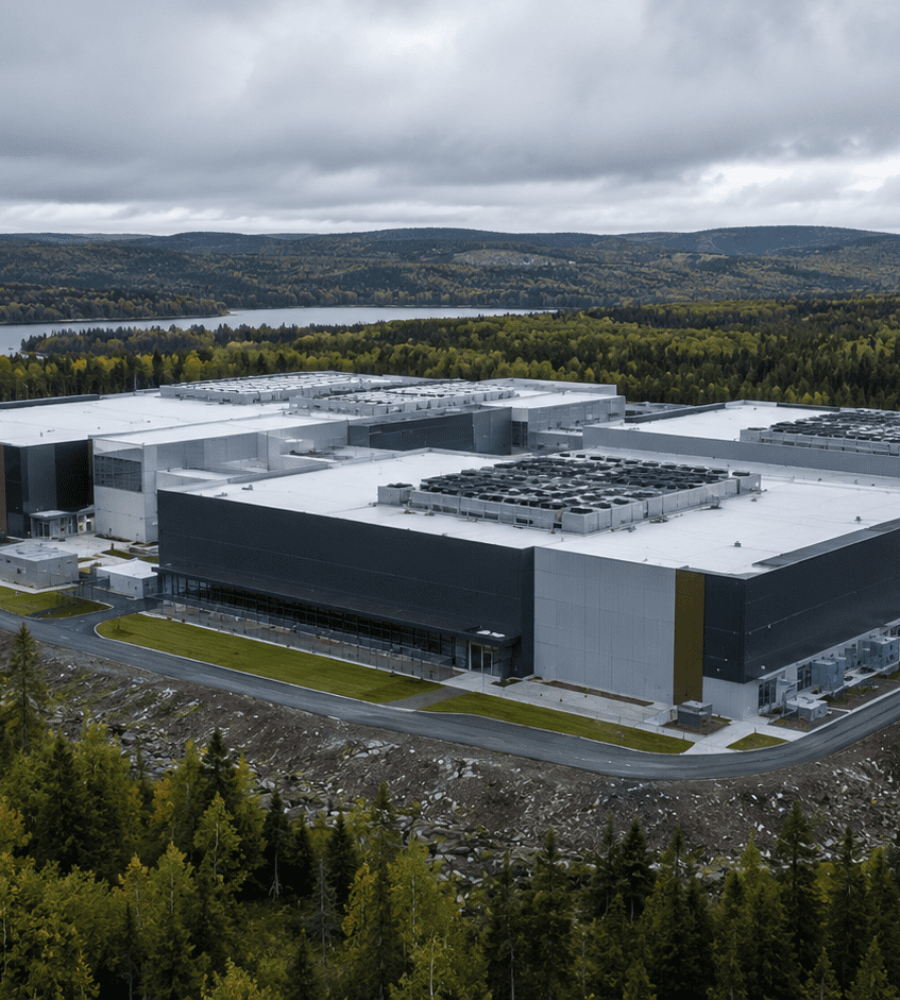
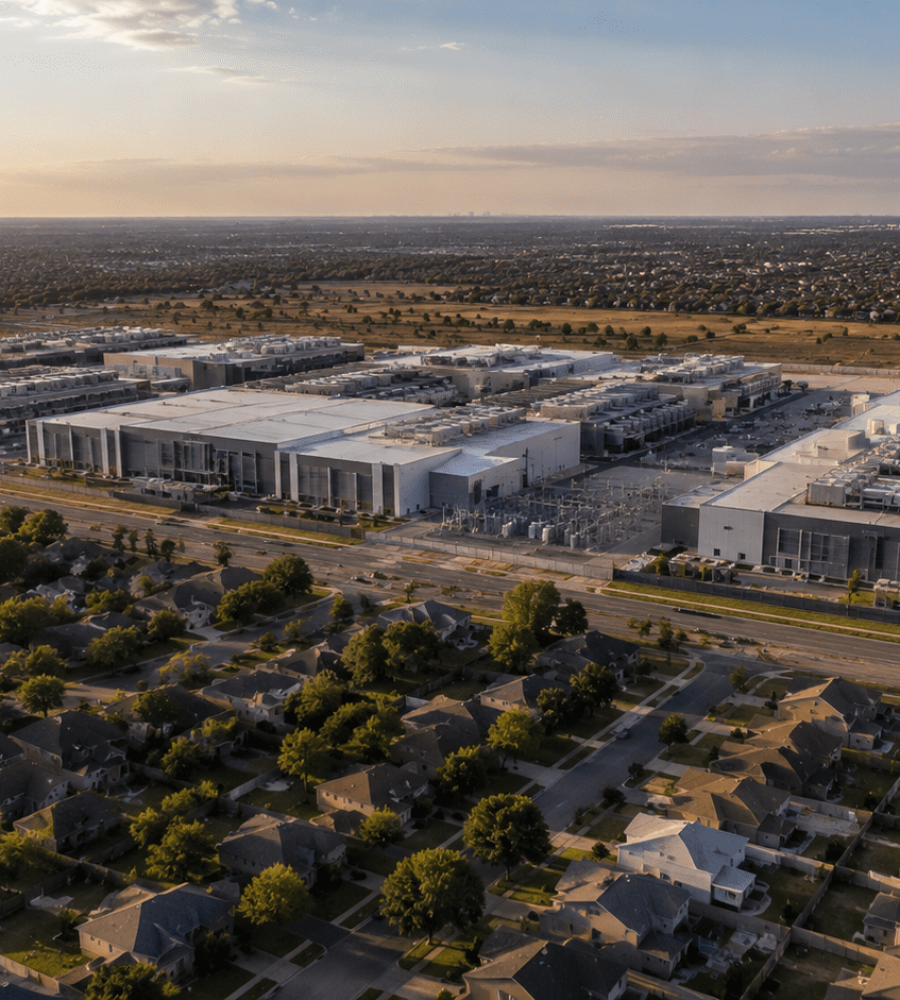
The venture expects to bring 500 megawatts of data center capacity online by 2027, placing it among the larger AI-focused infrastructure builds currently underway in the market. Industry observers increasingly see capacity availability, not model development, as the next major constraint shaping the AI economy. The announcement arrives as electricity demand projections continue climbing across the United States, driven heavily by data center expansion and AI workloads. Federal energy forecasts now indicate commercial electricity usage could surpass residential consumption in 2027 for the first time in U.S. history.
Google Expands TPU Access Beyond Google Cloud
The partnership also reflects Google’s broader ambition to distribute its custom AI hardware beyond its core cloud platform. Under the agreement, Google will supply tensor processing units, networking infrastructure, software services, and supporting hardware for the venture’s compute platform. Those TPUs currently power products such as Gemini and several of Google’s AI systems internally. The strategy gives enterprises another path to access Google-designed AI compute infrastructure without operating directly inside Google Cloud.
Google Cloud CEO Thomas Kurian framed the move around accelerating enterprise demand for AI compute. He said the joint venture will help meet a “growing demand” for tensor processing units, Google’s custom-built processors optimized for AI workloads. The company appears focused on extending TPU adoption into broader infrastructure markets as competition intensifies against Nvidia-powered cloud ecosystems. Meanwhile, enterprise customers continue seeking alternative compute environments that can provide scale, pricing flexibility, and faster deployment timelines.
Benjamin Treynor Sloss Takes CEO Role
Google veteran Benjamin Treynor Sloss will lead the new company as chief executive officer. Sloss has spent more than two decades inside Google and played a foundational role in building many of the company’s infrastructure systems. He is widely credited with coining the term “site reliability engineering,” which later became a standard operating discipline across hyperscale cloud companies. His background spans global networking, data center operations, reliability infrastructure, cloud systems, and supply chain planning.
The appointment suggests Google wants operational depth at the center of the venture rather than a purely financial leadership structure. Sloss has overseen Google’s global networking operations since 2004 and managed global data center server operations since 2010. He also carried responsibility for Google Cloud operations beginning in 2014 and later expanded into infrastructure reliability and supply-demand planning. That experience becomes increasingly important as AI infrastructure projects face mounting pressure around power procurement, hardware availability, and deployment speed.
Energy Demand Reshapes AI Infrastructure Economics
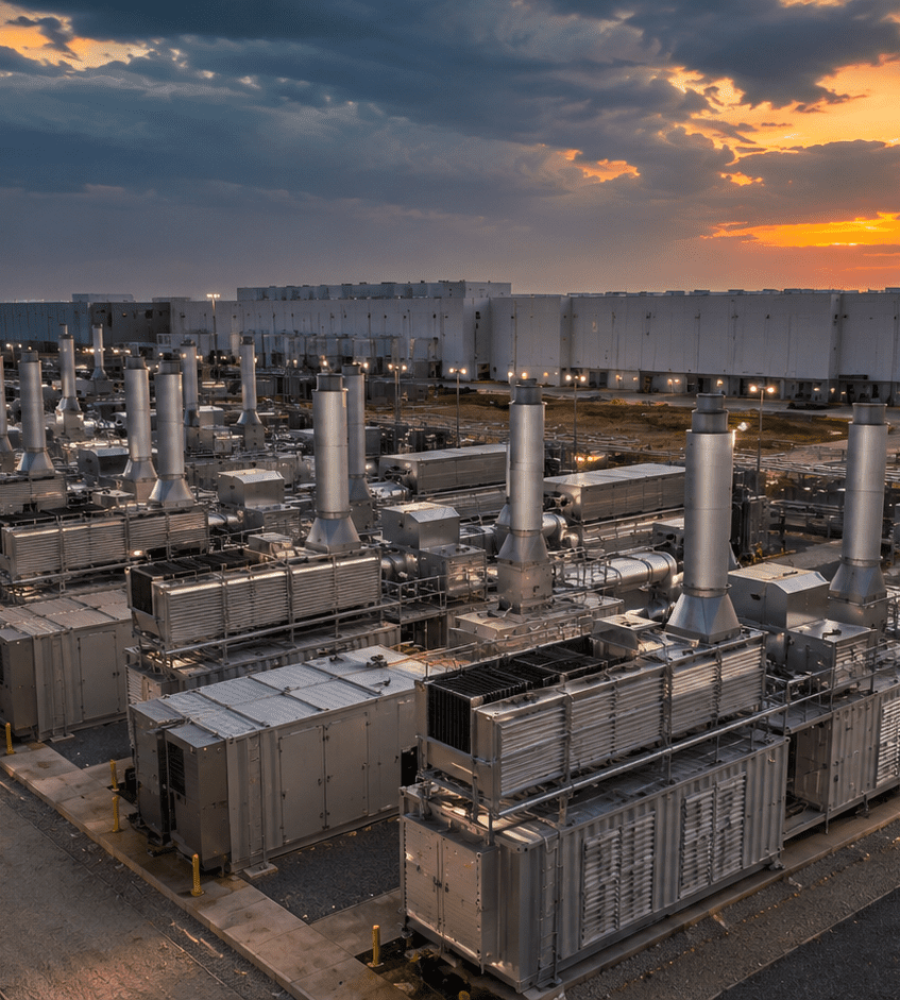
The economics behind the deal extend beyond cloud computing and directly into energy infrastructure. The National Electrical Manufacturers Association projects U.S. electricity consumption could rise 55% by 2050, with the sharpest acceleration occurring during the current decade. Data center electricity usage alone could increase 300% over the next ten years and account for 38% of net electricity consumption through 2037. Those projections have transformed data centers from a technology story into a national industrial capacity issue.
Large investment firms increasingly view power access, land availability, and grid connectivity as strategic assets tied to AI expansion. Blackstone’s investment reflects a growing belief among institutional investors that compute infrastructure will become one of the defining capital markets opportunities of the decade. “We see a generational opportunity to invest capital at scale building AI infrastructure,” Blackstone President and Chief Operating Officer Jon Gray said in the release. “This new company has enormous potential as it helps to meet the unprecedented demand for compute [capacity].”
Blackstone Deepens Its AI Portfolio Strategy
The venture also aligns with Blackstone’s broader restructuring around AI-focused investments. The firm recently consolidated its growth-oriented business operations into a dedicated West Coast AI division known as Blackstone N1. That unit now concentrates entirely on the company’s expanding artificial intelligence portfolio across software, infrastructure, power systems, and enterprise platforms. The strategy positions Blackstone closer to the operational side of AI infrastructure rather than functioning solely as a passive financial backer.
Blackstone already holds exposure to major AI companies including OpenAI and Anthropic, alongside investments tied to data center hardware and energy infrastructure. However, this new venture places the firm directly into compute delivery itself. That shift reflects a broader trend across private equity, where firms increasingly want ownership exposure to AI infrastructure layers generating recurring long-term demand. As AI adoption accelerates globally, infrastructure providers capable of delivering scalable compute and power capacity may emerge as some of the sector’s most valuable operators