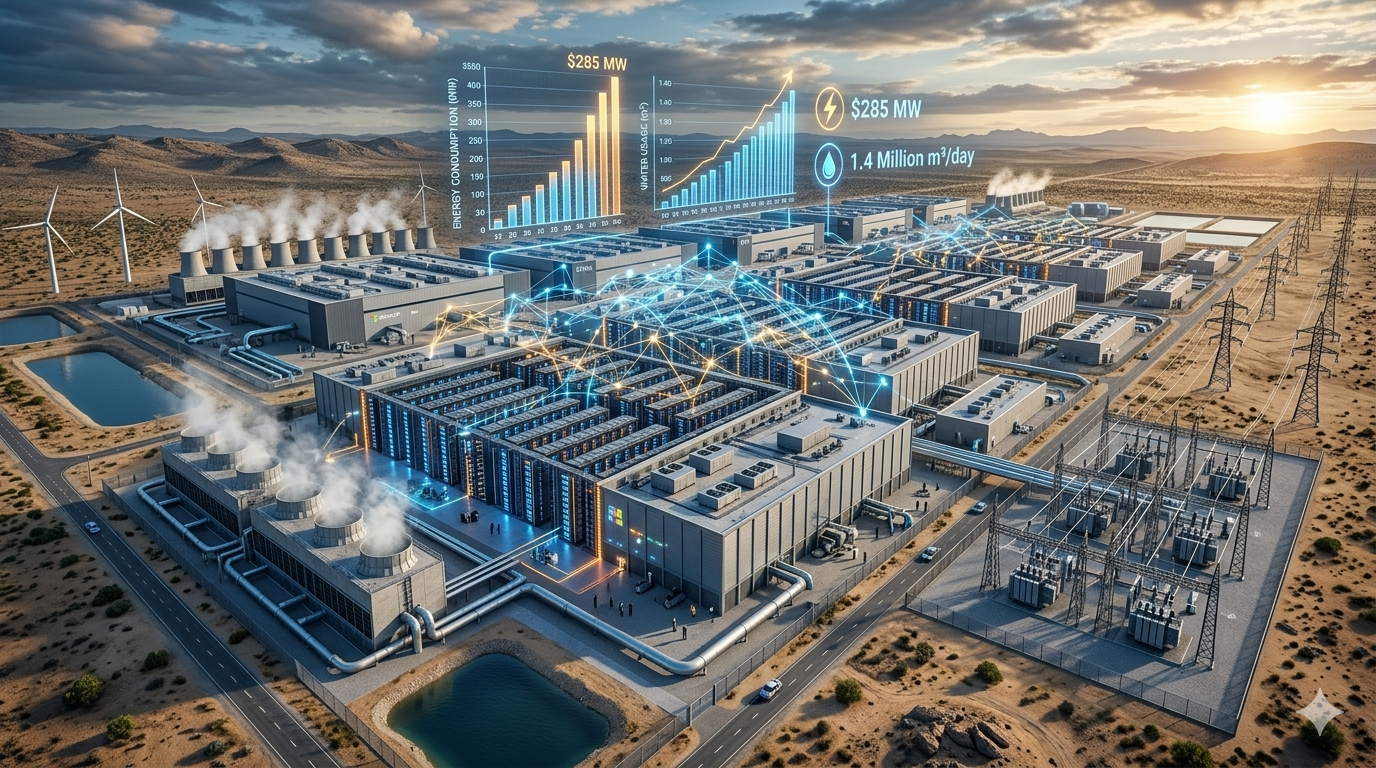
Artificial intelligence is on track to increase the environmental footprint of global digital infrastructure. A new report from the United Nations University Institute for Water, Environment and Health (UNU-INWEH) projects that AI Data Center Consumption could drive a doubling of data center electricity and water usage by 2030 as organizations expand compute capacity to support AI workloads.
The findings arrive as hyperscalers and infrastructure operators accelerate investments in AI data centers worldwide. While AI promises productivity gains and operational efficiencies, researchers warn that the physical infrastructure supporting those systems is creating growing demands for electricity, water, land, and raw materials.
AI Data Center Consumption Could Reach Unprecedented Levels
As per the report, annual data center electricity consumption is projected to reach 945 terawatt-hours (TWh) by 2030, roughly equivalent to Japan’s current electricity consumption. Researchers estimate that AI workloads could account for approximately 40% of total data center power demand by the end of the decade.
Water consumption is expected to rise alongside energy demand. The report forecasts that global data centers could consume 9.3 trillion liters of water annually by 2030, while carbon dioxide emissions could increase to 399 million metric tons.
“The public debate still often treats AI as software, but AI is also physical infrastructure: data centers, electricity generation, cooling systems, transmission networks, chips, minerals, land and water,” said Kaveh Madani, director of UNU-INWEH and lead author of the report.
AI Inference Emerges as a Major Resource Driver
The report highlights a shift in how AI infrastructure consumes resources. While model training has traditionally received the most attention, researchers point to inference workloads—the process of running AI models in production—as an increasingly significant source of energy demand.
As enterprises deploy AI applications across cloud platforms, customer service systems, productivity tools, and software environments, demand for compute capacity continues to expand. The result is a growing requirement for data centers capable of supporting large-scale AI inference operations.
Land, Water, and E-Waste Pressures Intensify
Beyond electricity consumption, the report identifies several infrastructure-related concerns associated with AI expansion.
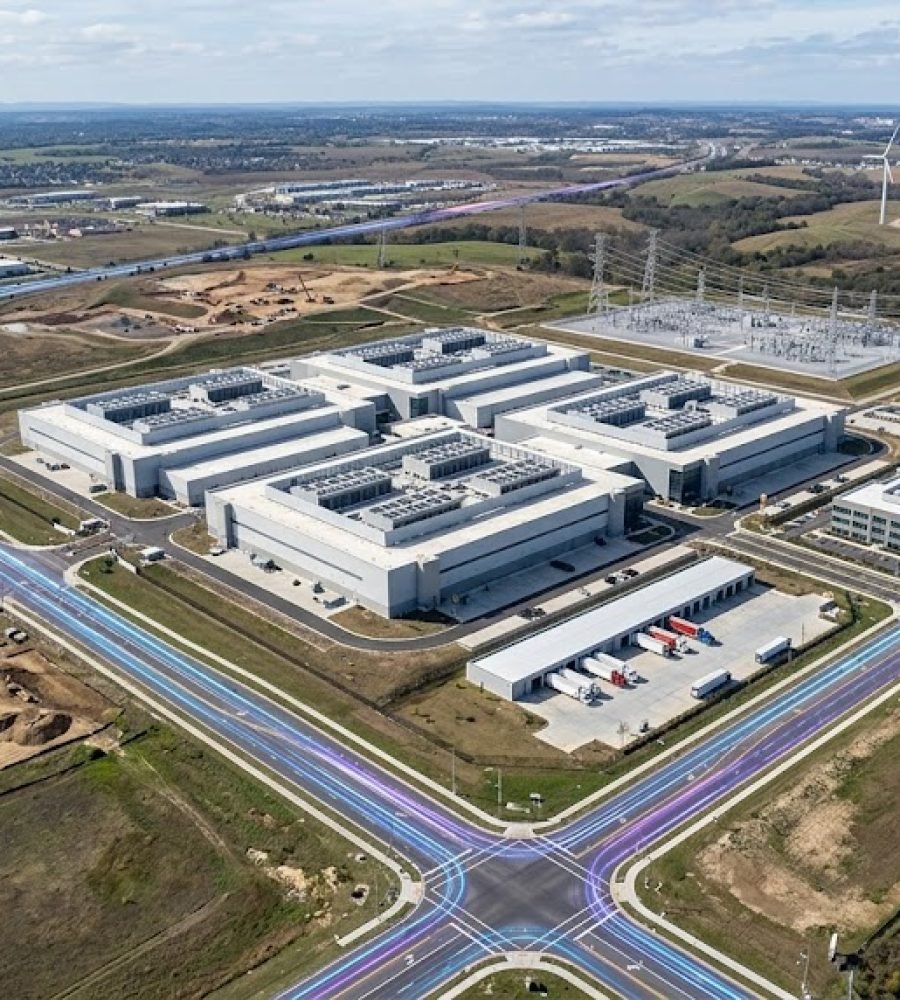
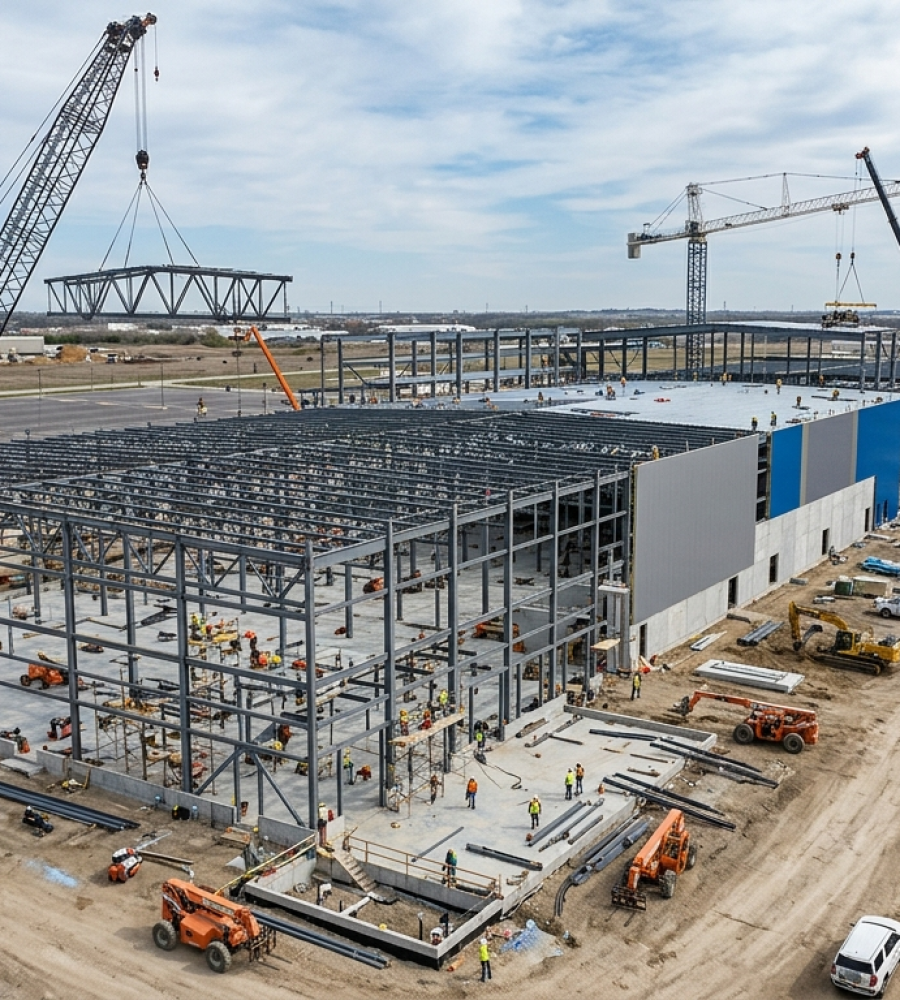
Researchers estimate that the global data center footprint could increase from approximately 6,900 square kilometers in 2025 to more than 14,500 square kilometers by 2030. The growth could place additional pressure on land availability in major infrastructure markets.
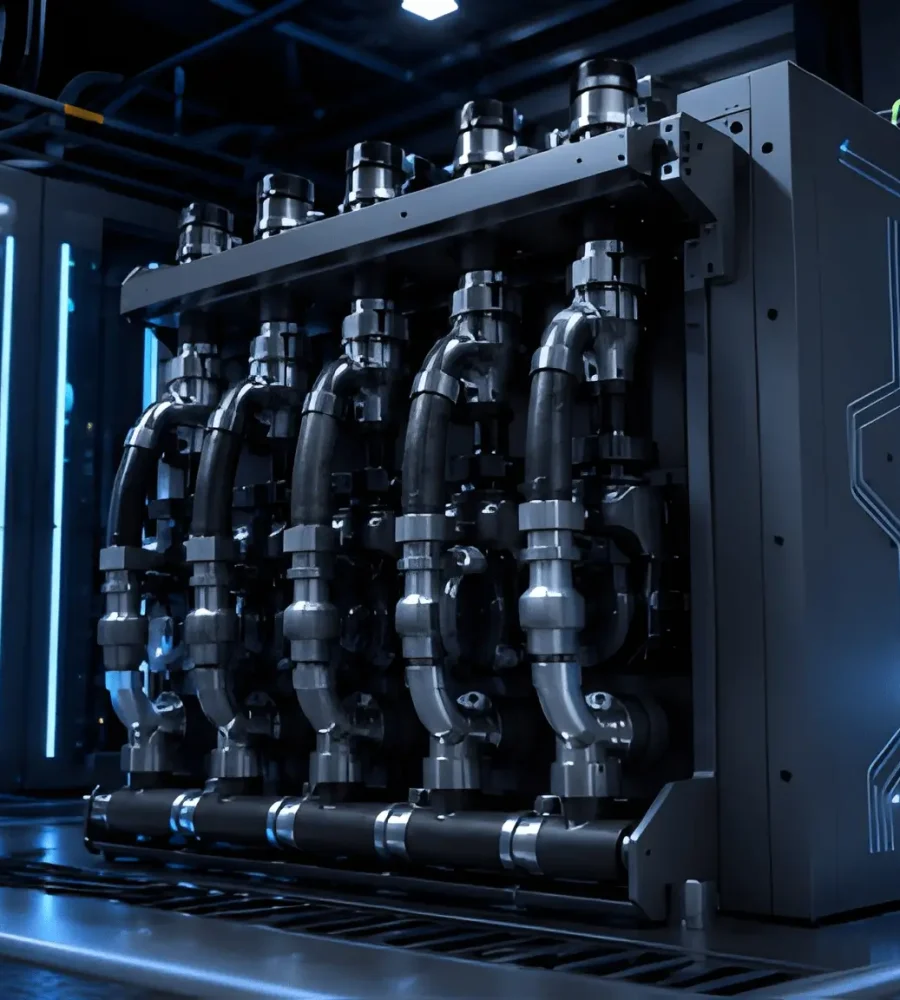
The report also warns that rising demand for servers, networking equipment, and AI accelerators could contribute to higher levels of electronic waste. At the same time, water-intensive cooling systems remain a growing concern, particularly in regions already facing water stress.
Industry scrutiny around water usage has increased in recent months. Technology companies including Google and Microsoft have introduced new initiatives aimed at reducing the environmental impact of future AI infrastructure deployments.
Governments Face Growing Infrastructure Challenges
The report argues that policymakers will need to balance AI-driven economic growth with environmental sustainability objectives. Researchers warn that without coordinated planning, rapid infrastructure expansion could place additional strain on electricity grids, water systems, and local communities.
The warning comes as regulators increasingly examine the environmental impact of AI infrastructure. Earlier this week, the European Union announced plans to explore energy-efficiency standards for data centers amid concerns over rising electricity demand.
Market Implications
The UN findings highlight a growing challenge facing the AI industry. Demand for compute capacity continues to rise, but the infrastructure required to support that growth carries substantial energy, water, and land requirements.
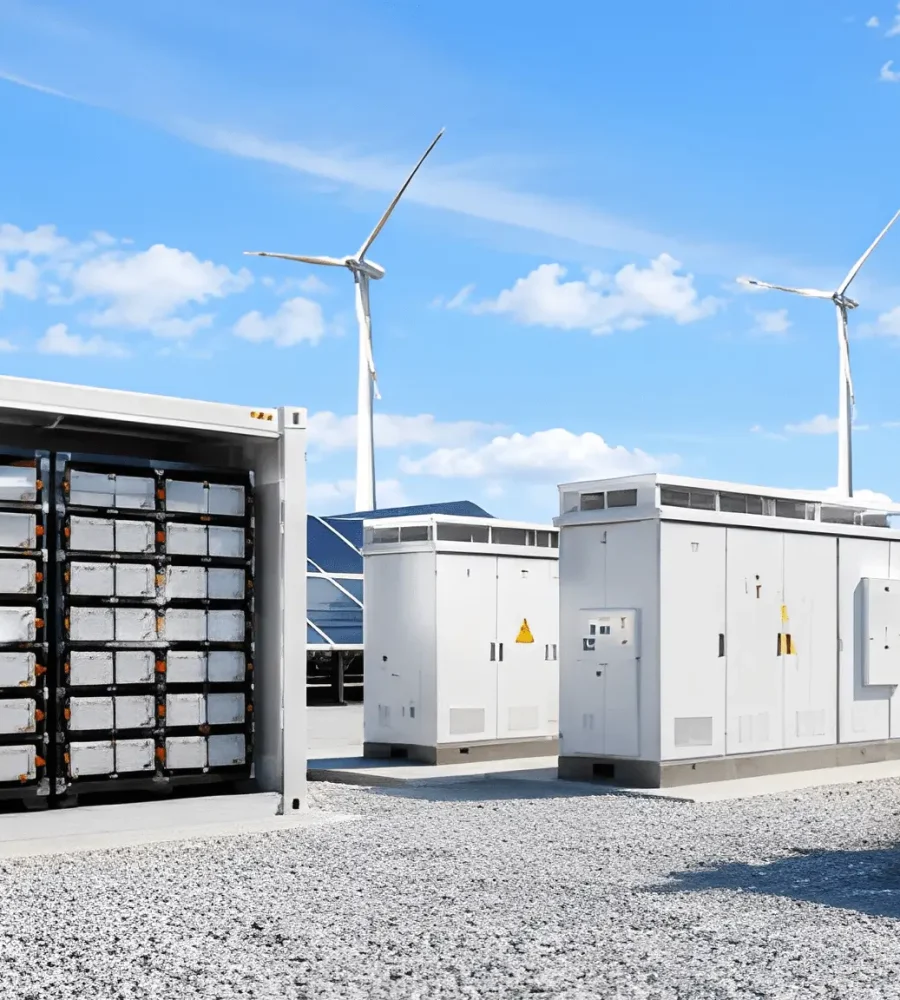
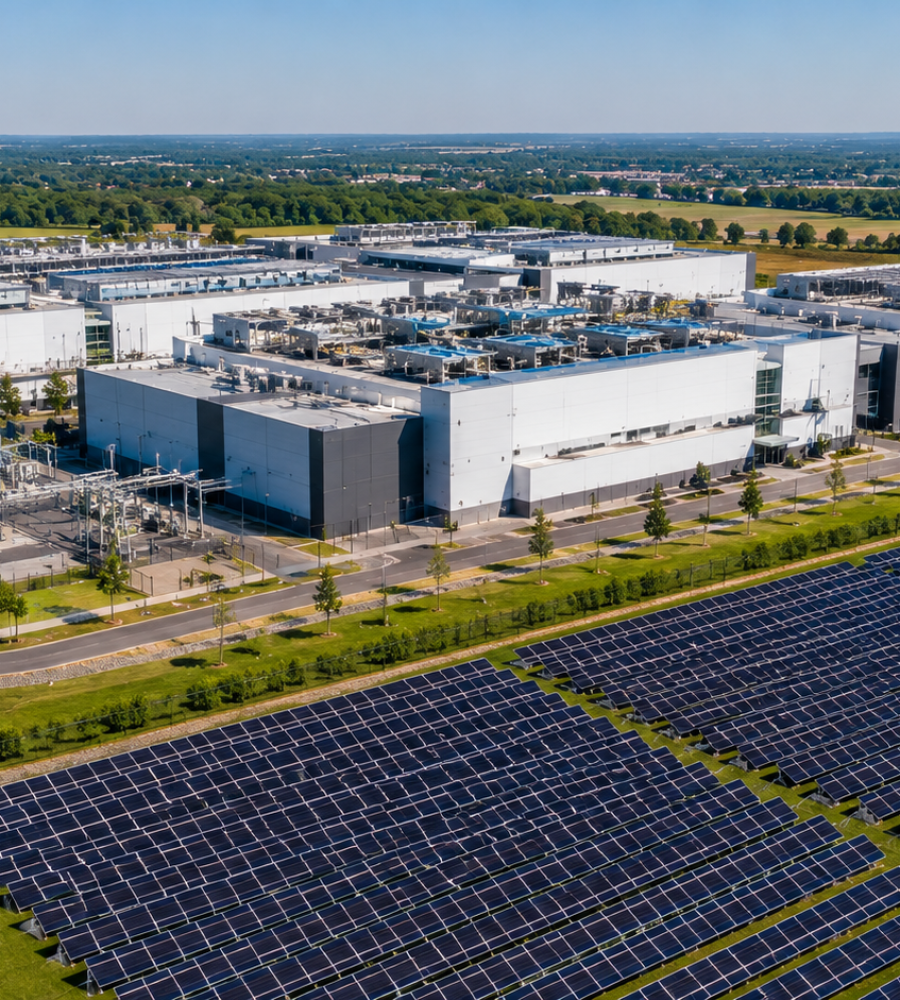
For data center operators, hyperscalers, and infrastructure investors, the report reinforces the importance of efficiency, cooling innovation, and sustainable power sourcing. As AI adoption accelerates across industries, environmental performance is becoming an increasingly important factor alongside compute capacity and infrastructure scale.