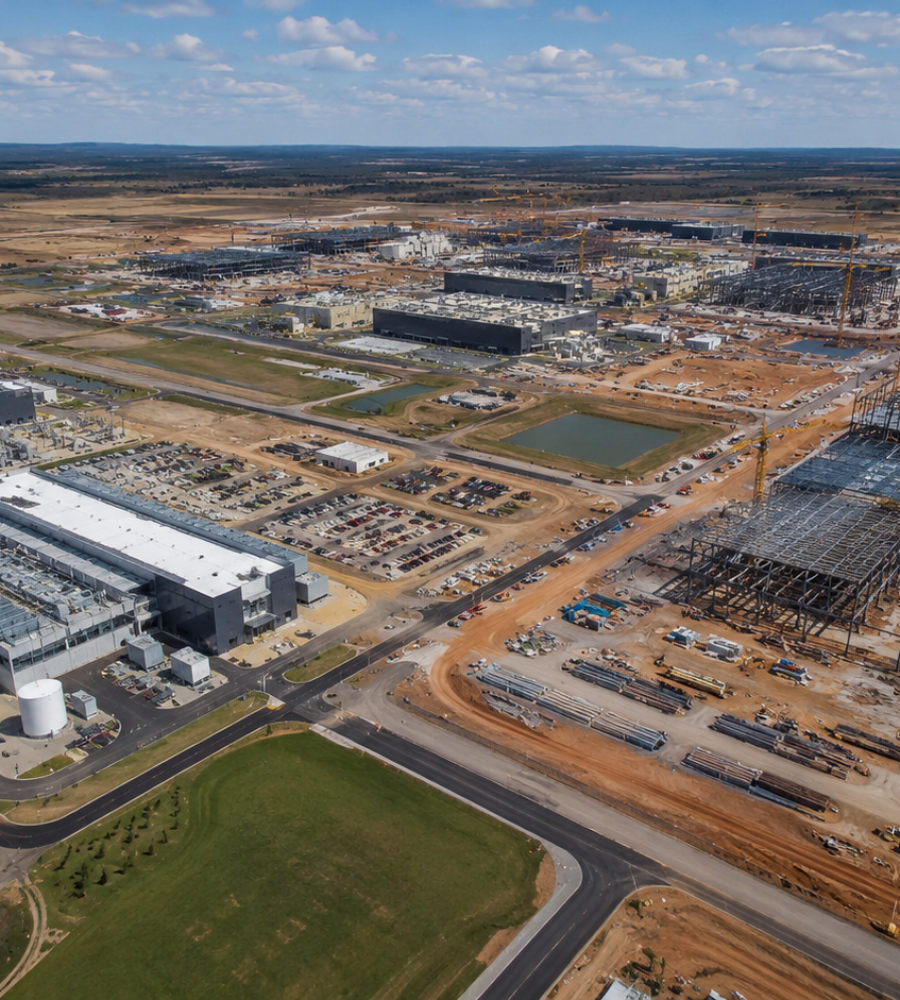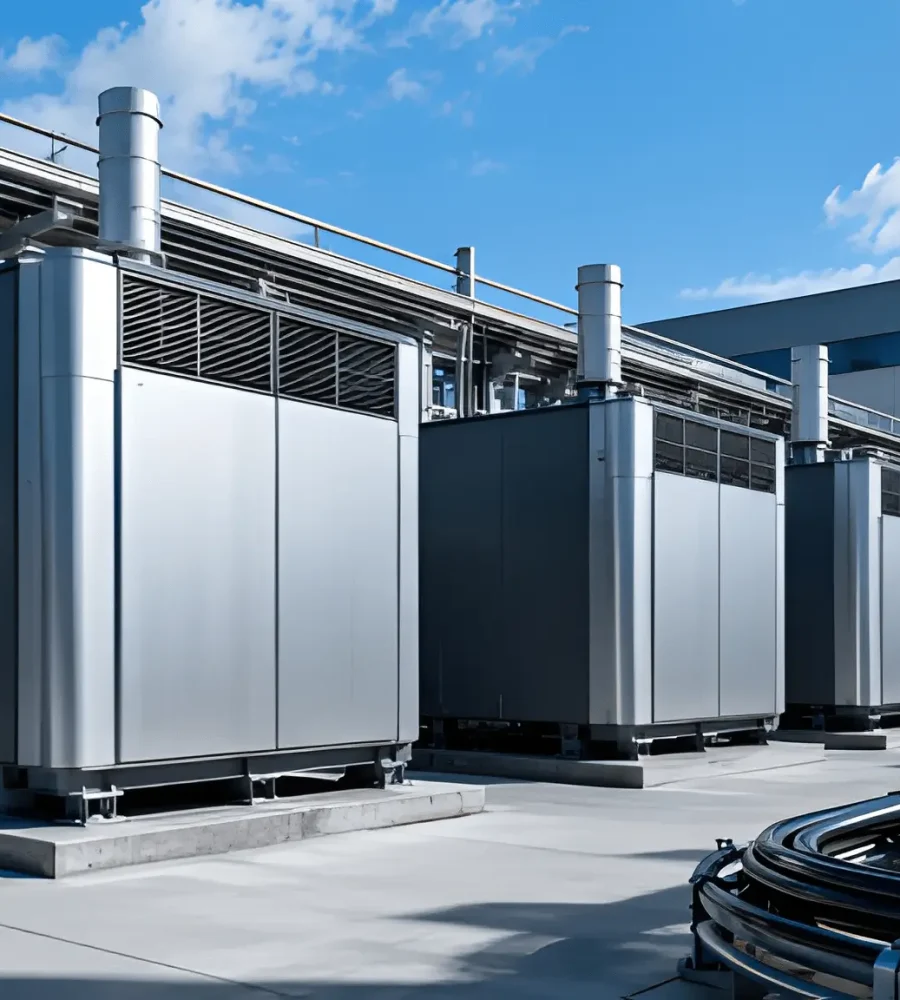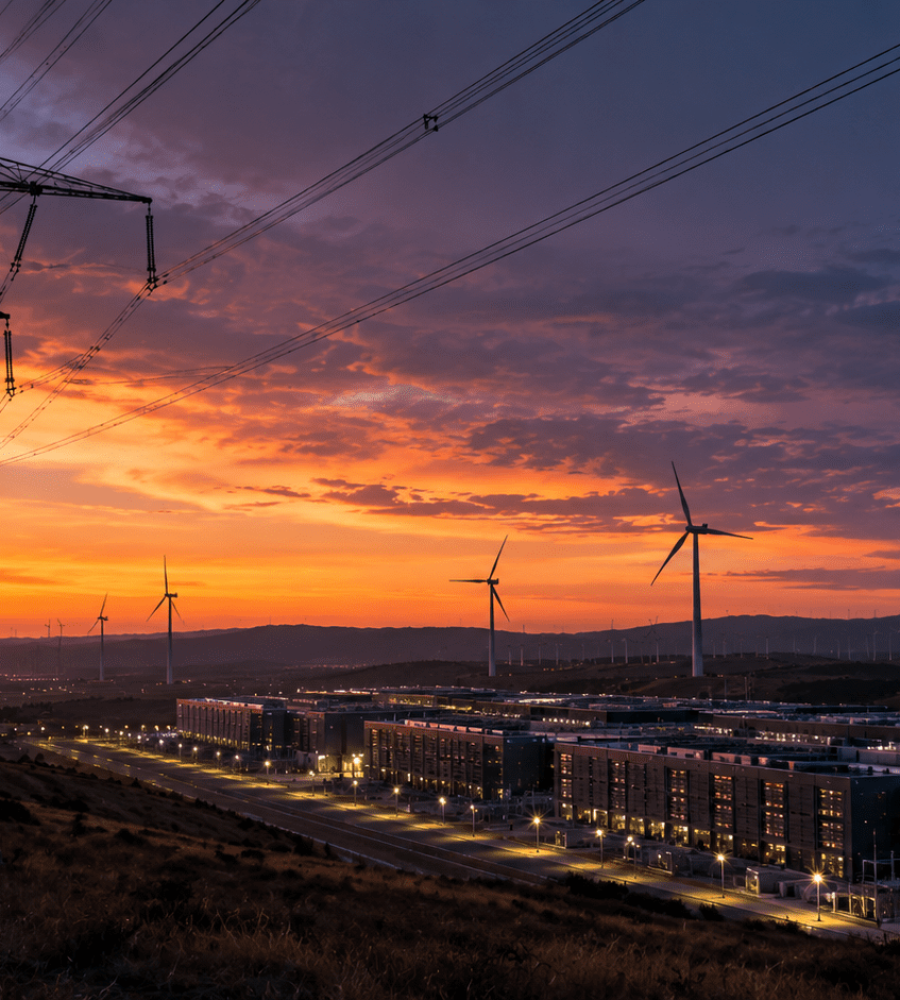
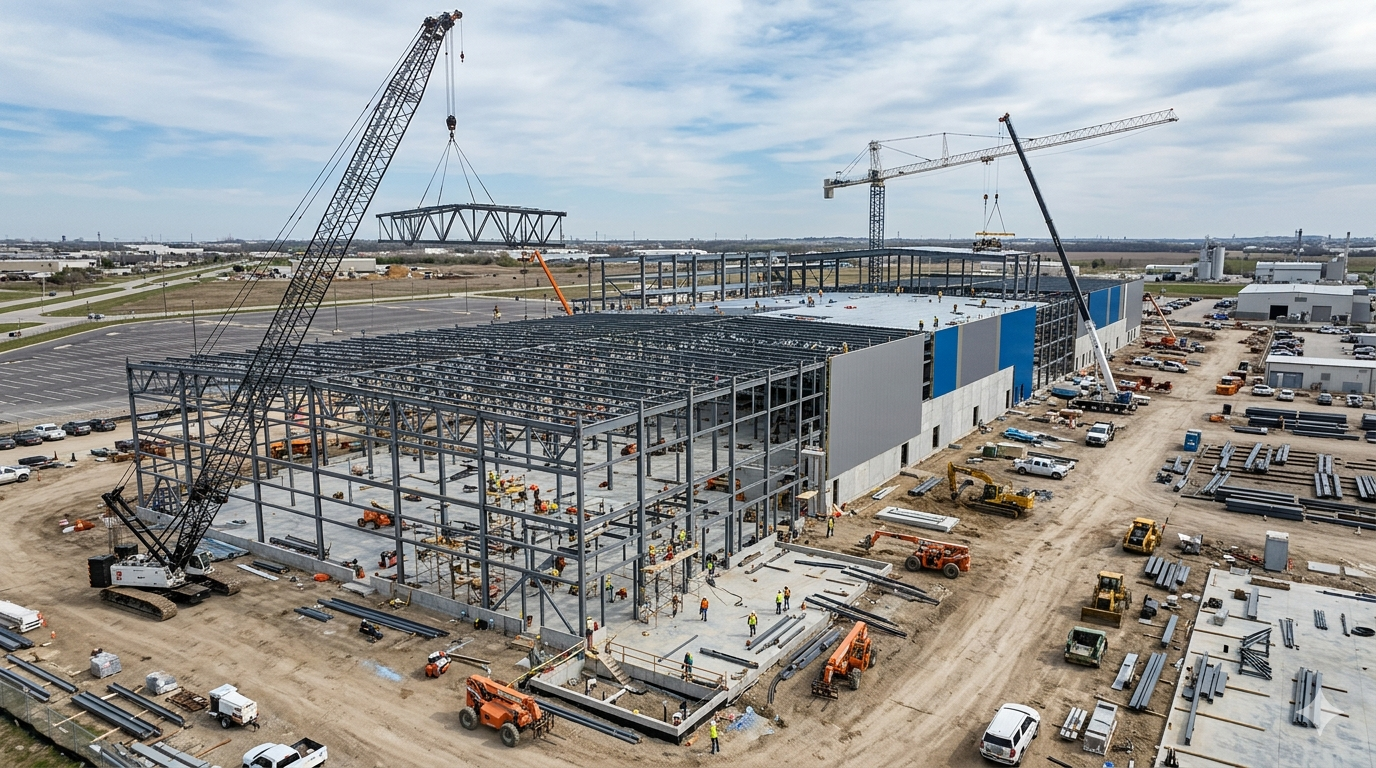
The rapid buildout of AI data centers is generating a wave of blue-collar construction employment even as AI tools eliminate white-collar roles in adjacent industries. Electricians, HVAC specialists, ironworkers, and construction crews are in high demand as the United States races to build the physical infrastructure powering its AI ambitions. Technology companies are pouring billions into new facilities, with spending on data centers estimated to reach as much as $7 trillion by 2030. The US has roughly 4,000 existing data centers, with some 3,000 more announced or under construction. That pipeline is producing immediate, visible employment for the construction trades. The longer-term employment story is considerably more constrained.
Ben Zweig, a labour economist and CEO of workforce intelligence firm Revelio Labs, told CBS News that data centers are pretty sparsely populated from a permanent staffing standpoint. His colleague Lisa Simon, Revelio’s chief economist, was direct: the roles data centers create for long-term maintenance are not huge in volume. They are a much more capital-intensive than labour-intensive undertaking.
The Construction Boomlet Is Real but Temporary
US data centers are projected to generate 4.7 million temporary construction jobs according to a 2025 report from the American Edge Project. Those jobs are real, they inject meaningful capital into local economies, and they require precisely the skilled trades that are in shortest supply in the current labour market. An electrician in Northern Virginia working on data center construction now earns over $120,000 annually, a premium that reflects acute scarcity rather than permanent wage uplift across the broader trades workforce.
The temporary nature of construction employment is the detail that data center advocates consistently underweight in their community engagement narratives. When construction companies ship crews into a market to build a hyperscale campus, those workers need housing, meals, and services, creating secondary local employment impacts that Brookings Institution researcher Greg Wright described as real and meaningful. But those impacts are time-limited. When the building is complete, the construction workforce moves to the next project. The facility that remains requires a fraction of the headcount that built it.
The Permanent Jobs Picture Is Narrower Than Advertised
The American Edge Project, a policy advocacy group formed by Meta, projected that data centers would create roughly 697,000 permanent jobs nationally to operate and manage facilities. That figure is large in absolute terms and modest relative to the scale of capital being deployed. A hyperscale campus drawing hundreds of megawatts of power and requiring billions in construction investment typically employs a few hundred permanent staff once operational.
The permanent roles that do exist are genuinely skilled and well-compensated. Data center technicians who install, monitor, and maintain thousands of servers work in shifts around the clock, troubleshoot equipment failures remotely, and manage the physical infrastructure behind AI and cloud systems. Parminder Jassal, a fibre optics engineer and co-founder of training platform Umudl, told CBS News that every AI data center requires people who can monitor, repair and continuously operate these facilities. Those roles pay well and are in demand. The AI infrastructure workforce crisis that the industry has been slow to address makes the permanent staffing challenge even more acute, as qualified technicians are scarcer than the construction crews building the facilities they will eventually operate.
The Community Calculus That Critics Are Getting Right
The gap between the construction boomlet and the permanent employment reality is the specific arithmetic that critics of data center tax incentives are citing when they argue that the billions in incentives local governments offer to attract facilities are disproportionate to the jobs those facilities create. The critique is not that data centers provide no local economic benefit. It is that the benefit is concentrated in the construction period, dispersed across a temporary workforce, and followed by a permanent operational employment footprint that does not justify the magnitude of the tax concessions that secured the investment.
That tension is playing out in real time across the markets where data center opposition has produced moratoriums and legislative action. The communities that negotiated employment commitments into their data center incentive agreements in 2022 and 2023 are now watching facilities open with headcounts that meet the letter of those commitments without delivering the economic presence that the headline investment figures implied. The industry’s response to that frustration will determine whether the political environment for data center development continues to tighten or whether the sector finds a way to make the community benefit case with enough credibility to sustain the build rate the AI infrastructure market requires.