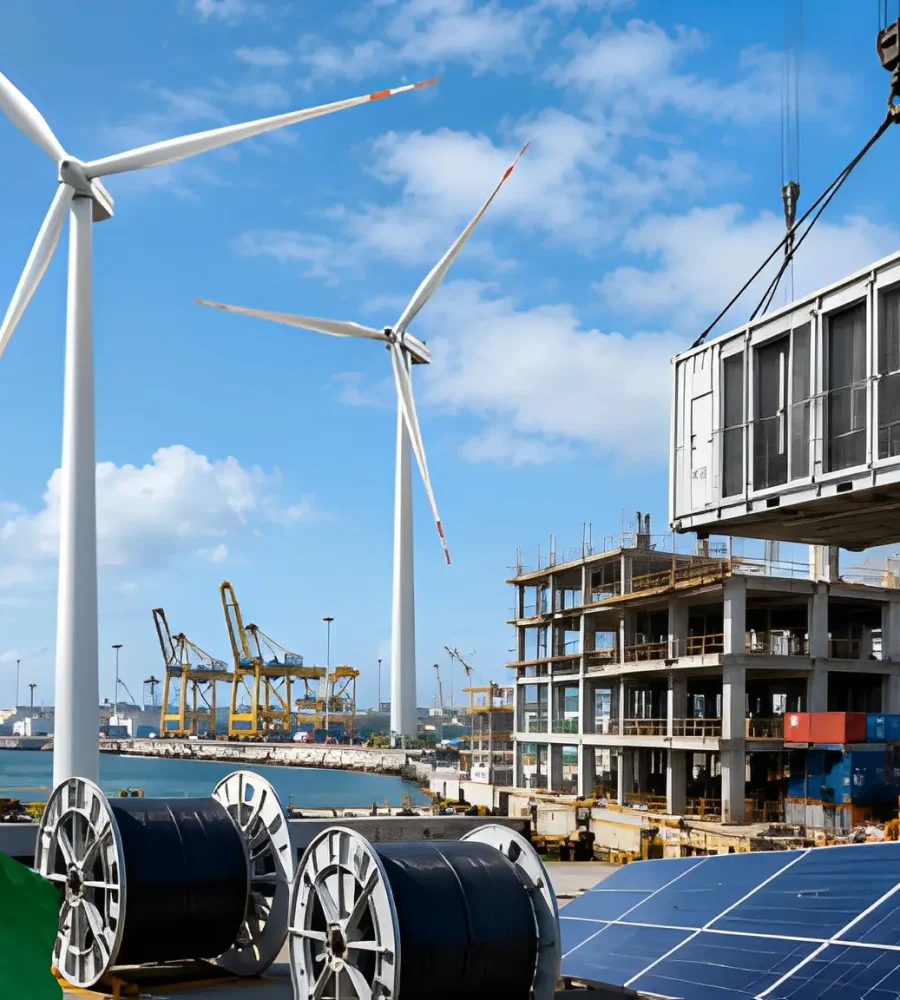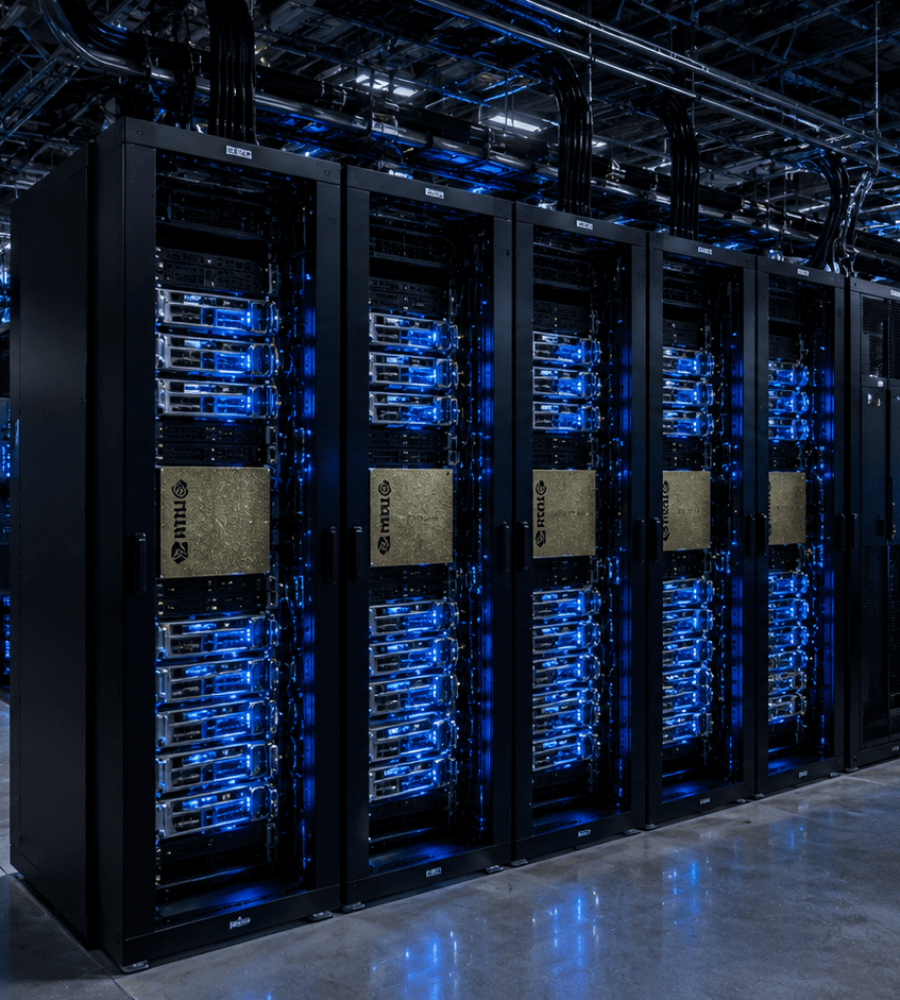

A decade ago, sustainability conversations inside the technology sector often lived inside polished presentations, annual disclosures, and corporate branding campaigns designed to reassure investors and consumers. The language focused on commitments, targets, and future ambitions that sounded expansive but rarely altered the physical architecture of digital infrastructure itself. Most technology firms could still treat sustainability as a communications layer positioned above operations rather than as an operational condition shaping expansion decisions. That separation is beginning to collapse under the weight of the global artificial intelligence buildout. The scale, density, and permanence of AI infrastructure have started forcing companies to treat sustainability as a constraint that directly influences whether infrastructure can operate, expand, or survive over long time horizons.
The shift did not emerge because the industry suddenly became environmentally idealistic or politically aligned around climate priorities. AI infrastructure simply consumes enormous volumes of electricity, cooling capacity, industrial land, transmission connectivity, and regional water access while concentrating those demands inside limited geographic corridors. Infrastructure operators now face a reality where environmental pressure increasingly shapes permitting timelines, grid access negotiations, political approvals, and regional expansion rights. Communities, regulators, and infrastructure planners no longer view sustainability as an abstract corporate aspiration disconnected from local consequences. Environmental performance now affects whether infrastructure projects receive support, encounter resistance, or become politically difficult to justify within already stressed urban and industrial systems.
Sustainability Has Moved From PR Teams to Infrastructure War Rooms
Inside many technology companies, sustainability discussions have quietly moved away from communications teams and toward infrastructure strategy divisions, legal departments, energy procurement groups, and long-range operations planners. Decisions about compute deployment increasingly require negotiation with utility operators, land regulators, environmental review bodies, transmission authorities, and regional governments long before construction begins. The challenge extends beyond emissions accounting because AI expansion now intersects with grid resilience, industrial competition, housing pressure, water management, and regional political stability. Large-scale AI infrastructure projects can reshape local economies and physical landscapes in ways that extend far beyond digital services. That reality has transformed sustainability from a reputational issue into an infrastructure survival requirement.
AI’s Sustainability Story Is Leaving the Marketing Department
The most important sustainability decisions in AI infrastructure rarely appear inside marketing campaigns because they happen during technical negotiations over land access, power procurement, cooling architecture, and regional planning approvals. Infrastructure planners now determine sustainability outcomes through engineering choices that affect resource consumption over decades of operation. Decisions surrounding substation placement, thermal management systems, transmission integration, and backup power design can shape environmental impact far more than public-facing sustainability language. Companies building AI infrastructure increasingly recognize that operational inefficiency can directly threaten expansion capability inside politically sensitive regions. Sustainability therefore becomes embedded within engineering strategy instead of existing primarily as a communications narrative.
Operational leaders also face mounting pressure from utility operators attempting to balance rapidly growing AI electricity demand against already constrained grids. Large AI infrastructure clusters can place sudden pressure on regional transmission systems that were never designed for sustained hyperscale compute density. Utility negotiations increasingly involve concerns around load balancing, infrastructure upgrades, renewable integration, and long-term grid reliability rather than simple electricity procurement contracts. Companies unable to align infrastructure growth with regional grid realities may encounter delays that financial capital alone cannot solve. Infrastructure sustainability therefore becomes closely linked to operational continuity and future deployment capacity.
Climate Volatility and Infrastructure Risk Are Becoming Operational Concerns
Risk management teams have also become central players in sustainability strategy because infrastructure disruption now carries broader financial and political consequences. Climate-linked heat events, drought conditions, grid instability, and regional resource conflicts can directly affect cooling efficiency, uptime resilience, and operational predictability. AI infrastructure operators increasingly evaluate environmental stress scenarios alongside traditional cybersecurity and operational risk frameworks. Long-term survivability requires infrastructure capable of adapting to changing environmental conditions without creating escalating operational fragility. That operational mindset fundamentally differs from earlier sustainability frameworks focused mainly on branding alignment and investor optics.
Infrastructure Teams Are Now Defining Sustainability Outcomes
Engineering divisions increasingly shape sustainability strategy because AI infrastructure performance depends heavily on physical system efficiency rather than narrative positioning. Cooling systems, power distribution architecture, thermal optimization models, and hardware density decisions directly influence long-term resource intensity across entire infrastructure ecosystems. Infrastructure operators now spend significant time evaluating how compute expansion interacts with local climate conditions, transmission limitations, and industrial competition for energy access. Many AI infrastructure projects already require close coordination with regional authorities before site development can even begin. Sustainability therefore becomes deeply connected to technical infrastructure design instead of remaining isolated within reporting frameworks.
The expansion of liquid cooling systems illustrates how sustainability priorities increasingly emerge from operational engineering pressures rather than external branding expectations. Advanced AI workloads generate thermal conditions that traditional air-cooling systems struggle to manage efficiently at large scale. Infrastructure operators therefore explore direct-to-chip cooling, immersion systems, and advanced heat recovery architectures to maintain operational stability while reducing long-term energy intensity. Those decisions originate from infrastructure performance requirements rather than public relations positioning. Sustainability becomes operationally valuable because inefficient infrastructure can reduce scalability, increase political scrutiny, and weaken long-term deployment flexibility.
Infrastructure Procurement Is Becoming a Long-Term Sustainability Negotiation
Procurement teams have also become deeply involved in sustainability planning because infrastructure growth increasingly depends on long-term resource agreements extending far beyond traditional hardware acquisition cycles. AI operators now negotiate energy access, renewable integration pathways, water management structures, and transmission coordination years before infrastructure activation. These negotiations require companies to demonstrate operational credibility to regulators and utility planners evaluating future regional strain. Infrastructure credibility therefore becomes tied to whether companies can prove their expansion plans align with broader regional resilience priorities. Sustainability strategy increasingly functions as a prerequisite for infrastructure legitimacy rather than a reputational enhancement layer.
Sustainability Discussions Are Moving Into Core Operations
Executive leadership teams increasingly treat sustainability as an operational dependency because infrastructure expansion now intersects with political, environmental, and industrial systems simultaneously. AI infrastructure growth can affect housing development, industrial land use, transmission expansion, transportation corridors, and regional economic planning in ways that create public scrutiny far beyond the technology sector. Operations leaders therefore spend growing amounts of time engaging with regulators, regional planners, and utility authorities before projects receive approval pathways. Infrastructure planning increasingly resembles long-term industrial negotiation rather than straightforward technology deployment. Sustainability has consequently moved into core operational governance structures across much of the AI ecosystem.
Regional governments also increasingly evaluate AI infrastructure proposals through broader economic and environmental lenses instead of viewing them as purely technological investments. Questions surrounding grid resilience, water security, land transformation, and industrial competition now influence how authorities assess expansion proposals. Infrastructure operators that fail to address those concerns may encounter prolonged review cycles or political resistance regardless of available capital. The shift places sustainability directly inside operational expansion strategy because future deployment increasingly depends on regional trust and institutional cooperation. That environment leaves little room for purely symbolic sustainability positioning disconnected from infrastructure realities.
The internal culture of many AI infrastructure organizations has therefore started changing in response to these operational pressures. Sustainability specialists increasingly work alongside infrastructure engineers, energy strategists, legal teams, and site acquisition planners rather than operating as separate reporting functions. Long-term infrastructure resilience now requires coordination across environmental management, energy systems, political engagement, and operational forecasting. Companies capable of integrating those disciplines may secure stronger regional relationships and more durable expansion pathways over time. Many infrastructure operators increasingly view sustainability strategy as an important factor influencing long-term operational resilience rather than external image management alone.
The AI Race Is Quietly Creating “Permission Economies”
The global AI expansion race increasingly depends on whether infrastructure operators can secure institutional approval from a widening network of stakeholders rather than simply deploying financial capital at scale. Electricity access, zoning authorization, transmission alignment, environmental review clearance, and regional political support now shape infrastructure growth as strongly as funding availability. AI infrastructure projects often intersect with competing industrial priorities that include manufacturing expansion, residential development, water allocation planning, and regional grid stabilization. Governments and regional authorities therefore evaluate AI projects through broader strategic frameworks instead of treating them as isolated technology investments. Infrastructure growth has consequently entered an environment where permitting complexity and institutional approval increasingly function as strategic competitive factors.
Several regions already face increasing tension between hyperscale infrastructure expansion and local planning priorities because AI infrastructure introduces long-duration physical footprints that reshape industrial corridors for decades. Local governments increasingly scrutinize whether proposed infrastructure projects align with transportation systems, environmental resilience plans, workforce strategies, and utility modernization timelines. Communities also examine how large infrastructure deployments influence housing pressure, land availability, and ecological stability within already constrained regions. Infrastructure operators must therefore navigate complex political negotiations long before construction activity begins. That approval environment increasingly resembles a permission economy shaped by institutional trust and regional alignment.
Electricity Access Is Emerging as a Regional Political Negotiation
Energy access has become one of the clearest examples of this structural shift because many regions cannot absorb large-scale AI electricity demand without substantial transmission coordination and grid expansion planning. Utility operators increasingly prioritize infrastructure proposals that demonstrate long-term operational compatibility with regional resilience objectives. Authorities also evaluate whether infrastructure operators contribute meaningfully toward local grid modernization rather than simply extracting available electricity capacity. AI infrastructure companies that fail to establish collaborative relationships with utilities and regional authorities may encounter prolonged delays or political resistance. Sustainability therefore becomes deeply tied to institutional credibility within regional planning ecosystems.
Regional Approvals Are Becoming Strategic Infrastructure Assets
Infrastructure operators increasingly treat regional relationships as strategic assets because future AI expansion depends heavily on local approval environments. Access to land and electricity alone no longer guarantees deployment success when projects encounter regulatory scrutiny tied to environmental stability, water management, and community impact concerns. Authorities increasingly assess whether infrastructure operators possess long-term operational strategies capable of supporting regional resilience rather than intensifying existing infrastructure stress. Companies capable of demonstrating credible environmental integration may therefore encounter smoother expansion pathways in some regions compared with operators perceived as primarily resource-intensive. Permission economies reward infrastructure credibility as much as financial strength.
The emerging approval landscape also reflects growing concern about concentration risk within critical digital infrastructure corridors. Several governments increasingly recognize that AI infrastructure clusters can place disproportionate strain on local grids, transportation systems, industrial water access, and land use patterns. Regional planners therefore attempt to balance digital infrastructure growth against broader economic diversification goals and long-term environmental resilience priorities. Infrastructure operators now face a more politically negotiated environment where expansion requires alignment with regional strategic objectives. Sustainability discussions consequently become inseparable from infrastructure access negotiations.
Environmental review processes have also expanded beyond conventional construction analysis because AI infrastructure introduces persistent operational demands extending far into the future. Regulators increasingly evaluate cumulative regional effects tied to power consumption, thermal discharge, water stress, and industrial clustering patterns. Infrastructure operators must therefore demonstrate not only short-term compliance but also long-term operational adaptability under changing environmental conditions. That shift pushes sustainability strategy directly into the center of pre-construction negotiations and permitting frameworks. Infrastructure expansion increasingly depends on maintaining institutional confidence over extended planning horizons.
AI Expansion Now Depends on Institutional Trust
The emergence of permission economies also changes how infrastructure investors assess regional growth opportunities. Investors increasingly examine regulatory stability, grid modernization progress, water resilience, and local political sentiment before supporting large-scale infrastructure expansion strategies. Regions with fragmented permitting systems or mounting environmental tension may become operationally riskier despite attractive market fundamentals. Infrastructure growth therefore depends not only on technological demand but also on whether regional governance systems remain supportive of long-duration digital infrastructure concentration. Sustainability strategy increasingly becomes valuable because it may help reduce friction across complex approval ecosystems.
Technology companies are also learning that infrastructure legitimacy cannot rely entirely on economic arguments centered around innovation or digital competitiveness. Communities increasingly evaluate whether infrastructure projects generate balanced regional outcomes instead of concentrating benefits inside distant corporate ecosystems. Questions surrounding land stewardship, environmental durability, and infrastructure transparency increasingly shape public acceptance of AI expansion. Operators capable of building durable regional relationships may secure stronger long-term deployment flexibility as political scrutiny intensifies globally. The permission economy surrounding AI infrastructure continues expanding because infrastructure itself has become deeply intertwined with regional sustainability priorities.
ESG Is Shifting From Climate Optics to Infrastructure Durability
The meaning of ESG inside the AI infrastructure sector has started changing because investors increasingly focus on operational durability rather than symbolic sustainability positioning. Some earlier ESG frameworks emphasized disclosures, carbon narratives, and corporate climate branding more heavily than long-term physical infrastructure resilience across extended operational horizons. AI infrastructure expansion now forces investors to evaluate whether facilities can maintain stable operations under rising environmental, political, and resource pressures. Long-term survivability increasingly matters alongside corporate sustainability positioning because infrastructure instability can disrupt growth trajectories and reduce regional scalability. ESG analysis therefore shifts toward infrastructure resilience rather than communications strategy.
Several infrastructure investors now prioritize questions surrounding adaptive architecture, energy redundancy, cooling resilience, and regional resource security when assessing long-term AI deployment strategies. Infrastructure systems designed without flexibility may struggle as environmental conditions evolve or regional regulations tighten over time. AI infrastructure operators increasingly explore modular designs, thermal adaptation systems, diversified energy integration pathways, and resilient site planning approaches to strengthen long-term operational continuity. Those decisions influence how investors assess infrastructure durability across multi-decade investment cycles. Sustainability therefore becomes closely linked to physical infrastructure adaptability rather than narrow climate reporting exercises.
The investment landscape also reflects growing awareness that infrastructure expansion now intersects with geopolitical volatility, resource competition, and regional environmental pressure in ways that traditional technology models did not fully anticipate. AI infrastructure depends on stable access to electricity networks, industrial materials, semiconductor supply chains, and politically secure operating regions. Many infrastructure investors increasingly evaluate whether operators possess the operational resilience necessary to navigate overlapping pressures over extended timeframes. ESG frameworks consequently evolve toward evaluating durability, adaptability, and long-term operational legitimacy. Infrastructure sustainability increasingly functions as a measure of survivability rather than public positioning.
Durable Infrastructure Is Becoming More Valuable Than Symbolic Commitments
Investors increasingly distinguish between infrastructure operators making operational sustainability investments and those relying mainly on narrative-driven environmental positioning. Durable infrastructure strategies often involve difficult engineering and operational decisions tied to thermal efficiency, regional energy integration, adaptive cooling systems, and resilient grid coordination. Those investments can strengthen long-term operational continuity while reducing exposure to environmental disruption and political resistance. Infrastructure resilience therefore becomes increasingly economically valuable because future deployment flexibility may depend partly on operational credibility. ESG evaluation now extends deeper into infrastructure architecture itself.
Long-duration infrastructure planning also requires companies to anticipate environmental and regulatory conditions that may evolve substantially over time. Regions facing increasing heat stress, drought conditions, transmission constraints, or political tension around resource allocation could become more operationally challenging for AI infrastructure clusters. Infrastructure operators therefore increasingly model future environmental scenarios when selecting locations and designing long-term expansion strategies. Investors view those planning capabilities as indicators of operational maturity and infrastructure durability. Sustainability planning increasingly serves as a forward-looking resilience framework instead of a retrospective reporting exercise.
Asset lifespan considerations further reinforce this transition because AI infrastructure projects often operate across extremely long deployment horizons. Infrastructure that lacks adaptability may require expensive retrofits or encounter regulatory complications as environmental standards and regional expectations evolve. Investors therefore increasingly favor infrastructure systems capable of integrating evolving energy technologies, cooling architectures, and resilience upgrades over time. Sustainability becomes operationally valuable because adaptable infrastructure may preserve scalability and regulatory alignment across future expansion cycles. The market increasingly rewards infrastructure durability over short-term sustainability optics.
AI Infrastructure Is Triggering a New Era of Resource Nationalism
Governments increasingly view AI infrastructure through the lens of strategic resource management because hyperscale compute expansion now intersects directly with energy security, industrial land access, semiconductor logistics, and digital sovereignty priorities. The global AI race has intensified competition for electricity corridors, transmission capacity, cooling resources, and industrial development zones that many regions already consider strategically important. National and regional authorities no longer treat digital infrastructure as politically neutral because AI systems increasingly influence economic competitiveness, defense modernization, and long-term technological independence. Infrastructure deployment therefore operates within a more geopolitically sensitive environment than earlier cloud expansion cycles. Sustainability pressures now overlap with national resource protection strategies across multiple regions simultaneously.
Several countries have increased scrutiny around how industrial land and grid capacity are allocated to large-scale or externally concentrated AI infrastructure ecosystems. Authorities increasingly evaluate whether hyperscale infrastructure expansion supports domestic resilience objectives or creates long-term strategic dependence on external technology operators. Questions surrounding grid pressure, energy prioritization, and resource allocation have consequently moved into national policy discussions tied to industrial planning and digital competitiveness. Infrastructure projects that once advanced through relatively straightforward economic frameworks now face strategic review processes connected to national resilience planning. Sustainability concerns therefore increasingly intersect with geopolitical resource governance.
Power Infrastructure Is Becoming a Strategic National Priority
Energy systems sit at the center of this transition because AI infrastructure demand increasingly competes with manufacturing growth, transportation electrification, residential expansion, and broader industrial modernization strategies. Governments facing constrained grid expansion timelines may prioritize industries perceived as strategically essential to domestic economic resilience. AI infrastructure operators therefore encounter growing pressure to demonstrate how their projects align with national development goals rather than simply consuming regional resources at scale. Sustainability credibility increasingly affects whether infrastructure expansion appears politically acceptable within resource-sensitive regions. Infrastructure strategy now operates inside a broader landscape shaped by energy politics and strategic resource protection.
Strategic Infrastructure Corridors Are Becoming Politically Sensitive
Industrial corridors capable of supporting advanced AI infrastructure increasingly attract political scrutiny because they combine access to transmission systems, fiber connectivity, transportation routes, and large-scale land availability. Many governments increasingly view these corridors as strategically important to future technological and economic development across major regions. Authorities therefore increasingly regulate how infrastructure clusters expand inside strategically important industrial zones connected to national development planning. Infrastructure operators must now navigate political considerations surrounding land transformation, regional balance, and resource concentration before expansion receives approval. Sustainability discussions increasingly overlap with territorial planning and strategic industrial policy.
Regional authorities also increasingly worry that uncontrolled AI infrastructure concentration could intensify local inequality, environmental strain, and industrial imbalance over time. Large-scale digital infrastructure clusters can alter land values, reshape utility demand patterns, and influence surrounding economic activity in ways that create long-term regional consequences. Governments therefore attempt to manage infrastructure growth more actively instead of allowing purely market-driven concentration patterns to dominate expansion. Infrastructure developers increasingly face expectations to align with regional resilience frameworks tied to environmental durability and economic stability. Sustainability strategy consequently becomes part of broader negotiations surrounding strategic regional development.
The geopolitical dimension of infrastructure planning also expands because AI capabilities increasingly influence national security calculations and technological competitiveness between major economies. Governments may seek greater control over critical infrastructure corridors supporting advanced compute ecosystems, semiconductor manufacturing, and digital logistics networks. Infrastructure operators therefore encounter more complex regulatory environments shaped by security reviews, industrial policy considerations, and strategic resource protection mechanisms. Sustainability positioning alone cannot resolve those pressures, but operational credibility may improve institutional trust during politically sensitive negotiations. Resource nationalism increasingly shapes how AI infrastructure expansion unfolds across global markets.
Environmental Stability Is Becoming a Strategic National Concern
Environmental resilience increasingly influences national infrastructure planning because unstable resource systems can threaten long-term economic competitiveness and industrial continuity. Governments evaluating AI infrastructure proposals now consider how projects affect grid resilience, water allocation systems, land preservation strategies, and climate adaptation priorities over extended operational periods. Infrastructure expansion that appears environmentally destabilizing may create political tension within regions already managing resource stress and industrial competition simultaneously. Authorities therefore increasingly integrate sustainability analysis into broader national resilience planning frameworks. AI infrastructure strategy now overlaps with environmental security policy in multiple jurisdictions.
Countries also increasingly seek infrastructure models capable of supporting digital growth without amplifying long-term operational fragility inside critical industrial regions. AI infrastructure operators that can demonstrate efficient resource integration, adaptive cooling systems, and durable grid coordination may gain stronger institutional support in strategically sensitive markets. Many governments increasingly evaluate whether infrastructure projects align with long-term resilience objectives while avoiding additional strain on regional infrastructure systems. Sustainability therefore becomes strategically valuable because it may reduce political resistance surrounding future infrastructure concentration. The competitive environment increasingly rewards infrastructure systems aligned with national resilience priorities.
Resource Nationalism Playing a Crucial Part
This shift toward resource-conscious infrastructure governance may reshape where and how AI infrastructure expands over the coming decade. Regions with stable energy systems, adaptable environmental planning, and strong institutional coordination could become more attractive despite higher operational complexity or stricter review processes. Infrastructure operators increasingly recognize that political alignment and sustainability credibility may matter as much as capital deployment speed inside strategic markets. The era of unconstrained hyperscale expansion appears increasingly difficult to sustain under rising geopolitical and environmental pressure. Resource nationalism therefore becomes another force pushing sustainability into the center of AI infrastructure strategy.
Sustainability Is Becoming a Competitive Access Strategy
Sustainability increasingly functions as a competitive access mechanism because infrastructure operators with stronger environmental credibility may secure faster approvals, deeper regional cooperation, and more stable long-term deployment pathways. Authorities evaluating AI infrastructure projects increasingly examine whether operators possess realistic strategies for energy integration, thermal management, land stewardship, and operational resilience before granting expansion support. Infrastructure developers that demonstrate operational alignment with regional sustainability priorities may encounter fewer institutional barriers in some regions than competitors perceived as environmentally disruptive. Sustainability therefore evolves into a strategic advantage tied directly to infrastructure access and scalability. Competitive positioning increasingly depends on infrastructure legitimacy rather than expansion speed alone.
Several enterprise customers also increasingly evaluate infrastructure sustainability when selecting long-term AI and cloud service partnerships because operational resilience now influences procurement confidence. Organizations deploying critical workloads increasingly seek assurance that underlying infrastructure systems can maintain continuity amid environmental stress, regulatory tightening, and regional resource pressure. Infrastructure providers capable of demonstrating durable energy strategies and adaptive operational models may strengthen customer trust over extended contract horizons. Sustainability consequently affects commercial competitiveness as much as reputational positioning. AI infrastructure markets increasingly reward operators perceived as resilient and politically sustainable.
Investor confidence follows similar patterns because capital providers increasingly recognize that infrastructure legitimacy influences long-term scalability and operational stability. Companies that repeatedly encounter permitting delays, environmental resistance, or regional political conflict may face slower deployment cycles and rising operational uncertainty. Infrastructure operators with stronger sustainability integration may help reduce some of those risks by building more cooperative relationships with regulators, utilities, and surrounding communities. The market increasingly treats environmental credibility as a component of infrastructure competitiveness rather than a peripheral branding attribute.
Infrastructure Credibility Is Accelerating Regional Access
Regional governments increasingly prefer infrastructure operators capable of integrating expansion plans into broader environmental and economic resilience strategies. Authorities evaluating long-term digital infrastructure proposals often examine whether operators can coordinate effectively with grid modernization initiatives, regional planning frameworks, and sustainability objectives before approving expansion pathways. Infrastructure companies perceived as collaborative and operationally responsible may therefore move more efficiently through certain regulatory systems than competitors associated with highly resource-intensive growth models. Sustainability strategy increasingly influences how quickly infrastructure operators can establish durable regional footholds. Competitive access now depends heavily on institutional confidence and operational trust.
Land acquisition dynamics also reflect this transition because strategically valuable development zones increasingly face competing industrial demands and heightened political scrutiny. Infrastructure operators capable of demonstrating responsible resource integration and long-term environmental stewardship may gain advantages when negotiating access to constrained industrial corridors. Regional authorities increasingly evaluate whether infrastructure projects align with future resilience objectives tied to transportation, energy systems, and environmental stability. Sustainability positioning therefore strengthens infrastructure credibility during politically sensitive land transformation negotiations. Expansion success increasingly depends on proving long-term compatibility with regional development priorities.
Sustainability Credibility Is Becoming Commercially Valuable
Commercial relationships across the AI ecosystem increasingly incorporate sustainability considerations because operational resilience now influences procurement, partnership, and investment decisions simultaneously. Organizations adopting AI technologies often examine whether supporting infrastructure systems align with their own long-term resilience and environmental planning priorities. Infrastructure operators capable of demonstrating credible sustainability integration may therefore strengthen competitive positioning within enterprise procurement ecosystems. Sustainability credibility increasingly affects market trust because infrastructure instability can create operational uncertainty for downstream customers and partners. Competitive differentiation now extends beyond performance metrics alone.
Regional partnerships also increasingly depend on whether infrastructure operators maintain constructive relationships with surrounding communities and governance systems. Authorities may become more willing to support expansion proposals when infrastructure companies demonstrate consistent operational transparency and long-term regional engagement. Sustainability strategy therefore influences political durability alongside environmental performance because infrastructure legitimacy increasingly shapes future expansion flexibility. AI infrastructure markets continue evolving toward ecosystems where trust, resilience, and operational credibility carry growing strategic value. Companies that understand this transition may secure stronger long-term competitive positioning across increasingly constrained infrastructure environments.
The AI Industry Is Running Into a “Social License” Problem
Communities across multiple regions increasingly question whether large-scale AI infrastructure expansion creates balanced local outcomes or primarily concentrates value inside distant technology ecosystems. Earlier cloud infrastructure growth often unfolded with limited public scrutiny because most communities viewed data infrastructure as economically neutral and relatively invisible. AI infrastructure changes that perception because hyperscale compute clusters consume visible amounts of land, energy, water access, and industrial capacity while operating at unprecedented scale. Residents, local planners, and regional advocacy groups increasingly examine how those developments affect surrounding economic and environmental systems over long periods. Infrastructure operators therefore face a growing challenge tied to maintaining a durable social license to expand.
The social license problem extends beyond environmental activism because communities increasingly seek clearer evidence that AI infrastructure delivers meaningful regional value relative to the scale of resources it consumes. Questions surrounding employment quality, local economic integration, infrastructure strain, housing pressure, and environmental durability now influence public perception of AI expansion projects. Many communities no longer automatically accept technology infrastructure narratives centered exclusively on innovation or digital transformation. Residents increasingly expect infrastructure developers to demonstrate long-term regional compatibility and transparent operational planning before granting broad support. Sustainability discussions therefore become deeply connected to public legitimacy and local trust.
Communities Are Asking Different Questions About AI Infrastructure
Local debates surrounding AI infrastructure increasingly focus on resource prioritization rather than technological optimism alone. Residents and planners increasingly ask whether large compute clusters align with regional sustainability goals, industrial diversification strategies, and long-term infrastructure resilience planning. Questions surrounding energy allocation, land transformation, and environmental durability now shape public discussions tied to AI expansion proposals. Infrastructure developers must therefore address broader societal concerns that extend beyond economic development language. Sustainability strategy increasingly intersects with civic trust and regional identity.
Housing dynamics also contribute to rising scrutiny because infrastructure concentration can influence land markets and development patterns within already constrained urban and industrial corridors. Communities increasingly evaluate whether large-scale infrastructure projects create indirect pressure on affordability, transportation systems, and surrounding development priorities. Local authorities may therefore impose stricter review processes or negotiate broader regional commitments before supporting expansion proposals. Infrastructure operators that fail to engage constructively with those concerns may encounter prolonged resistance despite strong financial backing. Social legitimacy increasingly shapes how infrastructure expansion unfolds within populated regions.
Environmental transparency has become another critical factor because communities increasingly expect clear communication about resource usage and long-term operational planning. Residents often seek more detailed explanations surrounding cooling systems, grid integration, land transformation impacts, and regional sustainability alignment before supporting large infrastructure deployments. Infrastructure companies that communicate narrowly or defensively may weaken public confidence during politically sensitive approval processes. Sustainability credibility therefore depends partly on whether operators can establish transparent relationships with affected communities. Social license increasingly requires ongoing engagement rather than one-time approval campaigns.
Public Trust Is Becoming an Infrastructure Dependency
Infrastructure operators increasingly recognize that public trust can directly influence operational timelines, permitting complexity, and political stability surrounding future expansion projects. Communities that perceive AI infrastructure as environmentally imbalanced or economically disconnected may mobilize opposition capable of slowing development momentum significantly. Regional governments also increasingly pay attention to public sentiment because politically contentious infrastructure projects can generate long-term governance friction. Infrastructure operators therefore spend growing amounts of time building local engagement strategies alongside technical deployment plans. Sustainability consequently becomes intertwined with relationship management and civic credibility.
The social license issue also affects long-term operational resilience because infrastructure ecosystems require durable relationships with surrounding regions over decades of operation. AI infrastructure cannot function effectively inside politically unstable environments where community resistance, regulatory tension, or public distrust persist continuously. Operators that establish cooperative relationships with local stakeholders may secure greater flexibility when future expansion needs emerge. Sustainability strategy therefore contributes toward political durability and operational continuity over long deployment cycles. Infrastructure legitimacy increasingly depends on maintaining regional trust as infrastructure density expands globally.
AI Is Forcing Companies to Think in Decades Again
The rapid acceleration of AI infrastructure has pushed technology companies into a planning horizon that increasingly resembles industrial infrastructure strategy rather than conventional software scaling cycles. Compute systems now depend on long-duration investments tied to energy coordination, land transformation, transmission expansion, cooling architecture, and regional political stability that may shape operations across multiple decades. Infrastructure decisions made today can influence operational resilience, regulatory flexibility, and environmental exposure far into the future. Companies can no longer assume that rapid deployment alone guarantees durable competitive advantage inside increasingly constrained infrastructure ecosystems. Sustainability therefore becomes deeply connected to long-term survivability rather than near-term growth positioning.
The long-term nature of AI infrastructure also changes how operators evaluate risk because environmental instability, grid stress, and regional political shifts may evolve significantly across infrastructure lifespans. Sites designed purely around immediate expansion capacity may struggle if surrounding resource systems become less stable over time. Many large infrastructure operators increasingly assess future climate conditions, regional demographic changes, transmission resilience, and environmental governance trends before committing to major deployments.Those considerations require organizations to adopt planning frameworks capable of extending beyond traditional quarterly or annual operational cycles. Sustainability strategy increasingly functions as long-range infrastructure forecasting.
Many infrastructure operators now recognize that resilience may become more strategically valuable than short-term deployment speed as AI ecosystems mature globally. Infrastructure capable of adapting to evolving regulatory conditions, shifting environmental pressures, and changing energy systems may preserve operational continuity more effectively across uncertain future landscapes. Companies therefore explore modular infrastructure architectures, diversified regional deployment strategies, and adaptive operational systems designed to maintain flexibility over extended periods. Sustainability planning increasingly overlaps with continuity planning because both disciplines attempt to reduce long-term operational fragility. AI infrastructure strategy has consequently become inseparable from decade-scale resilience thinking.
Future-Proofing Infrastructure Is Becoming a Core Priority
Infrastructure operators increasingly design AI ecosystems around future adaptability because technological acceleration alone cannot eliminate long-term environmental and political constraints. Data infrastructure systems built without operational flexibility may become vulnerable as regional regulations evolve, energy markets shift, or climate pressures intensify over time. Companies therefore invest more heavily in architectures capable of integrating evolving cooling technologies, diversified energy pathways, and future grid coordination requirements. Infrastructure durability increasingly depends on whether systems can evolve alongside changing external conditions. Sustainability consequently becomes a design principle shaping long-term operational adaptability.
Regional diversification strategies also reflect this longer-term mindset because infrastructure concentration inside a limited number of high-density corridors may create operational exposure across future decades. Companies increasingly examine how geopolitical shifts, environmental variability, and infrastructure congestion could affect regional resilience over extended timelines. Infrastructure operators may therefore distribute deployments across broader geographic networks designed to reduce dependency on single resource ecosystems. Sustainability planning increasingly intersects with geographic resilience strategy because infrastructure survivability depends partly on regional diversification. Long-term thinking has returned to the center of infrastructure planning discussions.
Capital allocation models are evolving alongside these operational changes because investors increasingly expect infrastructure systems capable of maintaining relevance across long deployment horizons. Infrastructure requiring repeated large-scale retrofitting due to environmental incompatibility or operational rigidity may become financially less attractive over time. Companies therefore pursue infrastructure strategies designed to preserve adaptability and operational efficiency under uncertain future conditions. Sustainability planning increasingly contributes toward asset longevity and capital resilience within AI infrastructure markets. The industry increasingly rewards infrastructure capable of surviving systemic change rather than simply accelerating short-term expansion.
Long-Term Resilience Is Replacing Short-Term Expansion Logic
The AI industry increasingly confronts the limits of infrastructure models built primarily around rapid expansion and immediate deployment momentum. Grid constraints, environmental scrutiny, regional political tension, and resource competition now create structural pressures that short-term growth frameworks struggle to address effectively. Infrastructure operators therefore shift toward planning models focused more heavily on operational resilience, regional integration, and long-duration adaptability. Sustainability strategy increasingly helps organizations manage uncertainty across evolving environmental and political landscapes. Long-term resilience now influences infrastructure competitiveness as strongly as compute performance itself.
Several infrastructure leaders already recognize that future operational flexibility may depend on relationships established with governments, utilities, and surrounding communities long before expansion pressure intensifies further. Companies capable of maintaining durable institutional trust may secure greater ability to adapt infrastructure systems as conditions evolve over time. Sustainability planning therefore extends beyond environmental management into political durability and governance resilience. Infrastructure ecosystems increasingly require stable external relationships alongside strong technical architecture. AI infrastructure strategy consequently becomes a broader exercise in long-term systems management.
Sustainability Is Becoming the Operating System of AI Infrastructure
The global AI infrastructure buildout has fundamentally changed the role sustainability plays inside the technology sector because environmental resilience now directly influences operational continuity, political legitimacy, and long-term scalability. Sustainability no longer exists primarily as a reputational framework managed through reporting cycles and communications strategies detached from infrastructure realities. AI expansion increasingly depends on stable access to electricity systems, regional trust, environmental durability, and institutional cooperation across highly constrained development environments. Infrastructure operators now confront a landscape where sustainability shapes whether projects receive approval, maintain resilience, and preserve future expansion flexibility. The industry has entered a phase where operational survival increasingly depends on environmental integration rather than symbolic positioning.
The transformation extends beyond climate discussions because AI infrastructure now intersects with territorial planning, energy governance, industrial competition, and long-term regional resilience simultaneously. Governments increasingly treat digital infrastructure as strategically important to economic and technological stability while communities evaluate whether expansion aligns with local environmental and civic priorities. Investors increasingly examine infrastructure durability and adaptive capability rather than relying solely on growth narratives disconnected from physical system constraints. Sustainability therefore becomes embedded within the architecture of infrastructure strategy itself. AI infrastructure markets increasingly reward operators capable of integrating resilience across technical, environmental, and political systems together.