Denver City Council voted on May 18 to approve a one-year moratorium on new data center permits, effective May 21, making Denver the latest US city to pause data center development while it drafts binding regulations governing energy use, water consumption, noise, and placement. The moratorium was co-sponsored by council members Darrell Watson and Paul Kashmann and supported by Mayor Mike Johnston. It halts the acceptance and processing of all new zoning permits and site development plans for data centers for up to one year, or until the city adopts updated regulations, whichever comes first.
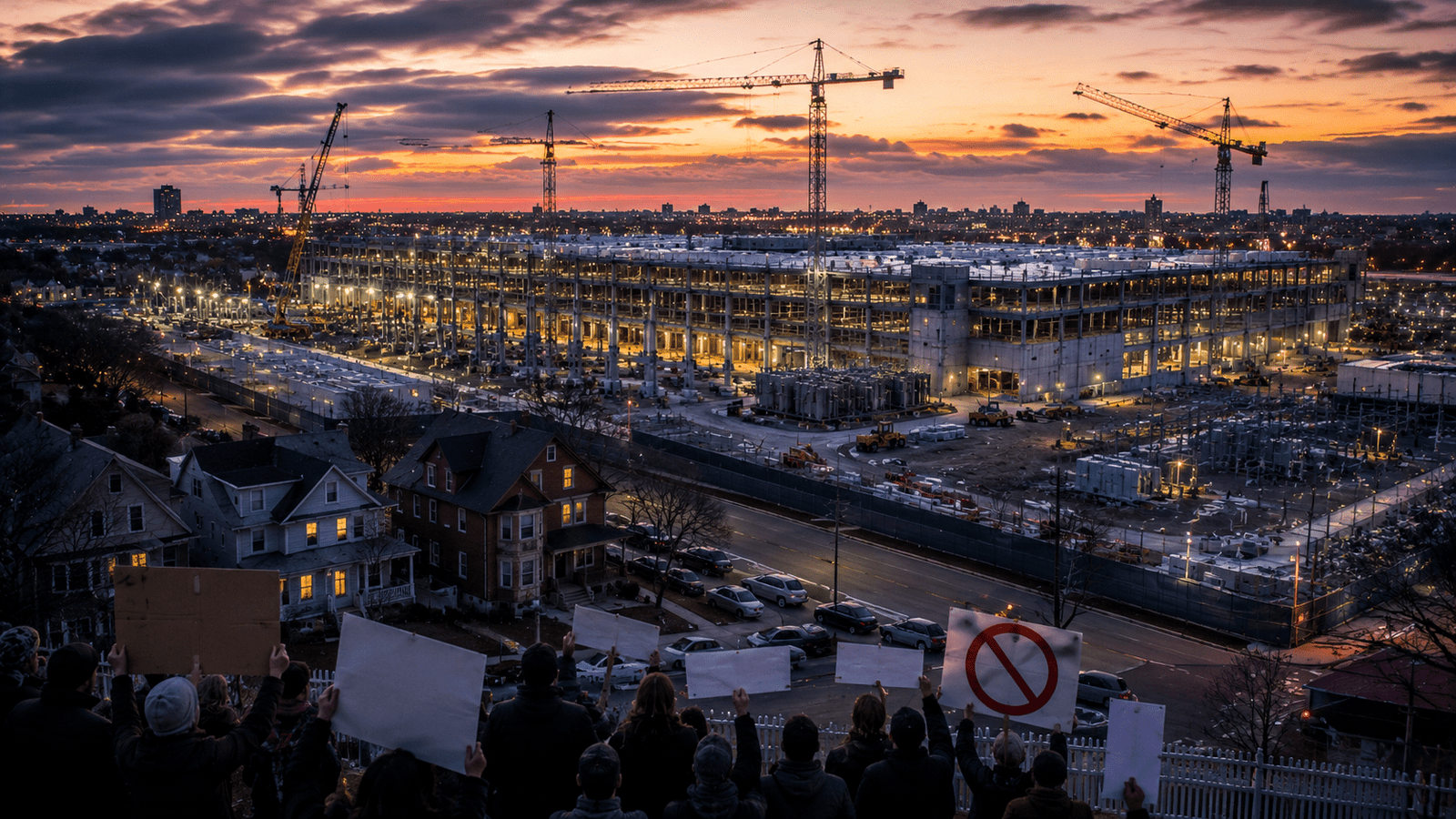
CoreSite’s DE3 data center directly triggered the vote. The 170,000-square-foot facility is currently under construction at 49th Street and Race Street in the Elyria-Swansea neighborhood, one of Denver’s poorest communities and already among the worst areas for air quality in Colorado. The moratorium does not affect DE3 because the city approved its permits under existing general industrial zoning rules before officials introduced the moratorium. The measure does, however, block the two additional buildings CoreSite planned for the same campus.
Water Consumption Became the Central Issue
According to plans shared with Denver Water, the CoreSite DE3 facility is estimated to use approximately 235,000 gallons of water per day, or roughly 86 million gallons per year. Denver’s two existing CoreSite facilities used a combined average of approximately 3,000 gallons per day over the past three years. The scale jump from 3,000 to 235,000 gallons daily at a single facility in a neighbourhood already under Stage 1 drought water-use restrictions of 20% reduction captures why the moratorium passed with mayoral support. CoreSite stated the facility meets or exceeds all Colorado air quality and environmental standards, and that the moratorium is not about CoreSite but about future development.
Council member Paul Kashmann said CoreSite’s facility directly prompted the moratorium and forced the city to recognise that Denver had no regulations specifically governing data centers. Denver currently has no zoning rules specific to data centers, no energy requirements, and no water use regulations for the facilities. The moratorium is the mechanism for creating them.
Why Denver Joins a Growing National Movement
Denver’s vote places it among at least 78 jurisdictions across the United States that have enacted moratoriums on data center development, up from 8 in May 2025. Minneapolis will vote on its own data center moratorium on May 21, the same day Denver’s moratorium takes effect. The moratorium gives Denver one year to convene a working group of city officials, subject matter experts, utilities, developers, and community members to develop the regulations the city does not currently have. Council member Sawyer said she hopes the moratorium does not lead to an outright ban. Council member Parady said the city should not rule it out. That split within the council reflects exactly the dynamic that the data center industry faces in every market where organised community opposition has reached the point of forcing a legislative response.