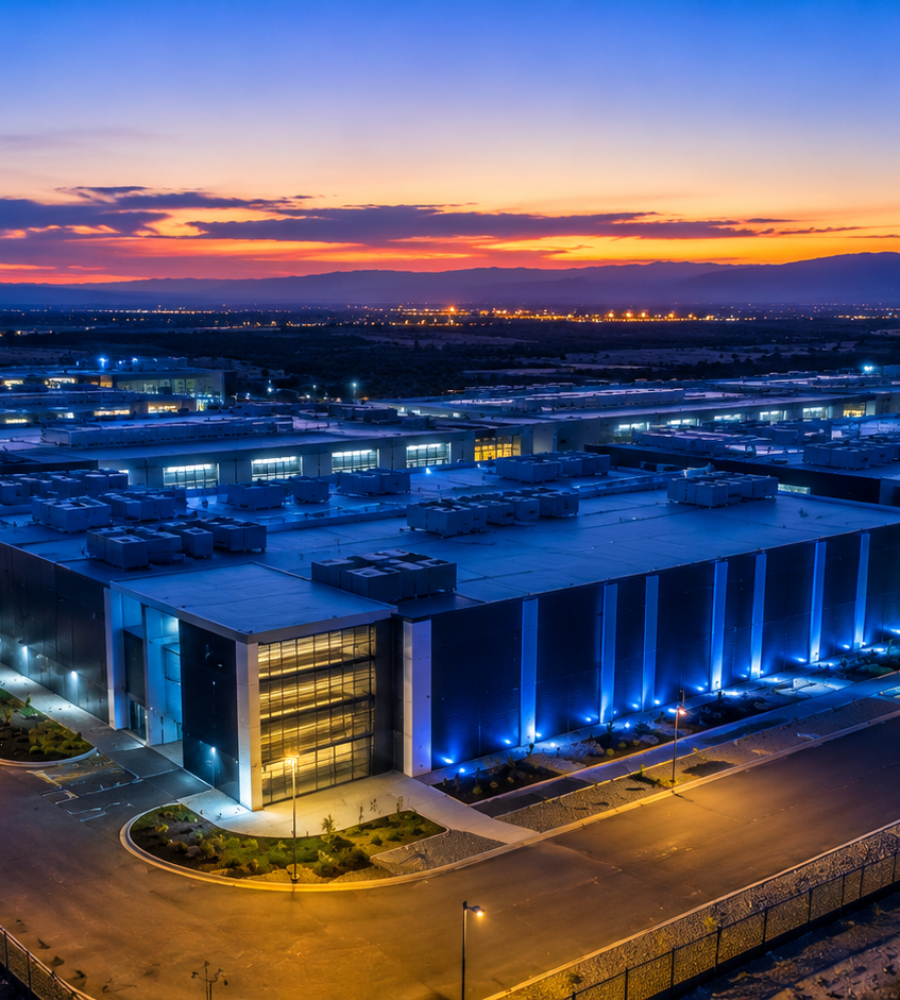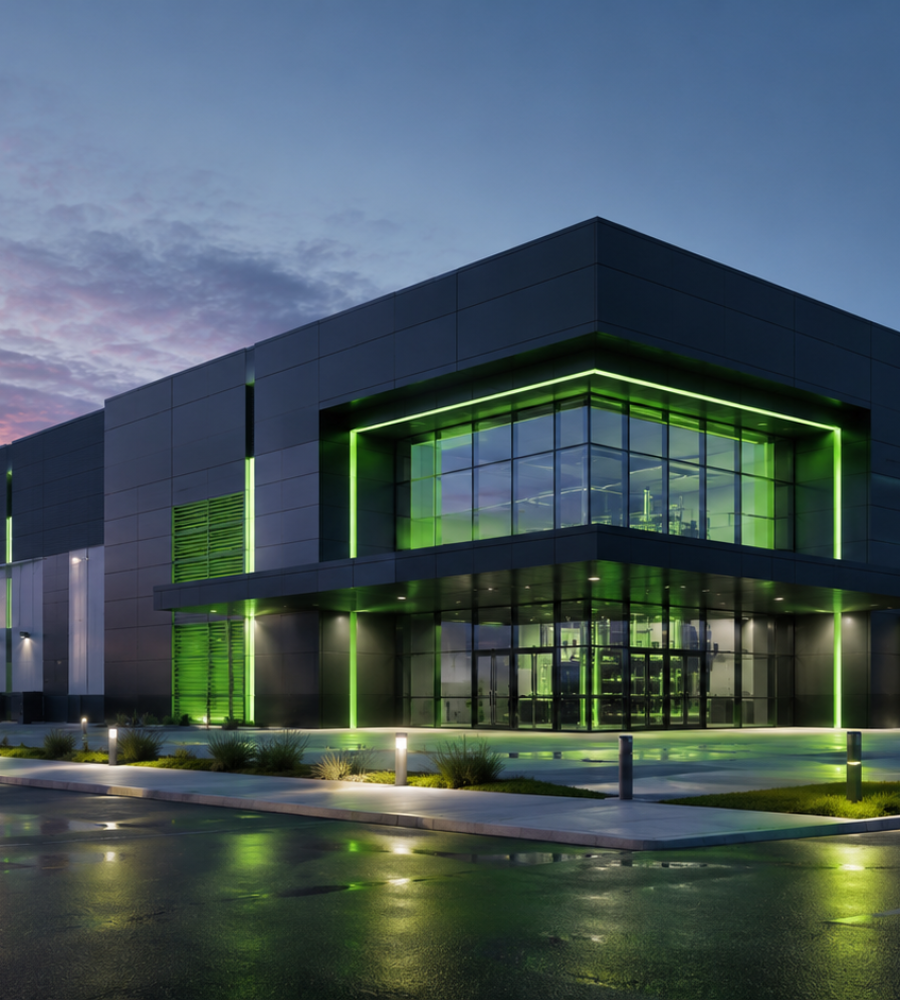
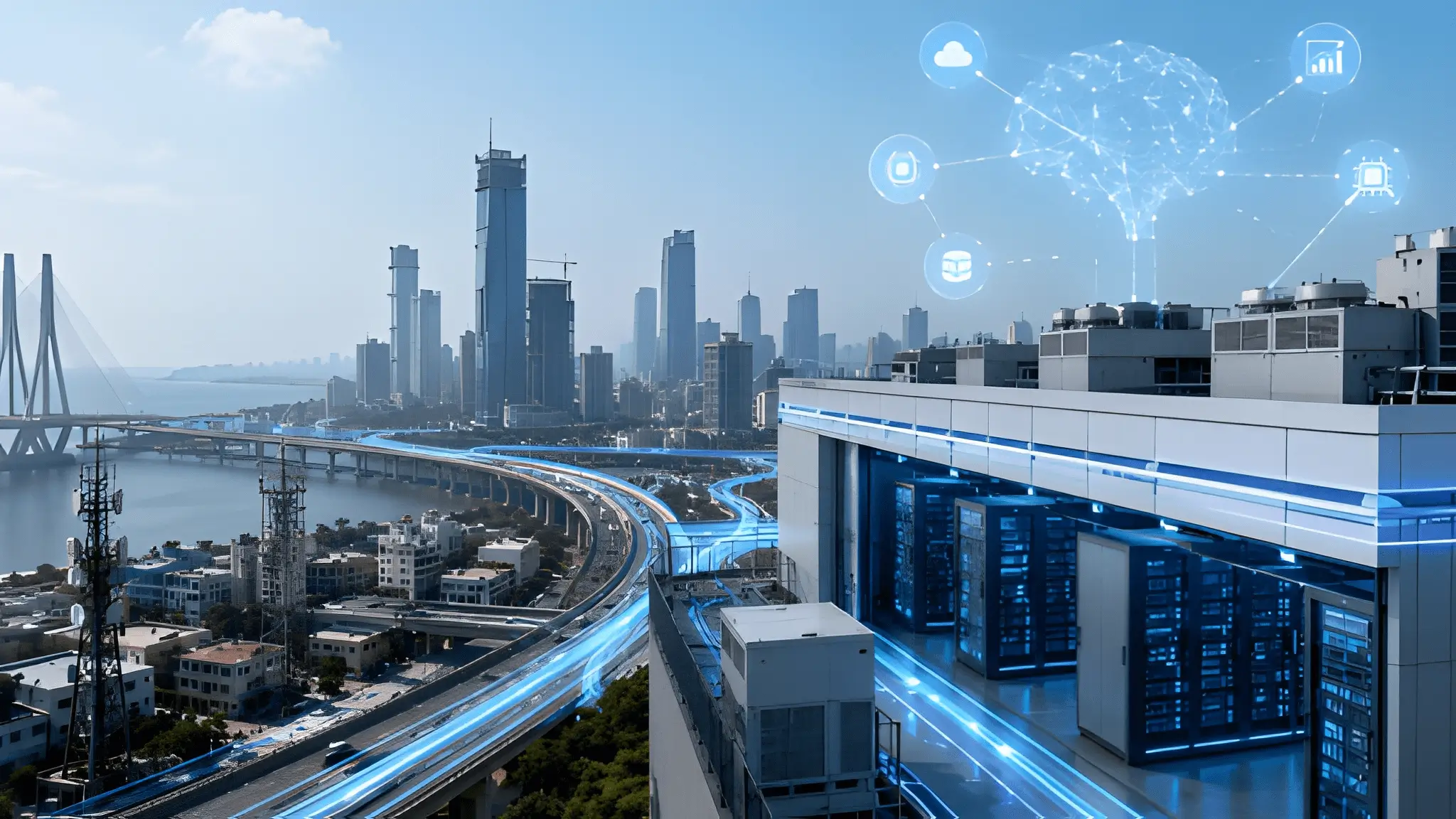
India is ditching the “go big” hyperscale mindset for distributed infrastructure and betting on local compute instead. Techno Digital has now moved deeper into that transition with the launch of its Mumbai Edge Data Center, a facility designed to support latency-sensitive enterprise and AI workloads inside one of the country’s densest commercial corridors. The site, developed alongside RailTel, marks the first major operational milestone in a wider national edge expansion strategy targeting more than 100 Indian cities. The deployment signals how infrastructure operators increasingly view proximity, rather than pure scale, as the next competitive differentiator in India’s digital economy.
Located in Mahalakshmi, South Mumbai, the facility delivers 800kW of capacity across 55 racks. Techno Digital said the data center integrates directly with RailTel’s 63,000-kilometer fiber backbone, giving enterprises access to dense national connectivity infrastructure tied closely to India’s railway communications network. The company positioned the site as a strategic response to growing demand for real-time compute environments where milliseconds increasingly influence operational outcomes. Financial services platforms, AI inferencing applications, enterprise workloads, and digital trading systems sit at the center of that demand profile.
Ankit Saraiya, Director & CEO, Techno Digital, said: “The Mumbai Edge Data Center is designed to align infrastructure with demand centers, particularly in high-performance environments such as financial services and real-time platforms. At Techno Digital, our mission is to build a leading distributed network of interconnected Edge infrastructure that matches the concentration of economic and digital activity. The Mumbai facility represents a key milestone in that journey.”
India’s Edge Data Center Expansion Is Accelerating
The Mumbai launch forms part of a broader rollout plan that could significantly expand India’s edge infrastructure footprint over the next several years. Techno Digital stated that five more Edge locations will launch “in quick succession” following Mumbai, while the long-term roadmap targets 102 distributed facilities delivering a combined 200MW of capacity within three to four years. That strategy reflects a wider industry shift toward regional compute architectures capable of reducing latency while supporting localized AI processing and enterprise applications.
RailTel originally outlined plans for a nationwide edge network in 2022, seeking infrastructure partners capable of scaling the initiative commercially. Techno Digital joined the project in 2024, adding operational execution capability through its infrastructure development experience. The collaboration now combines RailTel’s extensive fiber footprint with Techno Digital’s growing data center portfolio. Consequently, the partnership could emerge as one of India’s more aggressive distributed infrastructure programs outside the traditional hyperscale ecosystem.
The launch also comes shortly after Techno Digital formally entered the market. The company launched in May 2025 as a wholly owned subsidiary of Techno Electric & Engineering Company Limited, an Indian power infrastructure firm with longstanding experience in utility and transmission projects. The subsidiary structure gives Techno Digital access to energy and infrastructure expertise at a time when power availability increasingly shapes data center deployment strategies across India.
Mumbai Facility Targets Latency-Sensitive AI And Financial Workloads
The company framed the Mumbai site less as a conventional colocation facility and more as a strategic compute node built for performance-critical applications. That positioning aligns with broader enterprise demand patterns emerging across India, especially among fintech firms, AI operators, and digital commerce platforms requiring lower-latency compute environments closer to users and transaction hubs.
Amit Agrawal, President of Techno Digital, added: “In a city like Mumbai, where milliseconds can impact outcomes, infrastructure placement becomes critical. This facility combines low-latency architecture, strong connectivity, and sovereign infrastructure to support performance-critical workloads ranging from trading and fintech platforms to real-time AI inferencing and enterprise applications. It is designed to deliver the reliability and responsiveness required in latency-sensitive environments.”
Mumbai remains India’s largest financial hub and one of Asia’s most active digital transaction centers, making infrastructure proximity commercially valuable for enterprises competing on execution speed and platform responsiveness. Edge facilities inside dense urban markets increasingly serve as operational extensions of larger hyperscale campuses rather than standalone assets. However, operators now face mounting pressure to balance performance optimization with power efficiency and interconnection density as AI inference workloads continue spreading toward the edge.
Techno Digital Expands Beyond Mumbai With Multi-City Pipeline
The company’s broader infrastructure pipeline already extends beyond edge deployments. Last year, Techno Digital launched a 36MW data center in Chennai, strengthening its presence in southern India’s rapidly expanding digital infrastructure market. Two additional projects remain under development, including a 20MW facility in Kolkata and an 18MW campus in Noida. The Noida site is expected to become operational later this year, while Kolkata is scheduled for completion in 2027.
Techno Digital also operates a smaller Edge facility in Gurugram developed with RailTel. That site delivers 400kW across 20 racks and has already reached full occupancy, according to the company. Additional Edge locations are planned for Indore, Gandhinagar, and Lucknow as the company continues building its distributed architecture strategy across secondary urban markets.
RailTel’s infrastructure footprint gives the partnership unusual national reach. Formed in 2000 to modernize India’s communications infrastructure, the company owns fiber assets running alongside the country’s rail networks. Today, the network spans more than 60,000 route kilometers and connects over 6,000 railway stations nationwide. That physical infrastructure foundation could provide Techno Digital with a deployment advantage as India’s edge computing market enters a more competitive growth phase.