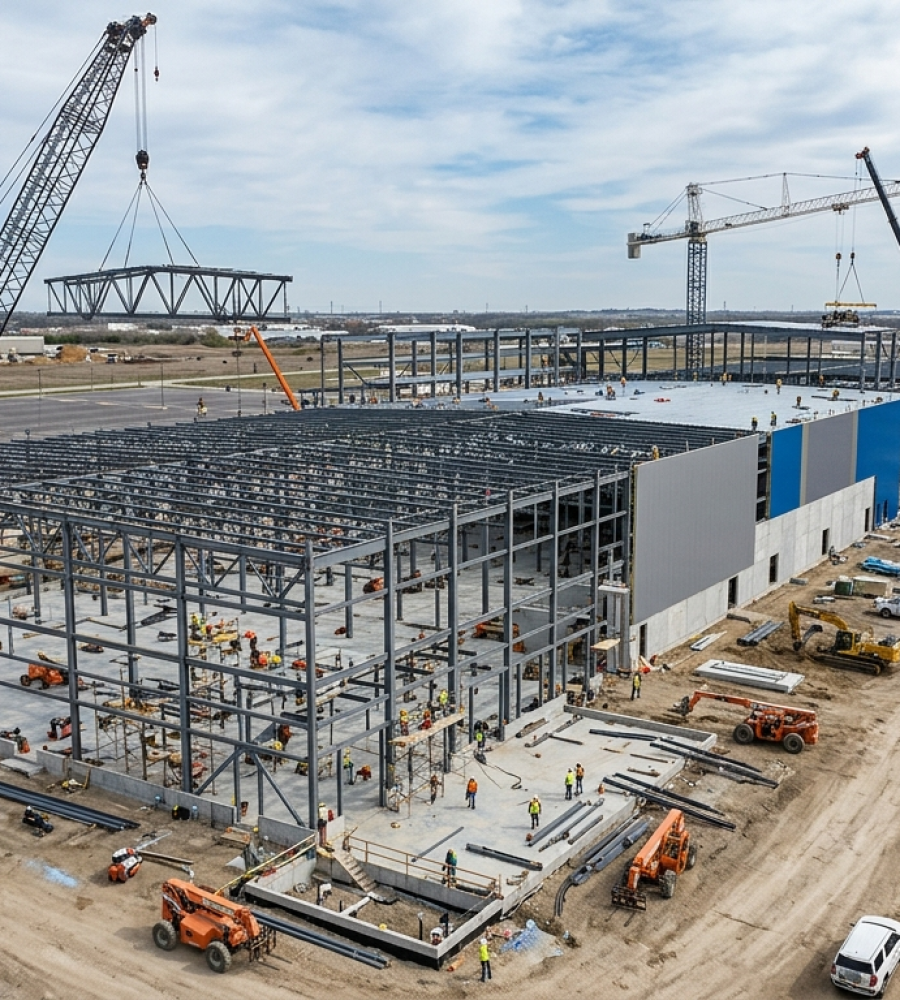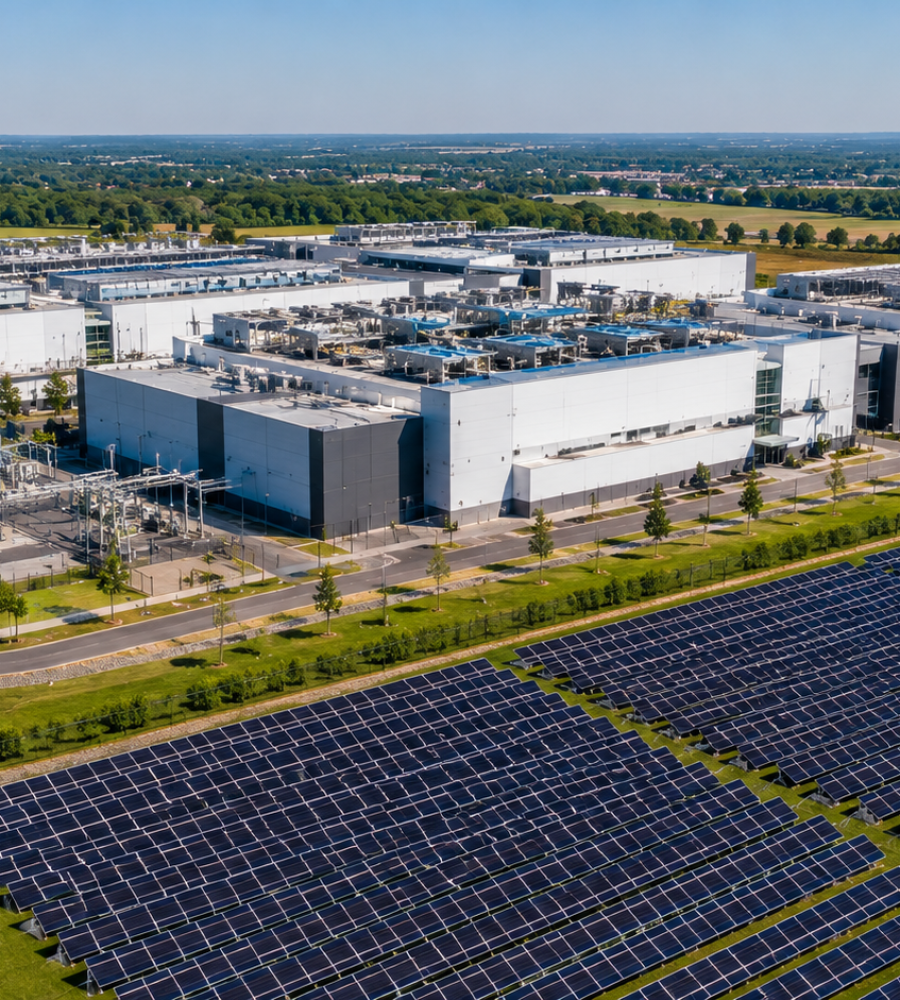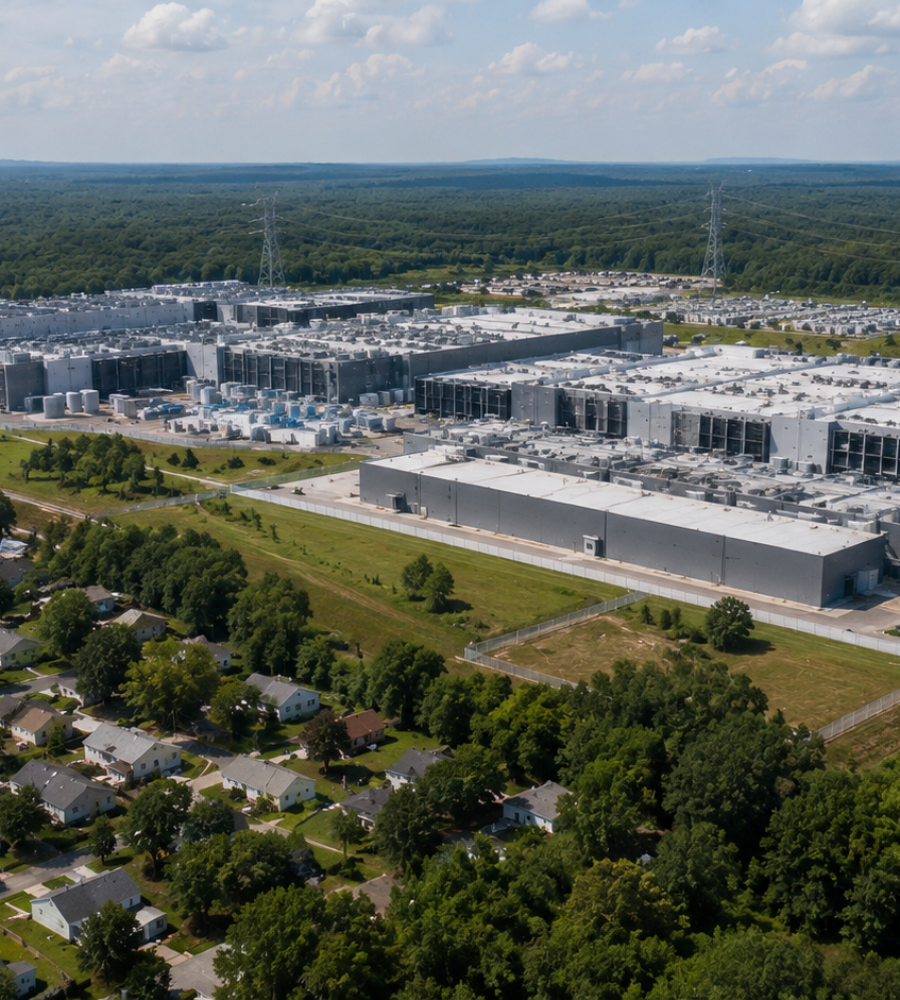
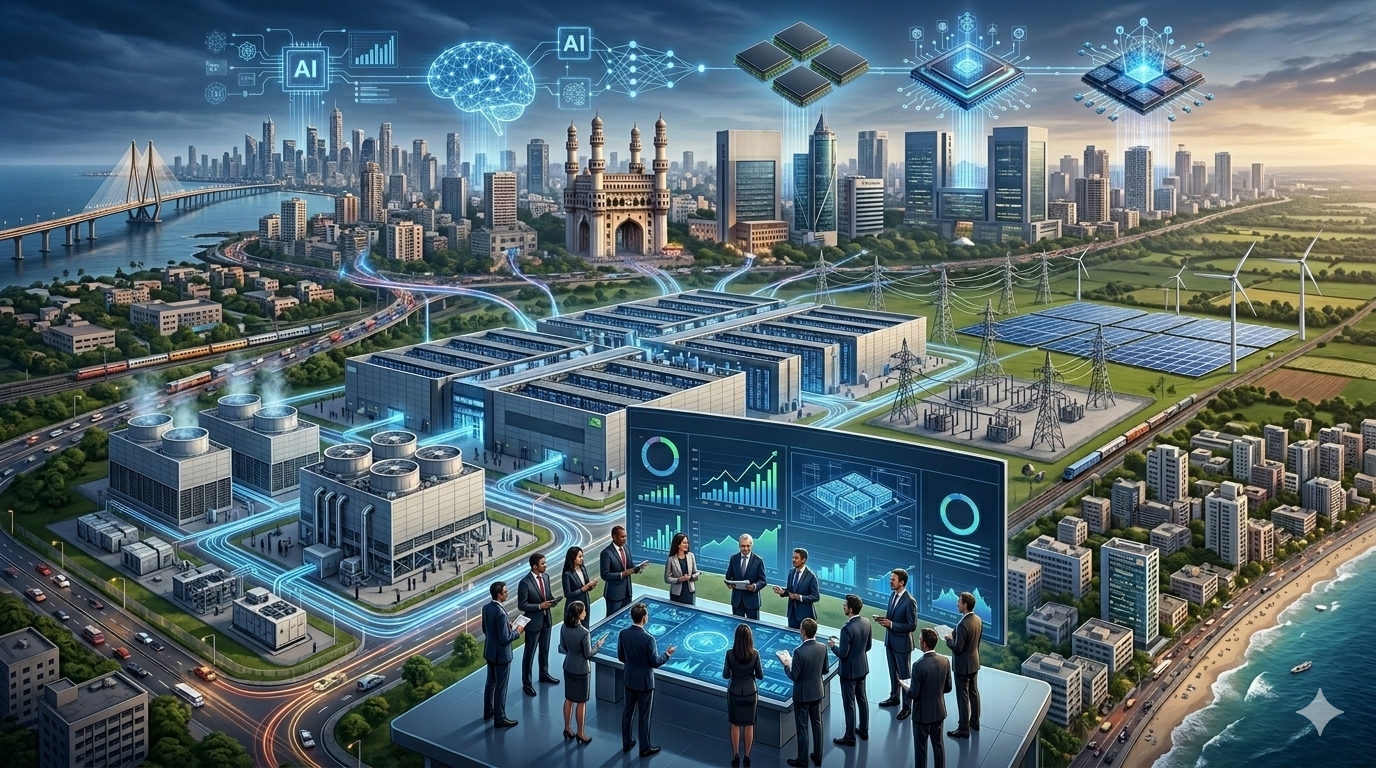
India’s data center industry is experiencing a significant transformation as artificial intelligence adoption, cloud computing demand, and digital services expansion create new requirements for large-scale computing infrastructure. What was once a market primarily focused on enterprise colocation services has evolved into a strategic destination for global investors seeking exposure to the next phase of AI-driven infrastructure growth.
The scale of investment activity reflects growing confidence in India’s long-term digital economy. International infrastructure funds, private equity firms, sovereign investors, and data center operators increasingly view India as one of the world’s most attractive markets for future capacity expansion. Rising demand from cloud platforms, AI developers, enterprise customers, and digital service providers continues to support that investment thesis.
Industry estimates suggest that investments across data centers, power infrastructure, connectivity networks, and supporting facilities could approach $100 billion over the coming years. The figure highlights the growing importance of digital infrastructure as a foundational asset class within India’s broader economic development strategy.
Artificial Intelligence Creates New Demand for Computing Capacity
The rapid adoption of artificial intelligence has introduced a new dimension to data center planning. Traditional cloud workloads already required substantial computing resources, but AI model training and inference operations demand significantly greater processing power, networking performance, and energy capacity.
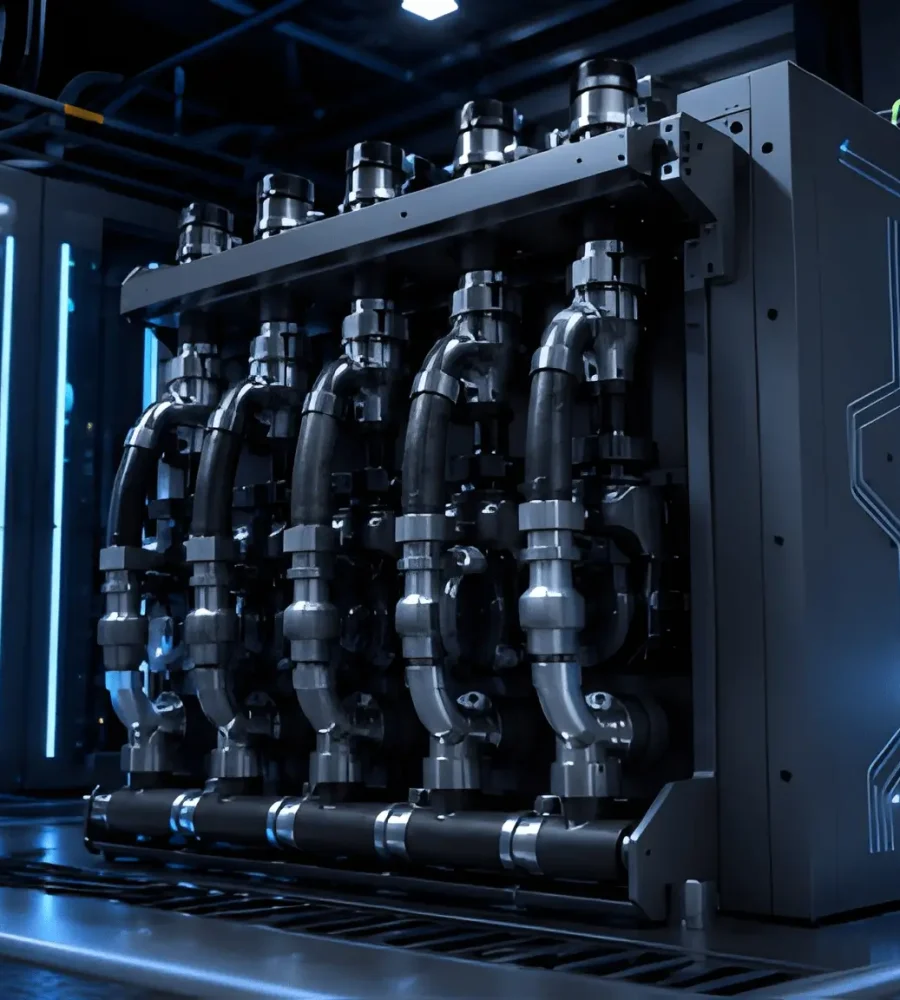
Organizations deploying generative AI applications increasingly require access to advanced computing clusters capable of handling large-scale machine learning workloads. This shift has encouraged data center operators to design facilities that can support high-density computing environments, advanced cooling technologies, and future AI infrastructure requirements.
Global cloud providers have also expanded their AI-related investments across major markets. As AI services become integrated into enterprise software, consumer applications, and government initiatives, demand for underlying infrastructure continues to grow. India represents an increasingly important market within that global expansion strategy.
Hyperscale Operators Continue Expanding Their Presence
Major hyperscale cloud companies remain among the most influential drivers of data center demand. Their need for large-scale computing environments has accelerated investment activity across key metropolitan regions including Mumbai, Chennai, Hyderabad, Bengaluru, and Delhi-NCR.
These companies require infrastructure capable of supporting cloud services, AI platforms, storage systems, content delivery networks, and enterprise applications. As customer demand increases, hyperscale providers often expand capacity through a combination of self-built facilities and partnerships with specialized data center operators.
The concentration of digital activity in major urban centers has created favorable conditions for large-scale infrastructure development. Access to connectivity networks, enterprise customers, international cable systems, and skilled technical talent continues to influence site selection decisions.
Global Capital Targets Long-Term Infrastructure Opportunities
Large institutional investors increasingly view data centers as critical infrastructure assets with long-term growth potential. Strong demand fundamentals, recurring revenue models, and increasing digitalization have attracted substantial capital into the sector worldwide.
India’s market offers several characteristics that appeal to global investors. The country continues to experience rising internet usage, expanding digital services adoption, increasing enterprise technology spending, and growing cloud penetration rates. These trends create sustained demand for computing infrastructure over extended investment horizons.
Investment activity now extends beyond facility construction alone. Investors are also targeting supporting assets such as energy infrastructure, fiber connectivity, industrial land, and technology platforms that contribute to the broader data center ecosystem.
Power and Infrastructure Remain Central to Future Growth
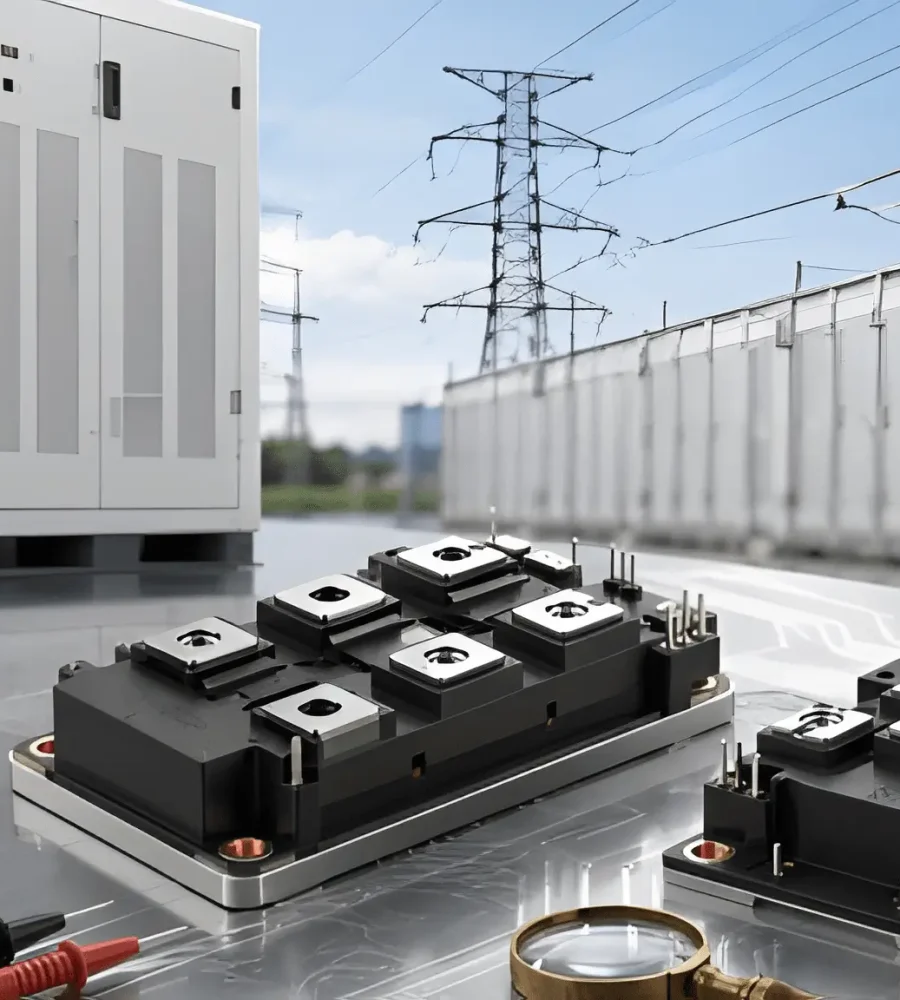
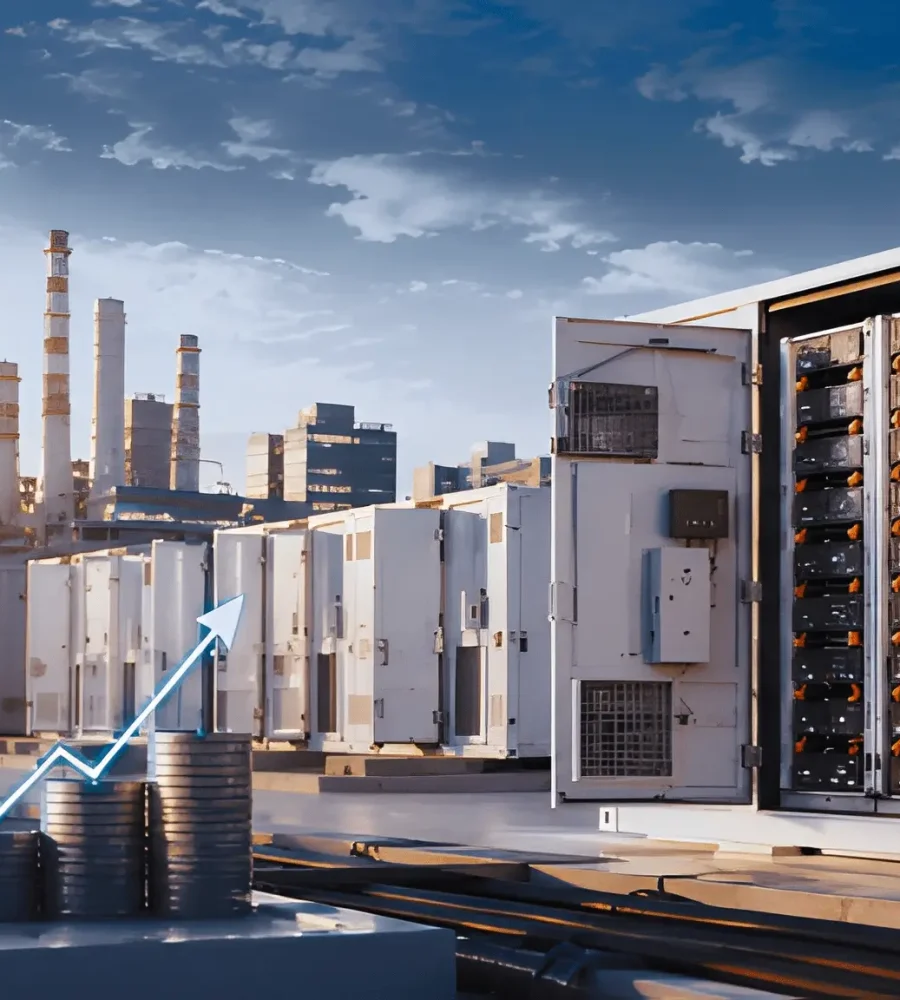
As facilities become larger and more computationally intensive, access to reliable power infrastructure plays an increasingly important role in project development. AI workloads require substantial electrical capacity, making energy planning a critical component of future expansion strategies.
Developers must coordinate closely with utilities, transmission providers, and local authorities to secure sufficient power resources. Grid availability, renewable energy access, and long-term sustainability objectives now influence investment decisions alongside traditional real estate considerations.
Network connectivity also remains essential. Modern AI applications often require low-latency access to cloud environments, large-scale data transfers, and seamless connections between regional infrastructure hubs. These requirements continue to shape data center deployment strategies throughout India.
India Strengthens Its Position in the Global Data Center Market
India’s emergence as a major data center destination reflects broader changes taking place across the global technology landscape. Enterprises increasingly rely on cloud services, governments expand digital initiatives, and AI adoption creates new infrastructure requirements that extend beyond traditional computing models.
The combination of growing domestic demand, strong digital adoption trends, expanding cloud ecosystems, and rising investor interest has positioned the country as an increasingly important market for future infrastructure development. Global capital continues to flow toward projects capable of supporting long-term computing demand.
While challenges related to power, land acquisition, and infrastructure planning remain important considerations, current investment activity suggests confidence in the market’s long-term trajectory. The next phase of growth will likely depend on how effectively operators, investors, policymakers, and technology companies coordinate efforts to build the infrastructure required for an increasingly AI-driven digital economy.