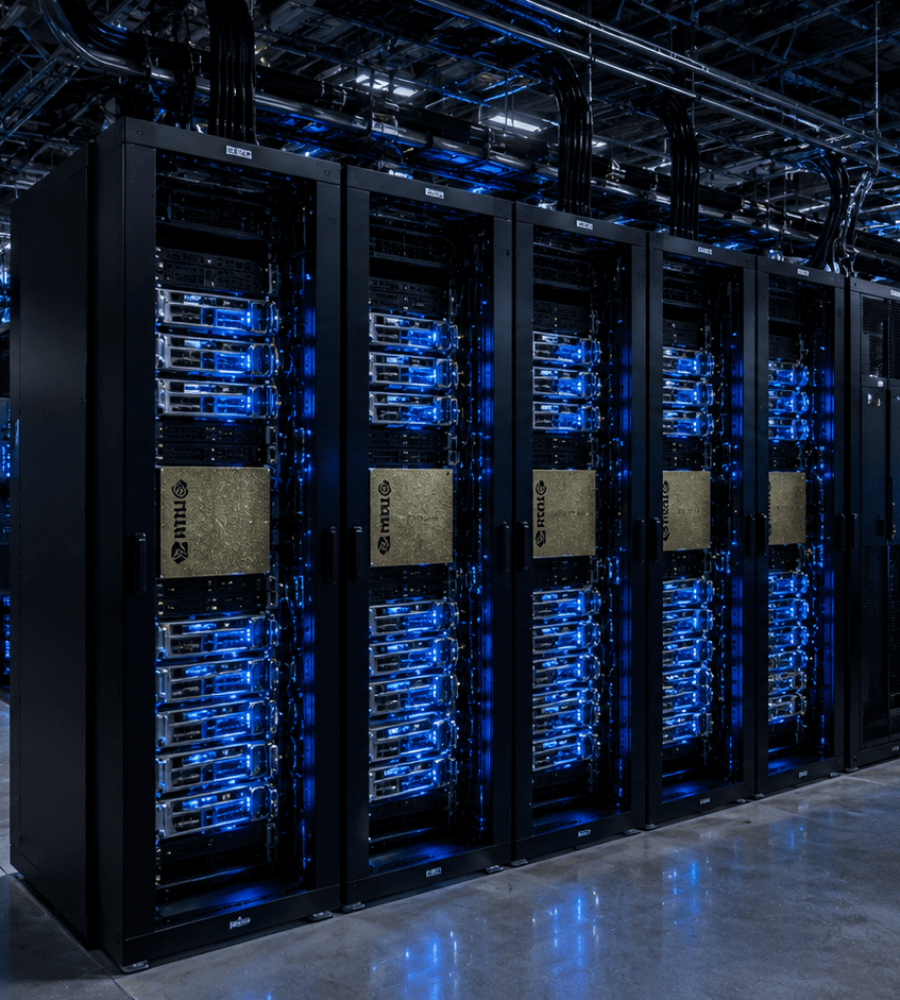

The loudest trade in artificial intelligence no longer sits inside server racks or semiconductor fabs. Capital has started flowing toward the quieter layer beneath the compute economy, where transmission approvals, utility contracts, and energized substations determine which projects move forward and which remain stranded on paper. Financial firms that once chased office towers, pipelines, and toll roads now spend billions securing electrical capacity before a single building rises from the ground. Inside boardrooms across New York, Houston, and Toronto, infrastructure teams increasingly describe power access as the scarce commodity defining the next decade of digital expansion. That shift has created an unusual investment environment where land without electricity trades cheaply, while grid-connected acreage in several hyperscale markets increasingly attracts premium valuations because power availability has become a major development constraint. The emerging race revolves around controlling industrial-scale electricity delivery at the exact moment hyperscale demand begins overwhelming regional grids.
A decade ago, institutional investors evaluated digital infrastructure through occupancy rates, fiber routes, and server utilization assumptions that behaved similarly to commercial real estate models. AI expansion changed the equation because advanced compute clusters consume electricity at a scale that resembles manufacturing districts more than enterprise software facilities. Developers that secure 500 megawatts of deliverable power now hold a stronger negotiating position than operators with premium buildings lacking utility certainty. Several investment funds have therefore shifted away from speculative construction and toward upstream energy positioning, where returns depend on access rights rather than compute ownership. Energy consultants increasingly compare modern hyperscale campuses to industrial refining complexes because both depend on synchronized coordination between generation, cooling, distribution, and long-term procurement. Investors once treated electricity as an operational expense, yet today many treat grid access itself as the appreciating asset underpinning future AI economics.
Blackstone Isn’t Buying Data Centers. It’s Buying the Plug
Private equity firms have discovered that electrical infrastructure often produces stronger leverage than ownership of the facilities consuming the energy. Instead of competing directly in crowded server deployment markets, several infrastructure investors have expanded into powered land acquisitions, utility-linked infrastructure partnerships, and behind-the-meter energy arrangements attached to strategic parcels. This approach gives investors influence over project timelines because utility approvals in major hyperscale regions can take several years to secure. Financial sponsors recognize that hyperscale tenants rarely wait for uncertain interconnection schedules when deploying AI workloads tied to revenue-sensitive services. Control over energized land therefore creates negotiating power long before construction financing enters the picture. The result resembles a modern industrial landlord strategy where access to electrons matters more than ownership of the buildings drawing them.
Large investment groups also favor grid-connected infrastructure because regulated and contracted power assets often produce stable cash flows that resemble utility economics. Firms can lease energized capacity to multiple developers while avoiding the operational complexity associated with running compute hardware or managing cloud tenants. In some markets, developers and infrastructure owners negotiate premium pricing structures tied to future access rights on already-approved transmission connections. That arrangement creates a market where electrical certainty carries measurable enterprise value independent of physical construction progress. Moreover, investors can expand returns by integrating battery storage, natural gas backup systems, and demand-response participation into the same site economics. Capital markets increasingly reward these assets because they combine infrastructure-style durability with growth rates linked to accelerating AI deployment cycles.
The “Gigawatt Landlord” Business Model Nobody Saw Coming
A new category of infrastructure owner has emerged around parcels engineered specifically for large-scale electricity delivery rather than traditional industrial occupancy. These firms assemble land portfolios near transmission corridors, complete environmental reviews, negotiate water access, and secure utility approvals before marketing the locations to hyperscale tenants. Operators describe the model as infrastructure enablement because the asset being leased is development readiness tied directly to scalable power delivery. Sites carrying approved interconnection agreements increasingly attract strong interest from cloud providers seeking faster deployment schedules for AI expansion. Investors can therefore generate premium lease economics without purchasing a single accelerator chip or operating a computing platform. The business increasingly resembles logistics real estate, except the scarce resource involves energized capacity instead of warehouse proximity.
Infrastructure funds particularly favor this strategy because entitlement timelines create defensible barriers against new competition entering prime hyperscale corridors. Utility negotiations, environmental approvals, and regional planning reviews often require years of coordination before a campus becomes commercially viable. Funds capable of absorbing those early-stage risks gain valuable positioning once hyperscale demand accelerates inside constrained markets. Several developers now market “powered shell” campuses where electrical infrastructure arrives fully prepared for rapid tenant deployment. Consequently, hyperscale operators can compress construction timelines dramatically by leasing pre-entitled energy campuses rather than beginning from raw land. Financial institutions view the model favorably because recurring lease structures tied to electricity delivery create long-duration revenue visibility supported by contractual demand growth.
From Oil Wells to AI Wells: Where Texas Money Went
Energy capital from Texas has started migrating toward digital infrastructure projects that monetize electricity demand instead of hydrocarbon extraction. Investment groups historically active in pipelines, natural gas gathering, and upstream production now back large-scale campuses positioned near generation assets across ERCOT territory. Many executives entering this market already understand commodity hedging, transmission economics, and industrial-scale infrastructure financing from decades inside the energy sector. AI facilities therefore appear familiar because profitability still depends on securing reliable energy supply at competitive long-term pricing. Several developers now build campuses directly adjacent to natural gas plants, allowing operators to bypass portions of the congested regional grid. The strategy transforms legacy energy expertise into a new infrastructure category shaped around continuous compute demand instead of crude output volumes.
The financial attraction extends beyond simple diversification because AI infrastructure introduces multi-decade electricity demand growth in regions already experienced with industrial development. Texas investors increasingly describe hyperscale campuses as demand anchors capable of supporting new generation construction and battery deployment economics simultaneously. Gas producers that once depended heavily on volatile commodity cycles can now participate indirectly in stable long-term electricity contracts supporting digital infrastructure tenants. Some private developers structure campus agreements with pricing mechanisms linked to long-term capacity usage and infrastructure expansion, creating revenue exposure connected to sustained digital demand. However, these projects still depend heavily on transmission upgrades and regional grid planning that remains vulnerable to permitting delays. Investors therefore evaluate power availability with the same rigor previously reserved for reserve estimates and pipeline takeaway capacity.
Your Pension Fund Now Bets on Megawatts, Not Stocks
Retirement funds searching for stable long-duration returns increasingly allocate capital toward infrastructure vehicles connected to AI-related electricity demand. Pension managers traditionally favored airports, toll roads, and regulated utilities because those assets produced predictable cash flows insulated from public equity volatility. AI-driven infrastructure now offers similar characteristics while carrying stronger growth assumptions linked to rising compute intensity across global economies. Long-term electricity supply agreements signed by hyperscale tenants often stretch beyond a decade, giving institutional investors reliable income visibility supported by investment-grade counterparties. Some pension funds have therefore increased exposure to private infrastructure strategies focused specifically on powered campuses, transmission expansion, and utility-scale energy storage. The broader investment thesis centers on electricity consumption growth rather than speculative technology adoption alone.
Infrastructure specialists also argue that long-duration energy contracts provide attractive inflation protection during periods of uncertain monetary policy. Lease structures tied to power delivery frequently include escalation clauses linked to operating costs, regional pricing indices, or contracted capacity growth milestones. Pension funds value these arrangements because they generate stable yields while preserving upside exposure to expanding digital demand. Additionally, many institutional investors prefer infrastructure assets because they demonstrate lower correlation with public equity markets during periods of financial volatility. AI-related energy infrastructure therefore occupies an unusual middle ground between utility defensiveness and technology-driven expansion potential. Nevertheless, fund managers remain cautious about overbuilding risks in regions where projected hyperscale demand may outpace actual deployment activity.
Brokers of Bottlenecks: Who’s Trading Interconnection Queues
Grid interconnection approvals have become strategically valuable assets inside several hyperscale development corridors where power availability remains constrained. Developers capable of securing utility studies and transmission commitments years ahead of construction now possess valuable positions that other operators desperately need. Secondary markets increasingly emerge around approved queue slots because new applicants often face multiyear delays before receiving power delivery certainty. Financial sponsors occasionally evaluate partially developed projects based heavily on the value of their approved power access and utility positioning. Utilities rarely designed queue systems expecting speculative trading behavior tied to explosive AI expansion demand. That mismatch has encouraged infrastructure funds to treat approved electrical capacity like a scarce industrial permit capable of generating significant resale premiums.
Specialized brokers and advisory firms now assist investors in valuing transmission access according to regional constraints, generation mix, and projected hyperscale expansion activity. Queue positions near major fiber routes or generation hubs can command extraordinary premiums because deployment schedules directly affect cloud provider revenue growth targets. Some developers even secure preliminary approvals without finalized campus designs simply to preserve future optionality around strategic energy corridors. Meanwhile, utilities struggle balancing legitimate infrastructure planning against speculative positioning behavior that can distort queue transparency. The environment increasingly resembles spectrum allocation markets where access rights themselves become highly tradable commodities independent of operational deployment. Investors entering this segment therefore require expertise spanning utility regulation, land entitlement, transmission engineering, and long-term infrastructure finance simultaneously.
The Exit Plan: Selling Gigawatts Before the AI Boom Cools
Private equity firms rarely hold infrastructure assets indefinitely, and AI-related energy projects already inspire detailed exit planning strategies across the market. Some investors are exploring pathways to package stabilized campuses into infrastructure-oriented investment vehicles once lease revenues mature sufficiently for long-term institutional buyers. Others anticipate acquisitions from utilities seeking greater control over rapidly expanding industrial electricity demand inside constrained service territories. Several funds additionally expect hyperscale operators themselves to purchase strategic energy assets outright after securing long-term deployment visibility. These scenarios depend heavily on sustained AI expansion because infrastructure valuations currently reflect expectations for persistent electricity demand growth across major digital markets. If deployment activity slows materially, investors could face excess energized capacity developed around overly optimistic assumptions.
Market participants therefore monitor leasing velocity, utility planning revisions, and regional transmission forecasts with increasing intensity as new projects enter development pipelines. Oversupply concerns remain limited today because energized capacity still trails announced hyperscale demand across several major corridors. Yet infrastructure cycles historically attract aggressive capital inflows that eventually compress returns and encourage speculative overbuilding behavior. Some analysts already question whether every announced campus will achieve full utilization if enterprise AI spending moderates during the next economic slowdown. Financial sponsors nevertheless continue raising dedicated capital vehicles focused specifically on energy-linked digital infrastructure opportunities. The defining challenge now involves determining whether electricity demand from advanced compute systems will expand steadily enough to justify the enormous valuation premiums attached to energized land and deliverable power rights.