AI Infrastructure Becomes the New Battleground for Technology Leaders
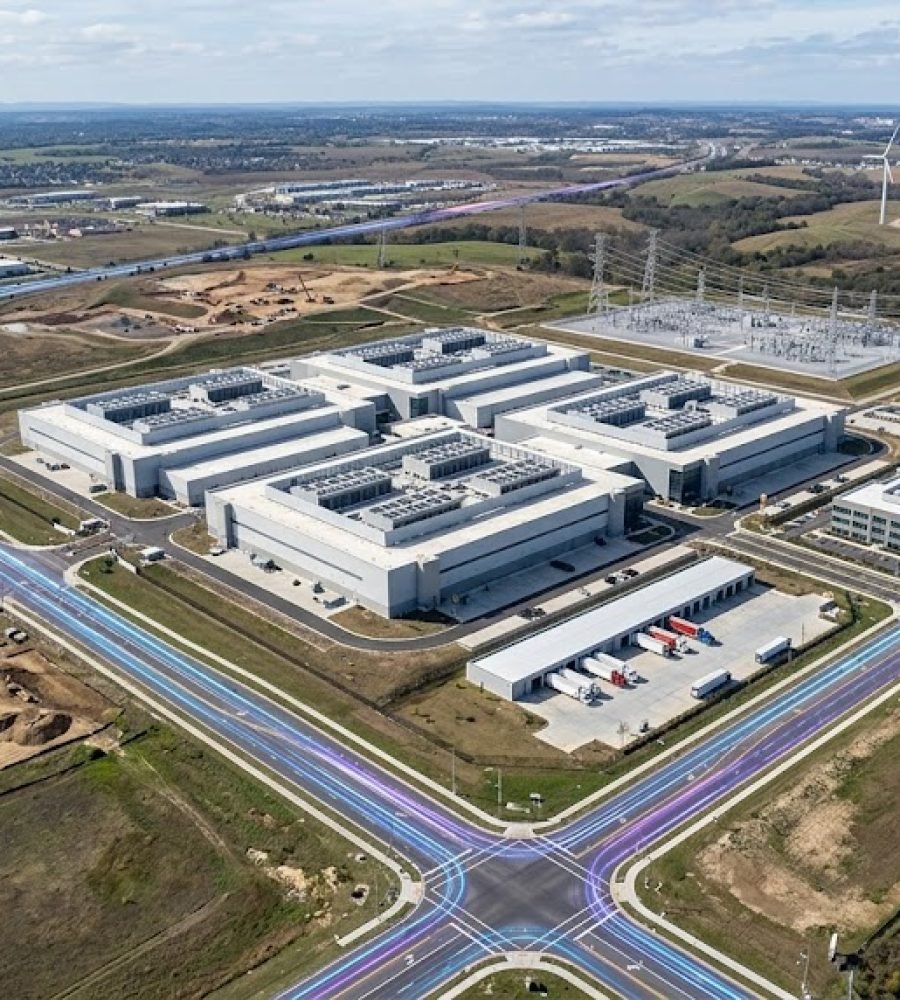
The artificial intelligence industry has entered a new phase where competitive advantage depends not only on advanced chips but also on the infrastructure that connects, powers, cools, and deploys them at scale. As AI workloads grow more demanding, technology companies are increasingly focusing on complete system architectures rather than individual hardware components.
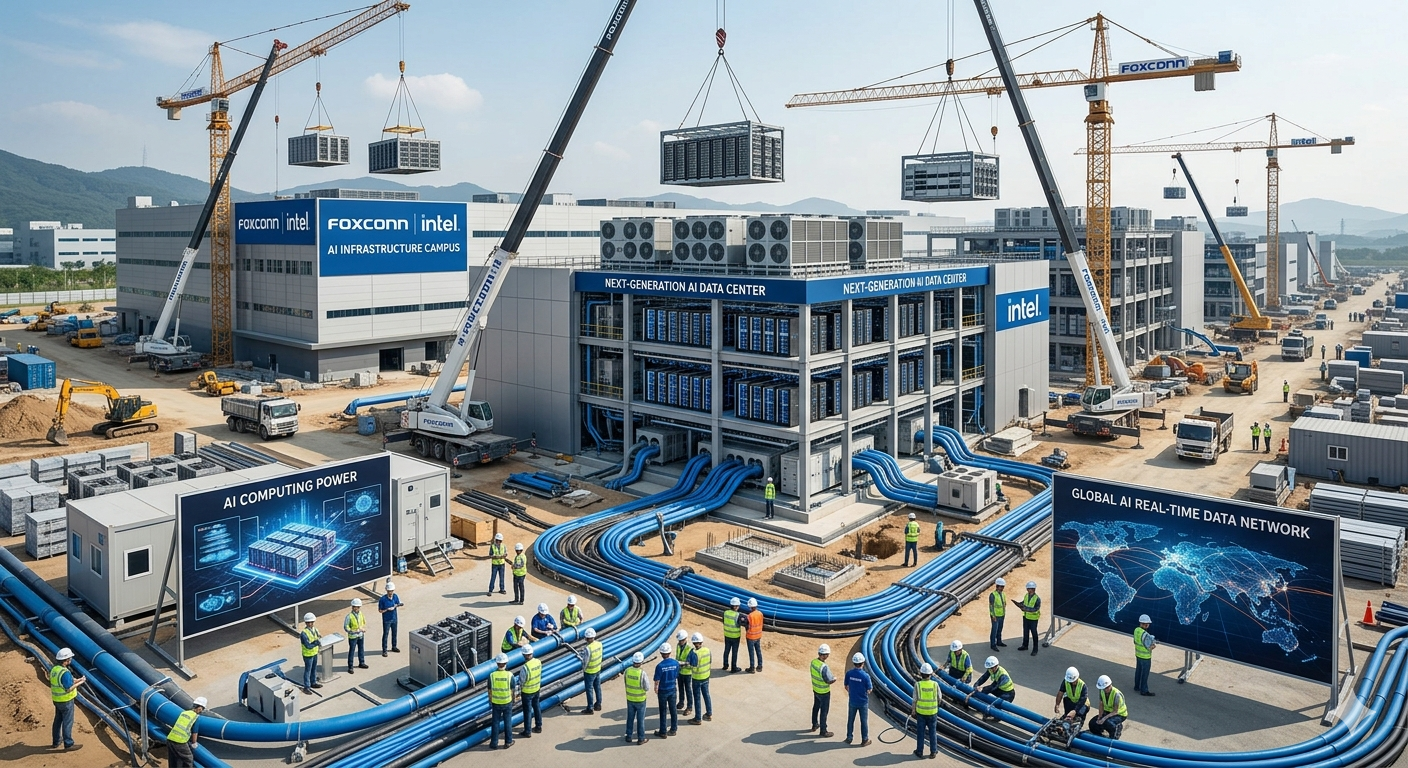
Against this backdrop, Foxconn and Intel have announced a strategic collaboration aimed at developing next-generation AI infrastructure and intelligent computing platforms. The partnership reflects a broader shift occurring across the industry as companies seek integrated solutions capable of supporting increasingly complex AI applications. The collaboration combines Intel’s expertise in processors and computing architectures with Foxconn’s manufacturing scale, system integration capabilities, and global supply chain network.
The announcement arrives at a time when demand for AI infrastructure continues to accelerate. Cloud providers, enterprises, governments, and research institutions are investing heavily in computing systems capable of supporting AI training, inference, and emerging agentic workloads. These requirements have expanded the industry’s focus beyond semiconductors toward the broader infrastructure ecosystem required to operationalize artificial intelligence.
The Partnership Extends Beyond Traditional Server Hardware
The collaboration between Foxconn and Intel focuses on developing comprehensive AI infrastructure solutions that span multiple layers of the technology stack. According to the companies, the partnership will cover silicon, rack-scale systems, intelligent computing platforms, and application-level integration.
This approach reflects the growing complexity of modern AI deployments. Large-scale AI systems require coordination between processors, networking technologies, cooling infrastructure, storage systems, and software management platforms. Performance improvements increasingly depend on how effectively these components operate together rather than on individual hardware specifications alone.
Intel and Foxconn plan to explore the development, integration, and commercialization of rack-scale AI infrastructure built around Intel’s Xeon processor platform. Rack-scale architectures have become increasingly important as data center operators seek more efficient methods of deploying computing resources for AI workloads.
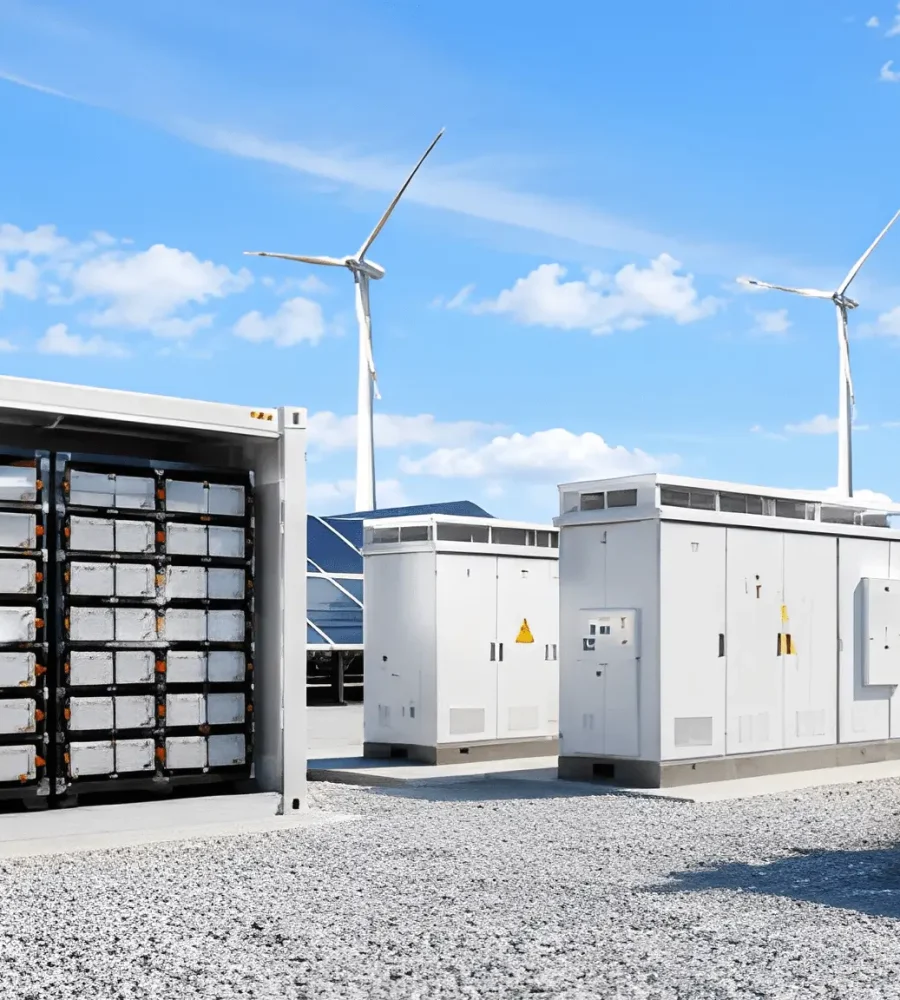
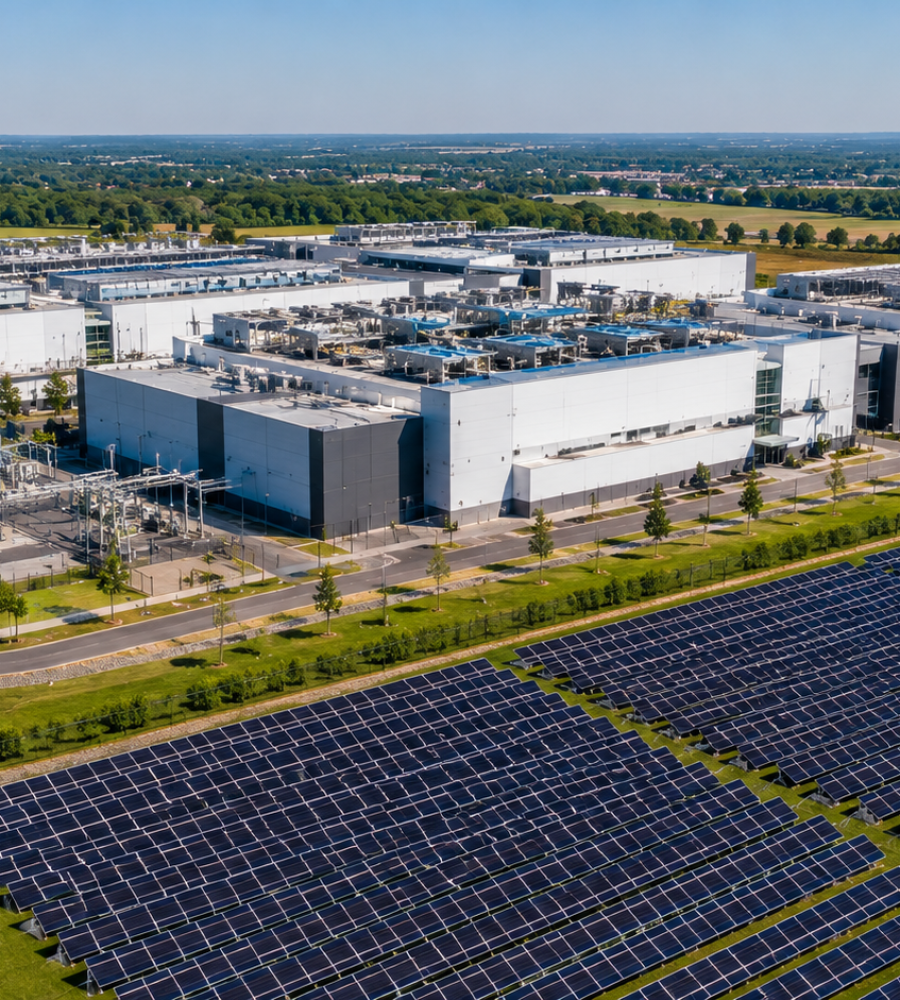
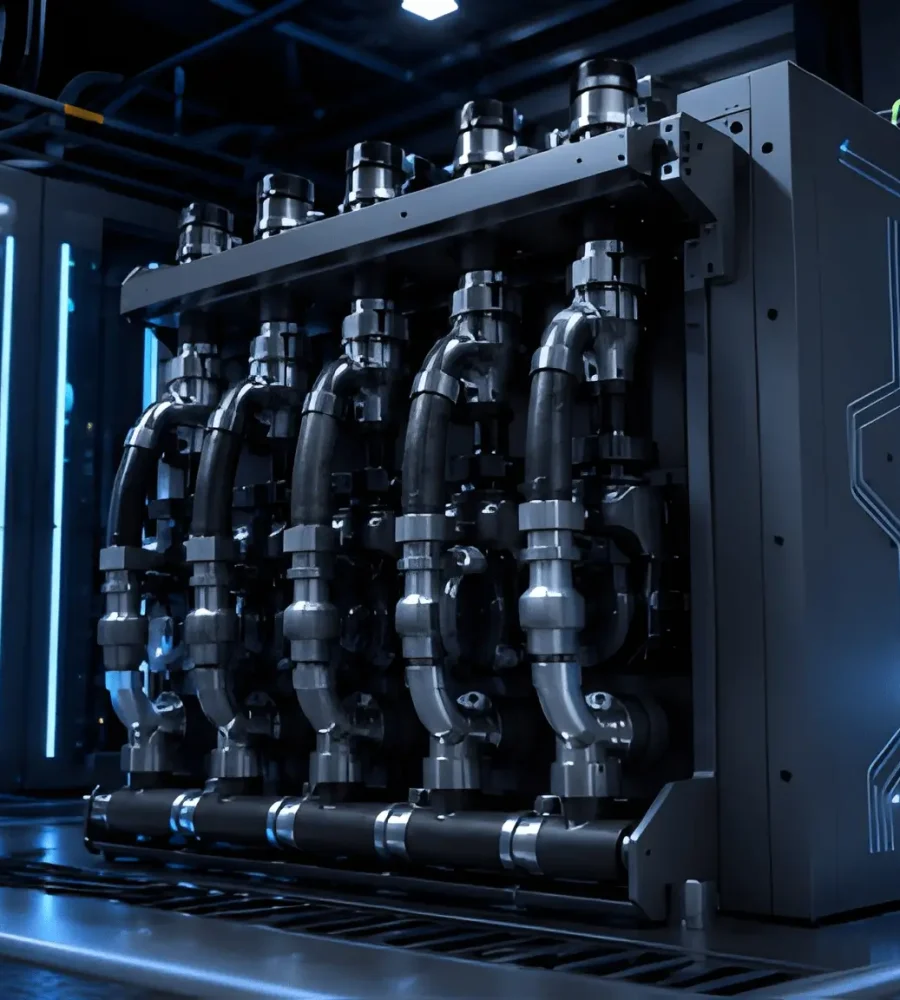
The partnership also highlights a growing trend toward system-level optimization. AI applications place unique demands on computing environments, requiring high-bandwidth communication, low-latency networking, advanced cooling systems, and energy-efficient operation. Companies that can optimize across the full infrastructure stack may gain advantages in performance, scalability, and operating costs.
Rack-Scale Computing Emerges as a Strategic Priority
One of the most notable aspects of the collaboration is its emphasis on rack-scale development. Traditional data center architectures often treat servers as relatively independent units connected through networking infrastructure. AI workloads increasingly require more tightly integrated designs capable of supporting large-scale distributed computing.
Rack-scale systems address this challenge by optimizing resources across entire racks rather than individual servers. Such designs can improve communication between processors, increase resource utilization, and simplify infrastructure management. These benefits become particularly valuable for AI applications that depend on large quantities of interconnected computing resources.
Intel has been actively promoting rack-scale AI infrastructure as part of its broader strategy to strengthen its position in the AI market. The company’s partnership with Foxconn provides access to manufacturing expertise and deployment capabilities that could accelerate commercialization efforts.
For Foxconn, the collaboration expands its role within the AI ecosystem beyond contract manufacturing. The company has increasingly positioned itself as a provider of AI infrastructure solutions, leveraging its experience in electronics manufacturing to participate in higher-value segments of the technology stack.
AI Infrastructure Demand Continues to Reshape the Industry
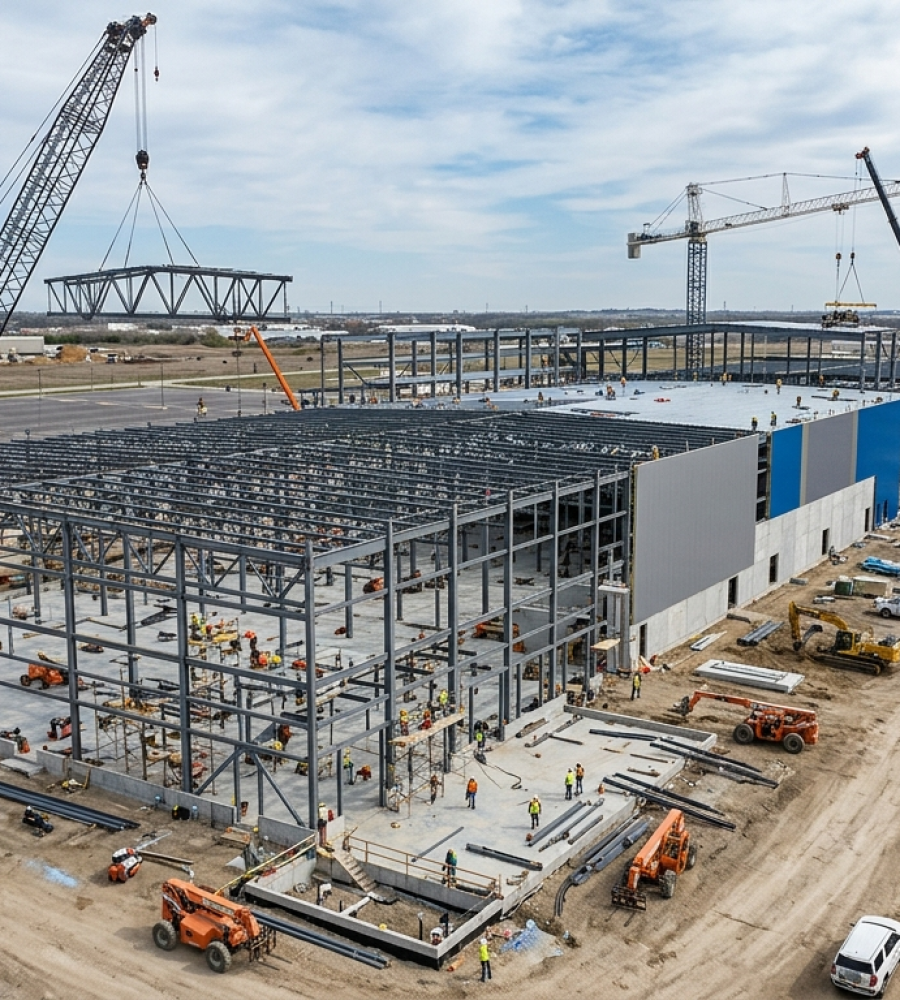
The partnership arrives amid a period of substantial investment in AI infrastructure worldwide. Major cloud providers and technology companies continue to allocate significant capital toward expanding AI computing capacity, creating opportunities across the semiconductor, networking, and data center sectors.
Foxconn Chairman Young Liu recently highlighted the scale of industry investment, pointing to hundreds of billions of dollars flowing into AI-related infrastructure projects. Such investments are driving demand for servers, processors, networking equipment, cooling technologies, and system integration services.
This demand has encouraged companies to pursue partnerships that combine complementary capabilities. AI infrastructure projects increasingly require expertise spanning semiconductor design, hardware manufacturing, software integration, and global logistics. Few organizations possess leadership positions across all these areas independently.
The collaboration between Foxconn and Intel reflects this reality. Intel contributes processor technology and platform architecture, while Foxconn provides manufacturing scale, supply chain management, and system integration capabilities. Together, the companies aim to address infrastructure requirements that extend beyond traditional server deployments.
Beyond Data Centers: Expanding AI Into Physical Systems
The companies have indicated that their collaboration will extend beyond conventional AI data center deployments. Future initiatives may target applications involving robotics, smart cities, industrial automation, and other forms of intelligent infrastructure.
This expansion reflects the growing convergence between AI systems and physical environments. Advances in AI increasingly depend on infrastructure capable of processing information, coordinating devices, and supporting real-time decision-making across distributed environments. Such requirements create opportunities for new categories of computing platforms optimized for physical-world applications.
Foxconn has already demonstrated interest in these areas through initiatives involving healthcare, robotics, and smart infrastructure. The company’s broader AI strategy increasingly focuses on integrating AI technologies into operational environments rather than limiting applications to traditional computing settings.
Intel has similarly emphasized opportunities in edge computing, industrial systems, and AI-powered automation. The partnership creates a framework for combining those efforts into larger infrastructure offerings capable of serving diverse market segments.
The Competitive Landscape Is Shifting Toward Full-Stack Solutions
The AI industry is moving beyond a phase where success depends solely on producing the fastest processor. Customers increasingly evaluate vendors based on their ability to deliver complete infrastructure solutions that simplify deployment and improve operational efficiency.
Companies across the sector are responding by building partnerships that span multiple layers of the technology stack. Hardware manufacturers, semiconductor firms, cloud providers, and infrastructure specialists are forming alliances designed to address the growing complexity of AI deployments.
The Foxconn-Intel collaboration aligns with this trend. Rather than focusing exclusively on processors or server hardware, the partnership seeks to create integrated systems capable of supporting a broad range of AI workloads. This strategy acknowledges that future competitive advantages may emerge from infrastructure integration as much as from individual technological components.
A New Chapter in AI Infrastructure Development
The collaboration between Foxconn and Intel underscores the evolving nature of the AI market. As artificial intelligence moves from experimental deployments to large-scale operational systems, infrastructure requirements continue to grow in complexity and importance.
Organizations deploying AI increasingly need solutions that combine computing performance, scalability, energy efficiency, networking capabilities, and operational reliability. Meeting those requirements often demands cooperation across multiple segments of the technology industry.
By bringing together Intel’s computing technologies and Foxconn’s manufacturing and integration expertise, the companies aim to position themselves within a rapidly expanding infrastructure market. While financial details and deployment timelines remain limited, the partnership signals a broader industry shift toward integrated AI platforms designed to support the next generation of intelligent computing systems.