Sterling’s AI Infrastructure Push Is Expanding Faster Than Expected
The artificial intelligence infrastructure buildout has started rewarding a different class of industrial company than many investors originally expected. Instead of software platforms or semiconductor designers, a growing portion of capital now flows toward firms capable of physically assembling the backbone of the AI economy at scale. Sterling Infrastructure appears increasingly determined to position itself inside that shift as more than a conventional construction contractor. The company has spent the past several years reshaping its business around mission-critical infrastructure, and recent execution suggests the strategy is beginning to accelerate faster than management initially projected. That transformation now places Sterling in direct competition with some of the most established engineering and infrastructure operators serving hyperscale customers. More importantly, it reflects how AI infrastructure spending is changing the economics of industrial contracting itself.
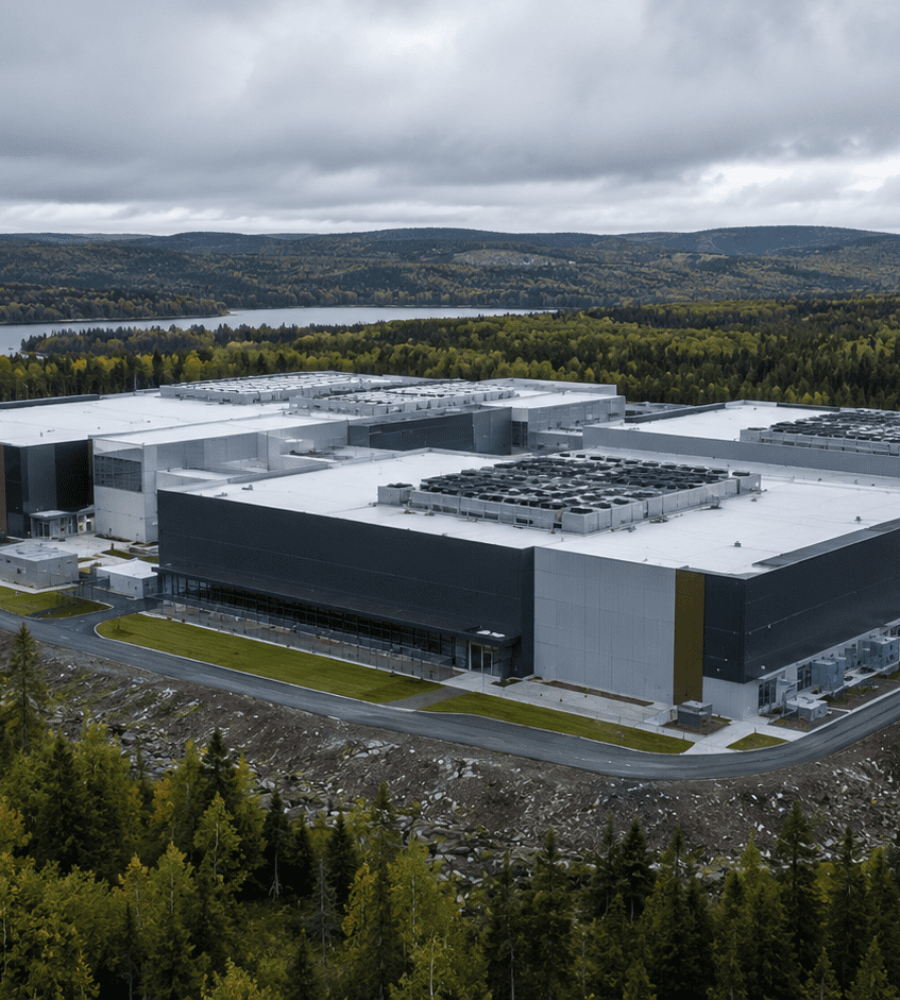
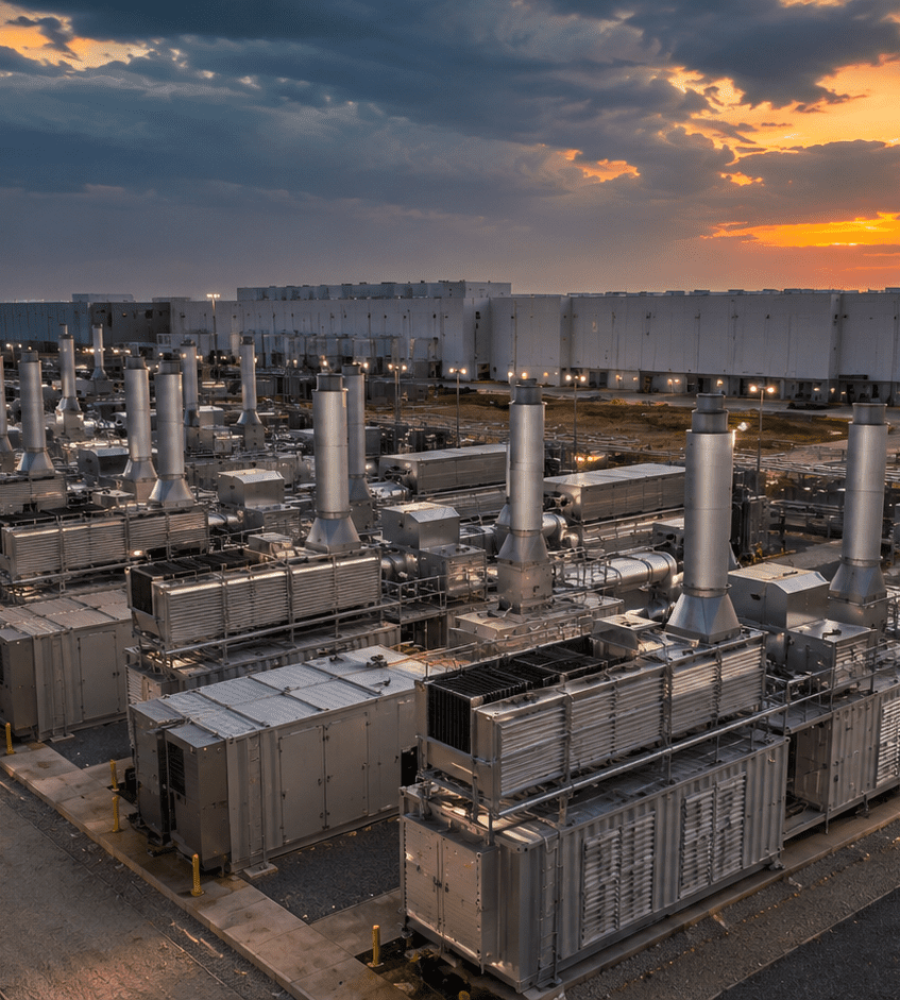
Sterling’s latest momentum emerged clearly during its first-quarter 2026 earnings discussion, where management disclosed that the company is already executing two hyperscale data center campuses through a combined service model that integrates civil site development and electrical infrastructure work. Those awards arrived six to eight months earlier than executives originally expected, an outcome that suggests hyperscale operators increasingly favor vendors capable of handling broader portions of the construction stack internally. The acceleration matters because hyperscale developers continue racing to compress deployment schedules as AI demand strains existing compute capacity across North America. Contractors that once specialized in narrow scopes of work now face pressure to deliver integrated execution across increasingly complicated campuses. Sterling believes its evolving structure gives it an advantage in that environment because the company can bundle multiple infrastructure disciplines into a unified operating model. The result increasingly resembles a mission-critical infrastructure platform rather than a traditional contractor.
Hyperscalers Are Rewarding Integrated Execution Models
The strategic importance of Sterling’s acquisition of CEC now appears substantially clearer than when the transaction first closed. CEC specializes in electrical services tied to mission-critical facilities, and the combination immediately expanded Sterling’s reach into higher-value infrastructure categories attached to AI data centers. Electrical infrastructure increasingly represents a major constraint in AI campus development as power density requirements continue climbing with each new generation of accelerated computing hardware. Industry trends suggest hyperscale operators increasingly prefer infrastructure partners capable of coordinating civil engineering, power delivery systems, site preparation and modular deployment schedules simultaneously. Consequently, companies capable of reducing coordination complexity may gain outsized influence in future contract negotiations. Sterling’s integrated approach aligns closely with those evolving customer preferences.
The economics behind that strategy also appear increasingly attractive. Management expects integrated projects to improve operational efficiency while supporting stronger margins through cross-selling opportunities across business lines. Instead of competing only for isolated portions of a development project, Sterling can pursue broader contracts that encompass multiple infrastructure categories within the same campus. That capability matters because AI data center projects now operate under enormous pressure to shorten construction cycles and accelerate energization timelines. Delays in power infrastructure or site readiness can translate into significant lost revenue opportunities for hyperscale operators deploying advanced AI clusters. Therefore, contractors capable of consolidating execution across disciplines may become strategically more valuable than firms focused exclusively on one infrastructure layer. Sterling appears intent on building precisely that positioning.
AI Infrastructure Spending Is Reshaping Industrial Construction
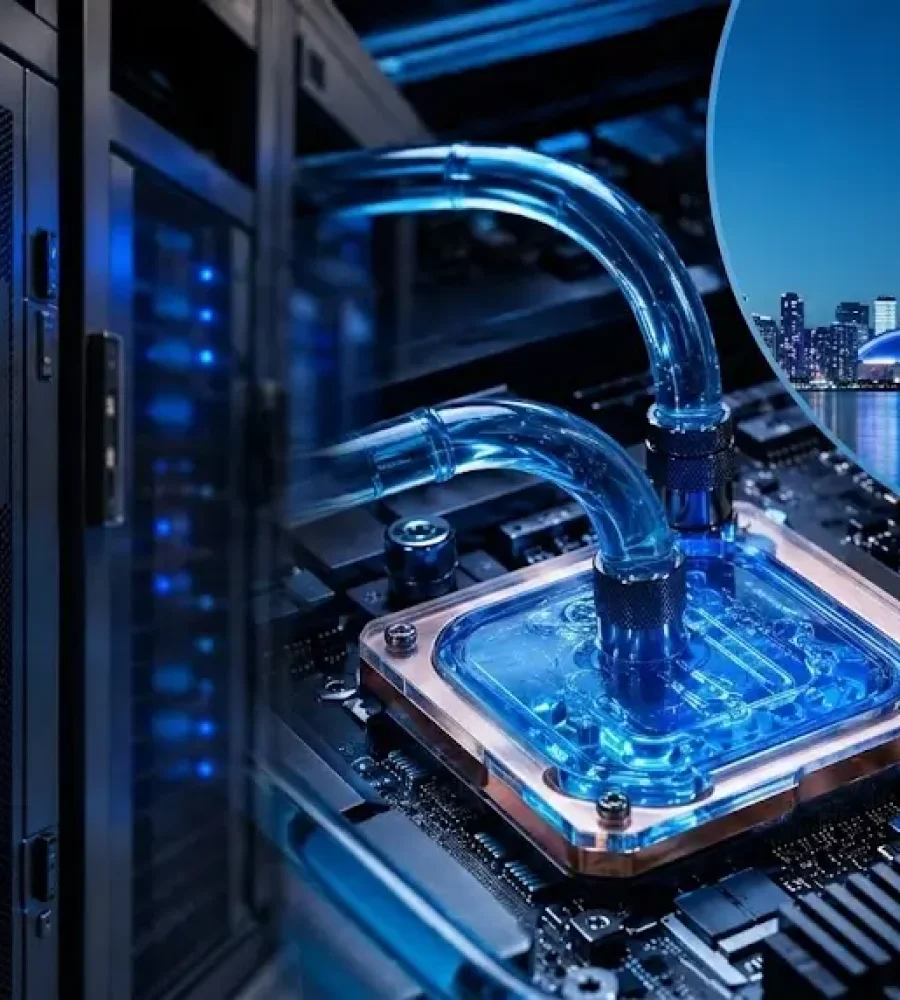
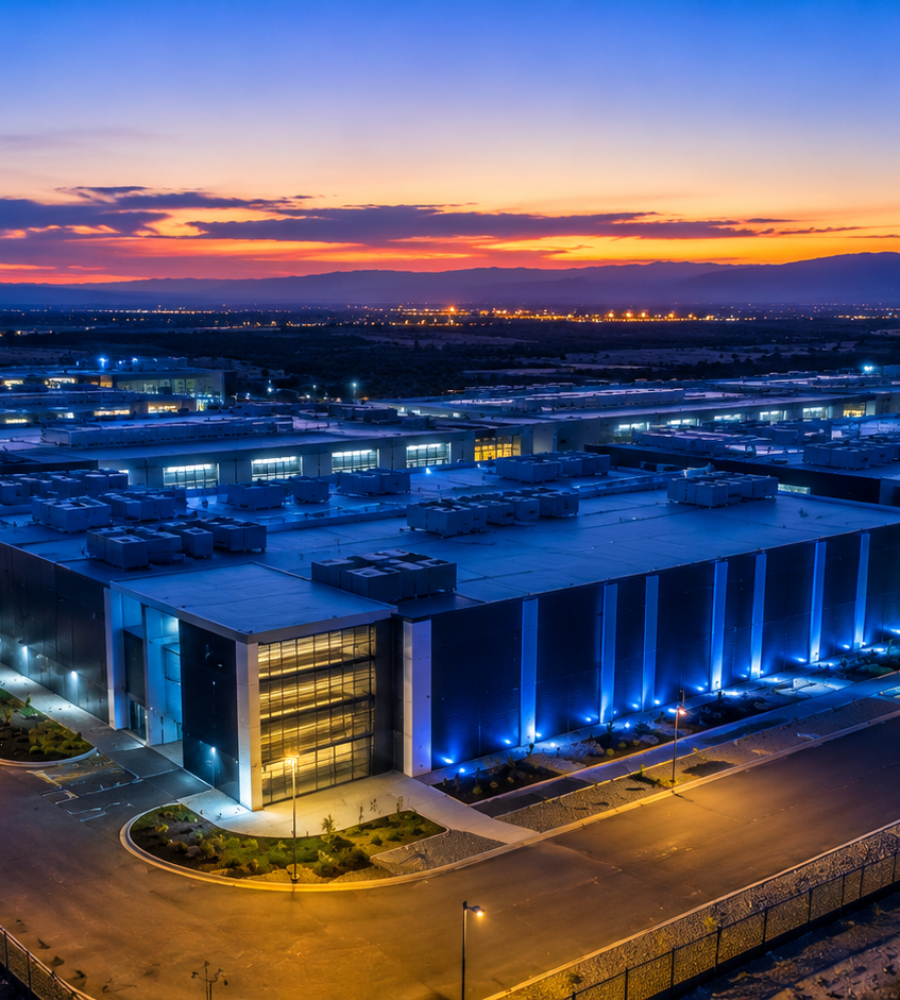
The broader backdrop supporting Sterling’s expansion remains unusually powerful. AI infrastructure spending has evolved into one of the largest industrial investment cycles in decades as cloud providers, semiconductor manufacturers and enterprise operators race to expand compute capacity. Data center campuses increasingly resemble large-scale industrial facilities requiring massive electrical loads, advanced cooling systems, modular deployment strategies and extensive land development work. That shift has fundamentally altered the type of contractor hyperscalers want to work with. Scale alone no longer guarantees competitiveness because customers increasingly prioritize execution speed, integration capability and operational coordination across multiple infrastructure systems. Sterling’s business model appears increasingly aligned with those demands.
The company’s first-quarter figures illustrate the scale of the opportunity emerging around mission-critical infrastructure. Combined backlog surged 131% year over year to $5.2 billion, while the broader visible work pipeline approached $6.5 billion. More than 90% of Sterling’s E-Infrastructure backlog now ties directly to mission-critical projects including data centers and semiconductor facilities. Those numbers indicate that AI-related infrastructure work has moved from a supplementary growth driver into a central pillar of the company’s operating trajectory. Investors increasingly view backlog quality as important as backlog size, and Sterling’s exposure to long-duration mission-critical projects may provide greater revenue visibility than many conventional construction peers. The concentration also demonstrates how rapidly AI infrastructure demand has started reshaping industrial contracting markets across the United States.
Sterling’s Regional Expansion Is Following the New AI Development Corridors
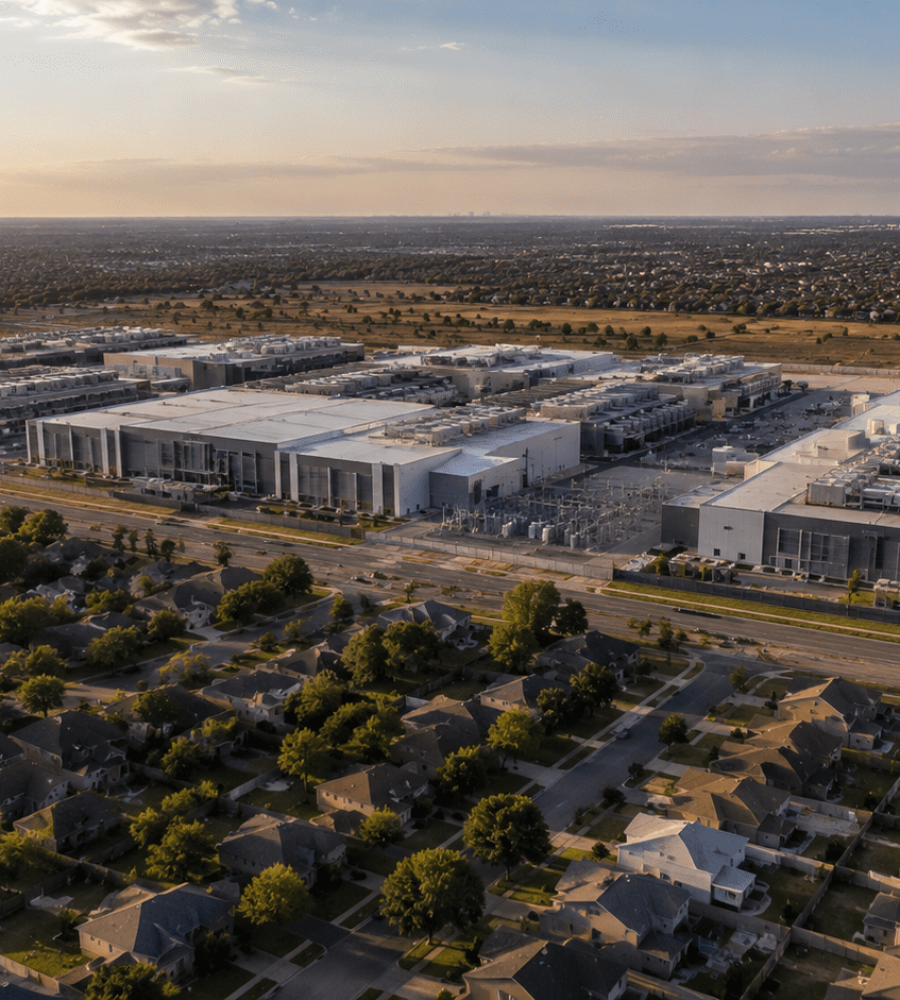
Geographic expansion has become another important piece of the company’s strategy. Sterling continues extending its footprint across Texas, the Midwest and the Pacific Northwest as hyperscale customers pull infrastructure vendors into emerging AI development corridors. Those regions increasingly attract data center investment because they combine land availability, evolving energy infrastructure and proximity to critical fiber and utility networks. Texas in particular has become one of the fastest-growing AI infrastructure markets in the United States due to its power availability and large-scale industrial development ecosystem. Meanwhile, the Pacific Northwest continues benefiting from access to renewable energy resources that hyperscalers increasingly prioritize for long-term operations. Sterling’s expansion into those regions suggests the company intends to follow customer demand aggressively rather than remain geographically constrained.
Competition Across Mission-Critical Infrastructure Is Intensifying
Sterling’s growing momentum does not remove competitive pressure from larger and more established rivals. EMCOR Group remains deeply embedded in mechanical and electrical construction markets benefiting from rising data center spending and network infrastructure demand. EMCOR has steadily expanded its presence in mission-critical construction while maintaining exposure across broader commercial and institutional segments. That diversification gives EMCOR a different operating profile than Sterling, though it also means the company participates across multiple end markets simultaneously instead of concentrating heavily on AI-related infrastructure growth. EMCOR’s scale and long-standing customer relationships continue making it a formidable competitor as hyperscale construction activity accelerates nationwide.
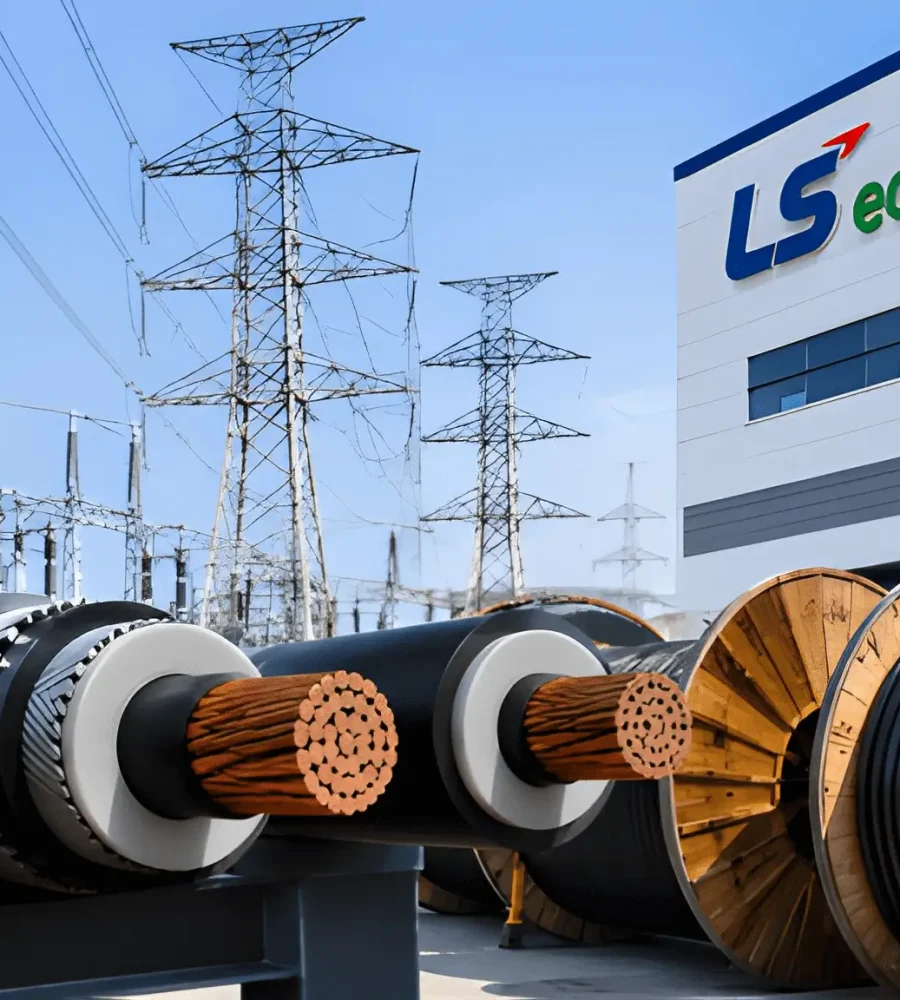
At the same time, Quanta Services continues operating from a position of substantial strength as electricity demand tied to AI infrastructure rises sharply. Quanta benefits not only from hyperscale data center construction but also from broader utility modernization trends linked to grid expansion and power transmission upgrades. The company’s utility relationships and massive backlog position it to participate across nearly every layer of the AI electrification cycle. That includes transmission infrastructure, power delivery systems and energy connectivity required to support high-density computing campuses. Quanta’s scale advantages remain significant, particularly as AI infrastructure begins placing unprecedented strain on regional electrical systems. However, Sterling’s integrated site-development model may allow it to compete effectively in specific hyperscale deployment categories where speed and coordination matter more than pure size.
The AI Buildout Is Creating a New Infrastructure Hierarchy
The larger strategic shift unfolding beneath these competitive dynamics extends beyond any single contractor. Industry trends indicate AI infrastructure spending increasingly favors companies capable of integrating physical systems across energy, land development, networking and mission-critical construction. Hyperscalers no longer treat data centers as isolated real estate projects because modern AI campuses operate more like tightly coordinated industrial ecosystems. Each deployment requires synchronized execution across electrical engineering, cooling infrastructure, modular assembly, utility interconnection and civil construction. As a result, infrastructure providers that can reduce fragmentation across those systems may command stronger pricing power and deeper customer relationships over time.
Sterling’s recent progress suggests the company understands that transition clearly. The combination of civil site work, electrical capabilities and modular manufacturing solutions positions the company inside multiple layers of the AI deployment cycle simultaneously. Furthermore, integrated execution models may become increasingly important as rack densities climb and power requirements intensify across next-generation AI systems. Hyperscalers face enormous financial incentives to accelerate deployment timelines because delayed compute capacity can directly constrain AI service expansion. Contractors capable of compressing those timelines while reducing operational complexity could become disproportionately valuable in future procurement decisions. Sterling appears to be building its long-term strategy around that premise.
Quantum Infrastructure Could Become the Next Layer of the Compute Expansion Cycle
The market’s focus on AI infrastructure also continues broadening into adjacent technologies with potentially larger long-term implications. Quantum computing increasingly appears in long-term strategic planning discussions among major cloud and infrastructure providers as commercialization efforts continue advancing. “Companies such as Microsoft, Google, Amazon and Oracle continue investing in quantum computing initiatives alongside their broader cloud and infrastructure strategies. Although commercial quantum deployment remains early, the technology’s infrastructure demands could eventually create another wave of mission-critical construction and power requirements. Therefore, companies already embedded deeply inside hyperscale infrastructure development may gain additional strategic relevance if quantum systems evolve into commercially scalable platforms.
For now, the immediate opportunity remains tied to AI data center expansion and the industrial systems supporting it. Sterling’s rapid evolution from a traditional site-development contractor into a broader mission-critical infrastructure operator reflects how dramatically the AI economy has begun reshaping industrial markets. The company still competes against larger rivals with deeper scale and longer operating histories in electrical and utility infrastructure. Yet Sterling’s early cross-selling success indicates that hyperscale customers increasingly value integrated execution capabilities capable of simplifying highly complex projects. If AI infrastructure spending maintains its current trajectory, that positioning could open the door to substantially larger contract opportunities during the next phase of the compute buildout.