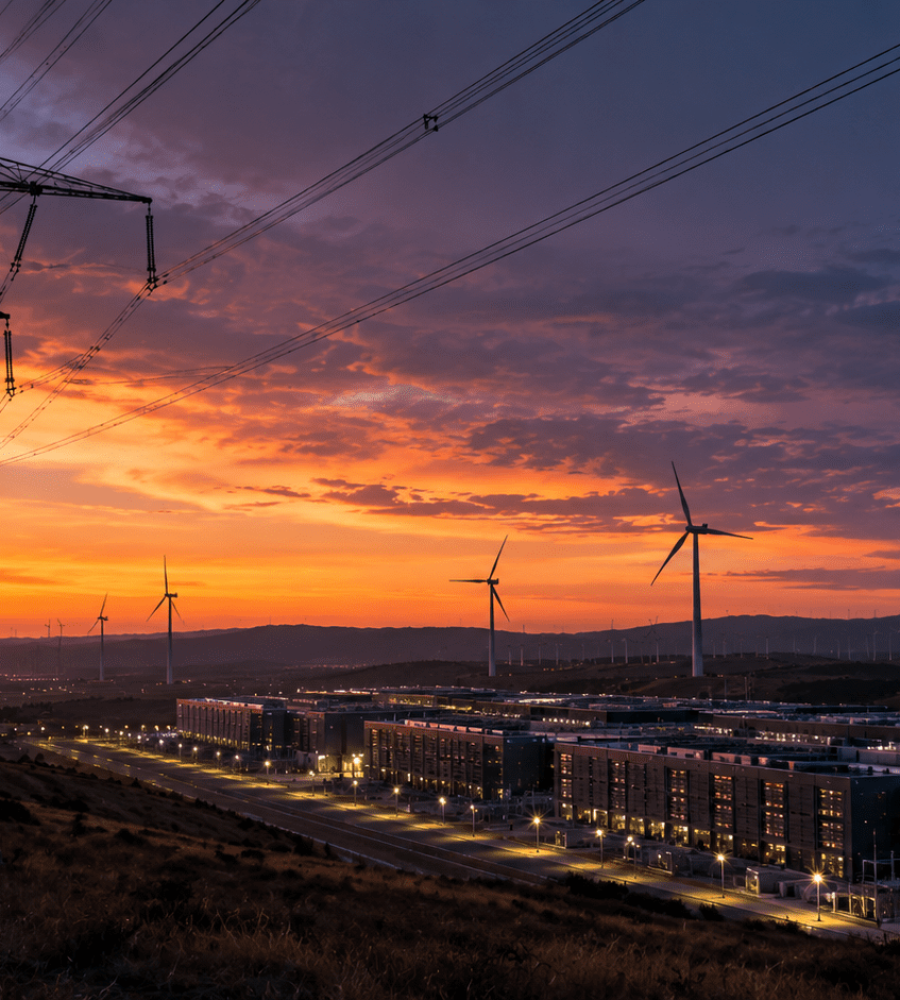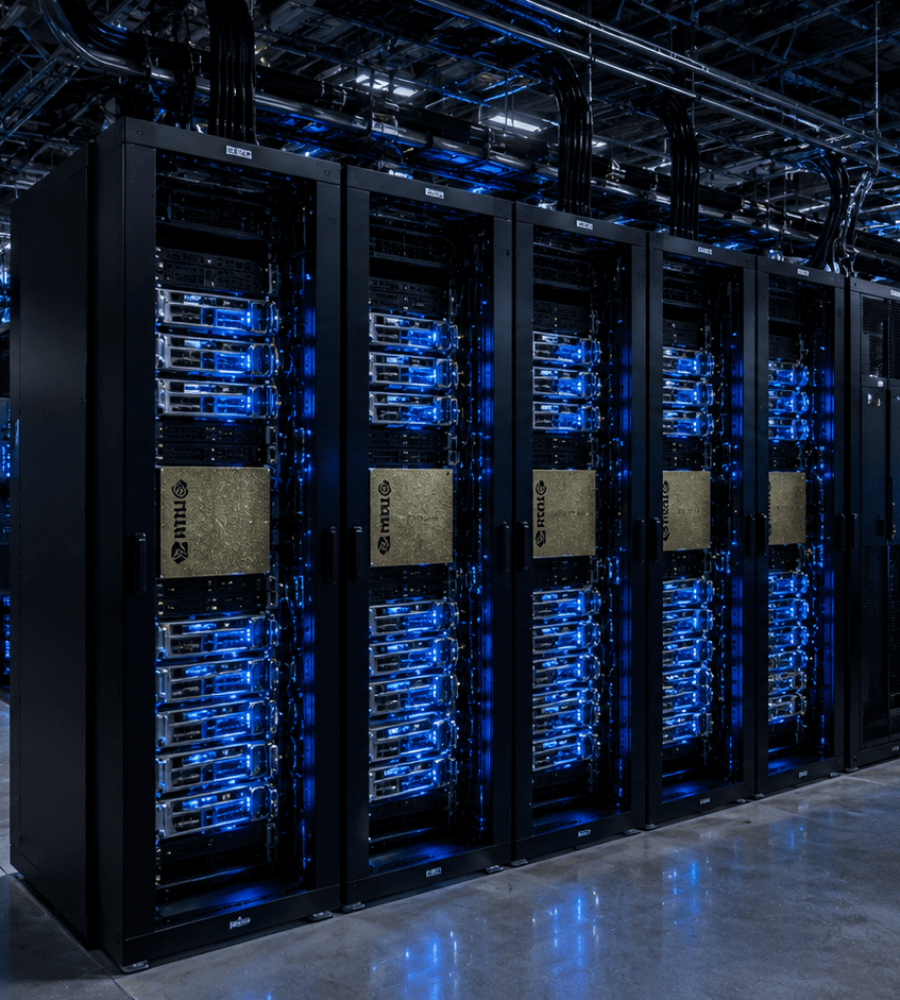
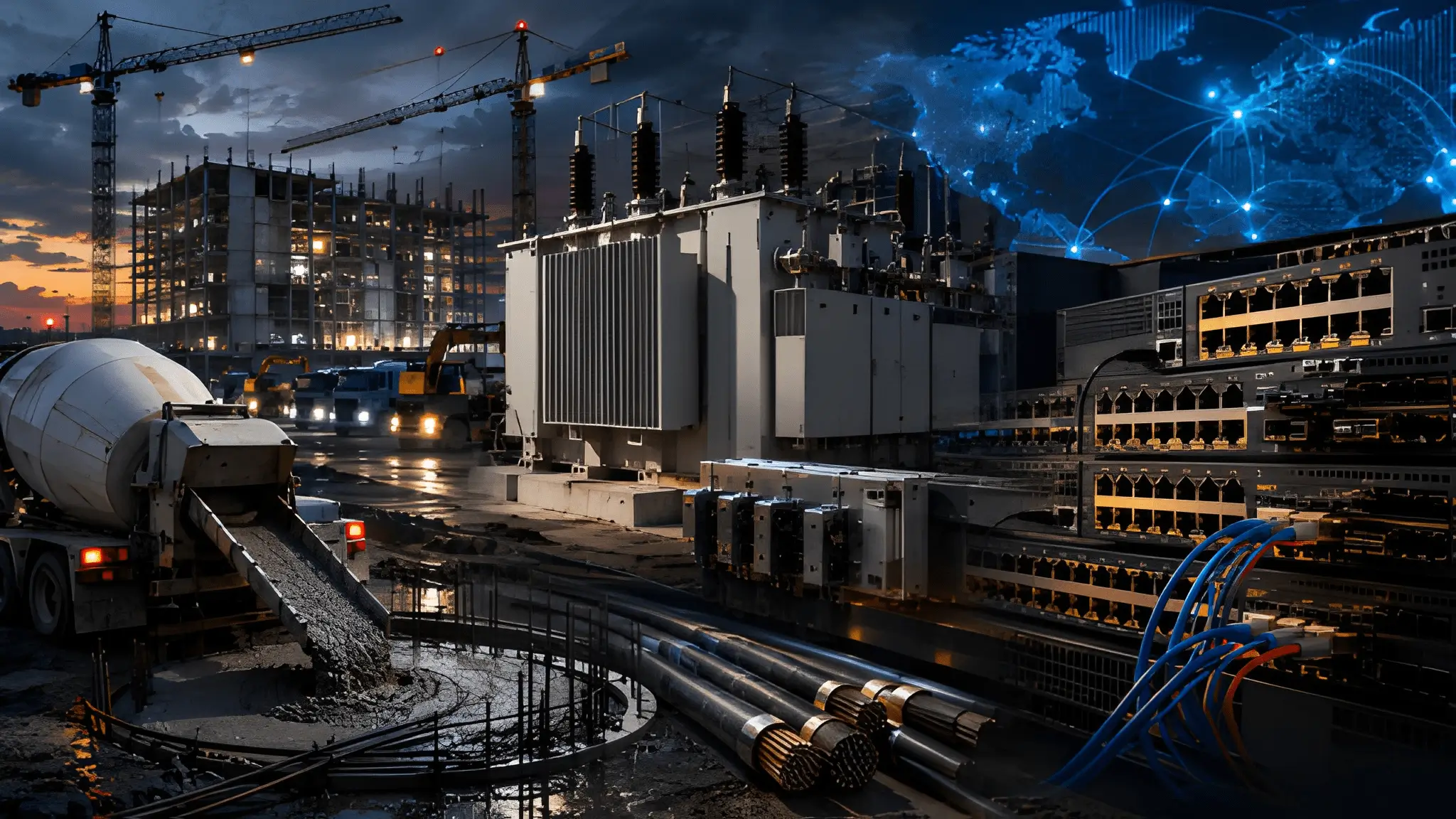
The most important number surrounding CoreWeave this year never truly sat inside a GPU cluster. It moved through debt markets, transformer factories, electrical assembly plants, and concrete supply networks long before servers arrived at deployment sites. The company’s rapid infrastructure expansion became one of the clearest signals that AI growth no longer depends solely on accelerator access or software demand. Industrial ecosystems underneath hyperscale development are now operating under pressures they were never originally designed to absorb at this speed. Suppliers that once served utilities, telecom projects, and regional industrial facilities now face infrastructure reservation cycles tied directly to AI deployment schedules. The imbalance has started reshaping how operators finance, sequence, and prioritize expansion across major infrastructure corridors.
Capital entered the AI infrastructure market faster than industrial readiness could scale around it. Companies pursuing aggressive deployment schedules assumed manufacturing ecosystems would expand proportionally alongside rising infrastructure investment and compute demand. Instead, physical supply chains exposed hard operational limits across transformer production, switchgear assembly, electrical labor availability, prefab manufacturing, and concrete logistics. Facilities that secure industrial supply commitments earlier are generally better positioned to maintain deployment timelines during periods of infrastructure scarcity. The resulting pressure increasingly originates outside the data hall itself because industrial bottlenecks now influence expansion schedules long before compute systems arrive onsite. This shift matters because AI infrastructure growth depends as much on manufacturing readiness as it does on compute ambition.
The AI Boom Is Waiting on Cement Trucks
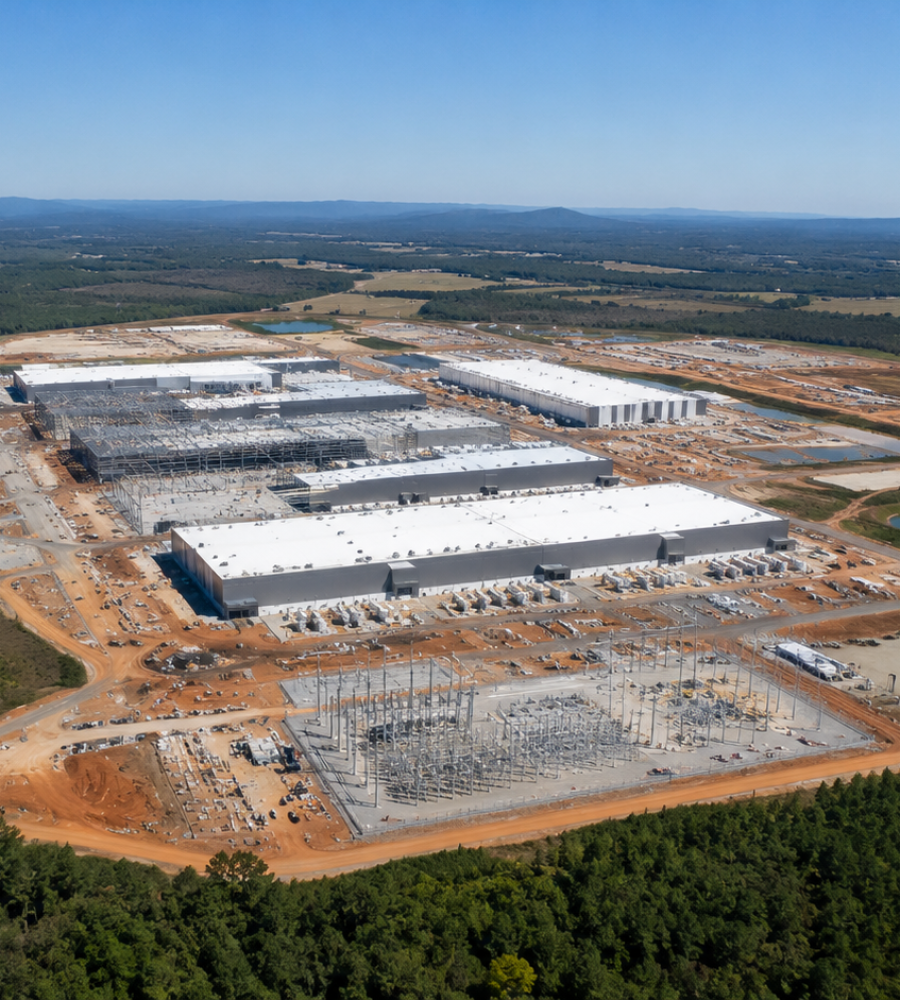
The limiting factor behind many hyperscale projects now begins weeks before a single rack enters the building envelope. Concrete placement schedules have become tightly contested across major AI construction regions because hyperscale campuses require enormous continuous pours that smaller industrial projects cannot interrupt. Batch plants serving fast-growing infrastructure corridors increasingly operate near practical output ceilings during peak development windows. Large campuses often require sequential slab operations that must preserve curing integrity across massive structural footprints while cooling, utility, and electrical timelines remain synchronized. Delays inside one portion of the pour sequence can ripple through steel installation, mechanical staging, and utility coordination simultaneously. Construction managers now spend increasing amounts of time modeling material logistics instead of focusing exclusively on compute deployment capacity.
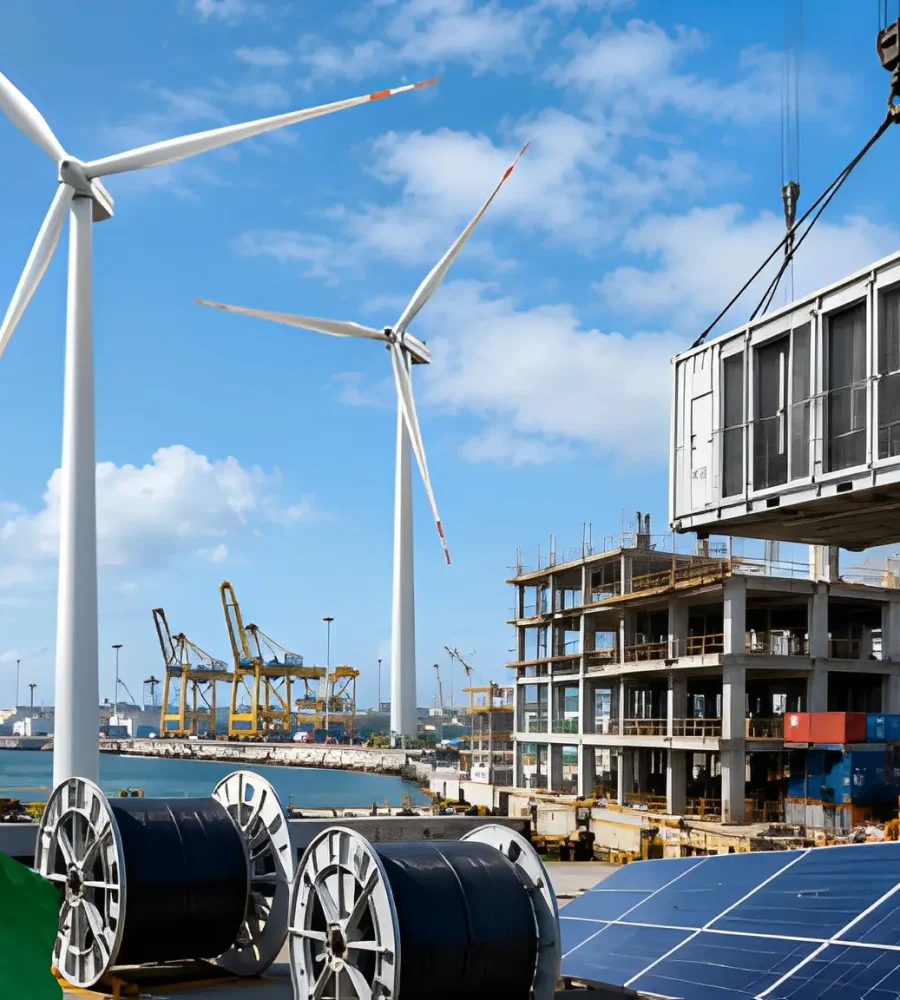
The construction velocity surrounding companies such as CoreWeave has also accelerated dependence on modular infrastructure ecosystems. Precast yards, electrical skid assemblers, and prefab manufacturing facilities already served utility, telecom, and industrial sectors before AI expansion dramatically increased infrastructure demand. Many fabrication partners now allocate production slots months ahead because hyperscale developers reserve manufacturing capacity before final site approvals conclude. Industrial sequencing is increasingly influencing deployment timelines and regional competitiveness across large-scale infrastructure programs. The challenge extends beyond pure production volume because modern AI campuses require increasingly specialized structural configurations capable of supporting high-density cooling and electrical architectures simultaneously. Manufacturing ecosystems that once operated on predictable industrial cycles now face hyperscale deployment urgency across nearly every infrastructure layer.
Switchgear Became Silicon’s New Chokepoint
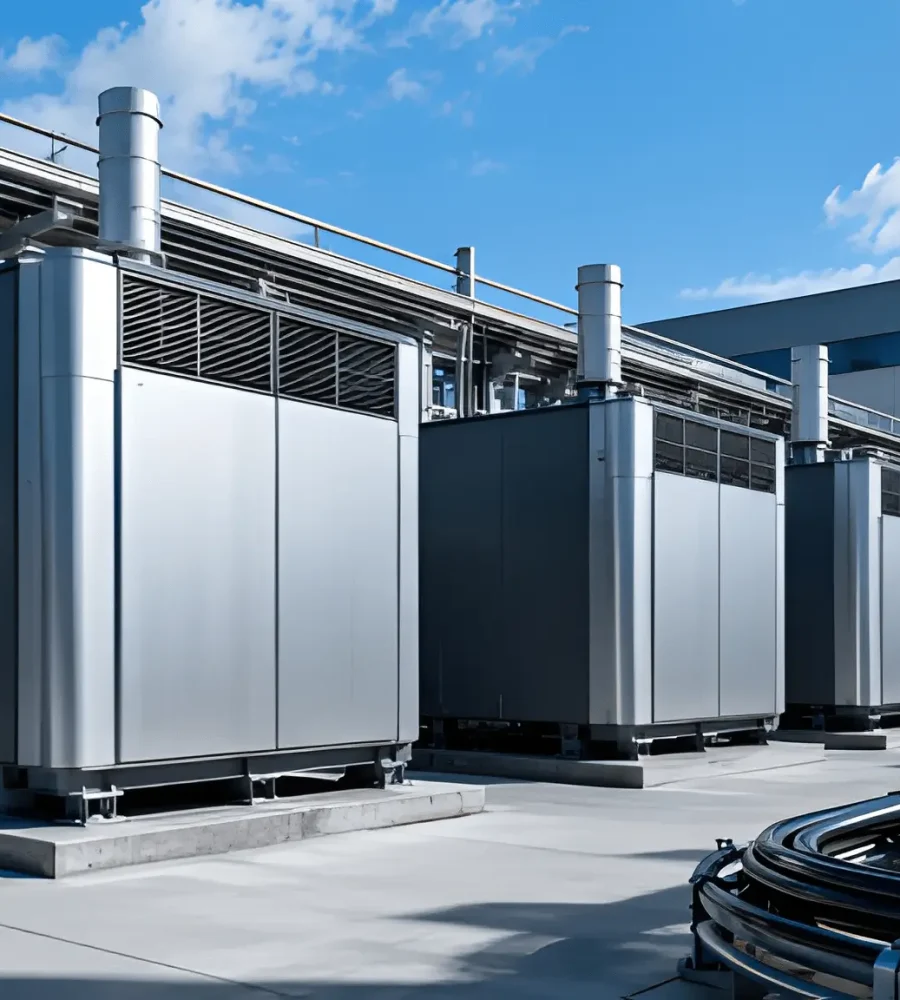
Medium-voltage switchgear rarely appeared in mainstream infrastructure conversations until AI deployment schedules started colliding with manufacturing constraints. Operators can secure accelerator hardware through large procurement relationships, yet electrical distribution assemblies often require lead times measured in quarters rather than weeks. Breakers, relay systems, protection equipment, and integrated switchgear assemblies depend on industrial ecosystems that historically served utilities, factories, and commercial campuses operating on much slower replacement cycles. AI infrastructure growth changed those assumptions rapidly as hyperscalers, semiconductor facilities, utilities, and electrification projects began competing for overlapping electrical inventories simultaneously. Electrical distribution hardware has therefore become one of the most consequential pacing layers in infrastructure deployment planning. This environment increasingly forces operators to treat energization schedules with the same urgency previously reserved for compute procurement.
The consequences extend beyond delayed commissioning schedules because electrical equipment availability now influences regional expansion decisions as well. Some operators are evaluating regions partly based on utility readiness and equipment procurement feasibility alongside power pricing and land economics. Procurement teams increasingly reserve switchgear assemblies and electrical manufacturing capacity years ahead to preserve deployment optionality during periods of constrained industrial supply. Meanwhile, industrial electrical firms continue scaling cautiously because assembly expertise, certification requirements, and upstream component sourcing cannot expand instantly through financing alone. Facilities that fail to secure electrical assemblies early risk completed structures waiting for energization despite finished construction phases. Manufacturing schedules are becoming one of the earliest and most consequential variables in large-scale deployment planning before compute systems arrive onsite.
Debt Didn’t Just Inflate AI. It Inflated Suppliers
Cheap financing conditions encouraged infrastructure expansion strategies that extended far beyond hyperscale operators themselves. Suppliers across transformer manufacturing, enclosure fabrication, busway assembly, and steel processing suddenly received demand forecasts tied directly to accelerated AI infrastructure growth. Companies serving the expansion cycles of firms such as CoreWeave responded by increasing factory footprints, labor hiring, and raw material commitments to capture projected deployment demand. However, industrial manufacturing ecosystems historically evolved around steady replacement cycles linked to utilities, telecom, and regional commercial construction rather than hyperscale deployment velocity. AI acceleration compressed years of expected infrastructure growth into dramatically shorter development timelines across multiple industrial sectors simultaneously. Financial optimism therefore spread through manufacturing ecosystems that previously operated with comparatively conservative scaling assumptions.
Transformer markets illustrate the imbalance clearly because production expansion depends on highly specialized industrial inputs that cannot scale overnight. Grain-oriented electrical steel availability, copper winding capacity, testing infrastructure, and skilled manufacturing labor all require long-term investment cycles before production output materially increases. Suppliers that expanded aggressively during favorable financing conditions now navigate an environment where infrastructure commitments continue rising while manufacturing resilience remains uneven. Furthermore, speculative procurement behavior complicates forecasting because operators increasingly reserve industrial inventory before confirming final deployment schedules. Industrial manufacturers now face unusually high demand concentration from multiple electrification-driven sectors simultaneously, including utilities, semiconductor facilities, transportation infrastructure, and hyperscale campuses. The resulting pressure has fundamentally altered supplier relationships throughout the broader AI infrastructure ecosystem.
Why Factory Floors Are Becoming AI Infrastructure Battlegrounds
The most important competition in AI infrastructure increasingly occurs inside industrial production facilities rather than cloud marketing campaigns. Fabrication plants assembling cooling systems, electrical housings, prefab substations, and integrated power modules now operate as strategic infrastructure assets within hyperscale deployment pipelines. Manufacturers capable of maintaining stable throughput during volatile demand conditions hold disproportionate influence over deployment velocity across major AI markets. Labor conditions surrounding these facilities have tightened considerably as utilities, semiconductor projects, electrification programs, and hyperscale campuses compete for overlapping pools of welders, electricians, machinists, and systems assemblers. Factory throughput now directly shapes infrastructure expansion schedules across many hyperscale deployment regions. Traditional software-centered infrastructure narratives rarely accounted for this level of manufacturing dependency before the recent acceleration in AI construction activity.
Industrial vendors also face increasingly difficult prioritization decisions because nearly every large infrastructure sector now demands accelerated electrification simultaneously. Semiconductor fabrication plants, renewable energy systems, transportation electrification programs, utility modernization projects, and hyperscale AI campuses all compete for overlapping manufacturing ecosystems. However, hyperscale operators often move faster because financing access enables earlier procurement commitments and larger reservation structures across constrained industrial supply chains. This dynamic increasingly concentrates manufacturing capacity around customers capable of securing long-term agreements before competitors finalize expansion budgets. Meanwhile, regional suppliers with limited scaling flexibility risk exclusion from larger deployment cycles despite growing infrastructure demand. Factory scheduling increasingly influences infrastructure planning and deployment sequencing across hyperscale expansion programs.
Procurement Teams Are Quietly Rewriting Expansion Strategy
Infrastructure planning previously followed a relatively predictable sequence where land acquisition, utility coordination, engineering approvals, and equipment procurement advanced through orderly development phases. AI deployment pressure disrupted that structure because long-lead industrial equipment now determines whether projects remain commercially viable within targeted timelines. Procurement teams increasingly secure transformers, switchgear assemblies, cooling systems, and prefabricated electrical infrastructure before construction execution plans fully mature. Early reservation agreements have become increasingly common across large-scale infrastructure programs because waiting for finalized site sequencing can mean losing critical manufacturing windows entirely. The industry now treats procurement timing as a strategic deployment variable rather than a routine administrative process. This shift reflects the growing importance of industrial supply certainty across hyperscale expansion planning.
The procurement behavior surrounding aggressive expansion programs from companies including CoreWeave increasingly reflects the realities of constrained industrial manufacturing ecosystems. Developers now maintain parallel infrastructure pathways so projects can pivot toward regions where industrial inventory and energization schedules align more efficiently. In some cases, operators are securing and storing long-lead electrical equipment before final deployment sequencing concludes to reduce exposure to manufacturing delays. Suppliers meanwhile increasingly prioritize customers willing to commit earlier, maintain multi-year procurement visibility, and pay reservation premiums during periods of constrained production capacity. Infrastructure execution increasingly depends on securing industrial supply visibility alongside compute planning and deployment coordination. Procurement strategy therefore now influences deployment velocity nearly as much as power availability or compute access itself.
The Next AI Race May Be Won Outside the Data Center
The infrastructure market now reveals a reality that financial headlines often obscure. Compute demand may ignite expansion cycles, yet industrial readiness increasingly determines whether those ambitions materialize on schedule. Facilities capable of securing fabrication capacity, electrical equipment availability, construction sequencing stability, and manufacturing partnerships hold structural advantages that competitors cannot easily replicate through financing alone. The conversation surrounding AI infrastructure leadership therefore continues shifting away from theoretical compute scale toward operational execution resilience. Operators that understand industrial constraints as strategic infrastructure variables rather than background procurement concerns now move through deployment cycles with greater consistency. Industrial ecosystems increasingly sit directly inside the competitive path of AI infrastructure deployment itself.
The next phase of infrastructure competition may look less like a software arms race and more like an industrial coordination challenge operating at unprecedented scale. Organizations capable of combining financing access with supplier alignment, manufacturing visibility, logistics discipline, and procurement certainty will likely maintain stronger deployment flexibility across volatile infrastructure cycles. GPU inventories still matter, yet electrical assemblies, transformer deliveries, fabrication slots, and concrete sequencing increasingly influence how quickly compute systems reach production environments. Markets once treated industrial infrastructure as a predictable background utility supporting digital growth, but AI expansion changed that assumption significantly across multiple supply-chain layers. Current market conditions suggest industrial supply resilience may become an increasingly important competitive advantage in large-scale infrastructure deployment. The companies that secure the physical economy underneath AI expansion fastest may ultimately shape the pace of infrastructure growth across the broader industry.