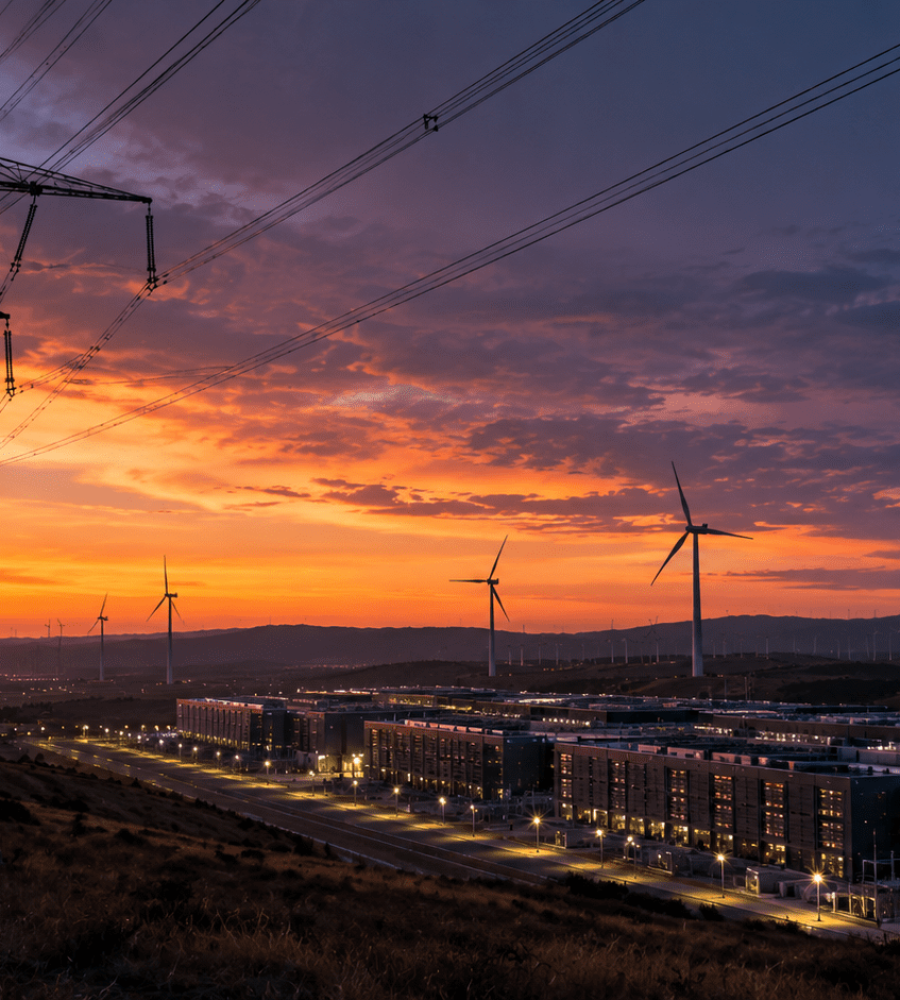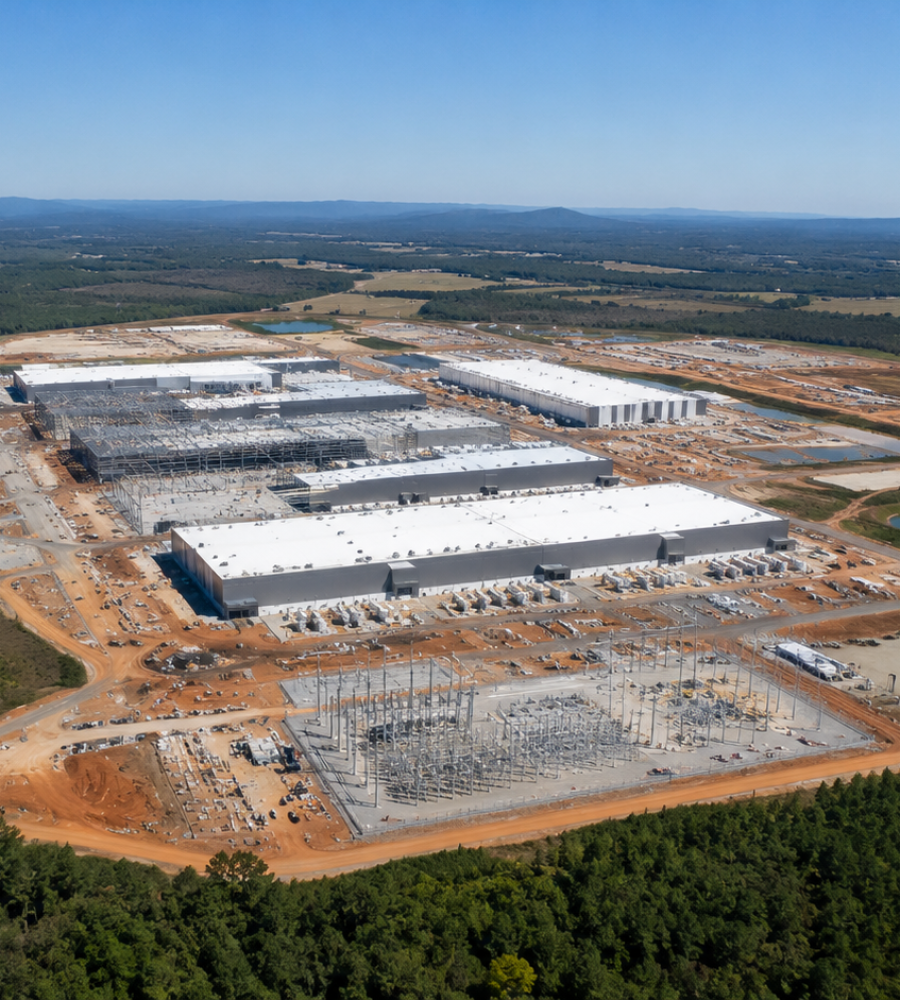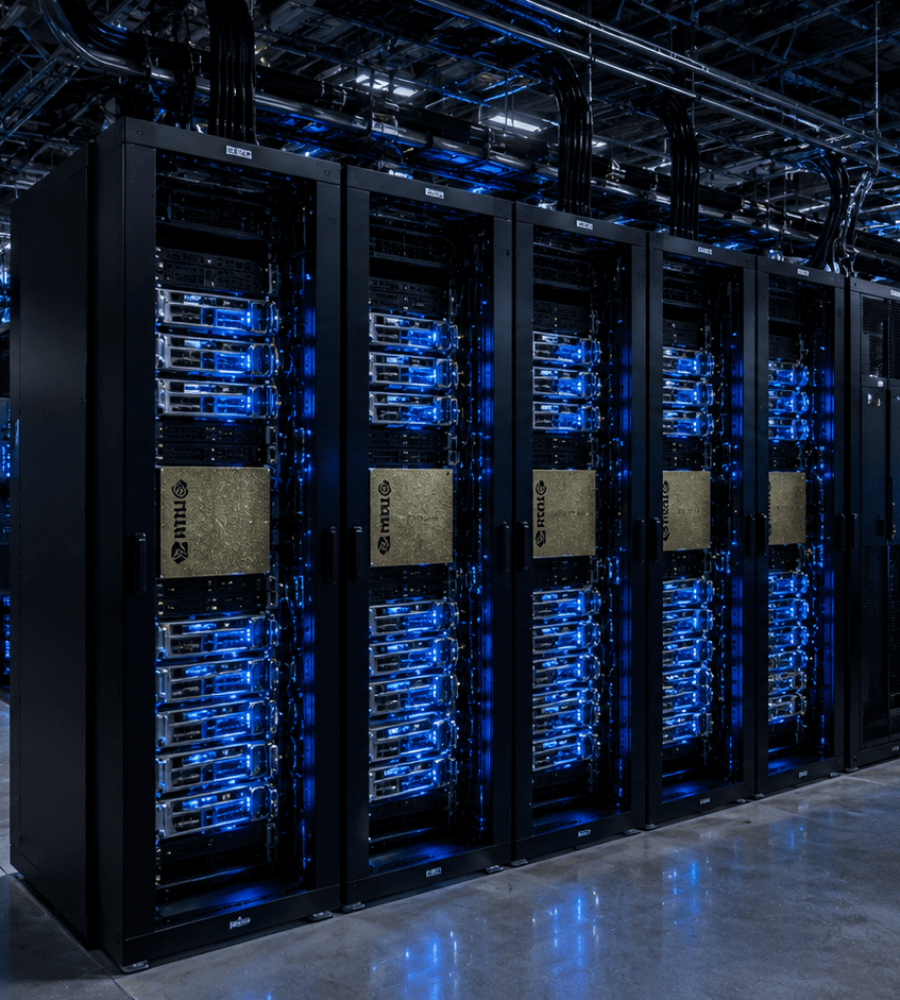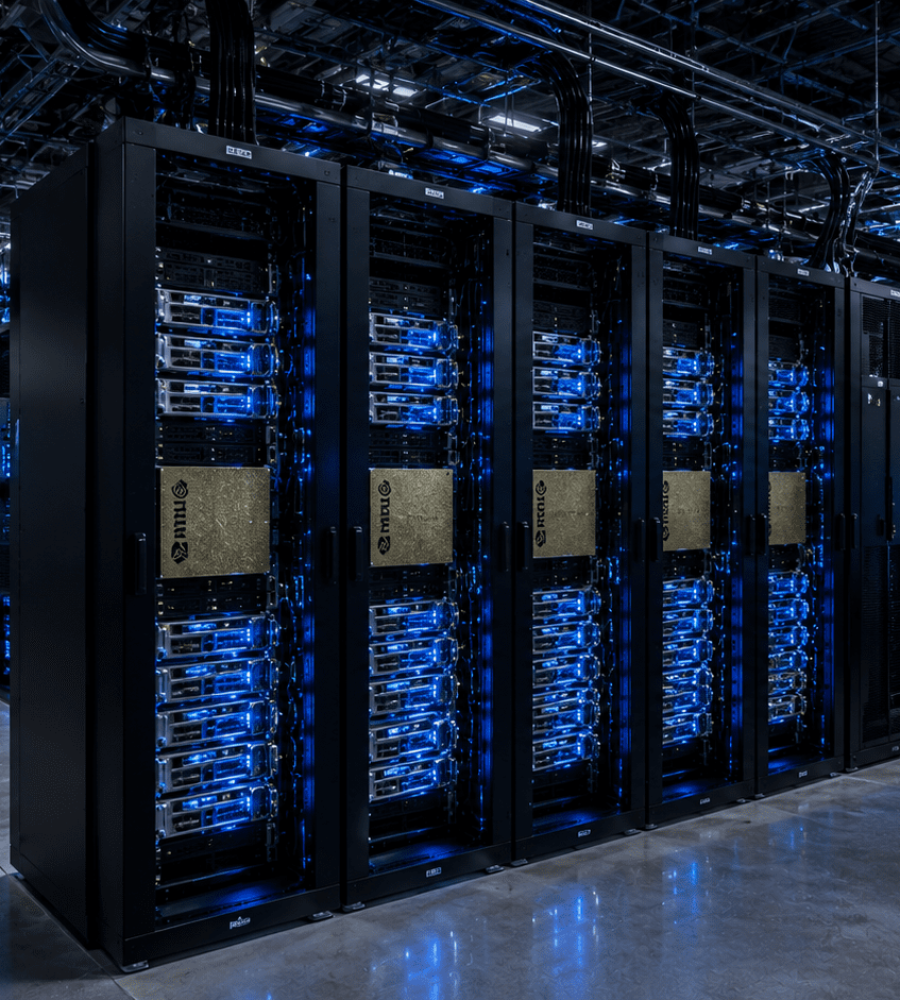

The strange part about the modern infrastructure economy is not how quickly AI campuses appear across industrial corridors, but how slowly the wires feeding them arrive afterward. A hyperscale operator can finalize land acquisition, secure financing, complete grading work, and begin shell construction before a regional transmission proposal exits its second procedural review cycle. Entire server halls now rise faster than many of the transmission upgrades and grid expansion projects required to sustain long-term regional growth. The mismatch has become visible from Virginia to Arizona, where construction cranes move continuously while interconnection studies remain trapped inside administrative calendars that started years earlier. Inside many utility planning meetings, executives now discuss transmission timing less like engineering work and more like legal navigation. Energy demand projections continue climbing, yet the approvals required to support those projections still move at the pace of legacy public works administration.
The consequence reaches far beyond delayed energization schedules because infrastructure timing now shapes investment strategy itself. AI operators no longer assume that available land automatically translates into available power, especially in regions where transmission congestion already limits industrial growth. Several developers now treat energization uncertainty as a primary operational variable rather than a temporary obstacle within project development. Financial models increasingly include assumptions around procedural delays, litigation exposure, and interconnection queue volatility before procurement teams even order transformers or switchgear. Grid operators face mounting pressure because demand growth from digital infrastructure continues accelerating while approval systems remain fragmented across federal, state, county, and tribal jurisdictions. Meanwhile, transmission planning frameworks still reflect assumptions built around slower industrial cycles and more predictable load growth patterns. The result is an economy where compute deployment timelines and energy delivery timelines no longer operate within the same decade.
Paperwork Moved In. Megawatts Haven’t
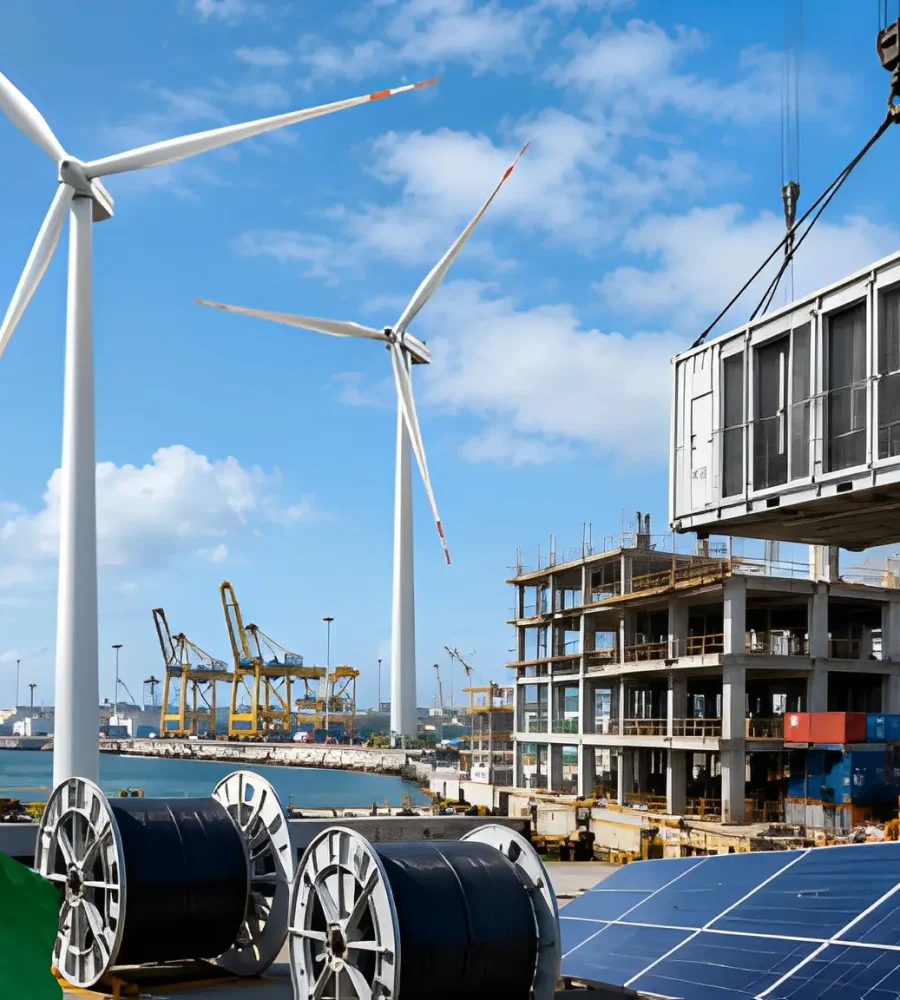
Transmission development once depended mostly on engineering complexity, environmental surveying, and capital availability, but today procedural sequencing dominates nearly every stage of project execution. Environmental reviews under the National Environmental Policy Act routinely stretch across multiple years because agencies must coordinate overlapping assessments involving wildlife impact, cultural preservation, water systems, and land usage classifications. Local zoning hearings frequently reopen after public objections introduce new studies or alternative routing proposals into the process. Utility developers often encounter approval chains involving dozens of agencies, each operating under different review schedules, staffing constraints, and evidentiary requirements. Construction teams therefore sit idle even after equipment procurement finishes because signed approvals still remain incomplete. Across several large renewable corridors in the United States, advanced-stage projects continue waiting for administrative clearance even after major engineering and procurement milestones have already been completed.
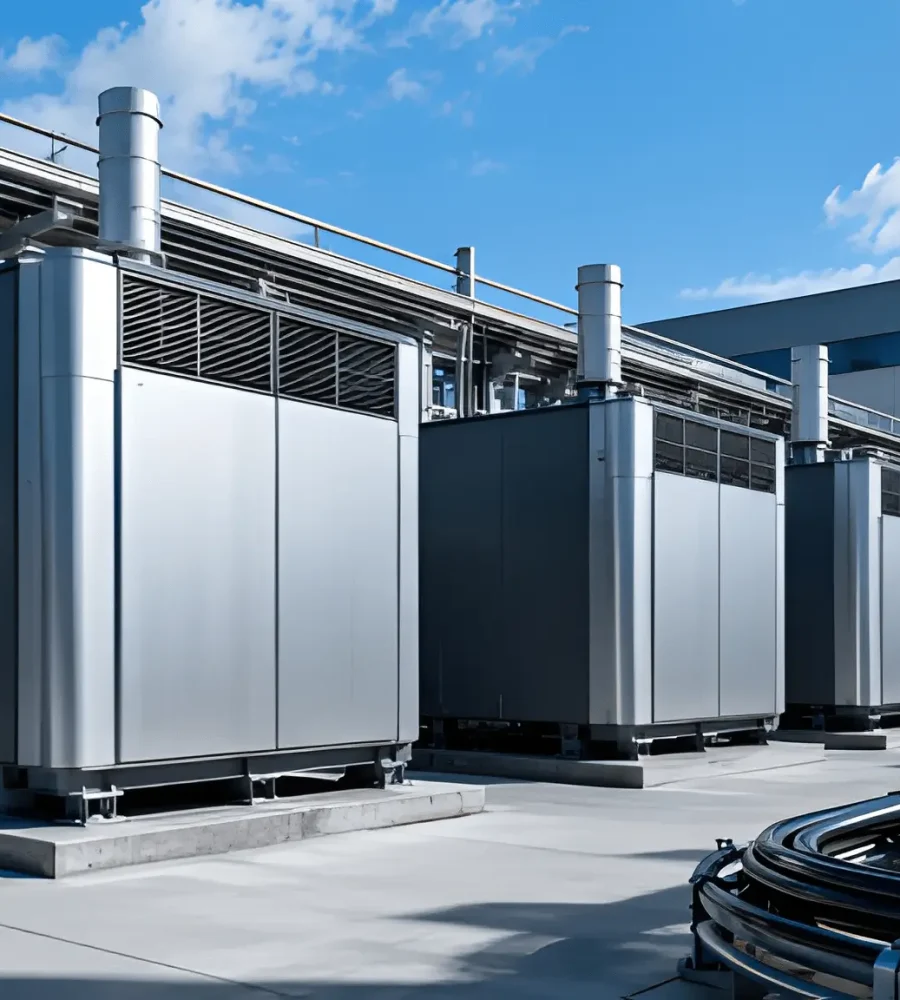
The contrast becomes sharper when compared against the commercial construction pathways used for modern digital campuses. Data hall projects typically move through county commercial development frameworks designed around warehousing, industrial real estate, and logistics facilities rather than nationally coordinated infrastructure regulation. Developers often secure grading permits, utility hookups, and phased occupancy approvals within months if environmental conflicts remain limited. Equipment suppliers can therefore align shipping schedules with active construction timelines instead of waiting years for procedural certainty. Hyperscale operators increasingly deploy modular infrastructure strategies because predictable construction velocity matters more than architectural permanence during periods of explosive compute demand. However, transmission infrastructure lacks equivalent flexibility because high-voltage corridors require broad jurisdictional alignment before physical work even begins. The imbalance creates a situation where server capacity enters markets faster than the electrical systems required to sustain long-term growth.
The “Fast Lane” Has a Velcro Wall
Expedited permitting frameworks sound efficient inside policy announcements, yet their operational outcomes often look very different once projects encounter litigation exposure. Several states introduced accelerated review pathways intended to shorten approval timelines for transmission and renewable infrastructure after reliability concerns intensified during recent demand growth cycles. Those pathways reduced procedural duplication in some cases, but lawsuits connected to environmental review adequacy or land acquisition disputes still slowed construction timelines substantially. Developers frequently discover that “fast-track” classifications only accelerate initial administrative handling while leaving judicial review windows untouched. Public comment periods also continue generating additional documentation requirements because agencies must respond comprehensively to objections raised during consultation phases. As a result, projects marketed as expedited still spend years moving through layered procedural checkpoints after receiving preliminary approval.
County-level approvals for digital campuses rarely encounter the same scale of procedural exposure because the legal frameworks governing commercial development differ significantly from interstate utility infrastructure regulation. Data halls generally operate within commercial and industrial zoning frameworks that local governments can often process more predictably than interstate transmission proposals. Transmission corridors, by contrast, cross private land, environmentally sensitive regions, tribal territories, and multiple political jurisdictions simultaneously. Every additional crossing introduces another potential venue for appeals, injunctions, or review challenges capable of freezing project progression for months or years. Tech companies therefore scale compute capacity using construction models optimized around comparatively faster deployment timelines while grid infrastructure remains tied to longer regulatory and legal review cycles. Nevertheless, demand growth continues regardless of procedural bottlenecks because AI workloads do not pause while docket schedules evolve.
Who Owns the Delay: NIMBY, NEPA, or Nobody?
Accountability inside modern infrastructure approval systems often dissolves across overlapping jurisdictions before any single institution accepts responsibility for the final timeline. County boards may approve local land usage while federal agencies continue environmental review processes that operate independently from local development schedules. Utility commissions evaluate rate impacts and reliability obligations separately from environmental agencies assessing habitat or watershed effects. Tribal consultations introduce additional coordination requirements that remain essential for lawful review but frequently operate on timelines disconnected from commercial financing assumptions. Project developers therefore navigate a fragmented governance structure where no centralized authority controls the full approval sequence from proposal through energization. Delays emerge incrementally across agencies rather than from one obvious procedural failure point.
Public frustration surrounding infrastructure timelines has consequently produced simplified narratives that rarely capture the structural complexity involved. Some stakeholders blame local opposition movements for obstructing nationally important projects through litigation and political pressure. Others argue that environmental safeguards remain necessary because rushed infrastructure approvals historically created ecological damage and inequitable land usage outcomes. Federal agencies often point toward staffing shortages and procedural mandates established through congressional legislation rather than internal administrative preference. Utilities meanwhile emphasize that interregional transmission requires coordination across multiple reliability authorities whose planning cycles rarely align cleanly. The deeper issue may not involve one institution intentionally blocking progress, but rather a system never designed for simultaneous electrification, renewable expansion, and hyperscale compute growth occurring at modern speed. History rarely repeats perfectly, although infrastructure leadership gaps can reappear whenever administrative systems fail to adapt alongside industrial transformation.
Shadow Calendars: When Investors Bet on Red Tape
Institutional investors now evaluate permitting uncertainty with the same seriousness previously reserved for commodity pricing, financing rates, or labor availability. Large infrastructure funds increasingly model regulatory timing scenarios across multiple jurisdictions before committing long-duration capital into transmission or renewable developments. Delayed approvals create measurable carrying costs because developers must continue financing land positions, equipment reservations, and legal operations while projects remain procedurally inactive. Some hyperscale operators therefore acquire strategic land parcels and long-term utility access positions well ahead of anticipated deployment timelines to reduce future infrastructure uncertainty. Financial institutions have also begun valuing approved interconnection positions themselves because queue access increasingly functions as a scarce industrial asset. Permit timing now influences balance sheet strategy almost as heavily as physical construction capability.
A secondary market mentality has quietly emerged around partially approved energy infrastructure because administrative certainty carries growing commercial value. Developers holding advanced-stage approvals can command significant premiums even when physical construction remains incomplete. Utility-scale projects with secured transmission access often attract acquisition interest long before groundbreaking because buyers understand how difficult replacement approvals may become later. Investors increasingly treat procedural progress itself as a monetizable milestone rather than merely a prerequisite for construction. Furthermore, regional power constraints encourage hyperscalers to hedge against future scarcity by locking in utility agreements well ahead of operational need. Infrastructure finance has therefore evolved into a contest between those who can build efficiently and those who can navigate administrative timelines most effectively.
If Code Ships in Sprints, Why Do Cables Crawl?
Modern technology companies operate according to development cultures built around rapid iteration, continuous deployment, and compressed operational timelines. Product teams release software updates weekly, infrastructure teams deploy server clusters quarterly, and procurement teams negotiate hardware refresh cycles continuously. Electrical infrastructure, however, still advances through procedural structures shaped around long-form regulatory review, public utility hearings, and multi-year capital recovery planning. The cultural mismatch becomes increasingly visible whenever hyperscale expansion collides with transmission development constraints. Data hall construction schedules assume velocity because competitive positioning in AI markets depends heavily on deployment timing. Utility infrastructure planning instead prioritizes reliability assurance, cost recovery validation, and long-duration system coordination before construction authorization proceeds.
The divergence between these operational cultures creates friction across the broader industrial economy because both systems ultimately support the same workloads. Commercial building codes allow developers to standardize and replicate digital infrastructure quickly across multiple markets with relatively predictable permitting outcomes. High-voltage transmission systems cannot replicate that speed because every corridor introduces unique environmental, legal, and political conditions requiring individualized review. Consequently, one side of the economy now operates on software-adjacent deployment logic while the other remains governed by public utility procedural cycles established generations earlier. Tech executives increasingly recognize that infrastructure availability now constrains compute growth more directly than processor supply chains in several regions. Yet the institutional machinery responsible for power delivery still lacks mechanisms capable of matching modern deployment velocity. The imbalance continues widening as AI demand projections move faster than transmission approval reform efforts.
2032 Isn’t Waiting for 2018’s Paperwork
The energy transition now faces a timing problem as serious as its generation challenge because future demand curves continue accelerating while administrative backlogs remain anchored in older planning assumptions. AI infrastructure expansion, industrial electrification, advanced manufacturing growth, and transportation decarbonization all depend on electrical systems capable of scaling faster than current approval pipelines allow. Transmission developers already report multi-year queues for interconnection studies before major construction approvals even begin. Several regions are beginning to face situations where projected electricity demand growth may outpace the timeline required to permit and energize supporting infrastructure. Legal calendars therefore increasingly shape industrial competitiveness just as much as physical engineering capability. The issue no longer concerns isolated project delays because the broader coordination framework itself struggles to keep pace with emerging energy realities.
Infrastructure velocity is increasingly being discussed as a strategic economic metric alongside compute density, cooling efficiency, and generation capacity.. Governments discussing industrial competitiveness increasingly face pressure to modernize procedural systems without eliminating environmental accountability or public participation rights. Investors already price administrative uncertainty into long-term infrastructure decisions because timeline predictability now determines deployment feasibility across several energy-intensive industries. AI demand growth is expected to increasingly intersect with transmission constraints if permitting systems do not evolve quickly enough to accommodate accelerating infrastructure demand. Meanwhile, utilities, regulators, hyperscalers, and policymakers remain tied together within an infrastructure ecosystem where delay in one layer cascades across every other layer. The next decade may ultimately depend less on whether enough generation capacity exists and more on whether approval systems can move at the speed required to connect it.