Microchip Technology is positioning itself at the center of one of the AI infrastructure market’s biggest challenges: power delivery efficiency. The company introduced its new 3.3kV HV-D3 mSiC Power Modules, designed to simplify the adoption of solid-state transformers (SSTs) inside AI hyperscale data centers and other high-voltage environments. The announcement reflects a larger industry transition toward higher-voltage architectures as operators struggle to keep pace with escalating GPU cluster demands. AI infrastructure growth now depends as much on electrical engineering innovation as it does on compute density.
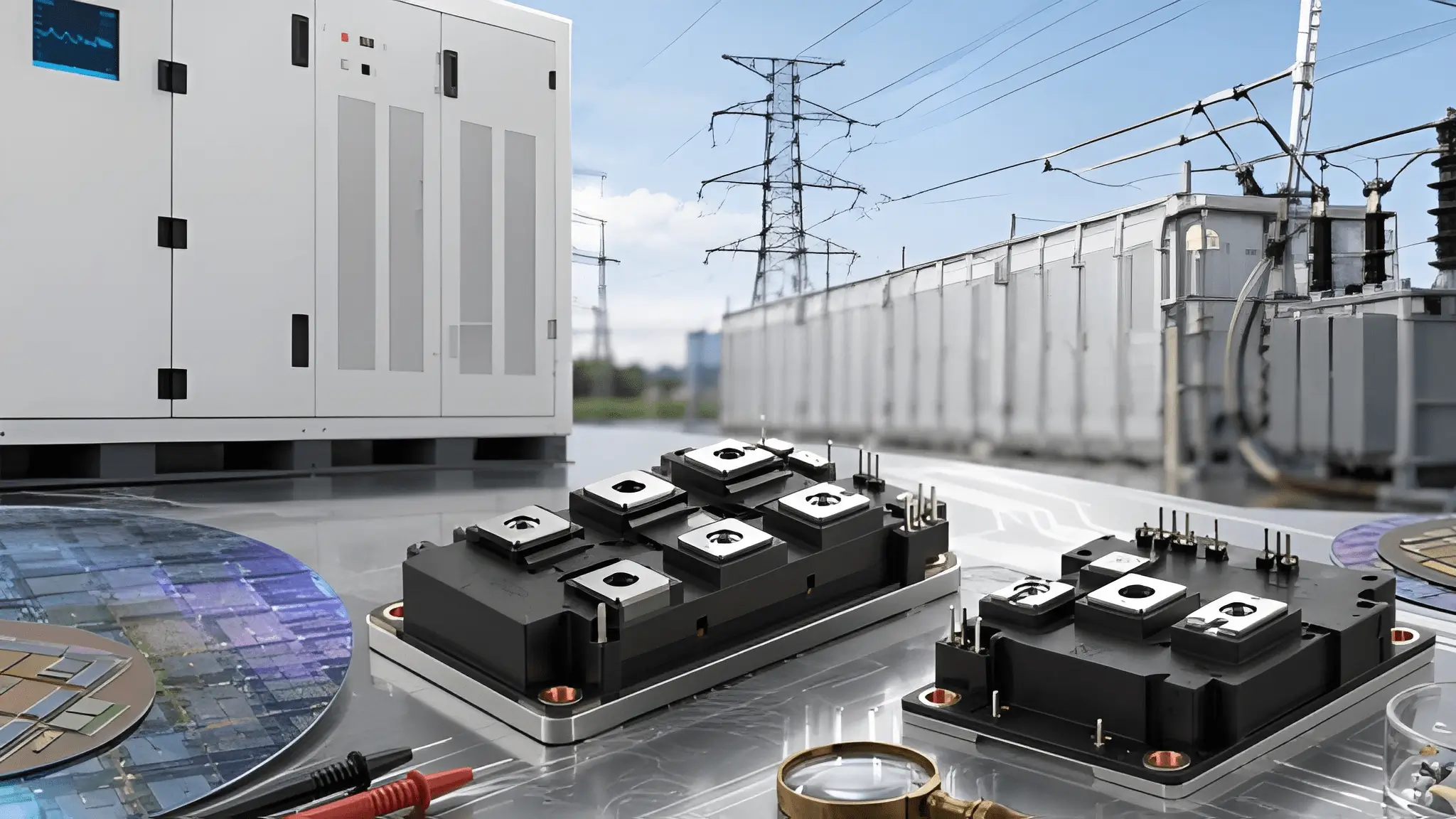
The new modules integrate 3.3kV silicon carbide MOSFETs and Schottky diodes into an industry-standard 62mm package. That integration allows operators to move power more efficiently from the medium-voltage grid directly to server racks while reducing conversion stages across the electrical chain.
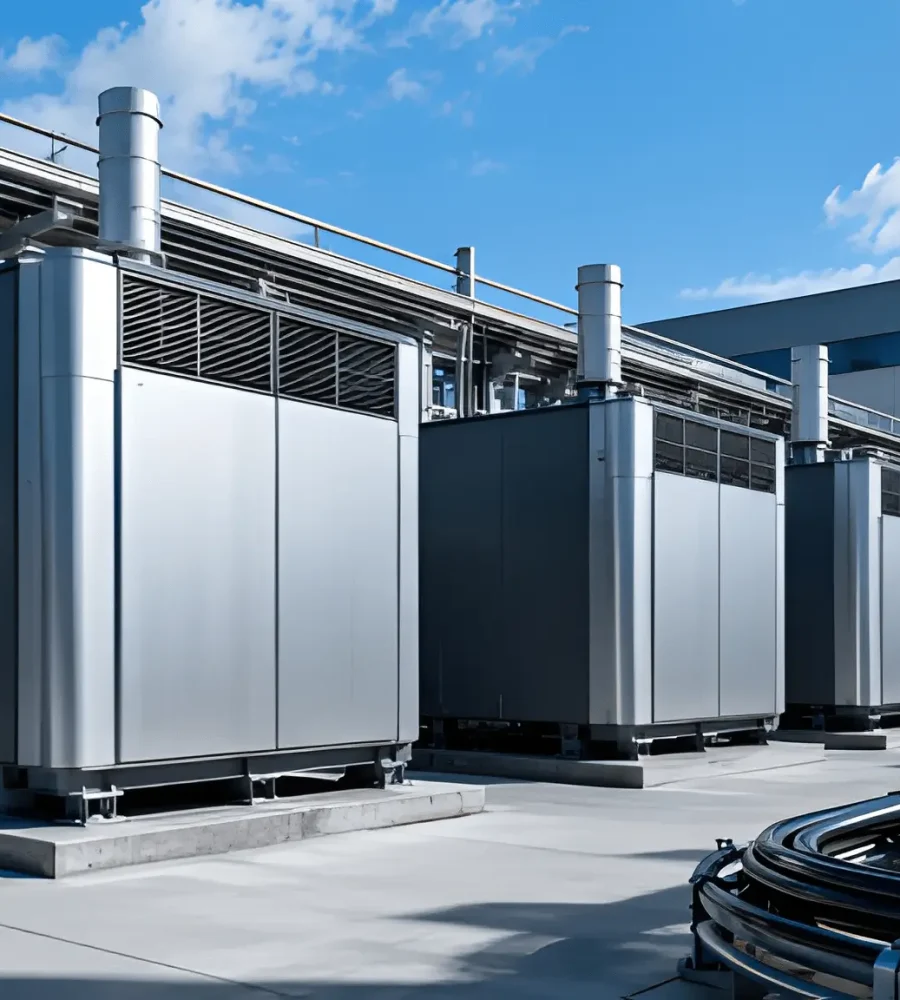
Conventional transformer systems still dominate most facilities, yet they introduce additional losses, larger footprints, and operational complexity that hyperscalers increasingly view as inefficient. Microchip’s latest push signals how semiconductor suppliers are beginning to shape next-generation power topology strategies rather than simply supplying components.
AI Expansion Is Redefining Data Center Power Architecture
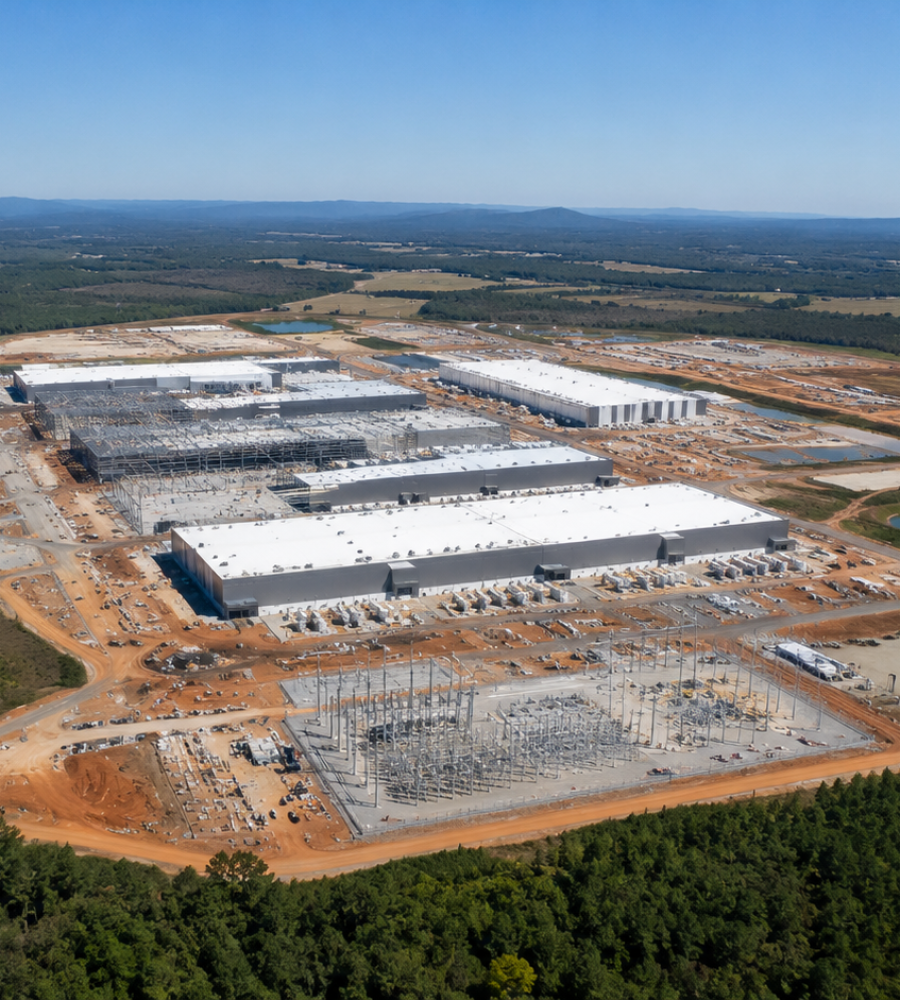
AI data centers have entered a phase where energy availability increasingly dictates infrastructure scale. Token generation performance now faces constraints tied directly to power access, cooling efficiency, and conversion losses across facilities. As operators deploy denser GPU clusters, traditional low-frequency transformer architectures have become harder to justify economically because every inefficiency compounds at hyperscale. Consequently, infrastructure teams are reevaluating how electricity moves from the utility grid to accelerated compute environments.
Solid-state transformers have emerged as a serious alternative because they reduce conversion steps and enable more intelligent power regulation. The industry’s migration toward higher-voltage DC rack distribution further strengthens the case for SST adoption across AI campuses. Instead of relying on multiple stages of AC-to-DC conversion, SSTs aim to deliver regulated DC power directly from medium-voltage grids with fewer losses. That architectural simplification could improve operational efficiency while also reducing infrastructure complexity inside future AI facilities.
Microchip Targets a Critical Gap in High-Voltage AI Infrastructure
Microchip engineered the HV-D3 mSiC modules specifically for these evolving infrastructure demands. The company’s silicon carbide technology delivers competitive RDS(on) stability across temperature ranges while supporting safe high-voltage operation through 6kV isolation and extended creepage distances. The packaging also incorporates CTI 600-rated materials, enabling safer series connections in medium-voltage environments where reliability remains critical. Those characteristics matter because AI data centers increasingly require stable, continuous power delivery across highly dynamic GPU workloads.
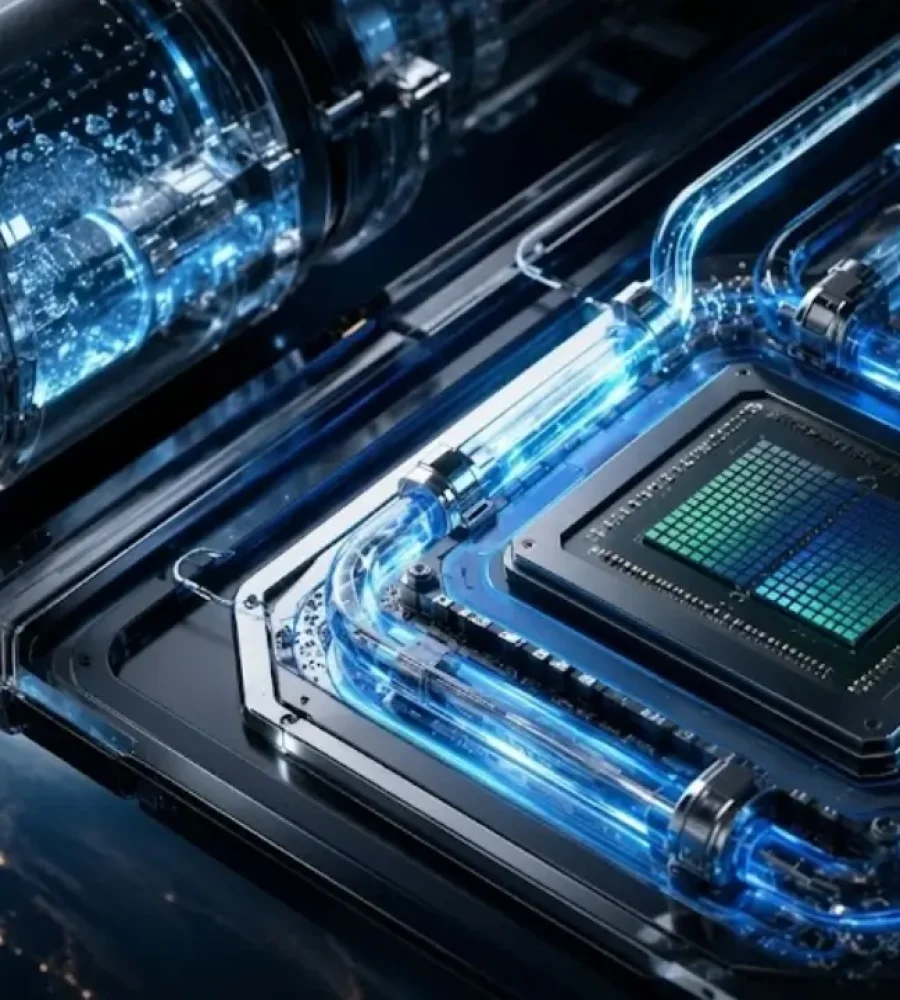
The modules also integrate a silicon nitride substrate designed to improve thermal conductivity and power-cycling durability. Better thermal performance allows operators to achieve higher power density without relying on increasingly aggressive cooling systems that raise both capital and operational costs. That balance between electrical efficiency and thermal management has become one of the defining engineering priorities inside modern AI campuses. Microchip’s approach indicates that semiconductor-level innovations could meaningfully influence future facility design standards.
“As AI datacenters continue to push limits in supplying power from the grid to the GPU, the need for solid-state transformers becomes increasingly important,” said Clayton Pillion, Vice President of Microchip’s high-power solutions business unit. “Our 3.3kV HV-D3 mSiC power modules enable designers to reduce the number of series connected devices by roughly half versus lower-voltage SiC alternatives when interfacing to 13.8kV or 34.5kV grids. The devices also address a key gap in the industrial market for 100–300A products, bridging discrete SiC devices and much larger power modules.”
Silicon Carbide Gains Strategic Importance in AI Infrastructure
Silicon carbide technology has steadily gained traction across power electronics because it supports higher switching frequencies, lower losses, and improved thermal performance compared with traditional silicon-based systems. In AI data center environments, those advantages translate directly into lower energy waste and better infrastructure utilization. As GPU clusters continue to consume more electricity per rack, power efficiency improvements now carry significant economic consequences for operators and investors alike. The market increasingly values technologies that can improve utilization without requiring proportional increases in energy consumption.
Microchip’s modules are available in both half-bridge and common-source configurations, with optional anti-parallel Schottky diodes targeting applications in the 100-300A range. The company stated that its mSiC MOSFET technology delivers balanced switching losses across both hard-switched and soft-switched topologies. That flexibility makes the devices suitable not only for SST deployments but also for broader high-frequency, high-voltage infrastructure systems. However, the AI data center opportunity remains the clearest strategic driver behind the launch because hyperscale operators now face mounting pressure to optimize every layer of power delivery.
Beyond AI Data Centers, Industrial Electrification Creates New Demand
Although AI infrastructure stands at the forefront of this announcement, Microchip is also targeting adjacent industrial markets experiencing similar power modernization trends. The HV-D3 mSiC modules support applications including megawatt charging infrastructure for heavy-duty vehicles, medium-voltage motor drives, rail transportation systems, and defense-related power environments.
The broader significance of this launch extends beyond a single component family. Semiconductor firms that improve efficiency at the grid-to-rack level may gain outsized influence over the future direction of hyperscale architecture. Microchip’s latest move places the company directly inside that transformation as the industry searches for more scalable ways to power the next generation of AI systems.