
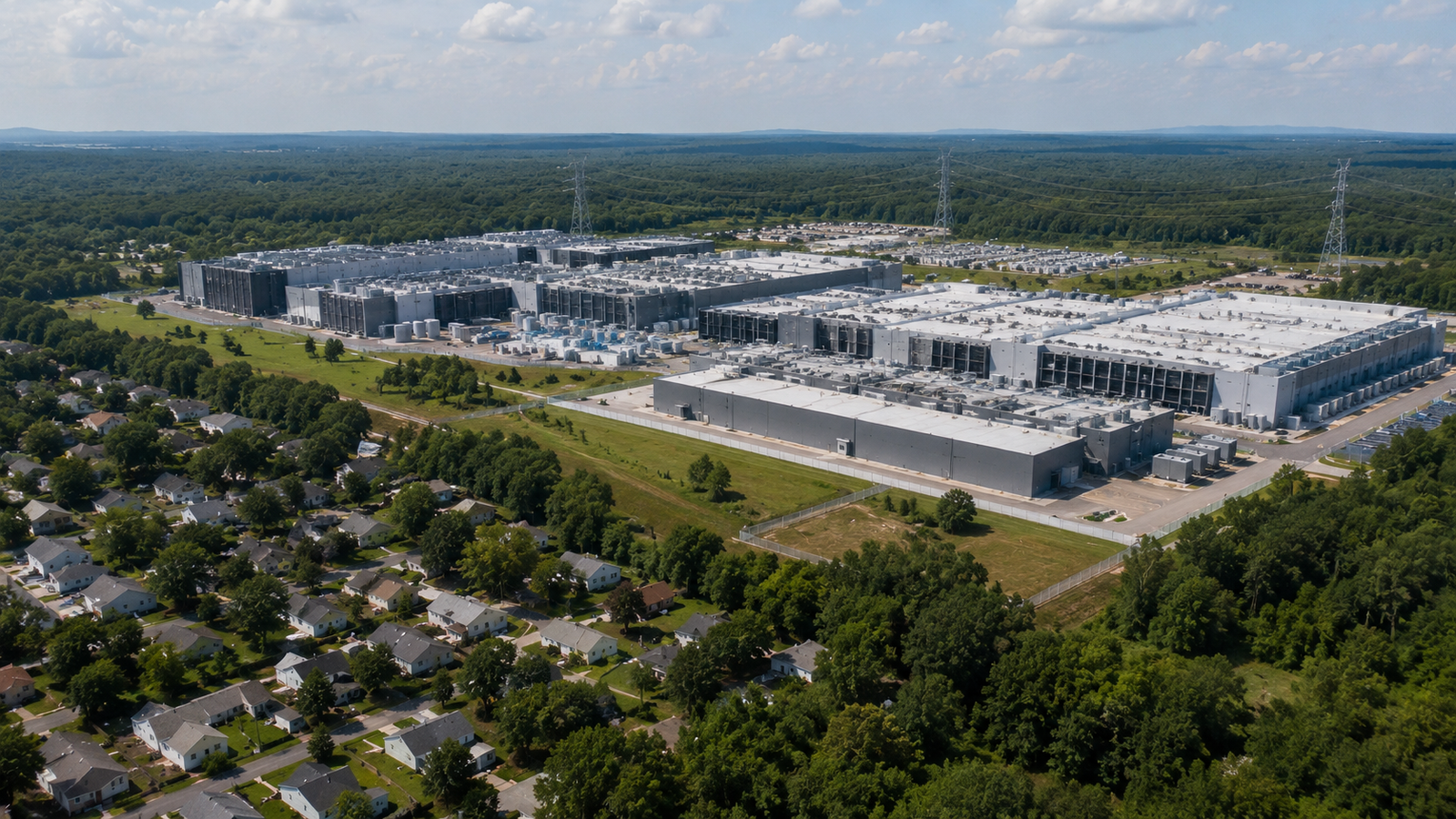
Cerebras CEO Andrew Feldman said on May 27 that the AI sector has done a terrible job communicating data center projects to the communities that host them. Speaking on Harry Stebbings’ 20VC podcast and in a follow-up email to Business Insider, Feldman argued that the industry has consistently failed to make the case that data centers can be clean, create local jobs, and deliver tangible benefits to the neighbourhoods they sit in. The comments came days after Cerebras completed the largest semiconductor IPO in history, raising $5.55 billion at a share price of $185, above its expected range.
Feldman pointed to Microsoft President Brad Smith‘s framework, Building Community-First AI Infrastructure, as the model the industry should have been following from the start. Smith outlined five commitments Microsoft would make when developing AI infrastructure: paying its own way on grid costs so residents do not face higher electricity bills, reducing water consumption, creating jobs, partnering with local nonprofits and universities on workforce training, and building community assets alongside its facilities. Feldman’s position is that this approach should be the baseline for the industry, not a differentiator for one company.
What Feldman Said the Industry Should Be Doing Differently
The specific proposals Feldman outlined go beyond messaging. He said AI and technology companies should fund community structures, such as football fields, schools, or places of worship, as part of the development of large data center campuses. He argued that companies should bear costs that governments and developers have historically transferred to taxpayers or local governments, framing it as an obligation rather than a voluntary gesture. “We can do this thoughtfully,” Feldman said on the podcast, adding that the industry needs to demonstrate it will be a better neighbour rather than simply asserting it.
Feldman also pointed to the environmental dimension of the community relations problem. He said one concrete way operators can address local concerns is by building closed-loop facilities that reduce water consumption, noting that 40 percent of the country’s planned and existing data center capacity is concentrated in areas already facing high water stress. The argument is that the operational decisions operators make, on water, power costs, and construction impact, are inseparable from the community acceptance problem. The data center industry losing the public consent battle has been building for years, driven precisely by the gap between what developers promise communities and what those communities actually experience during and after construction.
The Broader Context Behind the Criticism
Feldman’s comments land at a moment when the data center moratorium count in the United States has risen from 8 to 78 in a single year. Legislators across 30 states introduced more than 300 data center-related bills in the first six weeks of 2026 alone, and most focused on oversight and cost accountability rather than the incentive packages that had defined the previous decade of state-level data center policy. Community opposition is no longer a localised friction point. It has become a systemic constraint on where and how quickly the AI infrastructure buildout can proceed.
The industry’s standard response to that opposition, emphasising job creation and tax revenue, has not been effective because communities experiencing construction disruption, rising electricity bills, and water stress are not persuaded by projections of long-term economic benefit. Feldman’s argument is that the industry needs to reverse the sequence: demonstrate that it will cover its costs and invest in the community before asking the community to accept the facility, not after. Whether the broader industry follows the approach he and Smith are advocating will depend on whether the moratorium count and the permitting friction it creates become painful enough to change the commercial calculus for operators who have not yet treated community relations as a first-order infrastructure problem.