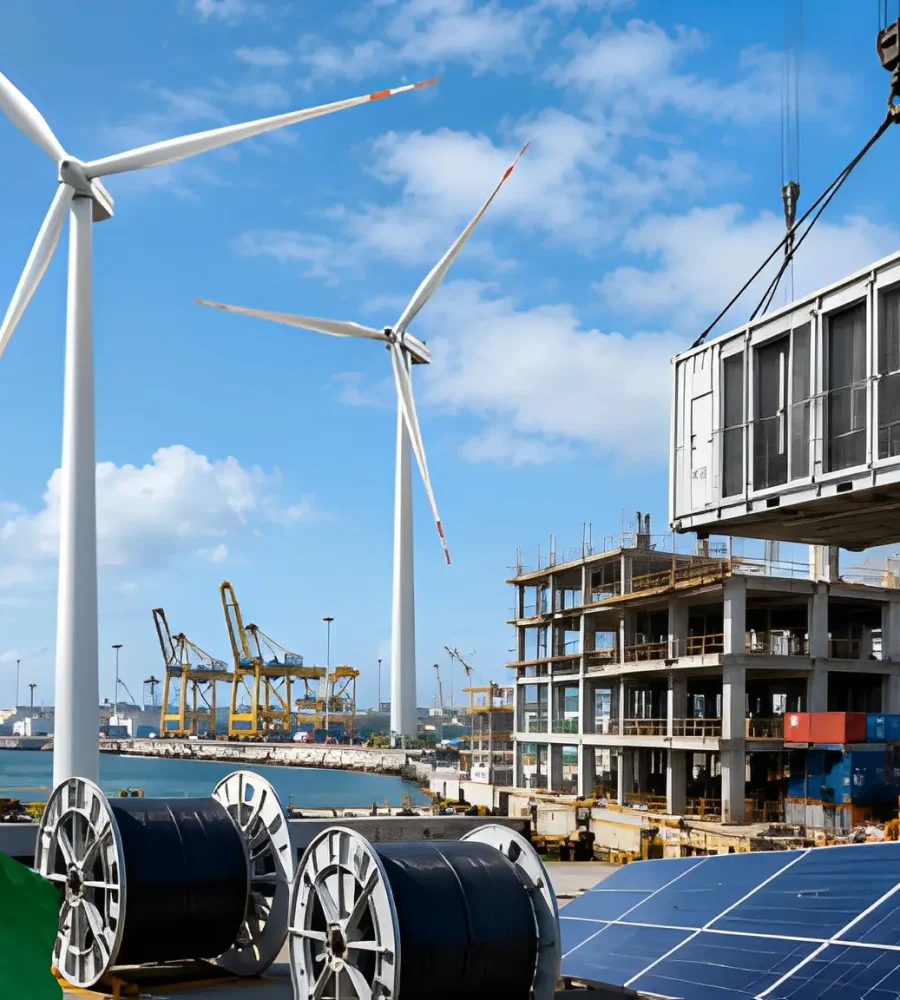

The language surrounding artificial intelligence still sounds familiar to the internet economy that preceded it. Executives describe innovation cycles, software ecosystems, platform adoption, and productivity acceleration. Yet underneath the market enthusiasm, the economics powering AI are beginning to resemble heavy industry far more than consumer technology.
The center of gravity is shifting away from applications and toward infrastructure control. What once looked like a software race increasingly resembles a competition for electricity, substations, transmission access, land acquisition, and long-term energy contracts. The companies leading the AI market are not simply building better models.
They are securing physical dominance over the resources required to operate those models at industrial scale. That distinction matters because AI infrastructure does not scale like the internet businesses that defined the previous generation of technology growth.
Traditional internet platforms expanded primarily through software distribution and network effects. AI systems scale through compute density and persistent inference demand, both of which require extraordinary amounts of power capacity. The economics change once compute become a permanent utility burden instead of a temporary capital investment. The result is a technology market where access to power increasingly determines access to competition itself.
The New Advantage Is Grid Access, Not Code
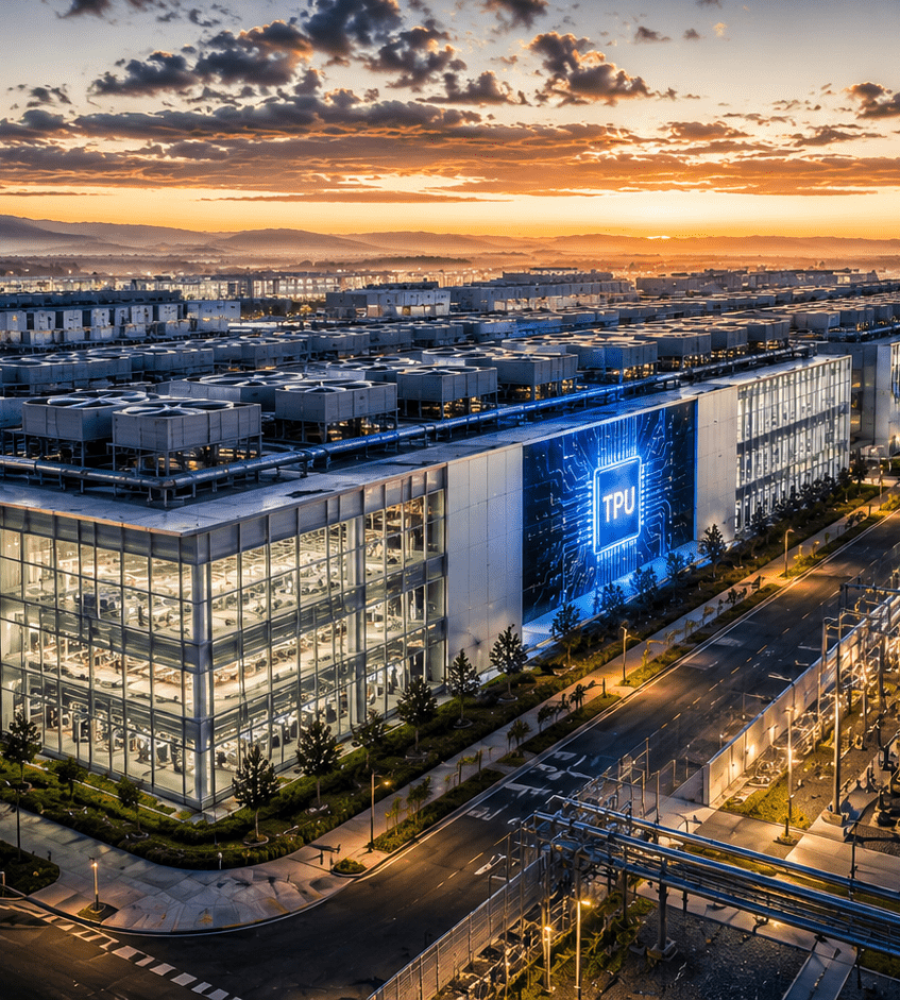
Inside the AI sector, the most valuable asset is no longer necessarily the model architecture. It is the ability to guarantee uninterrupted energy supply at hyperscale. Large AI operators now negotiate long-term electricity procurement agreements with utilities years before facilities become operational. Multi-gigawatt AI campuses are being planned with energy demand profiles comparable to industrial manufacturing zones. Utilities, meanwhile, are confronting a category of customer whose electricity consumption can outgrow entire metropolitan districts within a single expansion cycle. This is changing how technology leadership gets measured.
Cloud hyperscalers and sovereign-backed AI programs possess the capital required to reserve transmission capacity, finance private energy partnerships, and accelerate campus construction timelines. Smaller AI firms, even those with competitive technology, face a different reality: they may possess advanced models but lack the infrastructure access necessary to deploy them at meaningful scale.
The imbalance is structural rather than temporary. In previous technology cycles, startups could compete by moving faster than incumbents. In the emerging AI economy, speed alone may not offset infrastructure asymmetry. Grid interconnection queues can stretch across years.
Large-scale energy procurement increasingly favors companies capable of guaranteeing long-term demand and financing dedicated infrastructure upgrades. The consequence is a market where compute concentration risks reinforcing economic concentration.
AI Data Centers Are Becoming Strategic Industrial Assets
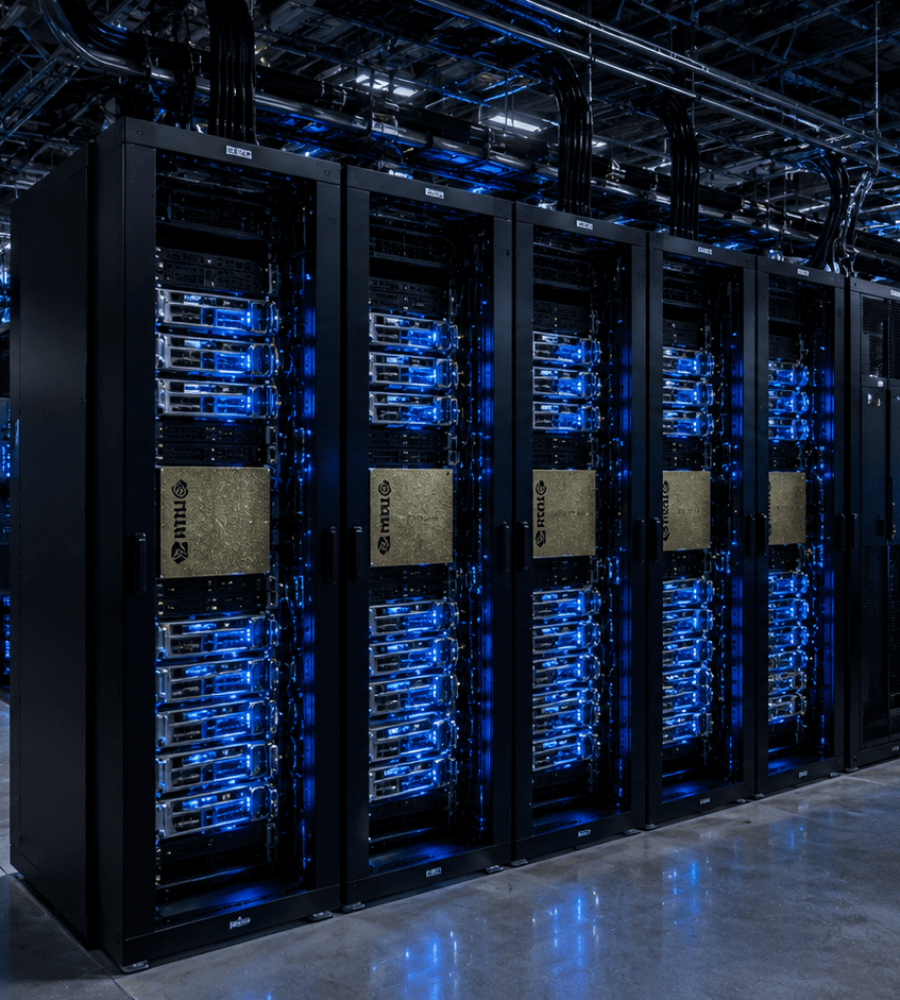
The industry still refers to AI facilities as data centers, but the description increasingly understates their strategic importance. Modern AI campuses resemble industrial power complexes more than traditional digital infrastructure. Their operational requirements include advanced cooling systems, dedicated substations, high-density rack environments, water management, backup generation systems, and direct integration with regional power networks.
As inference demand expands, these facilities stop behaving like passive storage environments and start operating like continuous production systems. That evolution is politically significant. Governments now view AI infrastructure as a national competitiveness issue tied to economic resilience, military capability, semiconductor access, and digital sovereignty. Several countries have begun supporting domestic AI infrastructure expansion through public-private partnerships, energy incentives, and strategic industrial planning.
The private sector sees the same reality from a different angle. Utilities increasingly recognize hyperscale AI operators as anchor customers capable of reshaping regional energy investment priorities. Chip manufacturers gain leverage because AI growth depends on specialized hardware availability. Infrastructure funds view AI campuses as long-duration strategic assets similar to ports, logistics hubs, or energy corridors.
The broader implication is that AI may consolidate influence across a narrow layer of infrastructure stakeholders long before the benefits distribute evenly across the wider economy.
The Lightweight Internet Era Is Quietly Ending
The internet economy built over the past two decades depended on relatively asset-light expansion. Social media platforms, software startups, streaming services, and digital marketplaces could scale globally without directly reshaping national utility systems.
AI changes that equation. The next generation of computing growth depends on physical infrastructure deployment at unprecedented intensity. Every major AI expansion plan now intersects with energy policy, transmission capacity, water availability, land use approvals, and industrial permitting timelines. That creates pressure far outside the technology sector.
Regional grids already balancing electrification goals, renewable integration targets, and industrial demand growth now face additional stress from AI deployment. Utilities must forecast whether current transmission systems can support rapidly escalating compute demand without destabilizing broader electricity reliability. The issue is not merely environmental. It is operational.
Grid operators are entering an environment where a small number of AI facilities can materially alter regional load dynamics. In some markets, energy infrastructure construction timelines remain slower than projected AI demand growth. That mismatch introduces new risks around congestion, pricing volatility, and reliability planning.
The political narrative around AI has largely focused on innovation potential and productivity gains. The infrastructure reality introduces a more difficult question: what happens when technological expansion begins competing directly with public energy resilience? That question becomes sharper as AI demand accelerates faster than infrastructure adaptation cycles.
Infrastructure Power Could Define The Next Tech Hierarchy
The technology industry historically rewarded companies that controlled distribution, platforms, or software ecosystems. AI may reward companies that control industrial-scale infrastructure. That transition could redefine competitive power across the sector.
The winners of the next decade may not simply be the organizations building the most advanced models. They may be the companies capable of securing the largest energy allocations, fastest interconnection approvals, strongest utility relationships, and most resilient supply chains. The implications extend beyond commercial competition.
If AI infrastructure becomes concentrated among a limited group of hyperscalers and state-backed entities, technological influence could centralize faster than regulatory systems can adapt. Governments may eventually face pressure to treat large-scale compute infrastructure similarly to strategic energy or telecommunications assets.
At the same time, public infrastructure systems were not originally designed around the assumption that digital growth would behave like industrial manufacturing expansion. That tension is becoming harder to ignore.
The AI sector continues to frame itself as the future of software innovation. Increasingly, however, its economic behavior resembles a race for industrial capacity control. Electricity access, land acquisition, and transmission infrastructure are emerging as strategic bottlenecks capable of shaping competitive outcomes across the global technology market. The industry still speaks in the language of algorithms.The market increasingly operates in the language of power.