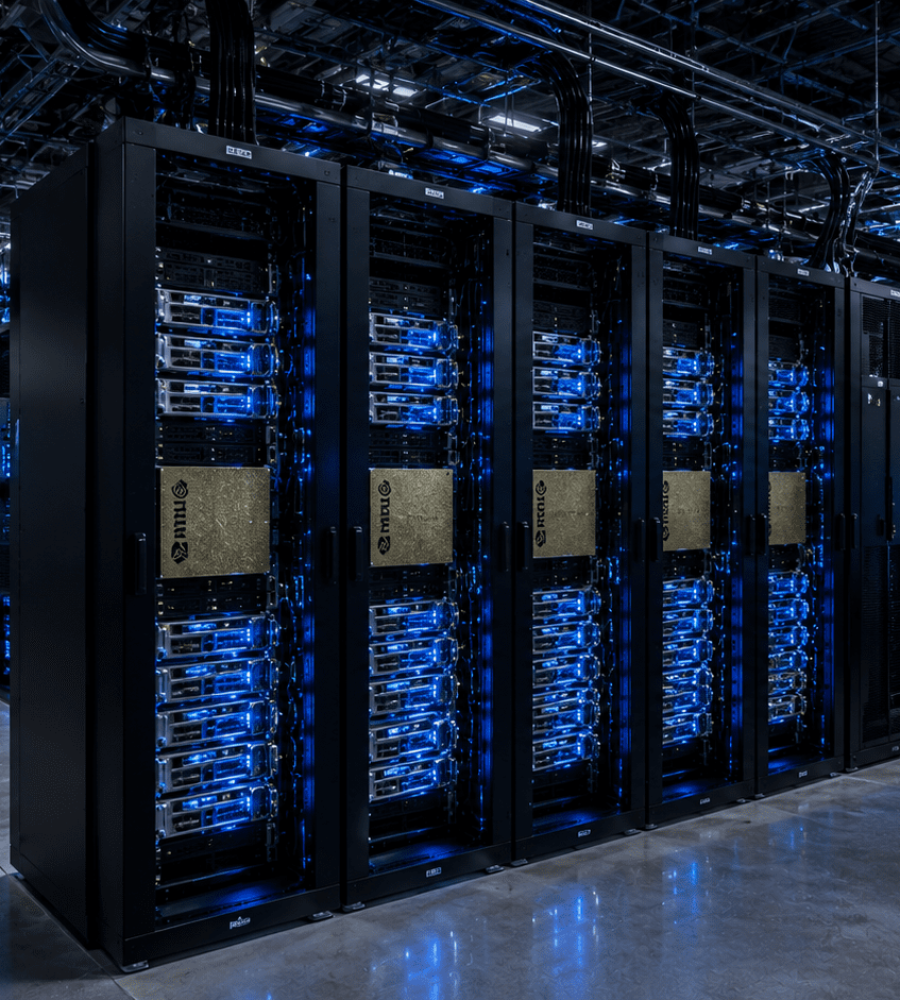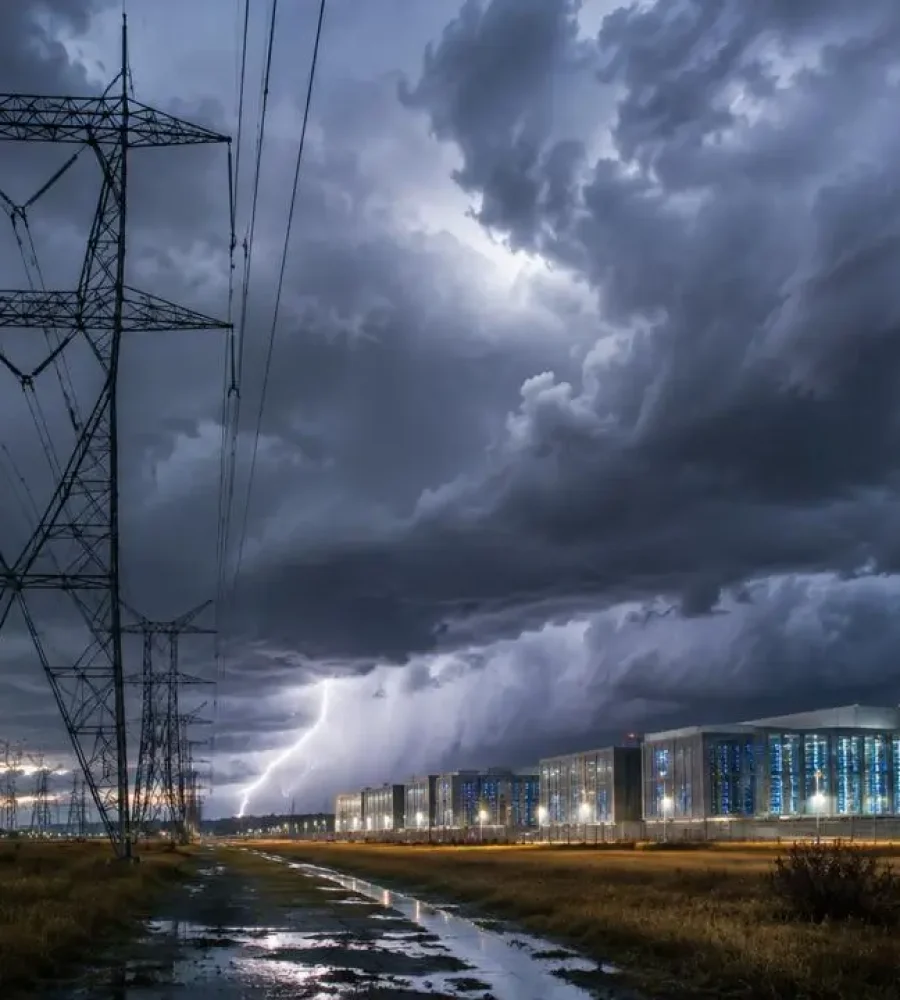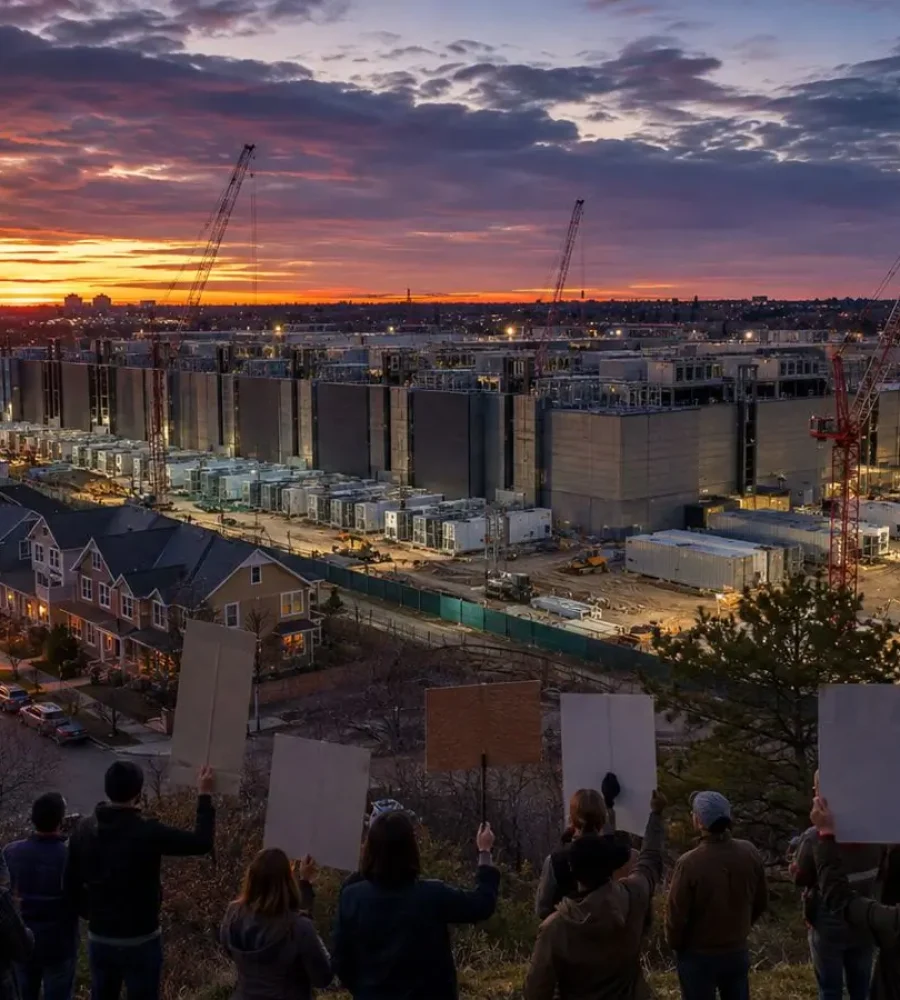

There was a period when sustainability claims inside digital infrastructure moved faster than the infrastructure itself. Operators announced renewable procurement agreements, published carbon-neutral roadmaps, and positioned AI expansion as compatible with decarbonization targets that looked convincing in annual reporting frameworks. Most of those claims relied on accounting structures that balanced yearly electricity consumption against renewable certificates purchased somewhere across the grid, often far away from the actual compute workload consuming electricity in real time. The arrangement worked because very few people examined the physical timing mismatch between renewable generation and AI electricity demand. The conversation has shifted away from whether a company bought enough renewable energy certificates and toward whether the electricity powering an inference cluster at a specific moment actually came from a low-carbon source.
The pressure surrounding this issue no longer comes only from environmental groups or climate researchers. Infrastructure investors, electricity market analysts, hyperscale customers, and grid planners have all started questioning whether annual carbon-neutral claims still describe operational reality in an AI-driven economy. Large language models, continuous inference engines, and GPU-intensive training clusters do not consume electricity according to simplified annual averages because they operate continuously across grids that still rely heavily on dispatchable fossil generation during evening demand peaks. Several operators continue marketing campuses as renewable-powered while simultaneously expanding into regions where grid operators depend on natural gas generation to stabilize demand volatility created by rapid data center growth. That contradiction has created a widening credibility gap between sustainability branding and observable electricity consumption patterns. The industry now faces a structural trust challenge rather than a simple messaging problem.
Renewable on Paper, Fossil in Practice
The renewable accounting model used across much of the digital infrastructure industry emerged during an era when compute demand behaved predictably and electricity procurement remained relatively stable across yearly cycles. Operators could purchase renewable energy certificates generated from wind or solar farms and apply those credits against annual electricity consumption regardless of where or when the actual electricity usage occurred. That system created a legal and accounting pathway for companies to claim carbon neutrality even if their facilities consumed fossil-heavy grid electricity during substantial portions of the day. AI infrastructure has exposed the operational weakness inside that framework because GPU clusters now run continuously through periods when renewable generation disappears and grid operators activate gas-fired balancing capacity. The gap between accounting treatment and operational electricity sourcing has become increasingly difficult to ignore.
The Visibility Gap Inside “Clean Compute” Narratives
A facility may technically offset yearly electricity demand through renewable contracts while continuing to rely on fossil-backed grid supply during high-demand evening hours when solar generation disappears and wind output weakens. AI clusters intensify that contradiction because inference demand often peaks during business and consumer activity windows that overlap with the most carbon-intensive grid conditions. The result creates an operational profile where carbon-neutral branding survives through accounting treatment rather than through continuous low-carbon electricity consumption. Several electricity market analysts have warned that annual certificate matching fails to capture the actual emissions intensity associated with round-the-clock compute infrastructure. The debate no longer centers on whether renewable certificates hold value because they still support renewable investment, but rather on whether those certificates accurately represent the electricity consumed by always-on AI systems in real operational conditions.
Operational transparency has also lagged behind the sophistication of AI infrastructure itself. Hyperscale campuses increasingly publish sustainability summaries that emphasize renewable procurement totals while disclosing very little about hourly electricity sourcing patterns, regional grid dependencies, or fossil-heavy balancing periods. Most sustainability reporting frameworks still prioritize annual averages because those structures remain easier to communicate and less likely to expose operational inconsistencies. Real-time electricity disclosures would reveal that many “clean-powered” facilities continue drawing substantial fossil-generated electricity during periods of renewable intermittency. That level of transparency would complicate sustainability narratives that investors and customers have accepted for years without examining underlying grid mechanics. AI infrastructure has accelerated scrutiny because continuous GPU utilization creates highly visible electricity demand growth that cannot easily hide behind annual accounting abstractions. The industry now faces growing pressure to explain not only how much renewable electricity it procured, but when that electricity actually powered compute operations.
Grid Reality Is Beginning To Override Sustainability Branding
Electricity grids operate according to physical balancing requirements rather than sustainability marketing language. Grid operators dispatch generation resources based on reliability needs, transmission constraints, and real-time demand fluctuations that renewable certificate systems do not capture effectively. AI campuses expanding across regions with constrained utility infrastructure increasingly rely on fossil-heavy balancing resources to maintain operational continuity during periods of rapid electricity demand growth. Natural gas generation often becomes the stabilizing layer that allows utilities to absorb unpredictable AI load surges while renewable generation fluctuates according to weather conditions. Operators may still classify these campuses as carbon-neutral under existing accounting frameworks even though the real-time electricity mix remains heavily dependent on fossil generation during critical operating windows. Grid planners have started warning that the pace of AI electricity growth may prolong dependence on dispatchable thermal generation in several major data center regions.
The industry now faces a communications challenge that extends beyond sustainability terminology. Enterprise customers purchasing AI services increasingly want operational assurance that climate commitments align with physical electricity consumption patterns rather than accounting interpretations. Infrastructure providers therefore confront a growing risk that broad renewable claims could appear misleading once customers begin demanding hourly sourcing visibility and independently verified emissions transparency. Several carbon accounting initiatives have already started advocating for time-based emissions tracking models that measure electricity consumption against hourly grid carbon intensity rather than annual certificate balancing. That transition would fundamentally reshape how operators communicate sustainability performance because many existing carbon-neutral narratives depend on temporal flexibility inside current accounting standards. AI infrastructure has accelerated this shift by exposing how disconnected annual procurement models can become from the physical realities of round-the-clock electricity consumption. The industry is entering a phase where credibility may matter more than ambitious sustainability slogans.
The Hourly Matching Problem Nobody Wants to Talk About
Annual renewable accounting frameworks emerged from a simpler electricity environment where corporate sustainability programs focused primarily on supporting renewable deployment rather than aligning consumption with real-time generation patterns. That framework allowed organizations to balance yearly electricity usage with renewable procurement regardless of when the renewable electricity entered the grid. AI infrastructure disrupts that logic because modern compute clusters consume electricity continuously without pausing for renewable intermittency or favorable grid conditions. A GPU training workload running overnight still requires uninterrupted electricity even during periods of reduced renewable generation. The mismatch between temporal accounting and continuous electricity consumption has become one of the most controversial sustainability debates inside digital infrastructure.
AI Infrastructure Runs On Time-Sensitive Electricity
Large inference systems, recommendation engines, multimodal models, and training clusters maintain high utilization rates across all hours because global user demand does not align neatly with renewable production cycles. Electricity consumption therefore persists through nighttime periods, weather-driven renewable volatility, and regional grid stress events that force utilities to rely more heavily on dispatchable fossil generation. Annual renewable matching obscures these operational conditions because it treats electricity as if time does not matter in emissions accounting. Grid operators understand the opposite to be true because emissions intensity changes hour by hour depending on which generation resources balance supply and demand at specific moments. AI infrastructure magnifies the importance of those hourly differences because even brief periods of fossil-heavy electricity consumption can accumulate substantial operational emissions across continuously running compute clusters. Sustainability claims built around annual accounting now look increasingly detached from the temporal realities of modern AI operations.
Several infrastructure providers have already started experimenting with hourly carbon tracking systems designed to measure real-time electricity sourcing against operational compute demand. Those initiatives reflect growing recognition that annual certificate balancing no longer provides sufficient credibility in an environment where AI electricity consumption has become highly visible to investors, regulators, and enterprise customers. Hourly matching frameworks attempt to align renewable procurement with actual electricity consumption during the specific hours when workloads operate, creating a far stricter sustainability standard than annual accounting models. Achieving that alignment remains operationally difficult because renewable generation fluctuates continuously while AI workloads demand uninterrupted power availability. Operators therefore face a tradeoff between maintaining continuous compute reliability and reducing reliance on fossil-heavy balancing electricity during low-renewable periods. Some organizations have started integrating battery storage, flexible workload scheduling, and geographically distributed compute balancing to narrow the hourly matching gap.
Annual Carbon Neutrality Is Starting To Look Operationally Obsolete
The credibility problem surrounding annual accounting frameworks stems from the growing realization that electricity systems operate dynamically rather than statically. Carbon intensity can shift dramatically within a single day depending on weather conditions, regional demand spikes, transmission congestion, and thermal generation dispatch requirements. AI infrastructure consumes electricity across all those conditions because inference demand does not disappear when renewable output weakens. Annual certificate balancing effectively ignores those hourly fluctuations by averaging emissions responsibility across an entire year rather than tying it to operational consumption patterns. That methodology increasingly appears outdated in a digital economy where AI systems maintain continuous electricity demand across globally distributed compute environments. The discussion now centers on whether carbon neutrality should describe accounting outcomes or actual operational electricity behavior.
The operational implications of hourly accountability extend far beyond sustainability reporting language. Infrastructure operators may eventually need to redesign workload management strategies around electricity availability and grid carbon intensity rather than purely around latency optimization or compute efficiency. AI scheduling systems could increasingly shift non-urgent training tasks toward regions experiencing low-carbon electricity abundance while maintaining critical inference operations in facilities supported by storage-backed renewable capacity. These changes would transform sustainability from a branding exercise into an operational engineering discipline directly tied to infrastructure architecture and workload orchestration. AI infrastructure has accelerated this transition because continuous compute demand exposes the limitations inside legacy accounting systems more clearly than previous generations of enterprise technology ever did. The industry now stands at the beginning of a much more technically demanding era of sustainability accountability.
Sustainability Has Entered Its “Trust Crisis” Era
The sustainability conversation inside AI infrastructure has moved beyond aspiration and entered a phase defined by verification pressure. For years, operators benefited from a reporting environment where broad climate commitments, renewable procurement announcements, and carbon-neutral positioning generated reputational value without inviting significant operational scrutiny. That environment has changed because AI infrastructure now consumes electricity at a scale that directly influences regional grids, utility planning, and emissions trajectories. Investors examining hyperscale expansion strategies increasingly want evidence showing how operators plan to reconcile continuous compute growth with increasingly constrained electricity systems. Enterprise customers deploying AI workloads increasingly seek more detailed sustainability disclosures tied to operational infrastructure practices. The result is a growing trust deficit surrounding carbon-neutral claims that rely heavily on offsets, certificates, and annualized accounting abstractions. AI demand did not create this credibility problem, but it accelerated visibility into it.
The ESG Storyline Around AI Infrastructure Is Quietly Changing
The earlier phase of digital infrastructure sustainability storytelling focused heavily on renewable procurement scale, net-zero targets, and climate ambition roadmaps extending decades into the future. AI expansion has complicated those narratives because electricity demand growth now outpaces the simplicity of long-term sustainability messaging. Operators expanding GPU-intensive campuses into constrained grid regions must explain how they intend to maintain continuous compute operations while reducing dependence on fossil-heavy balancing generation. That operational challenge has created tension between infrastructure growth priorities and ESG communication strategies that were built around annual carbon accounting assumptions. Several hyperscale providers continue investing aggressively in renewable projects while simultaneously acknowledging that reliable grid support still requires dispatchable energy resources during periods of renewable intermittency. The industry therefore finds itself balancing two realities that often appear contradictory in public communication. Sustainability branding still emphasizes decarbonization commitments, while operational planning increasingly focuses on resilience, reliability, and uninterrupted energy availability.
This transition has started reshaping how sophisticated stakeholders interpret sustainability claims across AI infrastructure markets. Investors and enterprise customers increasingly distinguish between organizations that discuss operational constraints openly and those that continue relying on simplified carbon-neutral narratives disconnected from grid realities. Transparency itself has become a form of competitive differentiation because market participants now recognize that the decarbonization pathway for always-on AI infrastructure remains technically difficult and operationally uneven across regions. Operators willing to discuss those limitations candidly often appear more credible than organizations presenting overly polished sustainability messaging unsupported by granular operational disclosure. AI infrastructure has therefore pushed the industry toward a more mature sustainability conversation centered on constraints, tradeoffs, and measurable operational behavior rather than broad climate branding.
AI Workloads Don’t Care When the Sun Sets
Large inference platforms continue processing requests throughout the night, training clusters execute uninterrupted workloads for extended periods, and global user activity creates continuous demand cycles that never align perfectly with solar or wind production patterns. Electricity systems therefore must sustain AI infrastructure even during periods when renewable generation weakens sharply and thermal generation assumes a larger balancing role. Sustainability narratives built around intermittent renewable procurement become harder to defend under those operational realities because compute workloads themselves remain indifferent to the carbon intensity of the electricity supporting them. AI demand has exposed a physical limitation inside many existing sustainability strategies: continuous compute requires continuous energy availability regardless of renewable intermittency. The industry now confronts the uncomfortable reality that reliable AI operations and low-carbon electricity alignment remain far more difficult to synchronize than earlier sustainability messaging implied.
Continuous Inference Is Rewriting Energy Assumptions
Earlier generations of enterprise computing allowed operators to optimize certain workloads around predictable usage cycles and lower overnight demand conditions. AI inference systems behave differently because they support globally distributed user interactions, autonomous software processes, recommendation engines, and machine-generated content pipelines that maintain activity across all hours. Those systems continue consuming electricity during periods when renewable generation falls sharply, particularly across solar-dependent grids entering evening demand peaks. Utilities often respond to those conditions by dispatching natural gas generation capable of ramping quickly to stabilize electricity supply. Infrastructure operators may still classify the associated compute activity as renewable-powered under annual certificate accounting frameworks despite the real-time electricity mix relying substantially on fossil generation. Sustainability accountability increasingly depends on whether operators acknowledge that operational mismatch openly rather than masking it through annualized reporting abstractions.
Battery storage and flexible workload scheduling have emerged as potential mechanisms for reducing that mismatch, but neither solution fully eliminates the underlying challenge. Large-scale battery systems can buffer renewable energy into evening hours, yet storage duration constraints still limit how long facilities can maintain low-carbon operations during extended renewable shortfalls. Workload shifting strategies can relocate some training activity toward regions with cleaner electricity availability, though latency-sensitive inference operations often require proximity to users rather than proximity to renewable abundance. Nuclear generation, geothermal resources, and advanced grid interconnections may eventually support more continuous low-carbon AI operations, but deployment timelines remain slower than current infrastructure expansion cycles. Operators therefore continue relying on fossil-backed balancing electricity during portions of the day even while investing aggressively in renewable procurement.
Reliability Still Overrides Sustainability During Grid Stress
Grid operators prioritize system stability because electricity networks cannot tolerate prolonged supply-demand imbalance without risking outages or cascading disruptions. During periods of grid stress, utilities dispatch whichever generation resources can respond rapidly enough to maintain reliability, regardless of the sustainability preferences attached to individual electricity consumers. AI campuses contribute additional pressure to those systems because large GPU clusters can create concentrated electricity demand growth across already constrained transmission regions. Utilities therefore frequently depend on natural gas generation as a balancing mechanism capable of stabilizing fluctuating renewable output while supporting expanding data center demand. Infrastructure operators cannot simply pause inference systems whenever renewable generation weakens because service continuity remains operationally critical for enterprise customers and consumer applications alike. Reliability obligations therefore continue driving electricity sourcing decisions during many real-world operating conditions. AI infrastructure has made this operational hierarchy much more visible than it was during earlier phases of cloud expansion.
This reliability-first dynamic explains why several operators have quietly expanded investment into backup generation, battery reserves, and hybrid energy strategies even while publicly emphasizing decarbonization goals. Sustainability messaging built around broad carbon-neutral terminology often understates the extent to which reliability engineering still depends on dispatchable energy support during volatile operating conditions. Some operators have started communicating this more carefully by discussing “low-carbon transition pathways” instead of presenting uninterrupted renewable-powered narratives that appear increasingly difficult to substantiate operationally. AI demand growth has effectively forced the infrastructure sector to confront a reality that electricity markets have always understood: decarbonization and reliability must coexist within the constraints of physical grid behavior rather than within simplified accounting frameworks. The future sustainability credibility of AI infrastructure may depend on how honestly operators communicate those constraints. Operational transparency has become more valuable than perfectly polished ESG language.
AI Is Exposing the Difference Between Energy Ownership and Energy Usage
The digital infrastructure industry spent years treating renewable procurement as interchangeable with renewable consumption because annual accounting frameworks allowed those concepts to overlap comfortably in sustainability reporting. Operators could purchase renewable contracts, offsets, or certificates from distant generation assets and apply those instruments against annual electricity consumption regardless of when or where the electricity powering their facilities actually originated. AI infrastructure has exposed the operational weakness inside that assumption because continuously running compute clusters consume electricity in real time across grids still heavily dependent on fossil balancing resources during many hours of operation. Owning renewable contracts does not necessarily mean AI workloads consume low-carbon electricity at the precise moment inference engines execute requests or training clusters process data. Stakeholders increasingly recognize that energy ownership and energy usage represent different operational realities even when accounting systems continue treating them similarly.
Contractual Renewable Procurement Cannot Fully Hide Grid Dependence
Renewable procurement agreements remain important because they support clean energy development and provide financial certainty for renewable generation projects across electricity markets. The operational challenge emerges when those agreements become proxies for claims suggesting continuous low-carbon compute activity regardless of actual grid conditions. AI infrastructure makes this distinction highly visible because electricity demand persists through nighttime hours, renewable shortfalls, and regional grid stress periods when dispatchable fossil generation often stabilizes supply. A hyperscale operator may own or contract enough renewable energy annually to offset total consumption while still relying operationally on fossil-backed grid electricity during substantial portions of real-time compute activity. Enterprise customers and investors increasingly understand this distinction and now ask more detailed questions regarding how electricity procurement aligns with actual workload execution patterns. Sustainability accountability therefore continues shifting away from ownership narratives and toward operational consumption transparency.
Several infrastructure operators have started exploring more sophisticated energy management strategies designed to narrow the gap between renewable ownership and real-time renewable usage. Battery storage integration, geographic workload distribution, advanced demand response systems, and hourly electricity tracking platforms all represent attempts to align operational consumption more closely with low-carbon energy availability. Those approaches remain technically complex because AI workloads require continuous reliability while renewable generation fluctuates unpredictably across regions and seasons. Operators therefore continue depending on conventional grid infrastructure and dispatchable balancing resources during periods when renewable supply weakens or transmission constraints emerge. AI infrastructure growth has simply made those dependencies more visible than they were during earlier digital infrastructure cycles. The industry can no longer rely on simplified procurement narratives because sophisticated stakeholders increasingly evaluate operational electricity behavior rather than contractual ownership structures alone.
Real-Time Consumption Is Becoming The New Accountability Standard
AI infrastructure has accelerated movement toward sustainability frameworks centered on operational timing rather than annual procurement aggregation. Several emerging initiatives now advocate for hourly or granular electricity matching systems that evaluate whether compute activity aligns with low-carbon generation during the specific periods when workloads operate. Those models treat renewable electricity as time-sensitive rather than interchangeable across long reporting intervals. The shift reflects growing recognition that real-world electricity systems function dynamically while annual accounting methodologies often flatten those dynamics into simplified emissions averages. Infrastructure operators therefore face mounting pressure to explain not only how much renewable energy they support financially but also how consistently their operational electricity consumption aligns with cleaner grid conditions. AI demand growth intensified this pressure because continuously running compute systems reveal the limitations inside static sustainability accounting frameworks more clearly than previous enterprise workloads ever did.
This transition may reshape infrastructure design priorities over the coming decade because operators seeking stronger sustainability credibility will likely require deeper integration between compute orchestration systems and energy management platforms. Workload scheduling may increasingly account for regional carbon intensity conditions, storage availability, renewable production forecasts, and grid congestion dynamics alongside traditional latency and uptime considerations. Electricity procurement teams could also prioritize resources capable of supporting continuous low-carbon availability rather than relying predominantly on annual renewable balancing structures. These operational changes would move sustainability deeper into the physical architecture of AI infrastructure itself rather than confining it primarily to reporting frameworks and procurement strategies. AI demand has effectively forced the industry to confront the operational difference between claiming renewable support and demonstrating renewable-powered compute behavior in real time. The operators capable of narrowing that gap most transparently may define the next generation of sustainability leadership inside digital infrastructure markets.
Carbon-Neutral Narratives Are Colliding With AI Reality
For more than a decade, carbon-neutral positioning helped define the public identity of large-scale digital infrastructure operators. Renewable procurement announcements, net-zero roadmaps, and sustainability branding became central components of how hyperscalers and colocation providers communicated growth strategies to investors and enterprise customers. AI infrastructure has disrupted that equilibrium because electricity demand now expands faster, operates more continuously, and interacts more visibly with constrained regional grids than earlier cloud computing cycles ever did. Carbon-neutral narratives built around annual accounting assumptions increasingly struggle to explain the operational realities of always-on AI workloads consuming electricity across fossil-dependent balancing periods. Operators still support renewable deployment through procurement activity, yet the practical relationship between sustainability claims and real-time electricity consumption has become harder to simplify credibly. AI did not invalidate decarbonization ambitions, but it exposed how incomplete several existing ESG storytelling frameworks had become.
Hyperscalers Are Quietly Reframing Sustainability Messaging
Several major infrastructure operators have started adjusting public sustainability communication in subtle but meaningful ways as AI electricity demand continues accelerating. Earlier messaging often emphasized broad carbon-neutral achievement language supported primarily through renewable procurement balances and long-term offsets. Recent communication trends increasingly include references to energy transition complexity, operational reliability requirements, grid modernization dependence, and evolving decarbonization pathways instead of presenting sustainability progress as linear or fully resolved. That shift reflects growing awareness that continuously running AI systems expose operational dependencies on conventional grid infrastructure more clearly than previous cloud workloads ever did. Investors, regulators, and enterprise customers now examine whether sustainability statements reflect physical electricity realities rather than simply satisfying accounting standards. Operators therefore appear increasingly cautious about making claims that could later seem disconnected from observable grid behavior and infrastructure expansion impacts.
This messaging evolution also reflects practical uncertainty surrounding how rapidly electricity systems can decarbonize while supporting large-scale AI expansion. Renewable deployment continues growing across many regions, yet transmission bottlenecks, storage limitations, permitting delays, and balancing requirements still constrain the pace at which grids can provide uninterrupted low-carbon electricity for continuously operating compute environments. Infrastructure providers increasingly recognize that maintaining credibility requires acknowledging those operational realities instead of relying exclusively on simplified carbon-neutral terminology. Some organizations have therefore shifted emphasis toward measurable progress indicators such as hourly matching experiments, storage investments, and energy-efficiency engineering rather than presenting fully resolved sustainability outcomes. AI infrastructure growth has effectively forced ESG communication to become more operationally grounded because electricity demand now intersects directly with regional energy system planning and reliability management. The future of sustainability branding inside digital infrastructure will likely depend on whether operators communicate constraints honestly while still demonstrating meaningful decarbonization progress.
The ESG Framework Around AI Infrastructure Is Being Rewritten
AI expansion has introduced a level of energy intensity that traditional ESG frameworks were not originally designed to evaluate in granular operational terms. Earlier sustainability reporting systems focused heavily on annual emissions balances, renewable procurement totals, and long-term target trajectories because enterprise computing demand remained comparatively stable and less publicly scrutinized. AI infrastructure changed those assumptions by creating concentrated electricity demand growth that utilities, policymakers, and investors can directly observe affecting regional grids. Several operators now face difficult questions regarding how they intend to maintain rapid AI deployment while reducing operational emissions intensity across increasingly constrained electricity systems. Existing carbon-neutral frameworks often provide incomplete answers because they measure sustainability through annualized accounting abstractions rather than through real-time operational electricity behavior. The sustainability framework itself is gradually evolving in response to those pressures.
This evolution will likely influence infrastructure investment, customer procurement standards, and regulatory expectations over the coming decade. Investors increasingly treat sustainability credibility as part of operational risk assessment because exaggerated carbon-neutral claims can generate reputational exposure if infrastructure behavior contradicts public messaging. Enterprise customers deploying large-scale AI workloads may also demand more granular electricity transparency as part of supplier evaluation processes, particularly when those customers maintain aggressive climate reporting obligations themselves. Regulators continue exploring stricter standards surrounding environmental claims and operational disclosure, especially across sectors with rapidly growing electricity demand footprints. Carbon-neutral storytelling is colliding with physical electricity reality because AI systems consume energy continuously across grids still navigating complex decarbonization challenges. The industry’s next ESG phase will likely reward organizations capable of aligning operational transparency with measurable energy behavior rather than relying predominantly on simplified sustainability branding.
The Industry’s Next Sustainability Metric Will Be Credibility
The sustainability debate surrounding AI infrastructure is increasingly shifting toward how operators describe the operational realities behind continuous compute demand alongside broader renewable energy commitments. Renewable procurement agreements, storage systems, grid modernization investments, and low-carbon energy partnerships will remain important components of digital infrastructure decarbonization strategies. The credibility challenge emerges when sustainability narratives imply uninterrupted clean-energy operations that current electricity systems still struggle to provide consistently across all hours and regions. AI infrastructure exposed this mismatch because continuously operating workloads consume electricity regardless of renewable intermittency, transmission congestion, or fossil-backed balancing requirements. Stakeholders increasingly recognize the difference between supporting renewable generation financially and consuming low-carbon electricity operationally at the exact moment compute activity occurs. That distinction has become the defining tension shaping the next era of infrastructure sustainability accountability.
The industry now stands at the beginning of a more technically demanding sustainability environment where operational transparency matters as much as environmental ambition. Annual carbon accounting frameworks, renewable certificates, and offsets will likely continue existing, but they may no longer carry enough credibility on their own to satisfy investors, enterprise customers, and regulators seeking deeper visibility into real-time electricity behavior. Infrastructure operators increasingly face pressure to disclose how workloads interact with regional grids during fossil-heavy balancing periods, renewable shortfalls, and high-demand operating windows. Several organizations have already started experimenting with hourly matching systems, granular electricity tracking, storage-backed resilience strategies, and more precise operational disclosure models designed to narrow the gap between sustainability claims and observable electricity consumption patterns. Sustainability accountability is becoming operational rather than symbolic.