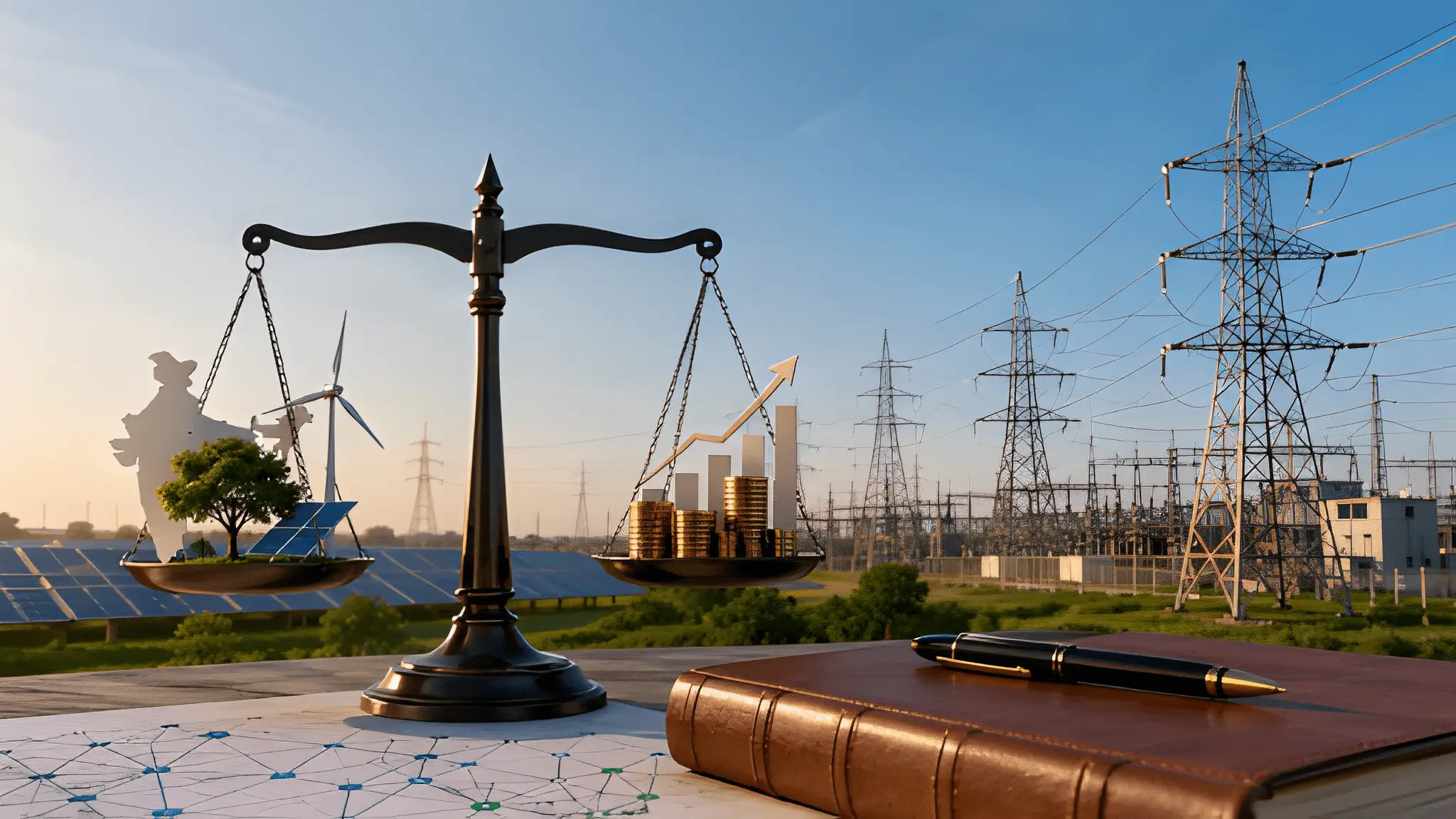
India’s effort to strengthen power system reliability is opening a new front in the country’s energy transition. Policymakers increasingly view grid discipline as a prerequisite for integrating vast quantities of renewable electricity, yet investors argue that the latest regulatory framework could alter the economics that attracted capital into the sector. The debate arrives at a critical moment as India races toward its target of deploying 500 gigawatts of non-fossil fuel capacity by 2030. Renewable developers, infrastructure funds, and global investors now face a changing operating environment where forecasting accuracy carries greater financial consequences. For an economy seeking both industrial expansion and decarbonization, the outcome will influence not only renewable deployment but also the future availability of clean power for emerging AI infrastructure. The dispute therefore extends beyond electricity markets and into the broader question of how India plans to power its next generation of digital growth.
Renewable Energy Investors Confront Rising Revenue Risk
The most closely watched provisions are scheduled to take effect in April 2027 and introduce significantly higher penalties when renewable generators fail to deliver electricity in line with their scheduled commitments. The revised framework links financial penalties more directly to the gap between promised and actual electricity supplied to the grid. Industry executives and investor presentations indicate that the changes could materially affect project economics across solar, wind, and hybrid assets. Industry groups estimate that the tighter regime could reduce revenue by approximately 11% for solar projects and by as much as 48% for wind projects under certain operating conditions. Those projections have intensified concerns among investors who already face pressure from declining equipment costs, competitive auctions, and evolving financing conditions. As a result, many market participants now view grid compliance risk as a central component of future project underwriting.
The concerns reflect the fundamental nature of renewable generation. Unlike conventional thermal plants, solar and wind facilities depend on weather conditions that remain inherently variable despite advances in forecasting technology. Developers argue that even sophisticated predictive systems cannot eliminate every deviation between expected and actual output. Consequently, a stricter penalty structure transfers additional operational risk to asset owners and investors. Several developers contend that projects financed under previous regulatory assumptions now face exposure to costs that lenders and sponsors did not originally model. That shift has created uncertainty around long-term returns at a time when India continues to compete for global infrastructure capital.
AI Data Centers Depend on the Same Power Ecosystem
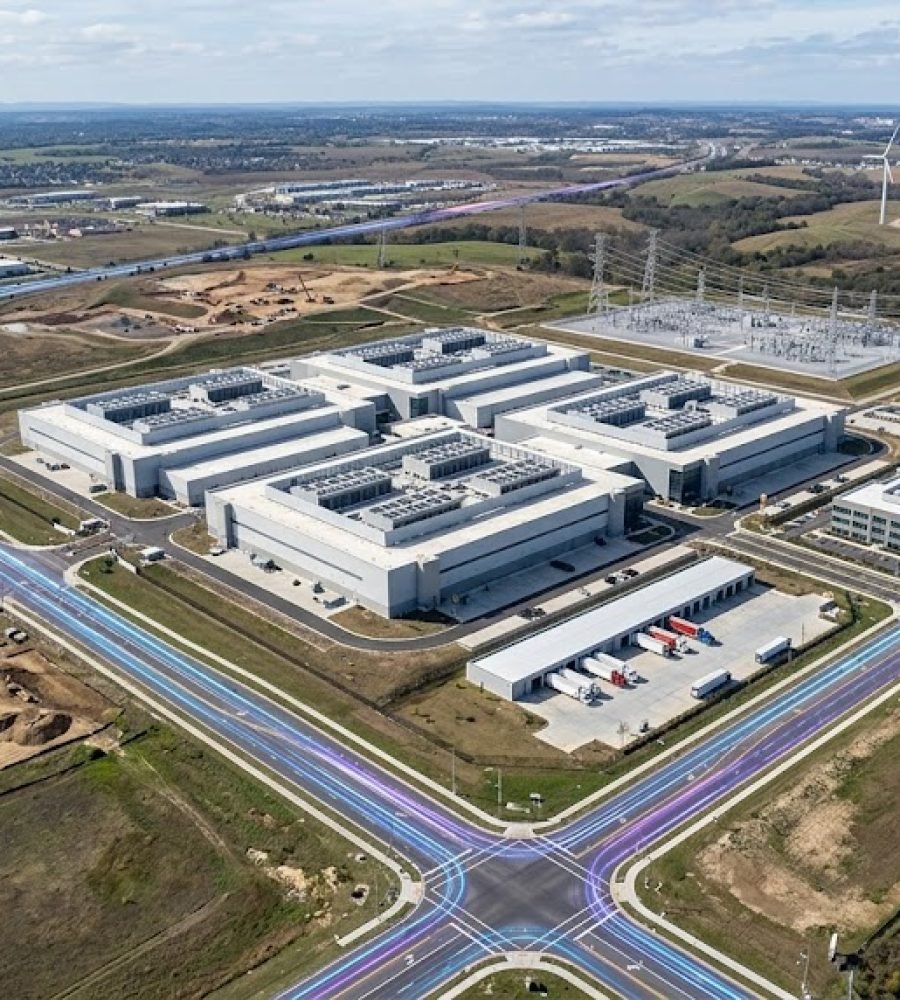
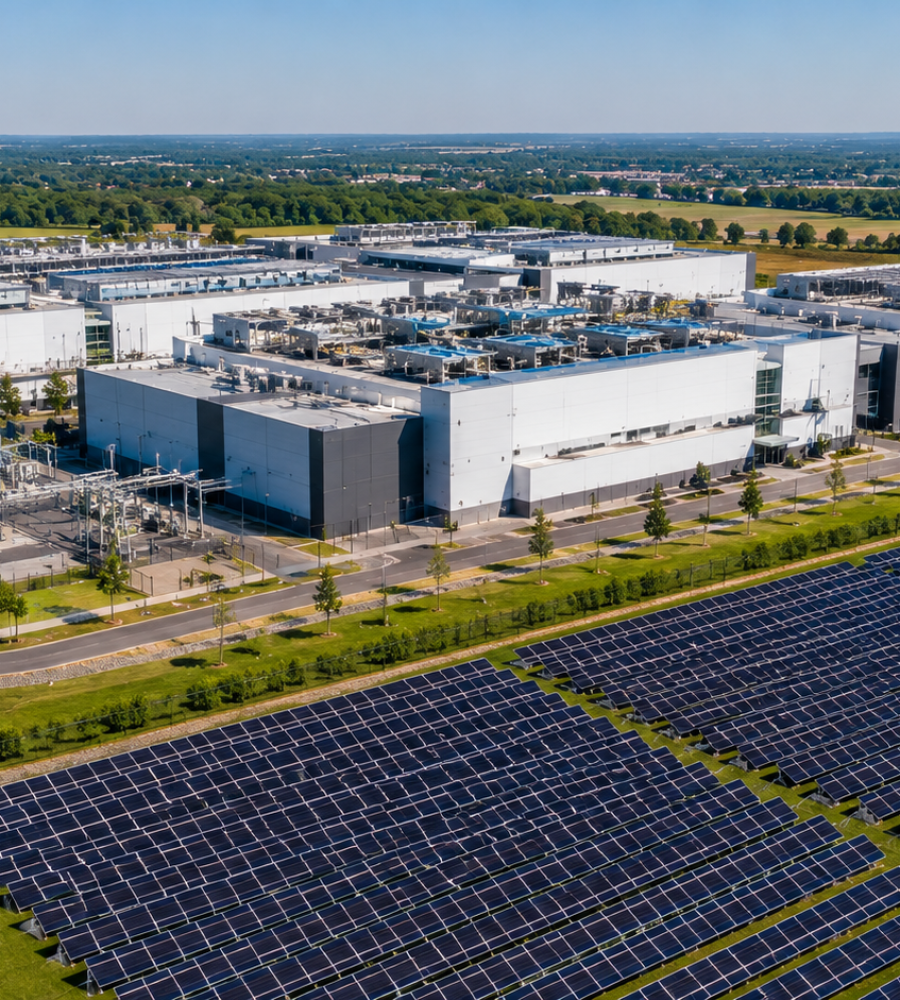
The implications extend beyond renewable project balance sheets. Industry observers increasingly view reliable access to large volumes of electricity as an important consideration for future AI infrastructure, particularly as developers evaluate long-term power availability and sustainability objectives. Hyperscale operators, cloud providers, and data center investors continue to monitor the pace of renewable energy deployment as India expands its clean power capacity. However, the economics of renewable development can influence how quickly new generation capacity reaches the market. Some industry participants argue that slower investment growth could complicate long-term power planning in regions experiencing rapid digital infrastructure expansion. The debate therefore reaches beyond electricity markets and into broader discussions about how India will support future economic and technology-driven growth.
Large-scale AI facilities are widely expected to require substantial and reliable electricity supplies, making power availability an important consideration for infrastructure planning. Industry discussions around future AI investments frequently include factors such as grid reliability, transmission availability, land access, and network connectivity. Consequently, changes that affect renewable energy investment economics may also influence broader discussions about future power system expansion. India’s challenge lies in balancing stricter operational standards with the need to sustain investment momentum across the generation assets required to meet rising electricity demand. As energy-intensive digital infrastructure expands globally, policymakers and investors are paying closer attention to the relationship between power system development and future compute capacity.
Project Returns Face New Pressure
Developers and analysts have begun quantifying the potential impact on investment performance. Investors generally seek internal rates of return of at least 10% for solar projects and roughly 12% to 13% for hybrid renewable developments combining solar and wind generation. Even relatively modest reductions can influence capital allocation decisions, particularly when investors compare opportunities across multiple international markets. Aurora Energy Research estimates that the new framework could reduce internal rates of return by approximately 1.5 percentage points for wind projects and around 1.2 percentage points for hybrid assets. Such declines may appear limited on paper, yet they can significantly affect financing structures and long-term investor appetite.
“Developers will face very high penalties even when deviations are small. This tightens margins, revenues will shrink and project viability will be affected,” said Debabrat Ghosh, India head at energy consultancy Aurora Energy Research. Industry participants argue that forecasting accuracy has improved substantially over the past decade but remains constrained by meteorological realities. Weather variability can shift generation output rapidly, especially in regions where wind patterns and cloud cover change unexpectedly. Investors therefore worry that stricter enforcement could create disproportionate financial exposure relative to factors they can realistically control. Meanwhile, regulators maintain that predictable power delivery becomes increasingly important as renewable penetration rises across the national grid.
Developers Warn of Regulatory Mismatch
Many renewable projects currently operating across India secured financing and signed power agreements under a more accommodating regulatory structure. The new framework introduces expectations that some developers believe exceed current technological and market capabilities. They argue that the sector requires additional time to adapt forecasting systems, operational practices, and supporting infrastructure before stricter penalties become fully effective. That concern has fueled discussions between industry groups and government stakeholders over implementation timelines and possible adjustments.
“Renewable energy operates within the limits of weather and forecasting uncertainty,” said Raghavendra Upadhya, chief executive of the Wind Independent Power Producers Association, which represents more than 50 clean energy producers. “While grid discipline is essential, the current approach places additional risk on projects built under earlier frameworks,” he said. Industry representatives contend that regulatory expectations are advancing more quickly than complementary investments in storage and transmission networks. Battery systems remain expensive for many projects, while grid modernization efforts continue across multiple states. Consequently, developers argue that operational obligations should evolve alongside supporting infrastructure rather than ahead of it. The debate highlights a broader challenge confronting electricity systems worldwide as renewable penetration increases.
Global Investors Seek Greater Policy Certainty
The issue has attracted attention from some of the world’s largest infrastructure investors, many of whom have committed substantial capital to India’s renewable sector. Market participants familiar with recent discussions said investors including KKR, Canada Pension Plan Investment Board and Actis raised concerns with government officials regarding potential impacts on project returns and investment confidence. Their concerns reportedly focused on policy predictability, financial exposure, and the pace of regulatory tightening relative to infrastructure development. Large investors often accept operational risk when they can model it accurately, but abrupt shifts in assumptions can alter investment timelines. The concerns also carry strategic significance because India requires enormous capital inflows to meet its energy transition objectives. Renewable deployment targets, transmission expansion, storage investments, and industrial electrification collectively demand hundreds of billions of dollars over the coming decade. Therefore, investor sentiment remains an important factor influencing the pace of future capacity additions.
While several major investors have continued to describe India as an attractive long-term market, industry discussions have increasingly focused on regulatory consistency and investment visibility. Market participants say project economics and policy certainty remain important considerations when evaluating future capital deployment. “The market has not yet developed for generators to be that accurate,” said Pratyush Thakur, India country head at Blueleaf Energy, a clean energy producer and investor, owned by Australia’s Macquarie Asset Management. Because of these challenges, investment in the sector would slow, Thakur said, although he added that Blueleaf remained committed to India because of its long-term renewable energy potential. Blueleaf plans to deploy about $3 billion in India, including around $1 billion in equity over the next three years, but expects grid-related constraints to delay the equity deployment by a further two to three years.
Government Prioritizes Grid Stability
From the government’s perspective, the rationale behind stricter enforcement remains straightforward. India’s electricity system must accommodate growing renewable penetration while maintaining stability across one of the world’s largest power networks. As renewable generation expands, deviations between scheduled and actual output can create balancing challenges that affect system operators. Policymakers therefore view stronger compliance mechanisms as necessary tools for preserving reliability. Their position reflects concerns that a rapidly expanding renewable fleet requires increasingly sophisticated operational discipline.
Officials involved in industry discussions have reportedly emphasized that grid stability cannot become a negotiable objective. The power ministry, the Central Electricity Authority, and Grid India have consistently supported stronger enforcement measures. Their position reflects the belief that system reliability ultimately benefits all market participants, including renewable developers. Moreover, policymakers recognize that large industrial users, manufacturing facilities, and future AI infrastructure investors depend on dependable power delivery. Reliability therefore remains central to India’s broader economic ambitions.
Renewable Companies Turn to Technology and Storage
Developers are not waiting for regulatory debates to conclude before adjusting their operating strategies. Many companies have accelerated investment in forecasting technologies, advanced analytics platforms, automated weather monitoring systems, and specialized data science teams. These tools improve visibility into local weather conditions and help operators produce more accurate generation schedules. Better forecasting cannot eliminate uncertainty entirely, yet it can reduce deviations and improve operational performance under the new framework.
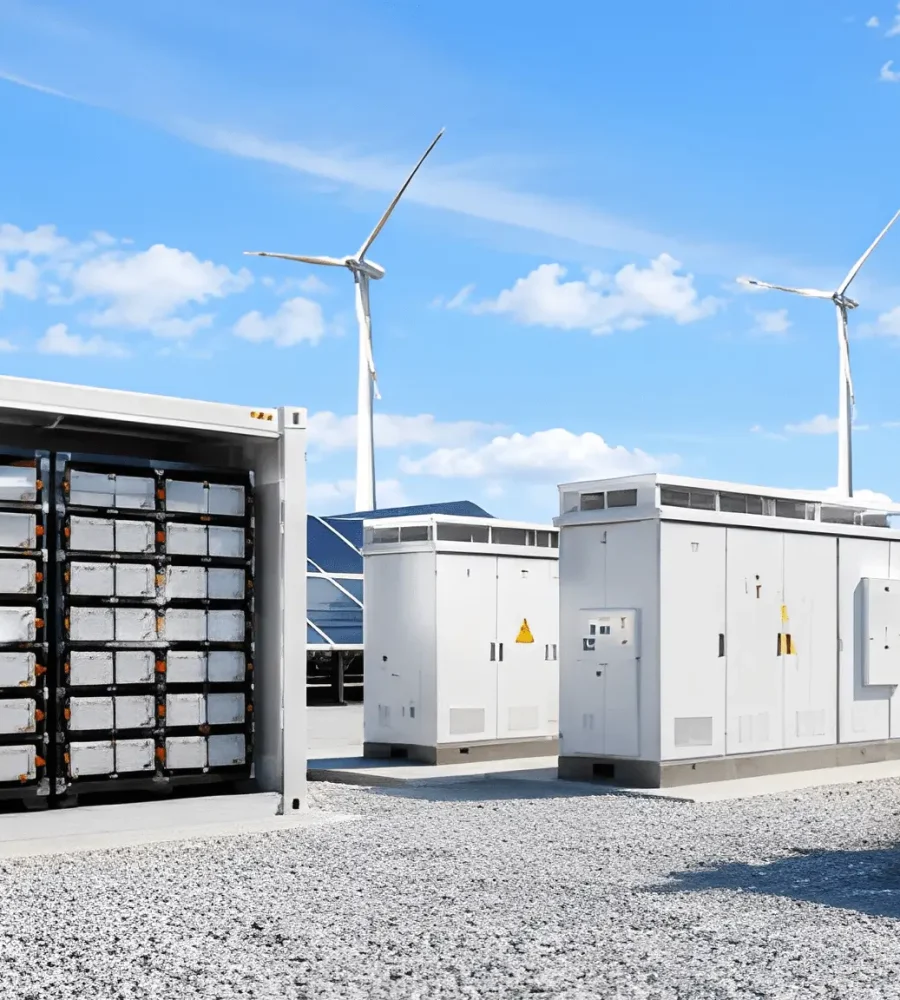
Sunsure Energy is among the companies investing heavily in predictive capabilities as compliance requirements increase. The company is deploying advanced automated weather stations across project sites while integrating real-time, high-resolution satellite weather data sourced from European providers. These investments reflect a broader industry effort to improve forecasting accuracy and operational performance. In addition, some developers are evaluating battery storage as a tool that could help manage generation variability and improve scheduling performance. Storage systems may also provide additional operational flexibility during periods of fluctuating renewable output. “The industry will need to take other steps, such as adding batteries,” said Kartikeya Sharma, co-founder of Sunsure Energy.
The Next Test for India’s Energy and AI Ambitions
India’s grid code debate ultimately represents more than a dispute over penalties. It reflects a larger struggle to align renewable expansion, infrastructure investment, and system reliability during a period of unprecedented electricity demand growth. India had approximately 288 gigawatts of non-fossil fuel capacity installed as of March, according to the figures cited by industry and government sources, with solar and wind accounting for roughly 73% of the total. However, the next phase of growth will require greater operational sophistication from every participant in the electricity ecosystem. At the same time, AI data centers, advanced manufacturing facilities, and digital infrastructure operators will increasingly depend on the success of that transition.
The coming months may determine whether policymakers and investors can find a balance that preserves both reliability and capital formation. If implementation evolves in a way that maintains investor confidence, India could strengthen the foundations of a cleaner and more resilient power system. Conversely, a prolonged period of uncertainty could slow deployment at a moment when electricity demand continues to accelerate. Therefore, the debate over grid discipline has become a strategic test of India’s ability to scale renewable energy without undermining the investment engine that fuels its expansion. The outcome will shape not only the future of clean energy but also the infrastructure that powers the country’s AI economy.