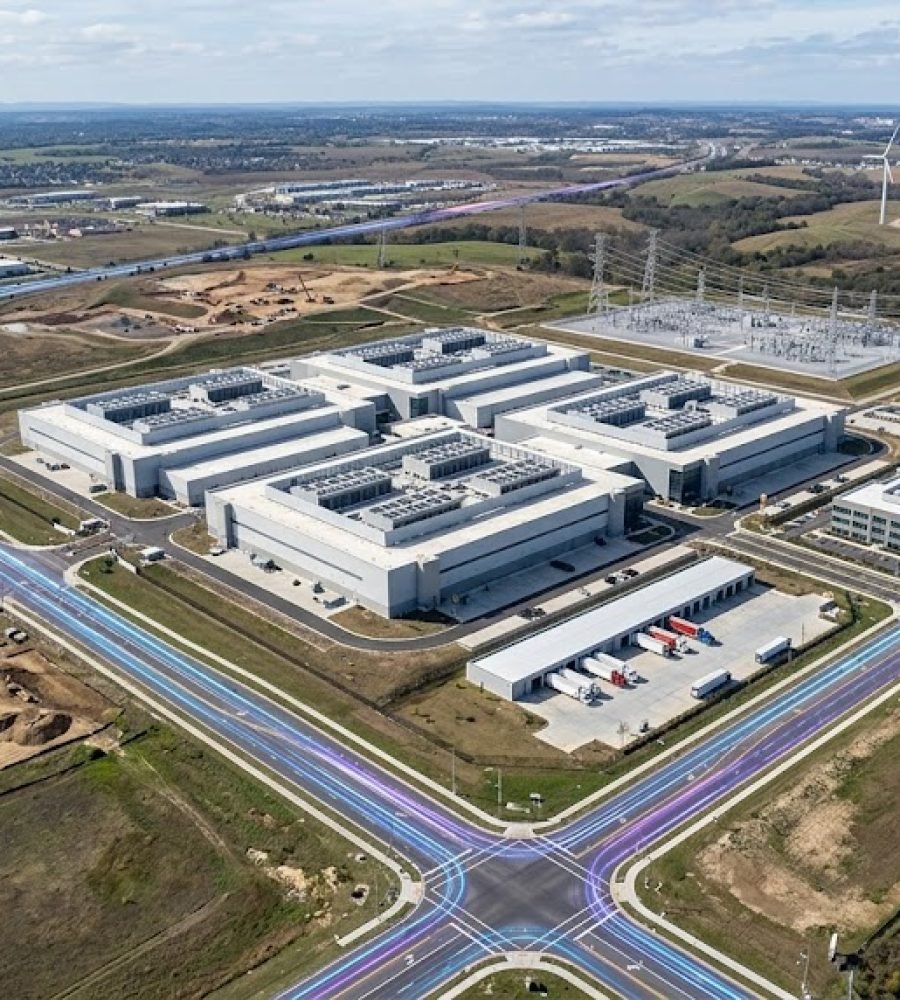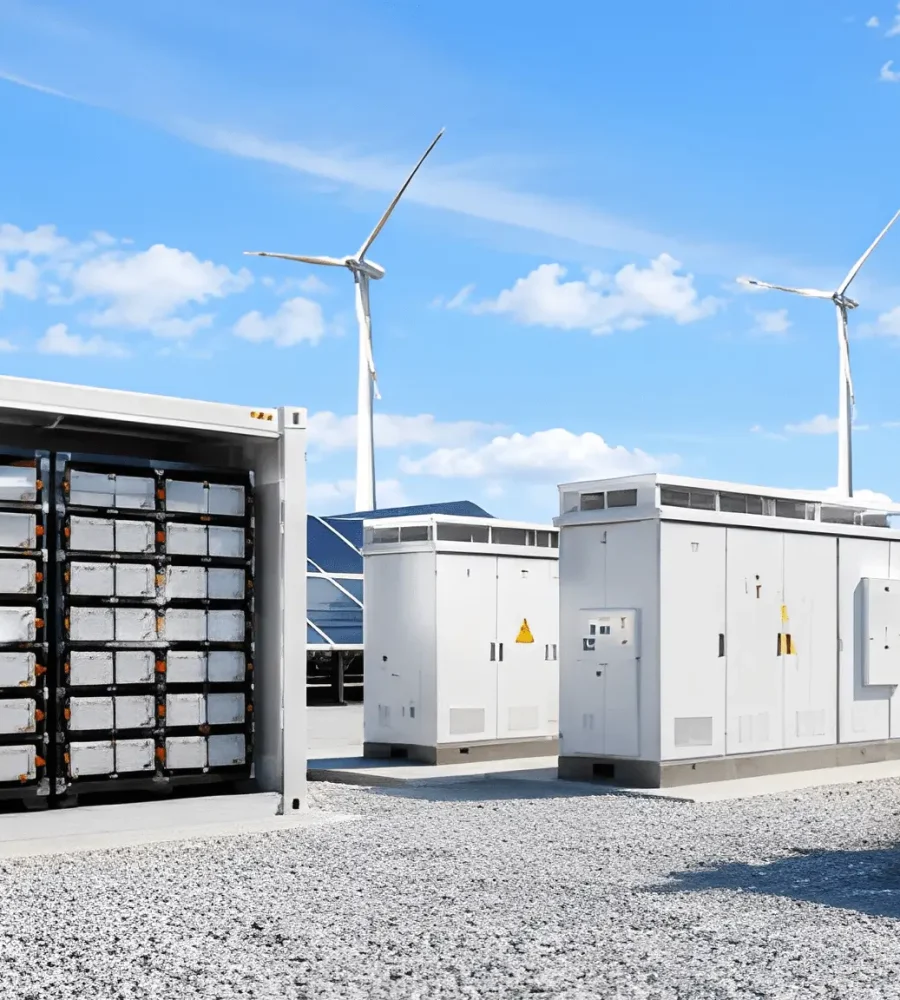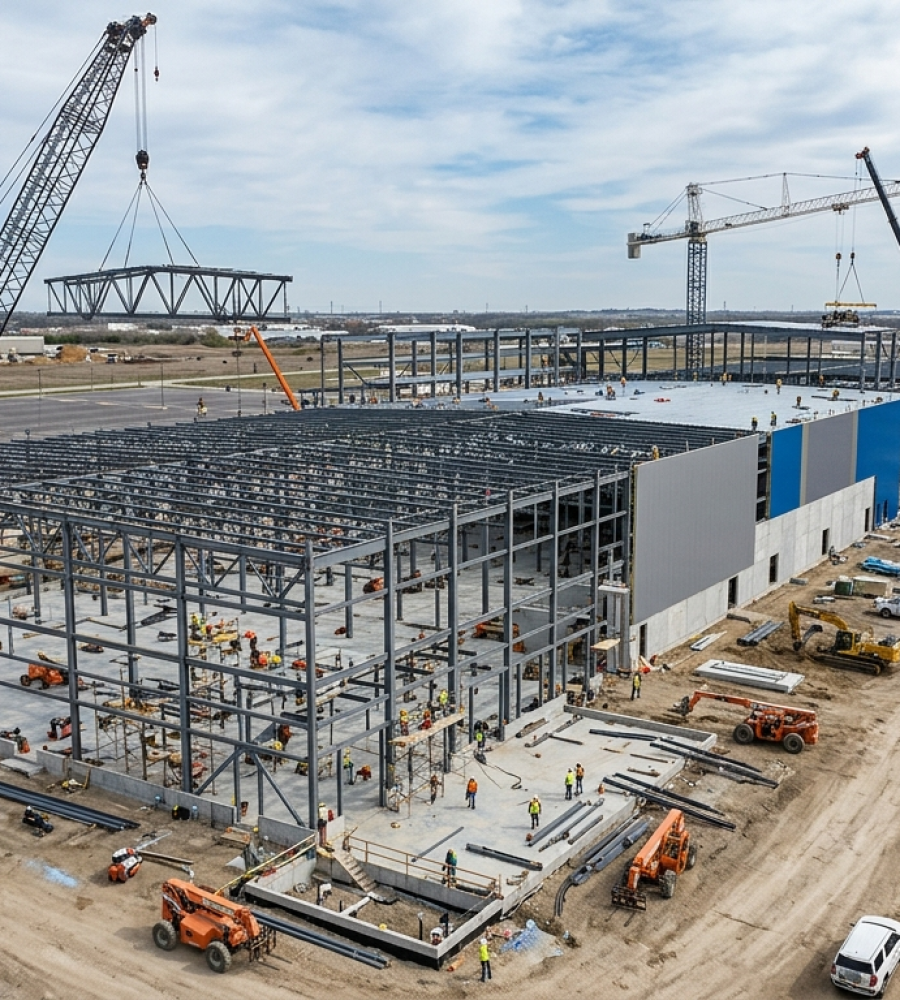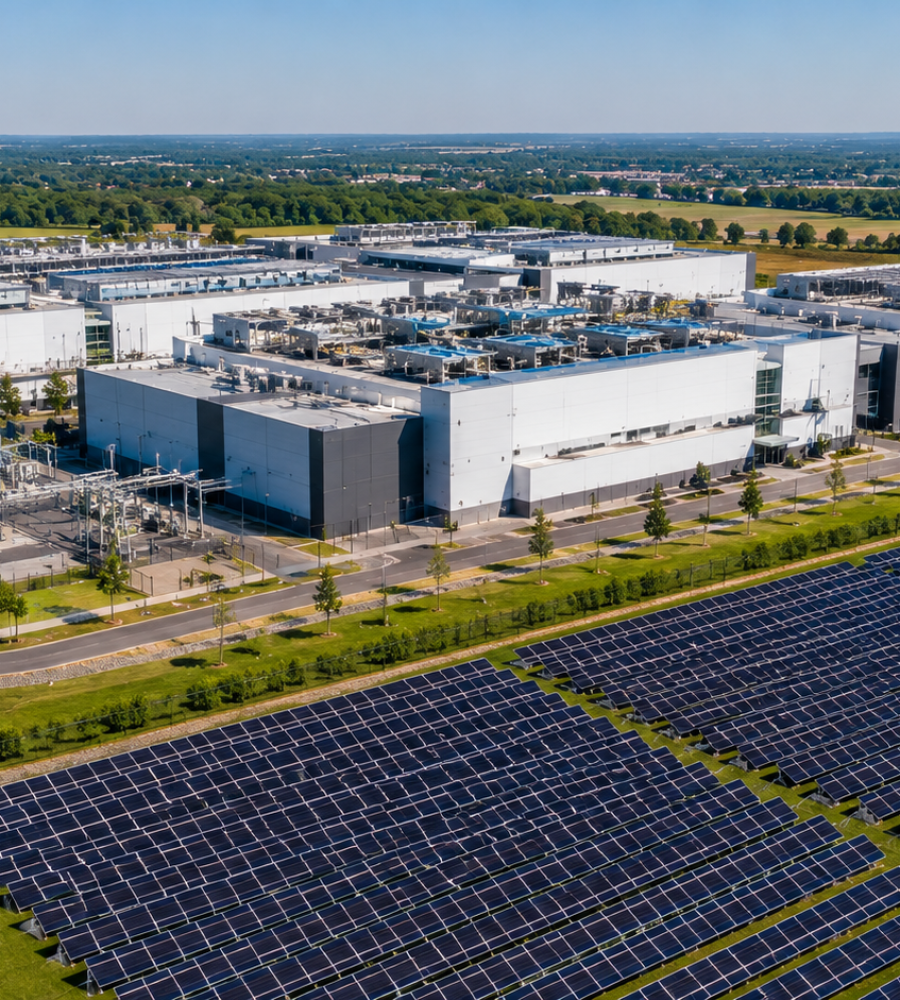
India appears to hold a notable advantage in public sentiment as countries compete to expand artificial intelligence infrastructure. New survey findings suggest that support for AI Data Centers in India significantly exceeds levels recorded across many advanced economies, including the United States and several European nations. The results arrive at a time when governments and technology companies are accelerating investments in AI computing capacity to support growing demand for cloud services and machine learning workloads. Public acceptance has become an increasingly important factor because large infrastructure projects often face scrutiny over energy consumption, environmental impact, and land use. While India currently enjoys broad support for expansion, the practical challenges associated with large-scale deployment remain substantial. The contrast between public enthusiasm and infrastructure constraints may shape the next phase of the country’s digital growth story.
Public Opinion Gives India an Early Advantage
A global survey conducted by Public First and reported by the Financial Times found that India ranks among the most supportive countries for data center expansion. Around 65% of respondents in India favored increased construction of data centers, placing the country second only to Nigeria among fifteen major economies included in the study. The figures stand in sharp contrast to public sentiment in several Western markets where support levels remain considerably lower. Respondents in the United States recorded support of only 26%, while backing in the United Kingdom, Germany, and France hovered near 30%. These findings suggest that AI Data Centers in India currently benefit from a stronger social foundation than similar projects in many developed economies. Strong public backing may provide policymakers and investors with greater confidence as they pursue new infrastructure initiatives.
Growing resistance to data center development in parts of the United States highlights the significance of the survey results. Local communities have challenged numerous projects because of concerns related to electricity consumption, water requirements, noise levels, and the impact on surrounding land use. Several proposed developments have encountered delays or cancellations as public opposition intensified across multiple states. Data Center Watch figures cited by the Financial Times indicate that dozens of projects valued at more than $156 billion have been stalled or blocked since 2025. Community concerns have transformed data center construction into a politically sensitive issue in some regions. India’s comparatively favorable public sentiment therefore represents a potentially important advantage in attracting future AI infrastructure investments.
Rapid Growth Is Reshaping India’s Data Center Landscape
Support for AI Data Centers in India coincides with a period of rapid infrastructure expansion across the country. Rising cloud adoption, enterprise digitization, and artificial intelligence workloads have significantly increased demand for computing capacity. Government data presented to Parliament showed that India’s data center capacity expanded from approximately 375 megawatts in 2020 to around 1,500 megawatts by 2025. The pace of growth reflects broader efforts to strengthen domestic digital infrastructure and reduce dependence on overseas computing resources. Public and private sector initiatives have contributed to the acceleration of new development projects. Capacity growth on this scale demonstrates how quickly India’s data center market has evolved during the past five years. Source:
The government has also focused on increasing access to AI computing resources through dedicated national initiatives. Officials reported that more than 38,000 graphics processing units had been onboarded through empaneled service providers and participating data center operators. These resources form part of a broader effort to build domestic AI capabilities and support innovation across sectors. Access to computing infrastructure has become a strategic priority as countries compete to attract AI development and advanced research activities. Investments in hardware capacity complement broader efforts to strengthen India’s digital economy. The expansion of compute resources illustrates how infrastructure planning now extends beyond traditional data storage and networking requirements.
Private Capital Continues to Accelerate Investment
Private sector investment has emerged as another major driver behind the growth of AI Data Centers in India. Real estate services firm CBRE reported that operational data center stock reached approximately 1,530 megawatts during the first nine months of 2025. Existing facilities account for roughly 23 million square feet of operational space across major markets. Mumbai, Chennai, Delhi-NCR, and Bengaluru collectively represent nearly ninety percent of installed capacity. These metropolitan regions benefit from strong connectivity, established business ecosystems, and access to critical infrastructure. Their dominance reflects the importance of location in determining where new data center developments take shape.
Long-term projections indicate that expansion could continue at a substantial pace during the remainder of the decade. A white paper published by the Council on Energy, Environment and Water estimated that installed data center capacity could reach between 4.5 and 6.5 gigawatts by 2030. Researchers noted that capacity had nearly tripled between 2020 and mid-2025. The report also estimated that committed investments reached approximately $95 billion between 2019 and 2025. Analysts expect total investments to surpass $100 billion by 2027 as additional projects enter development pipelines. Such projections highlight the scale of capital flowing into India’s digital infrastructure ecosystem.
Large global technology companies continue to strengthen their presence in the country as demand expands. Google announced plans to invest $15 billion over five years in an AI-focused data center project located in Andhra Pradesh. The company stated that the Visakhapatnam campus would begin with one gigawatt of capacity and serve as its largest AI infrastructure hub outside the United States. Major investments of this scale reinforce India’s position within the global technology landscape. International operators increasingly view the country as a strategic destination for long-term infrastructure deployment. Continued investment from global firms could further accelerate ecosystem development across related industries.
Infrastructure Demands Could Challenge Future Expansion
Strong public support does not eliminate the operational challenges associated with rapid infrastructure growth. AI Data Centers in India require reliable electricity supplies, extensive cooling systems, land availability, fiber connectivity, and transmission networks. Meeting these requirements becomes increasingly complex as projects grow larger and computing densities increase. Policymakers must balance infrastructure expansion with broader economic and environmental priorities. Developers also face the task of coordinating with utilities, local governments, and network providers during project execution. Infrastructure readiness will therefore play a critical role in determining how quickly future capacity can come online.
Electricity demand represents one of the most significant areas of concern as the industry expands. Government projections indicate that data center electricity requirements could reach 13.56 gigawatts by 2031-32. Authorities have stated that these anticipated needs are already being incorporated into long-term power planning strategies. Energy analysts expect consumption from data centers to increase much faster than overall national electricity demand. S&P Global Commodity Insights estimated that the sector’s share of electricity demand could rise from 0.8% in 2024 to approximately 2.6% by 2030. Demand growth of this magnitude will require substantial investments in generation, transmission, and grid resilience. Source: Water consumption may emerge as another area of scrutiny as more facilities enter operation. Cooling systems often require significant water resources, particularly in regions experiencing rapid urbanization and industrial growth. Local communities may pay closer attention to resource allocation as projects move from planning stages into construction and operation. Environmental assessments could become increasingly important when evaluating future developments. Meanwhile, concerns regarding land use and utility costs may influence public attitudes at the regional level. Questions surrounding resource management could shape future discussions about sustainable infrastructure growth.
National Support May Face Local Tests
The survey findings suggest that India currently enjoys a stronger social license for AI infrastructure development than many advanced economies. Public acceptance provides a favorable environment for policymakers and investors seeking to expand computing capacity. However, national polling data does not always predict local responses to specific projects. Communities often evaluate developments based on direct impacts rather than broader economic objectives. Concerns related to land acquisition, electricity tariffs, environmental clearances, and resource consumption may influence future debates. The success of AI Data Centers in India will depend not only on public support but also on how effectively stakeholders address these localized challenges.