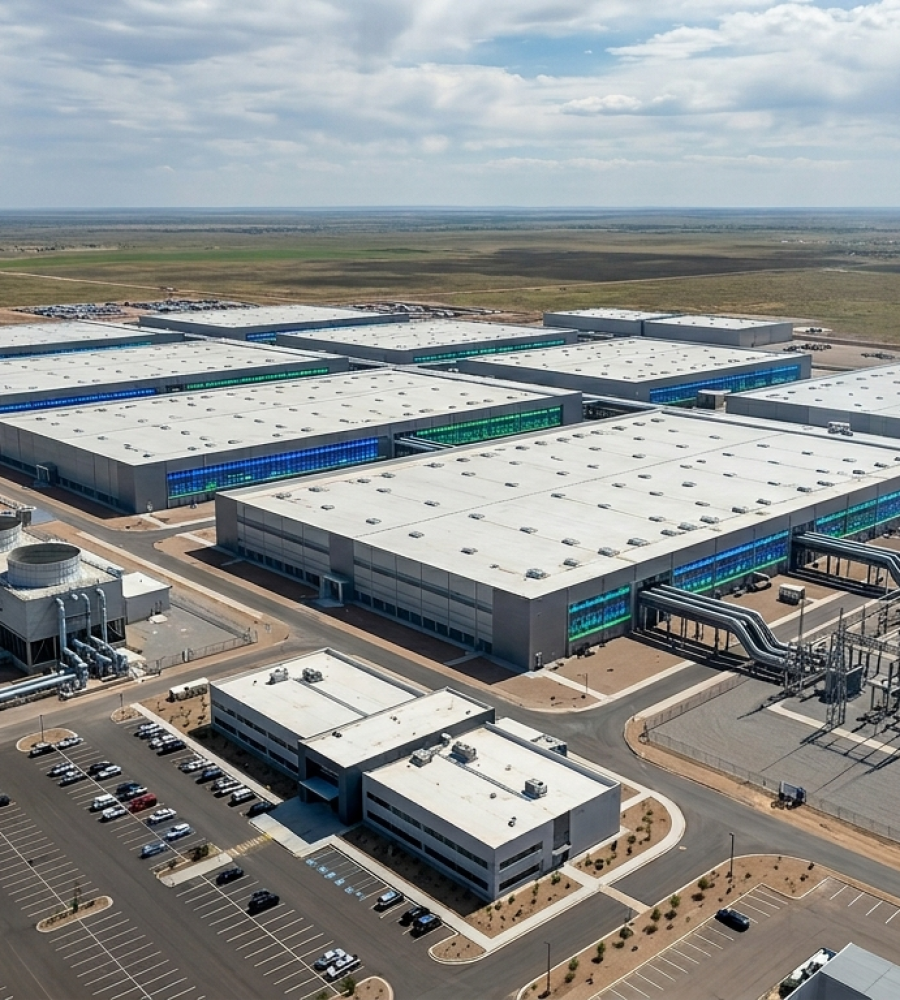
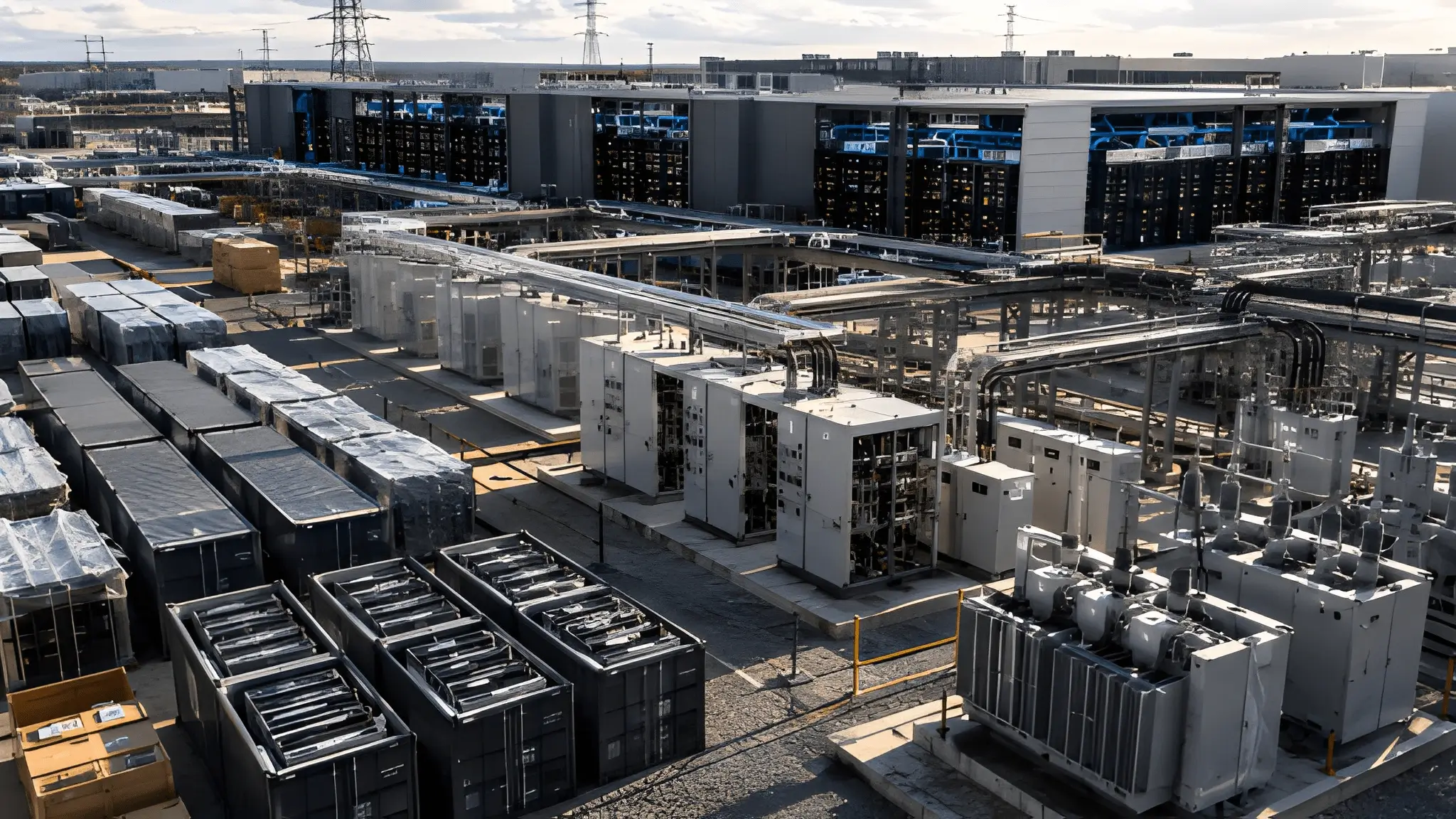
Development teams can secure land, complete engineering packages, lock in utility commitments, and even reserve large quantities of accelerators while still missing deployment targets. The reason often appears deep inside procurement registers rather than executive dashboards. Medium-voltage distribution equipment has become a critical-path component for many large data center and AI infrastructure projects because downstream commissioning activities often depend on its installation and energization readiness. Infrastructure leaders increasingly track electrical equipment manufacturing schedules alongside power procurement, utility coordination, and compute deployment planning. Across many large-scale AI developments, factory production queues have emerged as a significant source of schedule risk alongside traditional construction and utility-related challenges.
The shift carries significant implications for capital planning because electrical distribution systems no longer arrive within traditional construction windows. Project teams once treated protection equipment as a procurement package that followed design completion and civil mobilization. That sequencing now creates exposure when delivery commitments extend beyond major construction milestones. Owners increasingly discover that building completion does not guarantee readiness for energization. Manufacturing constraints, relay availability, testing capacity, and utility coordination now shape operational launch dates. What appears to be an equipment procurement issue has evolved into a strategic infrastructure scheduling challenge across the AI development ecosystem.
The 78-Week Reality: Where MV Timelines Broke First
The first signs emerged when electrical procurement schedules began extending beyond core construction durations. Historically, site grading, foundations, structural work, and electrical manufacturing operated within comparable time horizons. That balance changed as protection equipment suppliers encountered growing demand from utilities, industrial operators, renewable energy projects, and large-scale digital infrastructure simultaneously. Manufacturing capacity expansion lagged demand growth, creating persistent backlogs across major suppliers. Industry tracking reports now show delivery windows ranging from roughly fifty weeks to well beyond seventy weeks depending on configuration complexity and voltage class. Certain custom deployments have exceeded eighty weeks, creating timelines that surpass entire building construction programs.
When equipment delivery durations extend beyond major construction activities, project critical paths can shift from field execution to equipment procurement and manufacturing schedules. Site teams could no longer accelerate field execution to recover schedules because equipment arrival controlled energization milestones. Contractors finished structures, installed mechanical systems, and completed interior fit-outs while awaiting electrical equipment manufactured elsewhere. Project managers who previously focused on concrete placement rates and steel erection sequences began tracking factory allocations and supplier backlog movements. Construction progress lost influence over operational readiness when key electrical assets remained unavailable. On projects affected by extended equipment lead times, procurement schedules can exert greater influence on activation timelines than improvements in field productivity alone. Infrastructure delivery entered a phase where factory throughput became a direct determinant of deployment velocity.
Utility interconnection agreements establish an important project milestone during development but do not by themselves guarantee site energization readiness. An executed interconnection framework confirms that capacity can reach the site under defined conditions. Development teams frequently interpret that milestone as a major scheduled de-risking event because external power access appears secured. Yet energization depends on a chain of equipment and coordination activities extending far beyond utility approval. Distribution assets must arrive, installation must conclude, testing must finish, and protection schemes must satisfy utility requirements before power flows. Missing any component disrupts the entire sequence regardless of the status of the interconnection agreement.
The interdependency becomes especially visible when utility schedules and manufacturing schedules diverge. Utilities often plan feeder upgrades, substation modifications, and network integration work years in advance. Developers synchronize project timelines around those commitments because utility windows can prove difficult to modify. If protection equipment misses its delivery date, the planned energization window may disappear despite completed utility work. Rebooking inspections, protection reviews, and commissioning resources introduces additional delays that extend beyond the original equipment slip. Consequently, a single procurement issue can trigger cascading impacts across multiple stakeholders. What appears to be a supply chain delay frequently evolves into a multi-party schedule reset affecting the entire campus activation strategy.
Step-Down First, Ask Questions Later
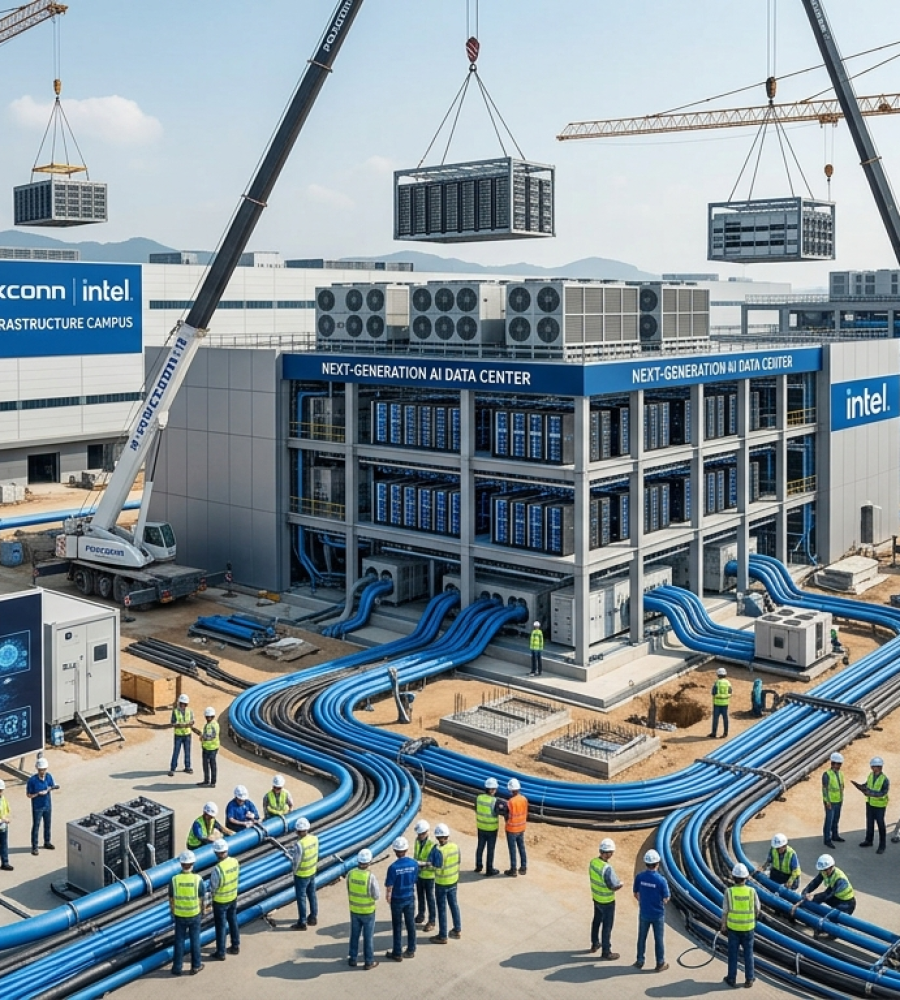
Faced with prolonged procurement durations, some operators have reconsidered traditional construction sequencing. Instead of treating electrical yards as late-stage infrastructure packages, some project teams now prioritize them earlier in project execution to accommodate extended equipment procurement schedules. The logic reflects a straightforward calculation regarding schedule exposure. For projects operating under aggressive deployment schedules, energization readiness can become a key milestone because power availability enables subsequent commissioning activities. Establishing critical electrical infrastructure earlier allows teams to absorb procurement uncertainty while construction continues elsewhere on the site. The approach shifts focus toward protecting activation milestones rather than preserving conventional sequencing preferences.
This strategy introduces tradeoffs that executives must evaluate carefully. Early installation can expose equipment to weather conditions, site traffic, construction activity, and prolonged idle periods before operational turnover. Insurance requirements, preservation programs, and security controls often expand when expensive electrical assets arrive before surrounding facilities reach completion. Capital also becomes committed earlier in the project lifecycle because procurement decisions move closer to project approval stages. Even with those risks, some organizations view accelerated electrical deployment as preferable to missing revenue-generating activation targets.Many AI infrastructure developers now evaluate schedule certainty alongside traditional concerns regarding installation timing when managing long-lead electrical equipment risks.
Manufacturing completion no longer guarantees immediate delivery. Many project teams discover a second bottleneck after production concludes and equipment enters testing workflows. Factory acceptance procedures, witness testing requirements, documentation reviews, and quality assurance activities consume time that often remains underestimated during project planning. Facilities handling high-voltage testing operate with finite capacity and must accommodate growing volumes of infrastructure equipment. Queue positions inside testing facilities can significantly affect delivery schedules because shipment authorization depends on successful completion of these activities. Equipment can remain physically complete while still unable to leave the factory.
The consequence is a new category of schedule risk that sits between manufacturing and installation. Owners may receive confirmation that production has finished while delivery dates continue moving because testing resources remain constrained. Coordination challenges also emerge when customer representatives, certification bodies, and factory personnel must align schedules for witness events. Delays measured in days can accumulate into weeks when multiple parties require participation. Some procurement teams now monitor testing capacity closely because delays in factory acceptance and certification activities can affect final delivery schedules. Access to factory acceptance windows has become a competitive scheduling advantage in large infrastructure programs.
Commissioning Without a Net: Closing the MV Gap
Operators facing deployment deadlines have begun adopting alternative execution models to reduce dependence on traditional procurement timelines. Modular electrical assemblies represent one increasingly common response because factory-integrated systems can simplify field installation and reduce commissioning complexity. Standardized designs also provide opportunities to secure manufacturing slots earlier than highly customized configurations. Some large developers maintain standardized equipment specifications across multiple projects to streamline procurement decisions and improve consistency in supplier engagement. Standardization does not eliminate lead-time exposure, but it can reduce variability and improve forecasting accuracy. The emphasis shifts from perfect optimization toward repeatable delivery performance.
Contractual innovation has emerged alongside technical adaptation. Developers may negotiate procurement protections, production reservations, delivery commitments, and related contractual provisions to improve schedule visibility and reduce supply-chain uncertainty. Supplier engagement now starts much earlier in project development because waiting for final design maturity can jeopardize manufacturing access. Some organizations reserve production capacity before construction mobilization begins, treating electrical procurement as a strategic asset rather than a purchasing activity. Meanwhile, temporary protection arrangements and phased energization strategies help operators bring portions of campuses online while permanent infrastructure reaches completion. Ultimately, successful deployment increasingly requires disciplined management of electrical equipment procurement alongside utility coordination, construction execution, and compute infrastructure acquisition.