
Prologis Inc., the world’s largest logistics real estate company, is increasing its focus on data centers as artificial intelligence reshapes infrastructure demand. Speaking on CNBC, Chief Executive Officer Hamid Moghadam described data centers as “one of the largest value creation opportunities” available to the company, reflecting growing confidence that AI-driven compute demand will extend beyond traditional technology firms and create new opportunities in real estate and infrastructure.
The comments highlight how AI is increasingly influencing investment decisions outside the semiconductor and cloud sectors. As technology companies race to build new compute capacity, demand for land, power access, and infrastructure development has emerged as a critical part of the AI supply chain.
AI Creates a New Data Center Opportunity for Real Estate Firms
Prologis built its business around logistics facilities and warehouse properties, benefiting from the growth of e-commerce over the past two decades. Now, the company sees data centers as a similar long-term growth market driven by AI infrastructure expansion.
Moghadam said data centers represent one of the most significant opportunities the company has encountered in years. The shift comes as cloud providers, AI developers, and hyperscalers continue investing billions of dollars in new infrastructure to support AI training and inference workloads.
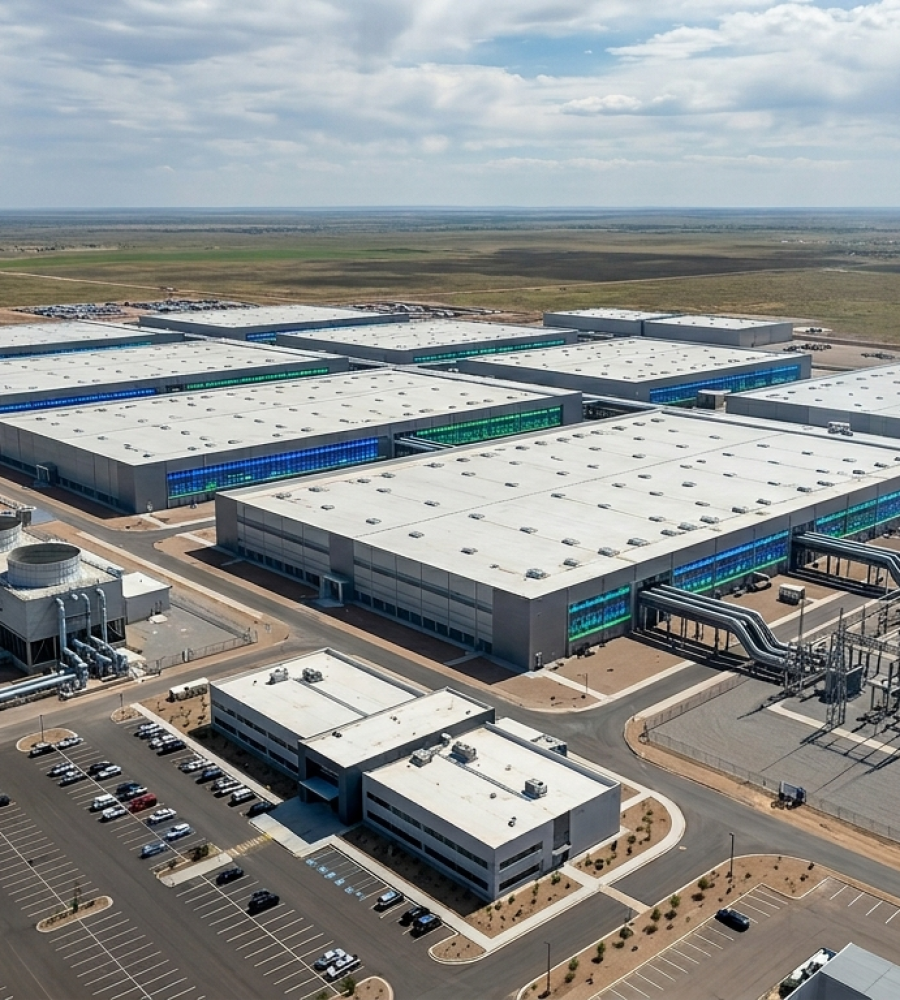
Unlike conventional commercial real estate projects, data centers require substantial power capacity, specialized cooling systems, high-speed connectivity, and large development sites. These requirements have increased the value of properties that can support future AI deployments.
Land and Power Become Strategic Assets
Access to power has become one of the biggest constraints facing data center developers globally. Utilities across major markets are struggling to connect new AI facilities quickly enough to meet demand, while shortages of electrical equipment continue to delay projects.
Prologis believes its real estate footprint provides a competitive advantage. The company controls thousands of properties and significant land holdings across major metropolitan markets, giving it access to locations that could potentially be converted or redeveloped for data center use.
Industry analysts increasingly view land and power availability as key differentiators in the AI infrastructure market. As a result, real estate owners with access to both resources are attracting greater attention from investors and data center operators.
Prologis Expands Beyond Warehouses
The company’s interest in data centers reflects a broader diversification strategy. While logistics properties remain its core business, Prologis has steadily expanded into energy infrastructure and digital infrastructure initiatives.
According to previous company disclosures, Prologis has identified thousands of acres within its land portfolio that could support future data center projects. The company has also secured significant power capacity and continues pursuing additional energy resources to support long-term infrastructure development.
The strategy aligns with a broader industry trend as real estate developers increasingly explore opportunities linked to AI infrastructure growth. Several industrial property operators have announced plans to develop data center campuses as demand for AI compute capacity continues to rise.
AI Infrastructure Reshapes Investment Priorities
The growing focus on data centers reflects the scale of capital flowing into AI infrastructure. Technology companies including Alphabet, Microsoft, Amazon, and Meta continue expanding data center footprints to support AI services and cloud platforms.
As a result, infrastructure assets that can support high-density compute deployments are becoming increasingly valuable. Developers, utilities, and investors are all positioning themselves around the expectation that AI demand will remain a long-term driver of infrastructure spending.
Market Implications
Prologis’ comments underscore how AI is creating opportunities far beyond chip manufacturers and cloud providers. The infrastructure required to support AI workloads increasingly includes land, power systems, construction expertise, and data center facilities.
For the real estate sector, this shift is creating a new investment category tied directly to AI adoption. As demand for compute capacity continues to grow, companies that can deliver suitable sites and infrastructure may benefit from one of the fastest-growing segments of the digital economy.