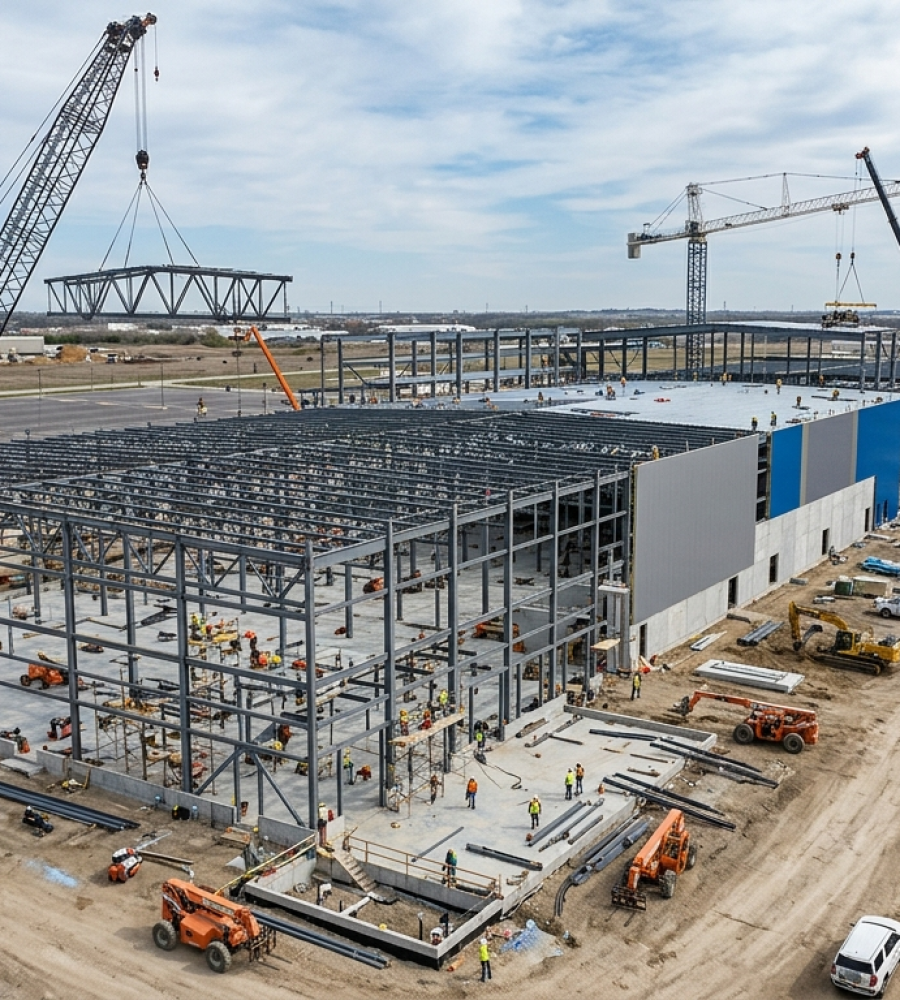
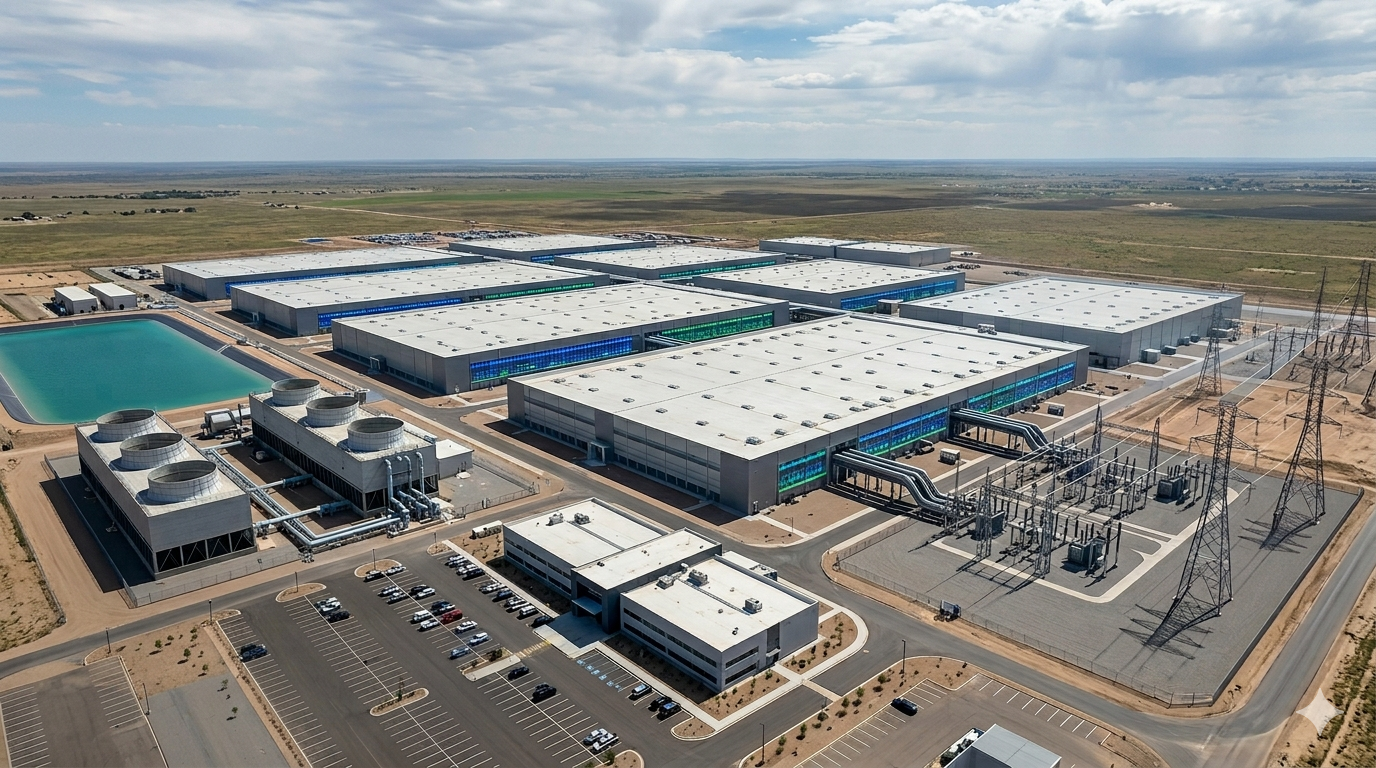
The rapid expansion of artificial intelligence is creating a new environmental challenge. According to a report from the United Nations University Institute for Water, Environment and Health (UNU-INWEH), AI Data Center Consumption is projected to reach 945 terawatt-hours (TWh) annually by 2030, nearly three times the combined yearly electricity use of Pakistan, Bangladesh, and Nigeria. The findings highlight the growing resource demands associated with the global AI infrastructure buildout.
The report arrives as technology companies continue investing billions of dollars in AI data centers, cloud infrastructure, and compute capacity. Researchers argue that discussions around AI often focus on software capabilities while overlooking the physical infrastructure required to train and operate increasingly complex AI models.
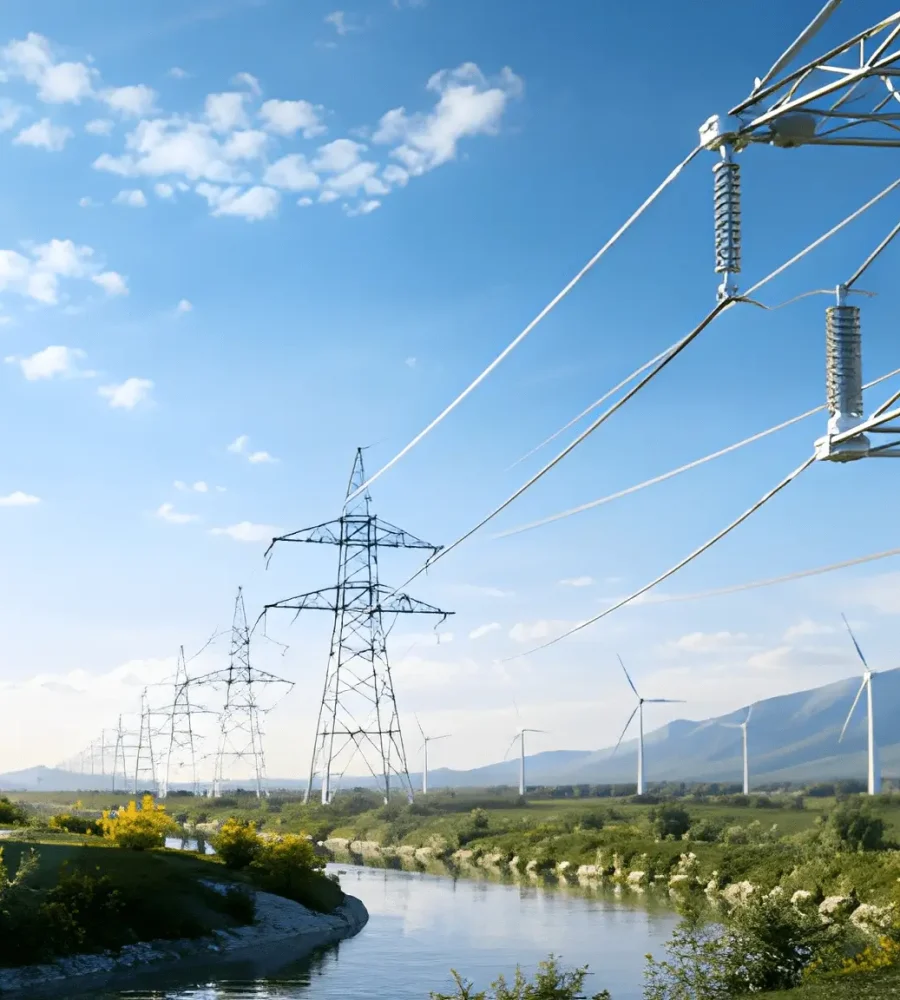
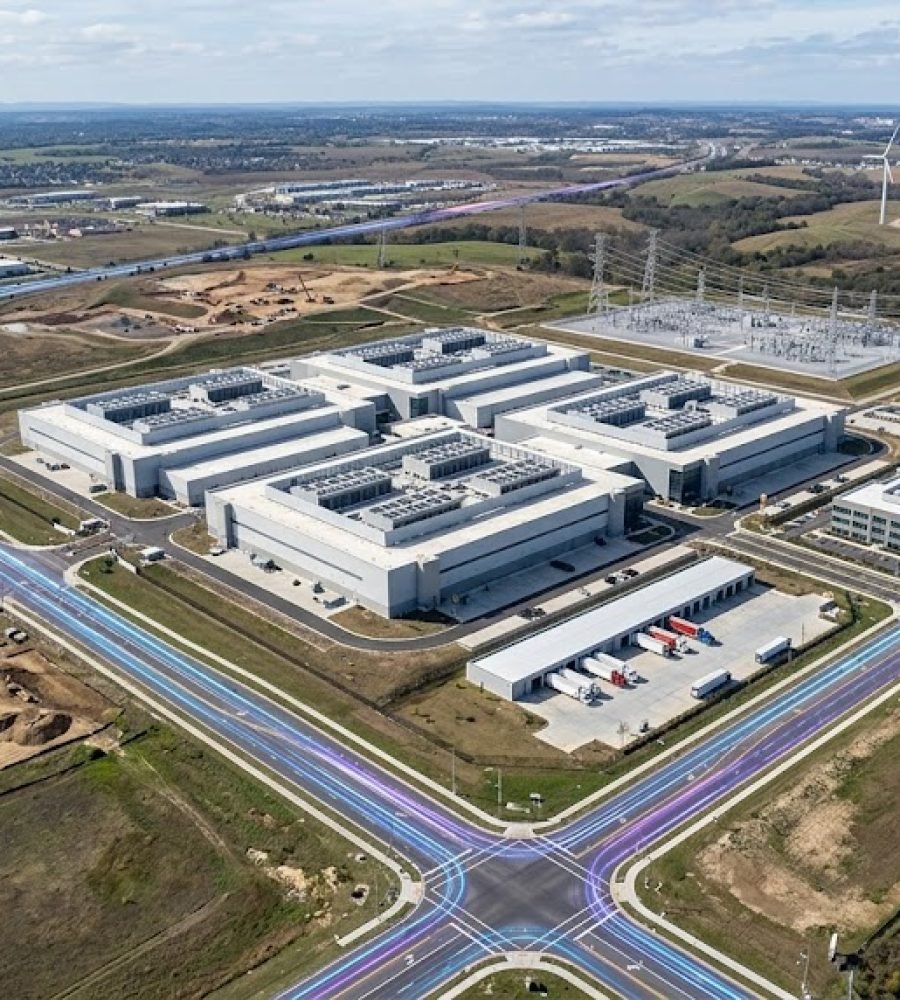
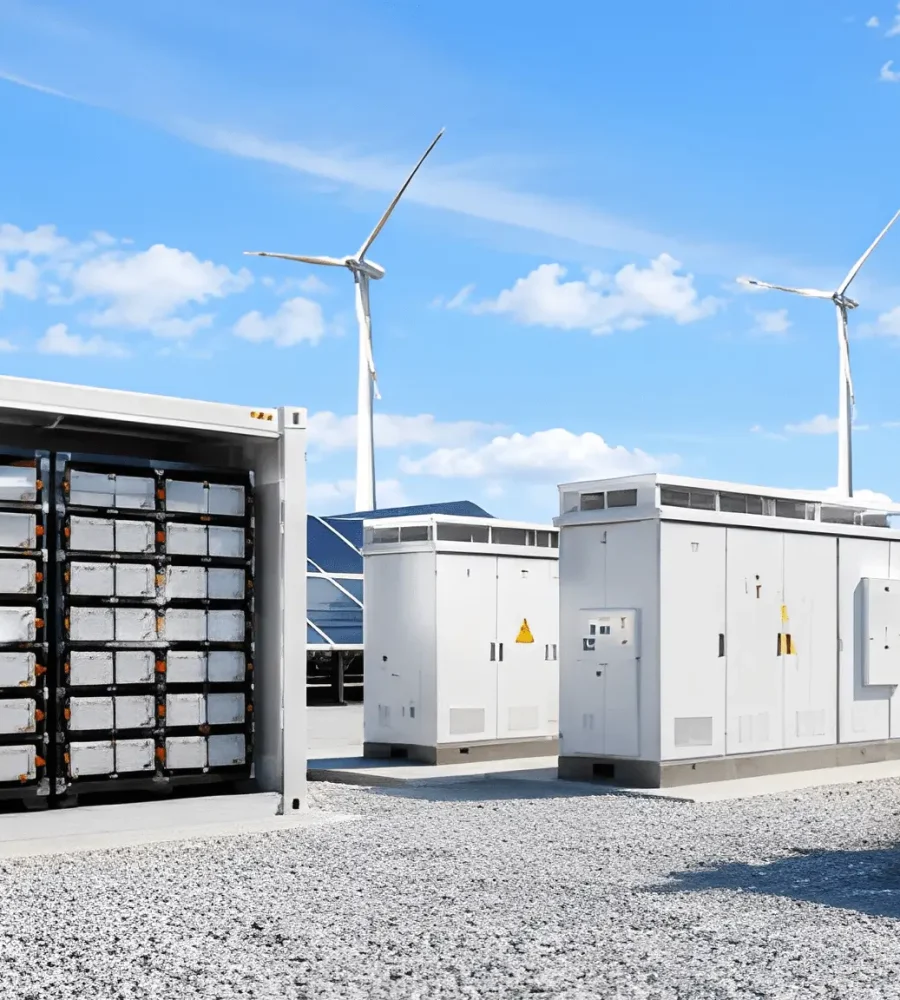
“The public debate still often treats AI as software, but AI is also physical infrastructure: data centres, electricity generation, cooling systems, transmission networks, chips, minerals, land and water,” said Kaveh Madani, director of UNU-INWEH and lead author of the report.
AI Data Center Consumption Set to Double by 2030
The report projects that global data center electricity consumption will rise from approximately 448 TWh in 2025 to 945 TWh by the end of the decade. Researchers estimate that AI workloads will account for roughly 40% of total data center power demand by 2030, making artificial intelligence one of the largest drivers of future electricity growth.
If data centers were considered a country, their projected electricity consumption would rank among the world’s largest energy users. The report notes that current data center electricity use already exceeds that of several nations, and AI adoption is accelerating that trend.
Water Demand Emerges as a Critical Concern
Beyond electricity consumption, researchers identified water usage as one of the most significant environmental challenges linked to AI infrastructure.
The report estimates that data centers could consume 9.3 trillion liters of water annually by 2030, equivalent to the minimum domestic water needs of all 1.3 billion residents of Sub-Saharan Africa for an entire year. Water-intensive cooling systems remain essential for preventing high-performance AI servers and accelerators from overheating during operation.
As AI deployments expand, water availability is becoming a growing concern, particularly in regions already facing resource constraints and drought conditions. Researchers argue that sustainability assessments should evaluate water consumption alongside carbon emissions and energy use.
Land, Carbon, and E-Waste Pressures Continue to Grow
The UN report also highlights the broader environmental footprint of AI infrastructure.
Researchers project that the land footprint associated with data center electricity consumption will exceed 14,500 square kilometers by 2030, more than double the estimated footprint recorded last year. Carbon dioxide emissions linked to data center operations could reach 399 million metric tons annually by the end of the decade.
Meanwhile, annual AI-related electronic waste is expected to reach 2.5 million metric tons by 2030, reflecting the rapid deployment and replacement of servers, networking equipment, and AI accelerators. The report notes that over 90% of global AI-specialized cloud computing capacity remains concentrated in the United States and China.
Industry Faces Pressure to Balance Growth and Sustainability
The findings add to a growing debate over the environmental impact of AI infrastructure. Governments, regulators, and technology companies are increasingly examining how data center growth affects electricity grids, water resources, and sustainability goals. The European Union recently proposed new efficiency and reporting requirements for data centers as concerns over AI-related resource consumption intensify.
For infrastructure operators and hyperscalers, the report underscores a growing reality: future AI expansion will depend not only on access to advanced chips and compute capacity but also on the industry’s ability to manage power, water, land, and environmental resources at scale.