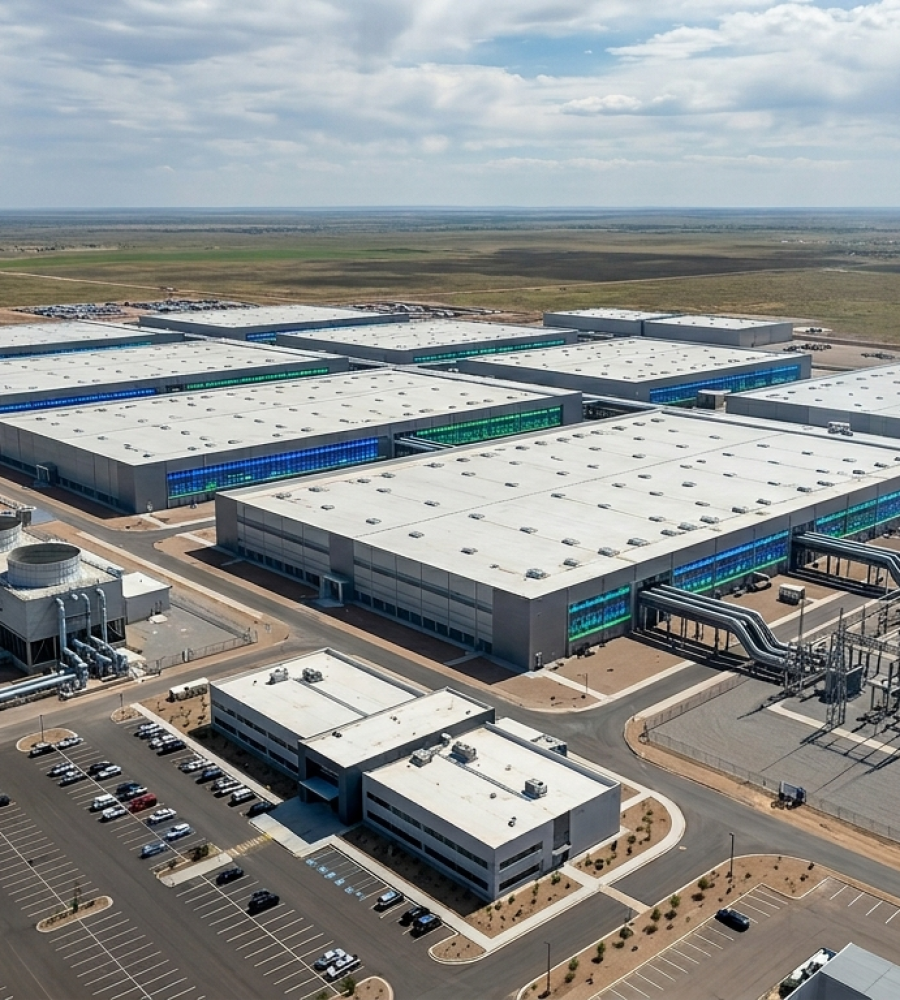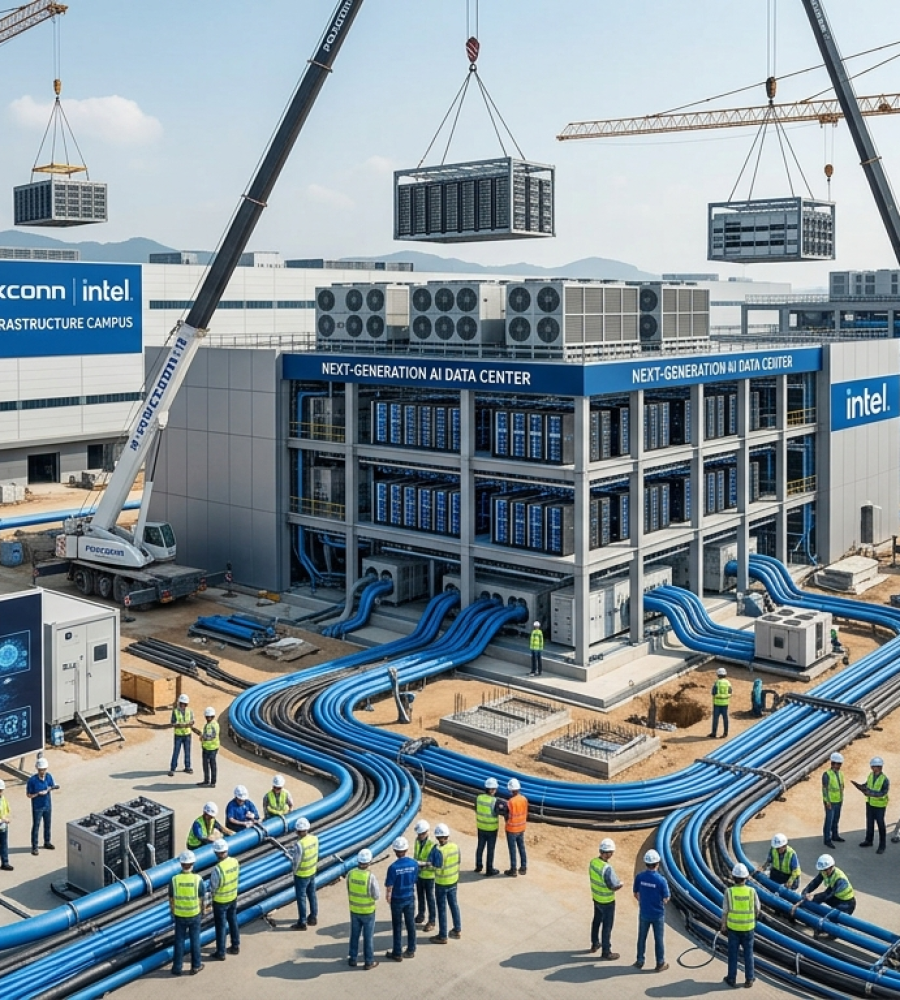

China is preparing a massive national investment program aimed at accelerating its AI ambitions, with plans to spend approximately 2 trillion yuan ($295 billion) over the next five years on data center development and computing infrastructure.
According to a Bloomberg report citing people familiar with the matter, the country’s top economic planning agencies, including the National Development and Reform Commission (NDRC), are drafting a blueprint to create a nationwide network of interconnected computing hubs. The initiative forms part of Beijing’s broader strategy to strengthen domestic AI capabilities and reduce reliance on foreign technology providers. The proposed investment would rank among the largest government-backed AI infrastructure programs globally and reflects China’s determination to compete with the United States in the race for AI leadership.
China AI Infrastructure Strategy Focuses on National Compute Capacity
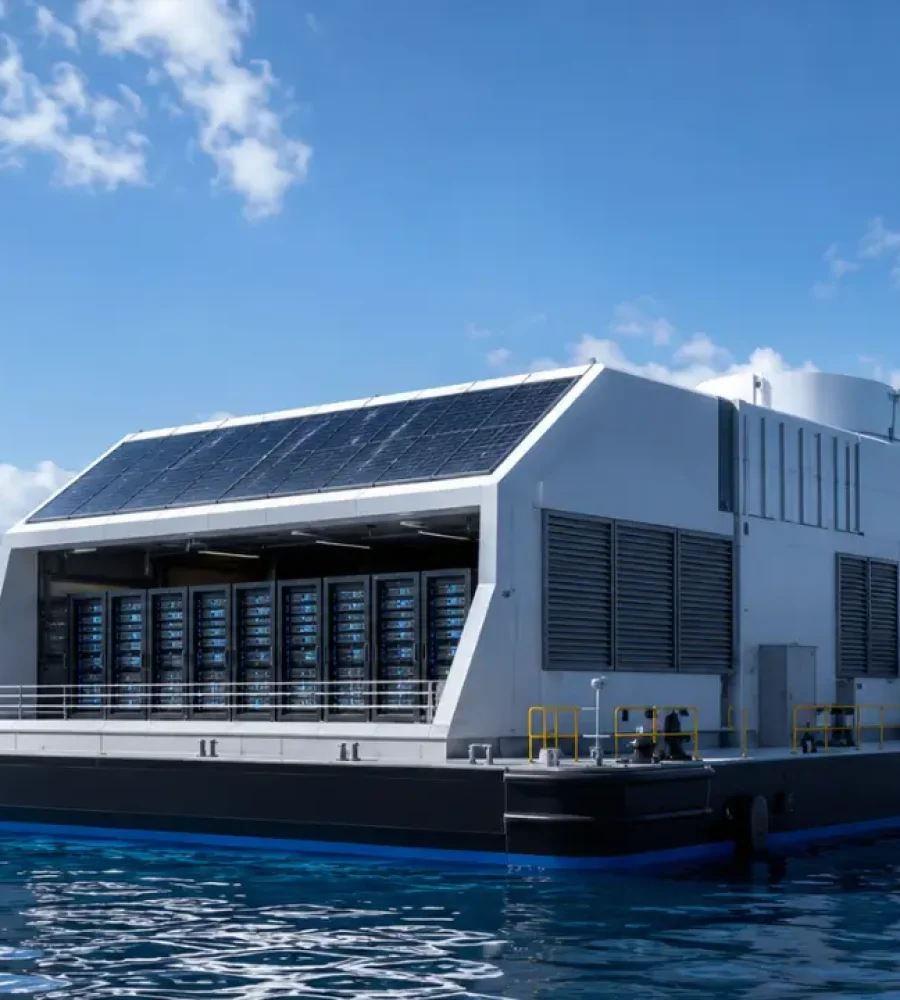
The plan centers on building a network of data centers connected through shared computing infrastructure, allowing AI workloads to be distributed across regions more efficiently. China’s latest five-year policy framework identifies artificial intelligence as a strategic priority alongside quantum computing, advanced semiconductors, and humanoid robotics. Expanding compute capacity has become increasingly important as AI models require larger datasets, more processing power, and greater infrastructure scale.
State-backed telecommunications operators are expected to play a central role in the initiative. According to Bloomberg, companies including China Mobile and China Telecom would operate much of the infrastructure and help connect computing resources across the country. The strategy mirrors efforts underway in other major economies, where governments and technology companies are investing heavily in data centers, AI clusters, and cloud infrastructure.
Domestic Technology Suppliers Expected to Benefit
A key component of the proposal involves strengthening China’s domestic technology ecosystem. Bloomberg reported that policymakers are considering requirements for at least 80% of core technologies, including AI processors, to come from local suppliers. Such an approach would increase opportunities for Chinese technology companies while reducing dependence on foreign semiconductor vendors.
Huawei Technologies is expected to be among the primary beneficiaries if the plan moves forward. The company has expanded its AI hardware portfolio as China seeks alternatives to imported processors. The reported target aligns with broader government efforts to build self-sufficient supply chains across strategic technology sectors.
AI Infrastructure Spending Intensifies Global Competition
The proposed investment arrives as global AI infrastructure spending continues to accelerate. Major U.S. technology companies are expected to collectively spend more than $700 billion this year on AI-related infrastructure, according to industry estimates cited in the report. Hyperscale operators continue expanding data center capacity to support model training, inference workloads, and emerging agentic AI applications.
China’s proposed investment demonstrates that competition between the world’s two largest economies increasingly extends beyond AI models and into the infrastructure required to support them. Data centers, networking systems, power infrastructure, and semiconductor supply chains have become critical components of national AI strategies.
Existing Policies Support Domestic AI Hardware
The latest proposal builds on earlier government initiatives designed to promote domestic AI technology adoption. Reuters reported in 2025 that Chinese authorities issued guidance requiring state-funded data center projects to use domestically produced AI chips. The policy was intended to support local semiconductor manufacturers while reducing exposure to international technology restrictions. If the new blueprint advances, it could further accelerate demand for Chinese-made processors, networking equipment, and infrastructure technologies.
Market Implications
The scale of the proposed investment highlights the growing importance of compute infrastructure in the global AI economy. While attention often focuses on AI models and software capabilities, governments are increasingly recognizing that long-term competitiveness depends on access to large-scale compute resources, energy infrastructure, and semiconductor supply chains.
For China, the initiative would strengthen domestic AI capacity while supporting broader technology sovereignty objectives. For the global market, it signals that infrastructure investment is becoming a defining element of the AI race. Although discussions remain at an early stage and details could change before final approval, the proposal underscores Beijing’s intention to make AI infrastructure a central pillar of its next phase of economic and technological development.