
The conversation around data center location strategy has changed faster than many procurement teams expected. Cost assumptions that once centered on land prices, tax incentives, utility rates, and network access now face scrutiny from a different set of stakeholders. Sustainability officers, investor relations teams, enterprise customers, auditors, and corporate boards increasingly examine the carbon profile attached to digital infrastructure decisions. What appeared to be a straightforward comparison between two major markets now requires a deeper evaluation of emissions exposure, reporting obligations, and long-term business risk. Enterprise buyers that operate large artificial intelligence environments often discover that identical workloads can carry significantly different carbon footprints depending on where infrastructure operates. Site selection therefore moves beyond infrastructure economics and becomes a factor that organizations increasingly evaluate alongside financial, operational, and sustainability objectives.
Large-scale computing demand has amplified this shift because energy consumption remains one of the most visible environmental metrics associated with digital operations. Artificial intelligence training clusters, inference environments, and high-density compute facilities place unprecedented pressure on regional power systems. Investors increasingly evaluate how organizations plan to reconcile growing computational requirements with climate commitments that extend across operational and supply chain emissions. Public reporting frameworks now create greater transparency around these decisions, allowing stakeholders to connect infrastructure choices directly to sustainability outcomes. Executive teams therefore face pressure to justify not only where workloads operate but also why those locations support broader corporate objectives. The result is a procurement environment where emissions performance increasingly influences purchasing decisions alongside financial performance.
24/7 CFE Commitments Turn Site Selection Into Procurement Math
Corporate sustainability programs increasingly focus on matching electricity consumption with carbon-free generation during every hour of operation rather than through annual balancing mechanisms. This approach changes procurement calculations because hourly alignment exposes periods when renewable generation may not coincide with facility demand. Organizations pursuing advanced carbon reduction strategies therefore analyze regional generation characteristics before evaluating traditional infrastructure metrics. The comparison between ERCOT and PJM illustrates this dynamic because each market presents distinct generation profiles that influence hourly emissions performance. Solar generation contributes substantially within ERCOT during daylight periods, while PJM benefits from a large nuclear generation fleet that provides continuous low-carbon output. Procurement teams must therefore model temporal generation patterns alongside electricity pricing assumptions before finalizing infrastructure commitments.
Financial implications emerge long before construction begins because hourly matching requirements influence power purchase agreements, energy procurement contracts, and residual emissions exposure. Organizations operating in regions with significant renewable intermittency may need additional procurement instruments to achieve higher levels of hourly matching performance. Those requirements can increase compliance costs even when nominal electricity prices remain competitive. Meanwhile, regions with stronger baseload carbon-free generation may support more predictable emissions outcomes despite different energy market structures. Many large enterprises and hyperscale operators incorporate these variables into total cost of ownership models because sustainability commitments increasingly carry contractual, disclosure, and reporting implications. Consequently, infrastructure strategy increasingly reflects carbon procurement economics rather than electricity procurement economics alone.
Embodied Carbon Now Shows Up on the Balance Sheet
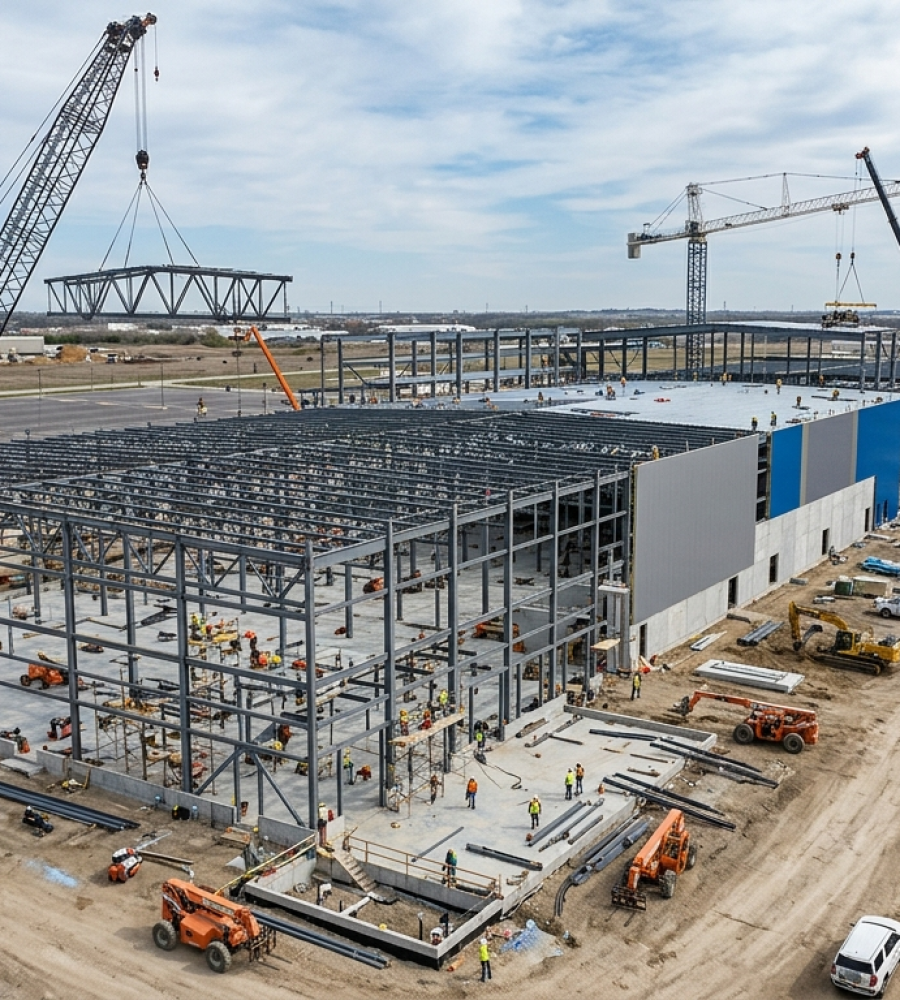
Operational emissions represent only part of the environmental profile associated with modern computing infrastructure. Construction activities generate substantial emissions through the production and transportation of concrete, steel, mechanical systems, and electrical equipment required for large facilities. Enterprise buyers increasingly examine these impacts because Scope 3 reporting frameworks bring supply chain emissions into corporate disclosure processes. Greenfield developments often require extensive material deployment, site preparation, and utility expansion activities that increase embodied carbon exposure. Brownfield retrofits can reduce portions of that footprint by reusing existing structural assets and infrastructure components. The comparison therefore extends beyond operating efficiency and includes emissions generated before a facility becomes operational.
Investor expectations further elevate the importance of embodied emissions because climate-related disclosures increasingly influence capital allocation decisions. Infrastructure projects with large upfront emissions profiles may attract additional scrutiny when organizations communicate long-term decarbonization strategies. Procurement teams therefore evaluate whether redevelopment opportunities can achieve business objectives while reducing construction-related emissions exposure. Material sourcing strategies, supplier transparency programs, and environmental product declarations increasingly shape project approval processes. Financial stakeholders also seek evidence that infrastructure investments align with broader sustainability commitments rather than creating future reporting challenges. As a result, embodied emissions increasingly inform capital planning discussions, particularly among organizations that incorporate climate-related risks and disclosures into infrastructure investment decisions.
REC Arbitrage Fades as Location-Based Accounting Takes Hold
Renewable Energy Certificates helped organizations accelerate renewable procurement by enabling annual balancing of electricity consumption and renewable generation. That framework provided flexibility because companies could purchase renewable attributes independently from the location and timing of electricity use. However, stakeholders increasingly question whether annual accounting methods accurately reflect real-world grid emissions. A growing emphasis on location-based and time-sensitive accounting introduces new expectations regarding when and where clean energy generation occurs. Organizations now face greater pressure to demonstrate alignment between consumption patterns and regional electricity system characteristics. Procurement decisions therefore require a more detailed understanding of local emissions intensity and generation availability.
The shift reduces opportunities to rely solely on certificate volume as evidence of decarbonization progress. Enterprises increasingly evaluate marginal emissions impacts because those measurements provide greater insight into how electricity consumption affects regional power systems. Market participants therefore analyze locational emissions factors, grid congestion patterns, and generation dispatch behavior when assessing infrastructure strategies. Sustainability claims that previously relied on annual balancing mechanisms may face additional scrutiny under evolving disclosure expectations. Enterprise buyers increasingly recognize that procurement quality and temporal alignment can provide additional insight into emissions performance beyond annual certificate volumes alone. Therefore, infrastructure location becomes an increasingly important variable in sustainability assessments as organizations evaluate both emissions outcomes and electricity procurement strategies.
Audits Demand Stronger Evidence Behind Carbon-Neutral Claims
Third-party verification standards continue to evolve as stakeholders demand stronger evidence supporting environmental claims. Auditors increasingly examine the relationship between electricity consumption and carbon-free generation at a more granular level than previous reporting frameworks required. This trend creates challenges for organizations that depend on annual accounting approaches to substantiate sustainability commitments. Verification programs and emerging accounting initiatives increasingly emphasize temporal alignment, traceability, and demonstrable emissions reductions. Infrastructure location directly influences the ability to meet these requirements because regional grids differ substantially in generation composition and carbon intensity. Procurement teams must therefore evaluate verification feasibility alongside operational and financial considerations.
Emerging frameworks encourage organizations to provide transparent documentation demonstrating how carbon-free energy procurement aligns with actual consumption patterns. Data quality, hourly matching capabilities, and regional generation characteristics increasingly determine whether sustainability claims withstand external review. Facilities located in regions with stronger access to verifiable carbon-free generation may find it easier to support advanced carbon accounting and reporting objectives. Organizations operating elsewhere may require additional procurement arrangements or reporting methodologies to demonstrate comparable emissions outcomes. Audit readiness therefore becomes an infrastructure planning consideration rather than a reporting exercise completed after deployment. Nevertheless, procurement teams that integrate evolving reporting and verification expectations early often reduce compliance uncertainty across the asset lifecycle.
Carbon-Heavy Campuses Carry a New Kind of Exit Penalty
Infrastructure investments often extend across contractual periods measured in decades rather than years. Long-duration commitments create exposure to policy changes, customer expectations, and market dynamics that may evolve significantly after project approval. Regions with persistently carbon-intensive electricity systems could face increasing scrutiny from enterprise customers seeking lower-emissions supply chains. Procurement decisions that appear financially attractive today may require reassessment in the future if customer sustainability requirements, disclosure expectations, or regulatory conditions evolve. Organizations increasingly assess whether infrastructure locations can remain competitive under multiple regulatory and market scenarios. This evaluation transforms emissions exposure into a strategic business consideration rather than a sustainability metric.
Stranded asset discussions increasingly include environmental competitiveness alongside traditional considerations such as technology obsolescence and utilization rates. Customers may introduce procurement standards that favor facilities operating within lower-carbon electricity markets or supported by stronger carbon-free energy procurement programs. Regulatory developments could also influence reporting obligations, disclosure requirements, and acceptable emissions thresholds. Organizations with limited flexibility may incur additional costs to maintain compliance or preserve customer relationships. Infrastructure location therefore affects future optionality, influencing the ease with which organizations adapt to changing expectations. These adjustments can create operational, compliance, and financial considerations that extend beyond the reputational concerns that often receive the most immediate attention.
Carbon Accounting Becomes the Board’s Site Selection Lens
Executive decision makers increasingly evaluate infrastructure strategy through the lens of measurable business outcomes rather than isolated sustainability metrics. Emissions exposure now influences procurement economics, investor communication, regulatory positioning, and enterprise sales opportunities. Site selection decisions shape operational emissions, supply chain reporting obligations, verification feasibility, and long-term asset competitiveness. Boards therefore seek infrastructure strategies that support both financial performance and environmental accountability under evolving market conditions. The distinction between operational planning and sustainability planning continues to narrow as reporting expectations become more sophisticated. Infrastructure location consequently emerges as a strategic variable with implications that extend well beyond utility costs and tax structures.
Organizations that treat emissions considerations as a core investment parameter often gain a more comprehensive understanding of long-term infrastructure risk. Procurement teams increasingly integrate carbon data into capital planning models, supplier evaluations, and contract negotiations. Enterprise buyers that adopt this approach position themselves to navigate evolving standards with greater confidence and transparency. Decision frameworks therefore expand beyond immediate operating expenses to include verification requirements, future compliance obligations, and commercial resilience. Carbon performance increasingly functions as an economic input that shapes infrastructure value throughout the asset lifecycle. Site selection thus becomes a multidisciplinary decision where environmental data carries financial significance equal to traditional infrastructure metrics.