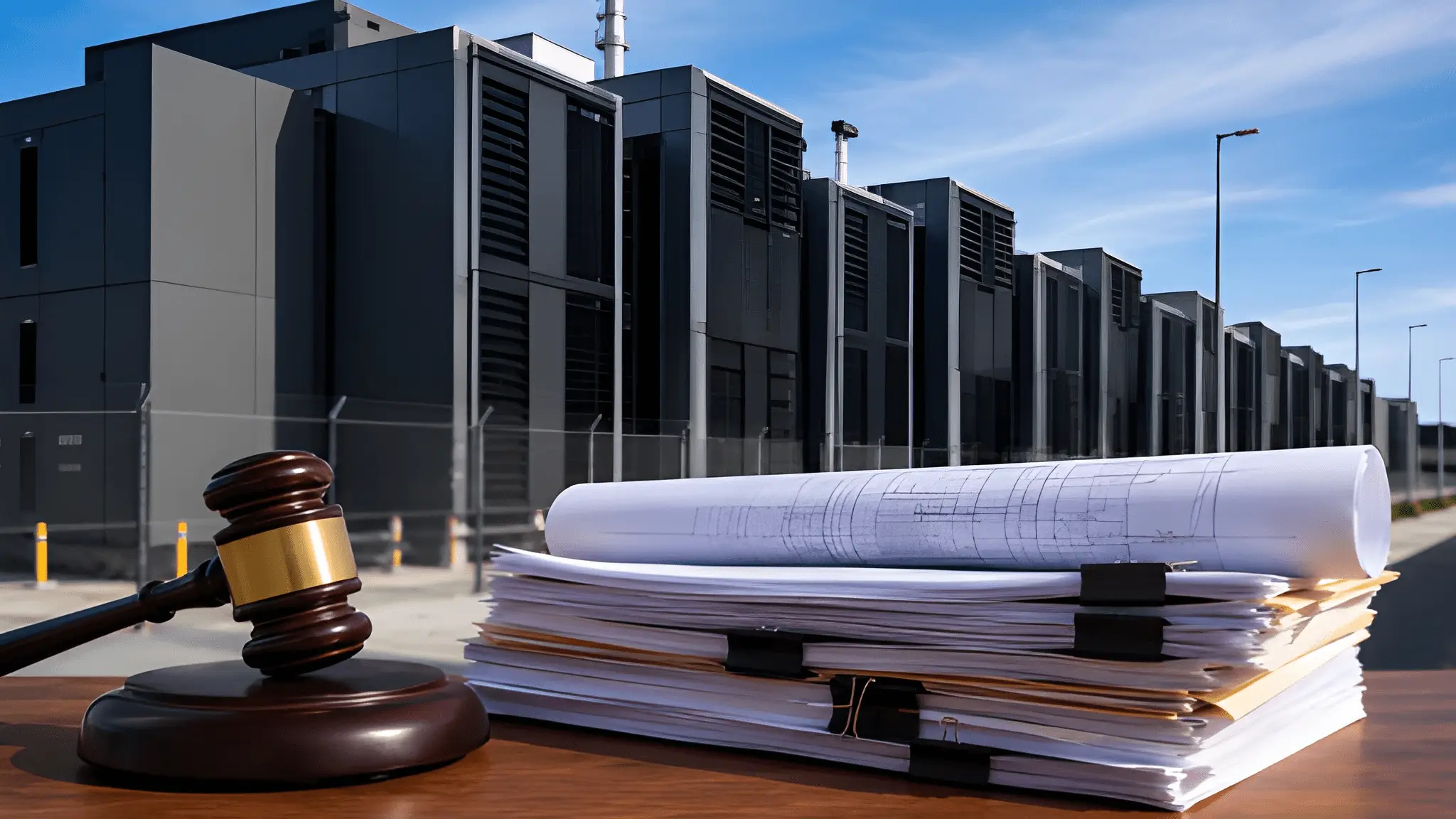
North Carolina lawmakers are advancing legislation that could reshape how one of America’s fastest-growing data center markets expands over the coming decade. The proposal reflects mounting political pressure to address concerns surrounding electricity costs, water consumption, infrastructure upgrades, and the broader community impacts associated with hyperscale digital infrastructure projects. As artificial intelligence workloads accelerate demand for large-scale computing facilities nationwide, state policymakers are increasingly scrutinizing who pays for the infrastructure required to support that growth.
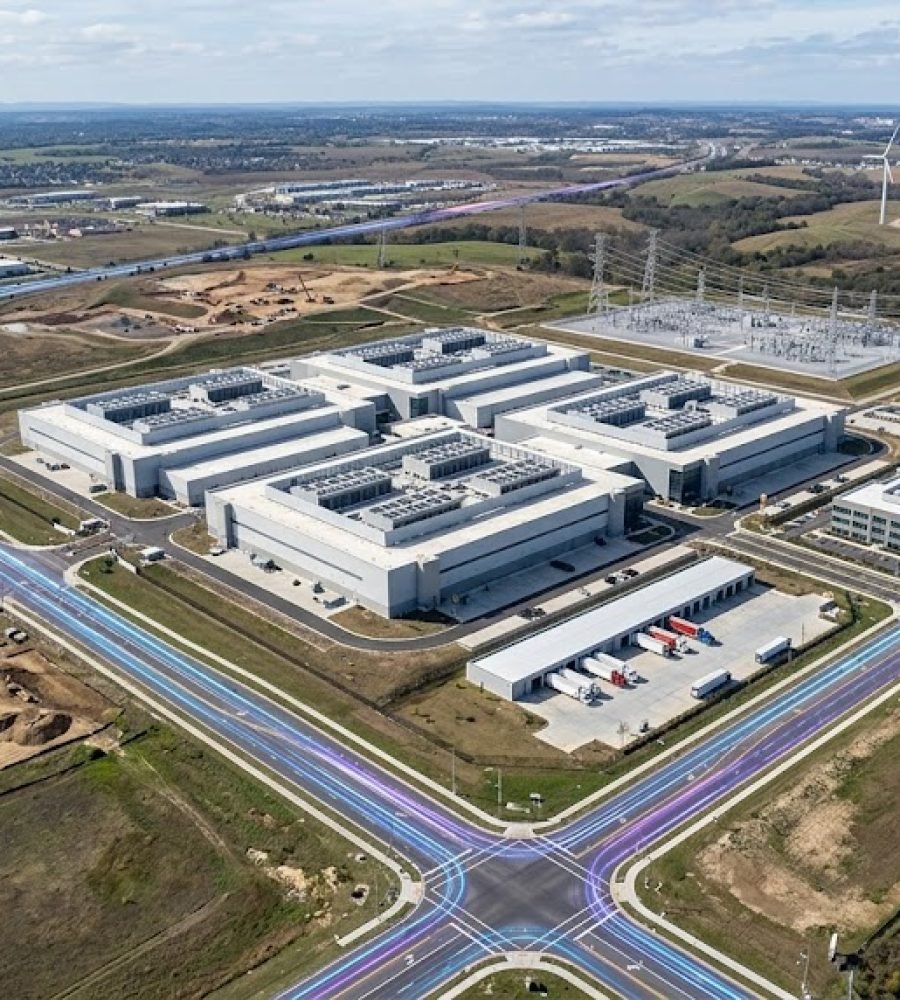
The proposed Ratepayer Protection Act cleared the House Rules Committee on Tuesday and now heads toward a full House vote. The legislation specifically targets data centers with electricity demands exceeding 100 megawatts, placing them among the largest power consumers in the state. Facilities operating at that scale can consume energy volumes comparable to a mid-sized city serving roughly 100,000 households, making them significant contributors to utility planning and grid expansion requirements.
Lawmakers Push for Greater Cost Accountability
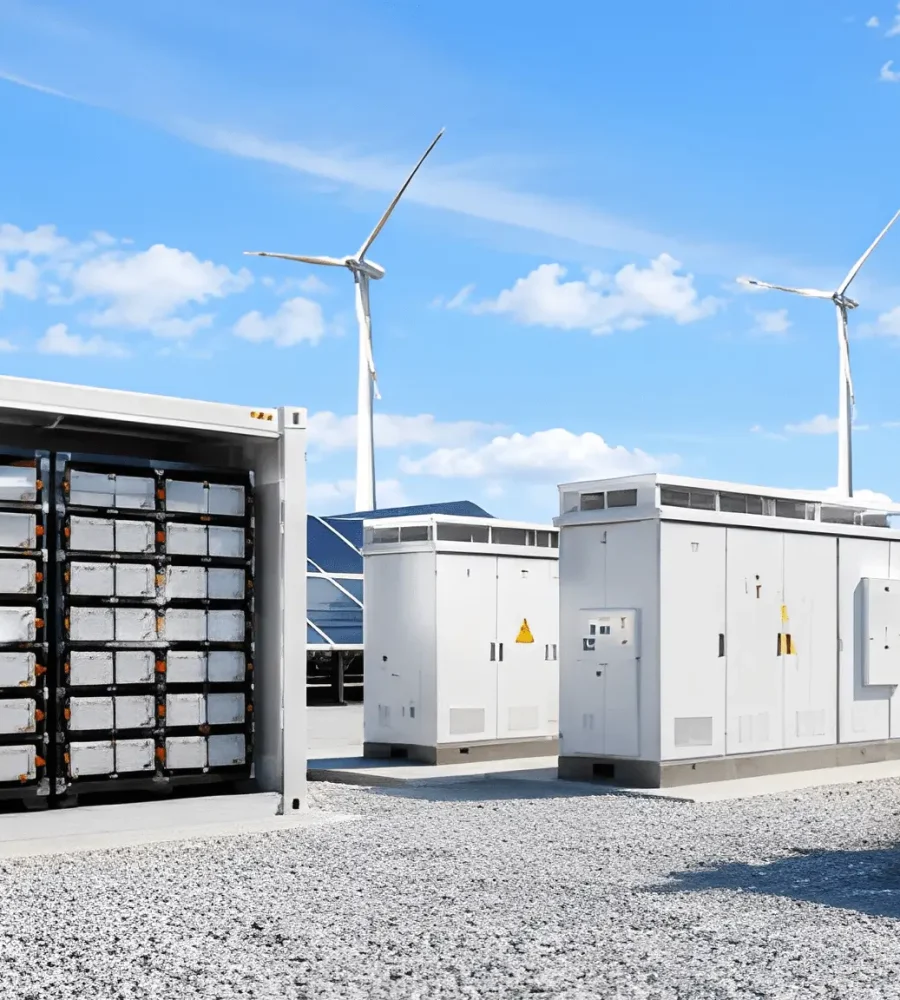
Supporters of the bill argue that North Carolina residents should not absorb the financial burden created by rapid data center expansion. The proposal would require qualifying facilities to bear the full cost of new energy infrastructure and associated system upgrades needed to serve their operations. Policymakers backing the measure say the objective is not to discourage investment but to ensure growth occurs without shifting costs onto residential consumers. “We’re not saying don’t come. We’re putting guardrails on the development of these in response to the consumer outrage,” said Rep. Larry Arp (R-Union), the bill’s co-sponsor.
The legislation arrives as communities across the state become increasingly vocal about large-scale development proposals. Several jurisdictions have already explored or implemented moratoriums on data center projects while evaluating concerns related to noise levels, environmental impacts, water demand, and local infrastructure capacity. Those debates mirror broader discussions taking place in multiple U.S. states where AI-driven infrastructure growth is accelerating.
State Rep. Keith Winslow (R-Franklin), another co-sponsor of the bill, framed the proposal as a response to growing public concern over electricity affordability. “North Carolinians are seeing higher electricity bills driven by rapid data growth and aggressive energy mandates,” he said.
New Restrictions Extend Beyond Power Infrastructure
The proposed framework reaches beyond electricity cost allocation. Under the bill, large data center operators would lose access to local tax incentives that have traditionally helped attract major investment projects. The legislation would also prohibit the use of eminent domain in support of qualifying developments, creating additional constraints on future expansion plans. Environmental oversight forms another key component of the proposal. Developers would face mandatory environmental reviews and noise impact studies before proceeding with projects that fall under the bill’s requirements. These provisions reflect growing demands from local communities seeking greater transparency around the long-term effects of large digital infrastructure campuses.
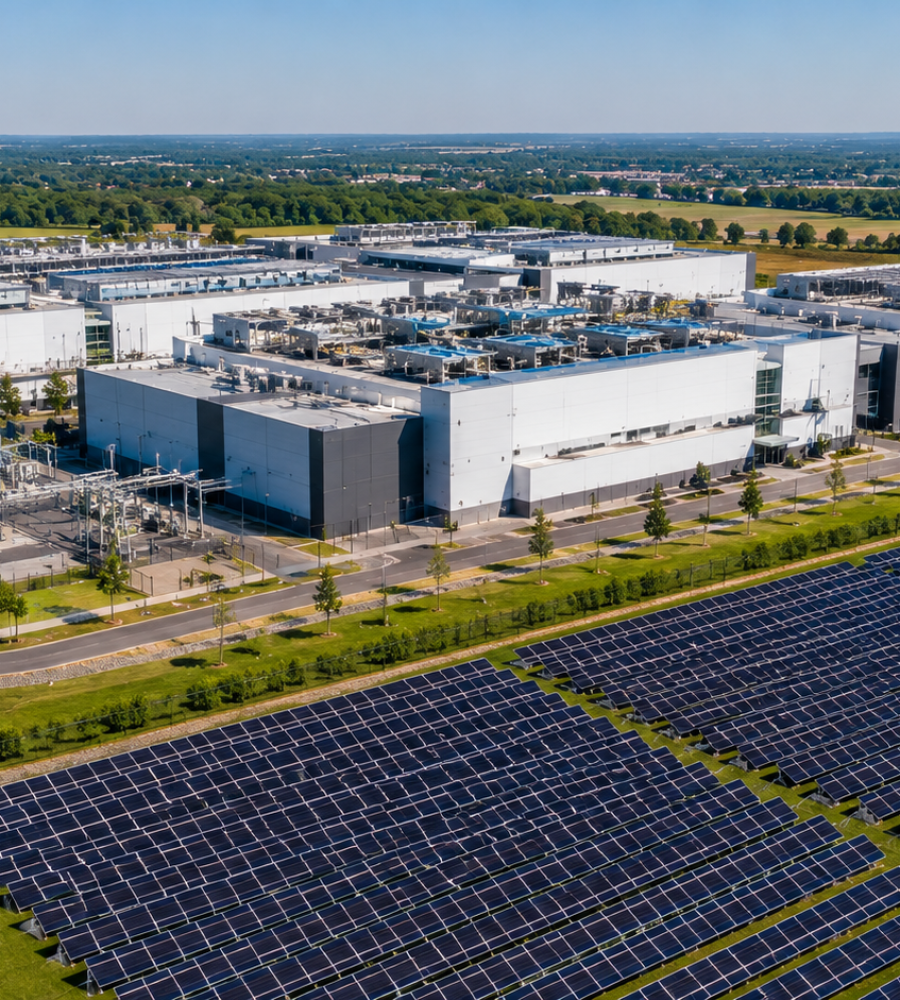
Water usage has emerged as a particularly sensitive issue. Many advanced data centers rely on extensive cooling systems that require significant volumes of freshwater to maintain operating temperatures. The proposed legislation would restrict certain water-intensive cooling technologies, placing additional emphasis on resource management and sustainability considerations. “A large data center uses somewhere between 1 million and 5 million gallons a day of fresh water,” said Winslow.
Industry Groups Warn Against Investment Risks
Business organizations and industry representatives have expressed concerns that the legislation could weaken North Carolina’s competitive position in attracting future technology investments. Data center operators typically evaluate electricity costs, regulatory certainty, tax structures, and infrastructure availability when selecting locations for new facilities. Industry stakeholders argue that adding new cost obligations could influence future site-selection decisions. “Electricity costs are among the top three concerns in industry considering whether they locate or relocate in a state,” said Susan Vick with the Carolina Industrial Group for Fair Utility Rates, a coalition of large manufacturing and industrial energy users in North Carolina.
Industry advocates also contend that the public debate around data centers often overlooks the economic development benefits these projects can bring to smaller communities. Rural regions frequently view major technology infrastructure projects as opportunities to diversify local economies and strengthen tax bases. “These investments often occur in rural communities seeking jobs, tax base growth, and infrastructure investment,” said Khara Boender, senior manager of state policy for the Data Center Coalition, the data center industry’s member association.
Economic Stakes Remain Significant
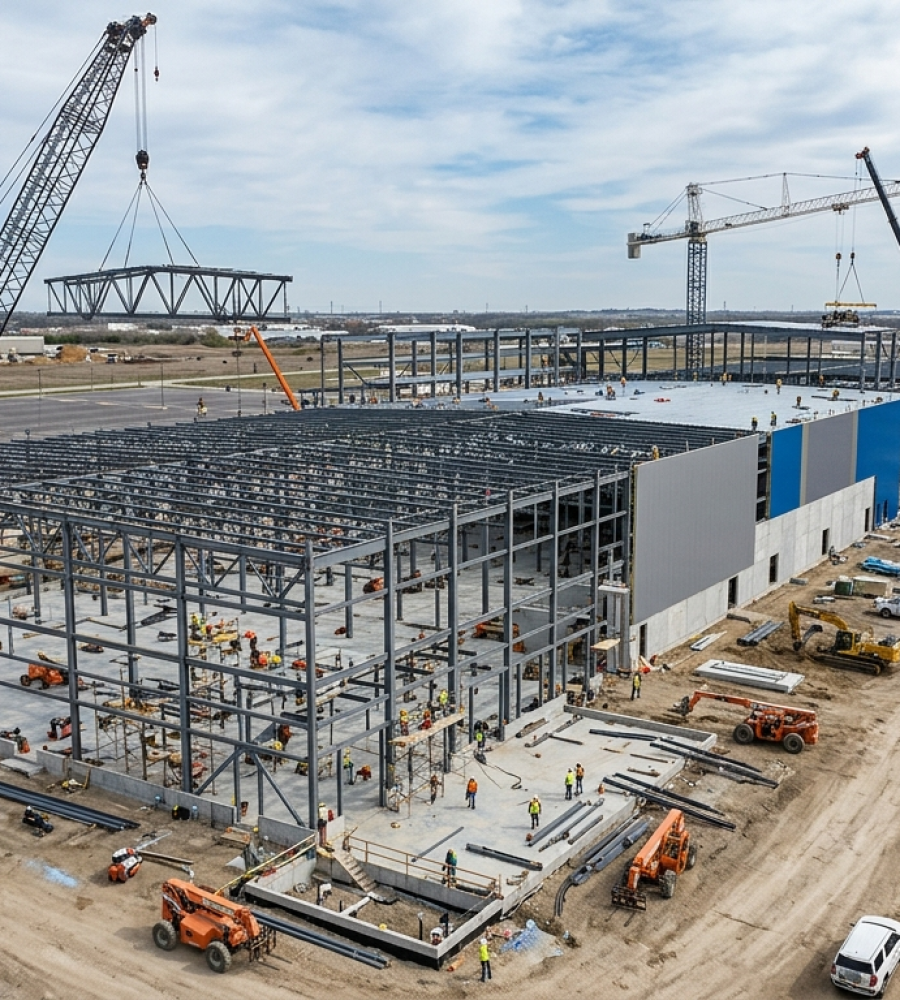
The debate highlights a growing tension between economic development ambitions and infrastructure sustainability concerns. North Carolina has emerged as an increasingly important market for cloud, AI, and hyperscale infrastructure investment due to its business-friendly environment, available land, and expanding power resources. Major technology companies continue to evaluate the state as part of broader digital infrastructure strategies supporting next-generation computing demand. According to figures cited by the Data Center Coalition, the sector contributed approximately $18.5 billion to North Carolina’s gross domestic product during 2024. The industry also supported more than 117,000 jobs and generated roughly $1.4 billion in state and local tax revenues. Those figures have become central to arguments from industry groups seeking to preserve the state’s attractiveness to future investment.
The upcoming House vote could become an important benchmark for how states balance economic growth with infrastructure accountability during the AI era. Lawmakers across the country increasingly face pressure to address concerns surrounding power consumption, water availability, and grid expansion as hyperscale development accelerates. North Carolina’s approach may offer an early indication of how policymakers intend to distribute the costs and responsibilities associated with next-generation digital infrastructure. House lawmakers are expected to consider several amendments before the legislation reaches a final vote. The outcome will be closely watched by utilities, cloud providers, data center developers, local governments, and investors assessing the future regulatory environment for large-scale computing infrastructure in the United States.