Summary
Artificial intelligence is transforming data center infrastructure at a pace that few sectors have experienced before. The conversation around AI often focuses on models, chips, and software, yet the physical infrastructure supporting those systems is becoming equally important. Training and running advanced AI models requires vast amounts of electricity, high-performance networking, sophisticated cooling systems, and increasingly complex operational software. As organizations deploy larger models and expand inference capacity, infrastructure constraints are emerging across multiple layers of the technology stack. The result is a growing realization that AI competitiveness depends not only on computing hardware but also on the ecosystems that support it. Investors, operators, utilities, technology vendors, and governments are all paying closer attention to the infrastructure required to sustain AI growth. Understanding the AI data center stack has therefore become essential for anyone assessing the future of digital infrastructure.
The scale of projected AI demand has intensified discussions about capacity planning. Industry forecasts increasingly suggest that AI workloads will drive significant growth in electricity consumption and data center construction over the coming decade. Training clusters containing tens of thousands of accelerators are becoming more common, while inference workloads continue expanding across enterprise and consumer applications. These developments are placing pressure on power grids, supply chains, permitting processes, and cooling technologies. Many of the challenges facing AI deployment originate outside the traditional technology sector. Infrastructure has become a strategic concern because the ability to deploy computing resources depends on a much broader ecosystem than chips and servers alone. The AI boom is therefore creating opportunities across multiple layers of the physical and operational stack.
Why AI Is Reshaping Physical Infrastructure
Computing Growth Is No Longer the Only Constraint
For much of the cloud era, computing infrastructure expanded through improvements in semiconductor performance and server efficiency. Organizations could deploy additional capacity relatively quickly because supporting infrastructure generally kept pace with demand. AI has altered that balance by increasing resource requirements across the entire data center environment. Modern AI systems consume significantly more power than traditional enterprise workloads and generate much higher thermal densities. Infrastructure that once appeared sufficient is increasingly struggling to support next-generation deployments. This shift has moved attention beyond processors and into areas such as power distribution, facility design, cooling systems, and grid connectivity. The constraints limiting AI growth are becoming physical as much as technological. As a result, infrastructure planning is emerging as a competitive differentiator.
The scale of this transformation is visible in facility design requirements. Traditional enterprise environments often operated with rack densities that could be managed through established cooling and power architectures. AI clusters are pushing those limits dramatically higher. Facilities must now support equipment that concentrates substantial amounts of computing power into relatively small footprints. Delivering electricity reliably while maintaining thermal stability requires entirely new approaches to infrastructure design. Operators are rethinking how facilities are built because legacy assumptions no longer align with the demands of AI workloads. The infrastructure stack is evolving in response to these new operational realities.
The Infrastructure Opportunity Is Expanding
The AI ecosystem creates opportunities far beyond semiconductor manufacturing. Every layer supporting AI workloads faces pressure to scale, creating demand for new technologies and operational models. Power generation, transmission equipment, energy management software, cooling systems, construction services, and facility operations are all becoming critical components of AI infrastructure. This expansion is reshaping investment priorities across the broader technology landscape. Infrastructure providers that previously occupied niche positions are finding themselves at the center of strategic discussions. The opportunity extends across both digital and physical systems because AI growth depends on the coordination of multiple infrastructure layers. Understanding those layers is essential for understanding where future capacity will come from.
The industry’s focus is gradually shifting from isolated components toward integrated systems. AI performance depends on how effectively different infrastructure layers work together rather than on any single technology. A shortage of transformers can delay a facility even if computing hardware is available. Insufficient cooling capacity can limit deployment even when power infrastructure is in place. Regulatory delays can postpone projects regardless of technology readiness. These dependencies illustrate why the AI infrastructure conversation has become increasingly comprehensive. Growth depends on solving multiple challenges simultaneously rather than addressing them in isolation.
The AI Infrastructure Bottleneck
Power Demand Is Growing Faster Than Supply
Electricity has become one of the most significant constraints facing AI infrastructure development. Advanced accelerators consume substantial amounts of power, and large training environments require enormous energy resources to operate effectively. As organizations deploy increasingly sophisticated models, electricity demand is rising alongside computational requirements. Utilities and grid operators are encountering growing pressure to accommodate new data center projects. In some regions, the challenge is not generating enough electricity but delivering it to facilities within acceptable timelines. Infrastructure developers are discovering that power availability can influence site selection as much as real estate considerations. Energy has become a strategic resource within the AI ecosystem.
The challenge extends beyond current demand levels. Many planned AI facilities require capacity that exceeds what local infrastructure was originally designed to support. Utilities often need years to complete transmission upgrades, substation expansions, and related projects. These timelines can conflict with the rapid deployment schedules preferred by technology companies. As a result, power access is becoming one of the most important factors in data center development. The ability to secure reliable electricity may determine which regions emerge as major AI infrastructure hubs. Power planning is therefore moving closer to the center of strategic decision-making.
Grid Connectivity Has Become a Competitive Factor
Access to the electrical grid is increasingly influencing infrastructure investment decisions. Historically, developers evaluated locations based on connectivity, real estate costs, and market demand. AI is elevating grid connectivity into a primary consideration because electricity availability directly affects deployment timelines. Some regions possess abundant power resources but limited transmission capacity. Others offer strong infrastructure networks but face constraints related to permitting or energy generation. These differences create significant variations in development potential. Organizations are conducting more detailed analyses of grid conditions before committing to major projects. Infrastructure strategy now requires a deeper understanding of energy systems.
Grid-related challenges are creating opportunities for innovation across the energy sector. Utilities are exploring new approaches to capacity planning while technology providers develop tools designed to optimize electricity usage. Energy management software, forecasting platforms, and grid optimization technologies are attracting growing attention. These solutions aim to improve visibility into resource availability and infrastructure constraints. The intersection between digital infrastructure and energy systems is becoming increasingly important. AI growth depends on strengthening those connections and improving coordination across multiple stakeholders.
Layer 1: Permitting and Site Selection
The Hidden Challenge Before Construction Begins
Much of the public discussion surrounding AI infrastructure focuses on technology deployment. Yet one of the most significant challenges occurs before construction even begins. Permitting, zoning approvals, environmental reviews, and regulatory compliance requirements can influence project timelines substantially. These processes often receive less attention than hardware deployment, but they play a critical role in determining how quickly new capacity becomes available. Delays at this stage can postpone infrastructure projects regardless of technological readiness. Developers are increasingly recognizing that regulatory navigation is an important component of AI infrastructure strategy.
Site selection has become more complex as AI requirements evolve. Access to power, connectivity, water resources, transportation infrastructure, and skilled labor all influence location decisions. Communities are also paying closer attention to the environmental and economic impacts of large-scale developments. These factors require developers to balance technical requirements with broader regional considerations. Successful projects often depend on effective collaboration between operators, regulators, utilities, and local stakeholders. The planning process is becoming more sophisticated as infrastructure requirements expand. Site selection is no longer a straightforward real estate decision.
AI Is Changing How Capacity Is Planned
The speed of AI adoption is encouraging organizations to rethink traditional infrastructure planning models. Historically, developers could forecast demand using relatively stable assumptions about enterprise growth and cloud adoption. AI introduces greater uncertainty because computational requirements are evolving rapidly. Organizations must make long-term infrastructure decisions in an environment where future demand remains difficult to predict. This challenge affects everything from site acquisition strategies to facility design choices. Developers increasingly seek flexibility that allows infrastructure to adapt as requirements change. Planning has become a strategic discipline rather than a purely operational activity.
Technology is also beginning to influence the planning process itself. Advanced analytics, simulation tools, and AI-driven forecasting platforms are helping organizations evaluate potential sites and infrastructure investments. These tools improve visibility into variables such as energy availability, environmental conditions, and regional growth patterns. Better forecasting can reduce project risk and improve decision-making. As infrastructure projects become larger and more complex, the value of data-driven planning continues to increase. Organizations that understand these dynamics may gain advantages in an increasingly competitive development environment.
Layer 2: Power Generation
Data Centers Are Becoming Energy Stakeholders
AI is changing the relationship between data centers and energy systems. Traditionally, facilities consumed electricity supplied by utilities and focused primarily on reliability and cost management. Growing demand is encouraging operators to take a more active role in energy strategy. Many organizations are exploring direct relationships with energy producers, renewable generation projects, and alternative power sources. The objective is not only securing sufficient electricity but also improving resilience and long-term capacity planning. This evolution reflects the growing importance of energy within the broader AI infrastructure ecosystem.
Large-scale AI deployments require confidence that power resources will remain available over extended periods. Infrastructure operators therefore increasingly evaluate energy procurement strategies alongside computing investments. Some facilities are incorporating on-site generation capabilities or battery storage systems designed to enhance operational flexibility. Others are pursuing long-term agreements that provide greater certainty around energy supply. These developments highlight how closely data center operations are becoming linked to broader energy markets. Electricity is no longer simply an operational input. It is becoming a strategic asset.
Behind-the-Meter Energy Is Gaining Attention
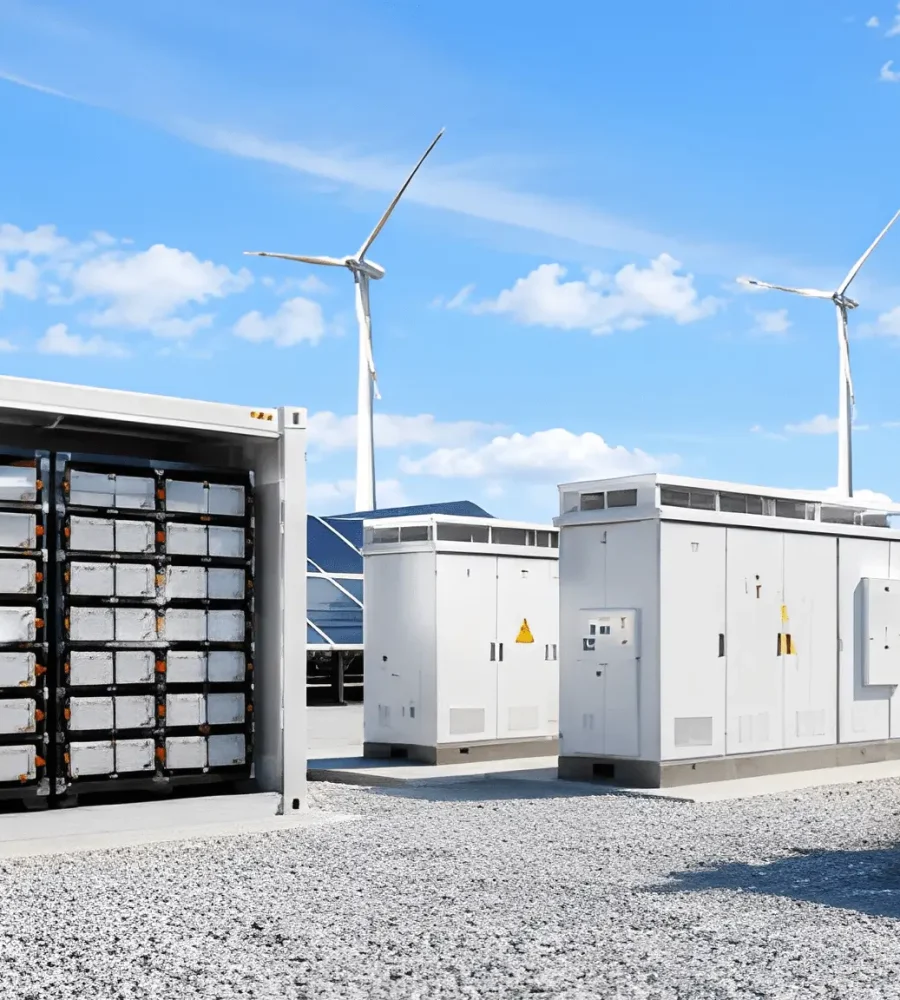
One response to growing electricity demand involves the development of behind-the-meter energy resources. These systems generate or store power directly at or near the facility, reducing dependence on external infrastructure. Interest in this approach is increasing because it can help address grid constraints and improve resilience. Battery storage systems, gas generation assets, and emerging energy technologies are attracting attention from infrastructure developers. These solutions offer potential benefits in regions where utility capacity remains limited. They also provide greater control over operational planning.
The adoption of behind-the-meter strategies reflects broader changes in how operators view infrastructure risk. Reliance on external systems introduces uncertainties that can affect deployment schedules and operational performance. Direct control over energy resources can mitigate some of those risks. As AI workloads continue expanding, interest in alternative energy approaches is likely to increase. The future AI infrastructure stack may include a much closer integration between computing resources and energy assets than previous generations of data centers required.
Layer 3: Transmission and Grid Hardware
The Infrastructure Between Power Plants and Data Centers
The conversation around AI infrastructure often focuses on electricity generation, yet power generation alone does not solve the industry’s capacity challenges. Electricity must travel through transmission networks, substations, transformers, switchgear systems, and distribution infrastructure before it reaches a data center. These components form a critical layer of the AI data center stack because they determine how quickly new facilities can access power. In many regions, the bottleneck is not energy production but the physical infrastructure required to deliver electricity where it is needed. This reality has elevated transmission and grid hardware from a background consideration into a strategic priority. Developers increasingly assess grid readiness alongside computing capacity when evaluating expansion opportunities. The result is growing attention on equipment categories that historically received limited visibility within the technology sector.
Supply chain pressures have amplified these concerns. Demand for transformers, switchgear, and related equipment has increased significantly as utilities, industrial operators, and data center developers compete for the same resources. Manufacturing lead times have expanded, creating delays that can affect infrastructure deployment schedules. Organizations planning large-scale AI facilities must account for these realities much earlier in the development process. Equipment procurement is becoming a strategic activity rather than a routine operational task. The ability to secure critical grid components can influence project timelines as much as access to land or computing hardware. This shift highlights how deeply interconnected the AI ecosystem has become.
The Transformer Challenge
Transformers have emerged as one of the most discussed infrastructure components in the energy sector. These devices play a fundamental role in transmitting electricity efficiently across networks and delivering power to end users. Despite their importance, transformer manufacturing capacity has struggled to keep pace with rising demand. Utilities upgrading aging infrastructure, renewable energy projects connecting to the grid, and data center developments expanding capacity are all competing for the same equipment. This convergence has created supply constraints that affect multiple industries simultaneously. The issue illustrates how AI infrastructure growth depends on systems that exist far beyond the boundaries of a data center campus. Addressing these bottlenecks will require coordination across utilities, manufacturers, regulators, and infrastructure developers.
The transformer shortage also highlights a broader lesson about AI infrastructure planning. Advanced processors and networking equipment often dominate discussions about future capacity, but supporting infrastructure can be equally important. A facility cannot operate without reliable power delivery regardless of how sophisticated its computing hardware may be. This reality is encouraging organizations to adopt more holistic approaches to infrastructure strategy. Planning increasingly includes detailed assessments of equipment availability, utility timelines, and supply chain resilience. Such considerations are becoming central to long-term deployment planning. The AI infrastructure race is therefore as much about physical systems as it is about digital technologies.
Unlocking Existing Grid Capacity
Expanding transmission infrastructure remains essential, but many organizations are also exploring ways to make better use of existing resources. Grid optimization technologies are attracting attention because they offer opportunities to improve capacity utilization without requiring entirely new infrastructure. Advanced monitoring systems, forecasting platforms, and intelligent control software can help utilities manage electricity flows more effectively. These capabilities may allow operators to identify unused capacity and improve network efficiency. The approach is particularly attractive because building new transmission infrastructure often requires significant time and regulatory approval. Improving existing systems can therefore provide faster benefits in some circumstances.
Digital technologies are playing a growing role in this process. Sensors, analytics platforms, and machine learning tools are helping utilities gain greater visibility into network conditions. Improved situational awareness can support more informed operational decisions and increase confidence in infrastructure utilization. While optimization alone cannot eliminate capacity constraints, it can help address some of the challenges associated with growing electricity demand. The trend reflects a broader pattern within the AI data center stack. Software is becoming increasingly important in the management of physical infrastructure. The boundary between digital and physical systems continues to blur as infrastructure becomes more intelligent.
Layer 4: Software and Orchestration
AI Workloads Require Intelligent Coordination
As AI environments become larger and more complex, software orchestration is emerging as a critical layer within the infrastructure stack. Modern AI deployments involve thousands of interconnected components operating across computing, networking, storage, and power systems. Managing these environments efficiently requires sophisticated coordination capabilities. Traditional infrastructure management tools were often designed for relatively predictable workloads. AI introduces dynamic resource requirements that demand more advanced operational approaches. Organizations increasingly rely on software platforms to optimize workload placement, manage resource utilization, and improve overall system performance. These capabilities are becoming essential as infrastructure complexity continues to increase.
Software orchestration also influences economic outcomes. AI infrastructure represents a significant capital investment, making efficient resource utilization an important objective. Intelligent management platforms can help reduce inefficiencies, improve throughput, and identify performance bottlenecks before they affect operations. The ability to maximize productive output from available infrastructure is becoming a competitive advantage. As a result, orchestration technologies are attracting attention from operators seeking to improve both performance and cost efficiency. The importance of software within the AI stack continues to grow as workloads become more demanding. Infrastructure performance increasingly depends on coordination as much as capacity.
The Rise of Infrastructure Intelligence
The next generation of data center management is likely to involve greater levels of automation and predictive decision-making. Infrastructure operators already collect large volumes of operational data from facilities, equipment, and workloads. AI technologies can help transform that data into actionable insights. Predictive maintenance, energy optimization, workload scheduling, and capacity planning are all areas where intelligent software can improve outcomes. These capabilities support more efficient operations while reducing the risk of unexpected disruptions. Infrastructure intelligence is therefore becoming an important component of operational strategy.
The trend extends beyond facility management. Utilities, energy providers, and network operators are also adopting advanced software tools to manage increasingly complex systems. This convergence is creating new opportunities for coordination across different layers of the infrastructure stack. Improved visibility and data sharing can support better decision-making throughout the ecosystem. As AI infrastructure expands, the value of intelligent orchestration is likely to increase further. The future stack will depend not only on physical assets but also on the software systems that coordinate them.
Layer 5: Construction, Maintenance, and Workforce
The Construction Challenge
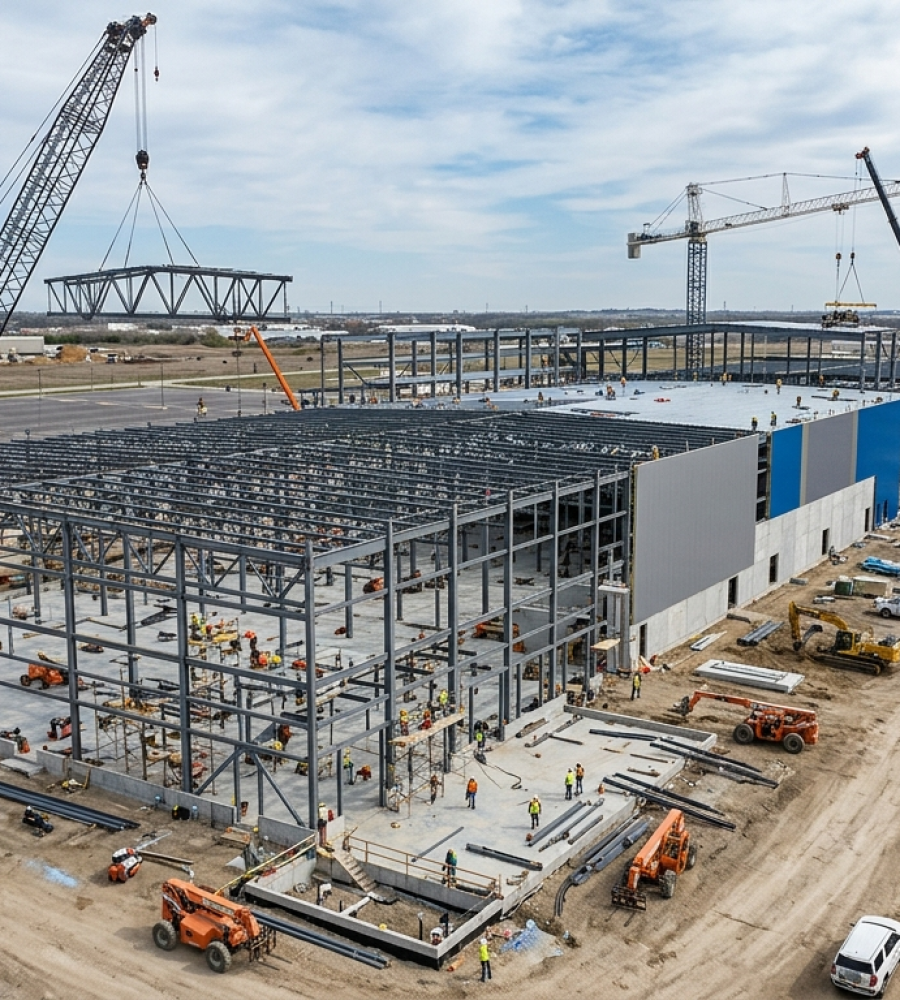
Building AI infrastructure at scale requires more than technology and capital. It also requires the ability to construct facilities quickly and efficiently. The pace of AI adoption is creating demand for new data center capacity across multiple regions, placing pressure on construction resources. Developers are competing for contractors, engineering expertise, and specialized equipment needed to support large-scale projects. These constraints can influence deployment timelines and project costs. Construction has therefore become an increasingly important component of infrastructure strategy.
The complexity of modern facilities adds to the challenge. AI environments often require specialized power systems, advanced cooling technologies, and highly integrated operational infrastructure. Designing and constructing these facilities demands expertise across multiple disciplines. Coordinating these activities effectively is essential for delivering projects on schedule. As demand continues to grow, construction efficiency is becoming a significant differentiator within the infrastructure market. Organizations that can streamline development processes may gain advantages in securing future capacity.
The Workforce Gap
The workforce required to support AI infrastructure extends far beyond software engineers and data scientists. Electricians, mechanical engineers, construction professionals, facility operators, and energy specialists all play important roles within the ecosystem. Demand for these skills is increasing as infrastructure projects expand globally. Many regions already face shortages in key technical professions, creating challenges for developers and operators. Workforce availability is becoming a strategic consideration in infrastructure planning.
Addressing these challenges will require investment in training, education, and workforce development. Industry participants are increasingly collaborating with educational institutions and training organizations to expand talent pipelines. Automation may also help address some labor constraints by improving productivity and reducing manual workloads. Even so, human expertise will remain essential across many aspects of infrastructure development and operations. The AI revolution depends on a workforce that extends well beyond the technology sector itself. Recognizing this reality is important for understanding the broader infrastructure landscape.
Layer 6: Cooling Technologies
Why Air Cooling Is Reaching Its Limits
Cooling has become one of the most important infrastructure topics in the AI era. Advanced accelerators generate significant amounts of heat, and increasing rack densities are challenging traditional cooling approaches. Air cooling systems that performed effectively in earlier generations of facilities may struggle to support the thermal requirements of next-generation AI deployments. Operators are therefore exploring alternative strategies capable of managing higher heat loads. The evolution of cooling technologies is becoming central to infrastructure planning because thermal performance directly influences computing capacity.
The shift toward higher-density environments has accelerated interest in liquid-based cooling approaches. These systems can transfer heat more efficiently than traditional air cooling methods, making them attractive for AI workloads. Adoption remains at different stages across the industry, but momentum continues to build. Operators increasingly view cooling as a strategic capability rather than a supporting utility. Effective thermal management enables higher infrastructure utilization and supports future scalability. Cooling technologies are therefore becoming more closely aligned with overall performance objectives.
Liquid Cooling Moves Into the Mainstream
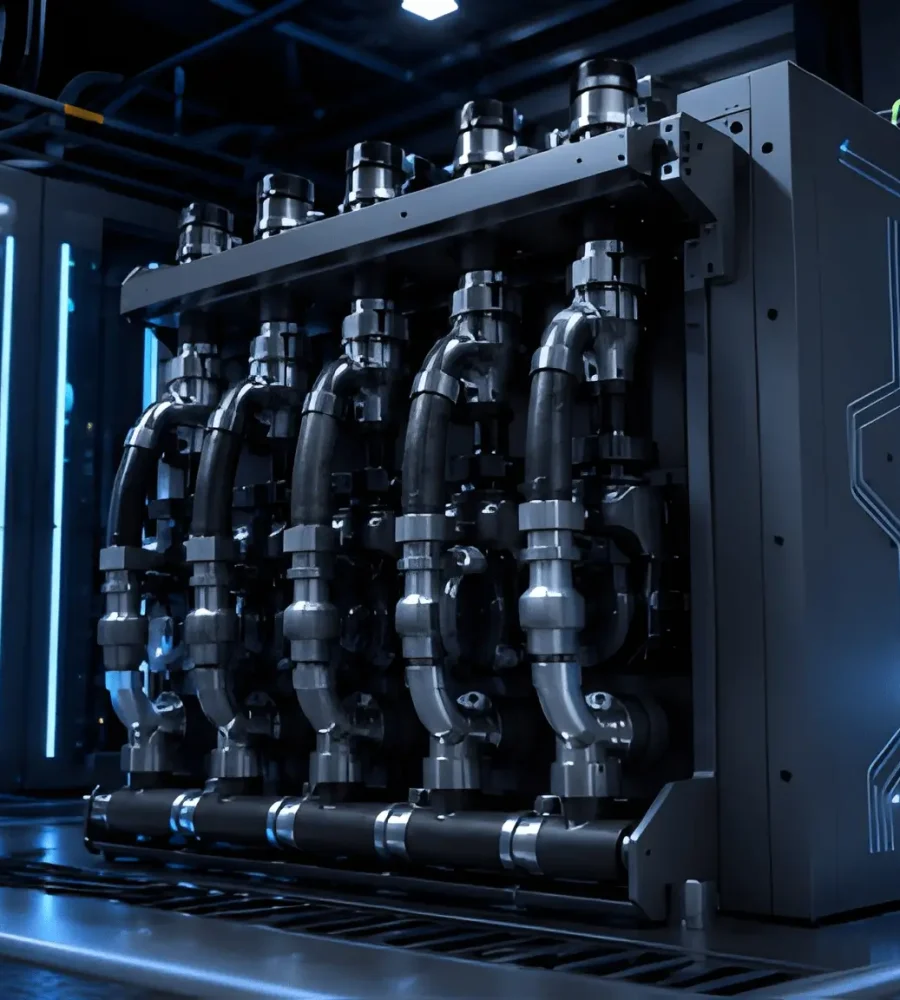
Liquid cooling encompasses a range of approaches, including direct-to-chip systems, rear-door heat exchangers, and immersion technologies. Each method offers different advantages depending on workload requirements and facility design. Interest in these solutions is growing because they can support power densities that exceed the practical limits of many air-cooled environments. As AI deployments continue expanding, liquid cooling is moving from specialized use cases toward broader adoption. The trend reflects the changing thermal requirements of modern computing infrastructure.
The transition also creates opportunities throughout the supply chain. Equipment manufacturers, component suppliers, facility designers, and service providers are all adapting to support new cooling architectures. These developments are reshaping parts of the infrastructure ecosystem that historically evolved more gradually. Cooling is emerging as a technology layer with direct implications for performance, efficiency, and scalability. Its importance is likely to increase as AI systems become more powerful. The future AI data center stack will depend heavily on advances in thermal management.
Cooling as a Performance Layer
Traditionally, cooling systems were often evaluated primarily through the lens of reliability and efficiency. AI is expanding that perspective by linking cooling performance directly to computational outcomes. The ability to remove heat effectively influences how much computing power can be deployed within a facility. Thermal management therefore affects both infrastructure economics and workload performance. This connection is encouraging operators to integrate cooling considerations more closely into overall infrastructure planning.
The evolution of cooling illustrates a broader theme across the AI data center stack. Technologies once considered supporting infrastructure are becoming strategic enablers of growth. Power systems, cooling architectures, and operational software all contribute directly to infrastructure performance. Understanding these relationships is increasingly important as AI deployments scale. The future of computing depends not only on advances in processors but also on improvements across the broader infrastructure ecosystem.
The Future AI Data Center Stack
From Individual Components to Integrated Systems
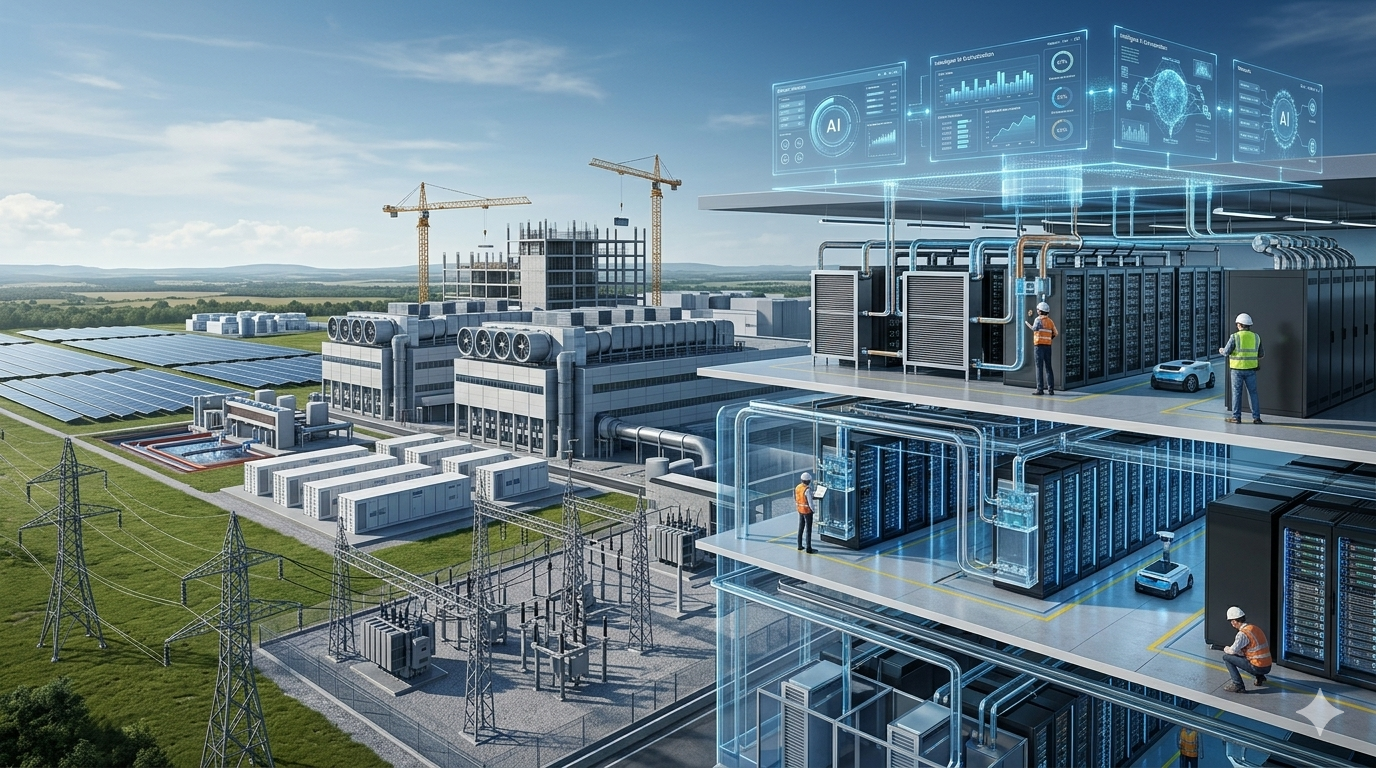
The AI infrastructure landscape is evolving toward greater integration across multiple layers of the stack. Success increasingly depends on how effectively power systems, grid infrastructure, software platforms, construction processes, and cooling technologies work together. Individual components remain important, but competitive advantages are increasingly emerging from system-level optimization. Organizations are recognizing that infrastructure challenges rarely exist in isolation. Addressing one bottleneck often requires coordination across several layers simultaneously. This reality is shaping how operators plan, build, and manage future facilities.
The concept of the AI data center stack provides a useful framework for understanding these dynamics. Each layer contributes to overall performance, and weaknesses in any area can affect the entire system. The growing complexity of AI deployments makes integrated thinking increasingly valuable. Infrastructure strategy is expanding beyond traditional technology considerations into areas such as energy, construction, and industrial systems. This convergence is likely to define the next phase of AI infrastructure development.
Conclusion
The AI boom is creating one of the most significant infrastructure buildouts in modern technology history. While public attention often focuses on models, chips, and software applications, the foundations supporting those systems are becoming equally important. Power generation, transmission infrastructure, software orchestration, construction capabilities, workforce development, and cooling technologies all play critical roles in enabling future growth. The ability to scale AI depends on far more than computing hardware alone.
The AI data center stack highlights how interconnected modern infrastructure has become. Every layer influences deployment timelines, operational performance, and long-term scalability. Organizations seeking to understand the future of AI must therefore look beyond processors and consider the broader systems that make large-scale computing possible. As demand continues to grow, opportunities will emerge across each layer of the stack. The next phase of AI development will be shaped as much by infrastructure innovation as by advances in algorithms and hardware.