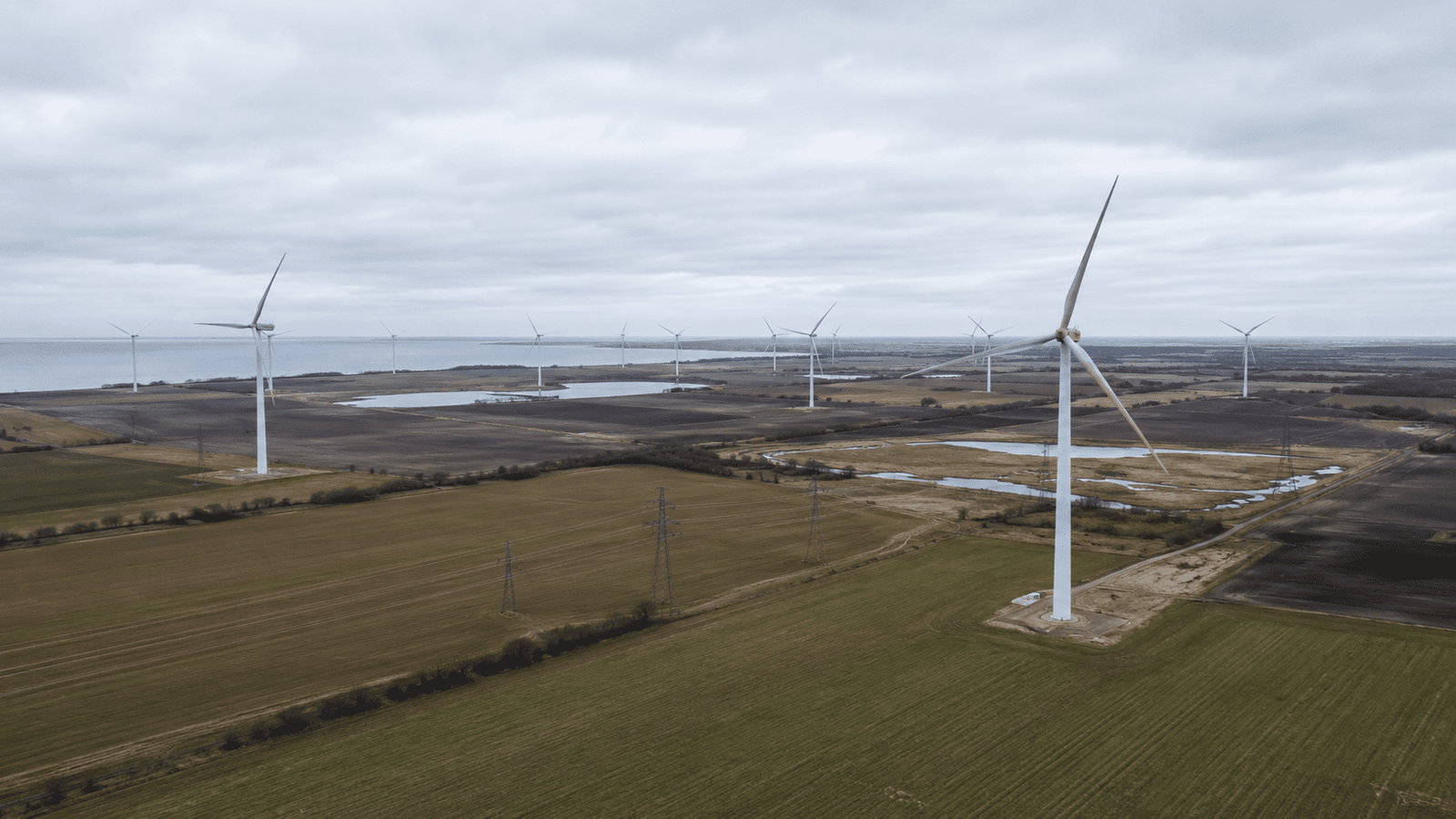
Energinet, Denmark’s state-owned grid operator, paused all new grid connection agreements in March. Total requests at that point had reached 60 gigawatts. The queue was, in other words, nearly nine times that. Denmark’s peak electricity demand is roughly 7 gigawatts. Data centers were the proximate cause, and the freeze applied to all new large-scale connections, not only them.
Energinet has not lifted the pause. Denmark had approximately 398 megawatts of installed data center capacity at the start of 2026. An additional 208 megawatts was under construction. Microsoft alone has committed $3 billion to Danish data center construction between 2023 and 2027. Apple operates a facility in Viborg. Google has been vocal about the consequences. Its global director of data center public affairs warned that moratorium uncertainty triggers an immediate pivot to other markets.
Why 60 GW in a Country With 7 GW of Demand
The 60-gigawatt queue reflects a global dynamic playing out in a small country. Developers and hyperscalers submit interconnection requests as early-stage planning tools, not confirmed construction commitments. Speculative volume is, consequently, high. Denmark’s status as a renewable energy leader, with some of the cheapest clean electricity in Europe, made it a natural destination for data center announcements. Requests accumulated faster than Energinet’s planning processes could accommodate. The gap between submitted capacity and what the grid could actually support became untenable.
Europe’s total data center investment is projected to reach €176 billion between 2026 and 2031. The European Commission’s own analysis warns that future capacity growth will be constrained primarily by grid readiness rather than capital access. Denmark is, in other words, the first country to make that constraint visible in a formal and public way. As we have covered in our analysis of how Europe’s data center capacity crisis became a regulatory problem, the regulatory environment for large-scale data center development across the continent is tightening faster than the industry anticipated.
What Comes Next
Energinet is working on a prioritisation framework to assess which queued projects are most viable and should receive connection agreements first. That process is, however, complex. Assessing criteria like project readiness, economic contribution, and energy efficiency takes time. Google’s warning about redirecting investment is, consequently, a real signal rather than a negotiating position. Clean power, political stability, and fibre connectivity cannot compensate indefinitely for an indefinite connection freeze.
The Danish situation is already drawing attention from regulators and grid operators across the Nordic region and beyond. As we have covered in our analysis of the grid queue economy and why waiting is the new cost of compute, the interconnection queue has become one of the most consequential strategic variables in AI infrastructure development. Denmark has, specifically, demonstrated what happens when that queue grows without a management framework. Other countries are, in turn, already watching.