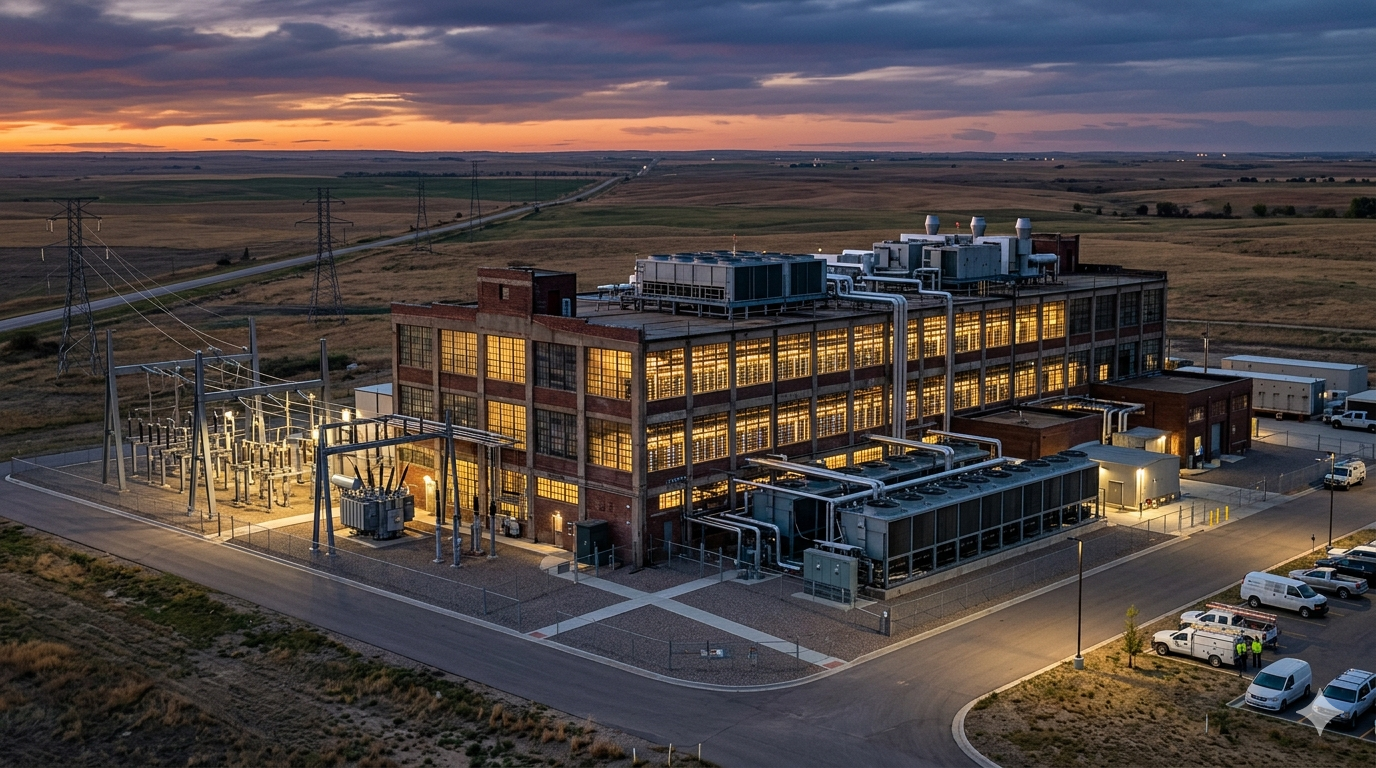
The narrative around AI infrastructure capacity has focused almost entirely on hyperscalers and the neoclouds that emerged to compete with them. Amazon, Google, Microsoft, and Meta are building at a pace and scale that commands attention. CoreWeave, Lambda, and their peers have attracted billions in capital on the premise that independent GPU cloud operators can serve demand that hyperscalers cannot accommodate fast enough. Both of these stories are real and consequential. The story that has received a fraction of the analytical attention it deserves is the transformation of the bitcoin mining sector into one of the most significant new sources of AI data center capacity in the United States.
How the Bitcoin Mining Model Broke
The publicly listed bitcoin miners that survived the 2022 crypto winter, the 2024 halving, and the subsequent collapse in mining economics have collectively signed over $70 billion in AI and high-performance computing contracts, according to CoinShares’ Q1 2026 analysis. They have done it by converting the one asset that the AI infrastructure buildout most desperately needs and cannot quickly create: permitted, energised, operational power capacity at scale.
The April 2024 halving cut the bitcoin block reward from 6.25 to 3.125 BTC, reducing guaranteed mining revenue by half overnight. Average production costs per bitcoin reached approximately $79,995 in Q4 2025 while bitcoin traded between $68,000 and $75,000 during the same period, creating a structural loss position that made the economics of pure bitcoin mining untenable for operators who had built their businesses on revenue assumptions that the halving permanently invalidated. The miners who had already identified the AI infrastructure opportunity and positioned their power assets accordingly were prepared for this moment.
The Shift Toward AI Hosting
Miners that had not identified the AI infrastructure opportunity earlier were forced into rapid pivots under financial pressure, selling bitcoin treasury holdings to fund infrastructure conversion and signing AI hosting contracts at terms that reflected their urgency. Publicly listed miners sold more than 15,000 BTC in the first quarter of 2026 alone to fund the capital-intensive transition from ASIC mining hardware to liquid-cooled GPU infrastructure.
The Four Operators Who Are Defining the Pivot
The bitcoin miner AI infrastructure pivot is not a uniform story. It is a story of differentiated execution across a sector where the operators who moved earliest, positioned their power assets most strategically, and signed the most commercially sophisticated hyperscaler agreements are pulling far ahead of those who pivoted later or under worse conditions. Four operators define the leading edge of the transformation.
Core Scientific’s Transformation Into an AI Infrastructure Leader
Core Scientific is the largest and most commercially advanced of the pivoted miners. The company emerged from bankruptcy in January 2024 and immediately began repositioning its 590 megawatts of critical IT load capacity toward AI colocation. Its expanded partnership with CoreWeave is worth approximately $10.2 billion over 12 years across six sites, making it the largest single AI hosting contract signed by any independent data center operator. By early 2026, Core Scientific had become the dominant AI colocation provider among independent operators, rejected a $9 billion buyout offer to maintain its independence, and reported that 39% of its total revenue derived from AI colocation rather than bitcoin mining.
Lisa Su at AMD has publicly cited Core Scientific’s infrastructure as a reference deployment for MI300 series GPU clusters at scale. The company’s trajectory from bankruptcy to AI infrastructure dominance in under 24 months is one of the more remarkable corporate transformations in the current technology cycle.
Hut 8’s Multi-Site Expansion Strategy
Hut 8 has built its AI infrastructure position through a dual-track strategy combining hyperscaler partnerships with proprietary GPU-as-a-Service offerings. Its $7 billion, 15-year lease at its River Bend campus in Louisiana is anchored by Fluidstack as the operator and Google as the backing capital provider, with Anthropic as the workload customer for the initial deployment. Additionally, the May 6 announcement of a $9.8 billion lease for a 352-megawatt AI data center project at its Beacon Point campus in Texas extends Hut 8’s contracted pipeline to nearly $20 billion across two sites. The company has simultaneously built an 8.5 gigawatt development pipeline across sites in various stages of planning and construction, positioning it as one of the most ambitious independent AI infrastructure developers in North America.
As covered in our analysis of the time-to-power crisis as AI’s hidden scaling ceiling, the ability to offer energised and permitted power capacity on commercially viable timelines is the scarcest input in the AI infrastructure buildout. Hut 8’s existing power positions across multiple US markets give it a structural advantage that new entrants cannot replicate on any near-term timeline.
TeraWulf and IREN: The Pure-Play Positioning
TeraWulf and IREN represent the purest expressions of the bitcoin miner AI pivot thesis. It has secured high-performance computing contracts valued at $12.8 billion, with 27% of its most recent quarterly revenue deriving from HPC leasing operations rather than bitcoin mining. The company is positioned as a nuclear-powered AI infrastructure operator, leveraging its access to carbon-free baseload power from the Nautilus facility co-located at the Nine Mile Point nuclear plant in New York to differentiate its AI hosting offering on sustainability grounds. For enterprise AI customers with aggressive Scope 2 emissions targets, TeraWulf’s nuclear-powered GPU infrastructure offers a combination of cost, reliability, and sustainability that few competitors can match.
IREN’s trajectory has been the most aggressive in the sector. The company signed a $9.7 billion, five-year contract with Microsoft in November 2025 to supply 200 megawatts of liquid-cooled GPU infrastructure at its Childress, Texas campus, projecting $1.94 billion in annualised run-rate revenue once fully deployed. IREN holds zero bitcoin in treasury as a deliberate statement of strategic direction, having made the decision early to treat AI infrastructure as its primary business rather than a complement to bitcoin mining. The Nvidia strategic partnership announced May 7, granting Nvidia a five-year warrant to invest up to $2.1 billion in IREN stock at $70 per share, represents the most significant commercial endorsement any pivoted miner has received from a hardware supplier. That warrant is not simply a supply agreement. It is Nvidia’s financial interest in IREN’s success as a deployer of Nvidia DSX-aligned AI factory infrastructure at gigawatt scale.
Why Power Infrastructure Is the Decisive Asset
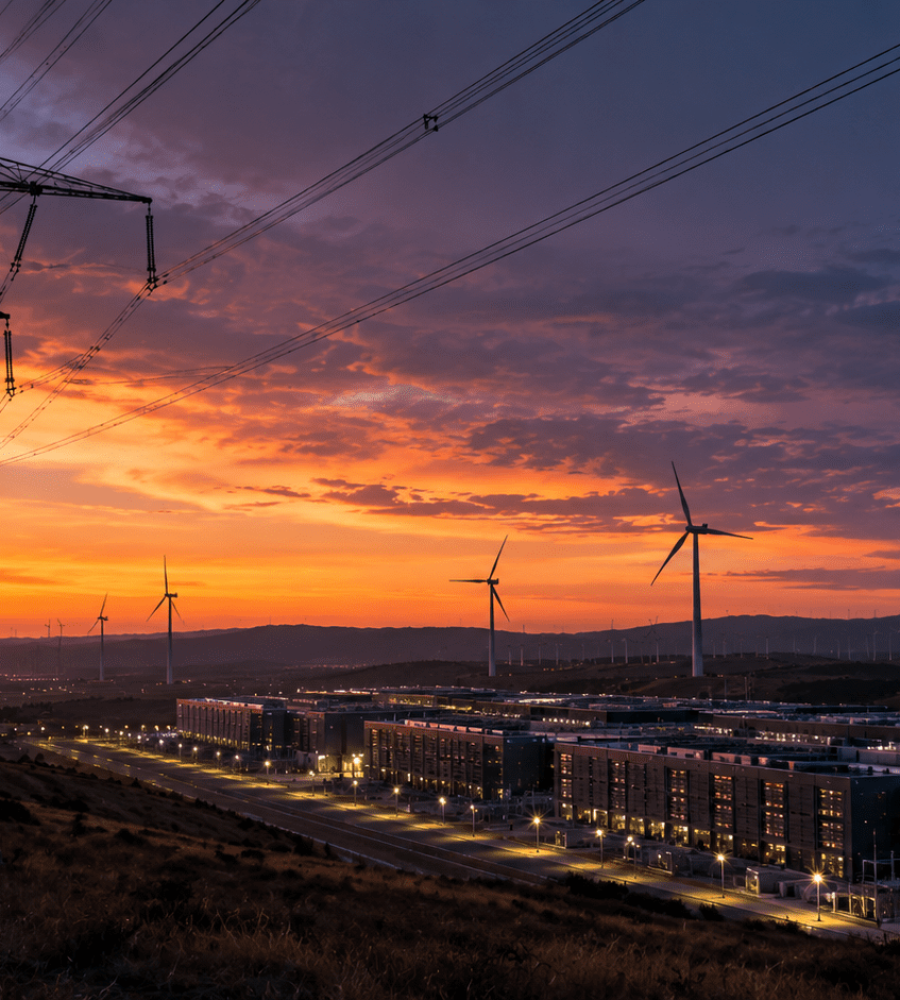
The bitcoin miner AI infrastructure pivot is not accidental. It is the logical consequence of a structural alignment between what the AI data center buildout most urgently needs and what bitcoin miners uniquely possess. The AI infrastructure buildout is constrained primarily by access to energised, permitted power capacity at scale. Hyperscalers, neoclouds, and independent developers all face grid connection queues averaging seven to ten years in primary US markets, transformer lead times of three to five years, and permitting timelines that add further delay to every new development.
Bitcoin miners bypassed all of these constraints years ago when they built their original mining operations. They have permitted sites with operational grid connections. Many already include high-capacity electrical infrastructure designed for continuous, intensive loads. Existing cooling systems are also in place, though most require significant upgrades to support liquid-cooled GPU workloads. And they have operational experience running large electrical facilities that reduces the commissioning risk of new AI deployments compared to purpose-built campuses managed by teams without that background.
The Timeline Advantage That Changes the Market
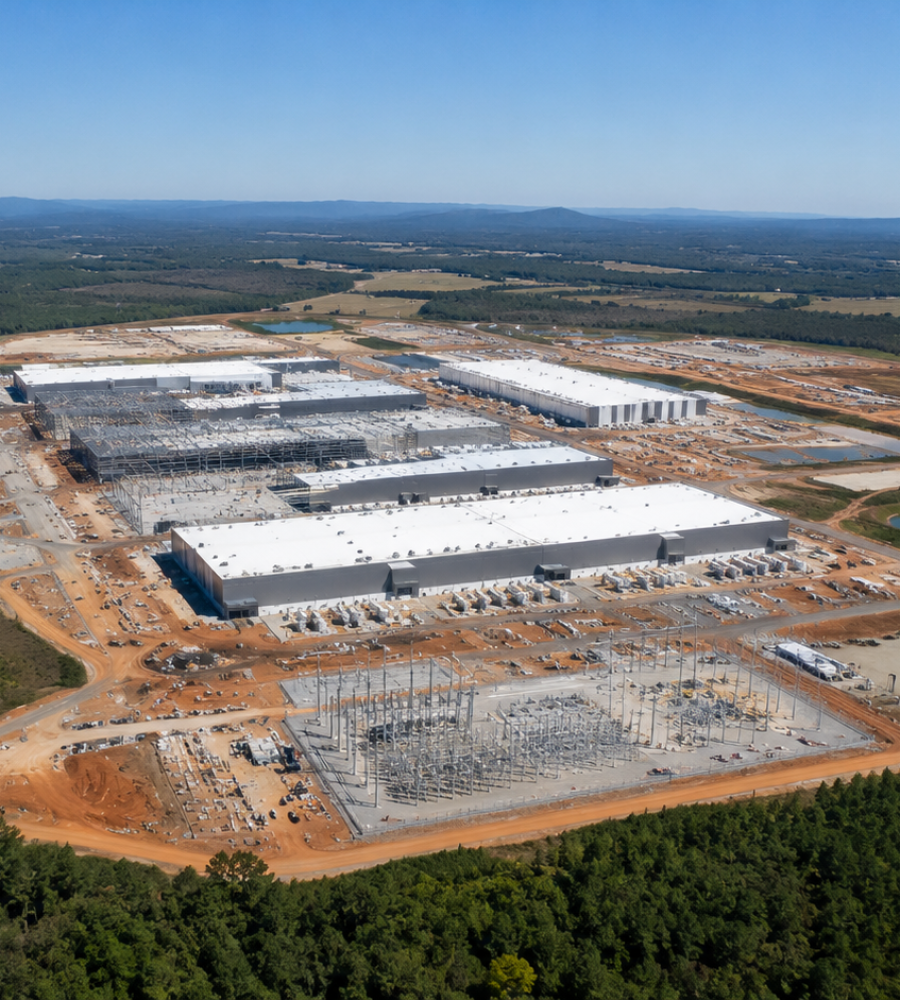
The power capacity advantage is quantified in the development pipelines that pivoted miners are building. Hut 8’s 8.5 gigawatt pipeline, IREN’s 4.5 gigawatt pipeline, and Core Scientific’s expansion across six existing sites collectively represent power capacity that has already cleared the permitting and grid connection hurdles that are blocking billions of dollars of new AI infrastructure investment from reaching construction. An AI data center developer who identifies a greenfield site today and begins the permitting and grid connection process faces a timeline measured in years before any GPU can be installed. A pivoted miner who already holds the power position can begin GPU infrastructure installation within months of signing a hosting contract. That timeline advantage is commercially decisive in a market where hyperscalers and frontier AI developers are willing to pay significant premiums for capacity that can be delivered on compressed timelines.
The Facility Conversion Challenge
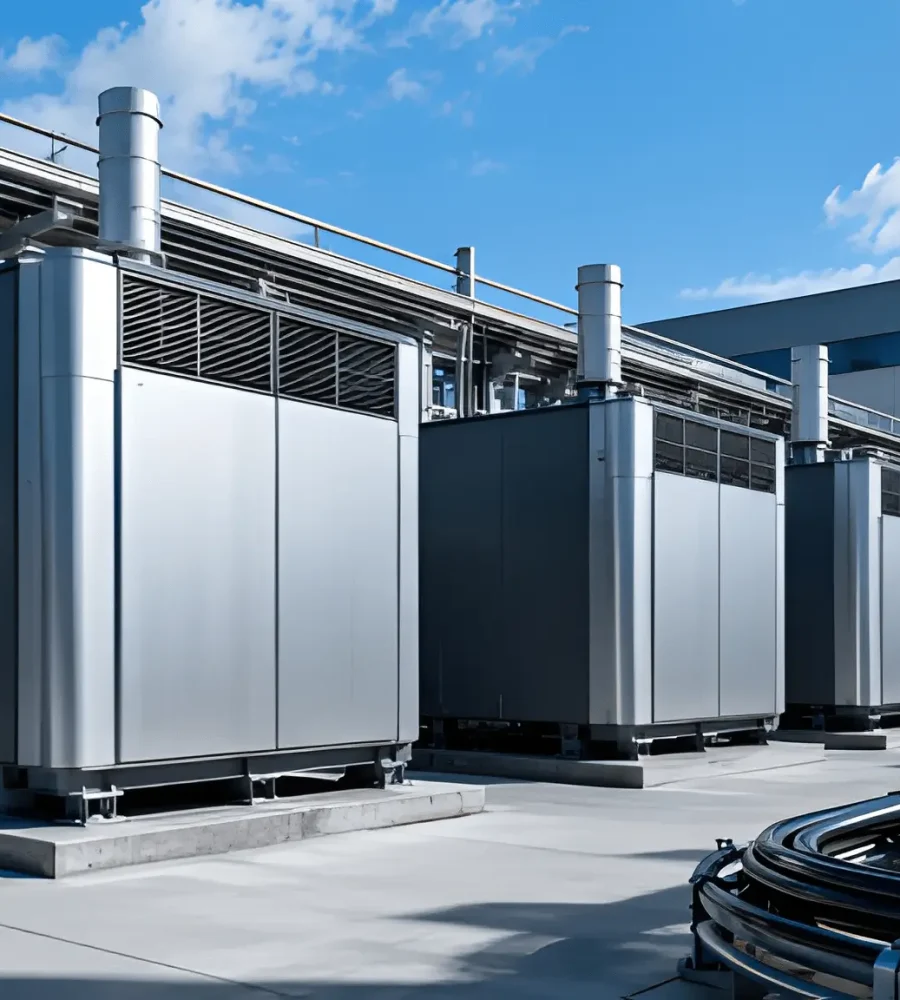
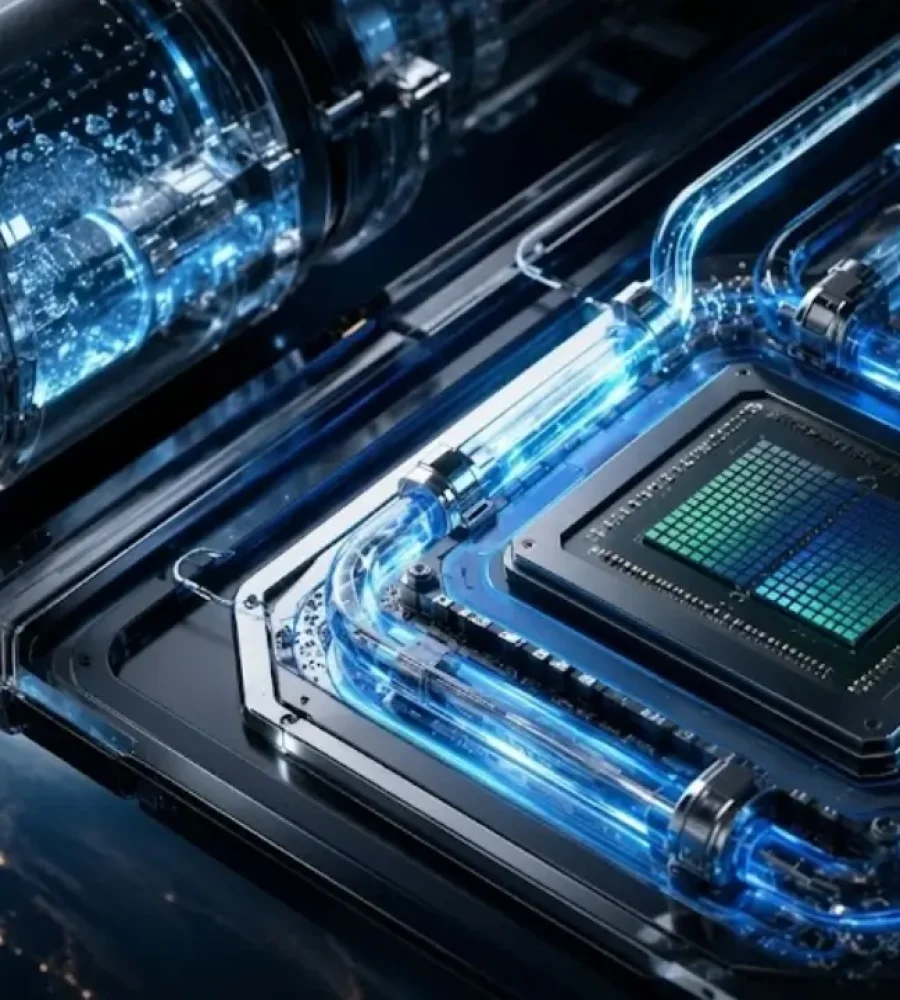
The power infrastructure advantage of bitcoin miners does not eliminate the challenges of converting mining facilities into AI-grade data centers. The conversion is capital-intensive, technically complex, and operationally demanding in ways that the headline contract values and development pipeline figures do not fully convey. Bitcoin mining facilities were designed around ASIC hardware with power densities of 3 to 5 kilowatts per rack and air cooling infrastructure sized for that density. GPU clusters for AI workloads operate at 40 to 140 kilowatts per rack and increasingly require direct liquid cooling infrastructure that mining facilities were not built to accommodate. The structural, mechanical, and electrical upgrades required to convert a mining facility into an AI-grade GPU colocation environment can represent 30 to 50% of the total facility value, financed through a combination of equity raises, debt, and hyperscaler advance payments that the contract economics need to support.
The operational standards for AI hosting are also materially different from bitcoin mining. AI workloads require near-continuous uptime, low latency, and predictable thermal management in ways that bitcoin mining, which can tolerate temporary curtailment during periods of peak electricity pricing, does not. An operator who managed a mining facility on a curtailment-optimised basis must develop entirely different operational disciplines for AI hosting, where a cooling failure or power interruption that forces a GPU cluster offline mid-training run creates contractual liability rather than simply lost mining revenue. The operators who are navigating this transition successfully are investing heavily in operational infrastructure, including monitoring systems, redundancy, and staffing, that mining operations did not require. The operators who are not making those investments are signing contracts that their facilities may not be able to honour at the reliability standards that AI customers expect.
The Financial Transformation That Follows the Operational Pivot
The financial profile of pivoted bitcoin miners is changing in ways that are reshaping how equity markets value the sector and how debt markets finance its expansion. Equity markets value a pure bitcoin miner primarily on its hashrate, its energy costs, and its treasury of bitcoin holdings relative to the current bitcoin price. By contrast, markets value a pivoted AI infrastructure operator on its contracted revenue, its power pipeline, its facility conversion progress, and its relationships with hyperscaler and AI developer customers. These are fundamentally different valuation frameworks, and the migration from one to the other is creating significant volatility in the stock prices of operators at various stages of the transition.
Why Markets Are Repricing the Sector
CoinShares projects that publicly listed bitcoin miners could derive up to 70% of their revenues from AI and high-performance computing by December 2026, up from approximately 30% today. Core Scientific is already at 39%. TeraWulf is at 27%. IREN is at 9% and scaling rapidly. The revenue mix shift is producing margin profiles that are more stable and more predictable than bitcoin mining revenue, which fluctuates with the bitcoin price and the network hashrate in ways that make financial planning difficult. AI hosting margins for the leading operators are running above 25%, with contracted revenue providing multi-year visibility that mining revenue never offered. The debt markets are responding to this shift. AI infrastructure-backed debt is available at lower rates than mining-backed debt because the contracted cash flows from AI hosting agreements provide more reliable debt service coverage than the variable revenue of bitcoin mining.
As covered in our analysis of the AI data center lease frameworks that were not written for AI workloads, the commercial structures governing AI infrastructure hosting are still evolving and will affect the financial terms available to pivoted miners over the next two to three years.
The CoreWeave Origin Story and What It Proves
The most important data point for understanding the bitcoin miner AI pivot is not the $70 billion in current contracts. It is the CoreWeave origin story. CoreWeave was founded in 2017 as an Ethereum mining operation in New Jersey. It pivoted to GPU cloud computing in 2019, first for 3D rendering and machine learning workloads, then progressively toward AI infrastructure as demand accelerated. By 2024 it had become the most commercially successful independent GPU cloud operator in the world, completing an IPO that valued it at over $19 billion and securing Microsoft as a customer for over $10 billion in contracted revenue. CoreWeave is the proof of concept for the bitcoin miner AI pivot thesis: a company that began as a cryptocurrency miner, converted its GPU infrastructure to AI workloads, and became one of the defining companies of the AI infrastructure era.
CoreWeave’s trajectory is instructive not just as a success story but as a map of the challenges that current pivoted miners are navigating. The company spent five years developing the operational expertise, software stack, and customer relationships needed to serve enterprise AI customers at scale before it achieved the commercial momentum that made its IPO possible. The miners who are signing $10 billion contracts today are attempting to compress that five-year development timeline into 18 to 24 months, driven by hyperscaler demand that creates a commercial urgency that CoreWeave did not face in its early years. Whether that compression is achievable at the operational quality standards that AI customers require is the central uncertainty of the pivot thesis.
The Operators Who Are Not Making It
The bitcoin miner AI pivot story has a shadow side that the headline contract values and development pipeline announcements tend to obscure. Not every operator that has announced an AI pivot is successfully executing one. Marathon Digital Holdings, now rebranded as MARA Holdings, has struggled to match the pace of its peers despite being one of the largest bitcoin miners by hashrate. The company has taken a stake in the Exaion AI computing platform and announced AI-oriented initiatives, but its AI revenue as a percentage of total revenue remains well below the levels achieved by Core Scientific, TeraWulf, and IREN. Riot Platforms has focused primarily on maintaining and expanding its bitcoin mining operations while exploring AI hosting opportunities at the margins of its existing facilities, without committing to the wholesale strategic reorientation that defines the leading pivoted operators.
The divergence between operators who are successfully executing AI pivots and those who are not is creating a bifurcation within the former mining sector that will become more pronounced over the next 12 to 18 months. Operators with existing hyperscaler relationships, high-quality power positions in markets where AI customers want to be, and management teams with operational experience in enterprise infrastructure hosting will continue to attract the long-term contracts and equity capital that fund expansion. Operators without those attributes will face increasing difficulty competing for AI hosting contracts against better-positioned rivals who have already established track records with demanding hyperscaler and AI developer customers. The $70 billion in aggregate contracts does not represent a uniform opportunity. It represents the results of a competitive selection process that has already identified the winners.
The Investor Perspective on the Pivot
The equity market response to the bitcoin miner AI pivot has been dramatic but uneven, reflecting the genuine uncertainty about which operators will successfully execute their infrastructure conversions at the quality and scale their contracts require. Core Scientific’s stock price appreciated significantly after its CoreWeave partnership announcements, as investors assigned a premium valuation to its contracted AI revenue stream relative to its historical mining valuation. IREN’s stock has similarly reflected enthusiasm for its Microsoft partnership and Nvidia warrant, with market participants treating the equity warrant as a signal of strategic validation that extends beyond its financial value. Hut 8 and TeraWulf have also seen re-ratings as their AI revenue percentages have risen and their hyperscaler partnerships have been confirmed.
The investor challenge in evaluating the pivot thesis is separating the operators who have genuinely transformed their businesses from those who have rebranded their mining operations with AI-oriented language without making the fundamental operational and infrastructure investments that AI hosting requires. The financial metrics that distinguish genuine pivots from superficial ones include AI colocation revenue as a percentage of total revenue, the identity and credit quality of AI hosting customers, the power density and cooling infrastructure specifications of converted facilities, and management commentary on operational uptime and customer satisfaction. Investors who rely on announced contract values without examining these underlying operational indicators risk investing in companies whose AI pivot announcements outrun their AI pivot execution.
The sector has enough genuine success stories that the investment thesis is sound. It also has enough optimistic announcements from less well-positioned operators that discrimination between the two requires more operational due diligence than the headline numbers provide.
The Debt Market’s Evolving View
The debt market’s evolving view of pivoted bitcoin miners reflects the same discrimination challenge. Mining-backed debt has historically priced at significant premiums to investment-grade infrastructure debt because bitcoin mining revenue is variable, the asset base depreciates rapidly, and the regulatory environment for cryptocurrency operations creates additional uncertainty. AI infrastructure-backed debt from operators with long-term hyperscaler contracts is structurally similar to data center REIT debt, which prices at much tighter spreads because the cash flows are contracted, the counterparties are investment-grade, and the infrastructure appreciates in strategic value over time.
The debt markets are beginning to price pivoted miners closer to the data center REIT model as their AI revenue percentages rise and their contracted cash flow coverage ratios improve. Core Scientific’s post-bankruptcy capital structure has attracted investment-grade-oriented institutional lenders who would not have participated in its pre-bankruptcy financing. IREN’s Microsoft contract, with its credit quality and multi-year duration, has given the company access to project finance structures that bitcoin mining operations cannot support. However, lenders remain cautious about operators whose AI pivot remains incomplete, particularly when contracted revenue depends on facility conversion milestones the operators have not yet achieved. The debt market’s full re-rating of pivoted miners toward data center REIT pricing will take 18 to 24 months of demonstrated operational delivery, and the operators who deliver cleanly on their current contracts will access that re-rating first.
What the Pivot Means for the Broader AI Infrastructure Market
The bitcoin miner pivot to AI infrastructure has implications that extend beyond the sector itself. The $70 billion in contracted AI and HPC revenue across publicly listed miners represents a supply of AI compute capacity that no mainstream forecast of the AI infrastructure market included twelve months ago. Operators built that capacity for bitcoin mining on timelines that predate the current AI infrastructure surge, allowing it to bypass the grid connection queues, transformer lead times, and permitting timelines constraining the rest of the market. That capacity is entering the AI compute market at a moment when demand is growing faster than the rest of the supply chain can respond, providing a meaningful pressure release on the supply-demand imbalance driving hyperscaler capex to record levels.
The Operators Best Positioned to Benefit
The quality of that capacity is not uniform. The best-positioned operators, Core Scientific, Hut 8, TeraWulf, and IREN, have completed or are completing the facility upgrades, operational investments, and hyperscaler relationship development needed to deliver AI hosting at enterprise-grade standards. The less well-positioned operators are signing contracts that their facilities and operations may not be ready to honour at the standards AI customers require, creating execution risk that will become visible over the next 12 to 18 months as those contracts ramp toward full deployment. The AI infrastructure market is absorbing the bitcoin miner pivot enthusiastically because it provides capacity on timelines that no alternative can match. The market will assess the quality of that capacity more rigorously as the hyperscaler customers who signed multi-year hosting contracts discover which operators can actually deliver what the contracts promise.
As covered in our analysis of the GPU-as-a-service neocloud business model evolution, the independent AI infrastructure operators who build durable competitive positions will be those whose operational capabilities match their contracted commitments. The bitcoin miner pivot has created a significant new cohort of such operators. Whether all of them deliver on their commitments is the question the next 18 months will answer. The answer will determine not just which miners succeed but how much AI infrastructure capacity actually materialises from the most underrated supply story in the current buildout cycle.