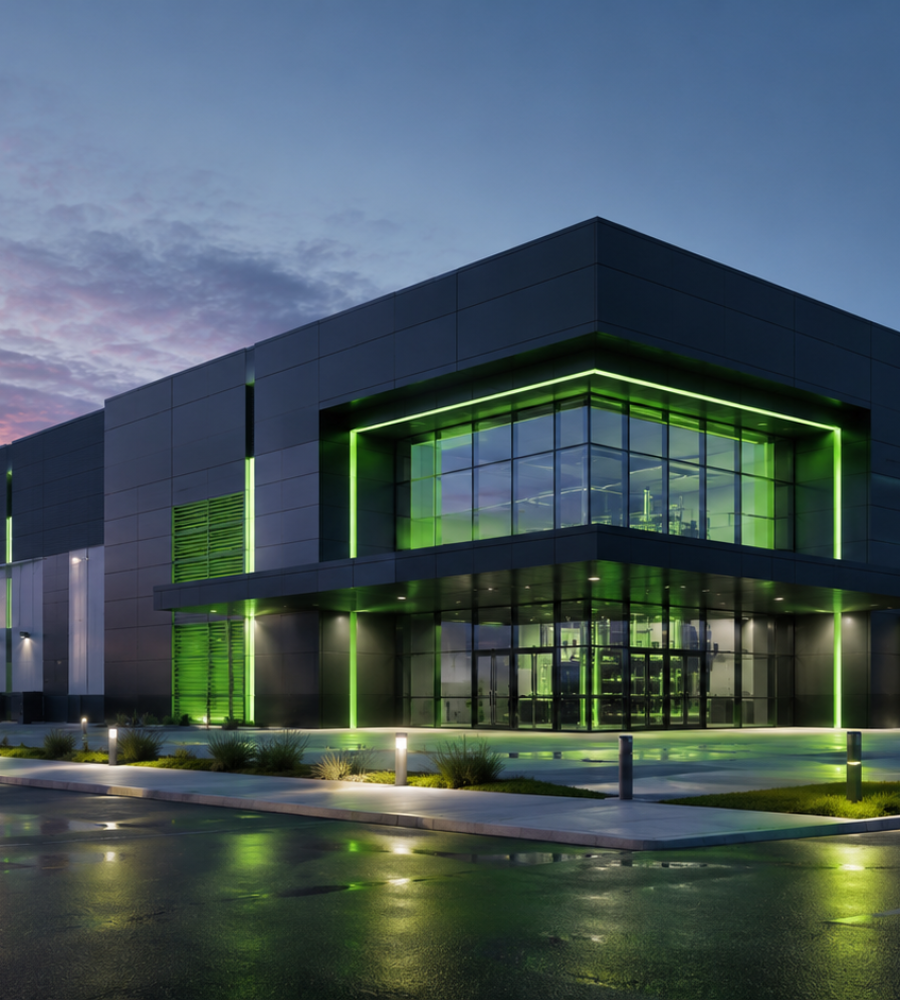
The European data center market has entered a new phase where speed alone no longer defines competitive advantage. Operators now face a harder challenge: building AI infrastructure that can sustain dense compute loads without creating long-term operational inefficiencies. Against that backdrop, Schneider Electric and GreenScale have partnered to create a reference architecture designed specifically for AI-ready facilities across Europe.
The initiative focuses on new campuses built for artificial intelligence, cloud computing and high-performance computing workloads. However, the partnership extends beyond conventional infrastructure deployment. The companies want to establish a repeatable operating model that integrates automation, predictive maintenance and digital oversight into every layer of facility design from day one.
That distinction matters because Europe’s next generation of AI campuses will operate under far more pressure than traditional enterprise environments. Rack densities continue to rise, cooling systems face heavier thermal demands and power infrastructure must support increasingly volatile compute behavior. As a result, infrastructure operators now prioritize operational visibility as much as raw capacity expansion.
AI Data Centers Shift Toward Software-Led Operations
The collaboration combines Schneider Electric’s Secure Power and Services divisions with GreenScale’s operational experience in software systems, digital twins and data center management. Together, the companies aim to produce a standardized framework that governs how future GreenScale campuses are designed, monitored and maintained across European markets.
At the center of the architecture sits a broader shift taking place inside the infrastructure industry. Data center operators no longer treat cooling, power distribution, maintenance planning and software monitoring as isolated systems. Instead, they increasingly combine those functions into unified operational environments capable of delivering real-time infrastructure intelligence.
The proposed design architecture includes digital twin integration, remote monitoring systems and a unified instrumentation stack connecting physical infrastructure with digital control layers. Schneider Electric and GreenScale believe this integrated model will support high-density AI clusters while preserving uptime, efficiency and operational resilience.
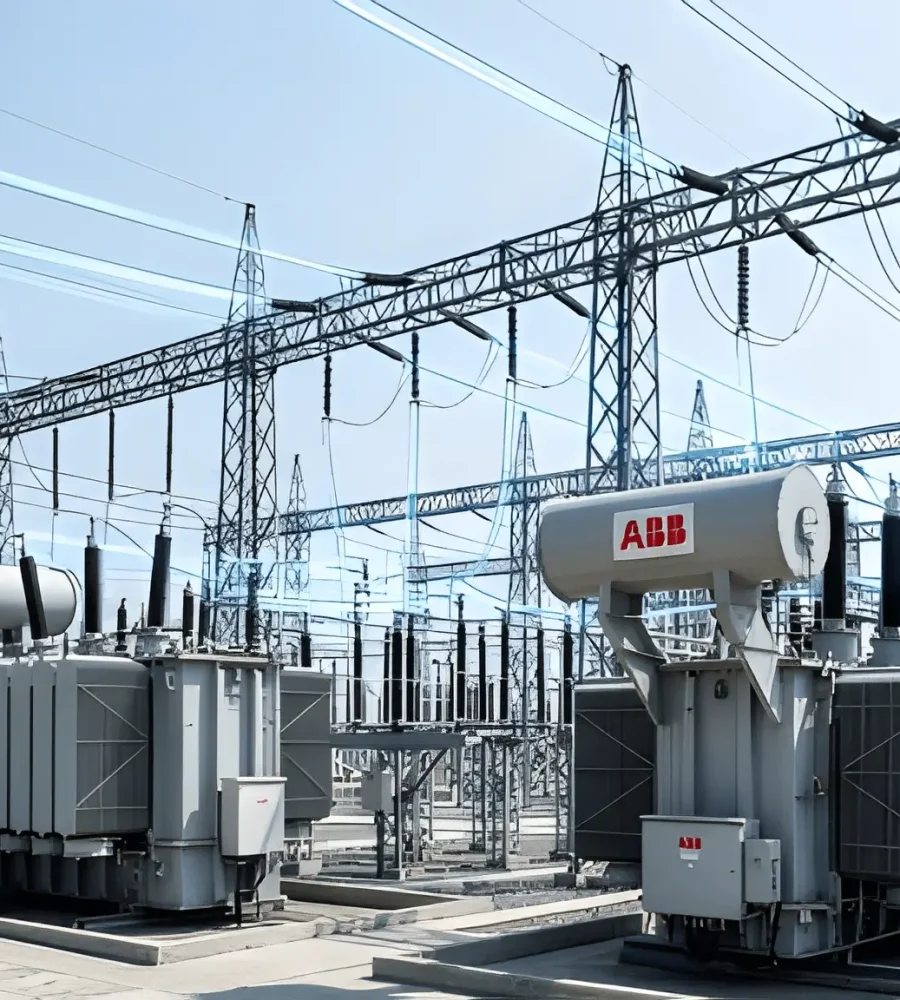
For AI-focused facilities, that integration carries growing importance. Higher-density compute environments place sustained stress on electrical systems and thermal management infrastructure. Early fault detection, condition-based servicing and continuous monitoring therefore become critical operational requirements rather than optional enhancements.
Predictive Maintenance Becomes Core Infrastructure Strategy
The partnership places significant emphasis on automation and predictive maintenance from the beginning of site development. Instead of relying on fixed maintenance schedules, operators will increasingly use operating data and equipment conditions to determine when intervention becomes necessary.
That shift could materially change how hyperscale and AI campuses manage operational risk. Traditional maintenance cycles often create unnecessary service events while still missing emerging equipment failures. Predictive analytics and condition-based maintenance aim to reduce that inefficiency by directing teams toward targeted interventions supported by live infrastructure data.
The companies believe this approach can lower total cost of ownership by improving asset utilization, reducing unnecessary maintenance activity and minimizing long-term operational expenses. Moreover, predictive infrastructure management could help operators reduce human error inside increasingly complex facilities.
Supply chain resilience also plays a strategic role in the partnership. Replacement equipment and specialist support often take longer to reach remote or emerging markets where many next-generation campuses are now under development. Predictive maintenance systems can improve planning accuracy by identifying potential failures earlier and optimizing spare-part logistics before outages occur.
Europe’s Power-Rich Regions Gain Strategic Importance
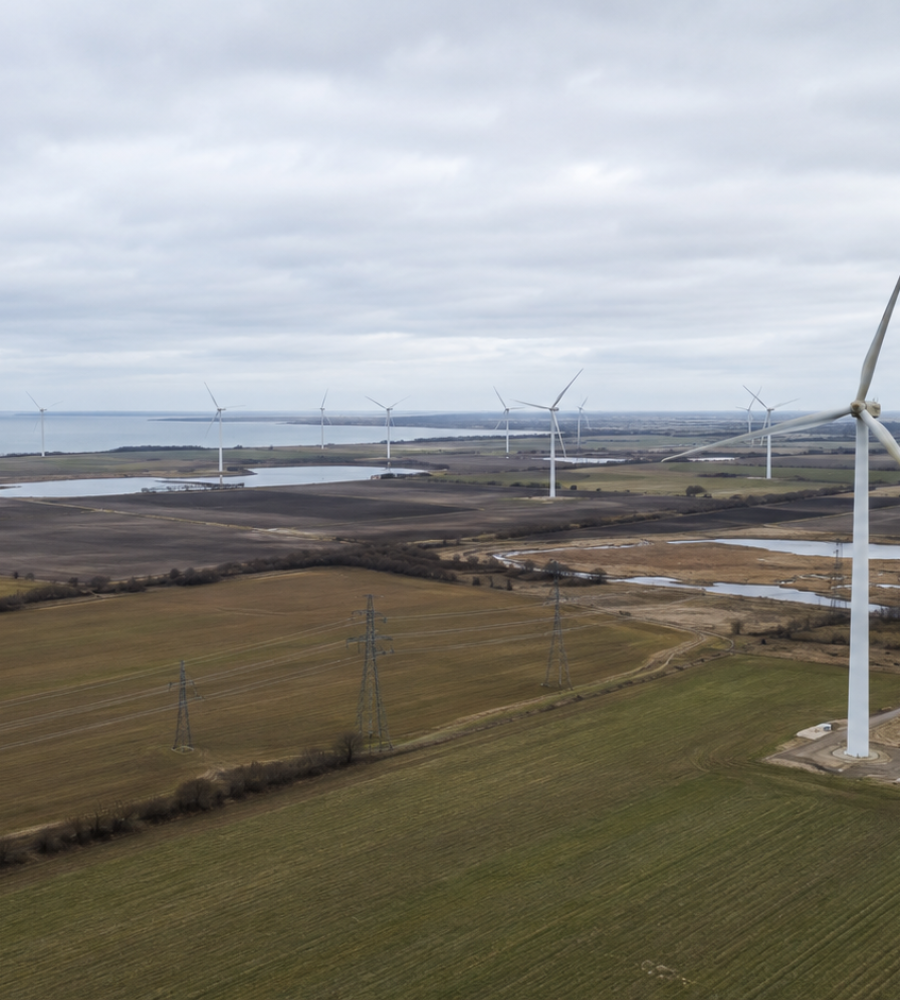
GreenScale continues to position its campuses in power-rich European regions with stronger renewable energy availability and fewer grid bottlenecks than traditional data center hubs. That strategy reflects mounting pressure across established European markets where planning constraints, power shortages and development delays increasingly limit expansion opportunities.
The AI infrastructure boom has intensified those challenges. Operators across Europe now compete for available power capacity while simultaneously facing stricter sustainability expectations and tighter development timelines. Consequently, newer regional markets with renewable energy access have become more attractive for hyperscale and AI-driven expansion.
The Schneider Electric partnership aims to create a standardized deployment blueprint that improves consistency across those campuses regardless of geography. Standardization could help operators accelerate deployment timelines while maintaining predictable operational performance from one facility to another.
Schneider Electric also expects the integration of sensors, remote tracking systems and monitoring platforms to provide operators with immediate operational visibility once sites become active. That capability could prove valuable as AI infrastructure environments grow more dynamic and difficult to manage manually.
AI Infrastructure Design Enters a New Operational Era
The partnership reflects a broader transformation underway across the data center sector. Infrastructure companies increasingly recognize that AI facilities cannot operate efficiently through traditional design philosophies built for lower-density enterprise computing environments.
Daniel Thomas, Chief Executive Officer, GreenScale, said the partnership reflects that shift in demand. “As demand for AI, Cloud and HPC accelerates in Europe, data center operators must rethink how facilities are designed and managed,” said Thomas. “Our work with Schneider Electric demonstrates how advanced data center architectures and digital innovation can unlock new levels of automation, efficiency and resilience, and will set a new standard for intelligent design to benefit our customers.”
Thierry Chamayou, Vice President Cloud and Service Providers, Europe, Schneider Electric, said the work would combine expertise from across the company’s data centre business. “GreenScale’s vision for its European data centers represents a new era in advanced design, where automation, efficiency, and real-time visibility are embedded from day one,” said Chamayou. “By combining expertise from our Secure Power and Services divisions, we are helping to create a resilient, AI-ready infrastructure platform that will operate efficiently even in the most demanding environments.”
The larger implication extends beyond one partnership. Europe’s AI infrastructure race increasingly depends on who can operationalize intelligence inside facilities rather than simply build capacity faster. As AI workloads continue reshaping compute infrastructure economics, predictive operations and software-defined oversight may soon become baseline requirements across the entire data center industry.