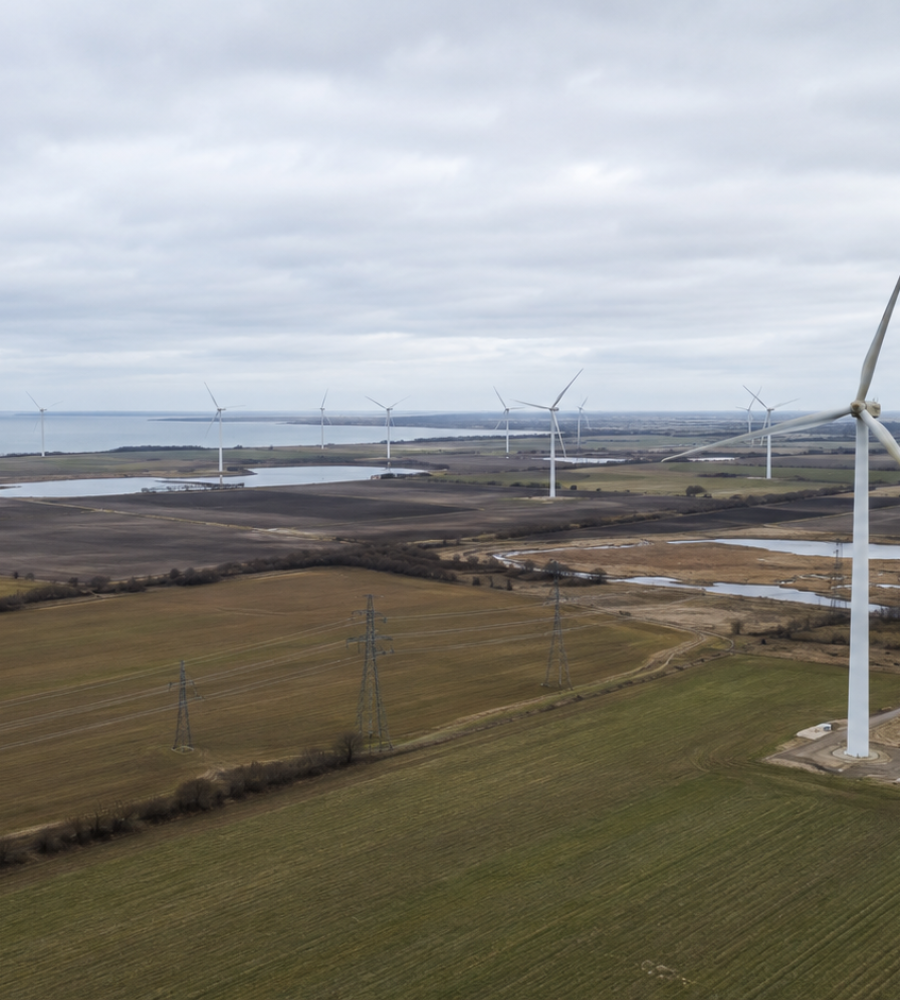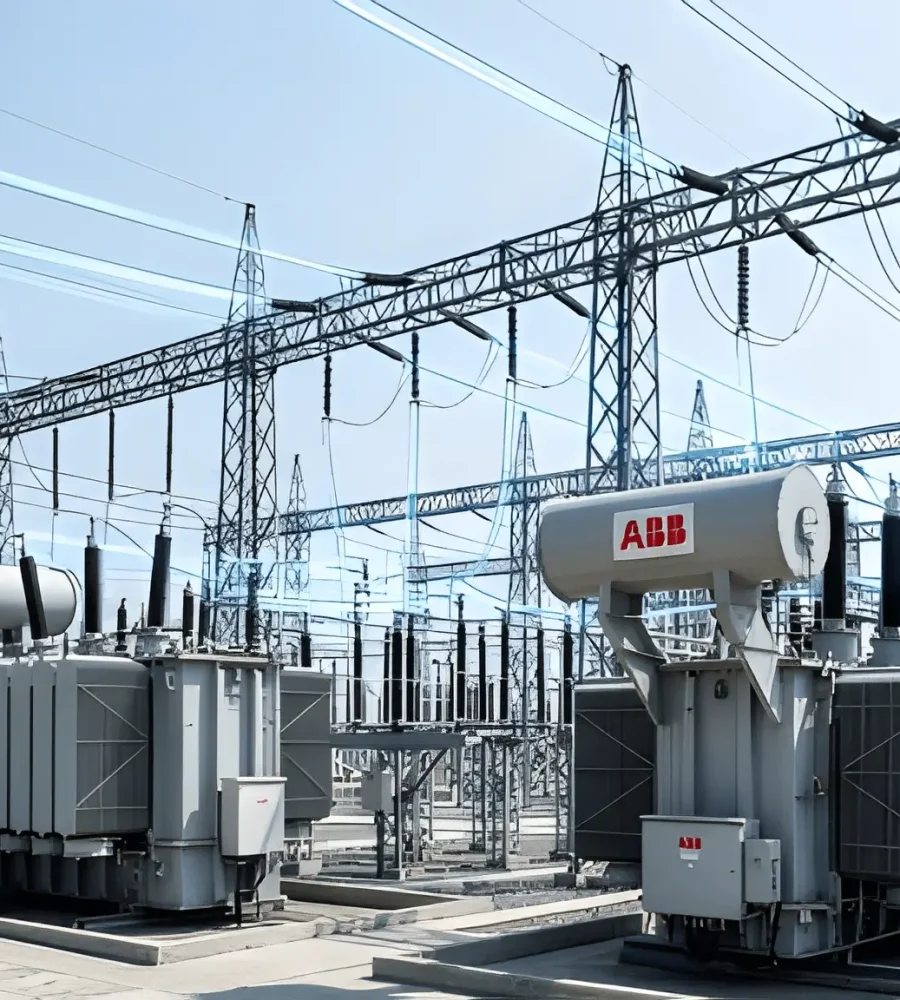

Australia’s energy transition has moved beyond policy ambition into physical reality, where gigawatts of solar capacity now interact directly with grid constraints. The country has crossed a threshold where generation growth no longer defines progress, because delivery capacity has become the limiting factor. Solar installations have scaled rapidly across both utility and distributed segments, creating conditions that legacy infrastructure did not anticipate. Grid systems designed around predictable baseload generation now face variable injection patterns that shift throughout the day. This shift exposes operational stress points that extend beyond engineering into market pricing and reliability frameworks.
The pace of change has forced grid operators to manage conditions that resemble stress testing rather than steady-state operations. Voltage fluctuations, curtailment events, and negative pricing episodes now appear with increasing frequency in high-generation periods. System operators must respond with real-time interventions that were rarely necessary in earlier grid configurations. This evolving environment reveals a structural mismatch between generation capability and transmission readiness. It also highlights the limits of incremental upgrades in systems that require foundational redesign.
Solar Is Outrunning the Grid
Australia’s solar capacity expansion has accelerated through both large-scale projects and rooftop adoption, creating a distributed generation landscape that scales faster than infrastructure planning cycles. Grid networks were originally engineered for centralized generation feeding outward, yet solar introduces reverse flows that challenge those assumptions. Distribution networks now face congestion at nodes that were never designed to handle sustained export volumes. System operators must curtail generation during peak solar hours to maintain stability, even when demand remains moderate. This dynamic reduces the effective utilization of installed renewable capacity despite strong generation potential. Consequently, infrastructure lag has shifted from a theoretical concern to a measurable constraint.
The mismatch between deployment speed and grid readiness reflects structural inertia within infrastructure development processes. Transmission upgrades require regulatory approvals, land access negotiations, and long construction timelines that extend far beyond solar installation cycles. Developers can deploy solar farms within months, while transmission lines often take years to complete. This imbalance creates periods where generation assets operate below capacity due to grid limitations rather than resource availability. Network congestion also introduces localized price distortions that affect market efficiency. These conditions reinforce the need for synchronized planning across generation and infrastructure layers.
Transmission Is the New Bottleneck
Transmission infrastructure has emerged as the critical constraint in scaling renewable energy beyond localized clusters. High-capacity solar generation requires long-distance transport to demand centers, yet existing transmission corridors lack sufficient capacity. Grid congestion forces operators to limit output from renewable plants during peak generation windows. This limitation reduces revenue certainty for developers and complicates investment planning across the sector. Transmission expansion must now account for multi-directional flows rather than linear supply chains. As a result, grid planning has shifted toward network flexibility rather than static capacity expansion.
The scale of required transmission investment reflects the long-term magnitude of renewable integration targets outlined in system planning scenarios. Australia’s energy roadmap includes significant expansion of interconnectors to balance supply across regions with varying generation profiles. However, infrastructure delivery timelines continue to lag behind renewable deployment rates. This gap creates operational inefficiencies that propagate through wholesale electricity markets. Price volatility increases when supply cannot reach demand efficiently due to network constraints. Nevertheless, addressing transmission bottlenecks requires coordinated policy, engineering, and financial alignment across multiple stakeholders.
Intermittency Is Now a Grid Design Problem
Solar generation introduces variability that, under certain operating conditions, can extend beyond simple intermittency into more complex ramping behaviors. Output can change rapidly due to cloud cover, creating fluctuations that require immediate system response. Legacy grids were not designed for such dynamic input conditions, which now demand real-time balancing capabilities. Grid operators must integrate forecasting tools and flexible resources to maintain frequency and voltage stability. This shift transforms intermittency from an operational issue into a structural design challenge. Moreover, it requires a redefinition of reliability metrics in renewable-dominant systems.
Managing variability requires a combination of fast-response assets and predictive modeling. Gas peaker plants historically provided flexibility, but their role now competes with battery systems and demand-side management strategies. Grid operators must coordinate multiple resources to maintain equilibrium during rapid generation changes. This coordination increases system complexity and demands advanced control systems. Market mechanisms must also evolve to incentivize flexibility rather than just capacity. As a result, intermittency has become a defining factor in grid architecture rather than a peripheral concern.
Storage Is Becoming Grid Infrastructure
Battery storage systems have transitioned from experimental deployments to essential components of modern power systems. They provide rapid response capabilities that stabilize frequency and absorb excess generation during peak solar output. Storage enables energy shifting from midday surplus to evening demand peaks, improving overall system efficiency. Grid operators increasingly rely on batteries to manage volatility and maintain reliability under high renewable penetration. This evolution is positioning storage as a critical infrastructure component rather than solely an auxiliary technology. In contrast to traditional assets, batteries operate with speed and precision that align with solar variability.
The integration of storage into grid operations requires new regulatory and market frameworks. Batteries participate in multiple value streams, including frequency control, arbitrage, and capacity support. These roles blur traditional distinctions between generation and infrastructure assets. Investment in storage must scale alongside renewable deployment to prevent system imbalances. Grid planners now consider storage capacity as a prerequisite for renewable expansion rather than a complementary addition. Consequently, storage deployment strategies must align with transmission planning and demand patterns.
Forecasting Is Now a Power Asset
Advanced forecasting systems have become critical for managing solar-driven grids. Accurate predictions of generation output enable operators to prepare for fluctuations before they occur. Forecasting reduces reliance on reactive measures, improving both efficiency and reliability. Data-driven models incorporate weather patterns, historical performance, and real-time inputs to refine predictions. These systems increasingly influence market operations by informing pricing and dispatch decisions. Furthermore, forecasting accuracy directly impacts the economic performance of renewable assets.
The role of forecasting extends beyond operational support into strategic planning. Grid operators use predictive analytics to optimize resource allocation and minimize curtailment. Improved forecasting reduces uncertainty, which enhances investor confidence in renewable projects. It also enables better coordination between generation, storage, and transmission assets. Market participants are beginning to treat forecasting capabilities as a competitive advantage in certain market contexts. Therefore, forecasting has evolved into a foundational element of modern energy systems.
Legacy Grids Must Rebuild for Solar-First Power
Australia’s solar expansion illustrates a structural shift in how power systems operate under high renewable penetration. Legacy grids cannot accommodate this transition through incremental adjustments alone. Infrastructure will likely need to evolve to handle decentralized generation, dynamic flows, and more responsive balancing requirements. Transmission expansion, storage integration, and forecasting capabilities now define system performance more than generation capacity alone. These changes require coordinated investment and policy alignment across the energy ecosystem. Ultimately, grid modernization determines whether renewable growth translates into reliable and efficient power delivery.
The lessons extend beyond national boundaries to any region pursuing rapid renewable deployment. Systems that fail to align infrastructure with generation risk inefficiencies that undermine energy transition goals. Grid resilience now depends on adaptability rather than scale alone. Operators must design networks that respond dynamically to variable inputs while maintaining stability. This transformation is beginning to reshape the definition of infrastructure in modern energy systems. The shift toward solar-first power demands a complete rethinking of how grids are built and operated.