A Massive Bet on the Future of Physical AI
The artificial intelligence industry has spent the past several years focused on language models, digital assistants, and software automation. A new generation of startups, however, is attempting to move AI beyond the digital realm and into engineering, manufacturing, and industrial design. Prometheus, the physical AI company co-founded by Jeff Bezos and former Verily executive Vik Bajaj, has emerged as one of the most ambitious players in this space. The company recently announced a $12 billion funding round that values the startup at $41 billion, making it one of the highest-valued AI ventures launched in recent years. The investment signals growing confidence that AI could eventually transform not only how information is processed but also how physical products are conceived, designed, and built.
What Prometheus Is Trying to Build
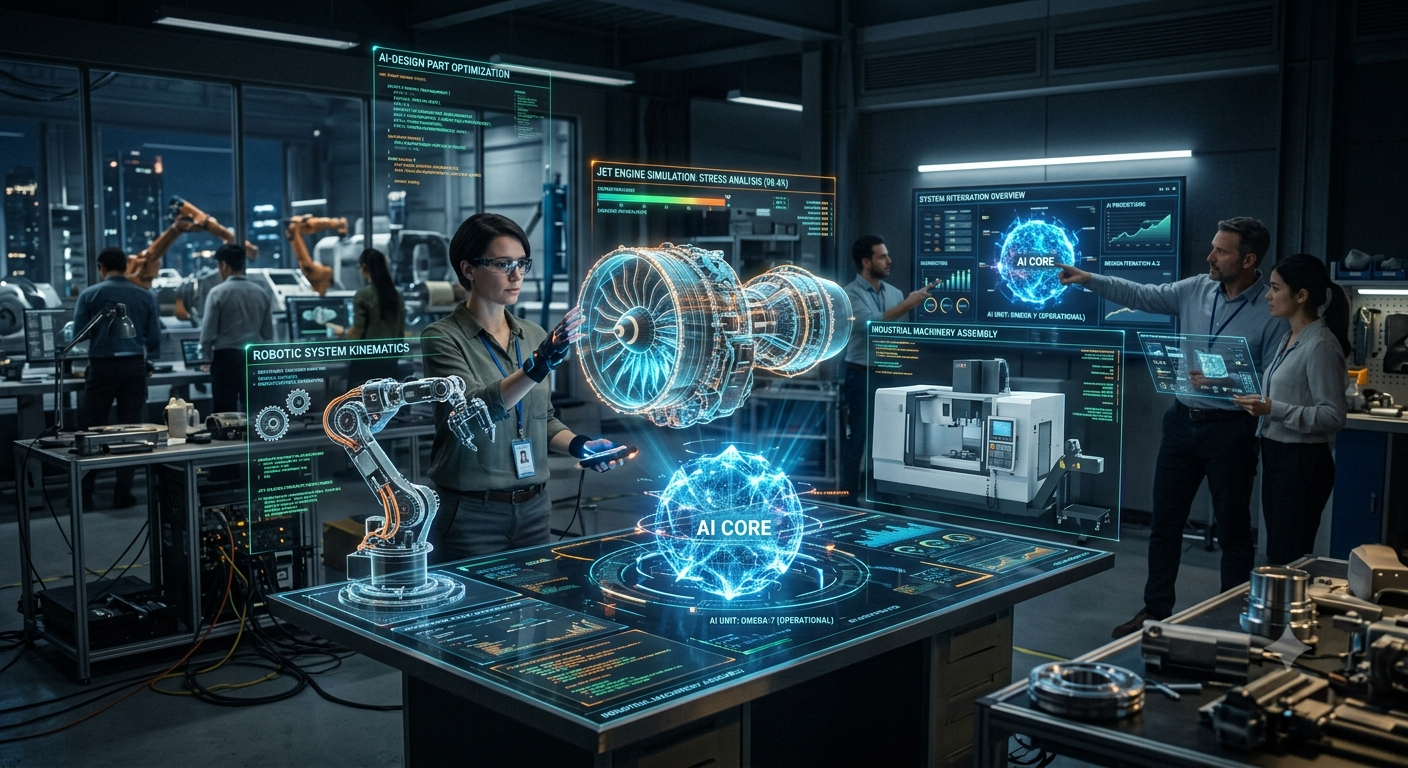
At the center of Prometheus’s strategy is the concept of an “artificial general engineer.” Unlike generative AI systems that primarily create text, images, or code, Prometheus aims to develop software capable of performing complex engineering tasks across multiple disciplines. The company envisions AI systems that can design aircraft components, optimize manufacturing processes, develop advanced materials, and accelerate scientific innovation. If successful, such technology could dramatically reduce the time required to move from concept to production across industries ranging from aerospace and automotive manufacturing to pharmaceuticals and energy.
Moving Beyond Software-Centric AI
Much of the current AI market revolves around digital applications. Large language models help users generate content, analyze information, and automate workflows. Physical AI introduces a different challenge. Instead of interacting solely with digital data, these systems must understand real-world constraints involving materials, manufacturing tolerances, physics, chemistry, supply chains, and production economics. Engineering decisions often require balancing thousands of variables simultaneously. Prometheus believes advances in AI reasoning, simulation, and compute infrastructure are making it possible to tackle these challenges at unprecedented scale.
Why Investors Are Writing Billion-Dollar Checks
The size of Prometheus’s latest funding round reflects growing investor interest in AI applications that extend beyond software. Major financial institutions including JPMorgan Chase, Goldman Sachs, and BlackRock joined Bezos in backing the company. Investors increasingly view physical AI as a sector with significant long-term potential because industrial processes remain far less automated than digital workflows. Engineering, manufacturing, and product development continue to rely heavily on highly skilled human expertise. Companies that successfully automate portions of these activities could unlock substantial productivity gains across the global economy.
The Rise of the Physical AI Economy
Physical AI has become one of the fastest-growing segments of the broader artificial intelligence market. The category encompasses technologies that interact with or influence physical systems, including robotics, autonomous machines, industrial automation platforms, simulation software, and AI-driven engineering tools. Unlike consumer-facing AI applications that can often be replicated quickly, physical AI solutions typically require specialized expertise, industry partnerships, proprietary datasets, and deep integration with operational environments. These characteristics create barriers to entry that many investors find attractive.
Engineering Is Becoming an AI Frontier
Engineering has historically depended on years of specialized education, extensive experience, and iterative experimentation. Designing a jet engine, developing a semiconductor, or creating a new pharmaceutical compound often involves thousands of design decisions and countless simulations. AI systems capable of accelerating these workflows could fundamentally alter how innovation occurs. Rather than replacing engineers outright, many experts expect AI to function as an advanced collaborator that can evaluate more possibilities, identify hidden patterns, and generate design alternatives far faster than traditional methods allow.
Compute Power Remains a Strategic Advantage
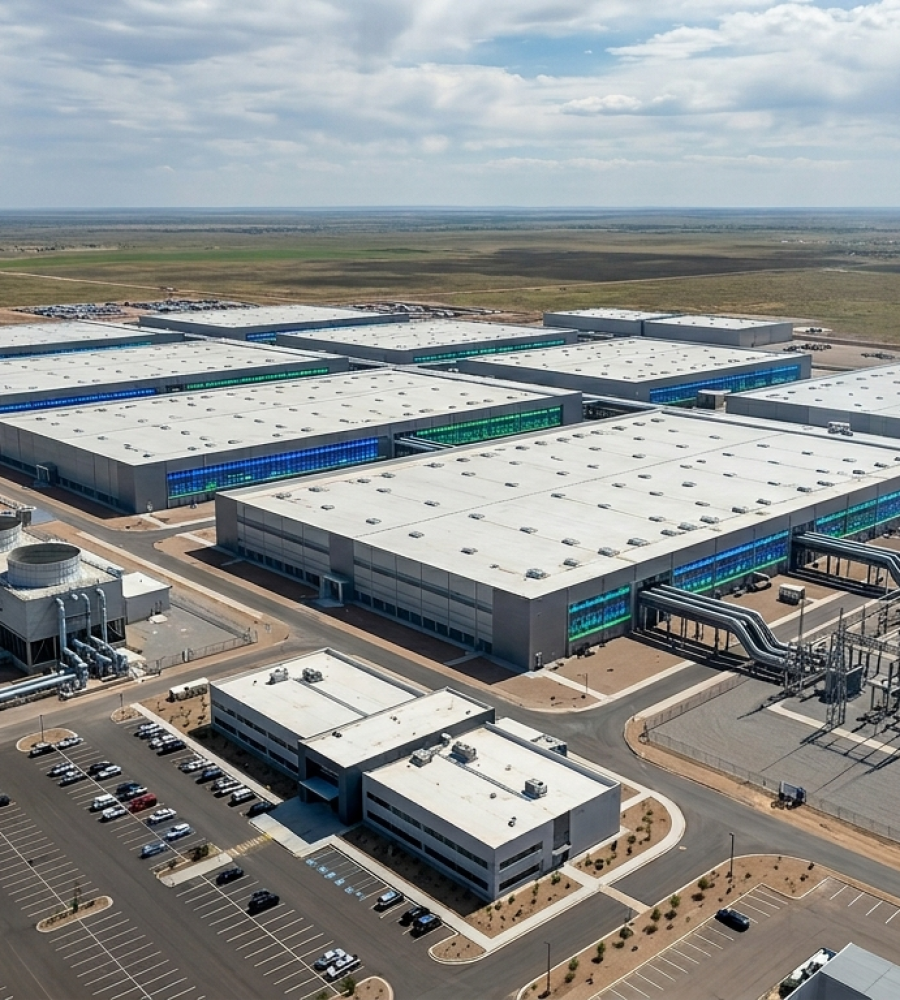
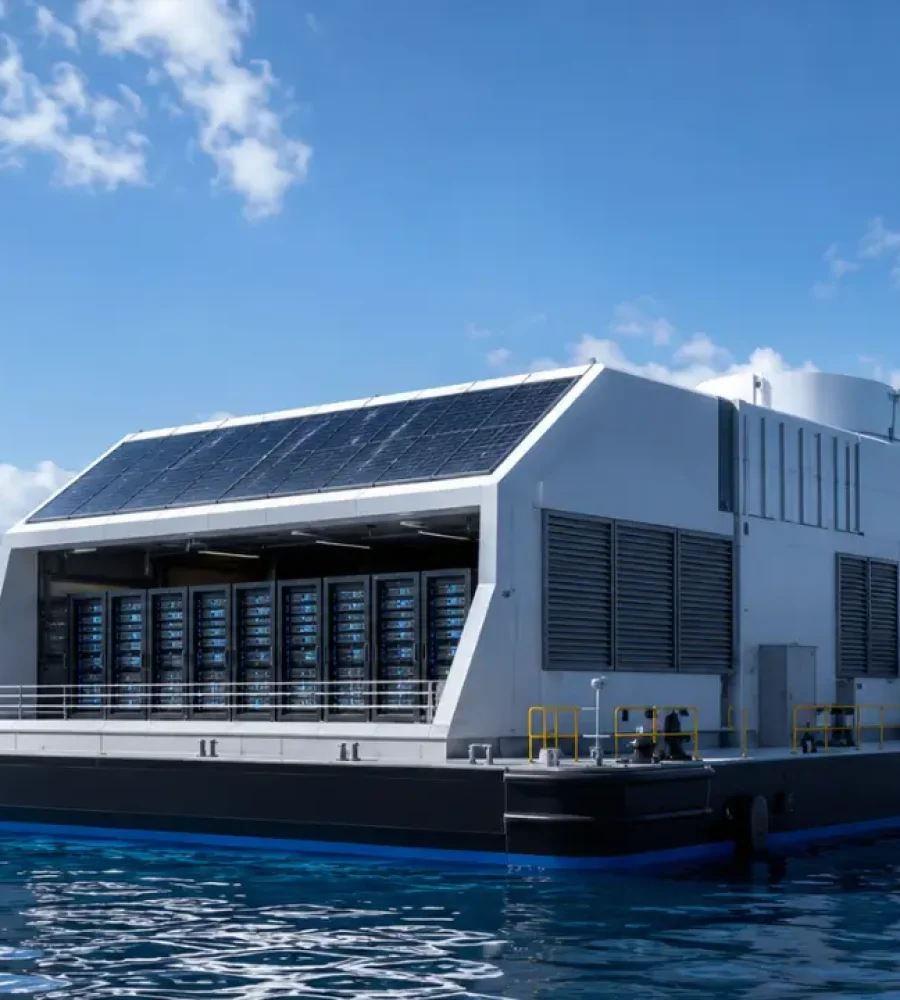
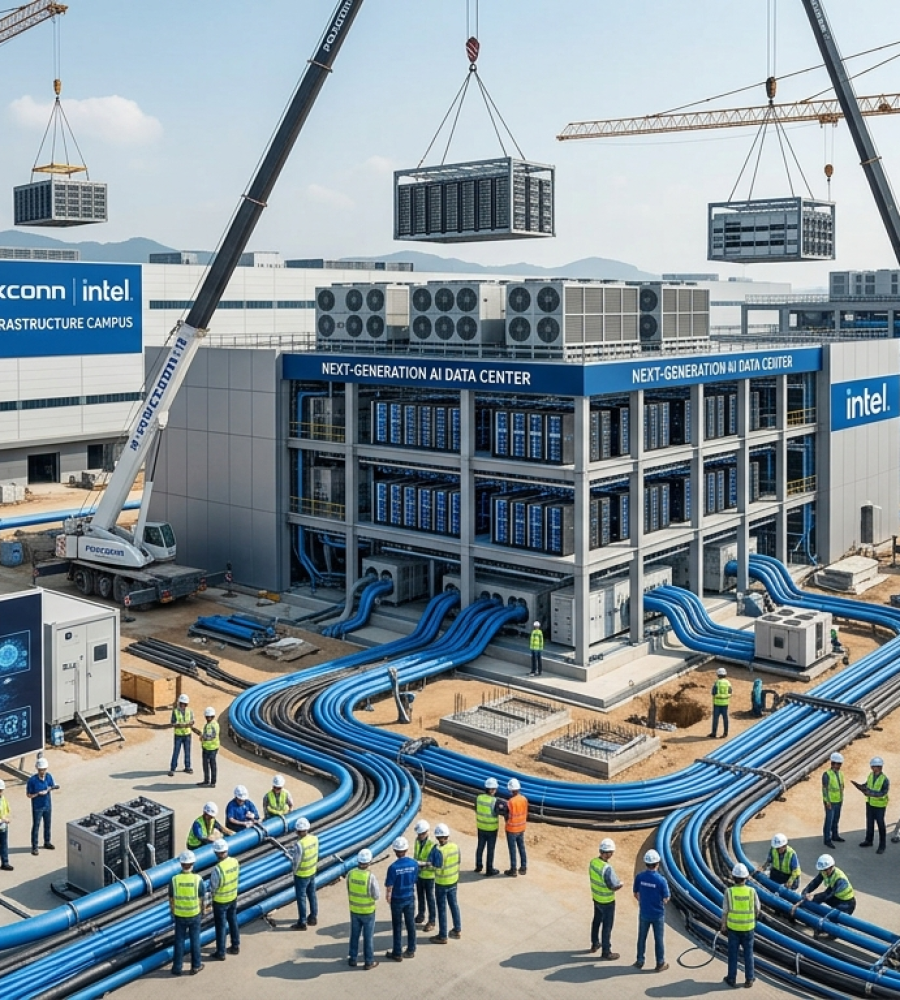
Developing engineering-focused AI systems requires enormous computational resources. Prometheus executives have indicated that a significant portion of the newly raised capital will support the company’s compute infrastructure. Training models capable of understanding complex physical systems demands extensive simulation environments, specialized datasets, and substantial processing power. This requirement mirrors broader trends across the AI industry, where access to computing resources increasingly determines the pace of innovation. As competition intensifies, the ability to secure large-scale compute capacity has become a strategic differentiator for emerging AI companies.
Bezos Sees AI as a Productivity Multiplier
Jeff Bezos has offered a perspective on AI that differs from many discussions surrounding automation and employment. While some industry leaders warn that artificial intelligence could eliminate large numbers of jobs, Bezos argues that productivity improvements typically create new economic opportunities. According to his view, AI-driven efficiency gains will raise living standards and increase overall economic output. Rather than causing widespread unemployment, he believes technological advances may create a situation where labor demand remains strong despite increased automation. The argument reflects a long-standing economic debate about how technological innovation reshapes labor markets over time.
The Manufacturing Sector Could Change Dramatically
The potential implications of an artificial general engineer extend well beyond software development. Manufacturing organizations often spend years moving products from design to production. AI-driven engineering systems could shorten development cycles, optimize production methods, reduce material waste, and improve product performance. Industries that rely on complex physical systems including aerospace, defense, automotive, pharmaceuticals, energy, and advanced manufacturing stand to benefit significantly if these capabilities mature. The ability to simulate and evaluate thousands of design possibilities in a fraction of the traditional timeframe could reshape competitive dynamics across multiple sectors.
Building Defensible AI Businesses
One reason investors are increasingly attracted to physical AI is the perception that it offers stronger competitive advantages than many software-only businesses. Large language models can often be replicated using similar training approaches and publicly available architectures. Physical AI companies, however, must combine software expertise with domain-specific knowledge, proprietary operational data, industrial partnerships, and integration into real-world processes. These factors can create more durable business models and make it harder for competitors to duplicate successful products quickly.
Prometheus Joins the Race to Define AI’s Next Phase
The artificial intelligence industry appears to be entering a new chapter. The first wave focused on digital productivity and content generation. The next phase may center on applying AI to the physical world, where engineering, manufacturing, logistics, and scientific research remain only partially automated. Prometheus has positioned itself at the center of that transition with one of the largest funding rounds ever secured by a physical AI company. Whether the company can deliver on its vision remains uncertain, but the scale of investment demonstrates how strongly investors believe AI’s future extends far beyond chatbots and digital assistants.
A New Category of AI Is Taking Shape
Prometheus’s $12 billion funding round represents more than a financial milestone. It highlights growing belief that AI can eventually contribute to the design, optimization, and production of physical systems at a scale previously impossible. The concept of an artificial general engineer remains highly ambitious, yet the resources now flowing into the sector suggest that investors see enormous potential in combining advanced AI with engineering expertise. As physical AI companies continue attracting capital and talent, the sector may emerge as one of the most important frontiers in the next decade of artificial intelligence development.