The Asian Development Bank is intensifying efforts to build a more interconnected electricity network across Asia and the Pacific, positioning regional energy integration as a critical response to mounting power demand, supply risks and geopolitical uncertainty. Speaking at the opening of the Asia Clean Energy Forum 2026 in Manila, ADB President Masato Kanda warned that recent disruptions have underscored the fragility of existing energy systems. He argued that countries can no longer rely solely on domestic solutions as electricity demand rises and supply chains face increasing pressure from geopolitical developments and market volatility.
“Recent events have highlighted how vulnerable many countries remain when it comes to energy supply and security,” Kanda said. He added that no nation can effectively address these challenges independently and emphasized the importance of a connected power network capable of delivering electricity across borders when shortages emerge. The comments arrive at a pivotal moment for the region’s energy sector. Governments face the simultaneous challenge of supporting economic growth, maintaining affordable electricity prices and advancing decarbonization targets. Energy planners also confront growing concerns about grid reliability as power consumption continues to expand across major economies.
ADB believes regional power integration can help address these pressures by improving system resilience and allowing countries to share resources more efficiently. The bank argues that stronger interconnections would reduce vulnerabilities during supply disruptions while creating a more flexible electricity market capable of balancing demand across multiple jurisdictions. Kanda cautioned that postponing regional energy investments could carry significant economic costs. Delays in developing interconnected infrastructure, he said, risk increasing electricity expenses, constraining economic expansion and limiting development opportunities across emerging markets.
Rising Demand Reshapes Regional Energy Planning
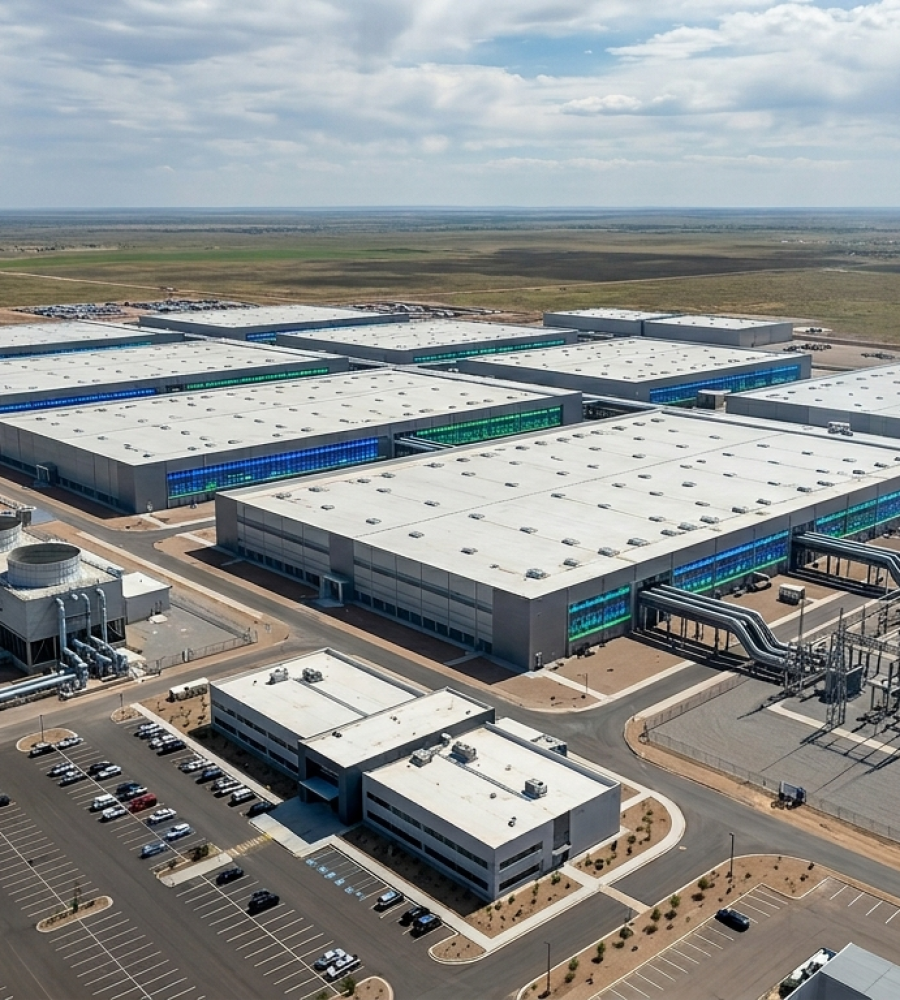
Asia and the Pacific remain the world’s fastest-growing energy-consuming region, driven by industrial expansion, urban development and rising living standards. Policymakers increasingly view electricity infrastructure as a strategic economic asset rather than a utility sector concern alone. The rapid deployment of artificial intelligence infrastructure has introduced a new layer of urgency. Large-scale data centres supporting AI applications require substantial and continuous electricity supplies, adding fresh demand to power systems that already face capacity constraints in several markets.
At the same time, energy access challenges persist throughout the region. More than 350 million people continue to experience limited access to electricity, while over 53 million remain without power altogether. These figures highlight the scale of infrastructure investment still required to support inclusive economic growth. Meanwhile, instability in the Middle East has reinforced concerns about energy security among fuel-importing economies. Supply disruptions and price fluctuations have renewed interest in strengthening regional electricity cooperation as countries seek alternatives to dependence on imported energy resources.
ADB’s Pan-Asia Power Grid Initiative Gains Momentum
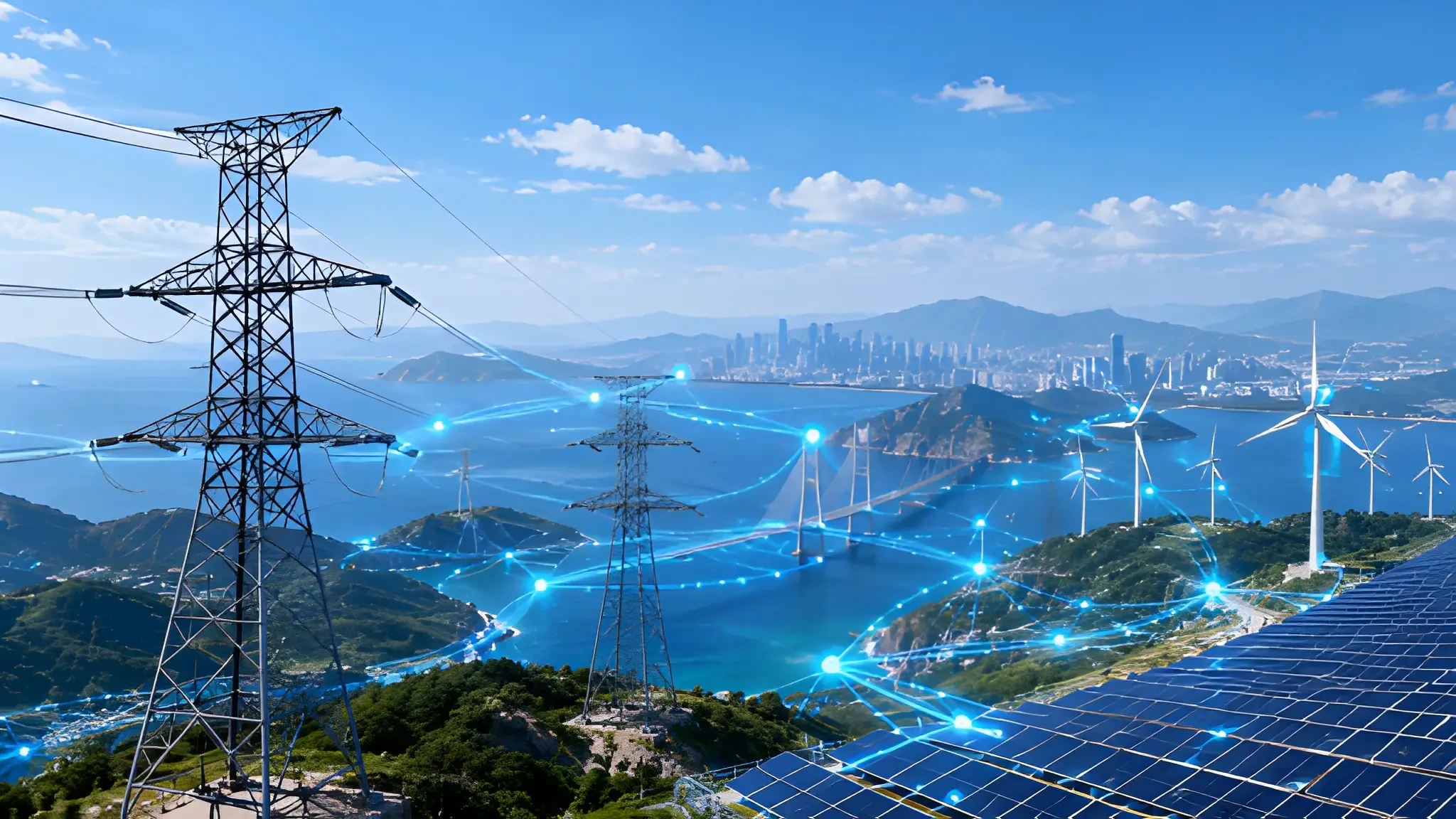
At the center of the bank’s strategy is the Pan-Asia Power Grid Initiative (PAGI), a long-term effort designed to connect national and regional electricity systems across Asia and the Pacific. The initiative aims to enable electricity to flow more efficiently between countries, helping operators balance supply and demand while unlocking greater use of renewable energy resources located across different geographies. By creating broader transmission networks, policymakers hope to reduce curtailment of renewable generation and improve overall grid stability.
Unlike traditional cross-border arrangements that often rely on limited bilateral agreements, PAGI seeks to establish a more comprehensive regional electricity market. The framework envisions a network capable of supporting large-scale power exchanges among multiple countries, creating new opportunities for energy trade and investment. ADB plans to mobilize $50 billion for the initiative by 2035, with the institution providing approximately half of the required financing. The commitment represents one of the most ambitious regional energy infrastructure efforts currently under development across emerging markets.
Transmission Expansion and Renewable Integration Form Core Objectives
The proposed program includes approximately 22,000 circuit-kilometres of transmission infrastructure designed to strengthen connectivity across participating markets. Officials expect the expanded network to support the integration of around 20 gigawatts of renewable energy capacity into a broader regional system. ADB estimates the initiative could reduce power-sector emissions by 15% while generating roughly 840,000 jobs. The projections highlight the bank’s effort to position energy connectivity as both an economic development strategy and a climate transition tool.
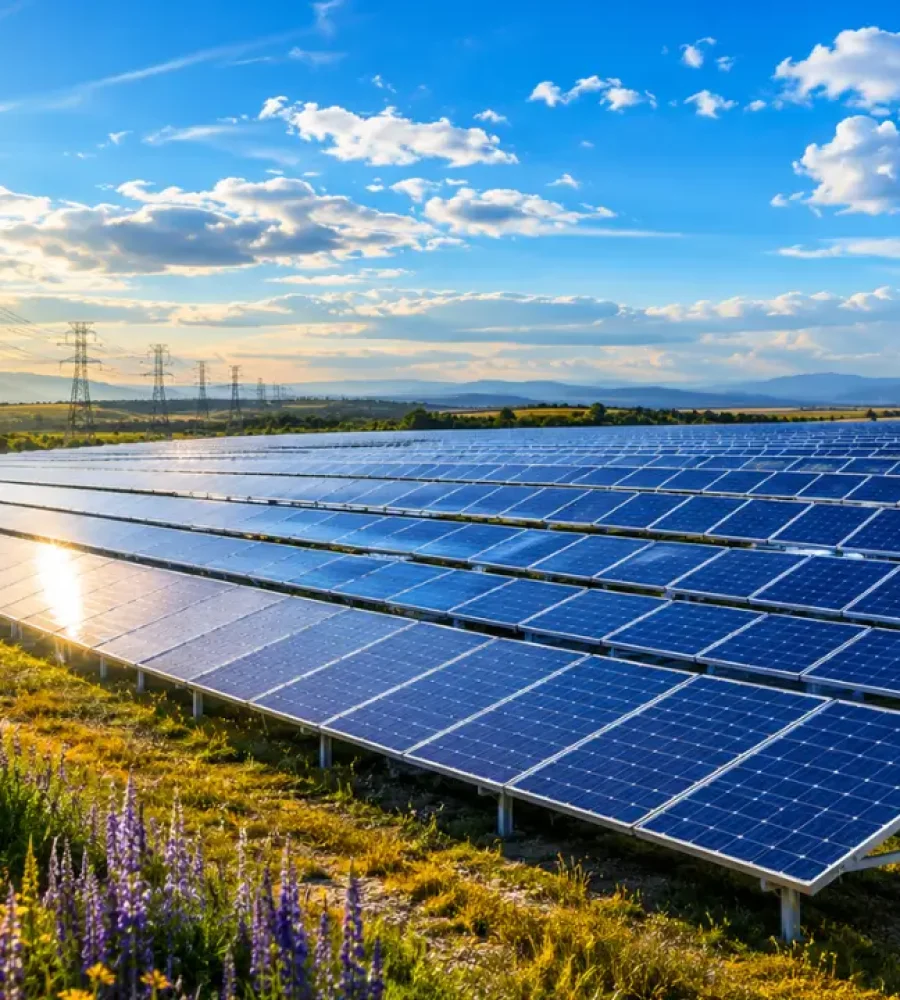
Regional transmission networks have become increasingly important as governments accelerate renewable deployment. Solar and wind resources often exist far from major demand centers, creating a need for stronger transmission corridors capable of moving electricity across longer distances and multiple jurisdictions. Consequently, a more interconnected grid could help countries access cleaner power sources while improving reliability during periods of fluctuating generation. The approach also offers an opportunity to diversify energy supply portfolios and reduce exposure to localized disruptions.
Four Decades of Energy Investment Support Broader Ambitions
ADB has supported energy development projects across Asia and the Pacific for more than 40 years, financing initiatives focused on electricity access, clean energy deployment and policy modernization. In 2025, the institution mobilized approximately $3.4 billion for energy-related investments throughout the region. That funding supported projects aimed at strengthening power infrastructure, expanding renewable energy capacity and improving energy sector resilience.
The bank views regional cooperation as an increasingly important component of future energy planning. As electricity demand accelerates and emerging technologies place greater strain on power systems, infrastructure investments are expected to play a larger role in shaping economic competitiveness across the region. ADB’s latest push suggests that cross-border electricity networks are moving from a long-term aspiration to a strategic necessity. For policymakers confronting the dual challenge of energy security and decarbonization, regional integration may become one of the defining infrastructure priorities of the coming decade.