Senator David Pocock’s Guardian opinion piece landed quietly on June 9, 2026, but the argument it carries is anything but quiet. If multinational tech companies are going to use Australia’s land, energy, water, and infrastructure to power the global AI revolution, Australians deserve a fair return. It is a simple premise. And it is one the country’s policymakers, blinded by the scale of investment announcements, have so far been reluctant to seriously confront.
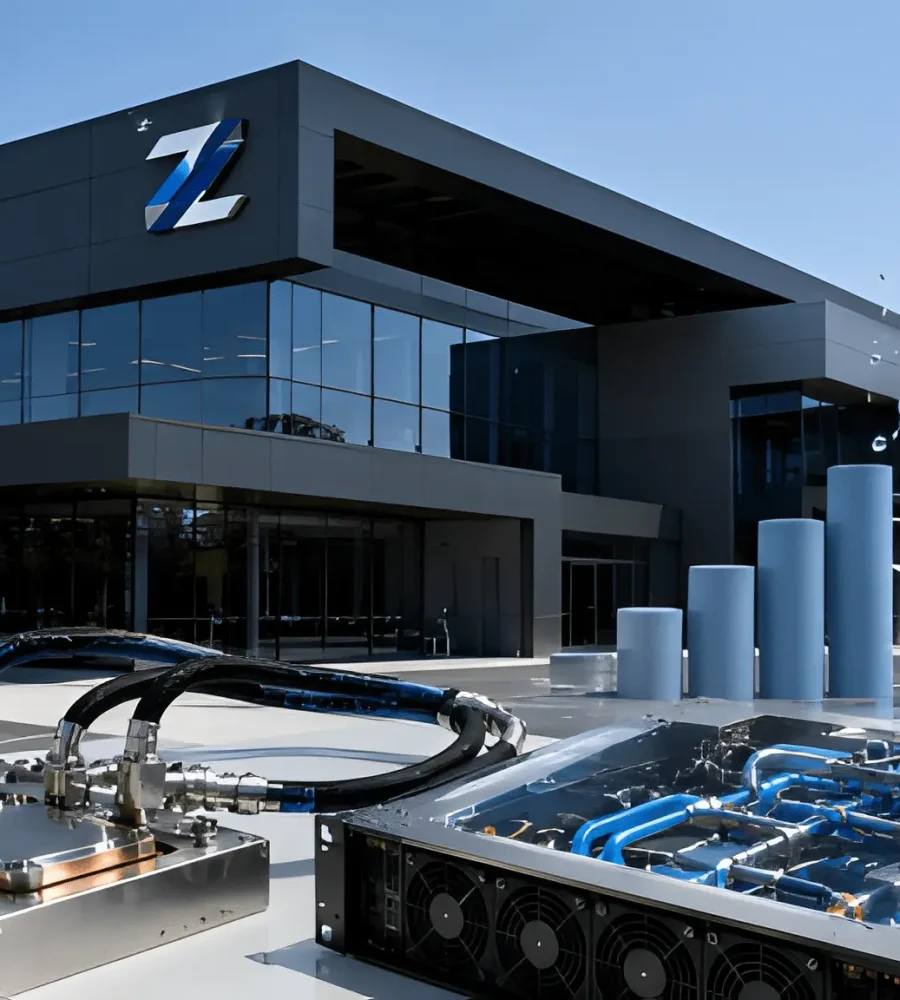
The numbers behind Australia’s data centre boom are genuinely staggering. Amazon announced plans to invest AU$20 billion from 2025 to 2029 to expand, operate, and maintain its data centre infrastructure in Australia, the country’s largest publicly announced global technology investment. Microsoft, meanwhile, committed AU$5 billion to expand its data centre portfolio in the country. Australia attracted the second-highest data centre investment globally in 2025, with Amazon and Microsoft spearheading the boom. On paper, this looks like an unambiguous win.
The Resource Extraction Parallel Nobody Wants to Draw
Pocock is not the first Australian politician to watch a resources boom roll through the country and ask where the public dividend went. His argument draws directly from his campaign to impose a 25 percent tax on gas exports, which he pursued ahead of the May 2026 federal budget. Australia’s gas tax is dramatically lower than that of other countries like Norway, Qatar, the UK, and Canada, and witness after witness confirmed that the Petroleum Resource Rent Tax is fundamentally broken and riddled with holes and deductions that let gas corporations minimise what they pay. The data centre debate, Pocock argues, risks repeating exactly the same mistake. Australia opens the door, offers the land, the grid, the water, and the regulatory goodwill, and multinationals walk away with the value while the public absorbs the costs.
The government’s response so far has been procedural rather than structural. On March 23, 2026, the Australian Government published its Expectations of Data Centres and AI Infrastructure Developers, stating that meeting these national expectations would be the foundation of operators’ social licence to operate in Australia. The document sets out principles around clean energy contribution, water efficiency, and workforce development. What it does not set out is a mechanism for ensuring that the financial returns from this buildout flow back to Australian communities in any meaningful, enforceable way.
The Resource Bill Nobody Is Counting
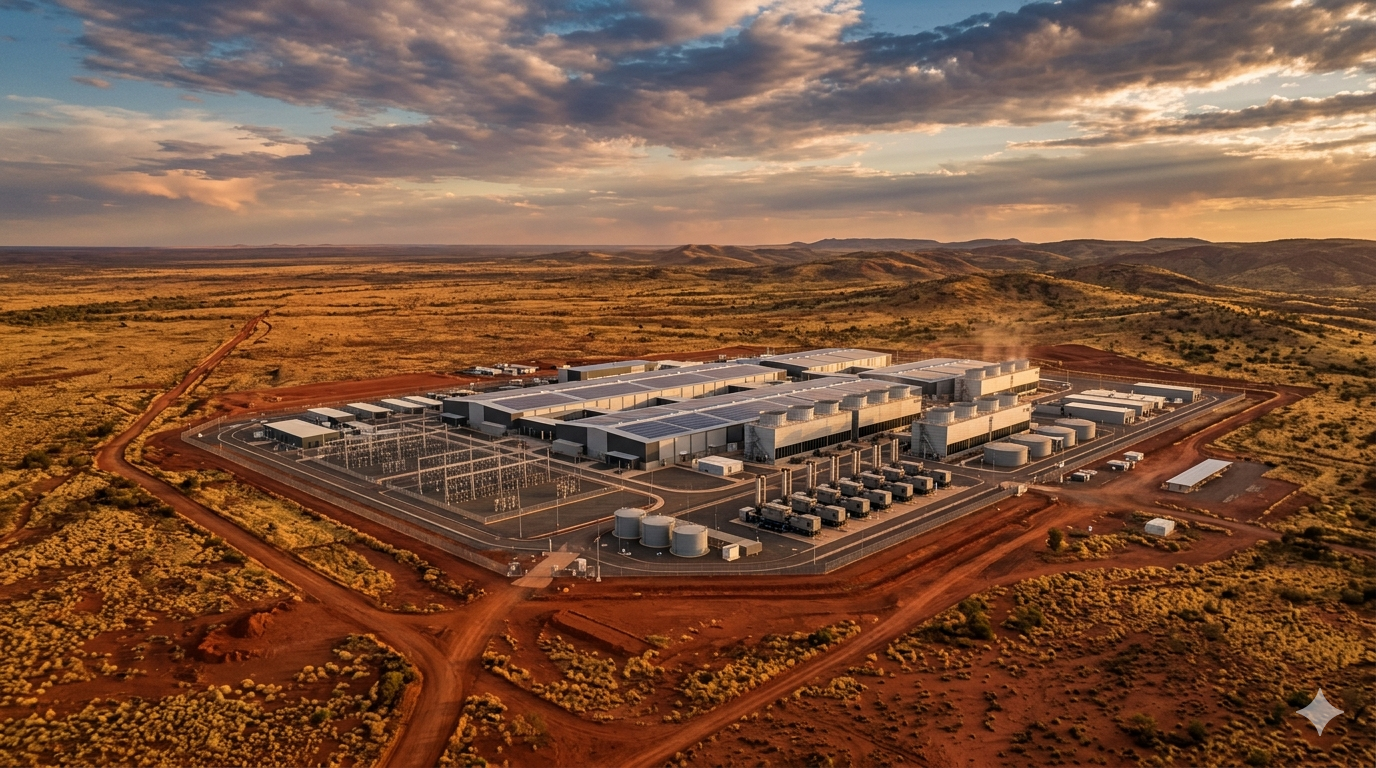
The physical costs of Australia’s data centre boom are already visible to anyone willing to look past the investment headlines. In 2024 to 2025, data centres used around four terawatt-hours, or two percent, of the electricity in Australia’s main grid. The industry’s energy demand is already growing rapidly, reportedly almost doubling in Victoria and increasing by 18 percent in NSW over the past 12 months. The Australian Energy Market Operator expects data centre energy demand to triple to nearly 12 terawatt-hours by 2030, equivalent to six percent of the National Electricity Market, or enough to power all the homes in Victoria. These are not projections designed to cause alarm. They are baseline planning forecasts from Australia’s own energy market operator.
Water is the less discussed but equally pressing side of the equation. Sydney Water calculates that data centres could consume 25 percent of its drinking supply by 2035. Authorities in Sydney approved construction of data centres without requiring measurable plans to cut water use, raising concerns that the sector’s rapid growth will leave residents competing for the resource. The NSW state government green-lit all 10 data centre applications it ruled on since expanding its planning powers in 2021, and the approved centres would ultimately use up to 9.6 gigalitres a year of clean water, or nearly two percent of Sydney’s maximum supply. Fewer than half of those approved applications gave projections of how much water they would save using alternative sources.
The Industry Pushback Is Familiar
The tech industry’s response to calls for greater taxation has followed a predictable playbook. A Productivity Commission submission by Google in 2025 warned that uncertain tax policies would lead to “not merely a loss of investment but potentially a critical misstep at a crucial time.” Senator Pocock anticipated this argument directly. He noted that Australians would hear the same lines used by the gas industry, that if too many conditions are placed on companies they will simply go elsewhere, and he rejected the premise. Australia’s geographic position, political stability, proximity to Asian markets, and existing fibre connectivity make it a strategically irreplaceable location for regional AI infrastructure. The leverage, on this reading, sits with Australia, not with the tech giants.
Announced investment plans already exceed AUD 100 billion, including Amazon’s AUD 20 billion, Microsoft’s AUD 5 billion, and Blackstone’s AUD 24 billion acquisition of AirTrunk, the largest infrastructure transaction in Australian history. Companies do not walk away from markets where they have committed capital at that scale because a sovereign government asks them to pay their fair share of tax. That is not how infrastructure investment works. The gas industry made the same threat and stayed. The data centre industry will too.
What a Fair Deal Actually Looks Like
The Albanese Government’s National Data Centre Expectations framework is a starting point, not a settlement. It signals the right priorities but lacks the enforcement architecture to make them binding. What Australia actually needs is a resource rent framework designed specifically for digital infrastructure. The precedent exists in the resources sector, however imperfectly applied, and the principle is identical. When private companies extract value from public resources, whether those resources are gas reserves or a sovereign electricity grid and water supply, the public is entitled to a return that reflects the scale of extraction.
The Albanese Government’s National AI Plan, released in December 2025, set out the ambition to harness the benefits of AI while ensuring all Australians share the benefits. Sharing the benefits requires more than a framework document. It requires enforceable tax obligations, transparent water and energy reporting tied to licence conditions, and a direct mechanism for channelling revenue from the data centre boom into the communities bearing its infrastructure costs.
Senator Pocock put the question as plainly as it deserves to be put: “And how does this actually benefit us? We have to actually have the leadership that says if we decide this is a good thing for our country, you can come here, you can use our resources, but you can actually pay us and benefit us.” That is not an anti-investment argument. It is a pro-sovereignty one. Australia has every right to set the terms on which its land, energy, and water are made available for the extraction of AI-era value, and every reason to do so before the contracts are signed and the leverage is gone.
The Window Is Closing
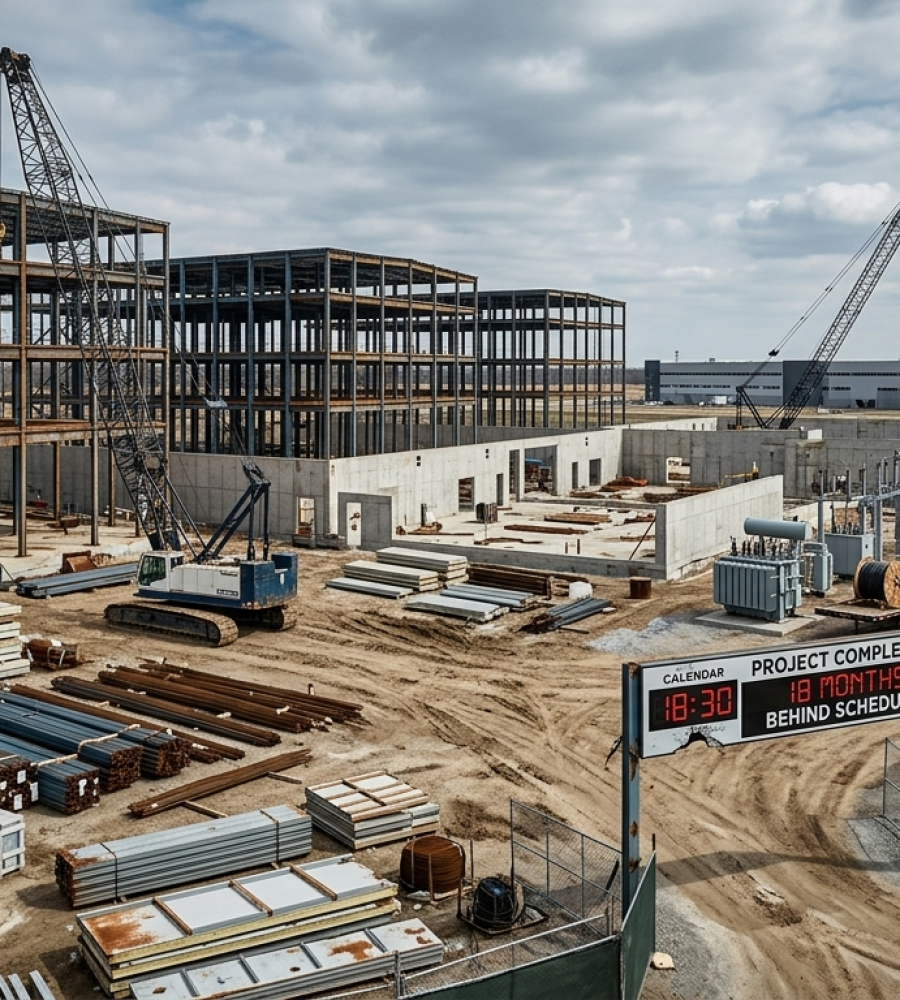
The pace of approvals is outrunning the pace of policy. Australia’s total data centre occupancy expanded from 37MW in 2005 to 1.3GW in 2025, a forty-fold increase, and demand for data centre capacity is now outpacing supply for the first time on record. Once the infrastructure is built, the leases are signed, and the fiscal arrangements are locked in, the political cost of revisiting them rises sharply. Australia learned that with gas. It cannot afford to relearn it with AI.
The AI revolution is not waiting for Australia to get its policy framework right. The question is whether Australia uses the window it still has to negotiate terms that serve the public interest, or whether it waves the investment in with a welcoming statement and discovers, a decade from now, that the value left on the next plane out.