India’s artificial intelligence ambitions are rapidly transforming the country’s digital infrastructure landscape. What began as a cloud expansion story has evolved into a race to build the computing capacity needed for AI training, inference, and enterprise adoption. Global infrastructure investors, hyperscale operators, and domestic conglomerates are committing billions of dollars to new facilities across Mumbai, Chennai, Hyderabad, Bengaluru, and other emerging digital corridors. The scale of these investments reflects confidence in India’s long-term role as one of the world’s largest AI markets. Unlike previous technology cycles, however, the current expansion is occurring against a backdrop of increasing pressure on electricity networks, water resources, and sustainability targets. The challenge facing India is not whether demand will arrive, but whether infrastructure can scale fast enough to support it responsibly.
Recent announcements highlight the magnitude of this shift. AirTrunk, one of the largest hyperscale data center operators in the Asia-Pacific region, announced plans to invest approximately $30 billion in India and develop 5 gigawatts of digital infrastructure capacity by 2030. The company described India as a cornerstone of its long-term growth strategy, citing government support, expanding digital demand, technical talent availability, and renewable energy opportunities. Such commitments would have been difficult to imagine only a few years ago. Today they are becoming increasingly common as AI workloads push demand for advanced infrastructure to new levels. The result is a new phase in India’s digital economy where compute capacity has become as strategically important as transportation, telecommunications, or industrial infrastructure.
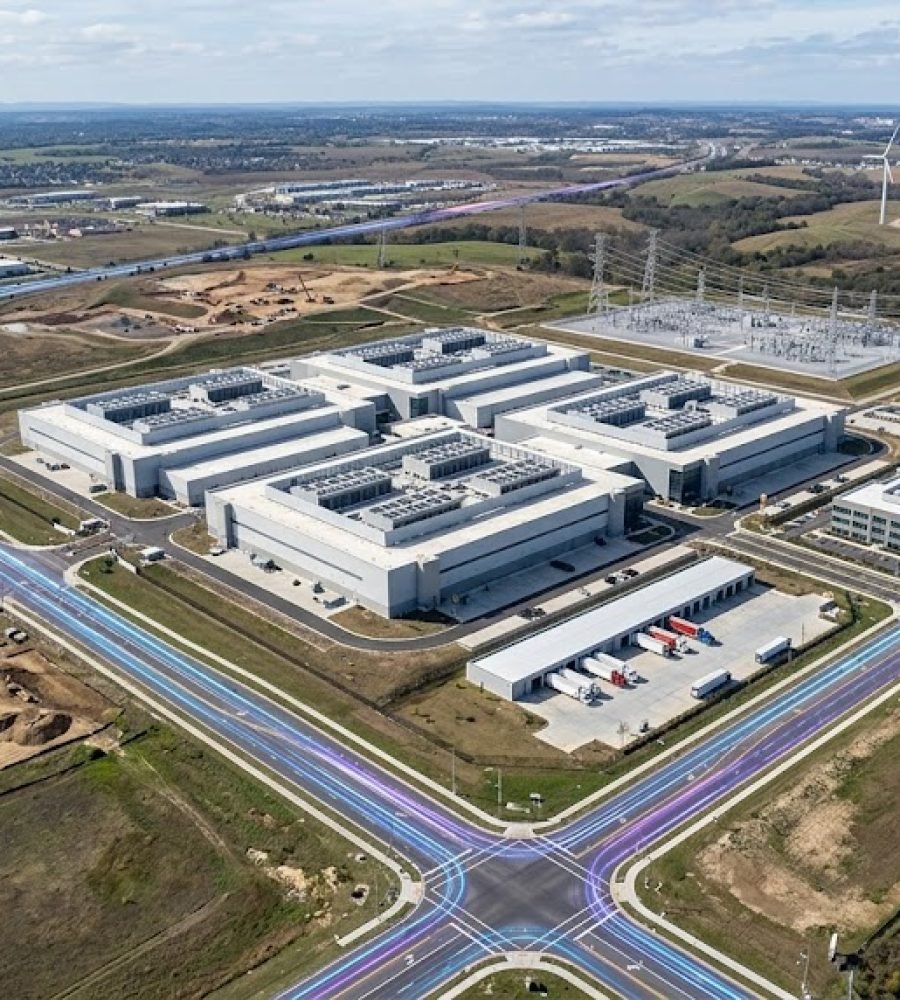
The investment wave extends beyond a single company. Global cloud providers continue expanding regional capacity, while domestic groups are building AI-focused infrastructure ecosystems designed to support sovereign computing capabilities. New facilities increasingly target both AI training and inference workloads, reflecting expectations that generative AI applications will become deeply integrated into enterprise operations, government services, and consumer platforms. Infrastructure planning is therefore shifting from traditional data storage and cloud hosting toward high-density computing environments optimized for accelerated workloads. These environments require significantly different power, cooling, and operational architectures than previous generations of data centers.
Why AI Changes the Infrastructure Equation
Traditional cloud infrastructure and AI infrastructure may appear similar from the outside, but their operational requirements differ substantially. Cloud environments primarily support storage, networking, and application hosting workloads. AI environments rely on dense clusters of GPUs and accelerators that consume significantly more power while generating considerably higher thermal loads. This distinction is reshaping infrastructure planning worldwide, and India is no exception. Operators are discovering that facilities designed for conventional workloads may not be capable of supporting next-generation AI deployments without substantial upgrades. The challenge is particularly important in a market where growth expectations remain exceptionally high.
The infrastructure implications extend beyond computing hardware. AI clusters require larger power allocations, advanced thermal management systems, and increasingly sophisticated facility designs. Rack densities continue rising as organizations deploy more powerful accelerators. This trend is forcing operators to reconsider nearly every aspect of facility engineering, from electrical distribution systems to cooling architectures. Technologies that were once viewed as optional enhancements are becoming essential components of future deployments. AI is therefore changing not only how data centers operate but also how they are designed from the ground up.
India’s position makes this transition particularly significant. The country has an opportunity to build a substantial portion of its AI infrastructure during a period when global best practices are still evolving. Unlike older markets that must retrofit large numbers of legacy facilities, India can incorporate advanced designs into many new developments. This creates opportunities to improve efficiency, reduce resource consumption, and align infrastructure growth with long-term sustainability goals. The decisions made during the current investment cycle may influence the country’s digital competitiveness for decades.
Power Is Becoming the First Constraint
For many years, connectivity was the primary factor influencing data center location decisions. In the AI era, electricity is becoming equally important. Advanced AI infrastructure depends on large volumes of reliable power delivered consistently over long periods. Access to land and fiber connectivity remains essential, but power availability increasingly determines whether projects can move forward. This shift is changing the economics of infrastructure development across multiple markets, including India. Operators are now evaluating energy access with the same level of scrutiny previously reserved for network connectivity.
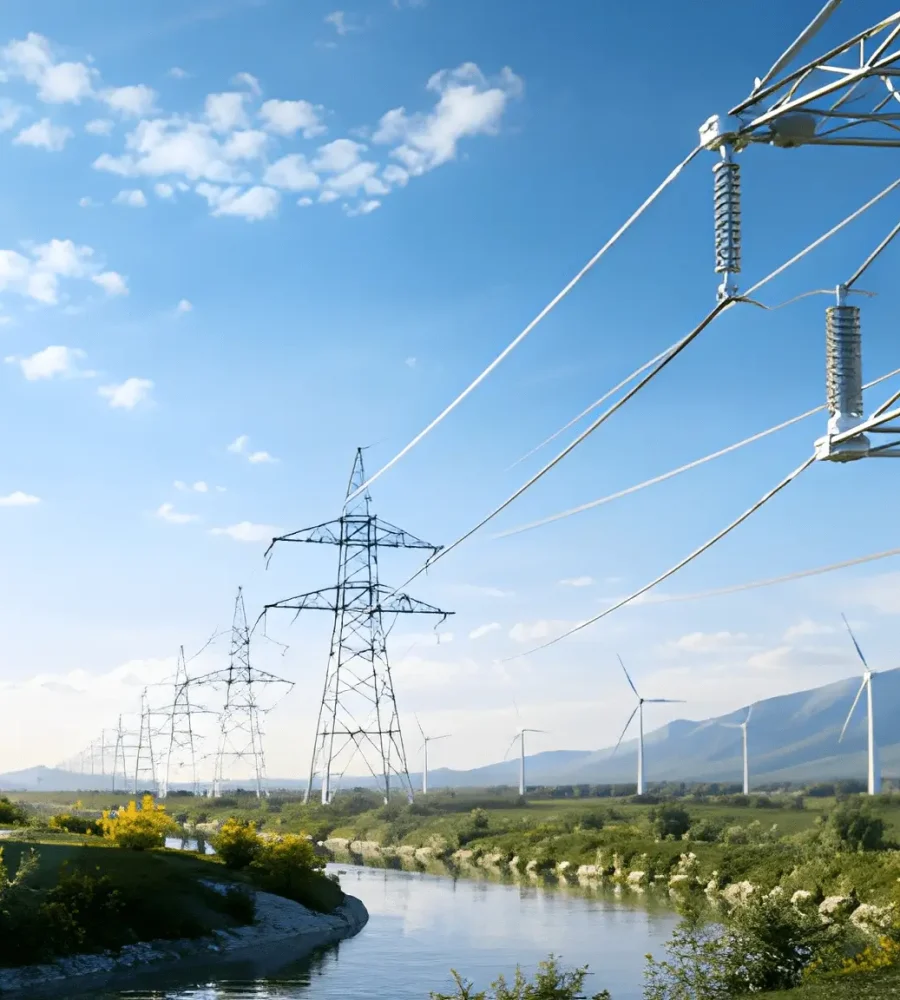
India’s AI ambitions are arriving during a period of growing electricity demand across the broader economy. Industrial expansion, urbanization, electrification initiatives, and rising digital activity are all contributing to increased pressure on energy systems. Large AI facilities add another major source of demand. Although the country continues investing heavily in generation capacity and renewable energy, delivering sufficient power to emerging data center clusters remains a complex challenge. Infrastructure developers increasingly recognize that securing power can be as important as securing land.
Researchers studying AI infrastructure have warned that concentrated deployment of large computing facilities can create localized stress on power systems if growth outpaces infrastructure upgrades. This issue has already emerged in several global markets where AI investment accelerated faster than utility expansion. India has an opportunity to avoid similar bottlenecks through coordinated planning between infrastructure developers, utilities, and policymakers. Achieving that balance will require long-term investment strategies that treat energy infrastructure as a core component of AI readiness rather than a secondary consideration.
Water Stress and the Hidden Cost of Compute
Electricity receives most of the attention in discussions about AI infrastructure, but water is becoming an equally important issue. Many cooling systems rely on water to remove heat generated by computing equipment. As AI workloads increase thermal output, cooling requirements rise accordingly. This creates a direct relationship between computing growth and water consumption. In countries facing periodic water stress, that relationship has become a subject of increasing scrutiny. India represents one of the most important examples because digital infrastructure growth is occurring alongside broader concerns about long-term water availability.
Recent industry estimates suggest India’s AI and cloud ecosystem could consume tens of billions of liters of water annually if traditional cooling approaches remain dominant. Data center capacity has expanded from roughly 375 megawatts in 2020 to more than 1.5 gigawatts in 2025, with significantly larger expansions planned during the coming years. This growth trajectory raises important questions about resource management. Operators are increasingly aware that water efficiency must become part of infrastructure planning rather than an afterthought. The issue is attracting attention from policymakers, environmental organizations, and local communities alike.
The challenge extends beyond simple consumption metrics. Many of India’s largest data center markets experience seasonal heat stress that increases cooling demand precisely when water resources may already be under pressure. Rising temperatures further complicate the situation by increasing cooling requirements across the sector. These overlapping pressures are encouraging operators to explore technologies capable of reducing dependence on traditional water-intensive cooling systems. The industry’s response may ultimately determine whether AI growth can remain aligned with broader sustainability objectives.
Cooling Innovation Becomes a National Priority
Cooling has emerged as one of the most important technology categories within India’s data center ecosystem. AI workloads generate heat levels that challenge conventional cooling architectures, particularly in regions characterized by high ambient temperatures. As a result, operators are investing heavily in alternative approaches capable of supporting higher-density environments while minimizing resource consumption. The shift is transforming cooling from a facility management function into a strategic infrastructure priority.
Direct-to-chip liquid cooling, immersion cooling, and hybrid thermal management systems are attracting increasing interest throughout the Indian market. These technologies remove heat more efficiently than many traditional air-based approaches and can help reduce overall resource consumption. Government officials and industry stakeholders have highlighted the growing adoption of advanced cooling solutions as operators seek to balance AI growth with environmental responsibilities. The trend mirrors developments occurring across other major AI markets but carries additional significance in India because of local climate conditions.
Industry observers increasingly view India and the broader Asia-Pacific region as important centers for cooling innovation. Rapid infrastructure growth combined with challenging environmental conditions creates strong incentives for experimentation and technological advancement. The solutions developed for Indian deployments may ultimately influence infrastructure strategies in other regions facing similar constraints. Cooling is therefore becoming more than an operational issue. It is evolving into a source of competitive differentiation and potentially a platform for technological leadership.
India’s Opportunity to Avoid Western Infrastructure Mistakes
One advantage of entering the AI infrastructure race at this stage is the ability to learn from challenges encountered elsewhere. Several mature markets are now dealing with power bottlenecks, permitting delays, water concerns, and sustainability controversies that emerged after years of rapid expansion. India has an opportunity to incorporate these lessons into current planning efforts. Rather than replicating older infrastructure models, developers can pursue architectures better aligned with local environmental and economic realities.
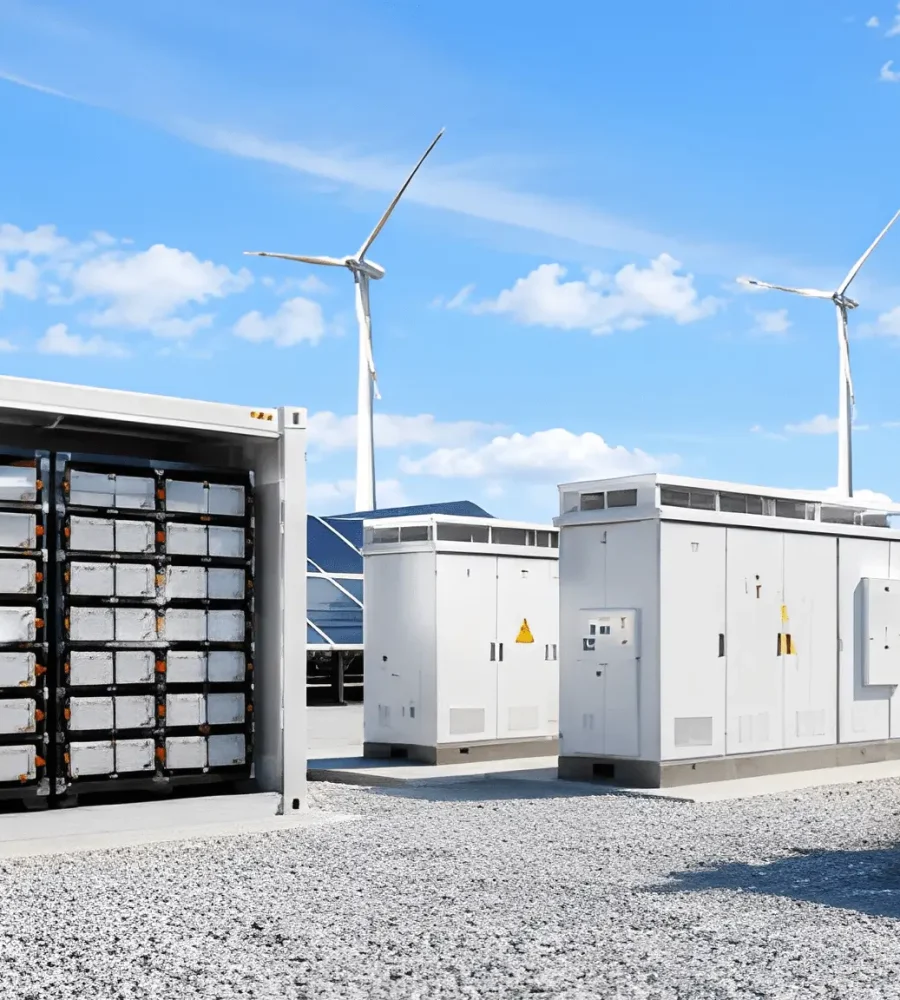
Renewable energy integration represents one area where this opportunity is particularly visible. AI infrastructure growth and renewable generation expansion can reinforce one another if planned effectively. Access to clean electricity supports sustainability objectives while helping operators manage long-term energy costs. Several major investors have already identified renewable energy availability as an important factor supporting India’s attractiveness as an infrastructure destination. Aligning future data center growth with renewable deployment could help reduce pressure on conventional energy systems.
Water-efficient facility design offers another opportunity. Closed-loop cooling systems, wastewater reuse programs, rainwater harvesting initiatives, and advanced thermal management technologies are increasingly becoming part of development strategies. Research into alternative cooling architectures continues accelerating as operators search for approaches that reduce dependence on freshwater resources. These innovations may prove essential for sustaining long-term growth without creating additional pressure on vulnerable resource systems.
The Future of India’s AI Infrastructure
India’s AI infrastructure story is increasingly becoming a story about resource management. Demand for computing capacity is unlikely to slow in the near future. Enterprise adoption, government initiatives, cloud expansion, and AI innovation are all pushing infrastructure requirements higher. Meeting that demand will require substantial investment in data centers, energy systems, cooling technologies, and operational efficiency. The scale of the challenge is considerable, but so is the opportunity.
The next phase of growth will likely reward operators capable of balancing performance with sustainability. Facilities that can deliver high-density computing while minimizing electricity waste and water consumption may enjoy meaningful advantages. Investors, regulators, and customers are all paying closer attention to resource efficiency as AI infrastructure expands. Success will therefore depend not only on deploying more compute capacity but also on deploying it responsibly.
India stands at an important moment in the development of its digital economy. The country has attracted global capital, secured major infrastructure commitments, and established itself as a significant destination for AI investment. The challenge now is ensuring that growth remains aligned with environmental realities. If India can successfully integrate renewable energy, advanced cooling systems, and resource-efficient infrastructure into its AI expansion strategy, it may demonstrate a model for sustainable digital growth that other markets choose to follow.
The Geography of India’s AI Infrastructure Is Changing
Mumbai Can No Longer Carry the Entire Industry
For years, Mumbai dominated India’s data center industry because of its financial ecosystem, submarine cable connectivity, and concentration of enterprise customers. Most large-scale deployments naturally gravitated toward the region, creating the country’s largest infrastructure cluster. AI growth is beginning to challenge that model because future capacity requirements may exceed what a single metropolitan region can comfortably support. Land availability, grid constraints, and resource pressures are forcing operators to evaluate alternative locations more aggressively than before. This shift is creating opportunities for a broader range of cities to participate in the next phase of infrastructure development. The result is a more distributed data center strategy that aligns better with the needs of AI workloads and long-term digital growth.
Developers increasingly view geographic diversification as a resilience strategy rather than merely a growth strategy. Concentrating too much capacity within a limited area can create operational risks associated with energy availability, infrastructure bottlenecks, and climate-related disruptions. AI infrastructure magnifies these concerns because computing clusters require substantial supporting resources. By spreading deployments across multiple regions, operators can improve flexibility while reducing dependence on any single market. India’s expanding digital economy provides sufficient demand to support this broader approach. The evolution reflects a growing recognition that infrastructure planning must account for resource constraints as carefully as it accounts for customer demand.
Chennai, Hyderabad, and Bengaluru Gain Momentum
Several emerging markets are benefiting from this redistribution of investment. Chennai continues strengthening its position because of strong connectivity infrastructure and access to international cable systems. Hyderabad has attracted attention due to its growing technology ecosystem and government support for digital industries. Bengaluru remains central to India’s innovation economy and increasingly serves as a destination for AI-focused deployments. Each city offers distinct advantages that contribute to a more diversified infrastructure landscape.
The rise of these markets illustrates how AI is reshaping location strategies. Traditional cloud infrastructure often prioritized proximity to large enterprise customer bases. AI infrastructure introduces additional variables including power availability, cooling efficiency, and long-term expansion potential. Cities capable of balancing these requirements are becoming increasingly attractive. Operators are no longer evaluating locations solely through the lens of connectivity. Instead, they are adopting broader frameworks that incorporate resource availability, sustainability objectives, and future scalability.
Renewable Energy Is Becoming Part of the AI Conversation
Compute Growth and Renewable Growth Are Becoming Linked
The rapid expansion of AI infrastructure is creating new relationships between the technology sector and the energy sector. Historically, data centers consumed electricity generated by existing power systems without significantly influencing energy planning decisions. AI is changing that dynamic because projected computing demand is large enough to affect infrastructure investment strategies. Developers increasingly evaluate renewable energy opportunities alongside traditional site-selection criteria. Access to clean energy is becoming a competitive advantage rather than simply an environmental benefit.
India’s renewable energy ambitions create an important opportunity in this context. The country has made substantial investments in solar and wind generation capacity, positioning itself as one of the world’s most significant renewable energy markets. Data center operators are increasingly exploring how these resources can support long-term infrastructure growth. Renewable power offers benefits beyond emissions reductions. It can also provide greater cost predictability and support corporate sustainability commitments. As AI workloads continue expanding, the relationship between renewable energy development and digital infrastructure growth is likely to strengthen.
Sustainability Targets Are Influencing Investment Decisions
Investors are paying closer attention to environmental performance than at any previous stage of the industry’s development. Infrastructure funds, institutional investors, and technology companies increasingly evaluate sustainability metrics when making capital allocation decisions. Data centers that demonstrate strong performance in areas such as energy efficiency, renewable integration, and water management may enjoy advantages in attracting investment. This trend is particularly relevant in the AI era because infrastructure growth is occurring under greater public scrutiny.
The shift is influencing project planning from the earliest stages of development. Operators are incorporating sustainability considerations into site selection, facility design, and operational strategies. These efforts are not limited to compliance requirements. Many organizations view sustainability as a factor that can enhance long-term competitiveness. India’s emerging AI infrastructure ecosystem is therefore being shaped by both economic and environmental priorities simultaneously.
Why Resource Efficiency May Become the New Competitive Advantage
The Industry Is Moving Beyond Capacity Metrics
For much of the cloud era, data center success was measured primarily through capacity expansion. More power, more racks, and more facilities generally indicated stronger market positions. AI is introducing a more nuanced set of performance indicators. Resource efficiency is becoming increasingly important because operators must balance growth with practical constraints related to power, water, and environmental impact. Infrastructure performance can no longer be evaluated solely through scale.
This shift is encouraging innovation throughout the industry. Operators are exploring new cooling technologies, energy management systems, and facility architectures designed to improve efficiency. Advances in software are also playing an important role by helping organizations optimize workloads and reduce unnecessary resource consumption. These developments demonstrate that infrastructure competitiveness is evolving beyond simple expansion strategies. Efficiency is becoming a core operational objective.
Efficiency Supports Long-Term Scalability
The relationship between efficiency and scalability is becoming increasingly clear. Infrastructure that uses resources more effectively can often support greater computing capacity without requiring proportional increases in electricity or water consumption. This advantage becomes particularly valuable in markets where resource constraints are becoming more pronounced. Operators capable of achieving higher efficiency levels may find it easier to secure permits, attract investment, and maintain positive relationships with local communities.
India’s growth trajectory makes this issue especially important. The country is expected to remain one of the world’s fastest-growing digital markets for years to come. Supporting that growth sustainably will require infrastructure models capable of delivering more computing output with fewer resource inputs. The organizations that develop such models may help define the next generation of AI infrastructure not only within India but across the broader Asia-Pacific region.
The Global Significance of India’s Infrastructure Choices
India Is Becoming a Test Case for Emerging Markets
Many emerging economies face challenges similar to those confronting India. Digital demand is increasing rapidly, AI adoption is accelerating, and infrastructure requirements are expanding accordingly. At the same time, power systems, water resources, and sustainability objectives impose practical limits on growth. India’s response to these challenges is therefore attracting attention beyond its borders. Policymakers and infrastructure developers in other regions are closely watching how the country balances expansion with resource management.
This attention reflects India’s growing importance within the global technology ecosystem. The country combines large-scale demand, substantial investment activity, and ambitious digital policy objectives. Decisions made within India’s infrastructure sector increasingly influence broader industry discussions. Whether the focus is cooling technology, renewable energy integration, or facility design, developments in India often provide insights relevant to other high-growth markets.
The Next Decade Will Be Defined by Balance
The future of AI infrastructure will not be determined solely by the amount of computing power deployed. Success will increasingly depend on the ability to balance growth, efficiency, sustainability, and economic competitiveness. India’s experience illustrates why these objectives must be considered together rather than separately. Expanding digital infrastructure without addressing resource constraints could create long-term challenges. Focusing exclusively on conservation, however, could limit opportunities for innovation and economic growth.
The industry’s task is therefore to find a path that supports both objectives simultaneously. Advanced cooling technologies, renewable energy integration, efficient facility design, and smarter operational practices all contribute to that goal. India’s AI infrastructure expansion is becoming one of the most important examples of this balancing act in practice. The lessons emerging from the country’s data center sector may ultimately shape how other regions approach the intersection of artificial intelligence and sustainability.