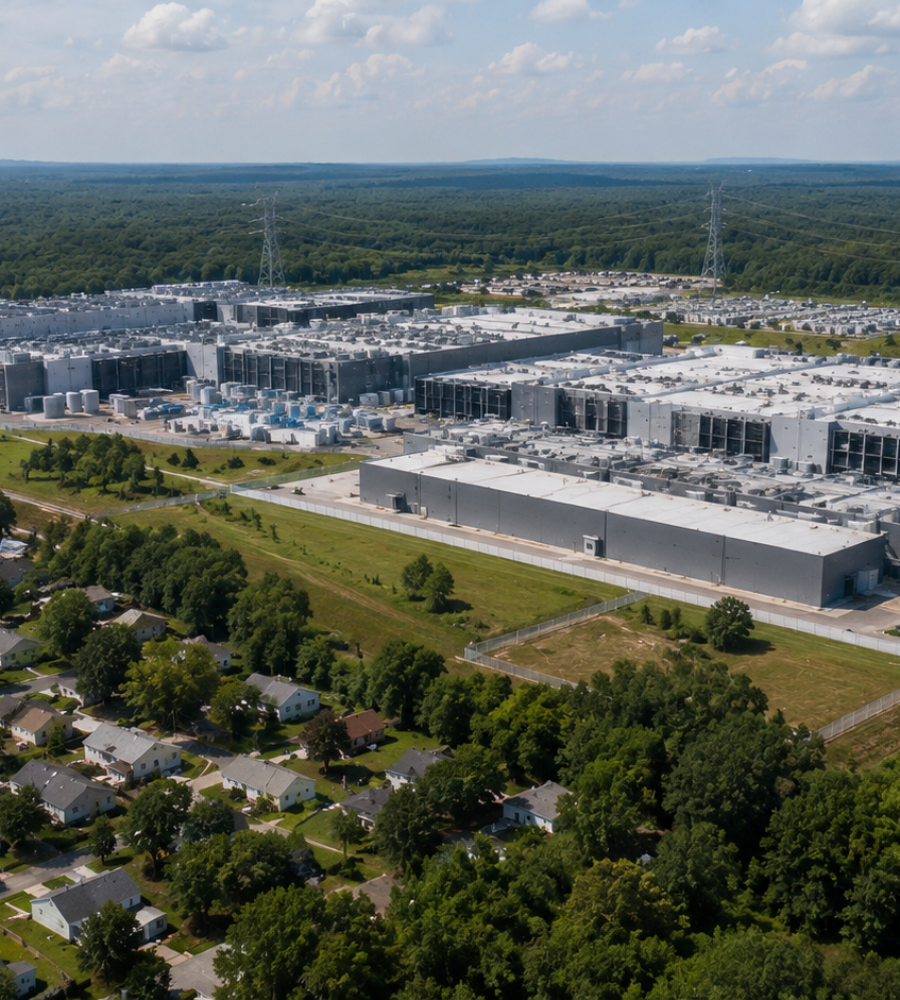

The discussion around specialized accelerators often begins with performance benchmarks and operating cost reductions, yet the more consequential question sits several layers below the processor itself. Infrastructure leaders evaluating alternative compute architectures frequently discover that economics change the moment hardware leaves a vendor presentation and enters a real facility environment. A deployment model that appears compelling on paper can encounter limitations created by electrical distribution, cooling density, networking layouts, and operational procedures that were designed for a different generation of workloads. The challenge does not emerge because the processors fail to deliver their promised efficiency improvements. Instead, the supporting environment struggles to supply the conditions those platforms require to operate at intended utilization levels. Organizations pursuing lower inference and training costs therefore face a decision that extends beyond hardware procurement and into facility strategy.
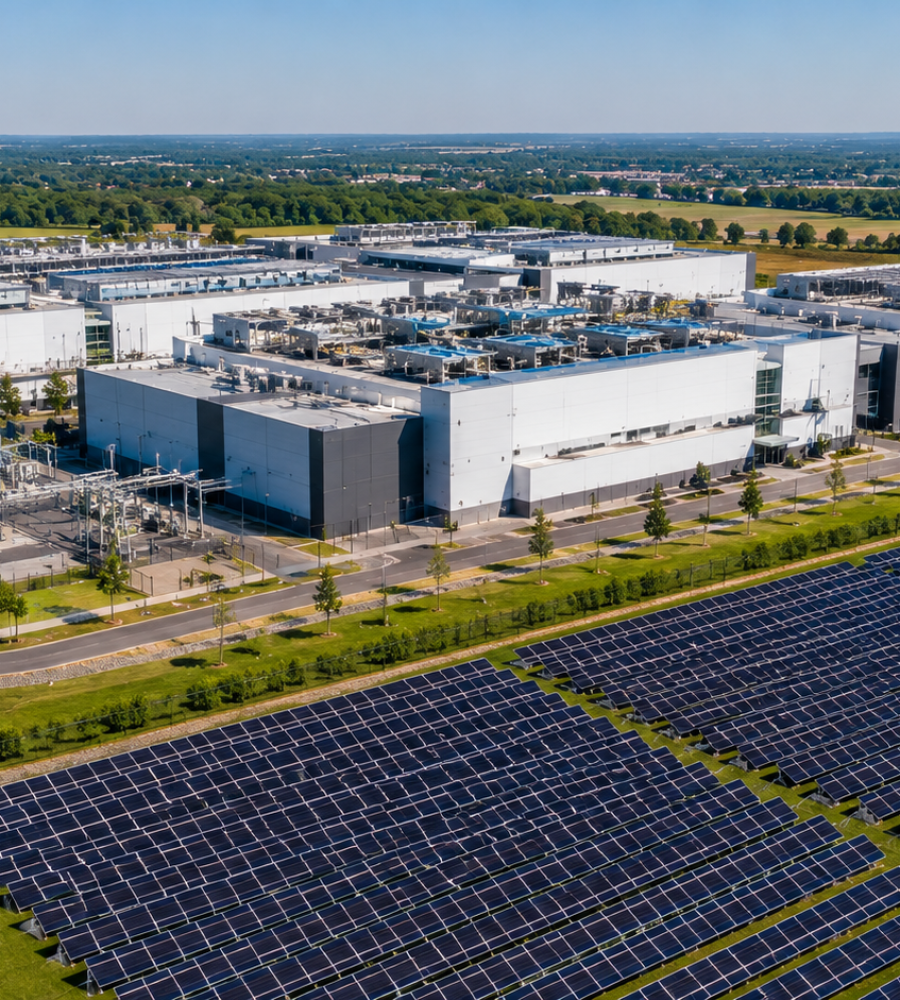
Cloud providers and hyperscale operators have already demonstrated that purpose-built accelerators can reshape workload economics when infrastructure aligns with platform requirements. Amazon continues to expand deployment of Trainium, while Google advances TPU architectures to improve performance efficiency across AI workloads. Those gains attract enterprises seeking alternatives to increasingly expensive GPU capacity and unpredictable allocation cycles. Yet many organizations attempt to place next-generation platforms inside environments optimized for lower-density equipment and traditional enterprise workloads. The resulting mismatch creates hidden costs that rarely appear in procurement models or cloud migration analyses. Understanding those constraints requires examining the facility layer as carefully as the processor roadmap itself.
Your Colocation Contract Just Expired on AI Economics
Many organizations evaluate infrastructure readiness by examining available rack space rather than reviewing the contractual framework governing that space. Colocation agreements signed several years ago often reflect assumptions about power consumption patterns that no longer match modern AI deployments. Capacity allocations frequently include fixed power ceilings, restrictive density thresholds, and escalating overage charges that become material when specialized accelerators enter production environments. A processor capable of reducing workload costs substantially may still generate unfavorable economics if facility agreements force operators to purchase additional capacity increments. Financial models built around hardware efficiency therefore encounter unexpected pressure from contractual provisions that seemed insignificant during initial negotiations. Infrastructure planning teams frequently discover these restrictions only after deployment schedules and procurement commitments have already been established.
Power allocation structures create another challenge because utilization patterns differ significantly from conventional enterprise applications. Specialized accelerators often concentrate substantial demand within smaller footprints, creating localized density requirements that exceed assumptions embedded in legacy leasing arrangements. Facility operators may require expensive upgrades, revised service agreements, or additional reserved capacity before approving deployment plans. Those requirements can increase total occupancy costs by requiring additional contracted capacity, facility upgrades, or revised service agreements before deployment approval. Furthermore, organizations operating across multiple sites may encounter inconsistent policies that complicate standardization efforts and long-term capacity planning. The result is a situation where infrastructure agreements can materially influence deployment planning, capacity allocation, and overall project feasibility.
ASIC Roadmaps Move Faster Than Your Tenant Improvements
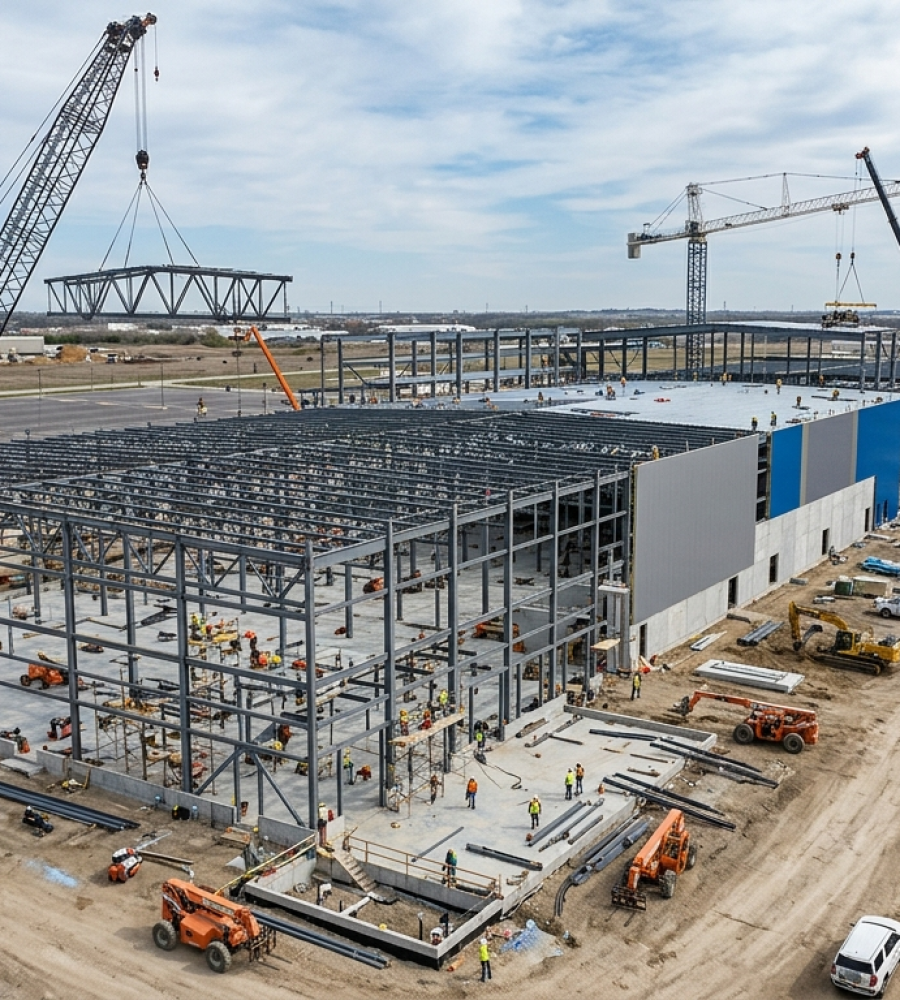
The traditional facility upgrade cycle evolved around hardware generations that changed at a relatively predictable pace. AI infrastructure now operates within a different environment where accelerator platforms advance rapidly and deployment requirements shift accordingly. Organizations beginning a white-space redesign today may complete implementation after the target hardware generation has already been replaced by a more capable successor. That timing gap creates a form of capital risk that receives far less attention than procurement costs or performance metrics. Facility decisions based on current specifications can become misaligned with future deployment requirements before construction activities conclude. Consequently, infrastructure teams increasingly face pressure to design for adaptability rather than optimize around a single hardware generation.
Rapid platform evolution also affects supporting systems such as cooling distribution, electrical architecture, rack configuration, and monitoring instrumentation. A facility designed around one generation of thermal and power assumptions may require modifications when newer platforms introduce different density profiles or operational characteristics. These changes create a challenge because infrastructure assets typically remain in service far longer than processor generations. Capital investments may require additional modification or expansion if facility designs are based solely on current hardware requirements while accelerator roadmaps continue to evolve. However, overbuilding introduces its own financial burden because excess capacity carries costs long before utilization materializes. Successful operators increasingly approach facility planning as a dynamic capability rather than a static construction project, aligning infrastructure timelines more closely with hardware innovation cycles.
The Hidden Latency Bill Nobody Modeled for TPU Clusters
Most infrastructure business cases focus on processor efficiency, power consumption, and acquisition costs while treating networking as a secondary consideration. That assumption becomes problematic when specialized accelerator deployments depend heavily on tightly coordinated cluster architectures and high-bandwidth communication patterns. Performance gains achieved at the processor level can diminish when physical layouts force traffic across longer paths than originally intended. Network topology therefore becomes an operational variable rather than a background utility. Facilities originally designed for conventional enterprise computing often lack the spatial characteristics needed to support highly optimized accelerator clusters. As a result, organizations can encounter latency penalties that affect utilization, throughput, and overall workload economics.
Physical constraints frequently require additional switching layers, extended cable runs, and more complex traffic management strategies. Every added component introduces potential delays, operational complexity, and additional failure points that would not exist in an environment designed specifically for accelerator workloads. Inference applications operating at scale depend on efficient communication between infrastructure components, making network architecture an important factor in overall system performance. Training environments face similar challenges because distributed processing depends on efficient exchange of information between nodes. Therefore, networking architecture becomes an important infrastructure consideration alongside compute, power, and cooling design. Organizations evaluating accelerator deployments must consider networking, facility design, and system integration requirements alongside processor performance characteristics.
When Your Ops Team Becomes the Bottleneck to 50% Savings
Technology roadmaps often assume that operational teams can manage new infrastructure using existing procedures and established workflows. Specialized accelerator deployments challenge that assumption because they introduce maintenance requirements that differ from traditional server environments. Equipment density, thermal behavior, monitoring expectations, and fault isolation practices can require new approaches that existing teams have limited experience executing. The issue does not stem from a lack of technical capability among operators. Rather, organizations frequently underestimate the operational adaptation necessary to support unfamiliar architectures at scale. Successful deployment of accelerator infrastructure requires both facility readiness and operational readiness across engineering and support teams.
Maintenance activities provide a useful example of how operational assumptions can influence deployment outcomes. High-density environments often require more detailed thermal monitoring, revised inspection practices, and different escalation procedures when anomalies occur. Teams accustomed to traditional equipment footprints may need additional training to identify emerging issues before they affect workload availability. Downtime events affecting highly utilized accelerator clusters can disrupt AI workloads and reduce available compute capacity until services are restored. Meanwhile, troubleshooting workflows designed for conventional enterprise infrastructure may not provide sufficient visibility into performance bottlenecks unique to specialized platforms. Effective deployment requires operating procedures, monitoring practices, and support processes that align with the characteristics of accelerator-based infrastructure.
Design for the Chip, or Pay for the Cloud
The most important lesson emerging from modern accelerator deployments is that infrastructure economics no longer begin with the building and end with the processor. Organizations evaluating alternative compute architectures frequently focus on benchmark improvements and projected workload savings because those figures are easy to quantify and compare. Reality proves more complex because deployment outcomes depend on the interaction between hardware, facilities, networks, operations, and contractual frameworks. A highly efficient processor cannot deliver its full economic value when surrounding systems impose constraints that reduce utilization or increase operating costs. Thus, infrastructure design decisions increasingly determine whether projected savings become measurable business outcomes. The conversation has shifted from selecting the best processor to creating the conditions under which that processor can perform as intended.
Infrastructure leaders now face a strategic choice that will influence AI economics for years rather than quarters. Continuing to adapt accelerator deployments to facilities designed around previous computing assumptions may preserve short-term simplicity, but it can also limit long-term competitiveness. Designing environments around workload requirements and platform roadmaps creates greater alignment between infrastructure investments and future operational needs. Moreover, that approach allows organizations to capture efficiency gains without introducing hidden costs that emerge during deployment and operations. The financial opportunity associated with specialized accelerators remains substantial, yet achieving that outcome requires infrastructure planning to move from a supporting function to a primary strategic consideration. Enterprises that align facility design with processor requirements are generally better positioned to support accelerator deployments, maintain operational consistency, and accommodate future infrastructure growth.