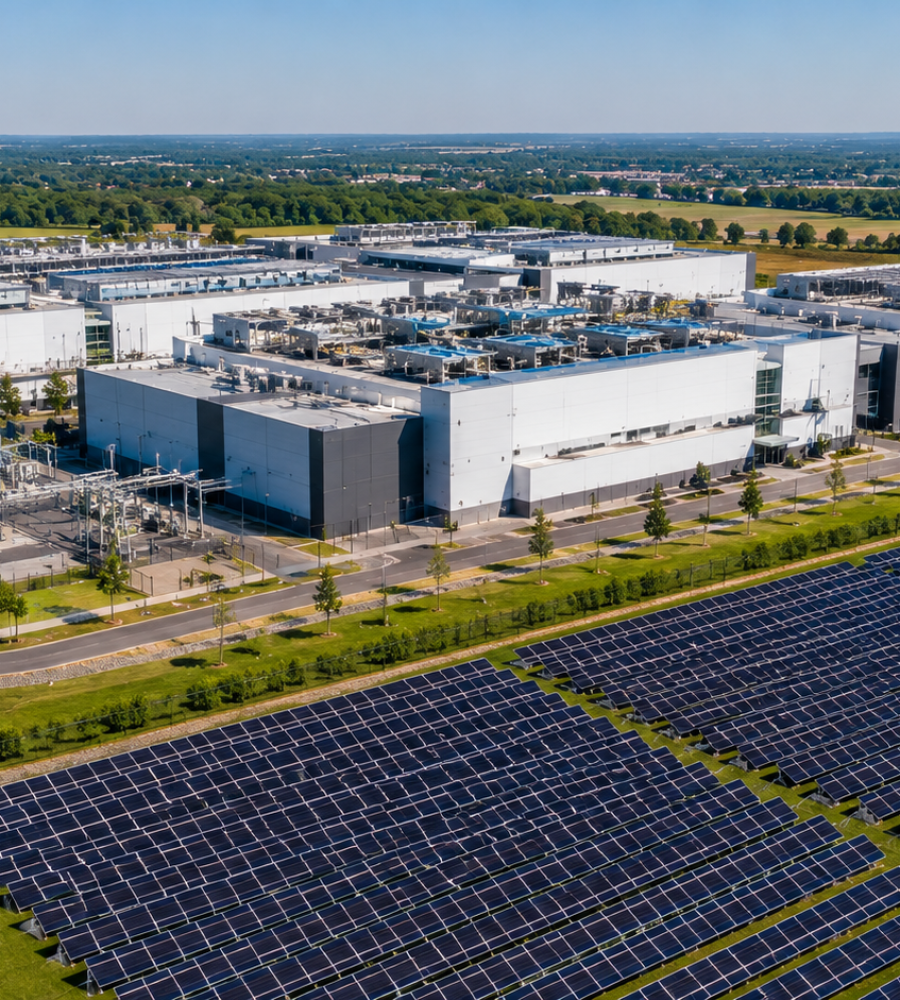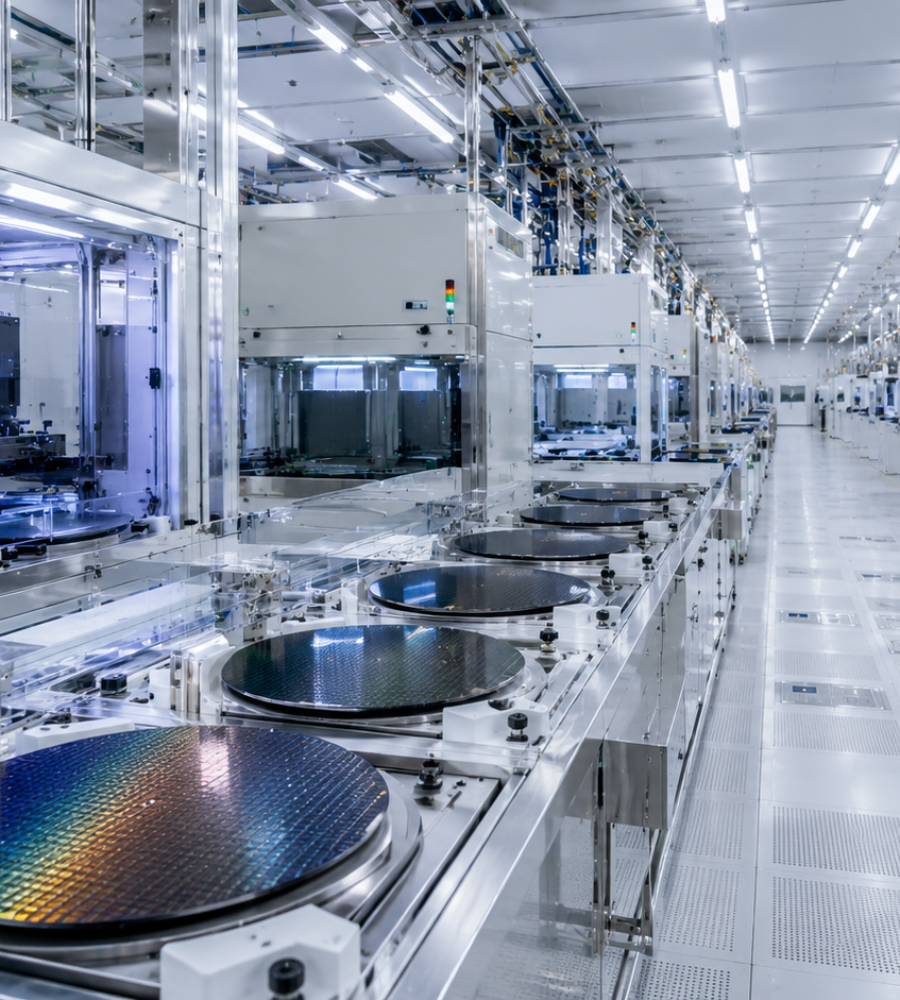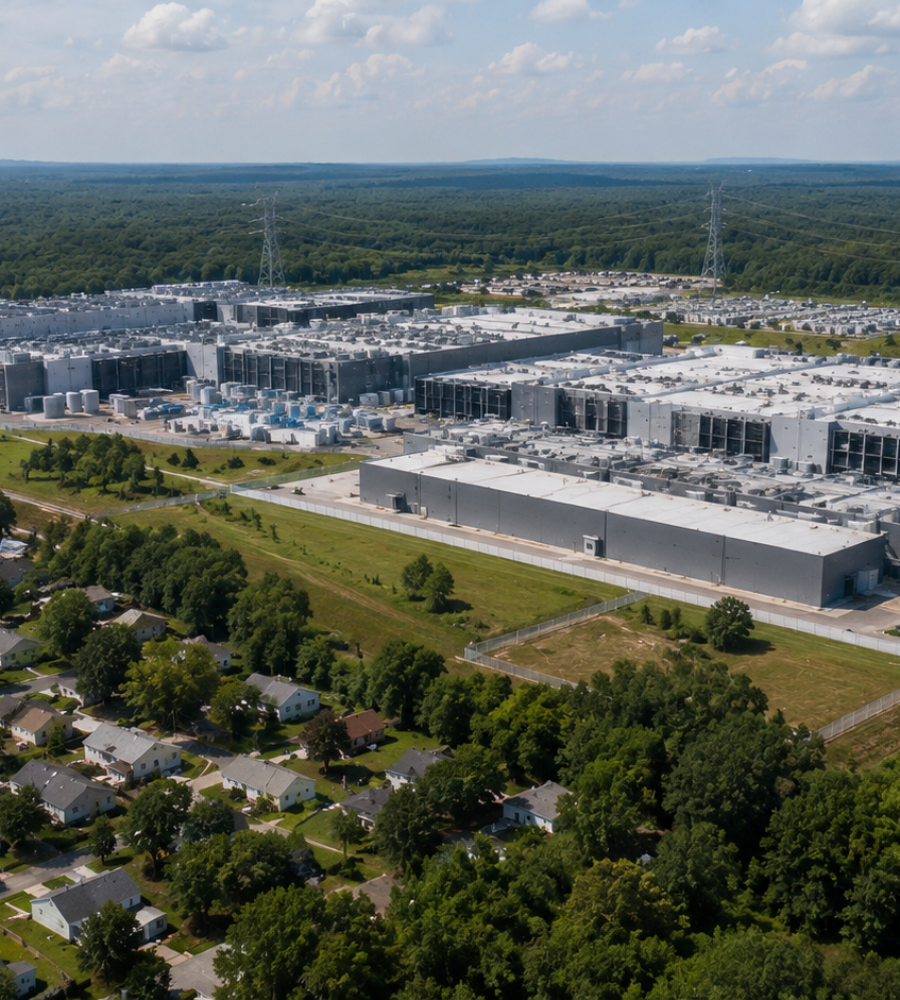

Israel’s data center sector has entered a phase that few would have predicted several years ago. What was once a relatively specialized infrastructure segment now sits at the center of conversations about artificial intelligence, cloud computing, digital sovereignty, and national competitiveness. Investors see opportunity. Operators see demand. Policymakers see a strategic industry capable of supporting the country’s next stage of digital development. The optimism is understandable. Artificial intelligence workloads continue to expand. Enterprises are migrating applications to the cloud. Governments are digitizing services. Data-intensive industries increasingly require local processing capacity to meet performance, security, and regulatory expectations. Against that backdrop, new facilities appear logical rather than speculative.
Yet commentary around Israel’s digital infrastructure expansion increasingly centers on a different question: whether the industry is responding to future demand or attempting to outrun it. That distinction matters. Infrastructure markets rarely move in a straight line. They often begin with genuine demand signals before evolving into investment cycles that become disconnected from actual consumption patterns. The challenge for Israel is determining where it currently sits on that spectrum. The sector’s future may depend less on how much capacity gets built and more on whether utilization ultimately supports the assumptions behind today’s investment decisions.
AI Demand Does Not Automatically Guarantee Capacity Demand
Artificial intelligence has become the dominant narrative behind infrastructure investment worldwide. Nearly every major data center market cites AI as a primary growth driver. Israel is no exception. The problem is that AI demand and data center demand are not always identical. Many discussions treat AI growth as a direct justification for continuous facility expansion. In reality, the relationship is more complex. AI workloads often concentrate within a relatively small number of high-performance environments. Large enterprises may rely on hyperscale cloud providers. Startups may consume cloud services rather than build dedicated infrastructure. Some organizations may prioritize efficiency improvements before committing to additional computing resources. This does not weaken the long-term case for data centers.
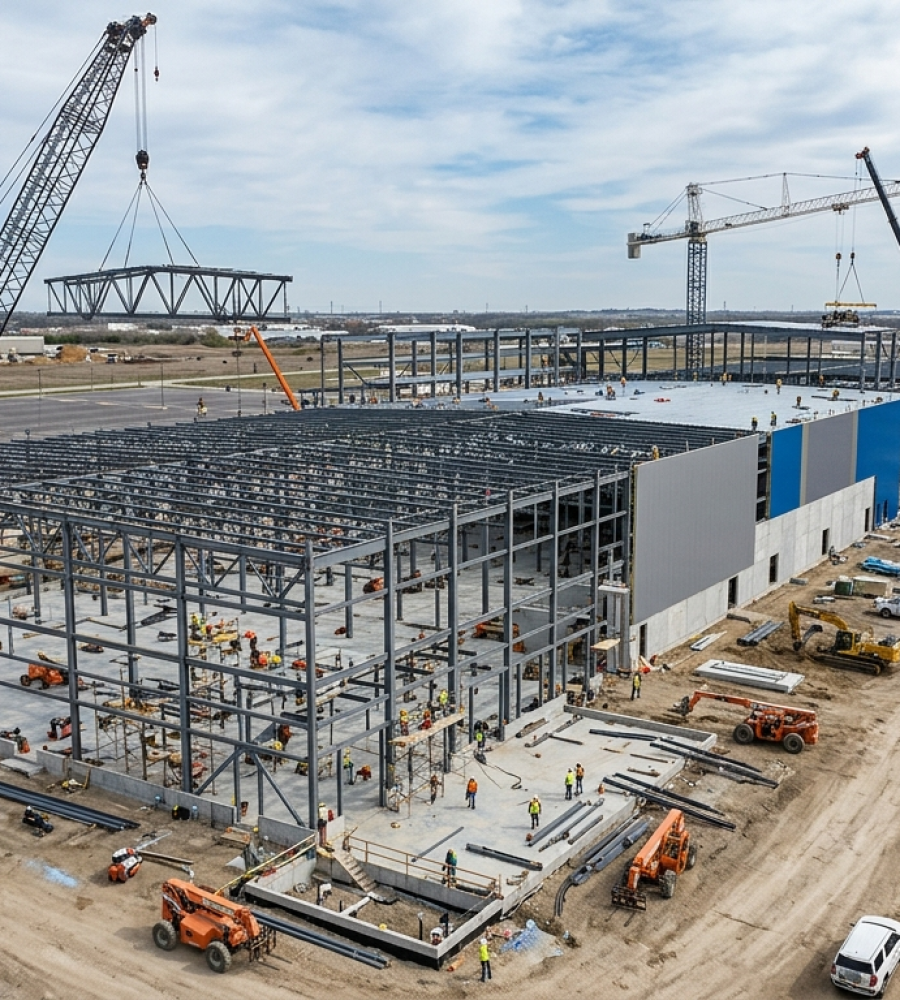
It simply suggests that demand growth may arrive unevenly rather than continuously. Markets frequently make the mistake of converting broad technology trends into assumptions about immediate infrastructure requirements. The result can be a period where supply expands faster than customer adoption. Israel’s operators are betting that AI-driven demand will materialize at sufficient scale to absorb new capacity. The question is not whether demand exists. The question is whether it arrives quickly enough to justify the pace of deployment currently underway. Infrastructure sectors often celebrate announcements. New campuses attract attention. Investment commitments generate headlines. Capacity additions create the appearance of momentum. Yet the long-term health of any data center market depends on a less visible metric: utilization.
A facility generates value when customers occupy space, deploy equipment, and consume services. Construction alone does not create sustainable economics. This distinction becomes increasingly important as competition intensifies. When multiple operators expand simultaneously, the market must absorb a larger volume of available capacity. If customer growth keeps pace, the ecosystem benefits. If demand develops more slowly, operators may face pressure to compete aggressively for tenants. That pressure can affect pricing, returns, and future investment decisions.
Israel’s market remains smaller than many global hyperscale hubs. That reality creates both opportunities and risks. Smaller markets can grow rapidly from a lower base, but they can also experience sharper imbalances when supply and demand diverge. The industry’s next chapter will depend on whether utilization rates strengthen alongside construction activity. If they do, the current expansion may prove justified. If they do not, investors could begin reassessing growth assumptions that currently appear widely accepted. One of the defining characteristics of modern infrastructure investment is the availability of capital. Institutional investors increasingly view digital infrastructure as an attractive asset class. Data centers offer exposure to long-term technology trends while providing characteristics traditionally associated with infrastructure investments. That combination has drawn significant attention from private equity firms, infrastructure funds, and institutional capital providers.
Israel benefits from this environment. Its technology ecosystem, innovation reputation, and strategic importance create a compelling narrative for investors seeking exposure to digital infrastructure growth. Yet abundant capital can create its own challenges. When financing becomes readily available, markets sometimes prioritize expansion over discipline. Investors compete for opportunities. Developers accelerate projects. Growth projections become increasingly optimistic. Each participant assumes future demand will validate present decisions. History suggests caution. Technology infrastructure cycles have repeatedly demonstrated that investment enthusiasm can exceed market requirements. The issue is rarely the underlying technology. The issue is timing. Demand eventually arrives. The uncertainty concerns when. For Israel, maintaining investment discipline may prove as important as attracting capital. Markets tend to remain healthy when operators expand in response to measurable demand signals rather than competitive pressure alone.
Strategic Infrastructure Requires Strategic Planning
The debate surrounding Israel’s data center expansion should not be framed as growth versus restraint. The more relevant discussion concerns coordination. Digital infrastructure performs a strategic function within modern economies. Data centers support cloud adoption, AI deployment, cybersecurity capabilities, and digital transformation initiatives. Their importance extends beyond individual commercial projects. That reality suggests a need for long-term planning rather than short-term enthusiasm. Questions about power availability, grid resilience, connectivity infrastructure, workforce development, and geographic distribution become increasingly important as the sector expands. Capacity growth alone does not create a durable ecosystem.
The strongest digital infrastructure markets typically evolve through a combination of demand creation and supply expansion. Enterprises adopt new technologies. Cloud providers invest. Governments establish supportive frameworks. Operators build capacity in response. Each component reinforces the others. Israel possesses many of these advantages already. The country’s technology sector remains one of its strongest economic assets. Innovation activity continues to attract global attention. Demand drivers are visible across multiple industries. The opportunity therefore appears substantial. The challenge lies in ensuring that infrastructure development follows a sustainable trajectory rather than a purely speculative one.
Israel’s Next Test Is Economic, Not Technical
The technology underpinning modern data centers is no longer the primary issue. Operators understand how to build facilities. Investors understand the sector’s strategic relevance. Customers understand the importance of digital infrastructure. The remaining question is economic. Can demand growth consistently support the volume of capacity entering the market? That question will determine whether today’s expansion becomes a case study in successful infrastructure development or a reminder that even promising sectors require disciplined execution.
Israel’s current momentum reflects genuine opportunities created by AI adoption, cloud growth, and digital transformation. Those drivers are real. The market’s potential is real as well. But potential and utilization are not interchangeable. The coming years will reveal whether Israel’s infrastructure ambitions align with customer demand at the pace investors expect. If they do, the country could strengthen its position as a significant digital infrastructure hub. If they do not, the industry may confront a familiar challenge seen across previous technology cycles: too much capacity pursuing too little demand. The distinction between a growth story and a bubble often becomes visible only after investment decisions have already been made. Israel’s data center market is approaching the point where that distinction will begin to emerge.