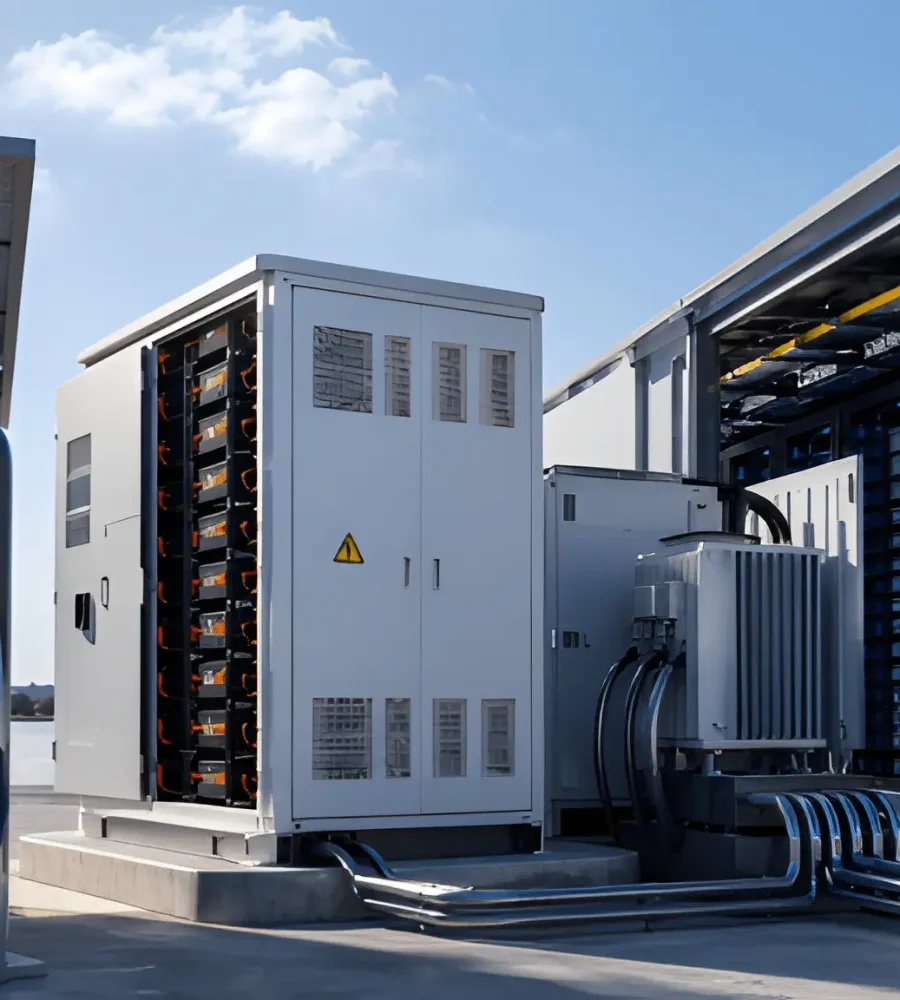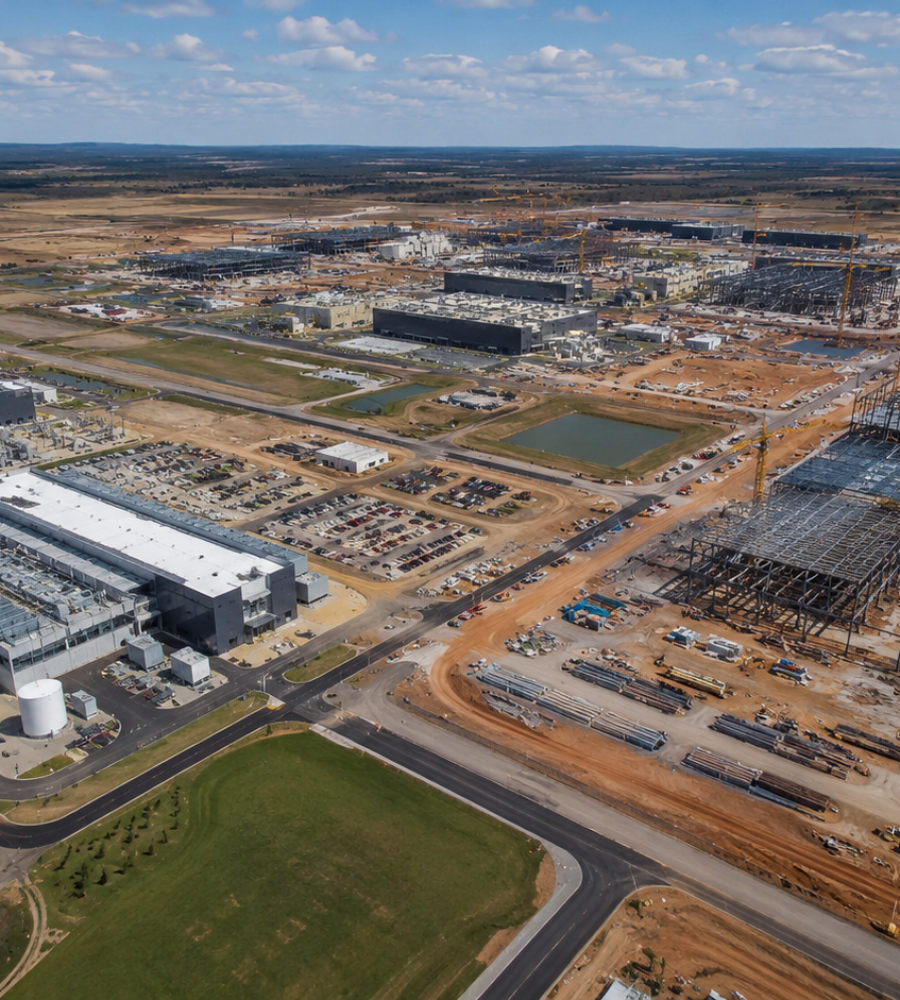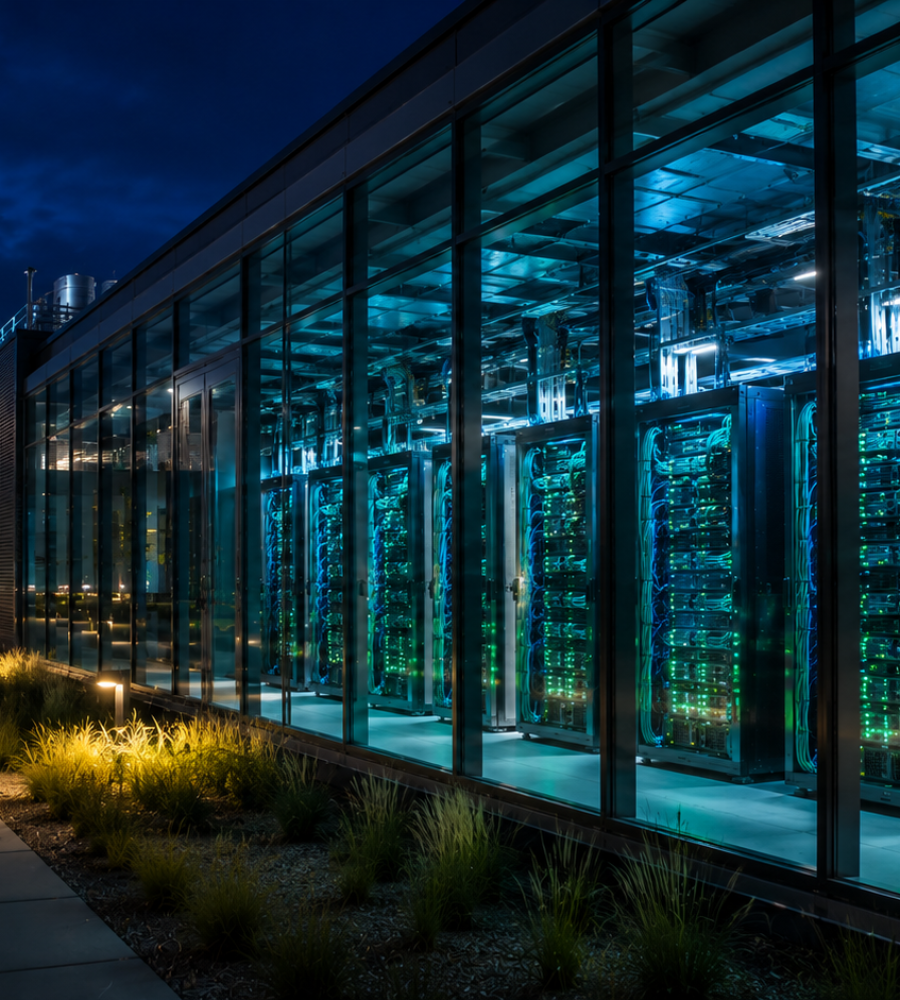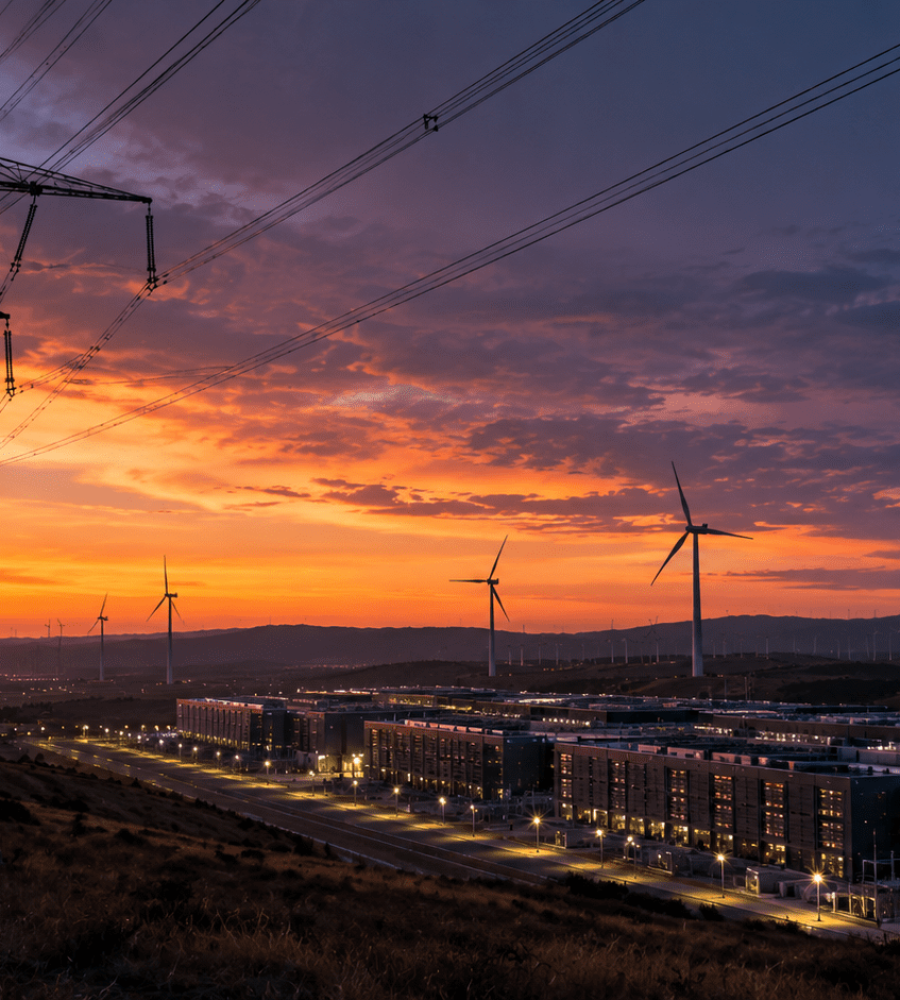
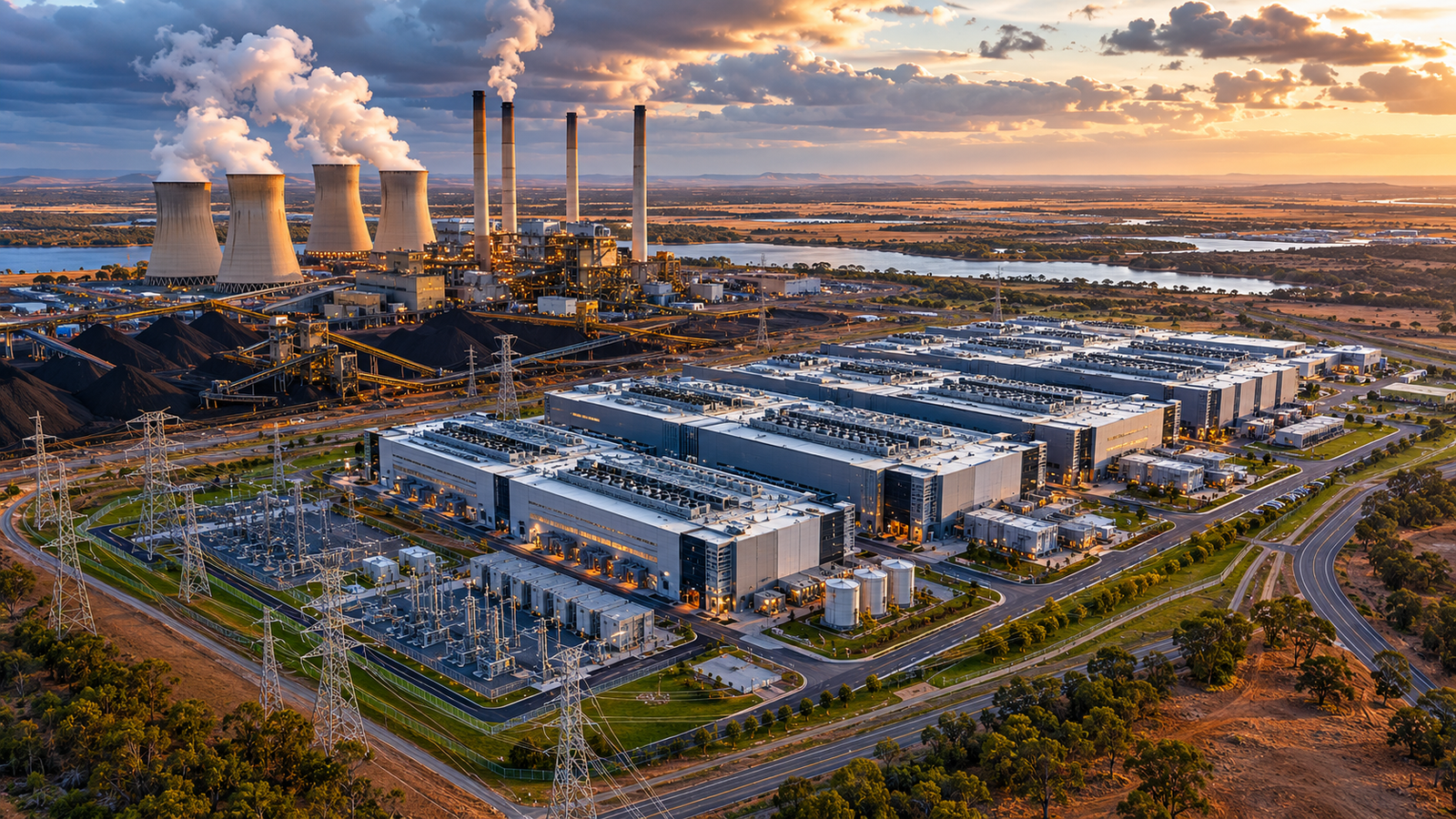
Greenpeace Australia Pacific commissioned a new report that concludes the AI-fuelled surge in power-hungry data centers is jeopardising Australia’s energy transition, with electricity demand from data centers projected to increase more than sixfold between 2024 and 2040. The authors published the report on Tuesday, May 26, drawing on projections from the Australian Energy Market Operator and warning that data center load growth is arriving faster than utilities and developers can deploy the renewable energy, storage, and transmission infrastructure needed to support it.
Under the high-growth scenario modelled by AEMO, data centers could account for 13% of Australia’s total national electricity demand by 2040. That figure represents a more than fivefold increase from what AEMO projected in its 2024 report, revised sharply upward in its 2025 report as the scale of the AI-driven data center pipeline became clear. Australian Bureau of Statistics data cited in the report shows data center-related spending grew more than 60% in the September 2025 quarter, reaching $2.6 billion and representing an increase of more than 140% on the previous year.
What the Numbers Actually Mean
University of New South Wales senior research associate Dylan McConnell, cited in the report, put the scale in terms that make the comparison concrete. The projected new load from data centers by 2030 is another 10 terawatt hours, equivalent to all of Tasmania’s electricity demand. Two years ago, none of this was forecast.
The more consequential point is the nature of the load. Electrification of vehicles and home heating replaces fossil fuel consumption with electric consumption, but the underlying demand was already there in some form. Data center load driven by AI is new demand with no fossil fuel equivalent being displaced. When utilities and developers cannot build renewable capacity quickly enough to keep pace with that demand, existing coal and gas generators fill the gap. The report’s conclusion is straightforward: Australia is at risk of burning fossil fuels for longer than it would have without the AI infrastructure buildout, not because renewable development has slowed, but because data center load growth has accelerated beyond what any energy planning framework anticipated.
Transgrid’s Warning and the Infrastructure Gap
The report coincides with a warning from NSW state energy grid provider Transgrid, which told a NSW parliamentary inquiry last week that the scale, pace, and concentration of data center development around Sydney represented a material step-change that policymakers never designed the current regulatory framework to manage. Transgrid said it had received inquiries representing more than 10 gigawatts of potential load from proposed data centers in western Sydney, with around 6 gigawatts progressing to formal applications, though no operator had fully committed.
Transgrid’s executive general manager told the inquiry that new large loads should pay for the infrastructure needed to supply them, including network upgrades, rather than spreading those costs across existing customers. That position aligns with what Virginia enacted into law on May 18 and what regulators in Wisconsin and North Carolina have moved toward, suggesting that cost assignment to large AI loads is becoming the dominant regulatory direction in markets where data center concentration is driving material grid investment.
What Greenpeace Is Calling For
Greenpeace is calling for a moratorium on new data centers until governments legislate transparency measures and safeguards around electricity use, water consumption, and emissions. More specifically, the report calls for new data centers to source power from new renewable projects, disclose their energy use and emissions publicly, and face stronger approval rules.
At a recent meeting, all state and federal energy ministers except Queensland’s backed a requirement for data centers to fully offset their electricity demand with new renewable energy. The Australian Energy Market Commission will report back in July with implementation options, including requirements for data centers to reduce power use during peak demand periods.
The framing of the Australian debate is notable for how closely it mirrors what is happening in the US, Europe, and the UK simultaneously. The argument that data center developers should bear the full cost of the grid and renewable infrastructure their load growth requires, rather than distributing it across residential ratepayers, is the same argument Virginia just codified, Wisconsin just applied, and Europe is building mandatory disclosure frameworks around. The AI infrastructure buildout is producing the same policy response across every advanced economy where it has arrived at scale.