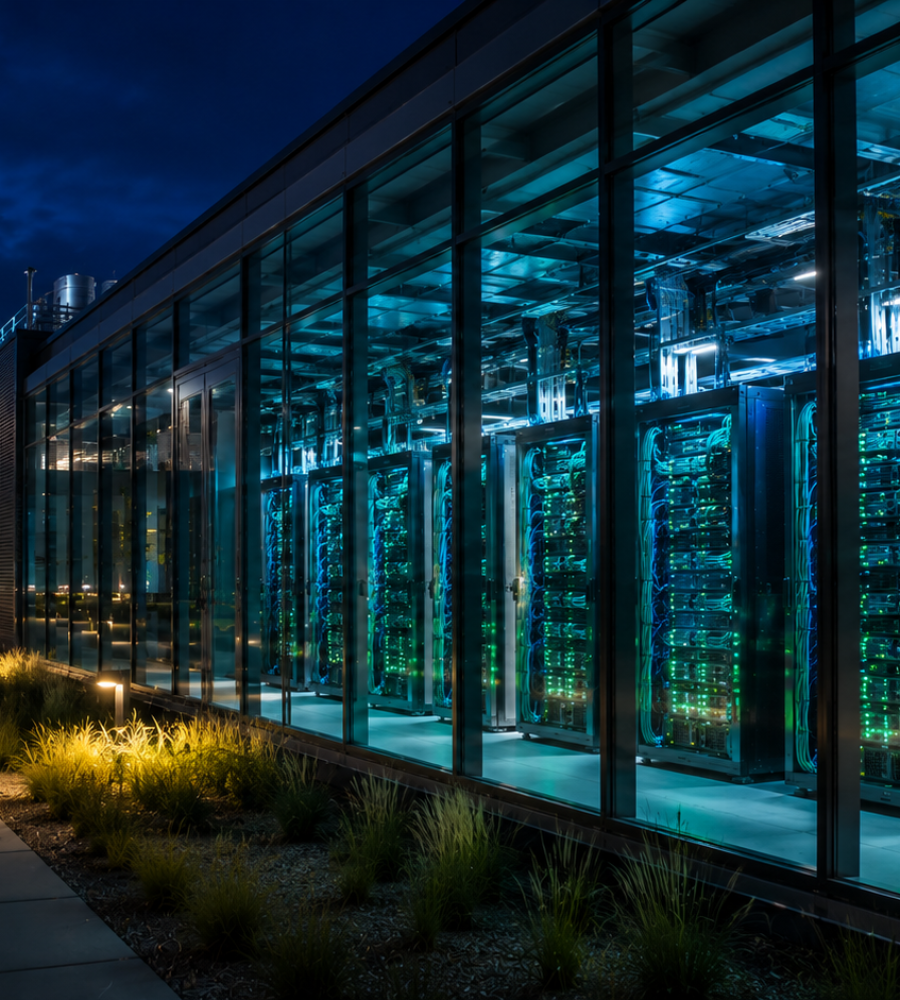
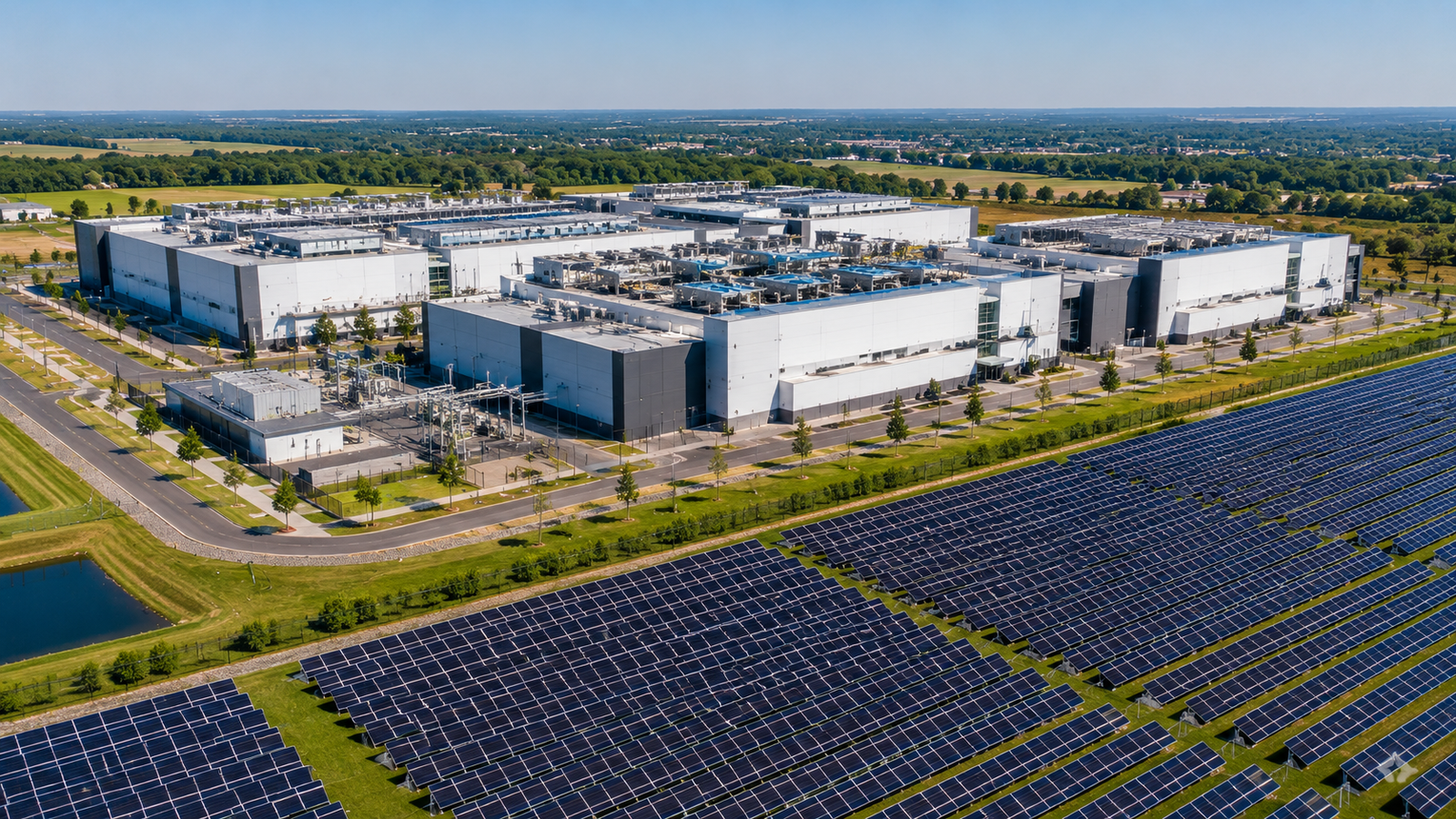
Amazon, Google, Meta, and Microsoft have joined forces with a coalition of investors and philanthropic organisations to launch the Data Center Innovation Initiative, announced Tuesday by nonprofit investor Elemental Impact. The DCII will invest between $500,000 and $5 million per project in up to ten technology startups through the end of 2027. Elemental Impact will manage the investments while the four hyperscalers contribute technical expertise and pilot the chosen technologies inside their own data center environments or demonstration sites. The initiative also includes Bill Gates-backed Breakthrough Energy Discovery, Salesforce, Builders Vision Philanthropy founded by Walmart heir Lukas Walton, and the Stolte Family Foundation.
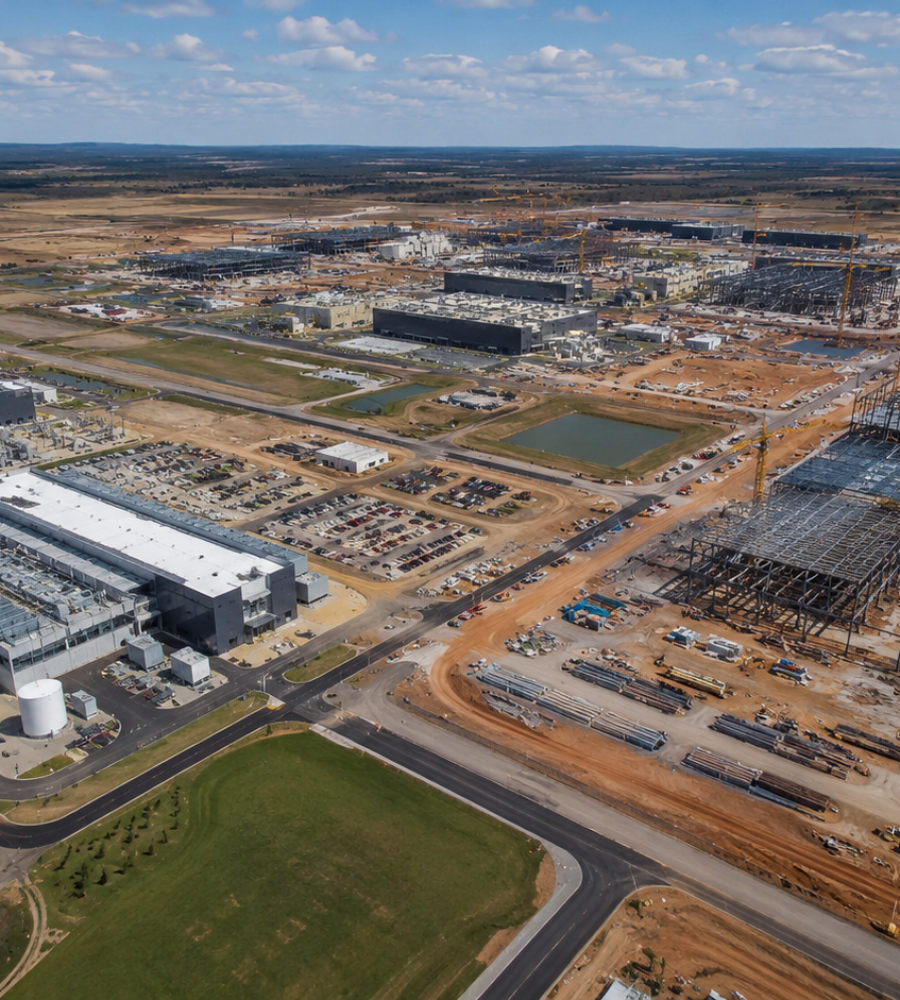
The four hyperscalers behind the initiative are expected to collectively spend up to $700 billion in capital expenditures in 2026. That scale of buildout is precisely why the initiative’s framing matters. Amazon Chief Sustainability Officer Kara Hurst said the goal is not just to prove technologies work at scale but to create a shared playbook that accelerates adoption across the industry and delivers real benefits to the communities where these facilities operate.
What the Initiative Will Actually Fund
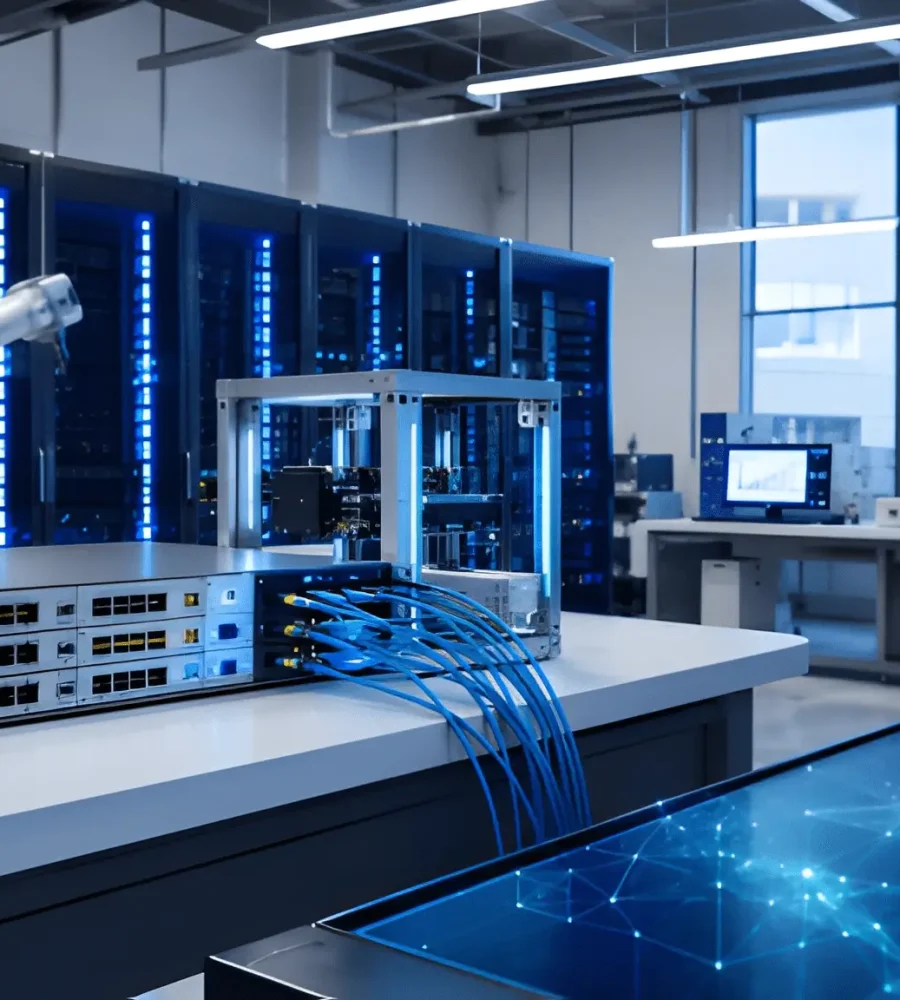
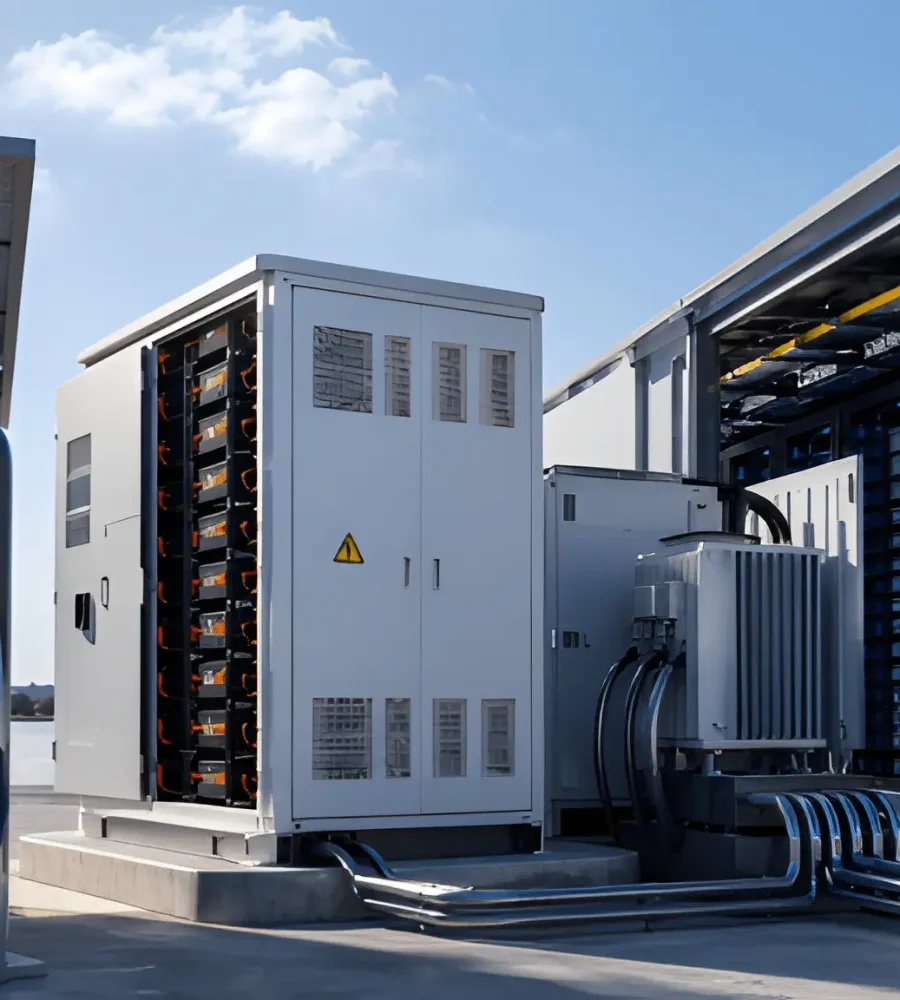
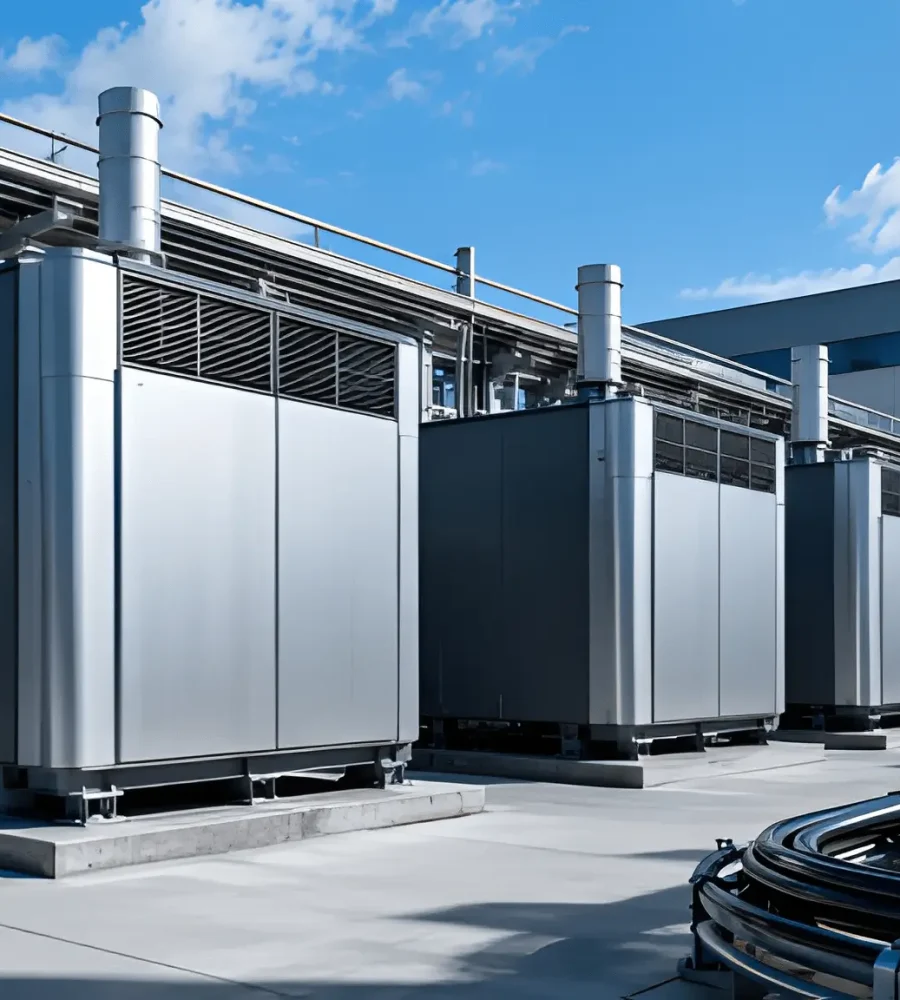
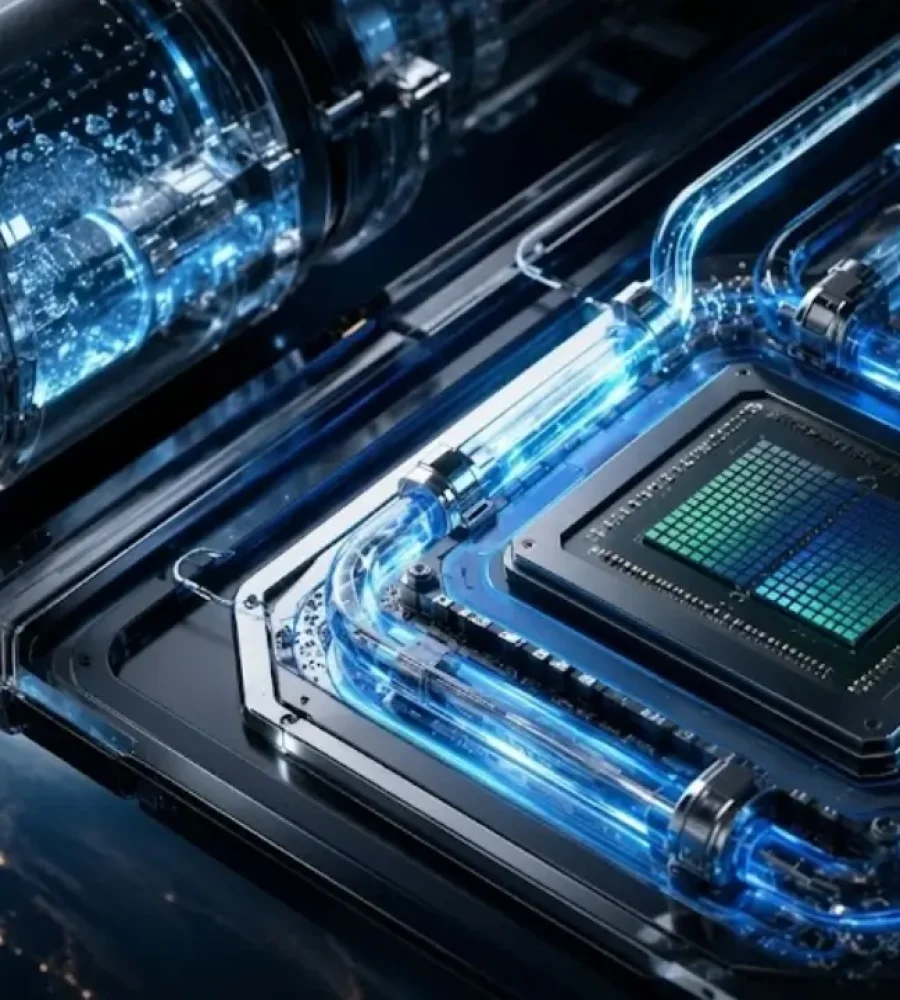
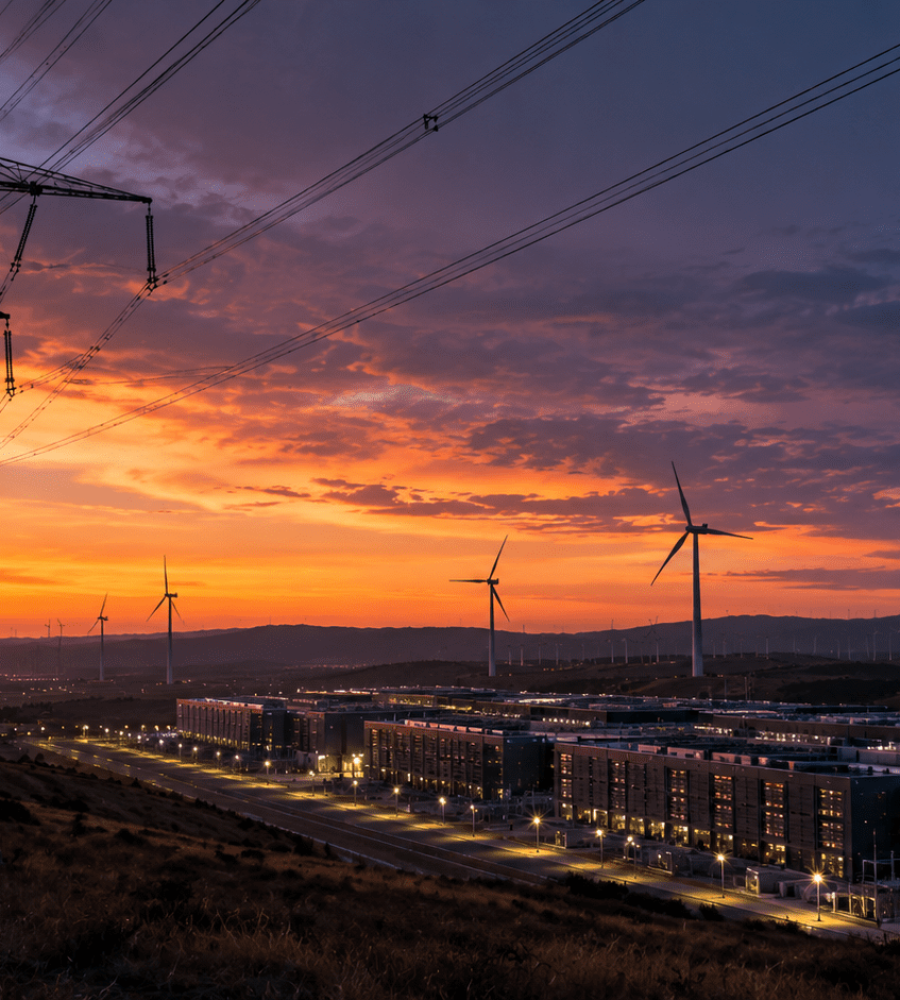
The DCII will direct capital toward four priority technology categories: energy storage systems that enable cleaner power delivery, advanced electrical systems that improve energy efficiency, novel industrial cooling approaches that reduce both energy and water consumption, and low-carbon building materials that lower the embodied carbon footprint of new data center construction. Each of these categories addresses a specific gap between the sustainability commitments hyperscalers have made publicly and the operational realities of building at AI infrastructure scale.
The initiative’s structure is designed to lower the adoption risk that prevents promising technologies from reaching commercial deployment. Elemental Impact CEO Dawn Lippert described it as a way to pull forward innovations the firm has been investing in for years across energy, materials, and water. By having the four largest hyperscalers pilot the selected technologies in real operating environments and commit to documenting and sharing results, the DCII creates a commercialisation pathway that individual startups cannot generate independently. The data center industry’s sustainability problem has always been as much about adoption risk as about technology availability. This initiative directly addresses that gap.
What It Signals About the Industry’s Direction
The timing of the DCII reflects a specific pressure point. The National Electrical Manufacturers Association projects that data center electricity consumption will grow by 300% over the next decade, with AI workloads accounting for 38% of net electricity consumption growth through 2037. Against that trajectory, the voluntary sustainability commitments that each of the four hyperscalers holds individually are increasingly difficult to defend without visible collective action on the technologies that would make those commitments credible.
The DCII does not replace individual sustainability programmes. It supplements them with a shared commercialisation infrastructure for technologies that no single operator has the incentive to de-risk alone. The $50 million ceiling is modest relative to the capital these companies deploy individually. More importantly, what it provides is not funding scale but market signal: four of the largest technology buyers on earth telling the startup ecosystem that sustainable data center technology has a validated commercial pathway if it can demonstrate performance in real operating environments.