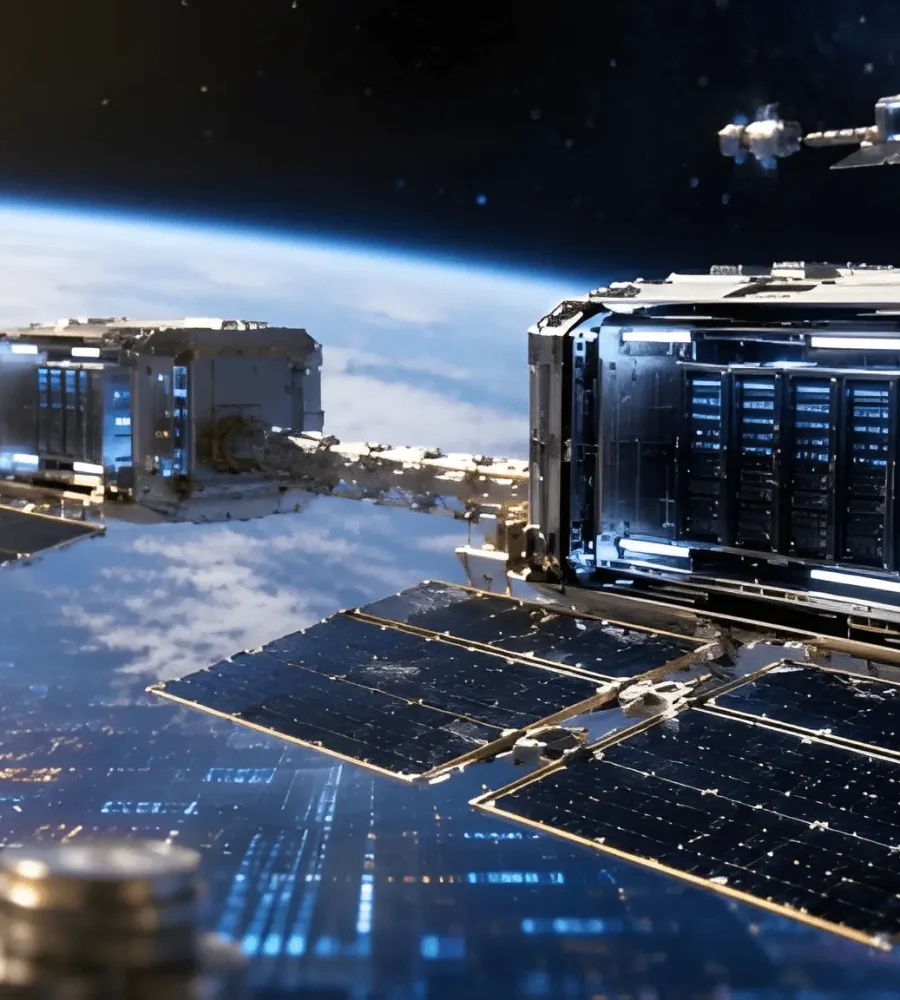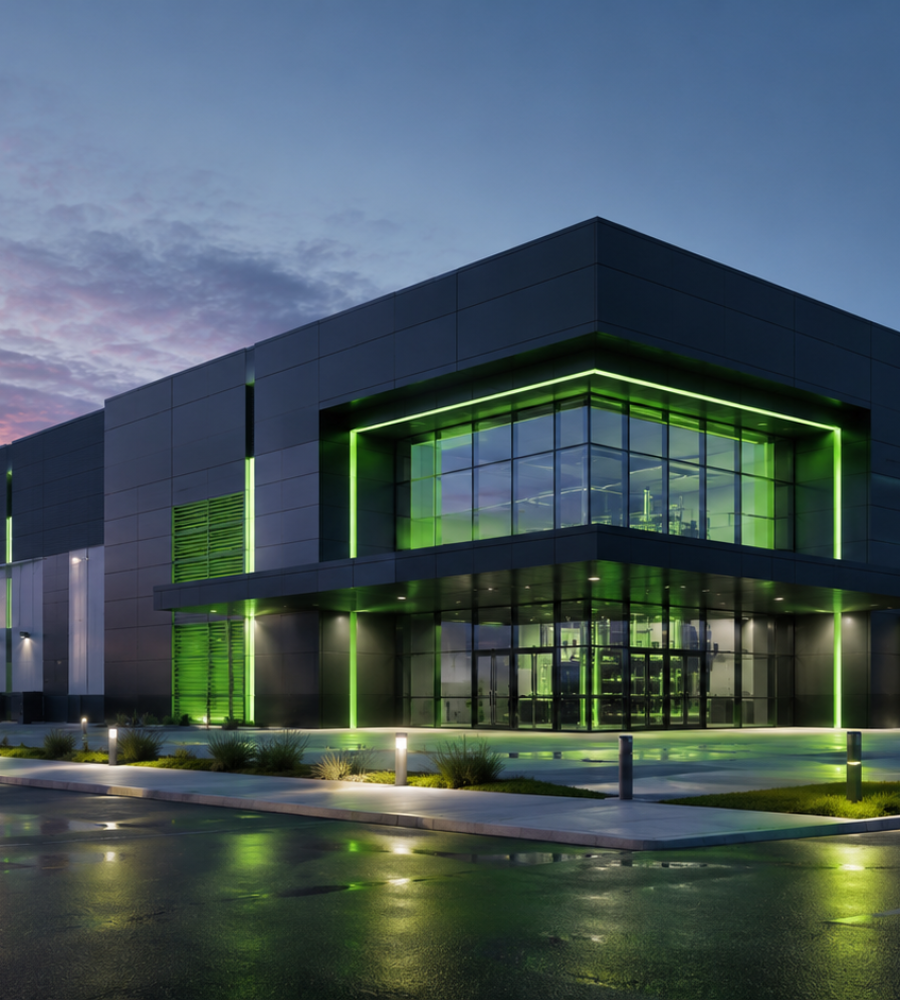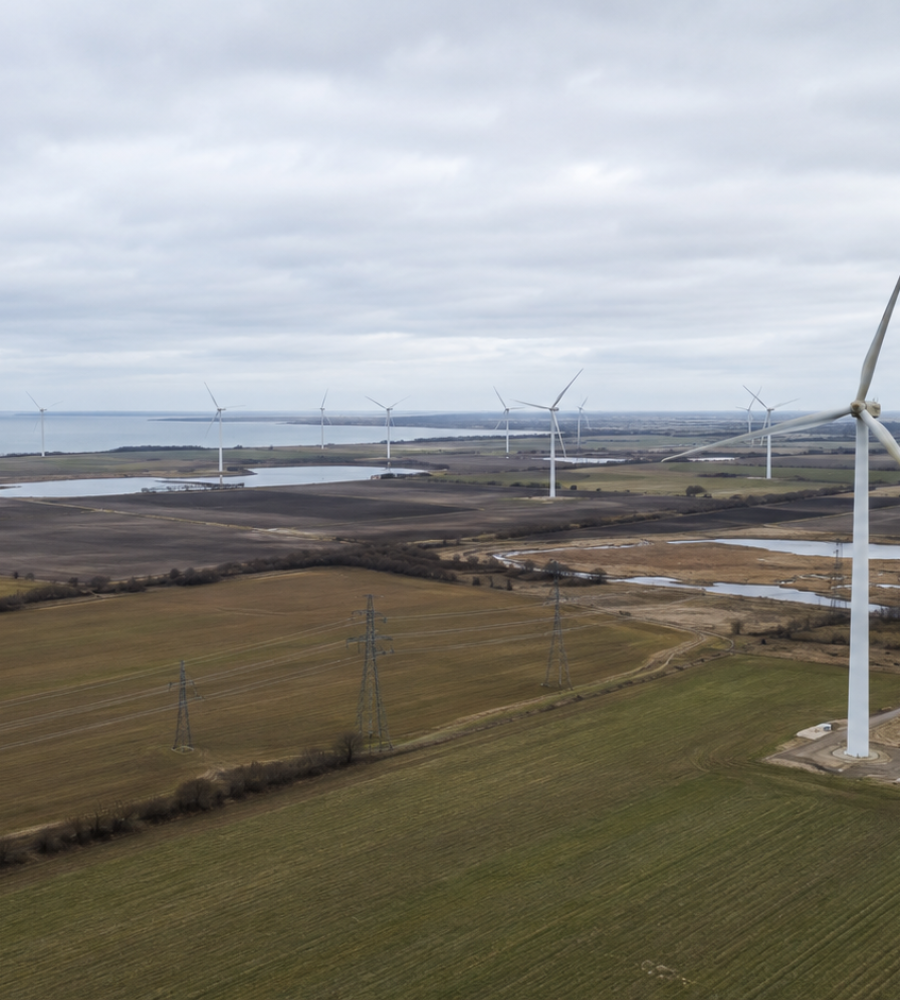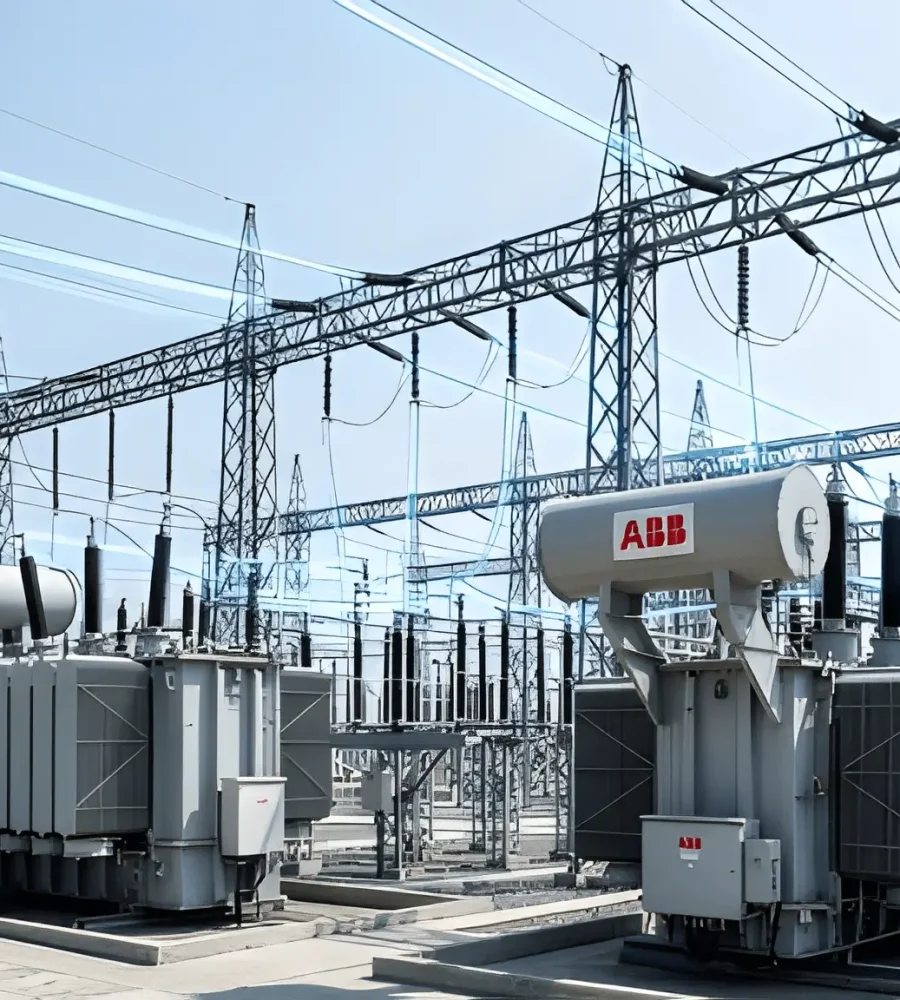
Environments that were off the radar in data center discussions a decade ago are now front and center for infrastructure planners in the global race for compute capacity. Dense AI workloads now demand enormous electrical footprints, uninterrupted connectivity layers, and deployment timelines that many urban regions can no longer support efficiently. Coastal regions and offshore zones have quietly entered strategic infrastructure conversations because they offer space, energy adjacency, and thermal conditions that landlocked environments struggle to replicate at scale. Large infrastructure operators are no longer treating oceans as empty surroundings beside terrestrial facilities because maritime territory increasingly resembles a deployable extension of digital infrastructure networks. Discussions around future compute expansion increasingly include shipyards, ports, subsea cable routes, and marine AI engineering firms alongside traditional hyperscale construction ecosystems.
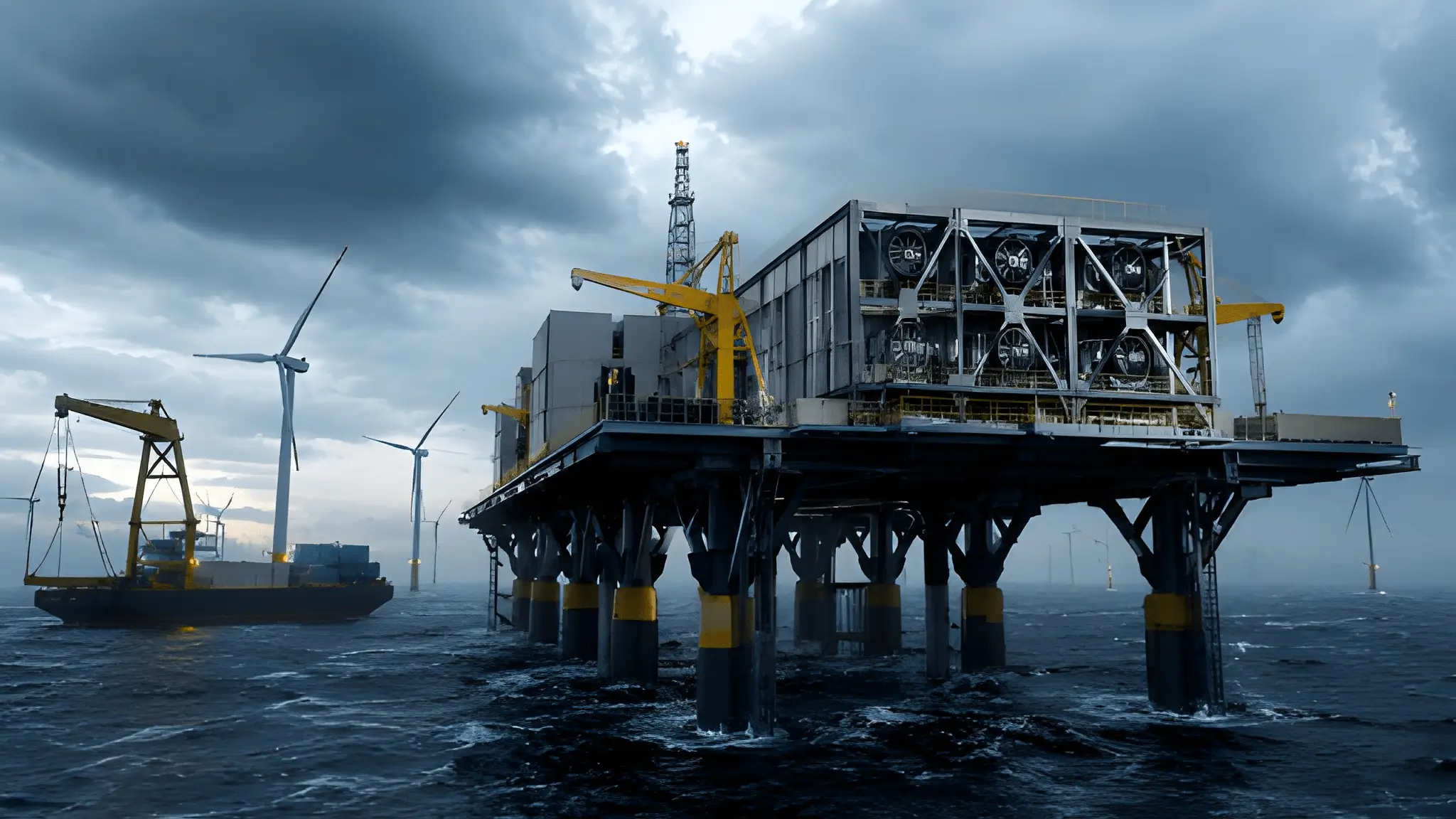
AI infrastructure expansion has also collided with permitting bottlenecks, land acquisition conflicts, and power distribution constraints across several major regions worldwide. Some coastal governments and infrastructure planners have started evaluating offshore infrastructure as a potential option for balancing industrial growth with urban land preservation priorities. Maritime territories already support energy infrastructure, telecommunications systems, and industrial logistics corridors, which makes offshore compute concepts less radical than they initially appear. Several infrastructure developers have started evaluating how offshore installations could integrate with renewable energy assets including offshore wind projects and coastal grid interconnections. The engineering challenge no longer revolves around whether compute systems can survive marine conditions because limited deployments have already proven operational viability under controlled frameworks. Attention has shifted toward scalability economics, operational resilience, and the long-term feasibility of maintaining distributed offshore infrastructure ecosystems.
The Ocean Is Becoming AI’s New Real Estate
Maritime territory has started attracting infrastructure planners because oceans provide access to deployment corridors that remain comparatively underutilized by conventional digital infrastructure. Coastal governments already regulate offshore zones for shipping, telecommunications, fishing, and energy production, which means administrative frameworks for marine industrial activity already exist in many jurisdictions. Seabed leasing discussions have started including exploratory conversations around digital infrastructure placement as operators evaluate alternatives to increasingly constrained terrestrial environments. Several coastal nations are reassessing maritime infrastructure policies as subsea connectivity routes and offshore renewable power assets attract broader interest around future distributed infrastructure deployment. Infrastructure developers now analyze ocean territory through the same lens once reserved for industrial land banking and logistics corridor planning. Consequently, offshore geography has started transforming from passive territory into a negotiable infrastructure asset class connected to future compute capacity expansion.
Permitting complexity remains one of the most significant barriers because offshore compute infrastructure intersects environmental law, maritime operations, and national telecommunications regulations simultaneously. Marine deployment proposals often require coordination between port authorities, naval agencies, environmental regulators, fisheries departments, and subsea communications operators before construction can even begin. Infrastructure planners must account for shipping lanes, protected ecosystems, storm exposure patterns, and underwater cable routes while evaluating viable deployment zones. Offshore installations also introduce sovereign security considerations because subsea infrastructure increasingly carries geopolitical importance within global communications and energy systems. Some governments already classify underwater cable networks and offshore energy assets as critical national infrastructure, which could eventually influence how offshore compute systems receive regulatory treatment. Maritime territory therefore represents far more than available space because every deployment decision sits inside a highly regulated industrial and geopolitical environment.
Why Ports Could Become the New Data Center Gatekeepers
Ports historically managed cargo flows, fuel logistics, and industrial shipping coordination, yet emerging offshore compute models may expand their role into digital infrastructure operations. Large-scale offshore deployments require maintenance fleets, specialized loading facilities, marine engineering support, and subsea installation expertise that already exist within established port ecosystems. Shipyards that already support offshore energy infrastructure could potentially support modular compute platform assembly, marine retrofitting, and offshore maintenance staging operations in future deployment scenarios. Coastal logistics hubs also provide direct proximity to international fiber landing stations where subsea cables connect continents through high-capacity communications corridors. Some port authorities have started exploring how digital infrastructure activity could generate additional industrial demand beyond traditional cargo operations and maritime transport services. The strategic importance of ports may therefore evolve from physical trade management into broader coordination centers for offshore compute ecosystems.
Infrastructure operators evaluating offshore deployments must solve operational continuity challenges that extend well beyond server installation and electrical provisioning. Maintenance crews require specialized marine access systems capable of supporting hardware replacement cycles under variable ocean conditions throughout the year. Offshore compute environments may depend on coordinated logistics chains involving tug vessels, underwater robotics platforms, corrosion monitoring systems, and emergency response capabilities linked directly to coastal facilities. Port ecosystems already contain industrial suppliers, fabrication workshops, marine safety operators, and heavy equipment infrastructure that could support these emerging deployment models efficiently. Furthermore, coastal logistics networks provide easier access to replacement hardware shipments and technical personnel compared with isolated offshore operations without nearby industrial support systems. Maritime infrastructure hubs could eventually become indispensable operational anchors for any scalable offshore compute strategy.
The Rise of “Floating Compute” Is Changing Infrastructure Thinking
Traditional hyperscale development models rely heavily on permanent land ownership, long construction cycles, and extensive terrestrial utility coordination across fixed locations. Floating compute concepts introduce a radically different infrastructure philosophy centered on mobility, modularity, and deployment flexibility rather than static geographic permanence. Some proposed infrastructure models envision vessel-based campuses operating near coastal population centers while remaining physically separate from dense urban development zones. Floating platforms may also allow operators to reposition infrastructure based on regional demand shifts, energy availability, or evolving regulatory conditions over time. Marine deployment strategies create opportunities for modular infrastructure expansion because operators could theoretically add capacity incrementally without replicating conventional land acquisition processes repeatedly. However, floating compute systems also introduce new engineering and operational variables that traditional terrestrial facilities rarely encounter.
Several offshore infrastructure concepts draw inspiration from the energy sector where floating production systems already operate under harsh marine conditions for extended operational lifecycles. Vessel-based compute environments may integrate power systems, cooling infrastructure, communications hardware, and maintenance access into unified offshore platforms designed for modular scaling. Some infrastructure planners are evaluating whether retired industrial vessels could eventually support retrofit compute deployments under carefully controlled operating conditions. Floating systems could potentially support temporary deployment strategies for regions experiencing rapid compute demand growth without relying entirely on long terrestrial construction timelines. Meanwhile, modular offshore infrastructure may appeal to operators seeking reduced dependency on land-constrained metropolitan regions facing escalating development costs and utility congestion. The emergence of floating compute reflects a broader industry shift toward infrastructure mobility and operational adaptability rather than purely static expansion strategies.
Saltwater, Storms, and the New Engineering Arms Race
Marine environments expose infrastructure systems to conditions that differ dramatically from conventional terrestrial data center operating environments. Saltwater corrosion, wave stress, humidity exposure, marine growth accumulation, and extreme weather conditions create engineering requirements that extend far beyond standard hyperscale facility design principles. Offshore compute infrastructure must survive prolonged exposure to corrosive atmospheric conditions capable of degrading metal surfaces, structural components, and electrical systems over time. Engineers therefore evaluate specialized alloys, protective coatings, sealed hardware systems, and advanced material treatments designed specifically for marine durability. Ocean conditions also force operators to rethink maintenance methodologies because physical access during storms or rough seas may become operationally restricted for extended periods. Offshore deployments consequently demand a completely different infrastructure resilience framework built around marine survivability rather than terrestrial predictability.
Biofouling has emerged as another critical operational challenge because marine organisms naturally accumulate on submerged surfaces exposed to ocean environments continuously. Barnacles, algae, and microbial growth can interfere with intake systems, structural integrity monitoring, and underwater operational equipment if maintenance protocols remain insufficient. Offshore infrastructure operators are likely to evaluate underwater robotics and autonomous inspection systems capable of supporting maintenance diagnostics without requiring continuous human diving operations. Storm resilience engineering also plays a central role because offshore systems must withstand shifting ocean conditions including turbulence, wave impacts, and severe coastal weather events. Additionally, subsea connectivity systems require protection against anchor strikes, underwater geological movement, and accidental maritime interference that could disrupt communications infrastructure. The offshore engineering race now extends into material science, robotics, marine operations, and environmental durability technologies simultaneously.
Offshore Data Centers Could Rewrite Coastal Economies
The expansion of offshore compute infrastructure may create entirely new industrial ecosystems surrounding coastal engineering and marine operational services. Shipbuilders, subsea cable specialists, underwater robotics manufacturers, and offshore maintenance contractors could see additional demand if marine compute deployments expand more significantly during the next decade. Coastal regions with strong maritime industries may gain strategic advantages because they already possess industrial capabilities aligned with offshore infrastructure support operations. Specialized workforce demand could gradually expand around underwater inspections, marine systems engineering, corrosion management, and subsea communications maintenance connected to offshore compute environments. Local economies traditionally dependent on shipping or offshore energy sectors may eventually diversify into digital infrastructure support services connected to marine compute operations. Coastal industrial zones therefore stand to benefit from infrastructure convergence between maritime engineering and advanced computing ecosystems.
Subsea fiber operations may also experience increased investment because offshore compute deployments depend heavily on resilient high-capacity communications connectivity across international routes. Marine logistics providers could eventually support scheduled maintenance fleets dedicated specifically to offshore digital infrastructure servicing requirements. Regional training programs may expand into maritime robotics, offshore electrical systems, and underwater inspection technologies as specialized workforce demands evolve. Coastal governments evaluating economic development strategies may begin positioning ports and industrial waterfronts as infrastructure hubs capable of supporting next-generation digital deployment ecosystems. Nevertheless, long-term economic viability will depend on whether offshore compute systems can operate competitively against terrestrial hyperscale facilities under real commercial conditions. Coastal economies could gradually become more involved in AI infrastructure expansion alongside traditional data center markets if offshore deployment activity continues evolving
The Future of AI Infrastructure May Drift Offshore
Offshore compute concepts no longer belong exclusively to speculative engineering discussions because infrastructure pressures continue pushing operators toward unconventional deployment environments. Rising land costs, permitting friction, electrical grid constraints, and environmental scrutiny increasingly complicate traditional hyperscale expansion strategies across major regions worldwide. Oceans provide space, connectivity pathways, industrial adjacency, and potential energy integration opportunities that terrestrial infrastructure markets struggle to replicate consistently at scale. The emergence of floating systems, subsea deployments, and marine infrastructure partnerships reflects the industry’s broader search for operational flexibility under mounting capacity demands. Yet offshore infrastructure will not replace terrestrial facilities entirely because marine deployments introduce their own engineering, regulatory, and operational complexities requiring specialized expertise. Instead, offshore systems could evolve into an additional infrastructure layer supporting specific compute expansion scenarios where conventional development models face growing limitations.
Urban land acquisition may matter less in the next phase of infrastructure competition than an operator’s ability to integrate maritime engineering with digital infrastructure deployment strategies. Coastal nations possessing strong port ecosystems, subsea communications networks, and offshore industrial capabilities could become increasingly influential within future compute supply chains. Infrastructure planning conversations now include marine durability, underwater robotics, offshore logistics coordination, and floating deployment strategies alongside discussions surrounding processors and networking architectures. Moreover, governments and infrastructure investors increasingly recognize that maritime environments may offer strategic deployment flexibility during an era defined by accelerating AI capacity requirements. Offshore compute development still faces unresolved economic and regulatory questions, although the underlying momentum surrounding marine infrastructure experimentation continues expanding steadily. Oceans are no longer sitting outside infrastructure strategy discussions because they have started entering the operational map of next-generation compute deployment planning.