The AI Infrastructure Race Is Running Into Physics
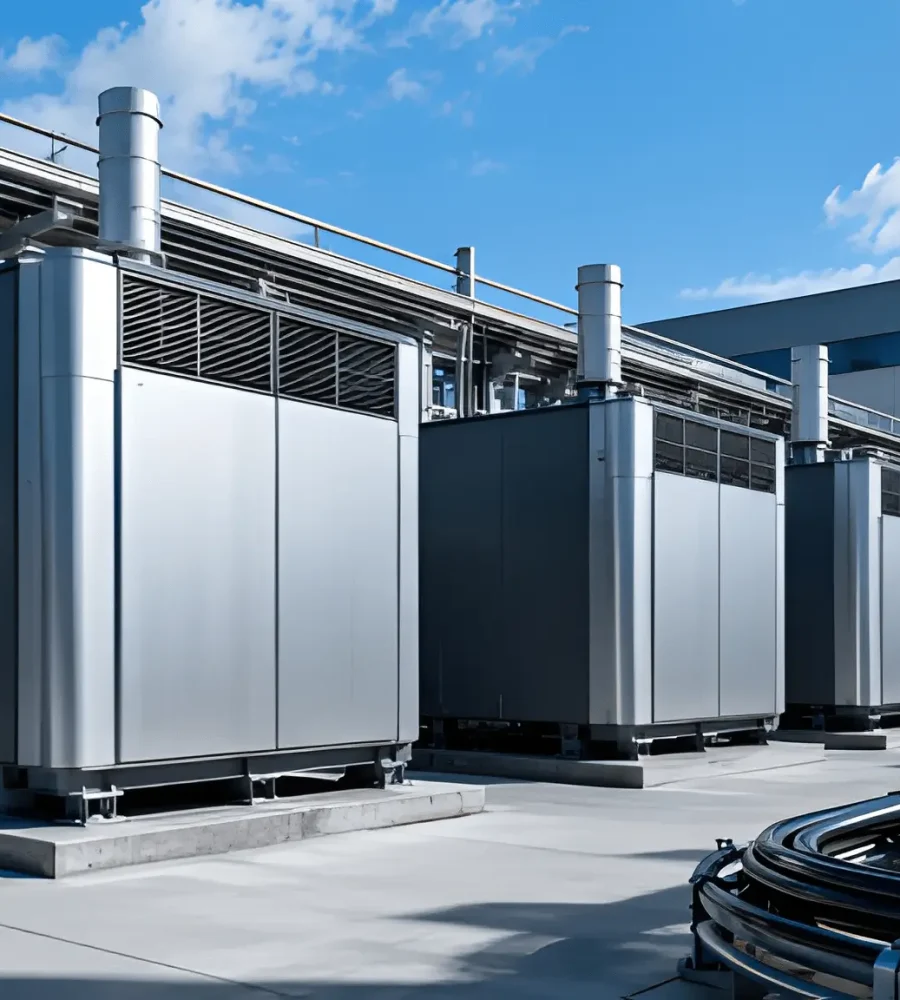
Air conditioning has quietly become one of the most strategic technologies in the artificial intelligence economy.
As governments across the Gulf accelerate plans to position themselves as global AI and hyperscale infrastructure hubs, the region’s extreme climate is emerging as a structural constraint rather than a manageable operational expense. What initially appeared to be a straightforward equation, abundant capital, cheap land, strategic geography, and political ambition increasingly looks vulnerable to the physical demands of AI-era computing.
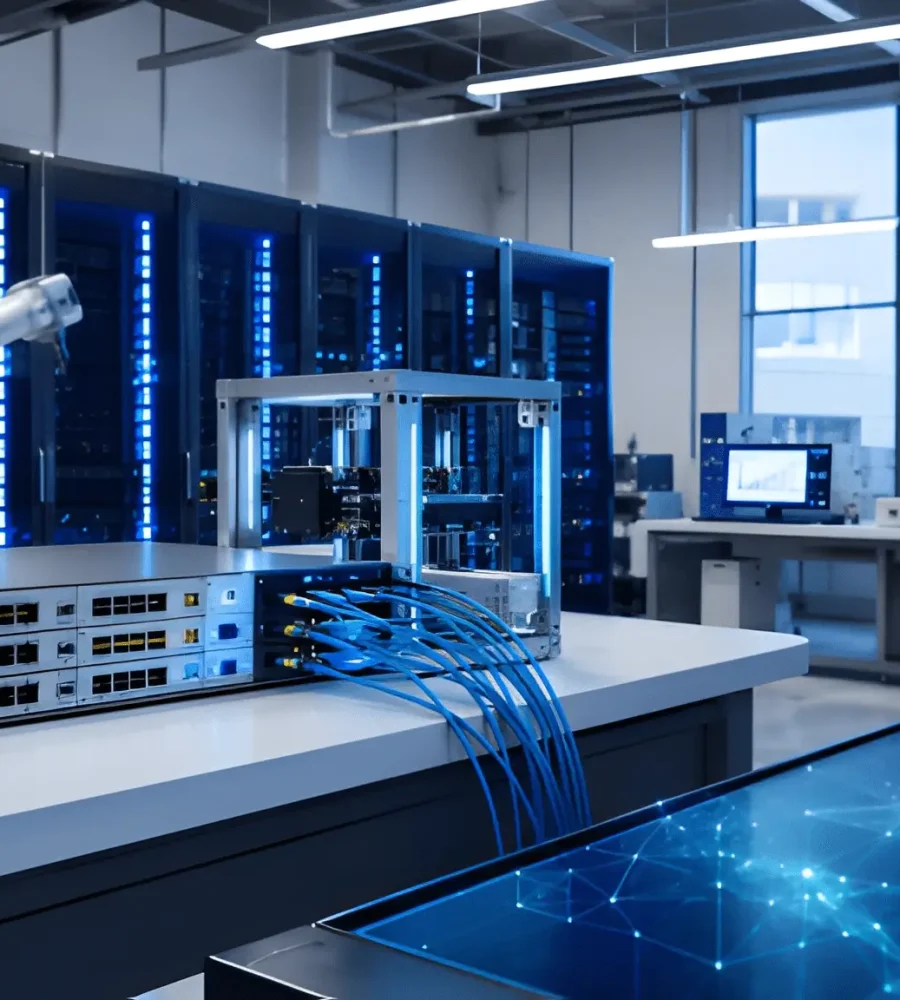
The challenge is not theoretical. AI workloads generate far greater thermal intensity than traditional cloud operations. High-density GPU clusters consume enormous volumes of electricity while producing concentrated heat loads that strain cooling systems continuously. In environments where summer temperatures already push infrastructure toward operational thresholds, the economics of scaling AI compute begin to change rapidly.
That shift is forcing investors, operators, and policymakers to reconsider a question the industry largely avoided during the early AI expansion cycle: whether some climates are fundamentally better suited for hyperscale AI infrastructure than others. The Gulf’s ambition to become a global AI crossroads may now depend less on financial capability and more on environmental survivability.
AI Data Centers Are Becoming Climate Stress Tests
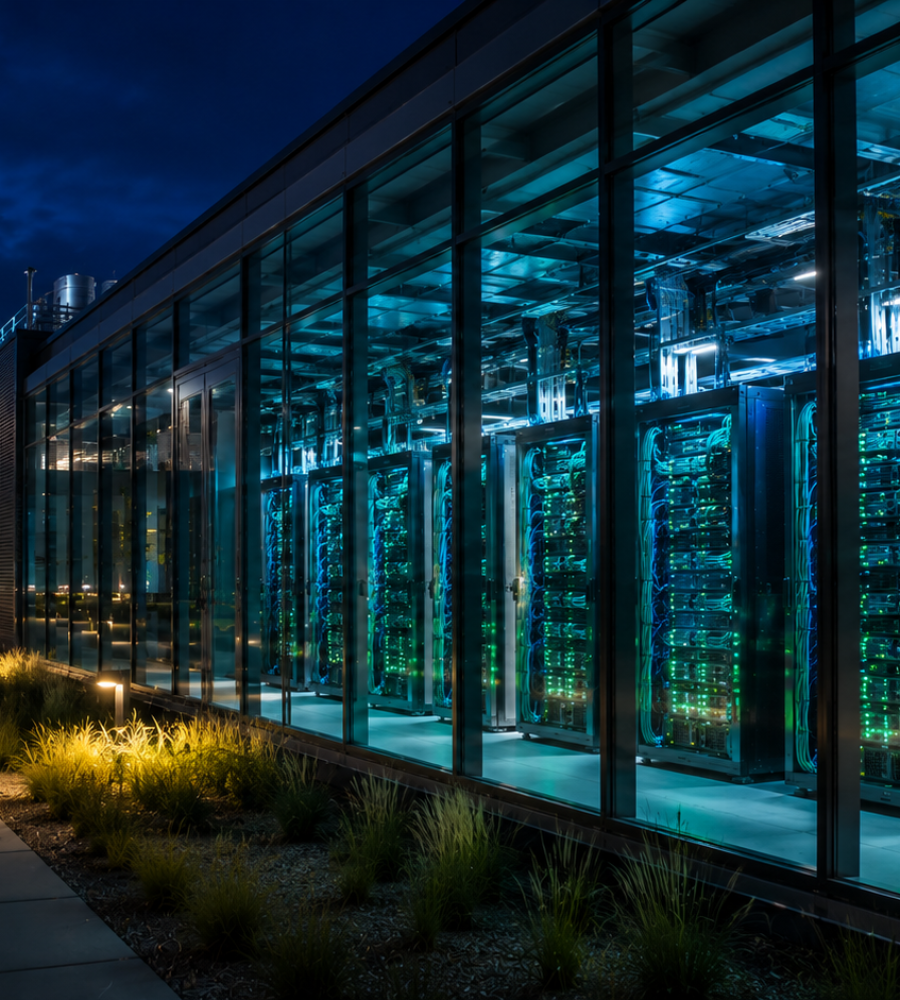
Traditional data centers were already energy-intensive assets. AI facilities operate at another level entirely. Large AI clusters require denser rack configurations, higher power utilization, more aggressive cooling architectures, and significantly greater redundancy systems. As inference workloads and model training volumes expand globally, operators face mounting pressure to maintain thermal stability around the clock.
In moderate climates, that challenge remains expensive but manageable. In ultra-hot climates, the problem becomes systemic. Cooling infrastructure in Gulf nations increasingly operates against outdoor conditions that reduce efficiency precisely when demand spikes hardest. As temperatures rise, cooling systems consume more power, water dependency intensifies, and grid pressure escalates simultaneously.
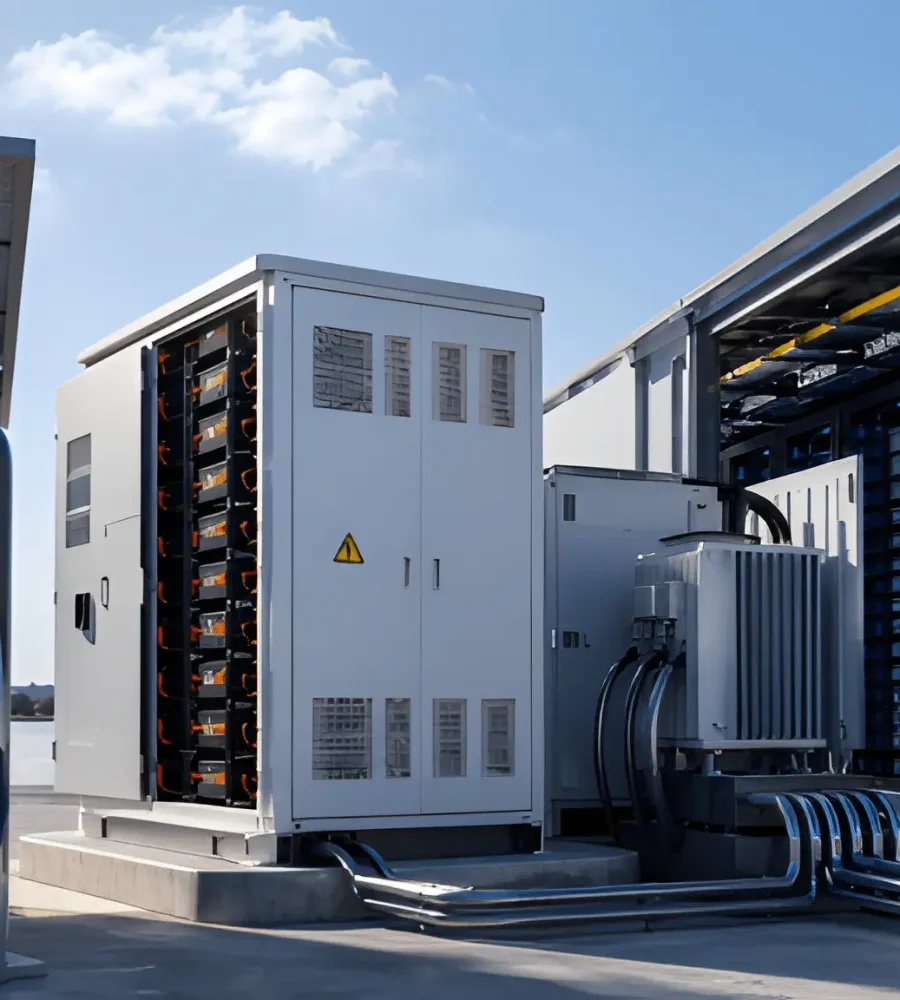
That creates a compounding infrastructure loop where AI growth itself amplifies operational fragility. The issue extends beyond electricity consumption. Heat stress affects backup systems, battery performance, hardware longevity, and fire risk exposure. AI facilities running at high utilization levels leave less operational margin for environmental instability, especially during prolonged heat waves.
That reality matters because hyperscale AI infrastructure depends on predictability above all else. Operators can tolerate high costs more easily than operational uncertainty. The global cloud industry previously optimized infrastructure around latency, tax incentives, and energy pricing. AI infrastructure introduces another variable with increasing importance: thermal resilience.
Capital Alone Cannot Neutralize Geography
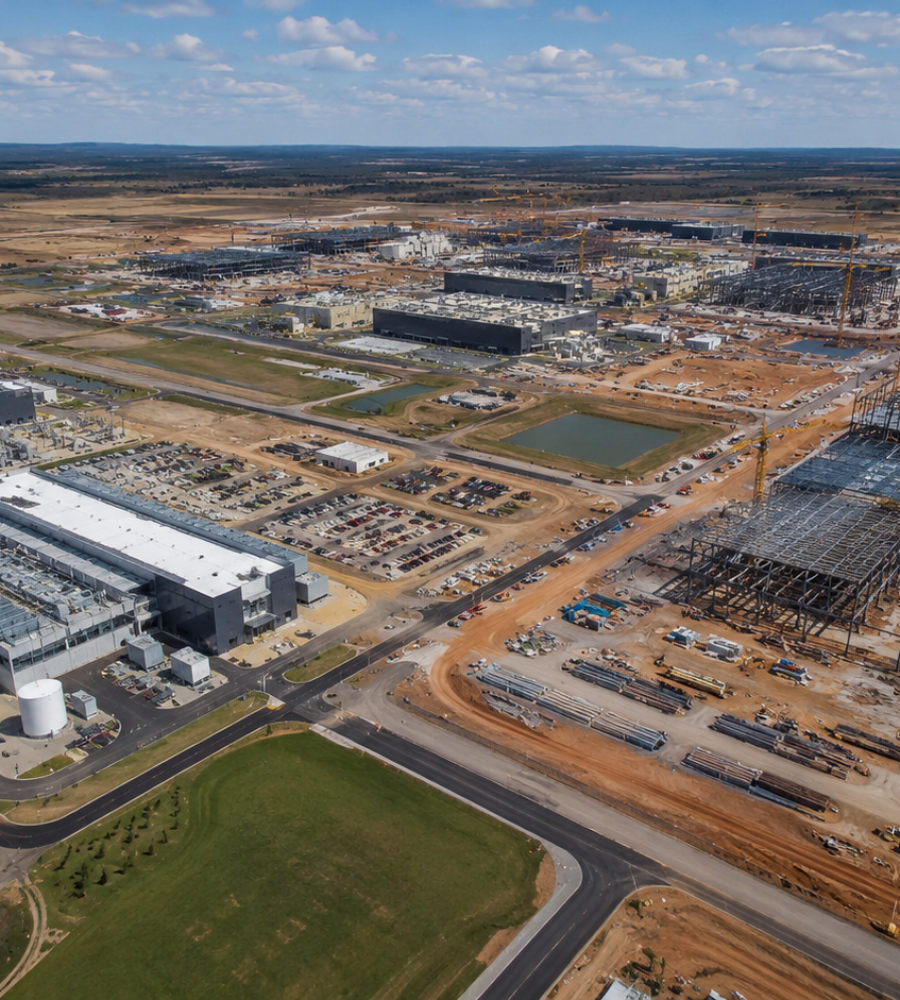
The Gulf’s AI strategy was built on scale. Saudi Arabia, the United Arab Emirates, and neighboring economies committed billions toward AI ecosystems, sovereign compute capacity, digital infrastructure, and semiconductor partnerships. The region positioned itself as a future bridge connecting Europe, Asia, and Africa while leveraging state-backed investment models unavailable in many competing markets.
That strategy remains economically significant. Gulf nations still possess advantages in financing capability, political coordination, and infrastructure execution speed. But AI infrastructure differs from many traditional megaprojects because physics eventually overrides ambition.
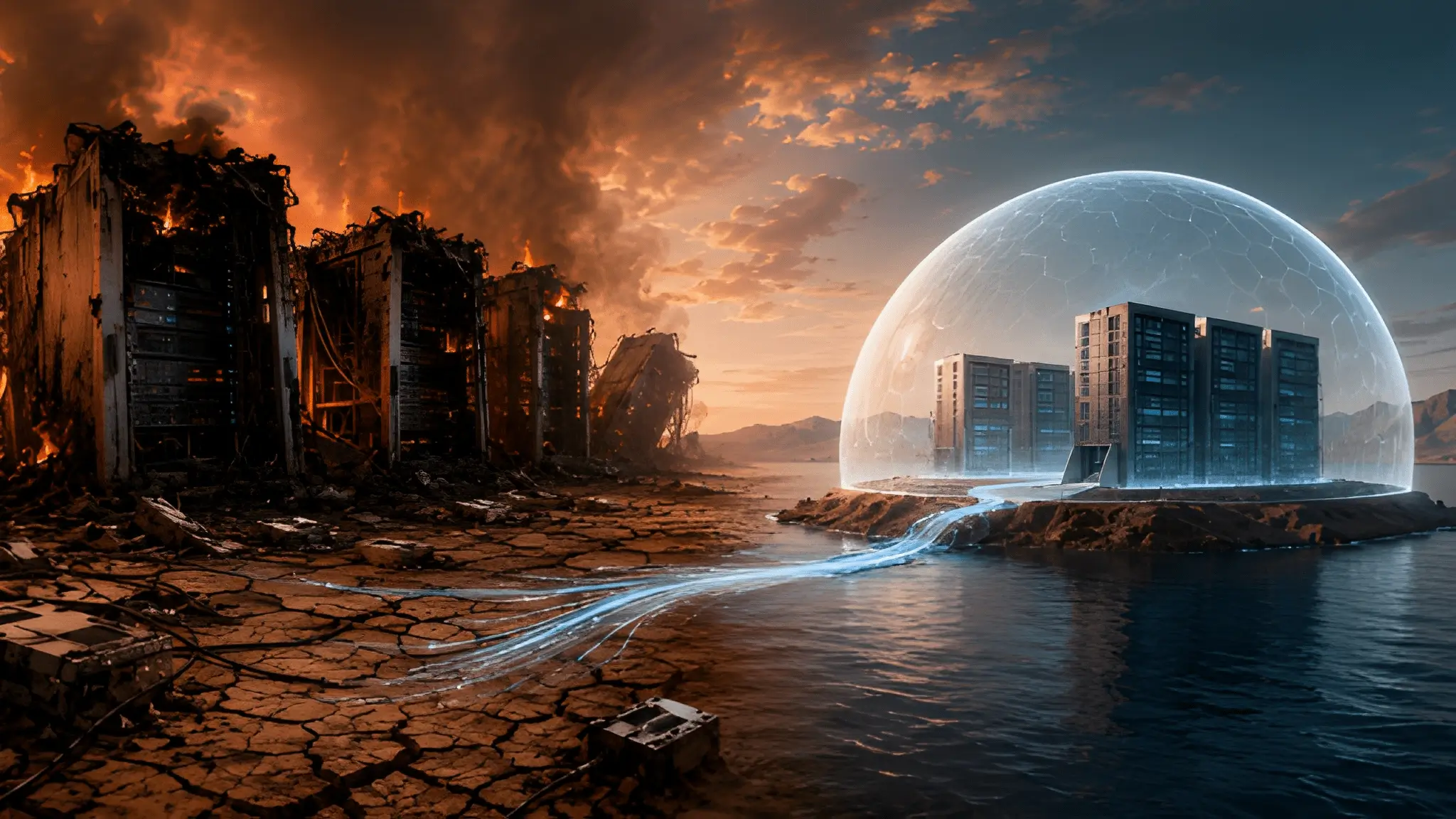
Money can subsidize cooling costs. It cannot eliminate thermodynamics. Operators may continue building advanced facilities in the Gulf, particularly for sovereign AI workloads or region-specific digital services. Yet the long-term economics of scaling hyperscale AI capacity in extreme heat environments look increasingly difficult to ignore.
Every additional degree of ambient temperature increases cooling intensity. Every increase in cooling intensity raises operational costs and energy dependency. Every rise in energy demand creates new pressure on power systems already managing rapid population growth and industrial expansion.
At sufficient scale, the climate itself becomes a balance-sheet variable. That possibility carries broader implications for global AI infrastructure strategy. Investors spent much of the past two years focusing on GPU supply chains, chip access, and power procurement. The next phase of competition may revolve around identifying regions capable of sustaining AI operations efficiently over decades rather than quarters.
Türkiye Is Emerging as the Regional Alternative
That shift helps explain why Türkiye is increasingly attracting attention as a potential regional AI infrastructure counterweight.
The country occupies a strategically unusual position. It sits between Europe, the Middle East, and Asia while maintaining relatively diversified energy access and more moderate climatic conditions than Gulf counterparts. For hyperscale operators evaluating long-term deployment risks, those characteristics matter more in the AI era than they did during earlier cloud expansion cycles.
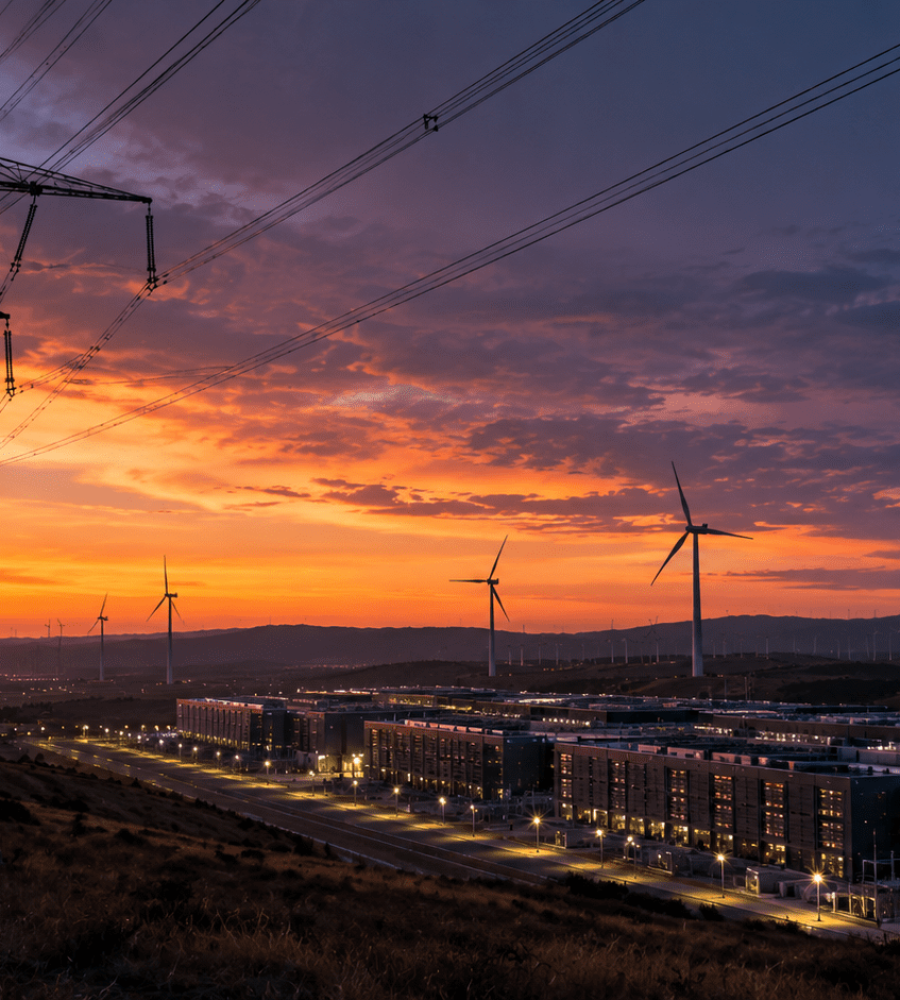
Türkiye also benefits from geography that supports subsea cable connectivity and cross-regional data transit. As AI infrastructure becomes more distributed, operators may prioritize locations capable of balancing thermal stability, energy accessibility, and geopolitical positioning simultaneously.
The country does not need to outperform Gulf economies financially to gain relevance. It only needs to appear operationally safer over the long term. That distinction could become increasingly important as investors grow more cautious about infrastructure concentrated in climate-vulnerable environments. AI facilities are designed for multi-decade operational lifespans. Decisions made today assume stability years into the future, not merely current profitability.
In that context, Türkiye’s relative climatic moderation becomes a strategic infrastructure asset rather than a secondary geographic feature. The emerging debate is not whether Gulf nations will stop building AI infrastructure. They will not.
The more consequential question is whether the region can economically sustain hyperscale AI density at the level initially envisioned without triggering escalating operational inefficiencies.
The AI Race May Reward Thermal Stability Over Financial Power
The broader industry implication reaches far beyond the Middle East. For years, digital infrastructure expansion followed a familiar logic: capital flows toward regions offering incentives, connectivity, and political support. AI infrastructure complicates that model because environmental stress now directly affects operational economics.
Climate resilience is beginning to function like infrastructure resilience. That transition could reshape where the next generation of AI clusters ultimately concentrates. Cooler regions with stable grids, diversified energy systems, and manageable environmental conditions may gain structural advantages even without matching the financial firepower of wealthier competitors.
The AI economy increasingly depends on physical infrastructure operating continuously at enormous energy density. That makes temperature more than a weather condition. It becomes an operational input.
The Gulf’s current trajectory may ultimately serve as an early warning for the wider industry. The same environmental pressures affecting Middle Eastern AI expansion could eventually influence infrastructure planning across parts of Asia, Southern Europe, and the American Southwest as global temperatures continue rising.
The industry spent years treating AI as a software revolution. It is now becoming an infrastructure endurance test. And in that contest, the decisive factor may not be who can spend the most on AI ambition, but which regions can keep the machines cool enough to survive it.